


Fast Delivery
Quick, reliable shipping to any location.

Free & easy returns
Return this item by mail or in store within 90 days for a full refund.
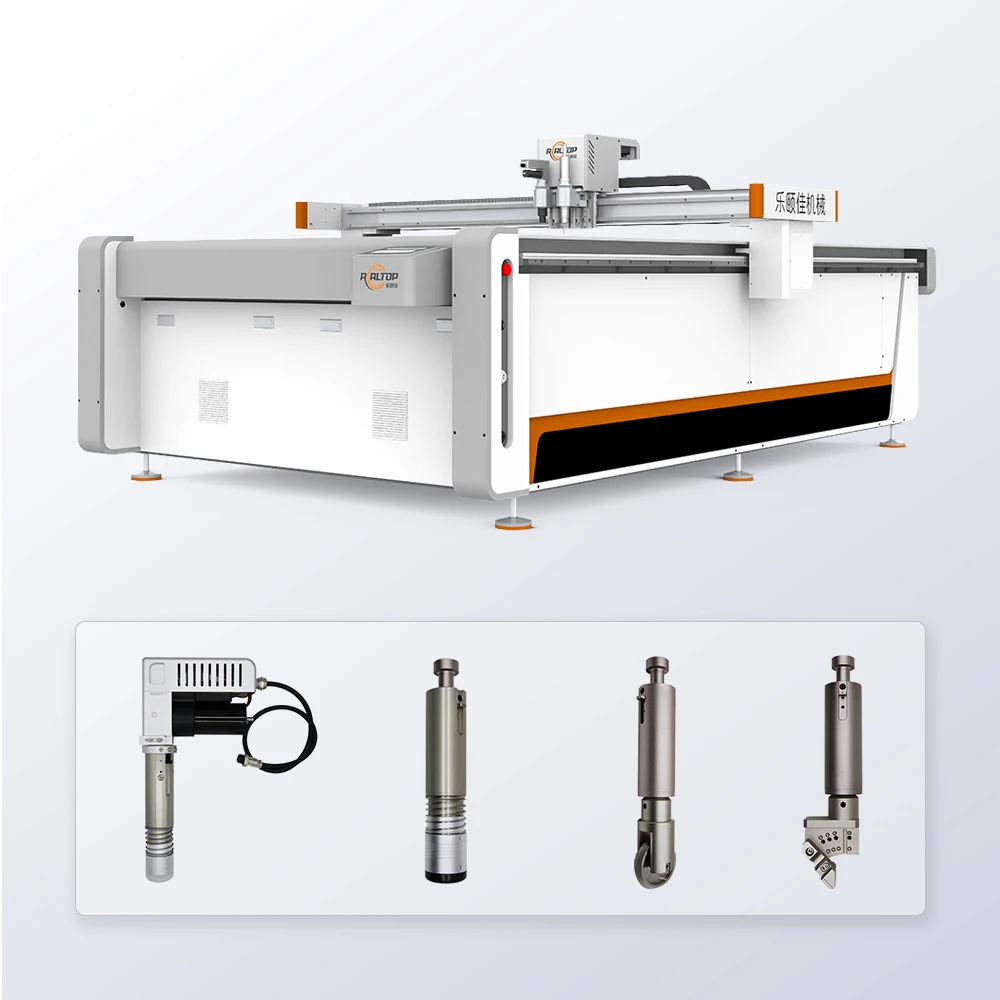
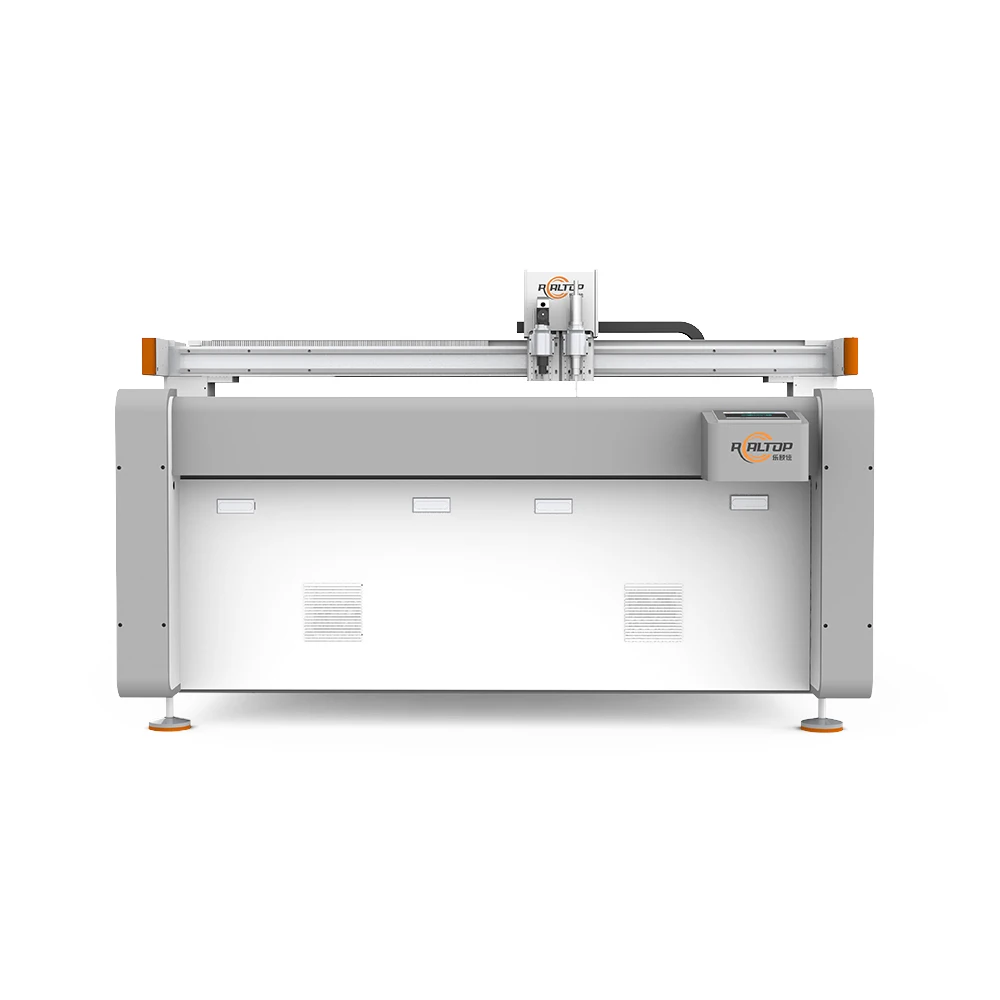
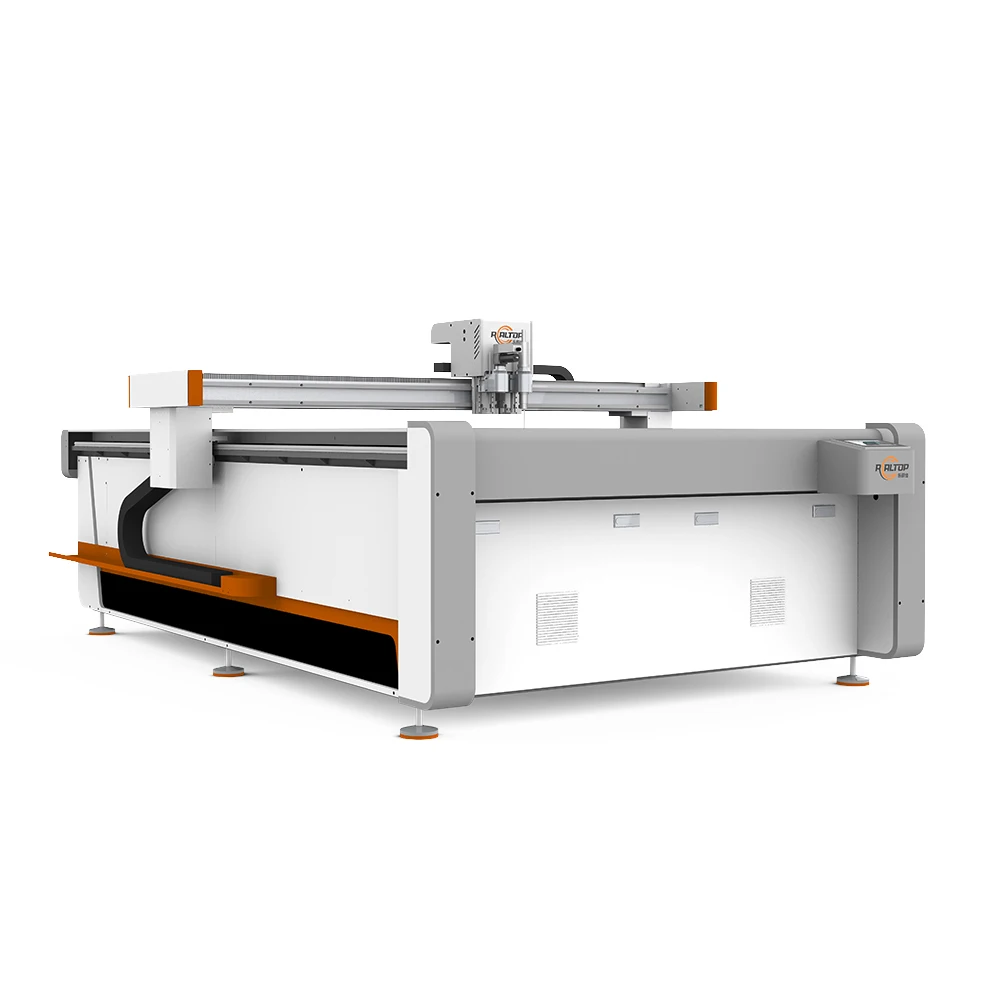
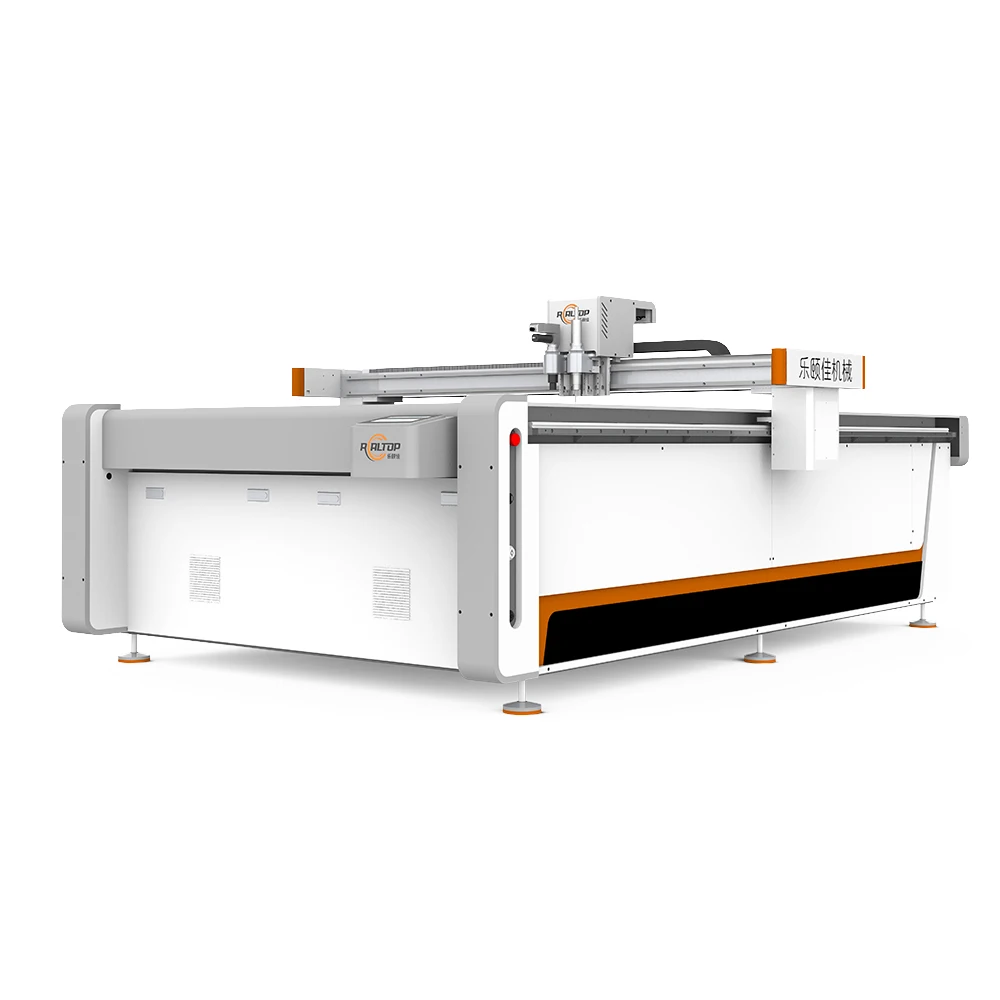
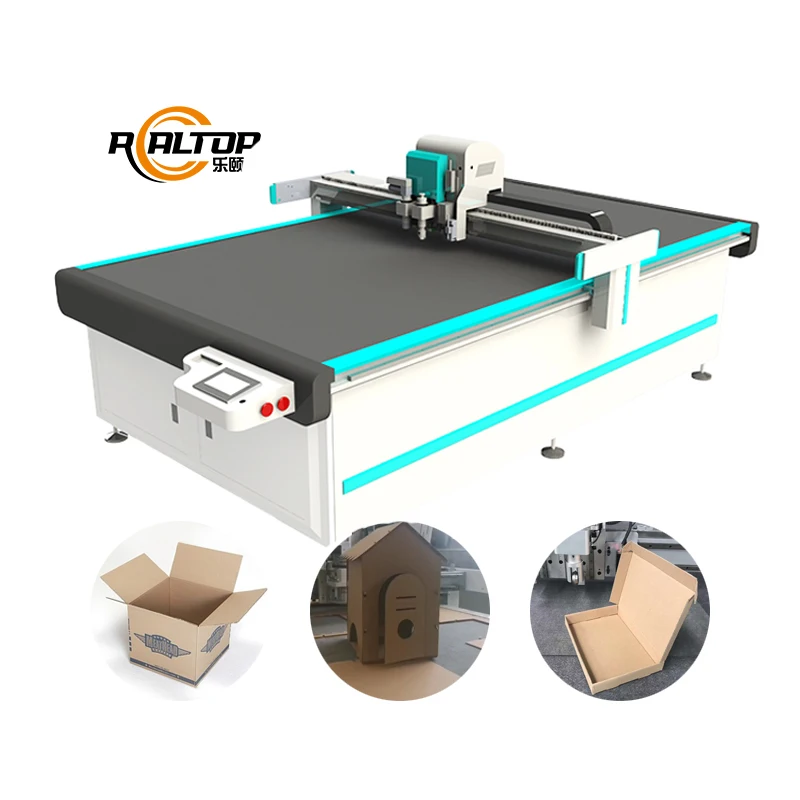
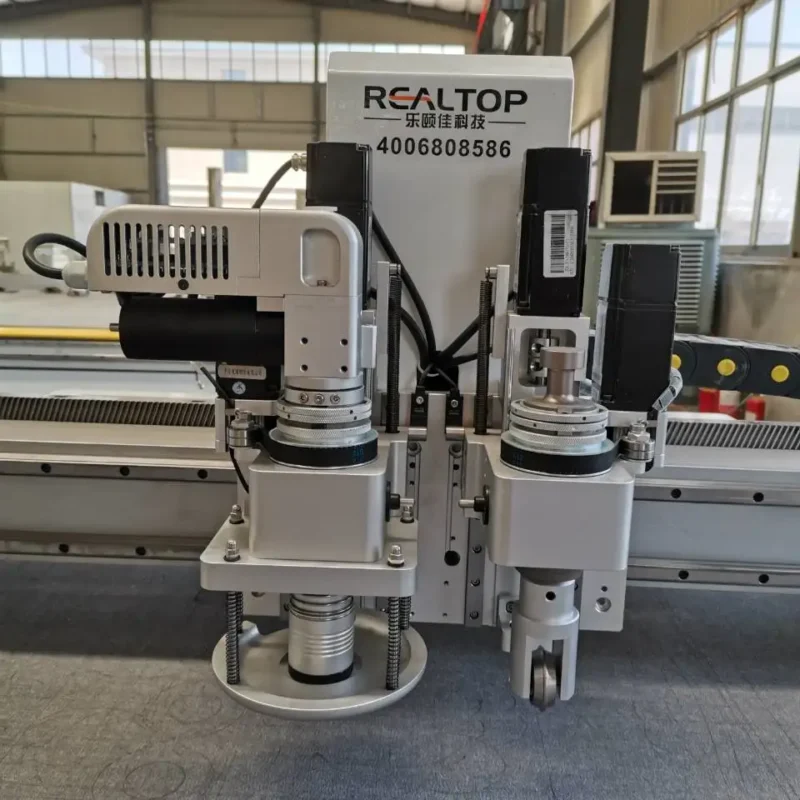
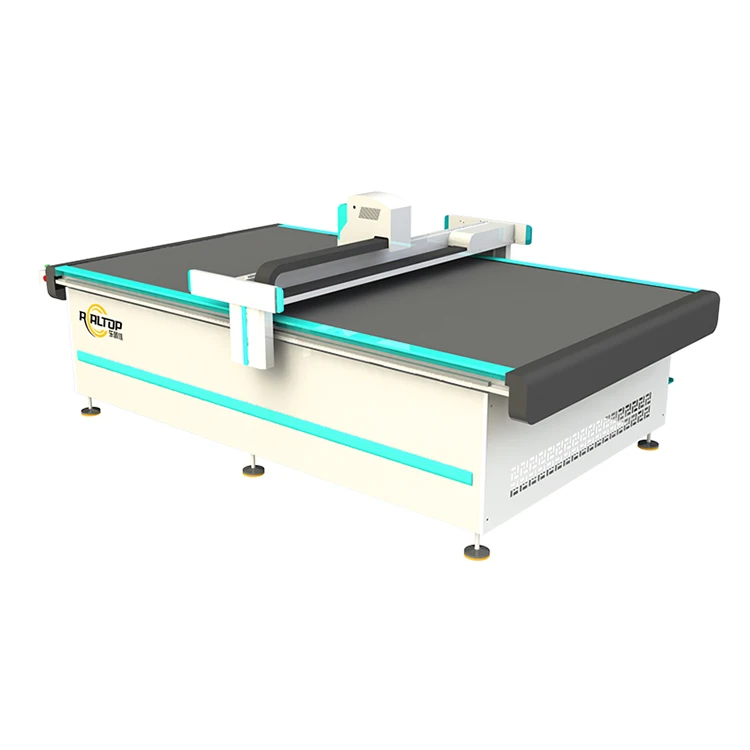
Tool Head Versatility — Interchangeable oscillating knife, creasing wheel and V-groove tooling lets you cut corrugated, foam and cardstock on one 1600×2500mm platform without forcing a single method across mixed packaging substrates.
Technical Specifications
| Parameter | Value |
|---|---|
| Model | 1625(std.) |
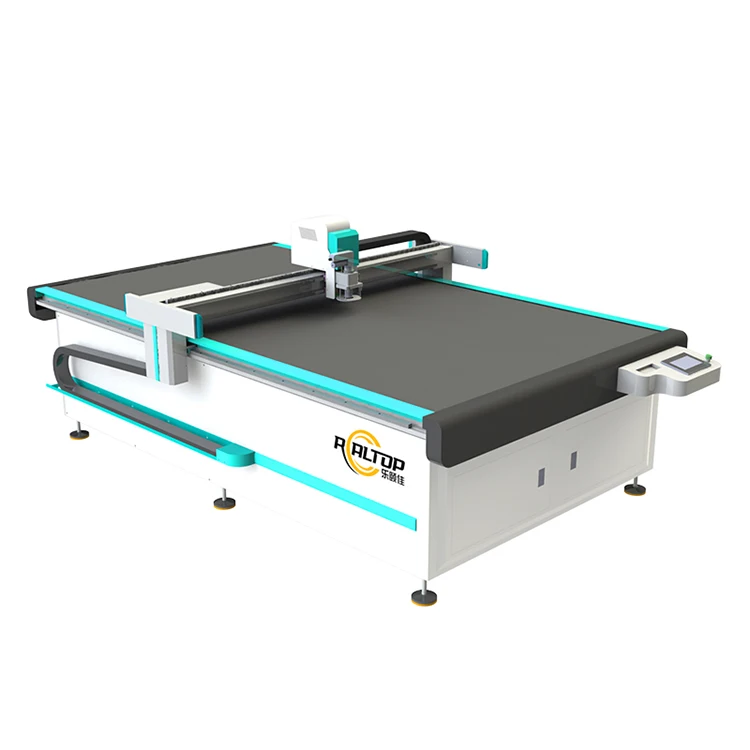
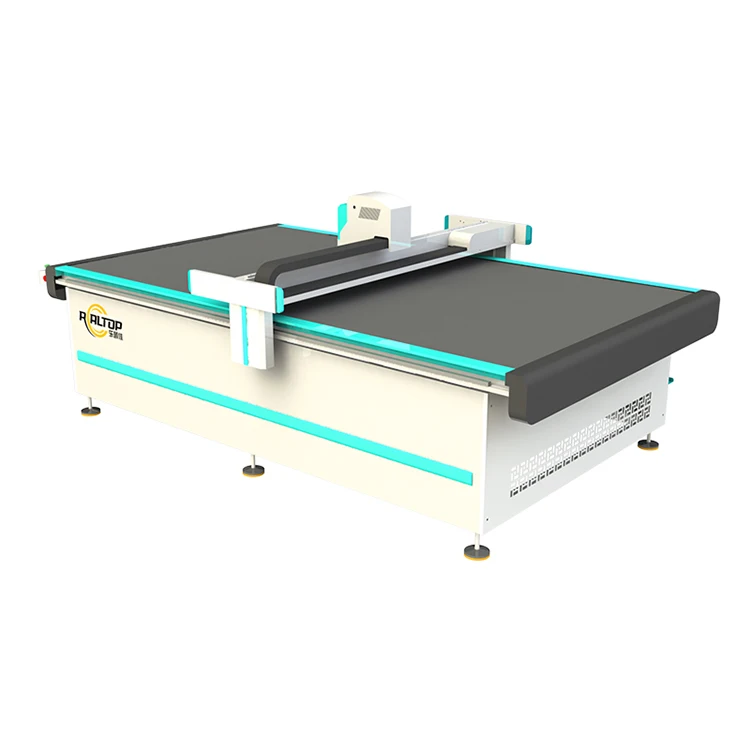
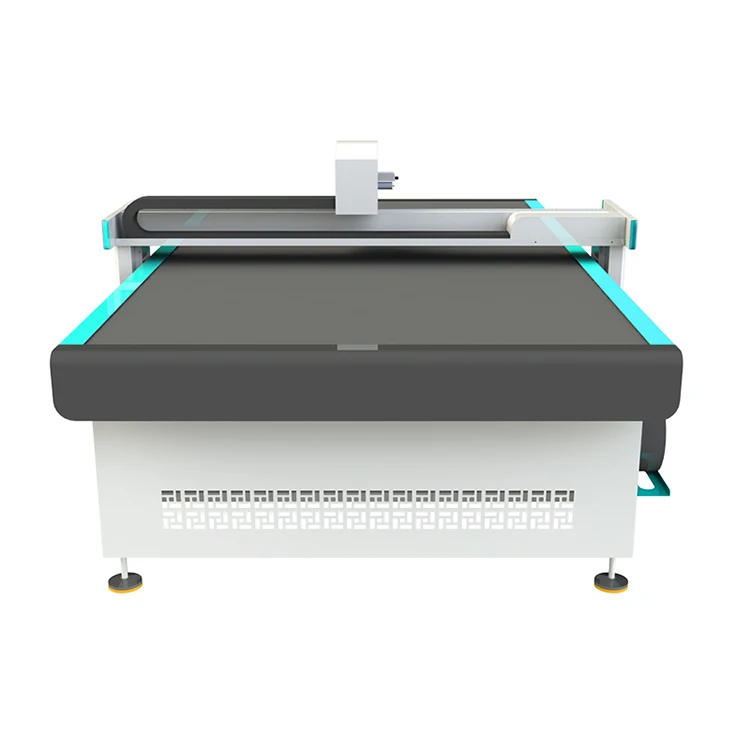
| Product Type | CNC Oscillating Knife Cutting Machine for Packaging |
| Working Area | 1600 × 2500 mm |
| Tool Head Options | Oscillating knife, Driven rotary knife, Creasing wheel, Kiss cutting tool, Pneumatic knife, Milling tool, V-groove knife |
| Cutting Speed | 0–1500 mm/s |
| Cutting Thickness | ≤ 40 mm (basis not stated in source — confirm block format / material / thickness) |
| Cutting Accuracy | ±0.1 mm |
| Vacuum Pump Power | 9 kW |
| Voltage Options | 110V, 220V, 380V (rated or peak not specified in source) |
| Profile Formats | PLT, DXF, AI, PDF |
| Safety Devices | Infrared sensor, Emergency stop |
| Machine Size | 3300 × 2100 × 1350 mm |
| Control System | PLC control panel |
| Software Languages | English, Russian, Italian, Chinese (special languages customizable) |
| Machine Frame | Heavy-duty frame with precision-ground surface |
| Vacuum Table | Aluminum bellows vacuum table |
| Certification | CE |
Application Suitability
| Application | Material or Output |
|---|---|
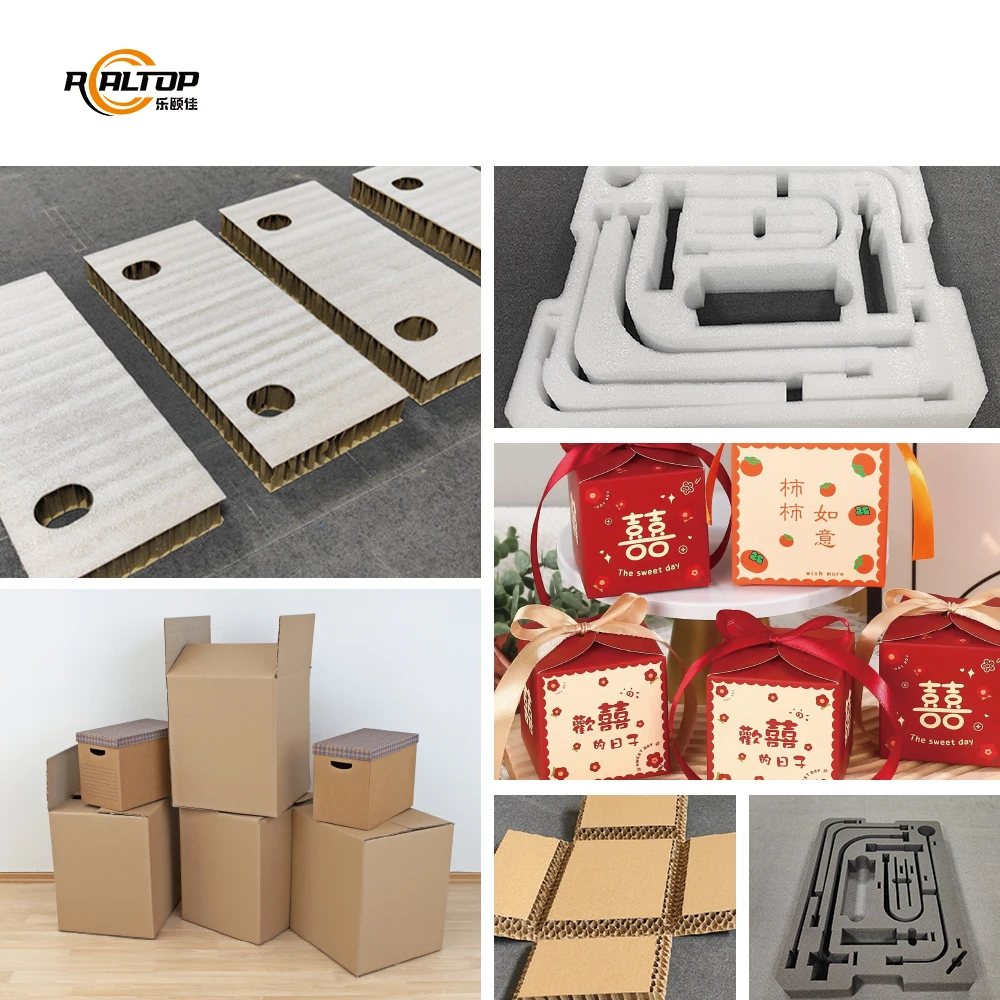
| Carton and corrugated sample making | E-flute, B-flute, BC-flute corrugated board, greyboard |
| Packaging insert fabrication | EVA foam, EPE foam, PU foam, rubber mats |
| Specialty packaging and display | Cardstock, art paper, specialty paper, PVC, PET thin sheets |
| Protective lining and gasket cutting | Leather, synthetic leather, composite materials, adhesive-backed substrates |
| Textile packaging components | Velvet, fleece fabric, non-woven fabric |
Why Cutting Thickness Claims Fail on Multi-Ply Corrugated
The thickness number on the spec sheet only matters when matched to the actual ply structure and density of the board you run daily.
I spent months sourcing a Packaging CNC Cutting Machine for sale for a corrugated converter in Southeast Asia. The supplier quoted ≤ 40 mm cutting depth, which sounded adequate. What they did not disclose was that the figure was measured on single-face B-flute under ideal conditions. When the buyer switched to five-layer AB-flute laminated with greyboard — their actual production material — the oscillating knife stalled, edges compressed, and the machine required constant blade changes. This mismatch between rated capability and real substrate behaviour is one of the most common reasons packaging buyers reject machines after installation [NEED_CITE: corrugated ply density and knife resistance in digital cutting]. A CNC Oscillating Knife Cutting Machine manufacturer that tests your specific board grade before quoting is addressing this gap directly.
Matching Tool Heads to Packaging Substrates
The 1625(std.) offers seven interchangeable tool heads, each engineered for a different class of packaging material. The oscillating knife handles corrugated board and thick foam with a vibrating blade action that prevents edge crushing. The creasing wheel scores fold lines on cardstock and greyboard without cutting through the substrate. The V-groove knife removes material in a channel for rigid box construction. Selecting the wrong head for your material is the single largest source of ragged edges and rejected samples in digital packaging production.
Vacuum Hold-Down Across the Full Bed Area
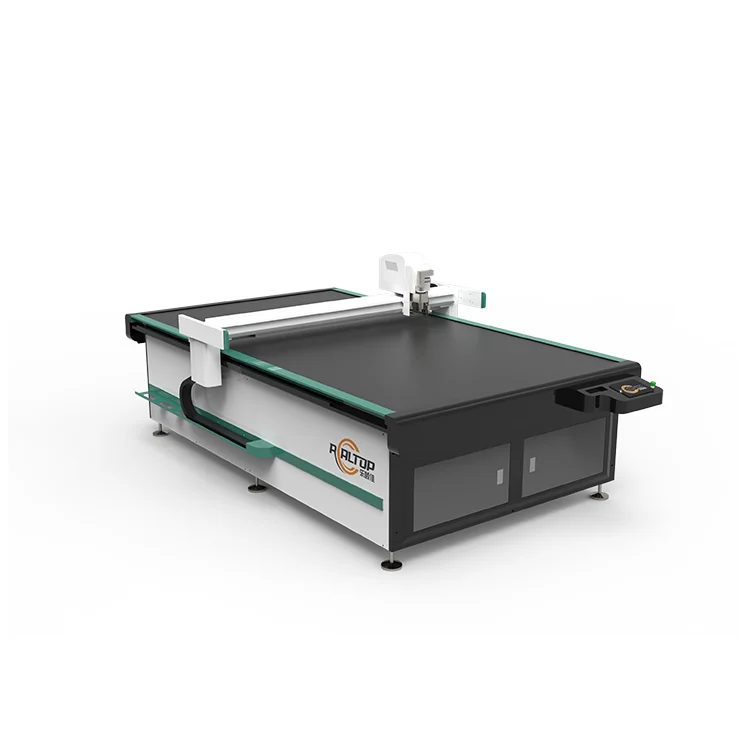
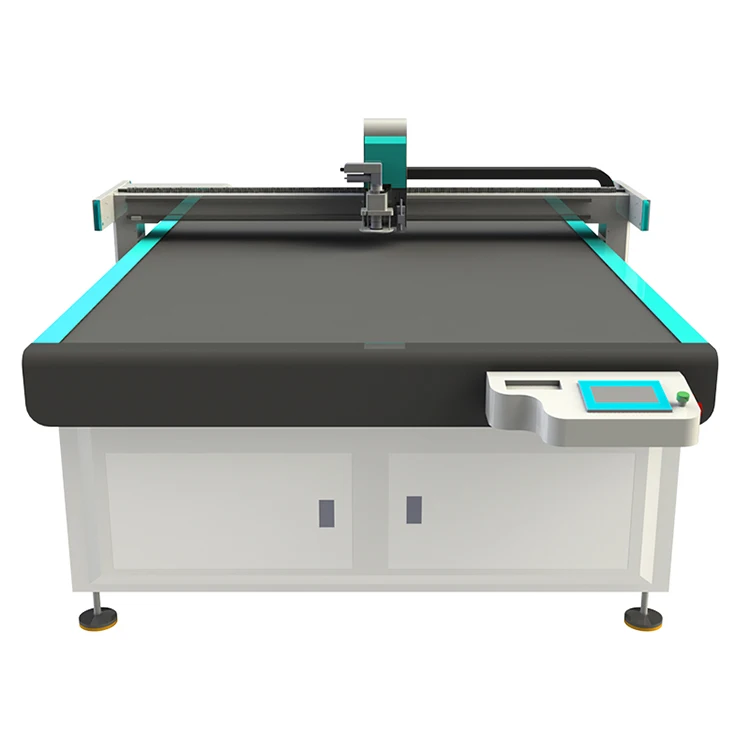
The aluminum bellows vacuum table on this Packaging CNC Cutting Machine provides full-surface adsorption across the 1600 × 2500 mm working area. Corrugated sheets tend to warp at the edges, and thin cardstock lifts under knife drag. A flat, consistent vacuum zone prevents material shift during high-speed traverses. When cutting small packaging inserts from EVA or EPE foam, inadequate zoning allows offcuts to drift into the knife path, causing registration errors and blade damage [NEED_CITE: vacuum table zoning requirements for small-part digital cutting].
Interpreting the Key Parameters for Packaging Workflows
Cutting speed is rated at 0–1500 mm/s, but this figure represents maximum traverse speed on a straight path, not production throughput on nested packaging layouts with frequent direction changes. The actual effective speed depends on the contour complexity of your box structure files and the deceleration required at each corner. Cutting accuracy of ±0.1 mm ensures that crease lines align with cut edges on multi-panel carton designs, which is critical when sample boxes must assemble without gaps or overlaps. The 9 kW vacuum pump generates sufficient suction for heavy corrugated sheets, but buyers running exclusively thin art paper may find full pump power unnecessary and should confirm variable suction control. PLC control with configurable software languages means operators in different markets can run the interface in their working language, reducing setup errors during shift changes.
The Hidden Cost of Underspecified Configuration
When a packaging buyer specifies a machine based on working area alone, the downstream problems accumulate quietly. A vacuum table without adequate zoning for small die-cut shapes causes lift during cutting, forcing operators to tape material down manually and slowing throughput. Choosing an oscillating knife for kiss-cut applications on adhesive-backed labels produces through-cuts that ruin the backing paper. Voltage mismatches discovered after shipment — when the buyer’s facility runs 220V single-phase and the machine arrives wired for 380V three-phase — lead to weeks of delay while transformers are sourced locally [NEED_CITE: industrial voltage mismatch consequences on CNC equipment]. These are not catastrophic failures; they are configuration oversights that erode the value of the investment.
Why Procure This Machine Here
In-house design covering both oscillating knife and laser technologies allows packaging buyers to match the cutting method to the substrate rather than forcing one method across all jobs. Tool head and table configurations are specified per material type and production volume before the order is placed. File format compatibility with PLT, DXF, AI and PDF profiles is confirmed during the pre-order stage so your existing nesting workflow transfers without conversion errors. Sample cutting on your own packaging board — including your exact flute profile and lamination — runs before commitment. Voltage, plug type and control panel language are verified against your facility specifications before dispatch.
Documentation & Verification
- Machine specification sheet listing all seven tool head options and compatible material ranges
- Electrical schematic confirming voltage rating, phase and plug type for your facility
- Tool head and vacuum table configuration list matched to your substrate and thickness
- Sample cutting report on your corrugated or foam material with measured edge quality
- Software licence with confirmed file format compatibility for your CAD or nesting platform
- Factory test record showing cutting accuracy verification before crating
Installation, Commissioning & Support
- Heavy-duty frame requires level concrete floor; confirm load capacity for 3300 × 2100 × 1350 mm footprint
- 9 kW vacuum pump plus spindle and control loads require dedicated circuit matching confirmed voltage
- Machine ships with tool heads pre-mounted; calibration verification on first power-up at site
- PLC control panel configured in operator’s language before commissioning begins
- Initial test cuts run on buyer-supplied packaging material to validate crease alignment and edge quality
- Oscillating knife blades, creasing wheels and vacuum table seals included in first spare parts shipment
Preparing Your Inquiry
To receive an accurate configuration for your packaging operation, provide the specific corrugated flute type or foam density you cut most often, the maximum sheet size you feed, and your typical daily volume. Confirm your facility voltage and phase, the CAD or nesting software you currently use, and whether you need sample cutting on your own material before placing the order.
Frequently Asked Questions
Q: How do I verify the machine can cut my specific corrugated ply and foam density?
A: Send a sample of your actual production material — including lamination if applicable — for a test cut on the 1625(std.). The resulting sample cutting report documents edge quality, knife wear and achievable speed on your substrate, so you evaluate real performance rather than a general thickness rating.
Q: Which tool head should I choose for my packaging material?
A: Oscillating knife suits corrugated board and thick foam. Creasing wheel scores fold lines on cardstock without through-cutting. V-groove knife channels material for rigid box corners. Your tool head list is configured during the quotation stage based on the substrates you provide.
Q: Will the software work with my existing CAD and nesting files?
A: The system accepts PLT, DXF, AI and PDF formats. Before your order is finalized, file compatibility is tested against your actual design files and nesting layout to confirm that crease lines, cut paths and registration marks import without conversion.
Q: What voltage and language options are available before shipment?
A: The machine is configurable for 110V, 220V or 380V supply, and the PLC control panel supports English, Russian, Italian, Chinese and other languages on request. Both specifications are confirmed in writing before production begins.
Q: Can I arrange sample cutting on my material before committing to an order?
A: Yes. Ship your packaging board, foam or composite to the factory. The sample cutting runs on the configured tool head and vacuum table, and you receive the cut samples along with a performance report before deciding.
Tool Head Versatility — Interchangeable oscillating knife, creasing wheel and V-groove tooling lets you cut corrugated, foam and cardstock on one 1600×2500mm platform without forcing a single method across mixed packaging substrates.
Technical Specifications
| Parameter | Value |
|---|---|
| Model | 1625(std.) |
| Product Type | CNC Oscillating Knife Cutting Machine for Packaging |
| Working Area | 1600 × 2500 mm |
| Tool Head Options | Oscillating knife, Driven rotary knife, Creasing wheel, Kiss cutting tool, Pneumatic knife, Milling tool, V-groove knife |
| Cutting Speed | 0–1500 mm/s |
| Cutting Thickness | ≤ 40 mm (basis not stated in source — confirm block format / material / thickness) |
| Cutting Accuracy | ±0.1 mm |
| Vacuum Pump Power | 9 kW |
| Voltage Options | 110V, 220V, 380V (rated or peak not specified in source) |
| Profile Formats | PLT, DXF, AI, PDF |
| Safety Devices | Infrared sensor, Emergency stop |
| Machine Size | 3300 × 2100 × 1350 mm |
| Control System | PLC control panel |
| Software Languages | English, Russian, Italian, Chinese (special languages customizable) |
| Machine Frame | Heavy-duty frame with precision-ground surface |
| Vacuum Table | Aluminum bellows vacuum table |
| Certification | CE |
Application Suitability
| Application | Material or Output |
|---|---|
| Carton and corrugated sample making | E-flute, B-flute, BC-flute corrugated board, greyboard |
| Packaging insert fabrication | EVA foam, EPE foam, PU foam, rubber mats |
| Specialty packaging and display | Cardstock, art paper, specialty paper, PVC, PET thin sheets |
| Protective lining and gasket cutting | Leather, synthetic leather, composite materials, adhesive-backed substrates |
| Textile packaging components | Velvet, fleece fabric, non-woven fabric |
Why Cutting Thickness Claims Fail on Multi-Ply Corrugated
The thickness number on the spec sheet only matters when matched to the actual ply structure and density of the board you run daily.
I spent months sourcing a Packaging CNC Cutting Machine for sale for a corrugated converter in Southeast Asia. The supplier quoted ≤ 40 mm cutting depth, which sounded adequate. What they did not disclose was that the figure was measured on single-face B-flute under ideal conditions. When the buyer switched to five-layer AB-flute laminated with greyboard — their actual production material — the oscillating knife stalled, edges compressed, and the machine required constant blade changes. This mismatch between rated capability and real substrate behaviour is one of the most common reasons packaging buyers reject machines after installation [NEED_CITE: corrugated ply density and knife resistance in digital cutting]. A CNC Oscillating Knife Cutting Machine manufacturer that tests your specific board grade before quoting is addressing this gap directly.
Matching Tool Heads to Packaging Substrates
The 1625(std.) offers seven interchangeable tool heads, each engineered for a different class of packaging material. The oscillating knife handles corrugated board and thick foam with a vibrating blade action that prevents edge crushing. The creasing wheel scores fold lines on cardstock and greyboard without cutting through the substrate. The V-groove knife removes material in a channel for rigid box construction. Selecting the wrong head for your material is the single largest source of ragged edges and rejected samples in digital packaging production.
Vacuum Hold-Down Across the Full Bed Area
The aluminum bellows vacuum table on this Packaging CNC Cutting Machine provides full-surface adsorption across the 1600 × 2500 mm working area. Corrugated sheets tend to warp at the edges, and thin cardstock lifts under knife drag. A flat, consistent vacuum zone prevents material shift during high-speed traverses. When cutting small packaging inserts from EVA or EPE foam, inadequate zoning allows offcuts to drift into the knife path, causing registration errors and blade damage [NEED_CITE: vacuum table zoning requirements for small-part digital cutting].
Interpreting the Key Parameters for Packaging Workflows
Cutting speed is rated at 0–1500 mm/s, but this figure represents maximum traverse speed on a straight path, not production throughput on nested packaging layouts with frequent direction changes. The actual effective speed depends on the contour complexity of your box structure files and the deceleration required at each corner. Cutting accuracy of ±0.1 mm ensures that crease lines align with cut edges on multi-panel carton designs, which is critical when sample boxes must assemble without gaps or overlaps. The 9 kW vacuum pump generates sufficient suction for heavy corrugated sheets, but buyers running exclusively thin art paper may find full pump power unnecessary and should confirm variable suction control. PLC control with configurable software languages means operators in different markets can run the interface in their working language, reducing setup errors during shift changes.
The Hidden Cost of Underspecified Configuration
When a packaging buyer specifies a machine based on working area alone, the downstream problems accumulate quietly. A vacuum table without adequate zoning for small die-cut shapes causes lift during cutting, forcing operators to tape material down manually and slowing throughput. Choosing an oscillating knife for kiss-cut applications on adhesive-backed labels produces through-cuts that ruin the backing paper. Voltage mismatches discovered after shipment — when the buyer’s facility runs 220V single-phase and the machine arrives wired for 380V three-phase — lead to weeks of delay while transformers are sourced locally [NEED_CITE: industrial voltage mismatch consequences on CNC equipment]. These are not catastrophic failures; they are configuration oversights that erode the value of the investment.
Why Procure This Machine Here
In-house design covering both oscillating knife and laser technologies allows packaging buyers to match the cutting method to the substrate rather than forcing one method across all jobs. Tool head and table configurations are specified per material type and production volume before the order is placed. File format compatibility with PLT, DXF, AI and PDF profiles is confirmed during the pre-order stage so your existing nesting workflow transfers without conversion errors. Sample cutting on your own packaging board — including your exact flute profile and lamination — runs before commitment. Voltage, plug type and control panel language are verified against your facility specifications before dispatch.
Documentation & Verification
- Machine specification sheet listing all seven tool head options and compatible material ranges
- Electrical schematic confirming voltage rating, phase and plug type for your facility
- Tool head and vacuum table configuration list matched to your substrate and thickness
- Sample cutting report on your corrugated or foam material with measured edge quality
- Software licence with confirmed file format compatibility for your CAD or nesting platform
- Factory test record showing cutting accuracy verification before crating
Installation, Commissioning & Support
- Heavy-duty frame requires level concrete floor; confirm load capacity for 3300 × 2100 × 1350 mm footprint
- 9 kW vacuum pump plus spindle and control loads require dedicated circuit matching confirmed voltage
- Machine ships with tool heads pre-mounted; calibration verification on first power-up at site
- PLC control panel configured in operator’s language before commissioning begins
- Initial test cuts run on buyer-supplied packaging material to validate crease alignment and edge quality
- Oscillating knife blades, creasing wheels and vacuum table seals included in first spare parts shipment
Preparing Your Inquiry
To receive an accurate configuration for your packaging operation, provide the specific corrugated flute type or foam density you cut most often, the maximum sheet size you feed, and your typical daily volume. Confirm your facility voltage and phase, the CAD or nesting software you currently use, and whether you need sample cutting on your own material before placing the order.
Frequently Asked Questions
Q: How do I verify the machine can cut my specific corrugated ply and foam density?
A: Send a sample of your actual production material — including lamination if applicable — for a test cut on the 1625(std.). The resulting sample cutting report documents edge quality, knife wear and achievable speed on your substrate, so you evaluate real performance rather than a general thickness rating.
Q: Which tool head should I choose for my packaging material?
A: Oscillating knife suits corrugated board and thick foam. Creasing wheel scores fold lines on cardstock without through-cutting. V-groove knife channels material for rigid box corners. Your tool head list is configured during the quotation stage based on the substrates you provide.
Q: Will the software work with my existing CAD and nesting files?
A: The system accepts PLT, DXF, AI and PDF formats. Before your order is finalized, file compatibility is tested against your actual design files and nesting layout to confirm that crease lines, cut paths and registration marks import without conversion.
Q: What voltage and language options are available before shipment?
A: The machine is configurable for 110V, 220V or 380V supply, and the PLC control panel supports English, Russian, Italian, Chinese and other languages on request. Both specifications are confirmed in writing before production begins.
Q: Can I arrange sample cutting on my material before committing to an order?
A: Yes. Ship your packaging board, foam or composite to the factory. The sample cutting runs on the configured tool head and vacuum table, and you receive the cut samples along with a performance report before deciding.
商品评价
There are no reviews yet.