

Fast Delivery
Quick, reliable shipping to any location.

Free & easy returns
Return this item by mail or in store within 90 days for a full refund.
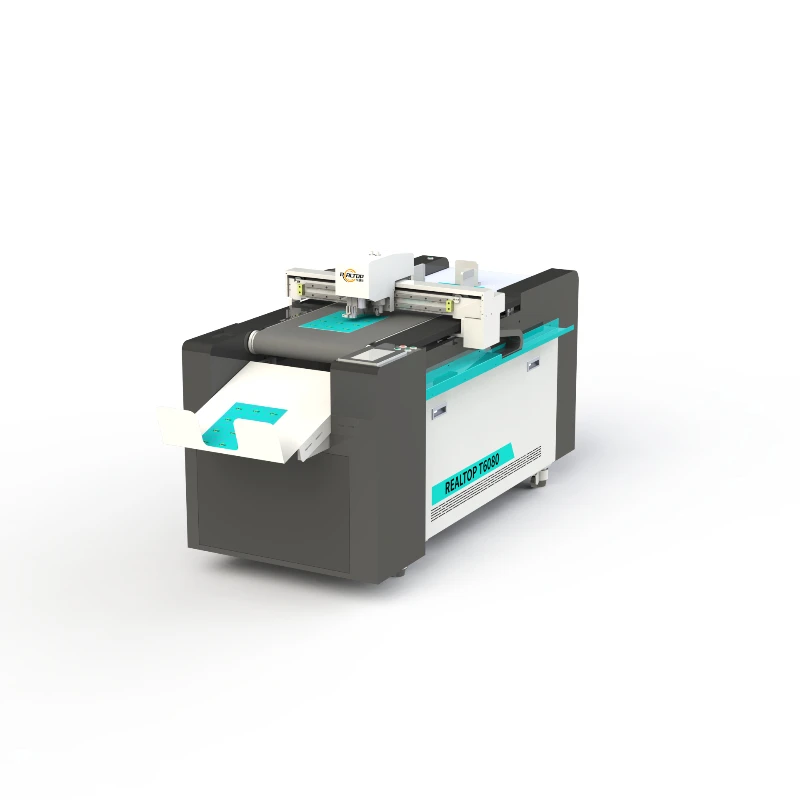
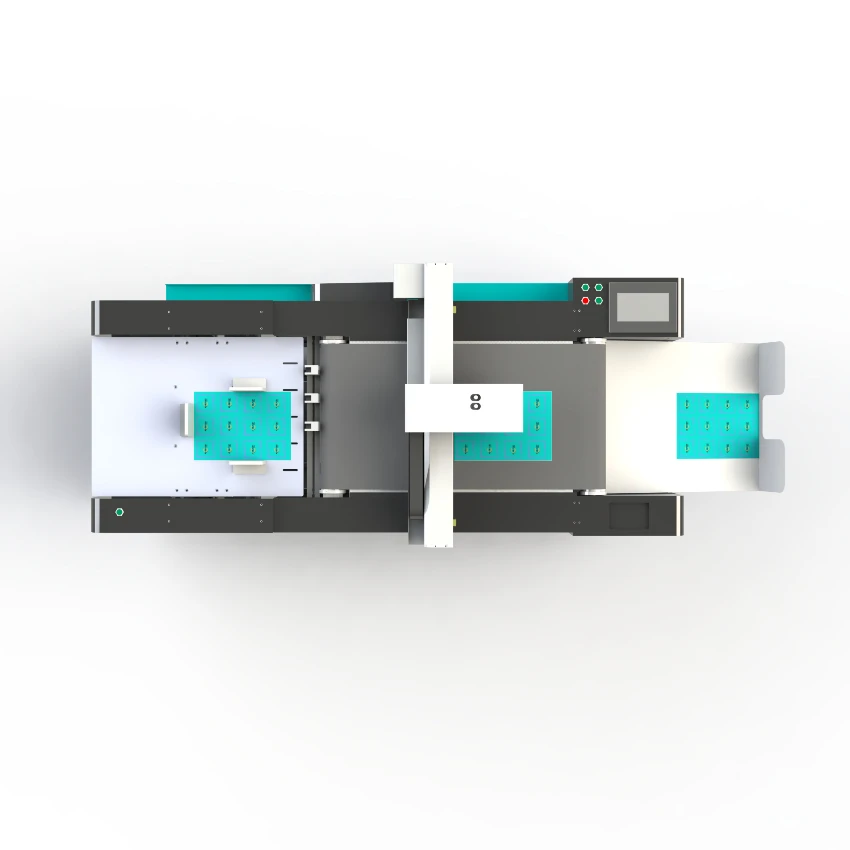
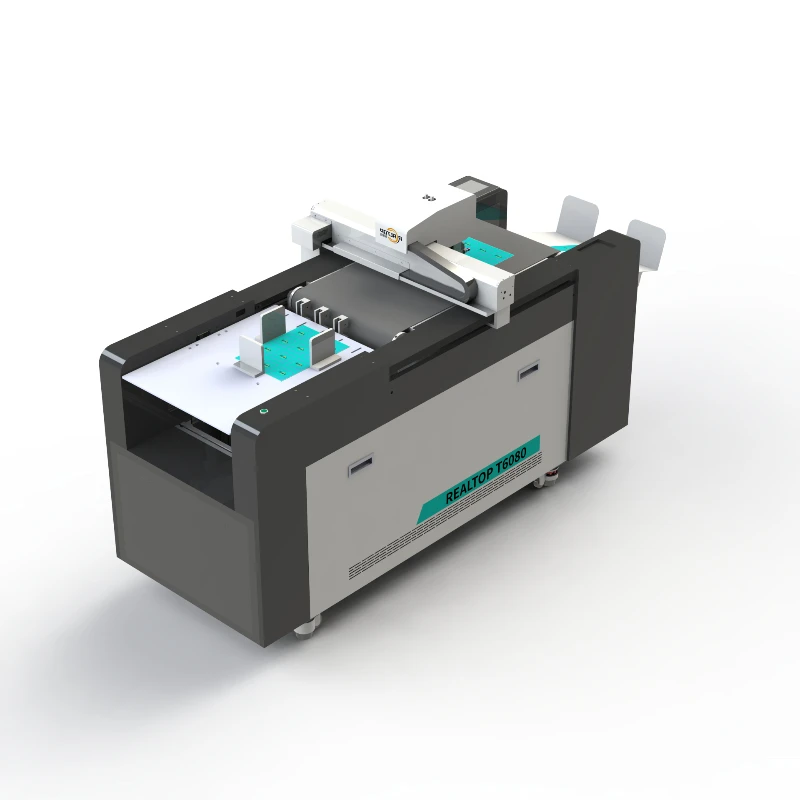
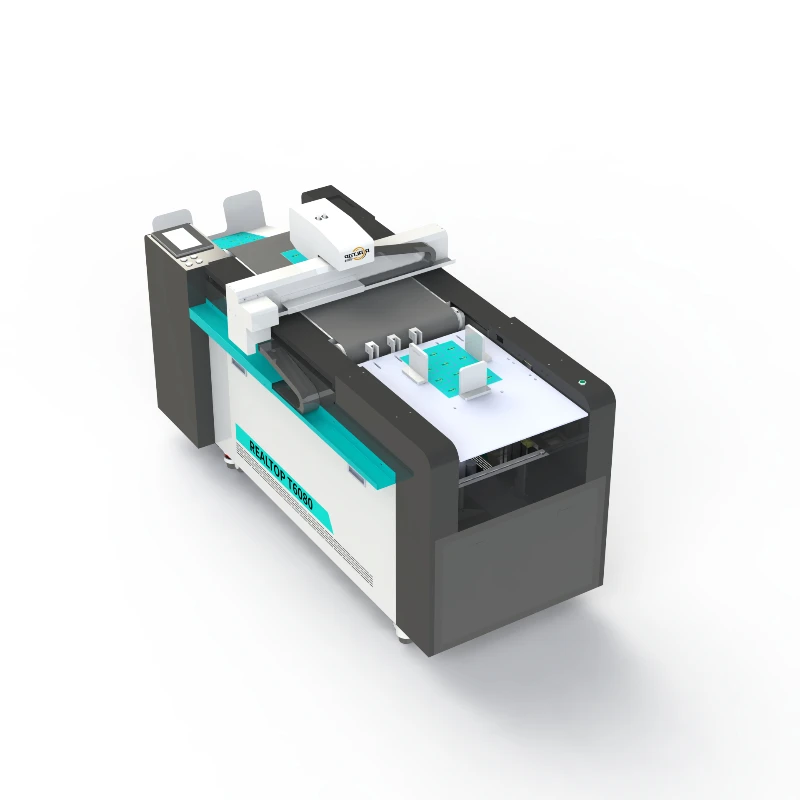
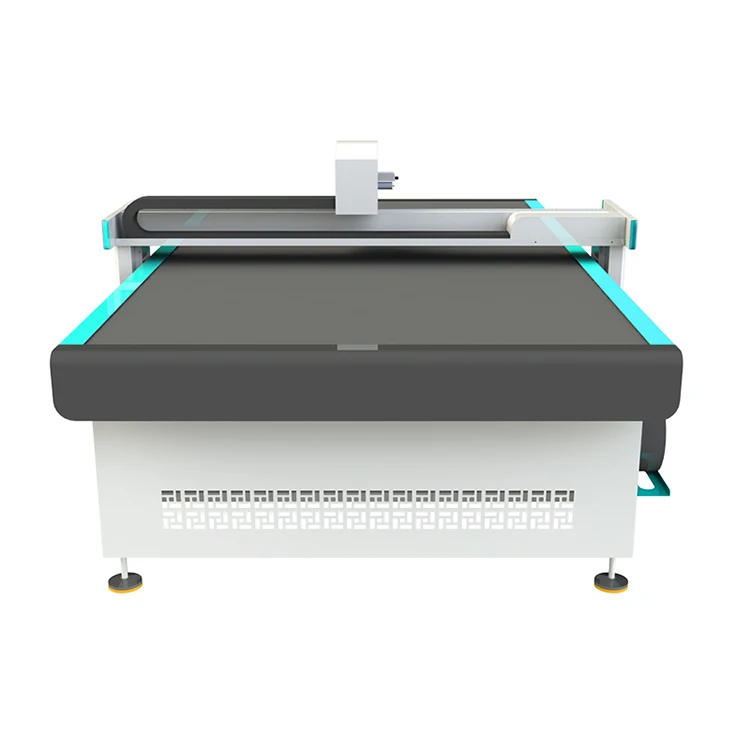
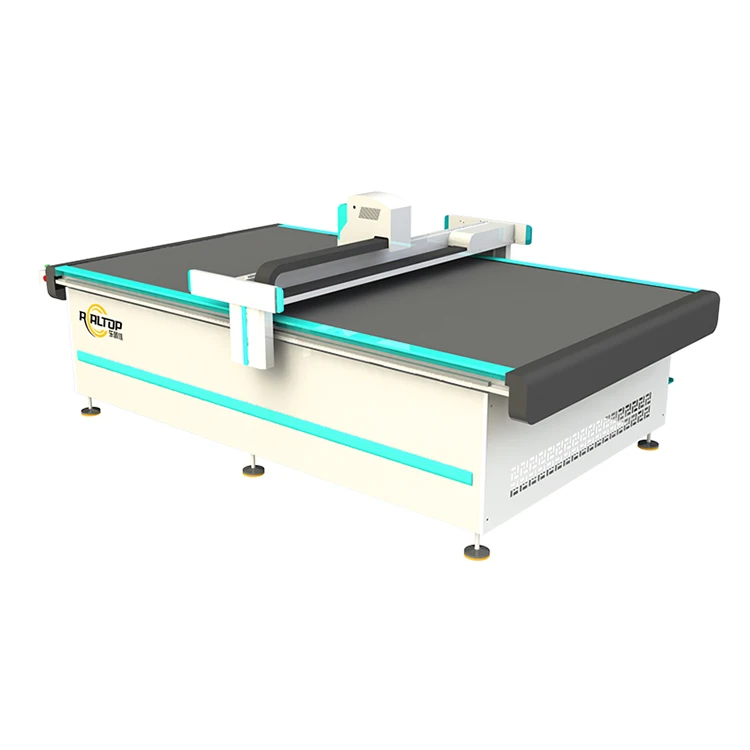
Configuration Specified per Material — RTT-6080 series tool heads and vacuum zones are matched to the buyer’s actual stock before the order is confirmed, eliminating the guesswork between drag knife, kiss cutting and oscillating knife variants.
Technical Specifications
| Parameter | Value |
|---|---|
| Model | RTT-6080 / RTT-6080 Pro |
| Max Working Area | 600mm × 800mm |
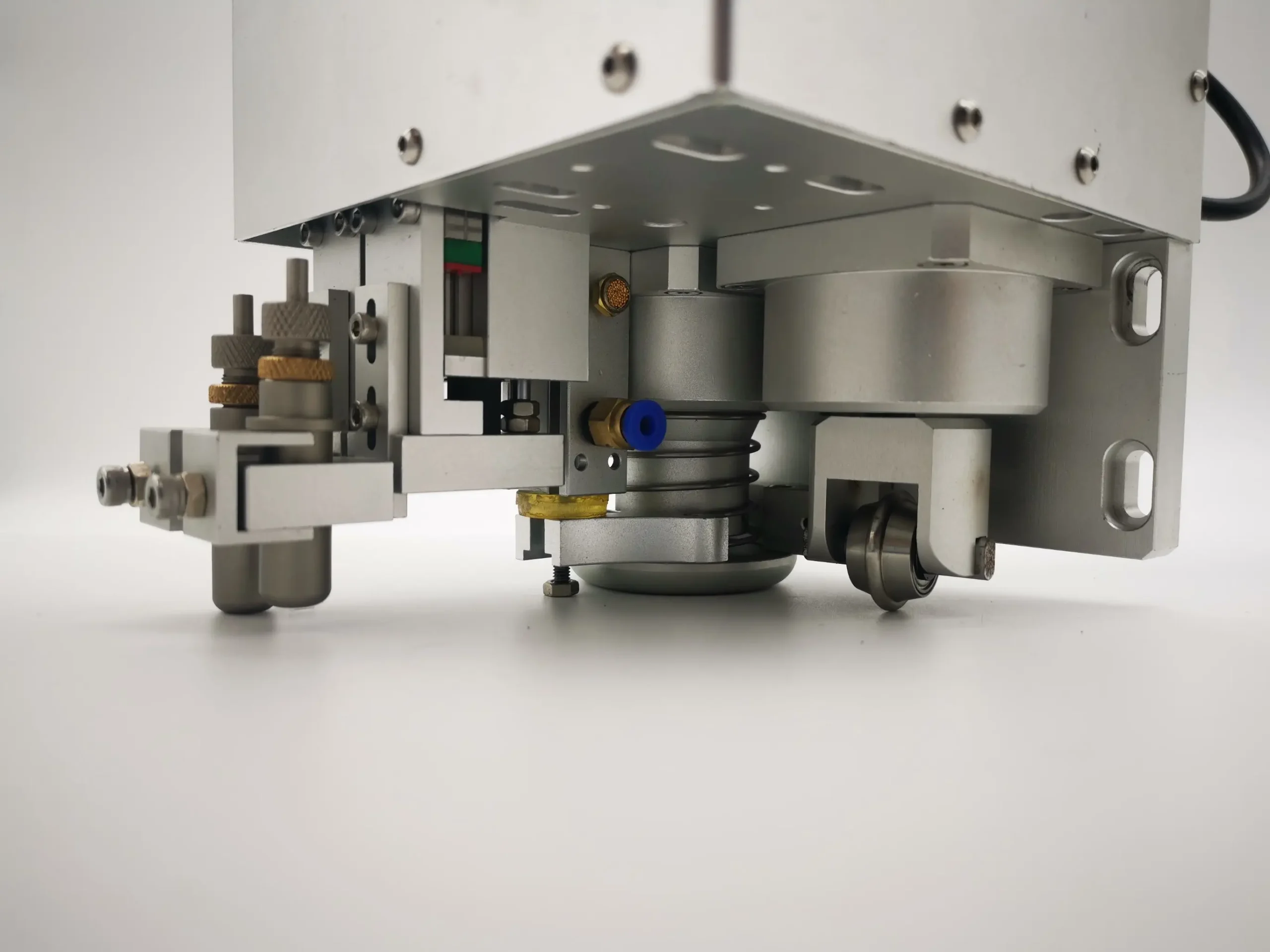
| Tool Group Options | cutting tool, kiss cutting tool, creasing tool, CCD camera, high speed oscillating knife (Pro version) |
| Max Cutting Speed | 1500mm/s (according to the material) |
| Cutting Thickness | ≤2mm (RTT-6080); ≤5mm (RTT-6080 Pro) |
| Positioning Accuracy | 0.05mm |
| File Format | DXF, PLT, PDF, AI |
| Transfer Method | Ethernet port |
| Rated Power | 3.2KW |
| Voltage | 220V / 380V, 50Hz |
| Product Type | CNC Digital Sticker Vinyl Cutter |
Application Suitability
| Application | Material or Output |
|---|---|
| Advertising and signage | Self-adhesive vinyl, reflective sheet, translucent film |
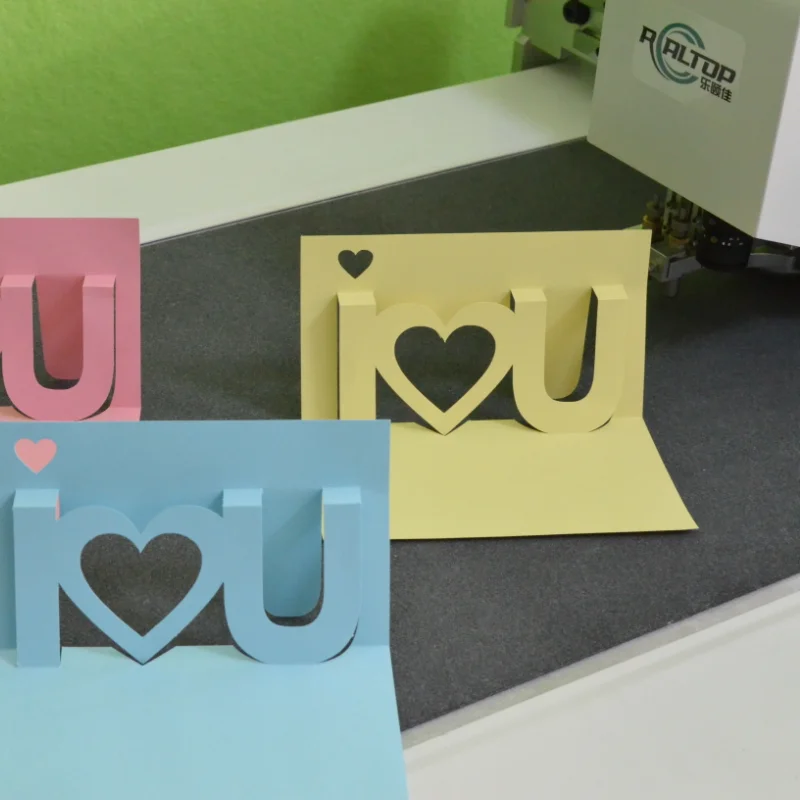
| Packaging sample making | Cardstock, corrugated board samples requiring creasing and kiss cuts |
| Graphic arts finishing | Printed stickers on PP/PVC film with contour tracking via CCD |
| Small-format digital finishing | Heat transfer vinyl, flock and magnetic sheet for vehicle graphics |
| Short-run label production | Die-cut labels on release liner without penetrating the backing paper |
What "Max Cutting Speed" Really Means for Vinyl Work
A machine specified on speed alone, then found unable to hold registration accuracy at full pace — the RTT-6080 series rates maximum speed according to the material being cut, not in an empty-frame sprint.
The correct question is not how fast the carriage moves, but whether the tool maintains contour accuracy through an entire nest of printed stickers.
When a cutter plotter manufacturer quotes a headline speed figure, it typically reflects a straight-line travel test with no material on the bed. In actual production, reflective vinyl, thick self-adhesive film and magnetic sheet each impose different drag and lift forces on the blade. The CCD camera must read registration marks while the carriage decelerates into corners and accelerates out of them. If the motion system is not tuned for the specific stock, corners round off and contour cuts drift by a millimetre or more — enough to make a full sheet of kiss-cut labels unsaleable. As a CNC vinyl cutter plotter manufacturer, the approach here is to run sample cuts on the buyer’s own roll stock before a configuration is locked in. [NEED_CITE:]
Where the RTT-6080 Sits in the Knife Cutting Catalogue
This 600mm × 800mm format is designed for shops that work predominantly with rolled vinyl and sheet sticker stock rather than full-size rigid boards. The working area accommodates most standard roll widths used in signage production, keeping the machine footprint manageable for finishing rooms that also house laminators and wide-format printers.
Within the broader catalogue, the RTT-6080 series fills the gap between desktop plotters and large-format oscillating knife tables. Buyers who run a mix of thin self-adhesive films and the occasional 3–5mm foam board can consolidate both jobs onto the Pro variant, avoiding the need to maintain a separate flatbed for thicker materials.
Tool Head Selection Across Vinyl and Film Grades
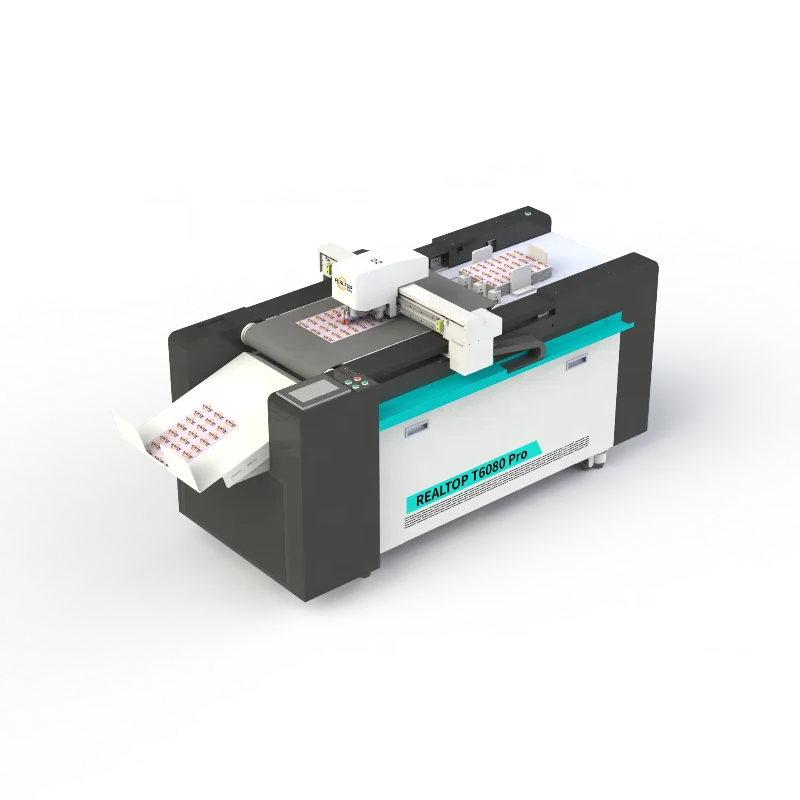
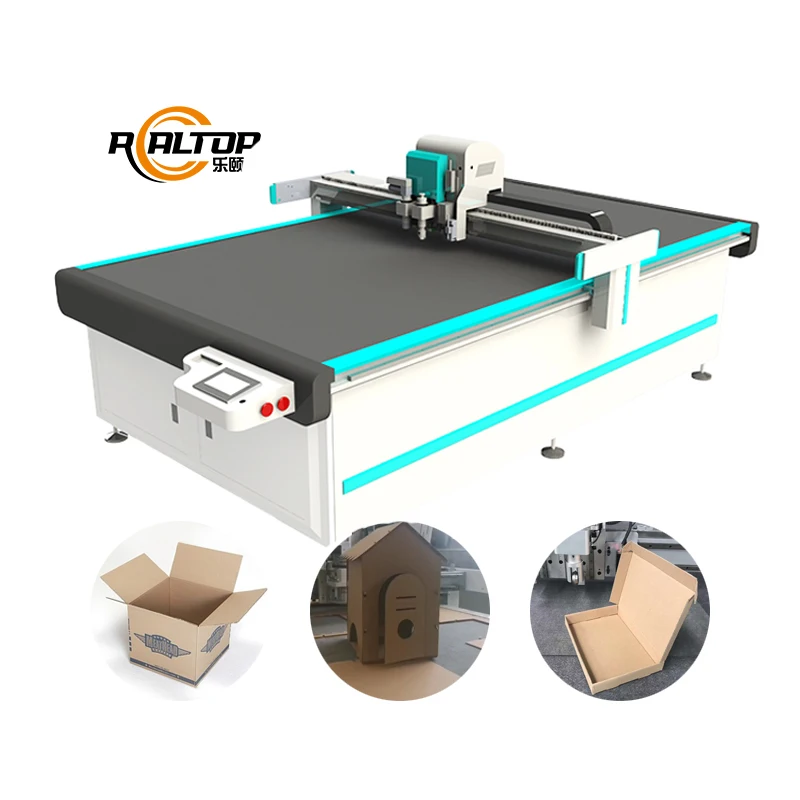
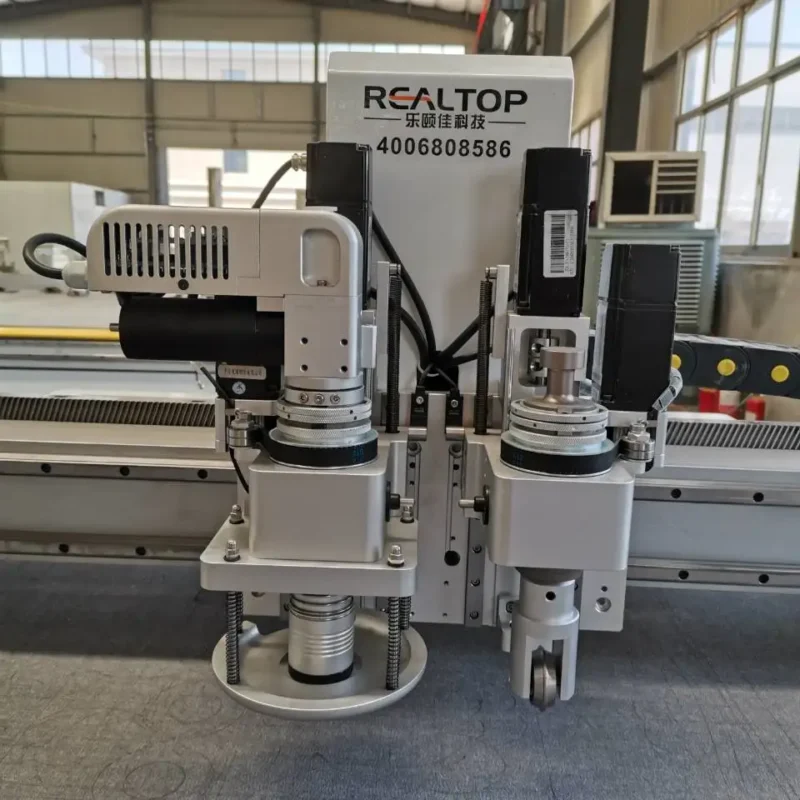
The base RTT-6080 carries a cutting tool and kiss cutting tool for standard vinyl and sticker work, with a CCD camera option for printed contour recognition. The creasing tool adds packaging sample capability so carton prototypes can be scored and cut on the same bed.
The RTT-6080 Pro introduces a high speed oscillating knife that extends cutting thickness to 5mm. This tool head handles denser materials — reflective sheet laminates, magnetic vinyl and thin gasket stock — where a drag knife would crush or tear the face layer. Switching between tool heads is a mechanical change on the carriage, not a software reconfiguration, so a shop can move from kiss-cutting 80-micron vinyl in the morning to through-cutting 4mm foam gaskets in the afternoon. [NEED_CITE:]
Reading the Specs That Actually Affect Output
Positioning accuracy of 0.05mm governs how tightly the CCD-tracked contour cut follows the printed image edge. On small-format sticker work — think serial number labels or QR code decals — even a 0.2mm drift makes the finished piece visually misaligned, and the entire sheet is scrapped.
The rated power of 3.2KW covers the servo drives, vacuum pump and control electronics combined. When planning electrical supply, buyers should confirm whether their workshop runs on 220V single-phase or 380V three-phase, as the machine is configurable for both at 50Hz. Ethernet transfer replaces older USB-stick workflows, allowing the cutter to pull nested jobs directly from the design station without a dedicated PC beside the machine.
File format compatibility across DXF, PLT, PDF and AI means the shop’s existing artwork pipeline feeds directly into the nesting software. Confirming this compatibility before shipment — including the specific software version and any licensing requirements — prevents the common situation where a buyer’s PDF files open correctly but nested AI files with embedded spot colours fail to register the cut lines.
The Cost of Picking the Wrong Blade for Reflective Vinyl
Reflective and retroreflective films are a frequent trap for shops that validated the machine on standard PVC sticker stock. These materials have a harder face layer and an embedded bead or prism structure that dulls a drag knife blade noticeably faster than plain vinyl.
When the blade edge degrades mid-job, kiss cuts turn into partial through-cuts or fail to penetrate the face film at all. The operator may not notice until the sheet is weeded and half the labels lift with the waste matrix. On a high-volume signage contract, that means reprinting the entire run and absorbing the material loss. Choosing the oscillating knife on the Pro variant for reflective work avoids blade-drag wear entirely, since the blade oscillates vertically rather than dragging through the material. [NEED_CITE:]
Why Source This Machine Through the Catalogue Approach
In-house design covers both knife cutting and laser technologies, so the buyer is guided toward the right cutting method for their material rather than being sold whichever machine is on the showroom floor.
Tool head and table configuration is specified per material and production volume, meaning a signage shop cutting thin vinyl daily gets a different setup from a gasket producer running 5mm cork-rubber weekly. CCD camera positioning is validated on the buyer’s own printed stock before commitment, not assumed from a generic test sheet. Voltage, language and specification details are confirmed on the order sheet before production starts, avoiding last-minute surprises at the loading dock. Sample cutting on the buyer’s actual material provides physical proof of edge quality before the purchase decision is finalised.
Documentation & Verification
- Machine specification sheet confirming tool head configuration and cutting thickness by variant
- Electrical schematic matching your 220V or 380V supply before dispatch
- Sample cutting report on your own sticker or vinyl stock with edge and contour photos
- Software licence and file format compatibility note for DXF, PLT, PDF and AI workflows
- Factory test record showing CCD tracking accuracy on your printed registration marks
- Spare parts list covering blades, blade holders and vacuum seals specific to your configuration
Installation, Commissioning & Support
- Dedicated 3.2KW circuit with correct breaker rating for your confirmed 220V or 380V supply
- Ethernet connection to design station verified before first job transfer
- CCD camera calibrated on your printed stock during on-site commissioning
- Blade depth and oscillation frequency set per material during operator training session
- Vacuum table zoning checked against your smallest sticker format to prevent material lift
- Spare blade and holder stock confirmed on-site before production handover
What to Share Before Requesting a Quote
Send the specific vinyl or sticker material type, face film thickness, backing paper weight and the widest roll or largest sheet you plan to run daily. If your workflow involves printed contour cutting, include a sample of your printed file with the registration mark style and spacing you use. Confirm your local voltage and frequency, the language you need for the control interface, and whether your existing nesting software outputs DXF, PLT, PDF or AI. If you work with reflective or magnetic films, note that explicitly so the correct tool head variant is quoted from the start.
Frequently Asked Questions
Q: How does the RTT-6080 compare to larger-format oscillating knife tables in the catalogue?
A: The 600mm × 800mm bed targets shops working mainly with rolled vinyl and sheet stickers, where a full-size flatbed would be underused floor space. Larger tables handle rigid boards and wide fabric rolls at higher daily volumes. If your output is predominantly self-adhesive film under 600mm width, the RTT-6080 series keeps footprint and power draw proportionate to the actual work.
Q: Which tool head is correct for kiss cutting self-adhesive vinyl versus through-cutting thicker gasket material?
A: The standard cutting tool handles kiss cuts on vinyl up to 2mm, leaving the release liner intact. For through-cutting denser stock like 3–5mm gasket or magnetic sheet, the high speed oscillating knife on the Pro variant slices cleanly without the drag force that tears material edges. Your material samples determine which configuration ships.
Q: Does the CCD camera track printed registration marks at full production speed on reflective vinyl?
A: The CCD camera reads marks based on contrast between the mark and surrounding print. Reflective films can scatter light and reduce contrast for the sensor. Before the order, a sample test on your specific reflective stock confirms whether mark detection holds accuracy across an entire nested sheet at working speed, not just on a single test cut.
Q: When should a buyer choose this knife-based cutter over a CO2 laser for sticker and vinyl work?
A: Knife cutting produces no burnt edges and no extraction fumes, which matters in shops sharing space with print finishing. PVC-based vinyl releases hydrochloric acid when laser-cut, corroding optics and requiring dedicated exhaust. If your stock includes any PVC film, knife cutting is the safer default. Laser remains preferable when edge-sealing synthetic fibres is required.
Configuration Specified per Material — RTT-6080 series tool heads and vacuum zones are matched to the buyer’s actual stock before the order is confirmed, eliminating the guesswork between drag knife, kiss cutting and oscillating knife variants.
Technical Specifications
| Parameter | Value |
|---|---|
| Model | RTT-6080 / RTT-6080 Pro |
| Max Working Area | 600mm × 800mm |
| Tool Group Options | cutting tool, kiss cutting tool, creasing tool, CCD camera, high speed oscillating knife (Pro version) |
| Max Cutting Speed | 1500mm/s (according to the material) |
| Cutting Thickness | ≤2mm (RTT-6080); ≤5mm (RTT-6080 Pro) |
| Positioning Accuracy | 0.05mm |
| File Format | DXF, PLT, PDF, AI |
| Transfer Method | Ethernet port |
| Rated Power | 3.2KW |
| Voltage | 220V / 380V, 50Hz |
| Product Type | CNC Digital Sticker Vinyl Cutter |
Application Suitability
| Application | Material or Output |
|---|---|
| Advertising and signage | Self-adhesive vinyl, reflective sheet, translucent film |
| Packaging sample making | Cardstock, corrugated board samples requiring creasing and kiss cuts |
| Graphic arts finishing | Printed stickers on PP/PVC film with contour tracking via CCD |
| Small-format digital finishing | Heat transfer vinyl, flock and magnetic sheet for vehicle graphics |
| Short-run label production | Die-cut labels on release liner without penetrating the backing paper |
What "Max Cutting Speed" Really Means for Vinyl Work
A machine specified on speed alone, then found unable to hold registration accuracy at full pace — the RTT-6080 series rates maximum speed according to the material being cut, not in an empty-frame sprint.
The correct question is not how fast the carriage moves, but whether the tool maintains contour accuracy through an entire nest of printed stickers.
When a cutter plotter manufacturer quotes a headline speed figure, it typically reflects a straight-line travel test with no material on the bed. In actual production, reflective vinyl, thick self-adhesive film and magnetic sheet each impose different drag and lift forces on the blade. The CCD camera must read registration marks while the carriage decelerates into corners and accelerates out of them. If the motion system is not tuned for the specific stock, corners round off and contour cuts drift by a millimetre or more — enough to make a full sheet of kiss-cut labels unsaleable. As a CNC vinyl cutter plotter manufacturer, the approach here is to run sample cuts on the buyer’s own roll stock before a configuration is locked in. [NEED_CITE:]
Where the RTT-6080 Sits in the Knife Cutting Catalogue
This 600mm × 800mm format is designed for shops that work predominantly with rolled vinyl and sheet sticker stock rather than full-size rigid boards. The working area accommodates most standard roll widths used in signage production, keeping the machine footprint manageable for finishing rooms that also house laminators and wide-format printers.
Within the broader catalogue, the RTT-6080 series fills the gap between desktop plotters and large-format oscillating knife tables. Buyers who run a mix of thin self-adhesive films and the occasional 3–5mm foam board can consolidate both jobs onto the Pro variant, avoiding the need to maintain a separate flatbed for thicker materials.
Tool Head Selection Across Vinyl and Film Grades
The base RTT-6080 carries a cutting tool and kiss cutting tool for standard vinyl and sticker work, with a CCD camera option for printed contour recognition. The creasing tool adds packaging sample capability so carton prototypes can be scored and cut on the same bed.
The RTT-6080 Pro introduces a high speed oscillating knife that extends cutting thickness to 5mm. This tool head handles denser materials — reflective sheet laminates, magnetic vinyl and thin gasket stock — where a drag knife would crush or tear the face layer. Switching between tool heads is a mechanical change on the carriage, not a software reconfiguration, so a shop can move from kiss-cutting 80-micron vinyl in the morning to through-cutting 4mm foam gaskets in the afternoon. [NEED_CITE:]
Reading the Specs That Actually Affect Output
Positioning accuracy of 0.05mm governs how tightly the CCD-tracked contour cut follows the printed image edge. On small-format sticker work — think serial number labels or QR code decals — even a 0.2mm drift makes the finished piece visually misaligned, and the entire sheet is scrapped.
The rated power of 3.2KW covers the servo drives, vacuum pump and control electronics combined. When planning electrical supply, buyers should confirm whether their workshop runs on 220V single-phase or 380V three-phase, as the machine is configurable for both at 50Hz. Ethernet transfer replaces older USB-stick workflows, allowing the cutter to pull nested jobs directly from the design station without a dedicated PC beside the machine.
File format compatibility across DXF, PLT, PDF and AI means the shop’s existing artwork pipeline feeds directly into the nesting software. Confirming this compatibility before shipment — including the specific software version and any licensing requirements — prevents the common situation where a buyer’s PDF files open correctly but nested AI files with embedded spot colours fail to register the cut lines.
The Cost of Picking the Wrong Blade for Reflective Vinyl
Reflective and retroreflective films are a frequent trap for shops that validated the machine on standard PVC sticker stock. These materials have a harder face layer and an embedded bead or prism structure that dulls a drag knife blade noticeably faster than plain vinyl.
When the blade edge degrades mid-job, kiss cuts turn into partial through-cuts or fail to penetrate the face film at all. The operator may not notice until the sheet is weeded and half the labels lift with the waste matrix. On a high-volume signage contract, that means reprinting the entire run and absorbing the material loss. Choosing the oscillating knife on the Pro variant for reflective work avoids blade-drag wear entirely, since the blade oscillates vertically rather than dragging through the material. [NEED_CITE:]
Why Source This Machine Through the Catalogue Approach
In-house design covers both knife cutting and laser technologies, so the buyer is guided toward the right cutting method for their material rather than being sold whichever machine is on the showroom floor.
Tool head and table configuration is specified per material and production volume, meaning a signage shop cutting thin vinyl daily gets a different setup from a gasket producer running 5mm cork-rubber weekly. CCD camera positioning is validated on the buyer’s own printed stock before commitment, not assumed from a generic test sheet. Voltage, language and specification details are confirmed on the order sheet before production starts, avoiding last-minute surprises at the loading dock. Sample cutting on the buyer’s actual material provides physical proof of edge quality before the purchase decision is finalised.
Documentation & Verification
- Machine specification sheet confirming tool head configuration and cutting thickness by variant
- Electrical schematic matching your 220V or 380V supply before dispatch
- Sample cutting report on your own sticker or vinyl stock with edge and contour photos
- Software licence and file format compatibility note for DXF, PLT, PDF and AI workflows
- Factory test record showing CCD tracking accuracy on your printed registration marks
- Spare parts list covering blades, blade holders and vacuum seals specific to your configuration
Installation, Commissioning & Support
- Dedicated 3.2KW circuit with correct breaker rating for your confirmed 220V or 380V supply
- Ethernet connection to design station verified before first job transfer
- CCD camera calibrated on your printed stock during on-site commissioning
- Blade depth and oscillation frequency set per material during operator training session
- Vacuum table zoning checked against your smallest sticker format to prevent material lift
- Spare blade and holder stock confirmed on-site before production handover
What to Share Before Requesting a Quote
Send the specific vinyl or sticker material type, face film thickness, backing paper weight and the widest roll or largest sheet you plan to run daily. If your workflow involves printed contour cutting, include a sample of your printed file with the registration mark style and spacing you use. Confirm your local voltage and frequency, the language you need for the control interface, and whether your existing nesting software outputs DXF, PLT, PDF or AI. If you work with reflective or magnetic films, note that explicitly so the correct tool head variant is quoted from the start.
Frequently Asked Questions
Q: How does the RTT-6080 compare to larger-format oscillating knife tables in the catalogue?
A: The 600mm × 800mm bed targets shops working mainly with rolled vinyl and sheet stickers, where a full-size flatbed would be underused floor space. Larger tables handle rigid boards and wide fabric rolls at higher daily volumes. If your output is predominantly self-adhesive film under 600mm width, the RTT-6080 series keeps footprint and power draw proportionate to the actual work.
Q: Which tool head is correct for kiss cutting self-adhesive vinyl versus through-cutting thicker gasket material?
A: The standard cutting tool handles kiss cuts on vinyl up to 2mm, leaving the release liner intact. For through-cutting denser stock like 3–5mm gasket or magnetic sheet, the high speed oscillating knife on the Pro variant slices cleanly without the drag force that tears material edges. Your material samples determine which configuration ships.
Q: Does the CCD camera track printed registration marks at full production speed on reflective vinyl?
A: The CCD camera reads marks based on contrast between the mark and surrounding print. Reflective films can scatter light and reduce contrast for the sensor. Before the order, a sample test on your specific reflective stock confirms whether mark detection holds accuracy across an entire nested sheet at working speed, not just on a single test cut.
Q: When should a buyer choose this knife-based cutter over a CO2 laser for sticker and vinyl work?
A: Knife cutting produces no burnt edges and no extraction fumes, which matters in shops sharing space with print finishing. PVC-based vinyl releases hydrochloric acid when laser-cut, corroding optics and requiring dedicated exhaust. If your stock includes any PVC film, knife cutting is the safer default. Laser remains preferable when edge-sealing synthetic fibres is required.
商品评价
There are no reviews yet.