

Fast Delivery
Quick, reliable shipping to any location.

Free & easy returns
Return this item by mail or in store within 90 days for a full refund.
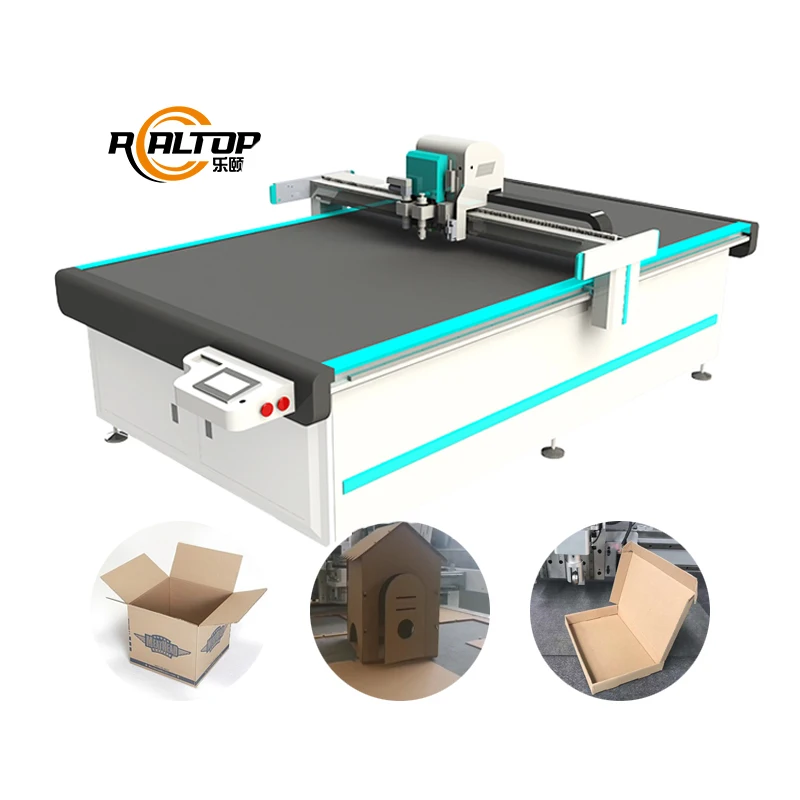
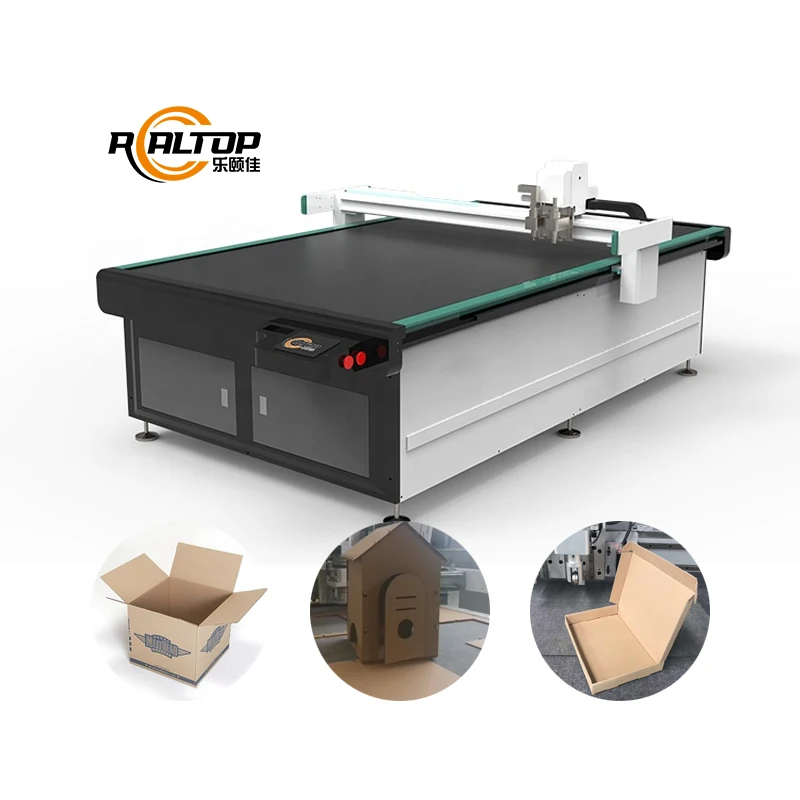
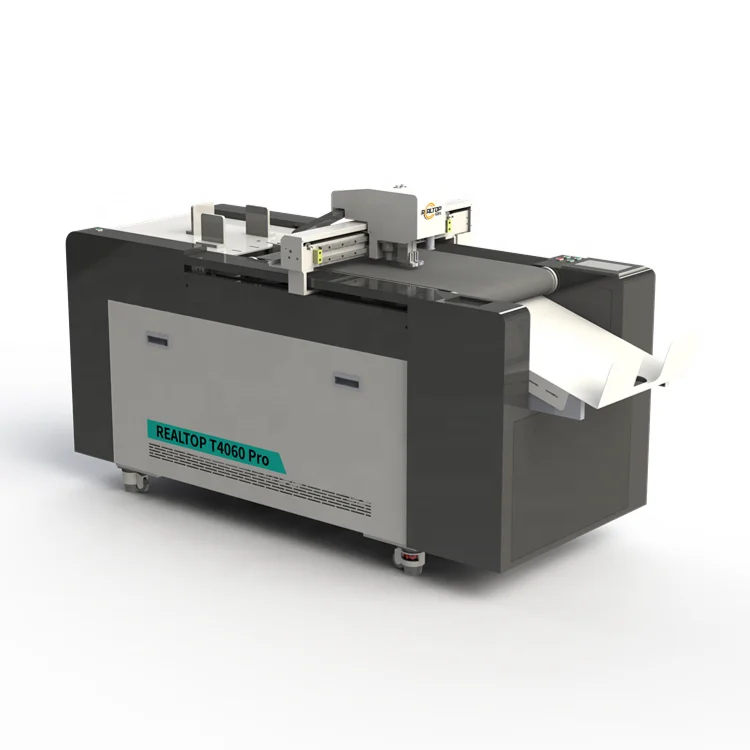
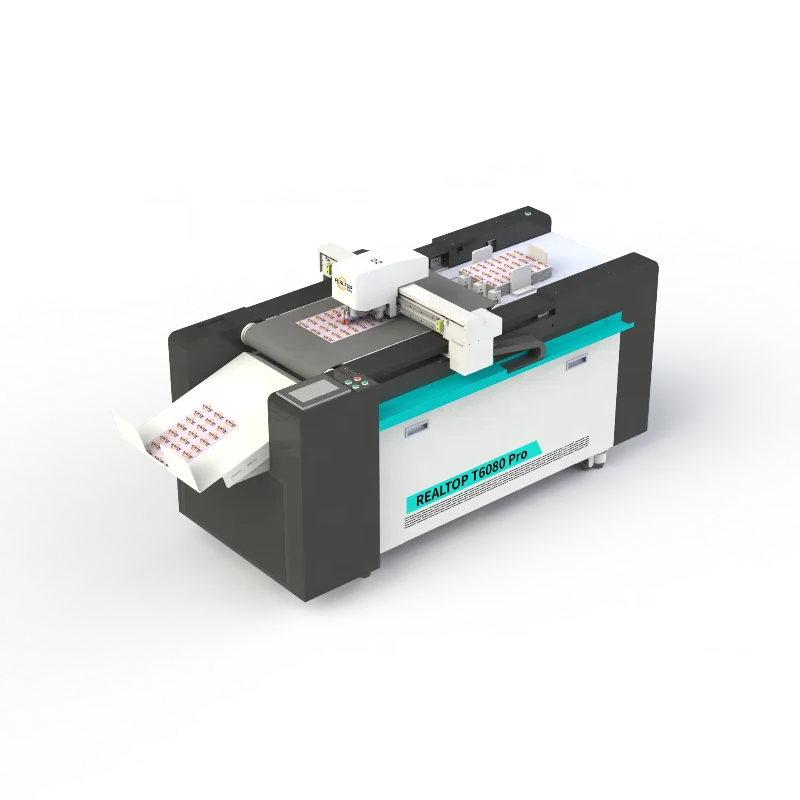
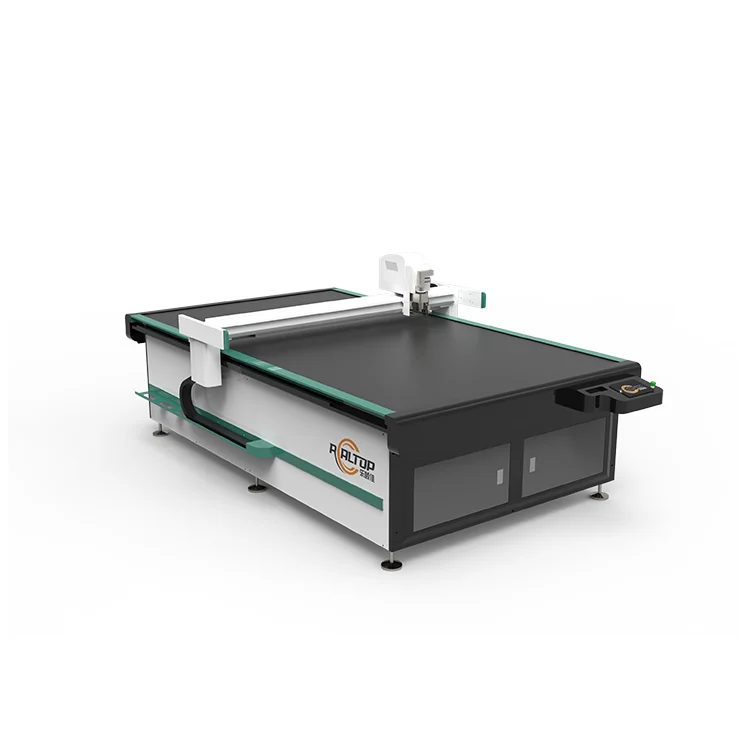
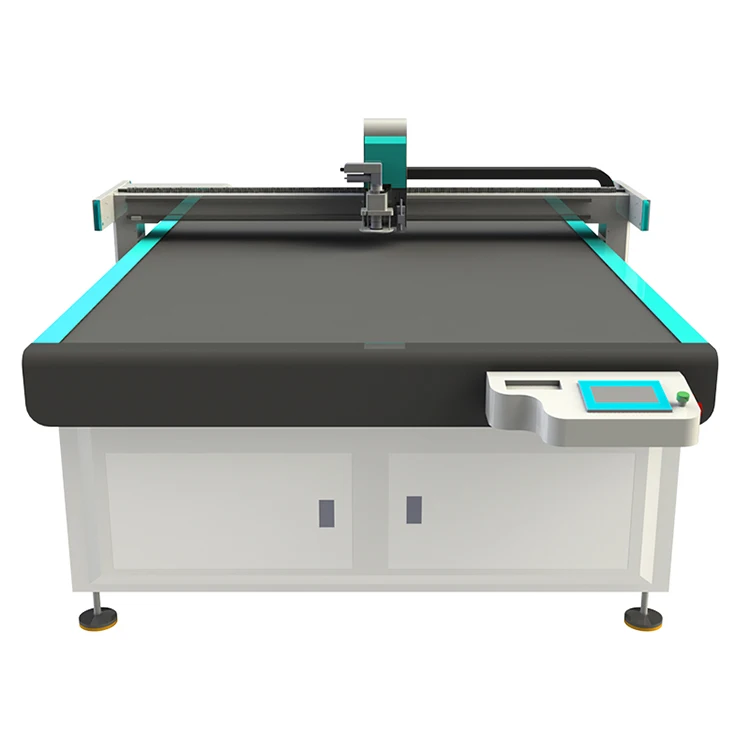
Knife and Laser Methods Side-by-Side — The RT-D2516/RT-S2516 sits in a full catalogue where oscillating knife, drag knife and laser cutting options coexist, so packaging buyers can match the method to their board grade rather than forcing a single technology across every job.
Technical Specifications
| Parameter | Value |
|---|---|
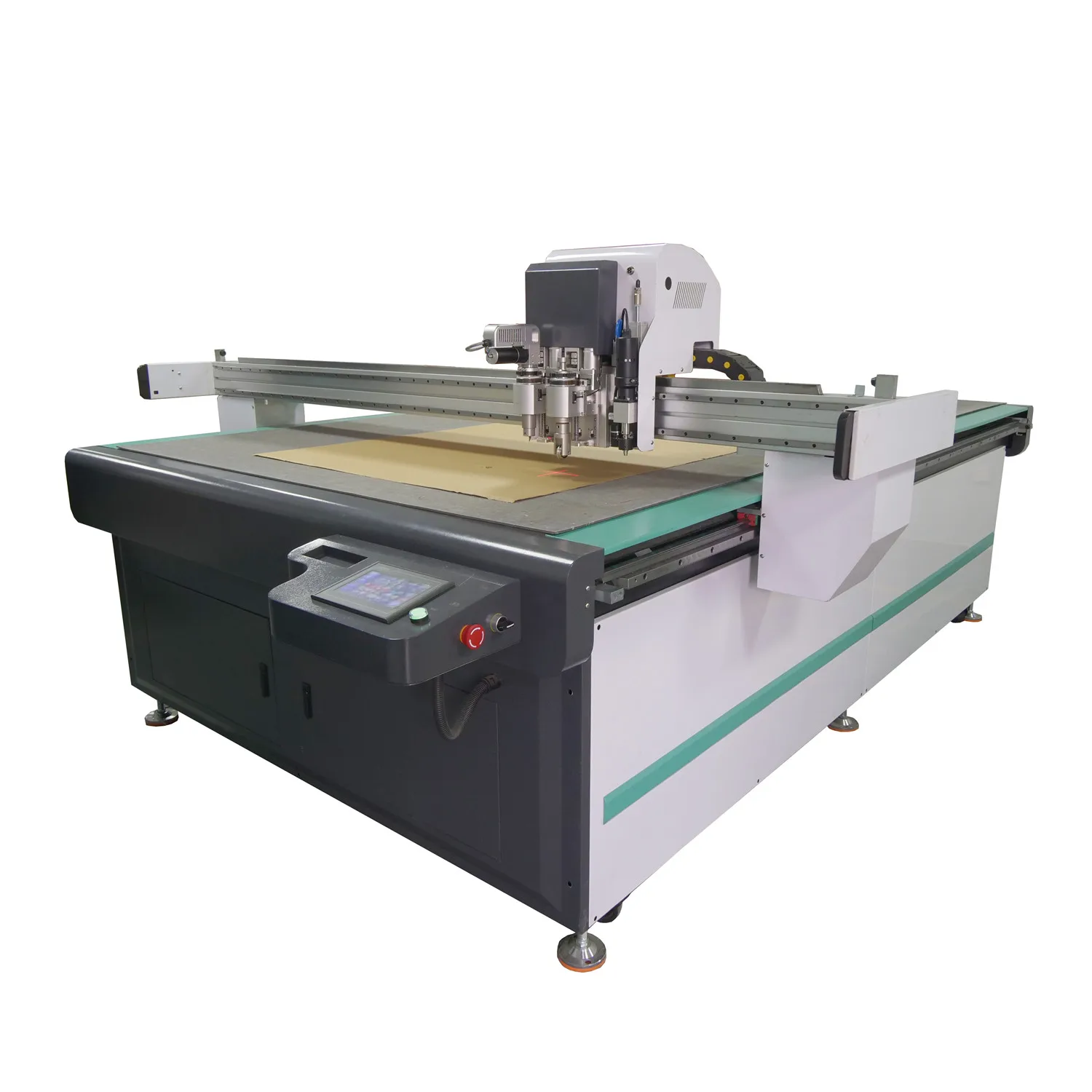
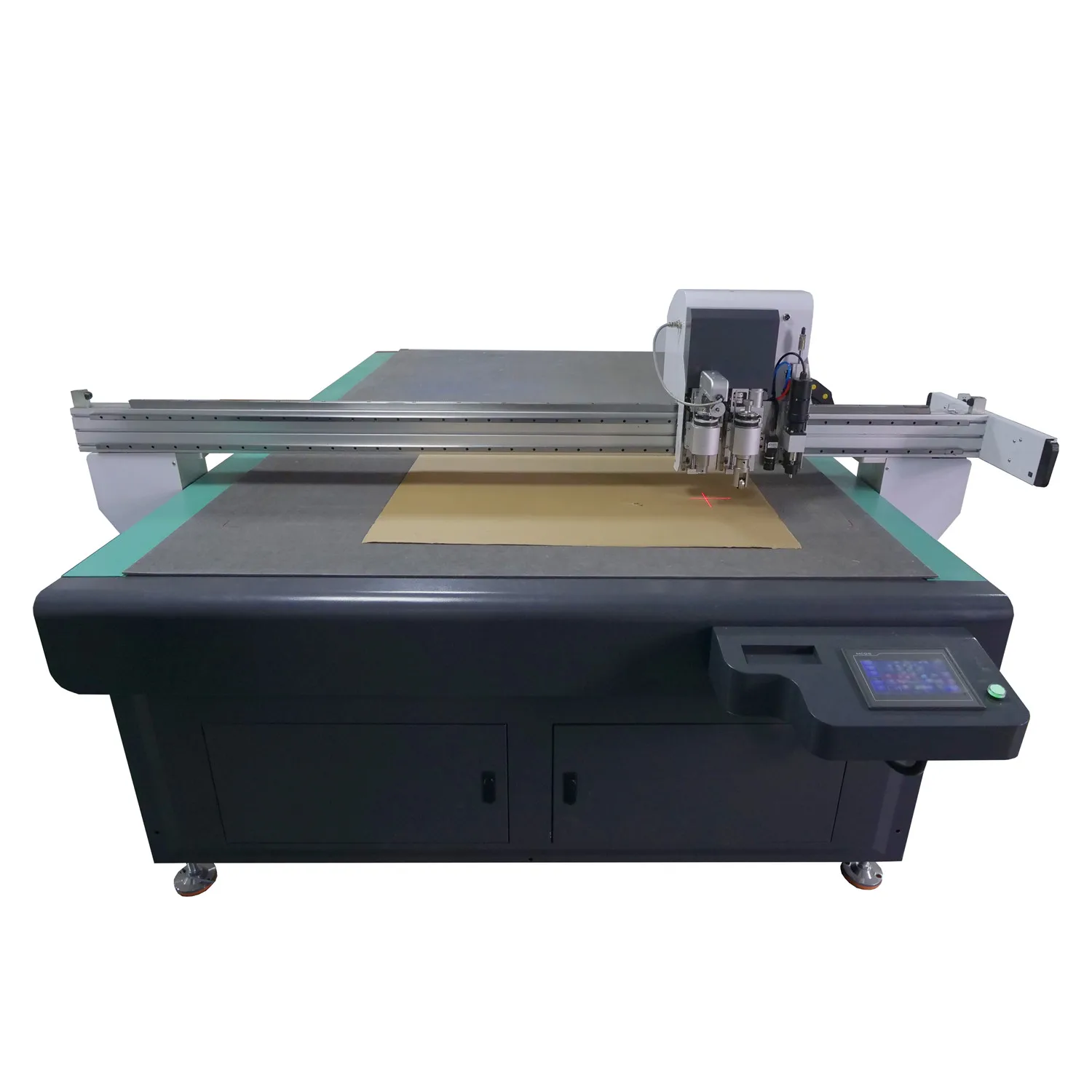
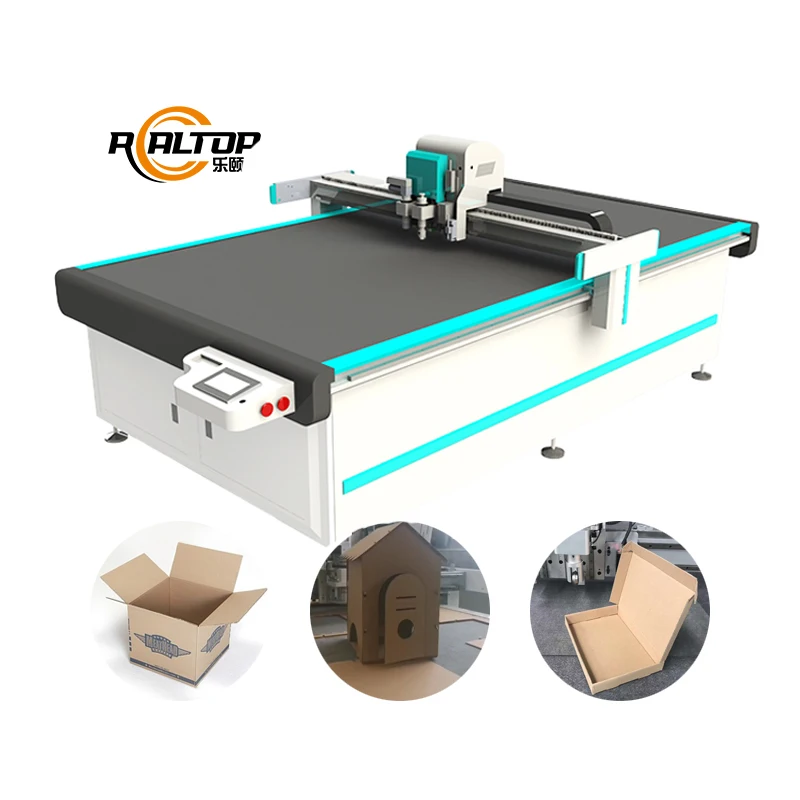
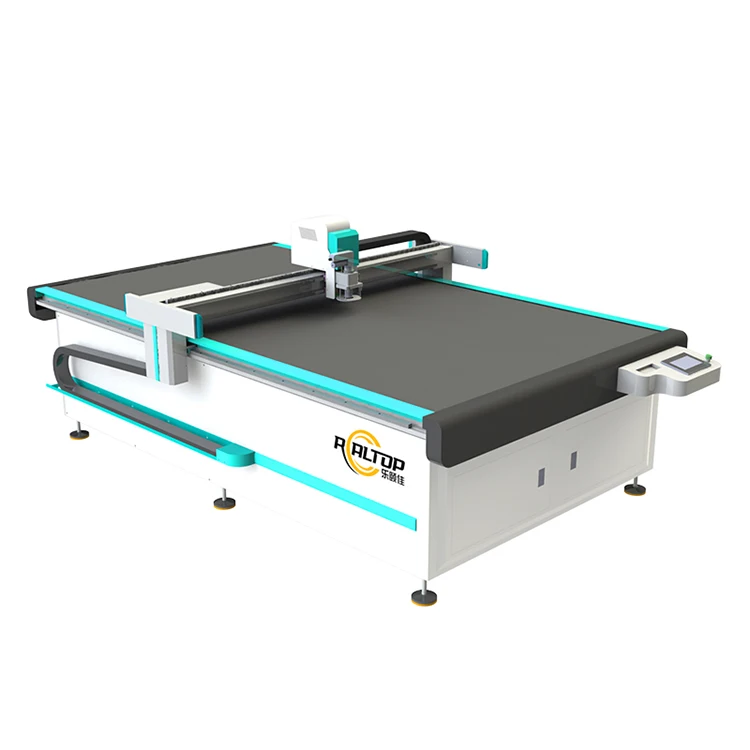
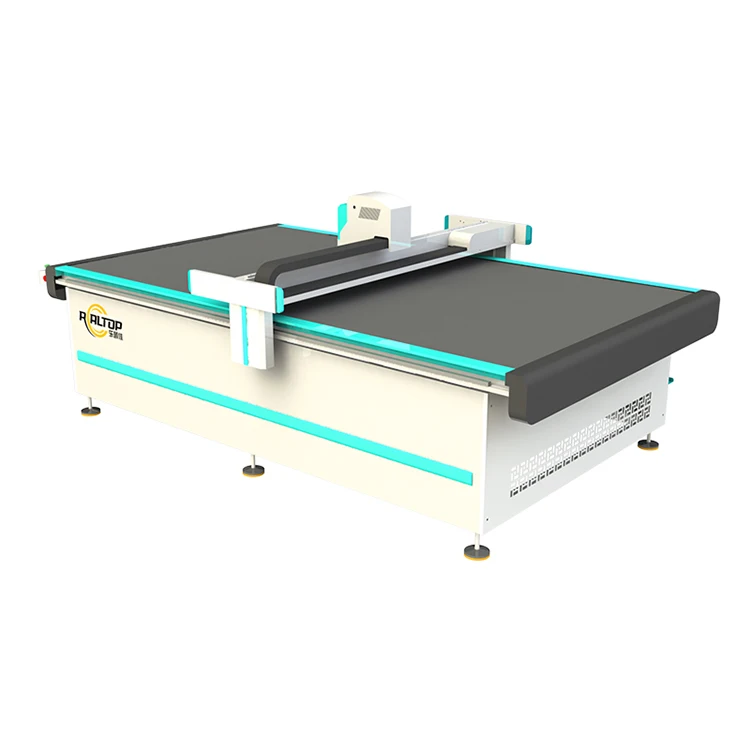
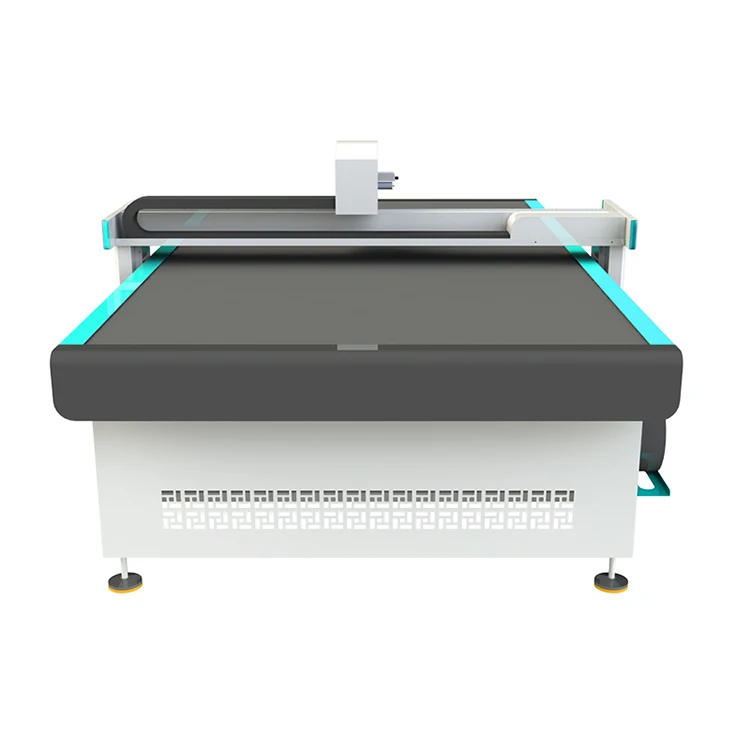
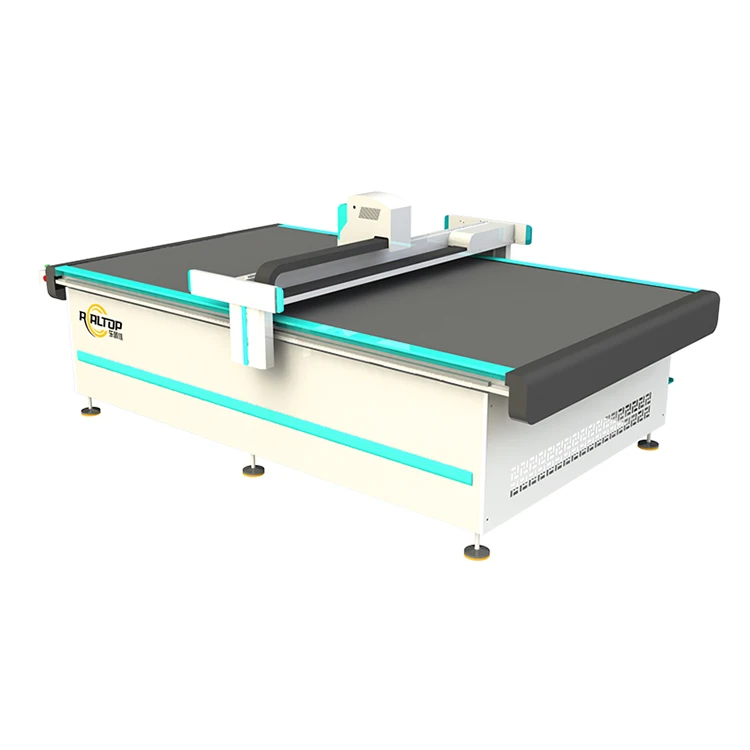
| Product Type | CNC Oscillating Knife Cutting Machine for Packaging |
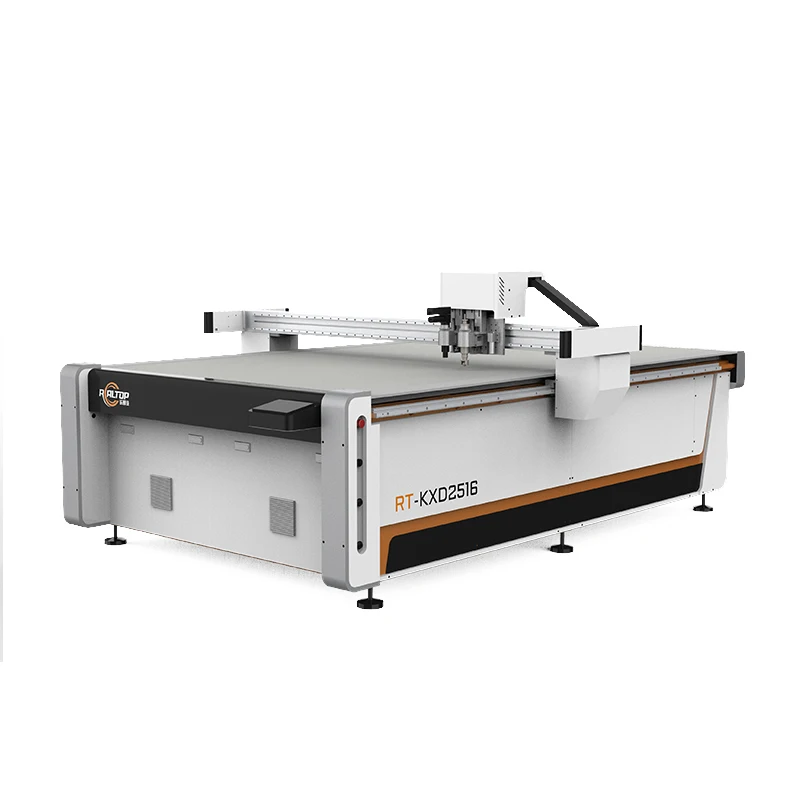
| Model | RT-D2516/RT-S2516 |
| Working Area | 1600 × 2500 mm |
| Machine Size (Overall) | 3450 × 2300 × 1250 mm |
| Rated Power | 9 kW |
| Voltage | 380V ±10% (frequency to be confirmed for target market) |
| Table Type | Flat aluminum alloy honeycomb vacuum adsorption platform |
| Vacuum Pump | 7.5 kW |
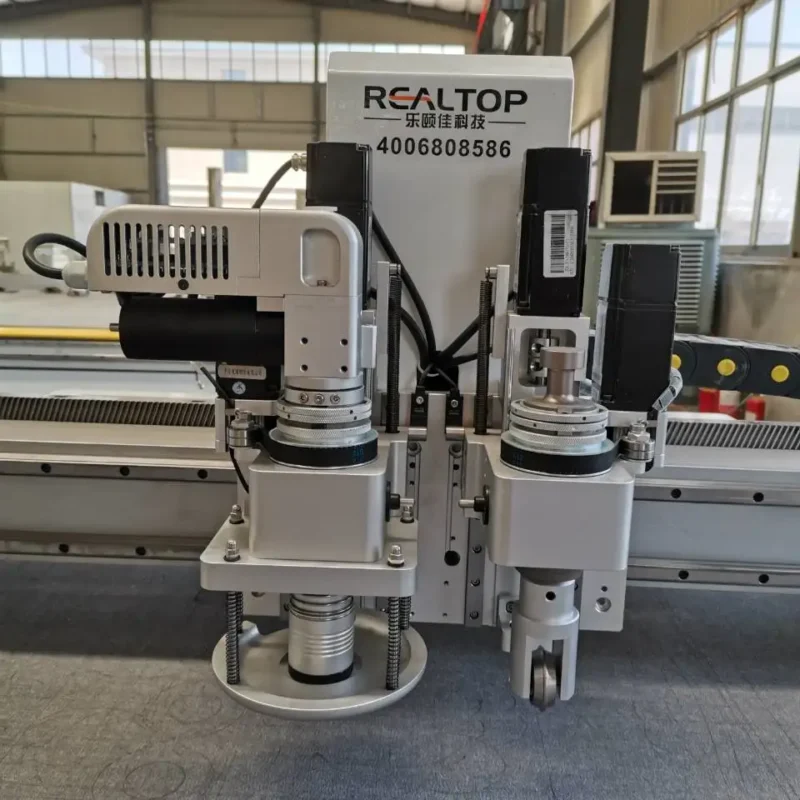
| Multifunctional Head | Swiss imported knife with vibration full cutting, vibration half cutting and cursor location |
| Translational Velocity | 800–2000 mm/s |
| Cutting Speed | 200–800 mm/s (varies with material type and thickness) |
| Cutting Thickness | Up to 100 mm (basis to be confirmed depending on material density and ply) |
| Repeated Accuracy | ≤0.1 mm |
| Transmission System | Digital servo motor, linear guide, synchronous belt, ball screw; Taiwan Hiwin rail |
| Servo Motor | Delta servo motor and drivers |
| Conveyor Belt | Germany imported conveyor belt |
| Instruction System | HP-GL compatible format |
| Software | Professional carton nesting software with multi-format file import |
| Language Options | English, Russian, Italian, Chinese; other languages available on request |
Application Suitability
| Application | Material or Output |
|---|---|
| Large electrical appliance carton packaging | Multi-ply corrugated board and heavy-duty cardboard |
| Express shipping box production | Single and double-wall corrugated, kraft board |
| Snack food and retail packaging | Folding carton stock, coated paperboard |
| High-end gift box sample making | Grey board, art paper, laminated packaging stock |
| Sticker and label cutting | Self-adhesive vinyl, paper labels, sticker sheets |
| Billboard and signage cutting | PVC foam board, corrugated plastic, card stock |
| Leather and flexible material processing | Leather, sponge composite leather, PVC, soft glass, silicon, rubber |
Why Cutting Thickness Claims Fail on Real Packaging Board
The 100 mm cutting thickness figure only holds when the material density and tool head combination are matched to the actual board being run.
I once watched a buyer sign off on a Packaging CNC Cutting Machine manufacturer specification sheet based on standard single-wall corrugated samples, only to discover at commissioning that their high-density grey board for gift boxes was crushing under the same blade pressure. The edge on the first production batch was ragged, and the crease wheel left visible fractures instead of clean fold lines [NEED_CITE: material density impact on oscillating knife cutting quality]. Cutting thickness without the material qualifier is just a number on a page. That is why every configuration on this catalogue starts with the buyer sending their actual board samples before any specification is finalized.
Where This Model Sits in the Full Cutting Equipment Range
The RT-D2516/RT-S2516 occupies the mid-to-large format position within the catalogue. A working area of 1600 × 2500 mm accommodates standard packaging sheet sizes used in carton sample making and short-run production. Buyers evaluating a CNC flatbed digital cutting table for sale will find smaller compact models for label and sticker work, as well as larger multi-head configurations for high-volume fabric and composite cutting elsewhere in the range.
This model uses a Swiss imported oscillating knife head with vibration full cutting and half cutting functions. Across the catalogue, other models offer drag knife and creasing wheel tool heads. The choice between oscillating knife and drag knife depends on board thickness and whether crease lines are needed alongside cuts. Laser models in the same catalogue handle edge-sealed synthetic cuts that knife systems cannot achieve, giving buyers a genuine cross-method comparison before committing.
Comparing Knife and Laser Methods for Packaging Work
Oscillating knife cutting produces no burn marks and no fume extraction requirement, which matters when running printed carton stock or coated paperboard where edge appearance is part of the finished product. The knife method also handles thicker board stacks that CO2 laser systems struggle to penetrate cleanly [NEED_CITE: laser versus knife cutting comparison for packaging materials].
Laser cutting, available on other models in this catalogue, offers sealed edges on synthetic packaging materials and finer detail on thin sticker stock. Some buyers running mixed material schedules choose one knife table and one laser table rather than forcing a single method across incompatible substrates. The full catalogue layout lets production managers see both options with their respective tool head configurations before deciding.
What the Specs Actually Mean on the Workshop Floor
The 7.5 kW vacuum pump paired with the aluminum alloy honeycomb platform provides the holding force needed to keep flat board stock from lifting during high-speed cutting passes. On smaller packaging parts like box inserts or dividers, vacuum zoning adequacy becomes critical — if the zones cannot be isolated, small pieces lift and shift before the blade completes the cut path.
The Delta servo motor and Taiwan Hiwin linear guide combination delivers the ≤0.1 mm repeated accuracy required for packaging work where fold lines, cut lines and registration marks must align precisely across nested layouts. Any drift in repeated accuracy shows up immediately as misaligned creases on a folded carton sample.
The HP-GL compatible instruction system with professional carton nesting software means buyers can import existing design files without re-drawing artwork from scratch. Multi-format file import capability reduces the gap between a designer’s CAD output and the machine’s cutting path, which is where most workflow delays actually happen.
What Happens When Configuration Is Skipped
A Packaging CNC Cutting Machine manufacturer quote that lists working area and price but omits tool head selection, vacuum zoning detail and voltage confirmation is incomplete. Buyers who accept such quotes routinely discover at installation that the standard oscillating knife cannot handle their specific board density, that the vacuum table zones are too large for their typical small-part nesting layout, or that the machine arrived wired for a voltage their workshop does not supply [NEED_CITE: common configuration mismatches in CNC cutting equipment procurement].
These problems are not warranty claims. The machine is functioning exactly as specified — the specification itself was the failure point. Every item on this catalogue is configurable, which means every item also requires the buyer to provide material samples, electrical supply details and software workflow information before the order is confirmed.
Why Buyers Source This Range From Realtop
The catalogue covers both knife and laser cutting methods under one manufacturer, so a buyer evaluating carton sample making against acrylic signage work can compare both methods without contacting separate suppliers. Tool head and table configurations are specified per material rather than offered as a single default build.
Sample cutting on the buyer’s own packaging board is completed before any order commitment, with a cutting report documenting edge quality, crease depth and achieved speed on that specific material. Software compatibility and file format support are confirmed during this stage, not discovered at commissioning.
Voltage, control language and plug type customization is handled before production rather than after arrival. The design team and core factory handle both knife and laser systems in-house, so questions about cross-method capability get answered by the people who built the machines [NEED_CITE: OEM and configuration capability for CNC cutting manufacturers].
Documentation & Verification
- Machine specification sheet listing exact tool head and vacuum table configuration for your board type
- Electrical schematic with voltage and frequency confirmation matching your workshop supply
- Sample cutting report produced on your actual packaging material before order placement
- Software licence and file format compatibility note confirming your existing design workflow
- Operation and maintenance manual in your selected control language
- Factory test record documenting cutting accuracy and speed on agreed material before dispatch
Installation, Commissioning & Support
- The 3450 × 2300 mm overall footprint requires clear floor space with level concrete substrate for stable vacuum platform alignment
- 9 kW rated power plus 7.5 kW vacuum pump demand a dedicated circuit; confirm local 380V ±10% supply and frequency before wiring
- Delta servo drives require parameter initialization at first startup to match cutting speed profiles to your specific board grade
- Professional carton nesting software is configured on-site with your preferred language and file import settings verified against sample jobs
- Taiwan Hiwin linear guides need initial lubrication check after the first week of operation and periodic re-greasing per maintenance schedule
- Spare Swiss knife blades and conveyor belt sections should be stocked locally to avoid production pauses during consumable replacement
Before You Send an Inquiry
To get an accurate configuration recommendation from the catalogue, share your primary packaging material type and typical board thickness, along with the largest sheet size you plan to run. Confirm your workshop voltage and frequency, your preferred control interface language, and whether your existing design files use HP-GL or another format. If you are evaluating knife cutting against laser for a specific substrate, send a material sample so both methods can be tested and compared on your actual stock.
Frequently Asked Questions
Q: How do I choose between oscillating knife and laser cutting for packaging board?
A: Oscillating knife handles thicker board without burn marks or fume extraction, making it the standard choice for corrugated and grey board carton work. Laser cutting suits thinner synthetic materials where edge sealing matters. This catalogue includes both methods, so buyers can request sample cuts on their own material to compare edge quality and cutting speed before deciding which technology fits their production mix.
Q: Where does the RT-D2516/RT-S2516 sit compared to other models in the range?
A: This model provides a 1600 × 2500 mm working area positioned for standard packaging sheet sizes and carton sample making. Compact models in the catalogue serve label and sticker cutting, while larger multi-head configurations handle high-volume fabric and composite work. The catalogue layout lets buyers compare working areas and tool head options across all models before selecting the right format.
Q: What tool head options are available and how do they differ for packaging work?
A: The Swiss imported oscillating knife handles full cutting and half cutting on corrugated and solid board. Drag knife tool heads suit thinner vinyl and sticker stock. Creasing wheels produce fold lines without cutting through the material. Multiple tool heads can be configured on the same multifunctional head depending on the packaging applications and material mix the buyer needs to cover.
Q: How does vacuum table zoning affect small packaging part cutting?
A: When cutting small box inserts or packaging dividers, inadequate vacuum zoning allows pieces to lift before the blade finishes the cut path. The aluminum alloy honeycomb platform paired with the 7.5 kW vacuum pump provides holding force, but zone configuration must match the buyer’s typical nesting layout. This is confirmed during sample cutting before the order is finalized.
Q: What voltage and software customization is available before shipment?
A: The system supports 380V ±10% with frequency configurable for the target market. Control language options include English, Russian, Italian and Chinese, with additional languages available on request. The professional carton nesting software supports multiple file format imports, and compatibility with the buyer’s existing design workflow is verified during the sample cutting stage before production begins.
Knife and Laser Methods Side-by-Side — The RT-D2516/RT-S2516 sits in a full catalogue where oscillating knife, drag knife and laser cutting options coexist, so packaging buyers can match the method to their board grade rather than forcing a single technology across every job.
Technical Specifications
| Parameter | Value |
|---|---|
| Product Type | CNC Oscillating Knife Cutting Machine for Packaging |
| Model | RT-D2516/RT-S2516 |
| Working Area | 1600 × 2500 mm |
| Machine Size (Overall) | 3450 × 2300 × 1250 mm |
| Rated Power | 9 kW |
| Voltage | 380V ±10% (frequency to be confirmed for target market) |
| Table Type | Flat aluminum alloy honeycomb vacuum adsorption platform |
| Vacuum Pump | 7.5 kW |
| Multifunctional Head | Swiss imported knife with vibration full cutting, vibration half cutting and cursor location |
| Translational Velocity | 800–2000 mm/s |
| Cutting Speed | 200–800 mm/s (varies with material type and thickness) |
| Cutting Thickness | Up to 100 mm (basis to be confirmed depending on material density and ply) |
| Repeated Accuracy | ≤0.1 mm |
| Transmission System | Digital servo motor, linear guide, synchronous belt, ball screw; Taiwan Hiwin rail |
| Servo Motor | Delta servo motor and drivers |
| Conveyor Belt | Germany imported conveyor belt |
| Instruction System | HP-GL compatible format |
| Software | Professional carton nesting software with multi-format file import |
| Language Options | English, Russian, Italian, Chinese; other languages available on request |
Application Suitability
| Application | Material or Output |
|---|---|
| Large electrical appliance carton packaging | Multi-ply corrugated board and heavy-duty cardboard |
| Express shipping box production | Single and double-wall corrugated, kraft board |
| Snack food and retail packaging | Folding carton stock, coated paperboard |
| High-end gift box sample making | Grey board, art paper, laminated packaging stock |
| Sticker and label cutting | Self-adhesive vinyl, paper labels, sticker sheets |
| Billboard and signage cutting | PVC foam board, corrugated plastic, card stock |
| Leather and flexible material processing | Leather, sponge composite leather, PVC, soft glass, silicon, rubber |
Why Cutting Thickness Claims Fail on Real Packaging Board
The 100 mm cutting thickness figure only holds when the material density and tool head combination are matched to the actual board being run.
I once watched a buyer sign off on a Packaging CNC Cutting Machine manufacturer specification sheet based on standard single-wall corrugated samples, only to discover at commissioning that their high-density grey board for gift boxes was crushing under the same blade pressure. The edge on the first production batch was ragged, and the crease wheel left visible fractures instead of clean fold lines [NEED_CITE: material density impact on oscillating knife cutting quality]. Cutting thickness without the material qualifier is just a number on a page. That is why every configuration on this catalogue starts with the buyer sending their actual board samples before any specification is finalized.
Where This Model Sits in the Full Cutting Equipment Range
The RT-D2516/RT-S2516 occupies the mid-to-large format position within the catalogue. A working area of 1600 × 2500 mm accommodates standard packaging sheet sizes used in carton sample making and short-run production. Buyers evaluating a CNC flatbed digital cutting table for sale will find smaller compact models for label and sticker work, as well as larger multi-head configurations for high-volume fabric and composite cutting elsewhere in the range.
This model uses a Swiss imported oscillating knife head with vibration full cutting and half cutting functions. Across the catalogue, other models offer drag knife and creasing wheel tool heads. The choice between oscillating knife and drag knife depends on board thickness and whether crease lines are needed alongside cuts. Laser models in the same catalogue handle edge-sealed synthetic cuts that knife systems cannot achieve, giving buyers a genuine cross-method comparison before committing.
Comparing Knife and Laser Methods for Packaging Work
Oscillating knife cutting produces no burn marks and no fume extraction requirement, which matters when running printed carton stock or coated paperboard where edge appearance is part of the finished product. The knife method also handles thicker board stacks that CO2 laser systems struggle to penetrate cleanly [NEED_CITE: laser versus knife cutting comparison for packaging materials].
Laser cutting, available on other models in this catalogue, offers sealed edges on synthetic packaging materials and finer detail on thin sticker stock. Some buyers running mixed material schedules choose one knife table and one laser table rather than forcing a single method across incompatible substrates. The full catalogue layout lets production managers see both options with their respective tool head configurations before deciding.
What the Specs Actually Mean on the Workshop Floor
The 7.5 kW vacuum pump paired with the aluminum alloy honeycomb platform provides the holding force needed to keep flat board stock from lifting during high-speed cutting passes. On smaller packaging parts like box inserts or dividers, vacuum zoning adequacy becomes critical — if the zones cannot be isolated, small pieces lift and shift before the blade completes the cut path.
The Delta servo motor and Taiwan Hiwin linear guide combination delivers the ≤0.1 mm repeated accuracy required for packaging work where fold lines, cut lines and registration marks must align precisely across nested layouts. Any drift in repeated accuracy shows up immediately as misaligned creases on a folded carton sample.
The HP-GL compatible instruction system with professional carton nesting software means buyers can import existing design files without re-drawing artwork from scratch. Multi-format file import capability reduces the gap between a designer’s CAD output and the machine’s cutting path, which is where most workflow delays actually happen.
What Happens When Configuration Is Skipped
A Packaging CNC Cutting Machine manufacturer quote that lists working area and price but omits tool head selection, vacuum zoning detail and voltage confirmation is incomplete. Buyers who accept such quotes routinely discover at installation that the standard oscillating knife cannot handle their specific board density, that the vacuum table zones are too large for their typical small-part nesting layout, or that the machine arrived wired for a voltage their workshop does not supply [NEED_CITE: common configuration mismatches in CNC cutting equipment procurement].
These problems are not warranty claims. The machine is functioning exactly as specified — the specification itself was the failure point. Every item on this catalogue is configurable, which means every item also requires the buyer to provide material samples, electrical supply details and software workflow information before the order is confirmed.
Why Buyers Source This Range From Realtop
The catalogue covers both knife and laser cutting methods under one manufacturer, so a buyer evaluating carton sample making against acrylic signage work can compare both methods without contacting separate suppliers. Tool head and table configurations are specified per material rather than offered as a single default build.
Sample cutting on the buyer’s own packaging board is completed before any order commitment, with a cutting report documenting edge quality, crease depth and achieved speed on that specific material. Software compatibility and file format support are confirmed during this stage, not discovered at commissioning.
Voltage, control language and plug type customization is handled before production rather than after arrival. The design team and core factory handle both knife and laser systems in-house, so questions about cross-method capability get answered by the people who built the machines [NEED_CITE: OEM and configuration capability for CNC cutting manufacturers].
Documentation & Verification
- Machine specification sheet listing exact tool head and vacuum table configuration for your board type
- Electrical schematic with voltage and frequency confirmation matching your workshop supply
- Sample cutting report produced on your actual packaging material before order placement
- Software licence and file format compatibility note confirming your existing design workflow
- Operation and maintenance manual in your selected control language
- Factory test record documenting cutting accuracy and speed on agreed material before dispatch
Installation, Commissioning & Support
- The 3450 × 2300 mm overall footprint requires clear floor space with level concrete substrate for stable vacuum platform alignment
- 9 kW rated power plus 7.5 kW vacuum pump demand a dedicated circuit; confirm local 380V ±10% supply and frequency before wiring
- Delta servo drives require parameter initialization at first startup to match cutting speed profiles to your specific board grade
- Professional carton nesting software is configured on-site with your preferred language and file import settings verified against sample jobs
- Taiwan Hiwin linear guides need initial lubrication check after the first week of operation and periodic re-greasing per maintenance schedule
- Spare Swiss knife blades and conveyor belt sections should be stocked locally to avoid production pauses during consumable replacement
Before You Send an Inquiry
To get an accurate configuration recommendation from the catalogue, share your primary packaging material type and typical board thickness, along with the largest sheet size you plan to run. Confirm your workshop voltage and frequency, your preferred control interface language, and whether your existing design files use HP-GL or another format. If you are evaluating knife cutting against laser for a specific substrate, send a material sample so both methods can be tested and compared on your actual stock.
Frequently Asked Questions
Q: How do I choose between oscillating knife and laser cutting for packaging board?
A: Oscillating knife handles thicker board without burn marks or fume extraction, making it the standard choice for corrugated and grey board carton work. Laser cutting suits thinner synthetic materials where edge sealing matters. This catalogue includes both methods, so buyers can request sample cuts on their own material to compare edge quality and cutting speed before deciding which technology fits their production mix.
Q: Where does the RT-D2516/RT-S2516 sit compared to other models in the range?
A: This model provides a 1600 × 2500 mm working area positioned for standard packaging sheet sizes and carton sample making. Compact models in the catalogue serve label and sticker cutting, while larger multi-head configurations handle high-volume fabric and composite work. The catalogue layout lets buyers compare working areas and tool head options across all models before selecting the right format.
Q: What tool head options are available and how do they differ for packaging work?
A: The Swiss imported oscillating knife handles full cutting and half cutting on corrugated and solid board. Drag knife tool heads suit thinner vinyl and sticker stock. Creasing wheels produce fold lines without cutting through the material. Multiple tool heads can be configured on the same multifunctional head depending on the packaging applications and material mix the buyer needs to cover.
Q: How does vacuum table zoning affect small packaging part cutting?
A: When cutting small box inserts or packaging dividers, inadequate vacuum zoning allows pieces to lift before the blade finishes the cut path. The aluminum alloy honeycomb platform paired with the 7.5 kW vacuum pump provides holding force, but zone configuration must match the buyer’s typical nesting layout. This is confirmed during sample cutting before the order is finalized.
Q: What voltage and software customization is available before shipment?
A: The system supports 380V ±10% with frequency configurable for the target market. Control language options include English, Russian, Italian and Chinese, with additional languages available on request. The professional carton nesting software supports multiple file format imports, and compatibility with the buyer’s existing design workflow is verified during the sample cutting stage before production begins.
商品评价
There are no reviews yet.