


Fast Delivery
Quick, reliable shipping to any location.

Free & easy returns
Return this item by mail or in store within 90 days for a full refund.
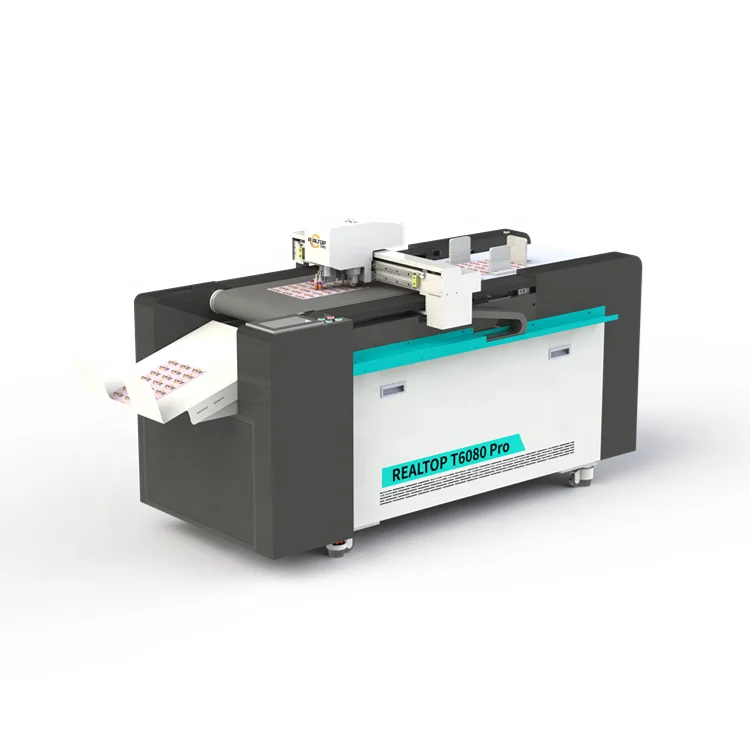
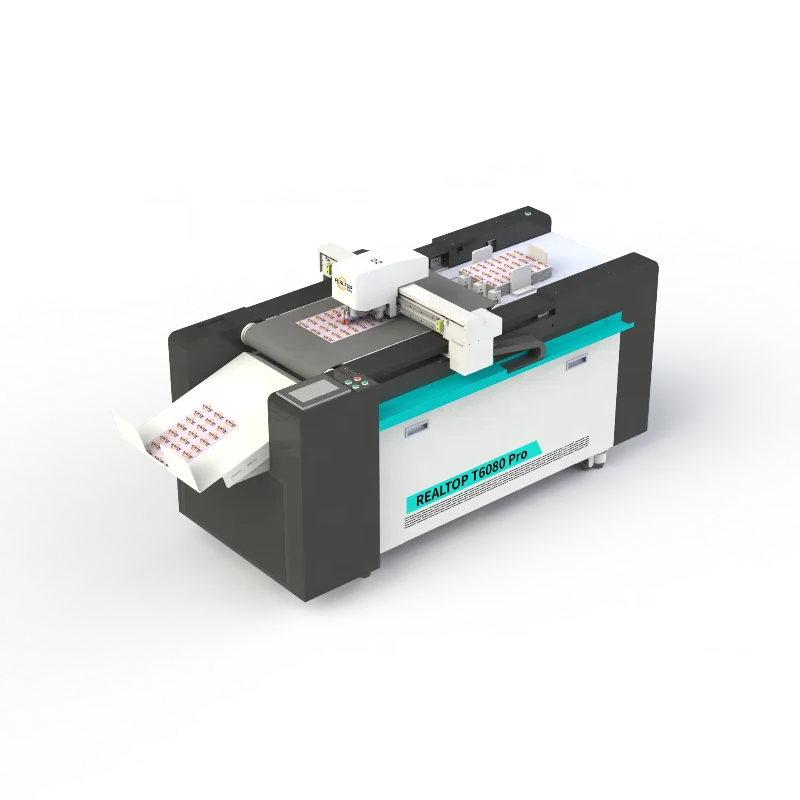
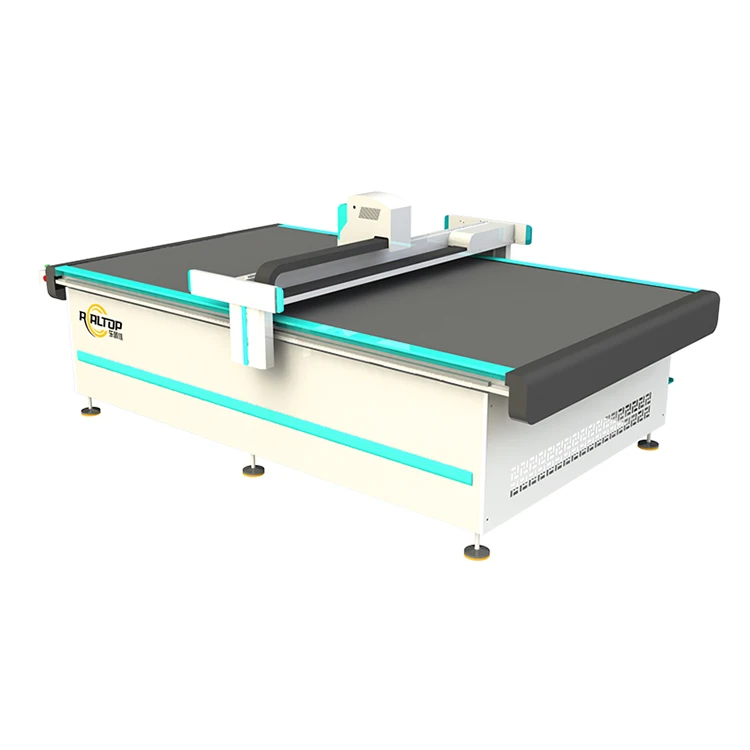
Precision toolhead matching — Every RTT6080 configuration ships only after test cuts on the buyer’s actual label stock confirm edge quality and kiss-cut depth.
Technical Specifications
| Parameter | Value |
|---|---|
| Model | RTT6080 / RTT6080 Pro |
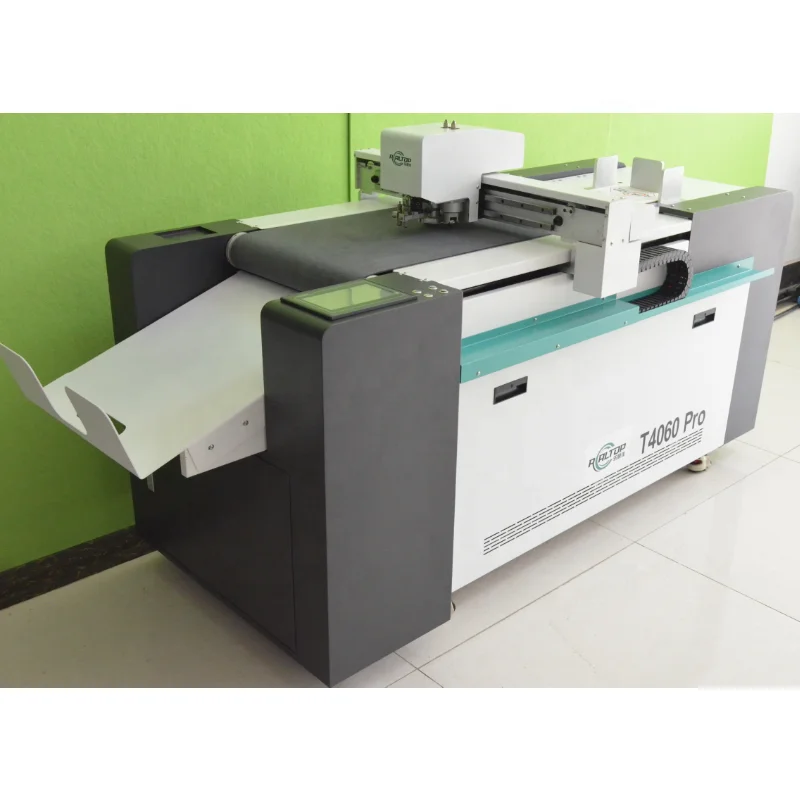
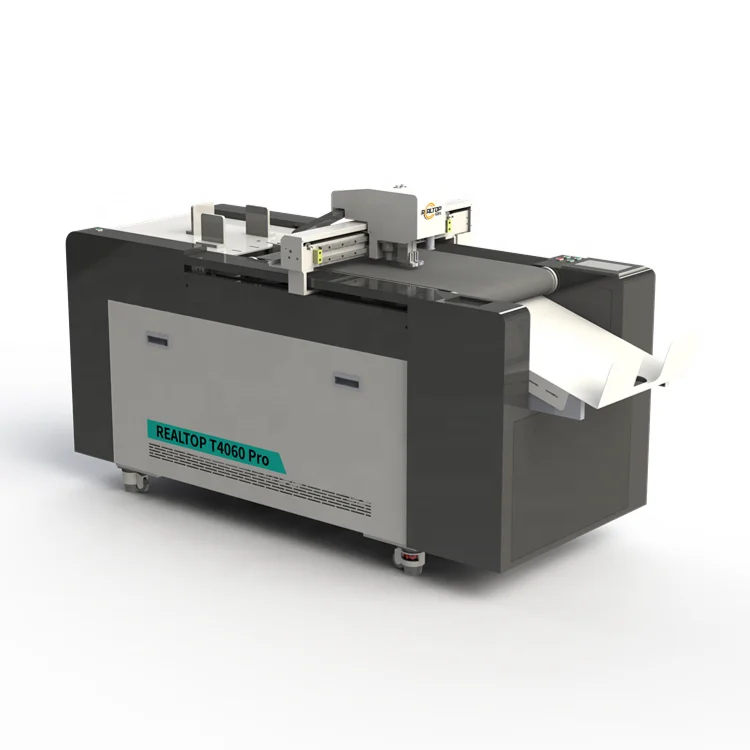
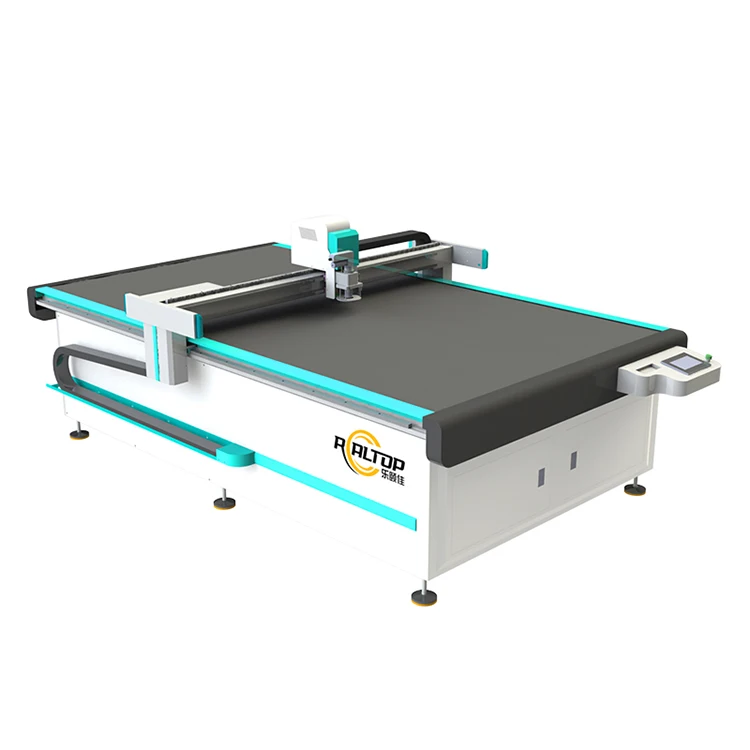
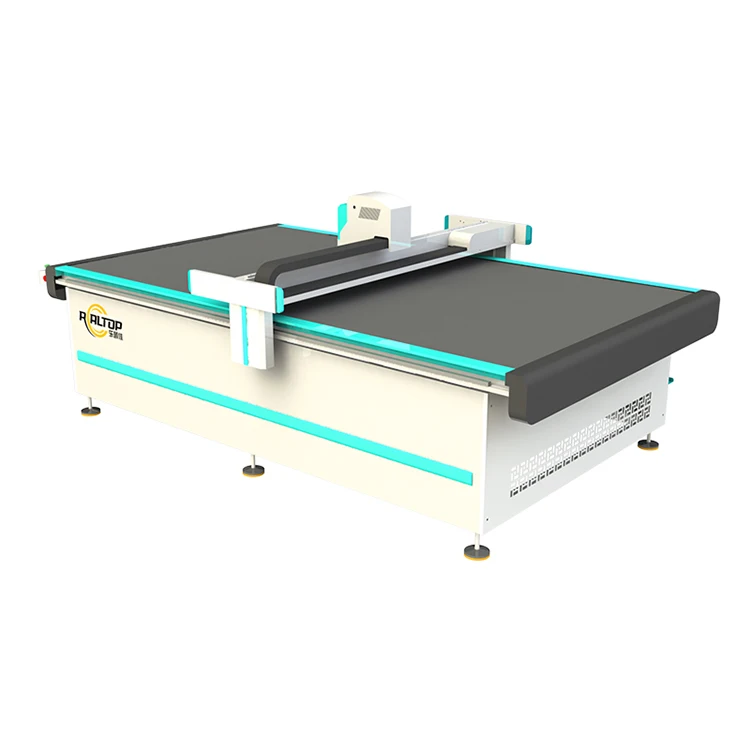
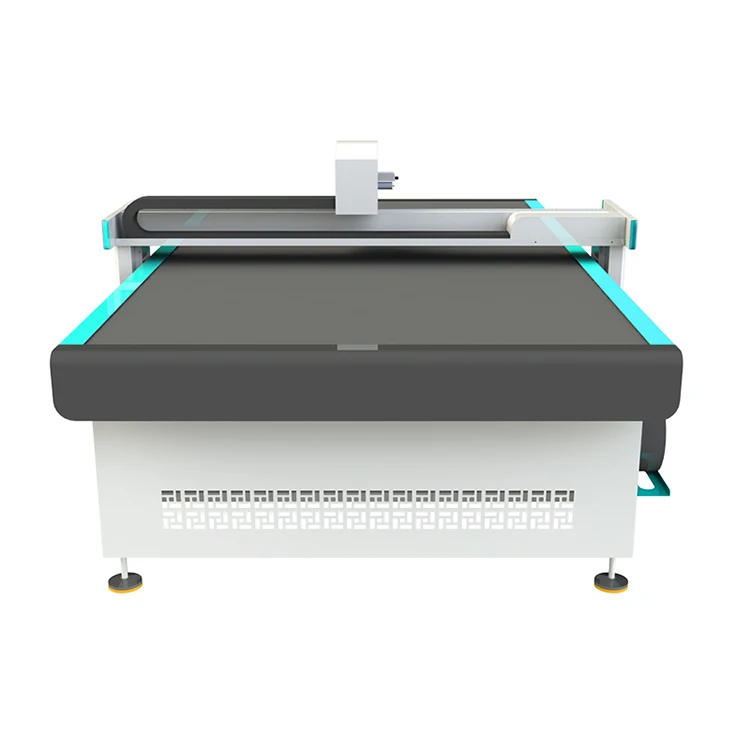
| Product Type | CNC Knife Cutting Machine |
| Working Area | 600 mm × 800 mm |
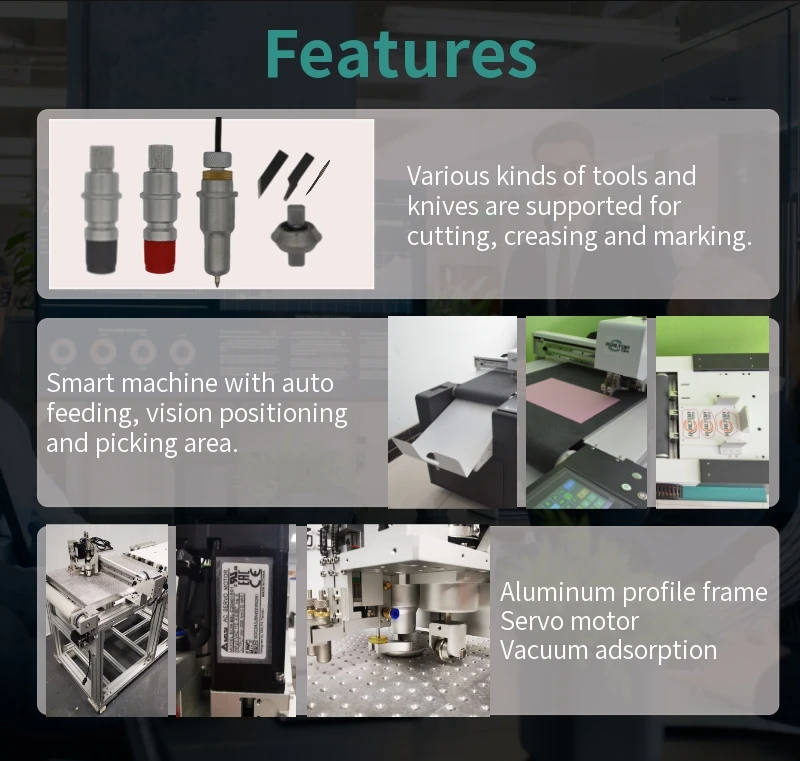
| Tool Head Options | Cutting tool, kiss cutting tool, creasing tool, CCD camera, high-speed oscillating knife (Pro version) |
| Max Cutting Speed | 1500 mm/s (basis not stated in source — confirm material / thickness) |
| Cutting Thickness | ≤2 mm (RTT6080) / ≤5 mm (RTT6080 Pro) (basis not stated in source — confirm material type) |
| Positioning Accuracy | 0.05 mm |
| Compatible File Formats | DXF, PLT, PDF, AI |
| Data Transfer | Ethernet port |
| Rated Power | 3.2 kW (rated or peak not specified in source) |
| Voltage & Frequency | 220V / 380V, 50Hz |
Application Suitability
| Application | Material or Output |
|---|---|
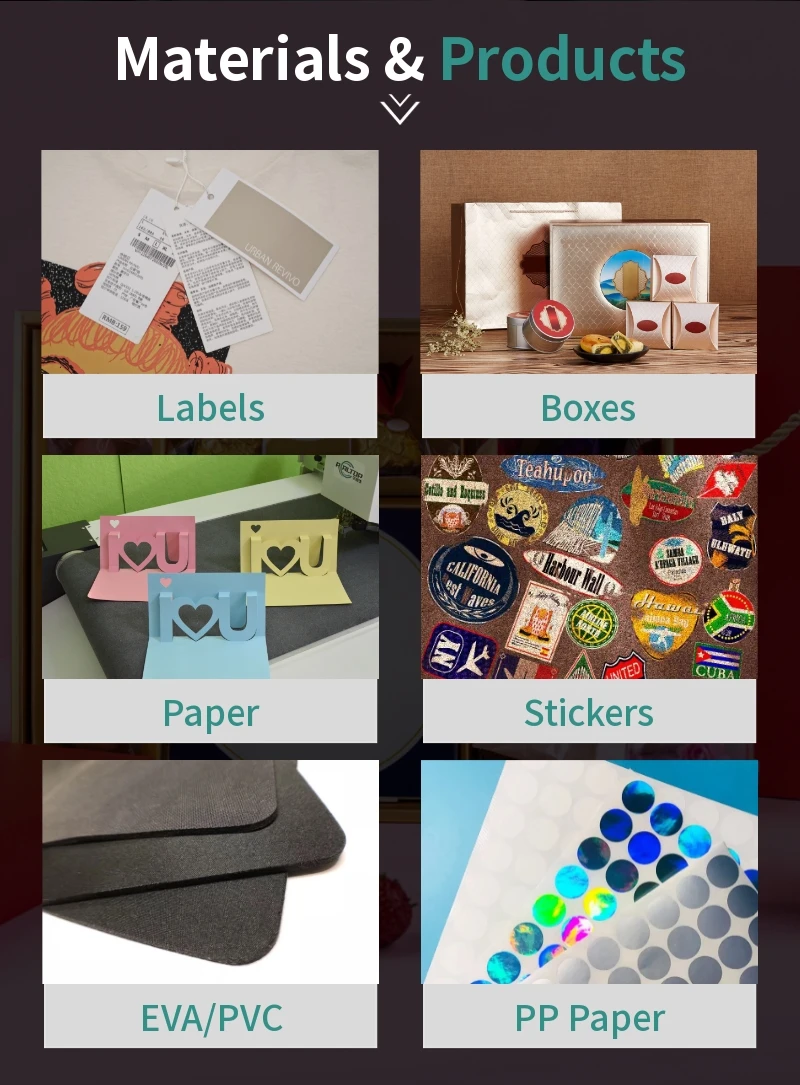
| Self-adhesive label and sticker finishing | Vinyl, coated paper, PET, and PP label stock up to rated thickness |
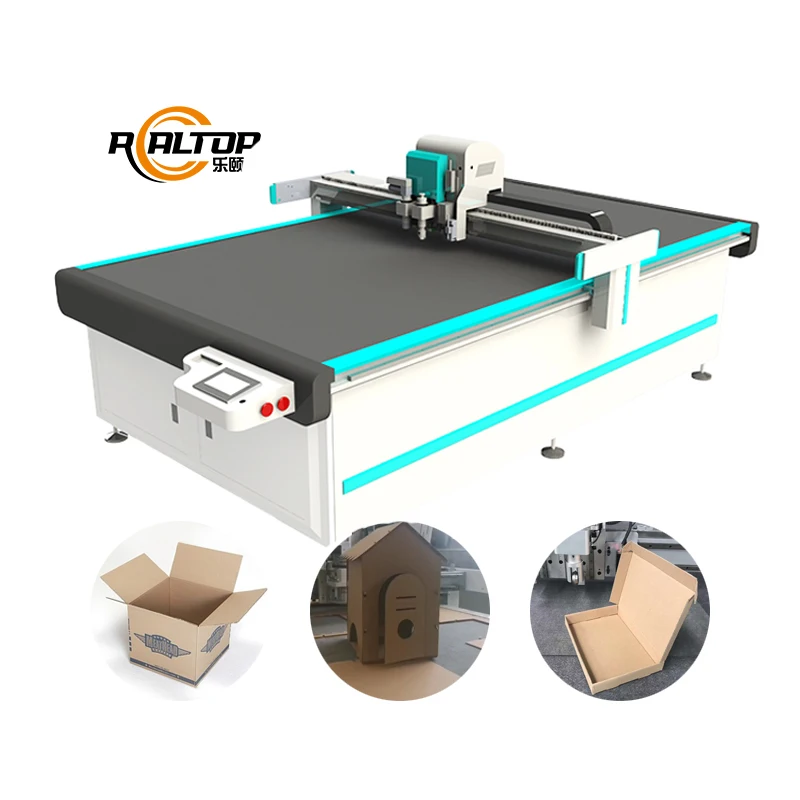
| Short-run packaging sample making | Folding carton board, corrugated E-flute, and greyboard |
| Print finishing and contour cutting | Printed sheets requiring CCD registration for kiss-cut or through-cut |
| Plotter cutting for signage | Adhesive-backed films and thin magnet sheets |
Why "≤5 mm Cutting Thickness" Means Nothing Without Material Context
The thickness figure only matters when paired with the exact material you run every day.
I have watched buyers at trade shows compare two machines purely on maximum cutting depth, then discover weeks later that the 5 mm rating applied to soft foam, not the dense gasket material on their production floor. The RTT6080 standard handles ≤2 mm stock while the RTT6080 Pro extends to ≤5 mm, but those envelopes shift depending on material density, layer count, and adhesive composition. When a buyer sends us actual label rolls or sticker sheets, we run sample cuts and document the results before any order is placed [NEED_CITE: material-specific cutting capacity verification before purchase commitment]. A CNC Knife Cutting Machine for sale with impressive spec-sheet numbers can still produce ragged edges or incomplete kiss cuts if the toolhead and material were never matched in a real test.
Toolhead Selection Drives the Real Cutting Envelope
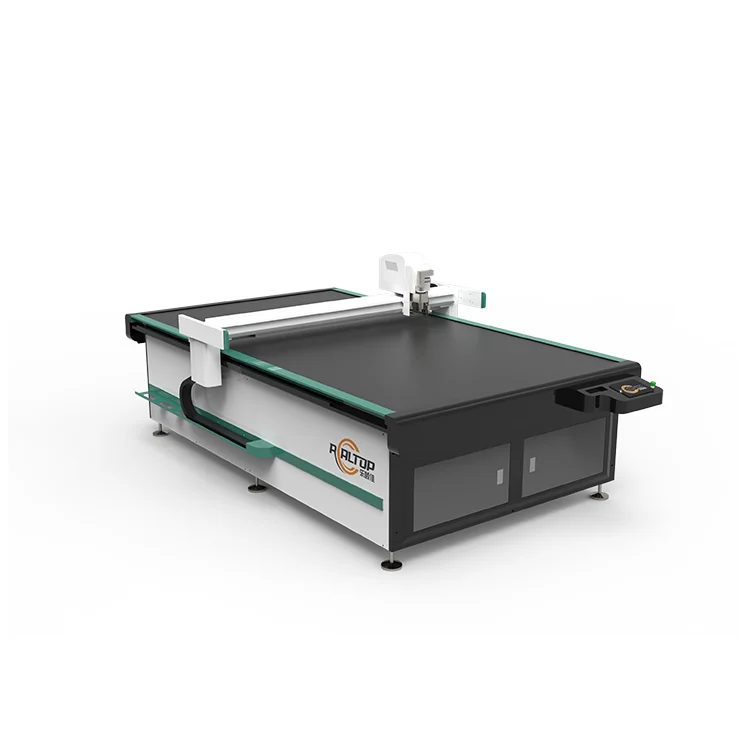
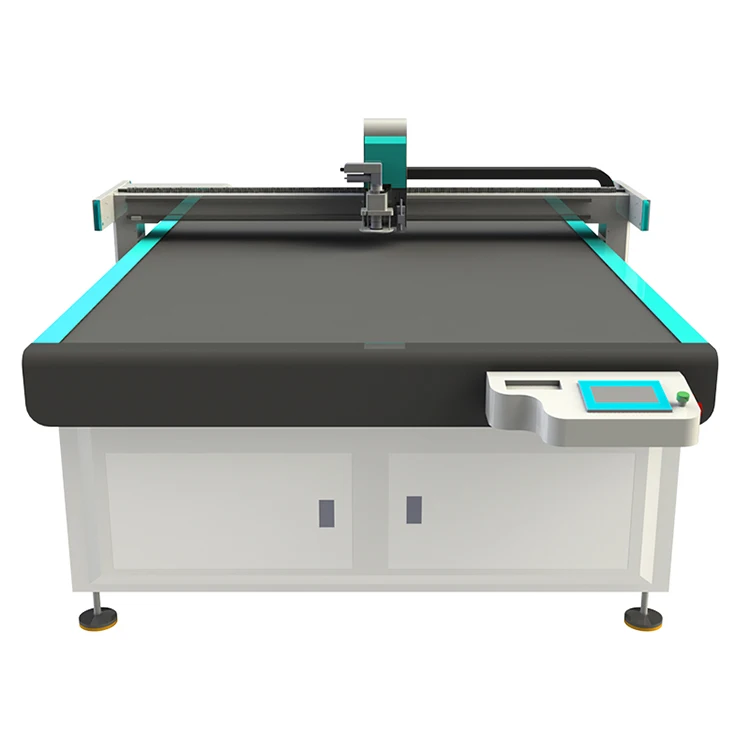
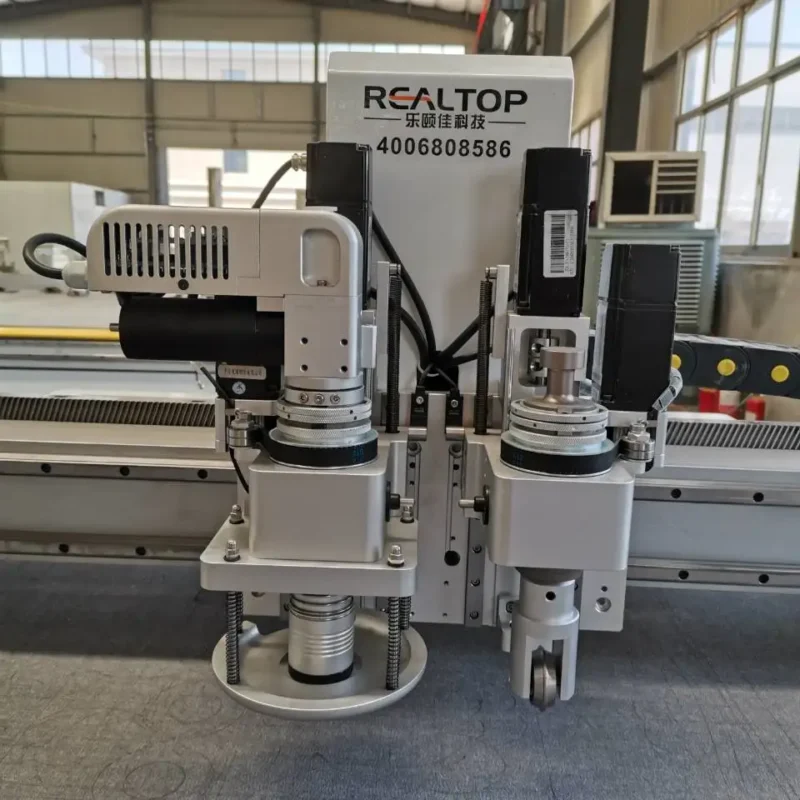
The RTT6080 and RTT6080 Pro share the same 600 × 800 mm working area, but the toolhead configuration determines what each version actually produces on the floor. The standard model carries a cutting tool, kiss cutting tool, creasing wheel, and CCD camera — enough for most label and thin carton sample work. The Pro variant adds a high-speed oscillating knife that handles thicker stock and denser composites, expanding the range from thin adhesive films up to multi-layer materials. Choosing between them is not about picking the higher number on a spec sheet; it is about matching the toolhead to the specific label stock, sticker liner, or carton board a shop runs most often.
CCD Contour Recognition at Production Pace
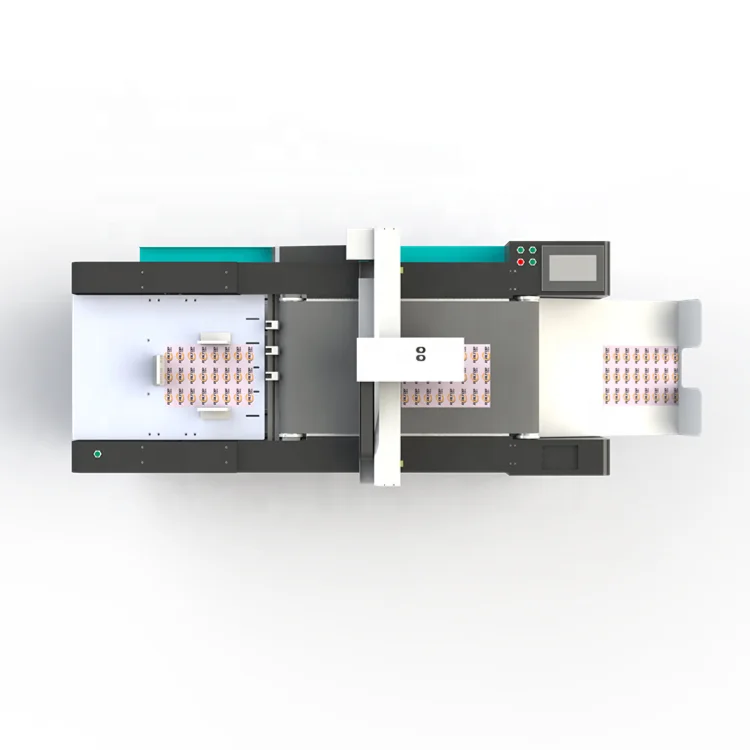
Printed labels and stickers demand that the camera reads registration marks fast enough to keep up with cutting speed, not just in a slow demonstration. The CCD camera on this CNC Knife Cutting Machine tracks printed contours across the working area, adjusting the cut path to compensate for print distortion or sheet drift [NEED_CITE: CCD registration accuracy on digitally printed label substrates]. For short-run jobs where each sheet may carry slight positional variation, contour recognition eliminates the manual alignment step that otherwise slows a finishing room down. Buyers should verify recognition performance on their own printed sheets rather than relying on generic demo files.
What the Published Specs Mean for Daily Output
The 0.05 mm positioning accuracy matters most when kiss-cutting labels where the blade must stop at the liner without cutting through it — any drift tears the backing or leaves adhesive burrs. The 3.2 kW rated power supports the oscillating knife’s high-frequency strokes on the Pro version, maintaining stroke consistency across dense materials. Ethernet transfer means the machine drops into a shop’s existing network without requiring a dedicated PC beside it, which matters in finishing rooms where floor space is already tight. File format support for DXF, PLT, PDF, and AI covers the output of most design and prepress software, so a print shop does not need to rebuild its file workflow around a proprietary format. The dual voltage option at 220V or 380V with 50Hz frequency covers most export markets, though the exact supply must be confirmed before the electrical cabinet is wired.
The Hidden Cost of Skipping the Sample Cut
A buyer once ordered a compact cutting table based on working area alone, assuming any 600 × 800 mm machine would handle their self-adhesive sticker rolls. When the machine arrived, the standard cutting tool crushed the adhesive layer instead of slicing it cleanly, and the vacuum zoning could not hold the small label pieces flat. The entire first production run was scrapped [NEED_CITE: consequences of mismatched toolhead and vacuum configuration on adhesive label stock]. A test cut on the buyer’s own material — documenting edge quality, kiss-cut depth, and liner condition — costs nothing compared to a container of mis-specified equipment sitting idle on a factory floor.
Why Buyers Source This Range Here
The design team covers both knife and laser cutting technologies under one roof, so a buyer evaluating label finishing options can compare knife cutting against laser die-cutting without being pushed toward whichever machine the salesperson happens to stock. Toolhead and table configurations are specified per material rather than sold as a fixed package, meaning the RTT6080 ships with the exact combination of cutting tool, kiss cutting tool, and CCD camera that the buyer’s material requires. Software compatibility — file formats, nesting workflows, and license terms — is confirmed in writing before the order is placed. Every machine undergoes factory testing with documented results, and the sample cutting report on the buyer’s own label or sticker stock travels with the shipment as a reference baseline. Voltage, plug type, and control language are locked in during the specification phase so nothing arrives miswired or displaying the wrong menu language.
Documentation & Verification
- Sample cutting report on buyer’s label or sticker stock confirming edge and kiss-cut quality
- Toolhead and table configuration list matched to specified material type and thickness
- Electrical schematic with voltage and frequency confirmation before cabinet wiring
- Software license and file format compatibility note for DXF, PLT, PDF, and AI workflows
- Factory test record documenting positioning accuracy and cutting consistency
- Operation and maintenance manual with spare parts list included at shipment
Installation, Commissioning & Support
- Confirm 220V or 380V dedicated circuit with correct frequency before the machine is energized
- Verify floor leveling within the 600 × 800 mm working area to maintain 0.05 mm positioning accuracy
- Ethernet port connection to shop network for file transfer without a dedicated workstation
- First-run calibration using buyer’s own label stock to validate CCD contour tracking
- Toolhead changeover training for cutting, kiss cutting, creasing, and oscillating knife swaps
- Scheduled blade and oscillating knife consumable replacement intervals documented in manual
What We Need to Recommend the Right Configuration
To match the correct RTT6080 or RTT6080 Pro version to a production environment, send the exact label or sticker material type, thickness, and liner composition. Include the daily volume range and the file formats your design or prepress team currently outputs. Specify the local voltage supply and frequency so the electrical cabinet is built accordingly, and note the preferred control language. If existing upstream printers or downstream applicators need to integrate with the cutting workflow, share those details so the software configuration aligns before the machine ships.
Frequently Asked Questions
Q: How do I choose between the RTT6080 and RTT6080 Pro for my label stock?
A: The decision hinges on material thickness and density. The standard RTT6080 handles stock up to 2 mm, which covers most vinyl labels and thin sticker films. The Pro variant extends to 5 mm with its high-speed oscillating knife, suited for thicker adhesive sandwiches or multi-layer composites. Send your actual material for a sample cut so the correct version is confirmed before ordering.
Q: Does the ≤2 mm or ≤5 mm cutting thickness apply to every material I might run?
A: Those figures represent maximum envelopes that shift depending on material density, adhesive composition, and layer count. A soft foam gasket cuts cleanly at the upper limit, while a dense reinforced composite may not. We test each buyer’s specific material and document the result, so the quoted thickness is real rather than theoretical.
Q: Will the CCD camera keep up with production speed on my printed labels?
A: Contour recognition must track registration marks without lagging behind the cutting head, especially on sheets with slight print distortion. Performance varies with print contrast and mark size. We run the buyer’s own printed sheets during the sample phase to verify that the CCD camera maintains accurate tracking at the intended cutting speed.
Q: Can I import my existing label design files without converting them?
A: The system accepts DXF, PLT, PDF, and AI files directly, covering the output of most design and prepress software. We confirm file import and nesting workflow compatibility before the order is finalized, so there are no surprises when your team sends the first job to the machine.
Precision toolhead matching — Every RTT6080 configuration ships only after test cuts on the buyer’s actual label stock confirm edge quality and kiss-cut depth.
Technical Specifications
| Parameter | Value |
|---|---|
| Model | RTT6080 / RTT6080 Pro |
| Product Type | CNC Knife Cutting Machine |
| Working Area | 600 mm × 800 mm |
| Tool Head Options | Cutting tool, kiss cutting tool, creasing tool, CCD camera, high-speed oscillating knife (Pro version) |
| Max Cutting Speed | 1500 mm/s (basis not stated in source — confirm material / thickness) |
| Cutting Thickness | ≤2 mm (RTT6080) / ≤5 mm (RTT6080 Pro) (basis not stated in source — confirm material type) |
| Positioning Accuracy | 0.05 mm |
| Compatible File Formats | DXF, PLT, PDF, AI |
| Data Transfer | Ethernet port |
| Rated Power | 3.2 kW (rated or peak not specified in source) |
| Voltage & Frequency | 220V / 380V, 50Hz |
Application Suitability
| Application | Material or Output |
|---|---|
| Self-adhesive label and sticker finishing | Vinyl, coated paper, PET, and PP label stock up to rated thickness |
| Short-run packaging sample making | Folding carton board, corrugated E-flute, and greyboard |
| Print finishing and contour cutting | Printed sheets requiring CCD registration for kiss-cut or through-cut |
| Plotter cutting for signage | Adhesive-backed films and thin magnet sheets |
Why "≤5 mm Cutting Thickness" Means Nothing Without Material Context
The thickness figure only matters when paired with the exact material you run every day.
I have watched buyers at trade shows compare two machines purely on maximum cutting depth, then discover weeks later that the 5 mm rating applied to soft foam, not the dense gasket material on their production floor. The RTT6080 standard handles ≤2 mm stock while the RTT6080 Pro extends to ≤5 mm, but those envelopes shift depending on material density, layer count, and adhesive composition. When a buyer sends us actual label rolls or sticker sheets, we run sample cuts and document the results before any order is placed [NEED_CITE: material-specific cutting capacity verification before purchase commitment]. A CNC Knife Cutting Machine for sale with impressive spec-sheet numbers can still produce ragged edges or incomplete kiss cuts if the toolhead and material were never matched in a real test.
Toolhead Selection Drives the Real Cutting Envelope
The RTT6080 and RTT6080 Pro share the same 600 × 800 mm working area, but the toolhead configuration determines what each version actually produces on the floor. The standard model carries a cutting tool, kiss cutting tool, creasing wheel, and CCD camera — enough for most label and thin carton sample work. The Pro variant adds a high-speed oscillating knife that handles thicker stock and denser composites, expanding the range from thin adhesive films up to multi-layer materials. Choosing between them is not about picking the higher number on a spec sheet; it is about matching the toolhead to the specific label stock, sticker liner, or carton board a shop runs most often.
CCD Contour Recognition at Production Pace
Printed labels and stickers demand that the camera reads registration marks fast enough to keep up with cutting speed, not just in a slow demonstration. The CCD camera on this CNC Knife Cutting Machine tracks printed contours across the working area, adjusting the cut path to compensate for print distortion or sheet drift [NEED_CITE: CCD registration accuracy on digitally printed label substrates]. For short-run jobs where each sheet may carry slight positional variation, contour recognition eliminates the manual alignment step that otherwise slows a finishing room down. Buyers should verify recognition performance on their own printed sheets rather than relying on generic demo files.
What the Published Specs Mean for Daily Output
The 0.05 mm positioning accuracy matters most when kiss-cutting labels where the blade must stop at the liner without cutting through it — any drift tears the backing or leaves adhesive burrs. The 3.2 kW rated power supports the oscillating knife’s high-frequency strokes on the Pro version, maintaining stroke consistency across dense materials. Ethernet transfer means the machine drops into a shop’s existing network without requiring a dedicated PC beside it, which matters in finishing rooms where floor space is already tight. File format support for DXF, PLT, PDF, and AI covers the output of most design and prepress software, so a print shop does not need to rebuild its file workflow around a proprietary format. The dual voltage option at 220V or 380V with 50Hz frequency covers most export markets, though the exact supply must be confirmed before the electrical cabinet is wired.
The Hidden Cost of Skipping the Sample Cut
A buyer once ordered a compact cutting table based on working area alone, assuming any 600 × 800 mm machine would handle their self-adhesive sticker rolls. When the machine arrived, the standard cutting tool crushed the adhesive layer instead of slicing it cleanly, and the vacuum zoning could not hold the small label pieces flat. The entire first production run was scrapped [NEED_CITE: consequences of mismatched toolhead and vacuum configuration on adhesive label stock]. A test cut on the buyer’s own material — documenting edge quality, kiss-cut depth, and liner condition — costs nothing compared to a container of mis-specified equipment sitting idle on a factory floor.
Why Buyers Source This Range Here
The design team covers both knife and laser cutting technologies under one roof, so a buyer evaluating label finishing options can compare knife cutting against laser die-cutting without being pushed toward whichever machine the salesperson happens to stock. Toolhead and table configurations are specified per material rather than sold as a fixed package, meaning the RTT6080 ships with the exact combination of cutting tool, kiss cutting tool, and CCD camera that the buyer’s material requires. Software compatibility — file formats, nesting workflows, and license terms — is confirmed in writing before the order is placed. Every machine undergoes factory testing with documented results, and the sample cutting report on the buyer’s own label or sticker stock travels with the shipment as a reference baseline. Voltage, plug type, and control language are locked in during the specification phase so nothing arrives miswired or displaying the wrong menu language.
Documentation & Verification
- Sample cutting report on buyer’s label or sticker stock confirming edge and kiss-cut quality
- Toolhead and table configuration list matched to specified material type and thickness
- Electrical schematic with voltage and frequency confirmation before cabinet wiring
- Software license and file format compatibility note for DXF, PLT, PDF, and AI workflows
- Factory test record documenting positioning accuracy and cutting consistency
- Operation and maintenance manual with spare parts list included at shipment
Installation, Commissioning & Support
- Confirm 220V or 380V dedicated circuit with correct frequency before the machine is energized
- Verify floor leveling within the 600 × 800 mm working area to maintain 0.05 mm positioning accuracy
- Ethernet port connection to shop network for file transfer without a dedicated workstation
- First-run calibration using buyer’s own label stock to validate CCD contour tracking
- Toolhead changeover training for cutting, kiss cutting, creasing, and oscillating knife swaps
- Scheduled blade and oscillating knife consumable replacement intervals documented in manual
What We Need to Recommend the Right Configuration
To match the correct RTT6080 or RTT6080 Pro version to a production environment, send the exact label or sticker material type, thickness, and liner composition. Include the daily volume range and the file formats your design or prepress team currently outputs. Specify the local voltage supply and frequency so the electrical cabinet is built accordingly, and note the preferred control language. If existing upstream printers or downstream applicators need to integrate with the cutting workflow, share those details so the software configuration aligns before the machine ships.
Frequently Asked Questions
Q: How do I choose between the RTT6080 and RTT6080 Pro for my label stock?
A: The decision hinges on material thickness and density. The standard RTT6080 handles stock up to 2 mm, which covers most vinyl labels and thin sticker films. The Pro variant extends to 5 mm with its high-speed oscillating knife, suited for thicker adhesive sandwiches or multi-layer composites. Send your actual material for a sample cut so the correct version is confirmed before ordering.
Q: Does the ≤2 mm or ≤5 mm cutting thickness apply to every material I might run?
A: Those figures represent maximum envelopes that shift depending on material density, adhesive composition, and layer count. A soft foam gasket cuts cleanly at the upper limit, while a dense reinforced composite may not. We test each buyer’s specific material and document the result, so the quoted thickness is real rather than theoretical.
Q: Will the CCD camera keep up with production speed on my printed labels?
A: Contour recognition must track registration marks without lagging behind the cutting head, especially on sheets with slight print distortion. Performance varies with print contrast and mark size. We run the buyer’s own printed sheets during the sample phase to verify that the CCD camera maintains accurate tracking at the intended cutting speed.
Q: Can I import my existing label design files without converting them?
A: The system accepts DXF, PLT, PDF, and AI files directly, covering the output of most design and prepress software. We confirm file import and nesting workflow compatibility before the order is finalized, so there are no surprises when your team sends the first job to the machine.
商品评价
There are no reviews yet.