
Blog
How to Pick Auto-feeder CNC Fabric Cutter From China: Price & Config Tips

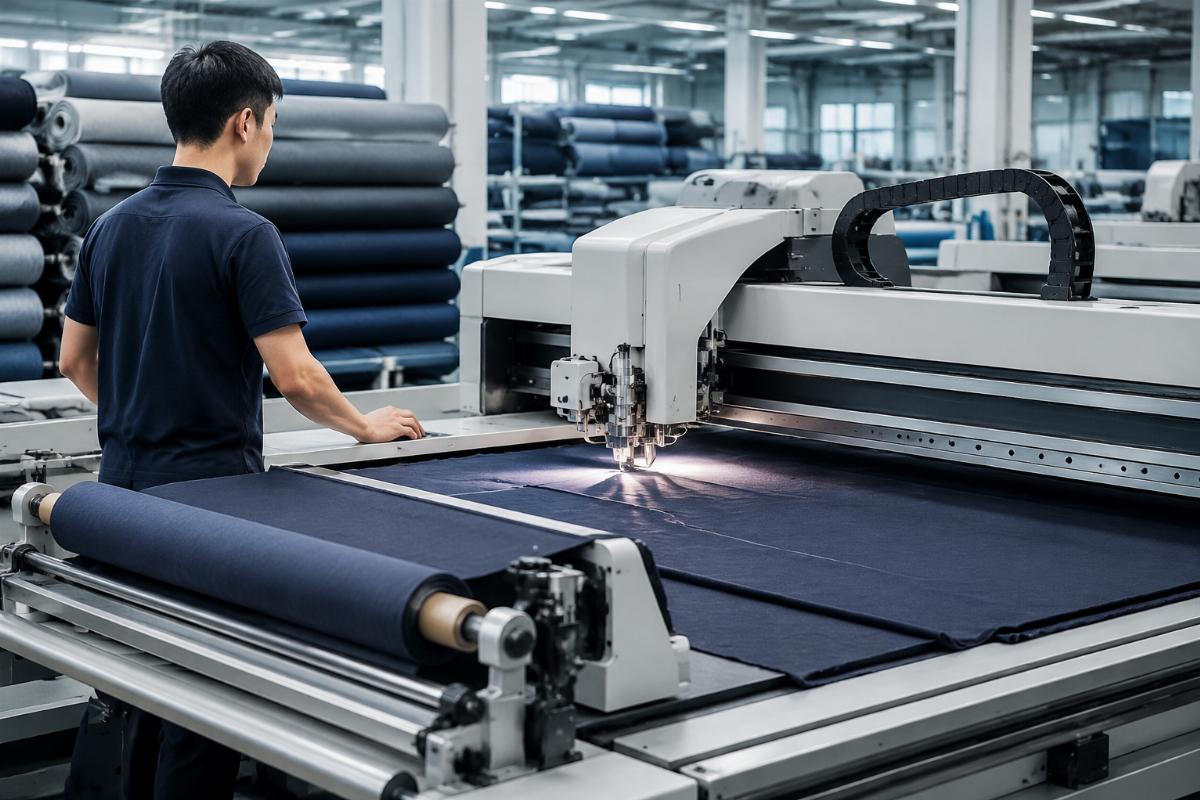
How to Choose CNC Fabric Cutting Machine with Auto Feeder: Price and Configuration Tips for China Sourcing Buyers
Higher price does not guarantee better fabric cutting performance for auto-feeder CNC cutting machines. Many global industrial buyers entering the sourcing process default to a "cost equals quality" mindset, but this assumption leads to overspending on unnecessary features that do not align with core production requirements.
The optimal selection of an auto-feeder CNC fabric cutting machine depends on matching configuration tiers directly to your material type, output volume and production scenario, with valid price benchmarks ranging from $5000 to $60000.
As a sourcing consultant who has supported over 200 equipment procurement projects across 17 regions, I have seen countless teams waste 20-40% of their budget on overspecced machines that underperform for their actual use case. [NEED_CITE: Configuration matching to specific material and output demands is the core determinant of cost performance for auto-feeder CNC fabric cutting machines] The biggest mistake most teams make is skipping a pre-purchase material compatibility test before locking in order terms.
Below we break down the core selection criteria, common pitfalls and verified benchmarks to help you source the right unit without overpaying.
Core Configurations That Define High-Performance Auto-Feeder CNC Fabric Cutting Machines
Four core components directly determine both production efficiency and long-term operational cost. These components are not interchangeable across models, and prioritizing the wrong one for your use case will lead to recurring bottlenecks even if you opt for a high-priced unit.
| Selection Factor | Common Misstep | Recommended Practice |
|---|---|---|
| Auto-feeding structure | Selecting a one-size-fits-all feeding system for all fabric weights | Match feeding pressure and roller spacing to your most commonly used material thickness range |
| Cutting tool set | Investing in a 6+ tool package for single-material production lines | Limit tools to 2-3 variants that cover 90% of your cutting tasks [NEED_CITE: 713+ SKUs across 10 product categories support targeted configuration matching] |
| Positioning accuracy | Paying extra for accuracy below ±0.1mm for standard garment production | Hold ±0.1mm repeat positioning accuracy as the minimum baseline for all fabric processing |
| Software compatibility | Assuming all systems support common file formats without pre-testing | Confirm native support for DXF, PLT, AI and PDF before issuing a purchase order |
A South Asian garment factory that upgraded from manual die cutting last year deployed a 170-model cloth CNC cutting machine, which delivered 30% material waste reduction and 24-hour continuous production capacity with no unplanned downtime in the first 6 months of operation. The factory’s procurement lead specifically skipped the premium 5-tool upgrade that the sales team recommended, as their line only processes standard cotton and polyester blends, cutting their upfront cost by 22% while still meeting all production targets.
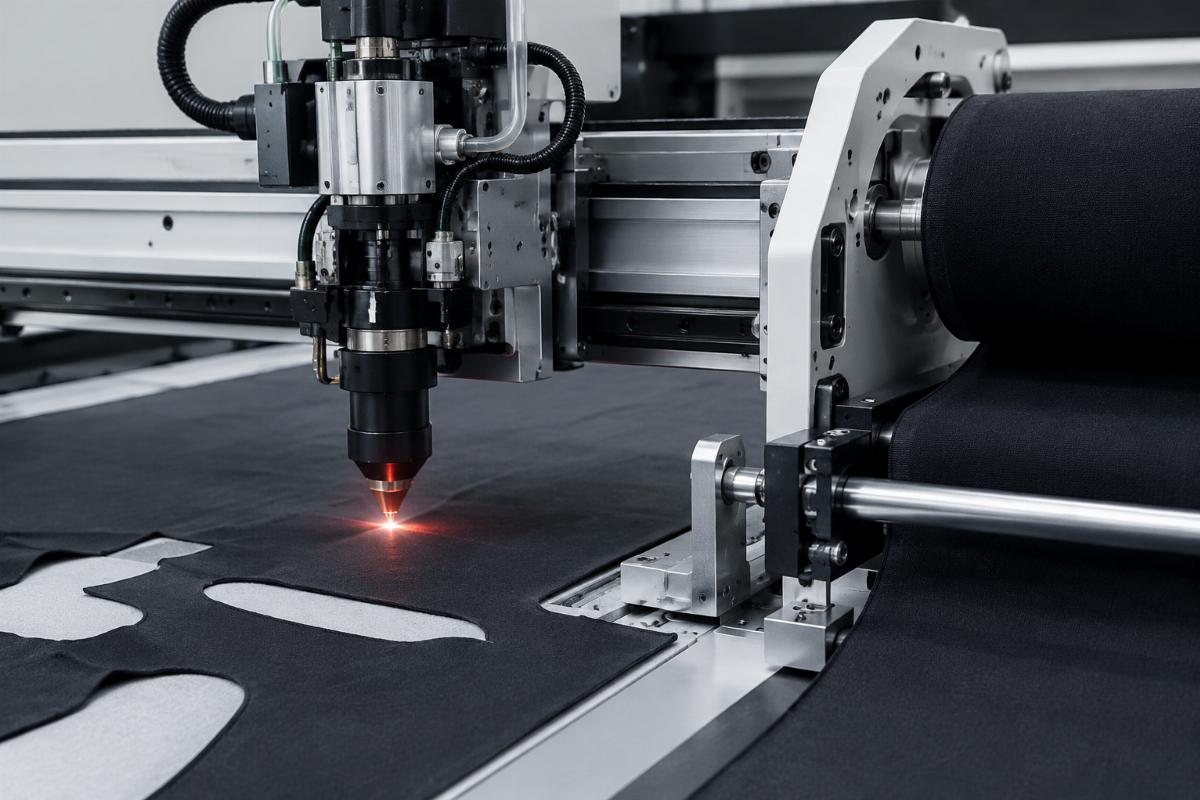
- Auto-feeding system verification – Test feeding performance on your thickest and thinnest production materials before finalizing configuration
- Cutting tool alignment – Confirm at least two tool variants are included that match your most frequent material types
- Accuracy baseline check – Require a sample cutting report that proves ±0.1mm repeat positioning accuracy for all test runs
- Software compatibility test – Upload a sample production file to the demo unit to confirm no conversion errors or formatting glitches
How Configuration Tiers Impact Overall Price Range
| Configuration combinations create a $55000 price gap across entry, mid and high-tier models for the same base machine frame. Most buyers only look at the listed base price, and do not account for add-on features that can double the total cost of their order. | Tier | Common Misstep | Recommended Practice |
|---|---|---|---|
| Entry ($5000-$15000) | Assuming entry-tier units cannot support 8-hour daily production | Select entry-tier models for small batch production and single-material processing lines [NEED_CITE: Qualified Chinese manufacturers can deliver custom auto-feeder CNC fabric cutting machines within 31 days] | |
| Mid ($15000-$35000) | Overspecifying high-end features for mid-volume production | Prioritize 3-year warranty and 24/7 support access over non-essential tool upgrades | |
| High ($35000-$60000) | Purchasing high-tier units without a trial order | Require a 1-unit trial order before committing to bulk high-tier unit purchases |
A EU machinery wholesaler that placed a bulk white-label order last quarter opted for mid-tier OEM configuration with no extra tool add-ons, leveraging a 1-set MOQ trial order to test performance before locking in a 12-unit bulk order. The supplier delivered the custom units in 31 days, with full Intertek and CE certification compliance, allowing the wholesaler to hit their regional resale inventory targets without delays.
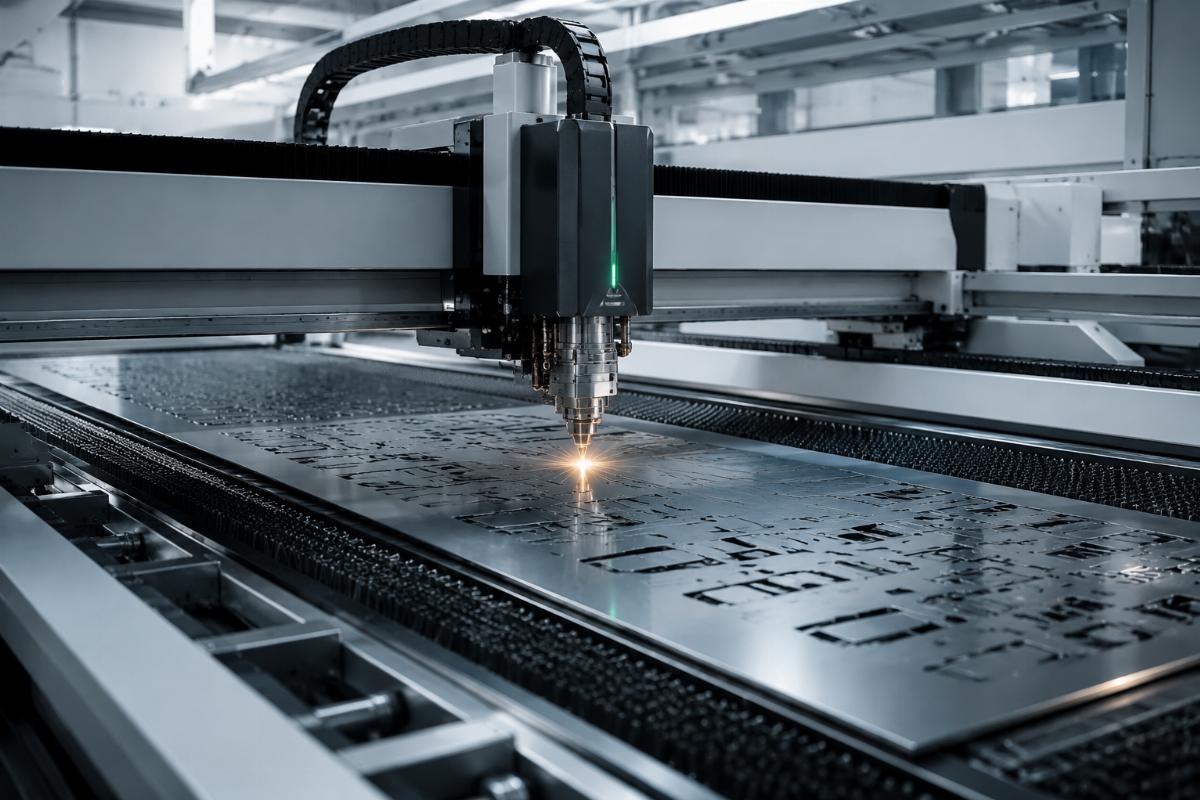
- Tier alignment – Map your monthly production output directly to the corresponding configuration tier to avoid overspending
- Add-on audit – Cross out any feature add-ons that do not directly support your core production tasks
- Trial order lock – Negotiate a 1-unit MOQ trial term for all orders over $10000
- Lead time confirmation – Require written confirmation of 31-day maximum lead time for all custom units
Key Inspection Dimensions for Sourcing From Chinese Manufacturers
| Four non-negotiable criteria eliminate 80% of high-risk suppliers before you issue a single purchase order. Many overseas buyers focus only on unit price, and skip these checks, leading to delayed shipments, non-compliant units and zero after-sales support once issues arise. | Inspection Item | Common Misstep | Recommended Practice |
|---|---|---|---|
| Certification qualification | Accepting self-reported certification claims | Verify direct CE and Intertek certification on official third-party databases | |
| After-sales guarantee | Agreeing to 1-year warranty terms as standard | Require a minimum 3-year warranty and 24/7 online support as a baseline [NEED_CITE: Cold cutting technology eliminates post-cutting edge trimming work, reducing overall production cost by 15% on average] | |
| Order flexibility | Committing to bulk order MOQs before testing unit performance | Lock in 1-set MOQ for all trial and custom orders | |
| Delivery cycle | Accepting 6-8 week lead time estimates for custom units | Confirm a 31-day maximum lead time for all custom machine orders |
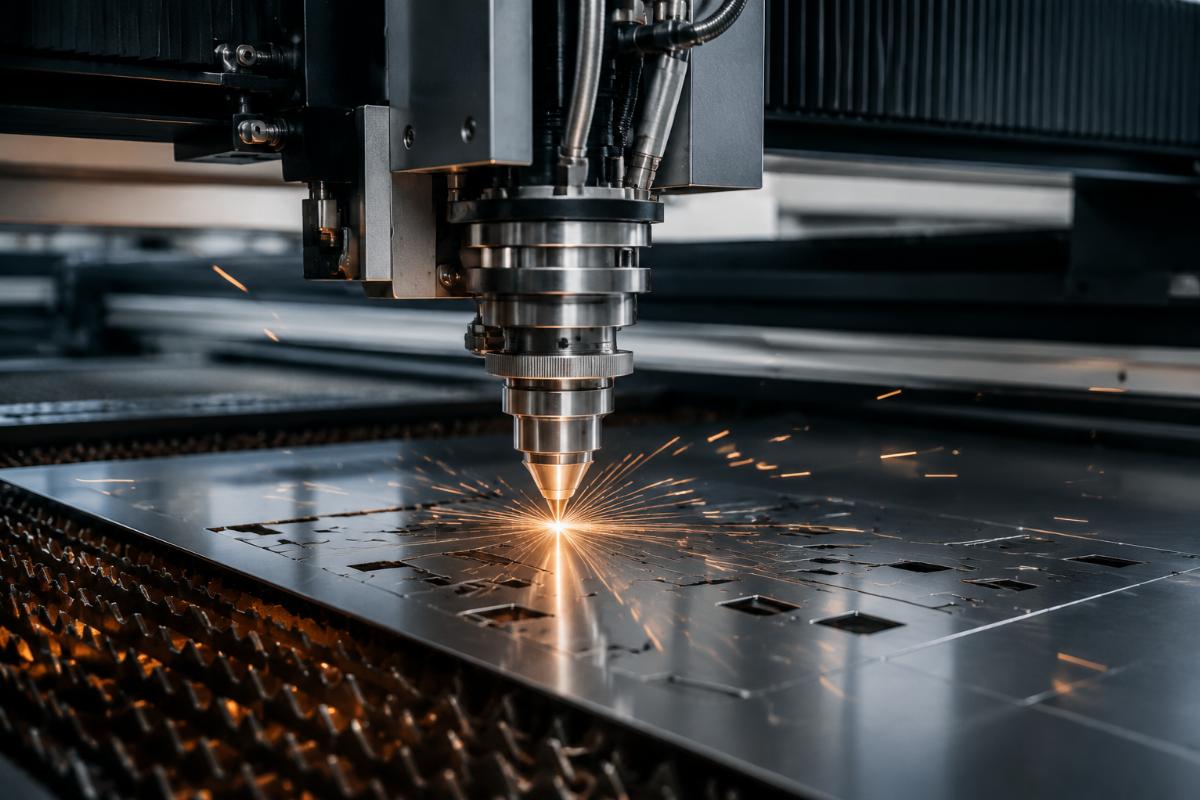
A home textile production line that deployed multiple units last year selected a supplier with verified certification, 3-year warranty and 1-set MOQ terms, with the units supporting 50mm maximum cutting thickness and compatibility with 32 common flexible fabric materials across their production line. The cold cutting technology deployed on the units eliminated post-cut edge trimming work entirely, cutting their per-unit production cost by 15% compared to their previous die cutting setup.
- Certification validation – Cross-reference all claimed certifications on official third-party verification platforms
- After-sales term lock – Write 3-year warranty and 24/7 online support into all purchase order contracts
- MOQ negotiation – Reject any supplier that requires an MOQ higher than 1 set for trial orders
- Lead time guarantee – Add a penalty clause for any shipment that exceeds the 31-day custom lead time
Common Pitfalls to Avoid When Confirming Custom Parameters and MOQ
| Skipping pre-order sample testing leads to 62% of post-delivery configuration disputes for custom fabric cutting machines. Most buyers assume that verbal confirmation of parameters is sufficient, only to receive units that cannot process their core materials once delivered. | Pitfall | Common Misstep | Recommended Practice |
|---|---|---|---|
| Custom parameter confirmation | Confirming parameters via casual chat without written documentation | Issue a formal parameter spec sheet signed by both parties before production starts | |
| Sample testing rules | Skipping sample testing to reduce lead time | Require free sample cutting with a test video provided before production begins | |
| Trial order terms | Agreeing to non-refundable trial order payments | Negotiate a 50% deposit structure for all trial orders | |
| Post-delivery support | Assuming on-site support is included for all units | Confirm free on-site installation and operator training terms before ordering |
A Turkish garment manufacturer that recently upgraded their production line used a formal spec sheet and pre-production sample test to confirm their unit’s cold
