

Fast Delivery
Quick, reliable shipping to any location.

Free & easy returns
Return this item by mail or in store within 90 days for a full refund.
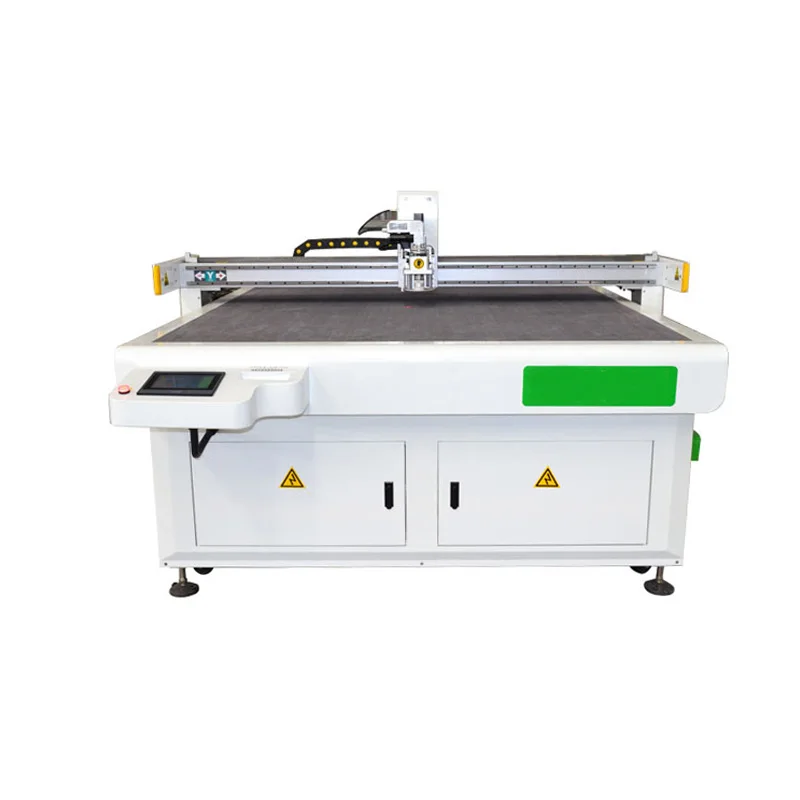
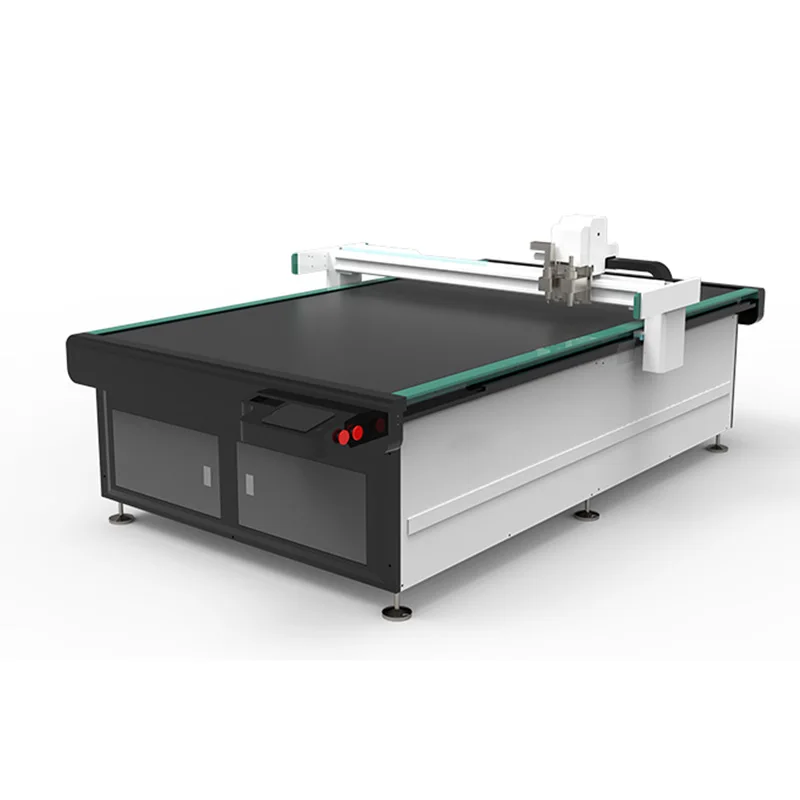
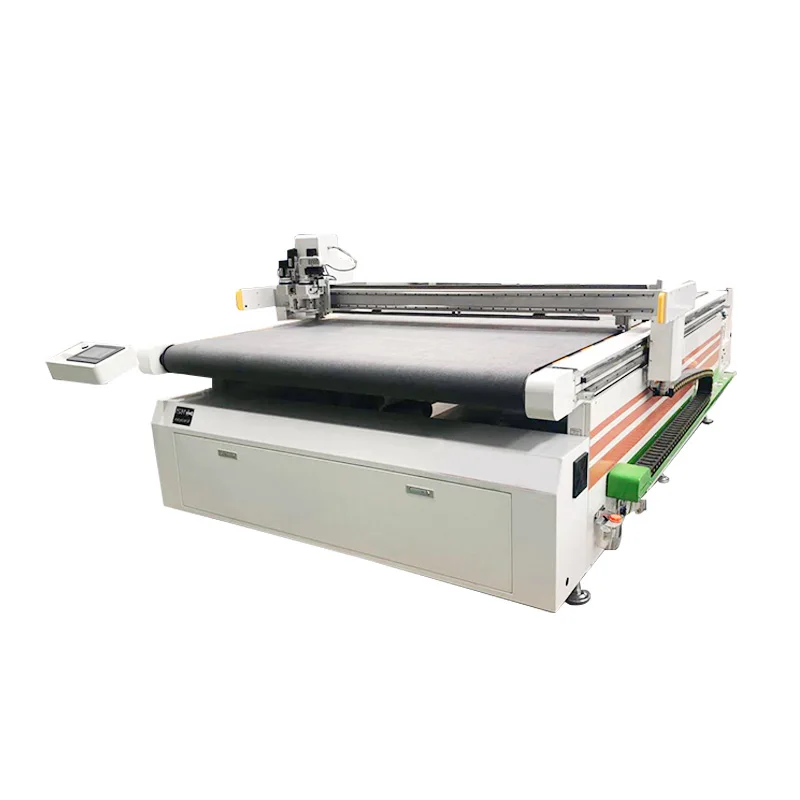
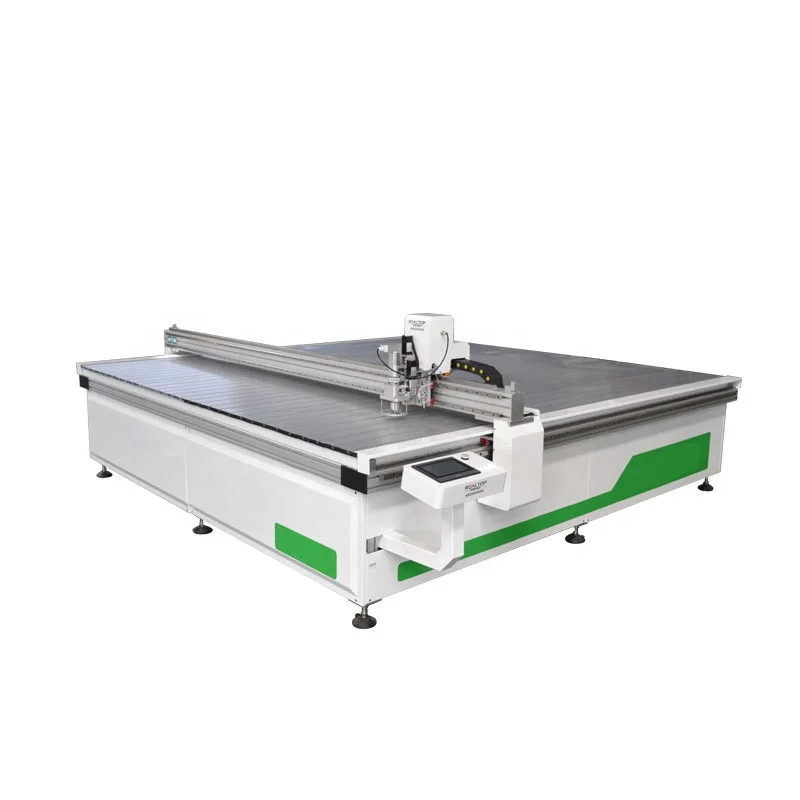
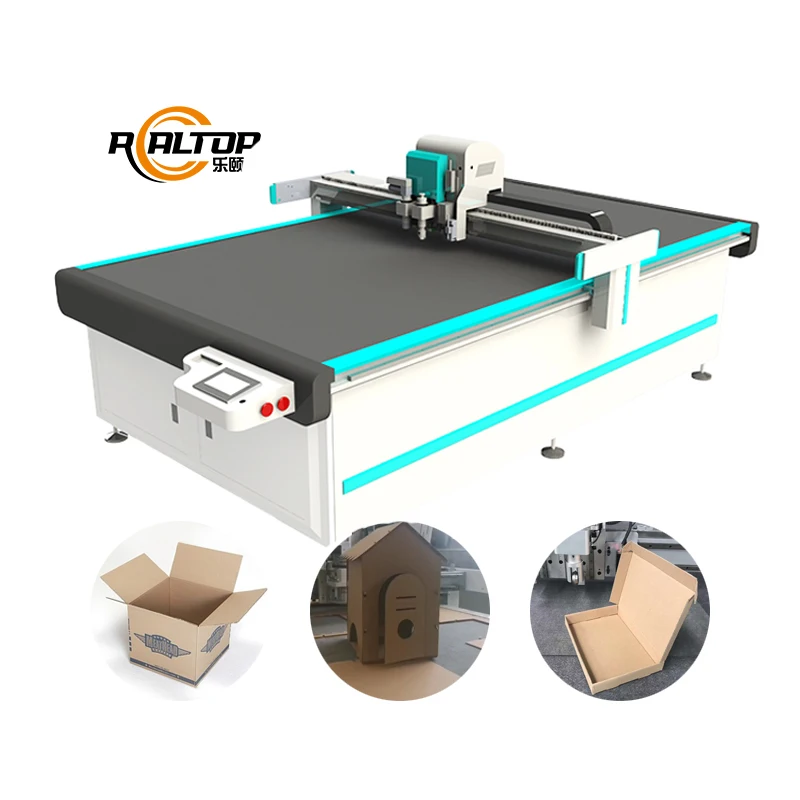
Matched Cutting Method — the RT-D2516 and RT-S2516 support oscillating knife, drag knife and creasing tool heads on a single platform, letting leather and flexible material buyers select the cutting action that fits their hide thickness and edge requirement rather than forcing one blade across every job.
Technical Specifications
| Parameter | Value |
|---|---|
| Model | RT-D2516 / RT-S2516 |
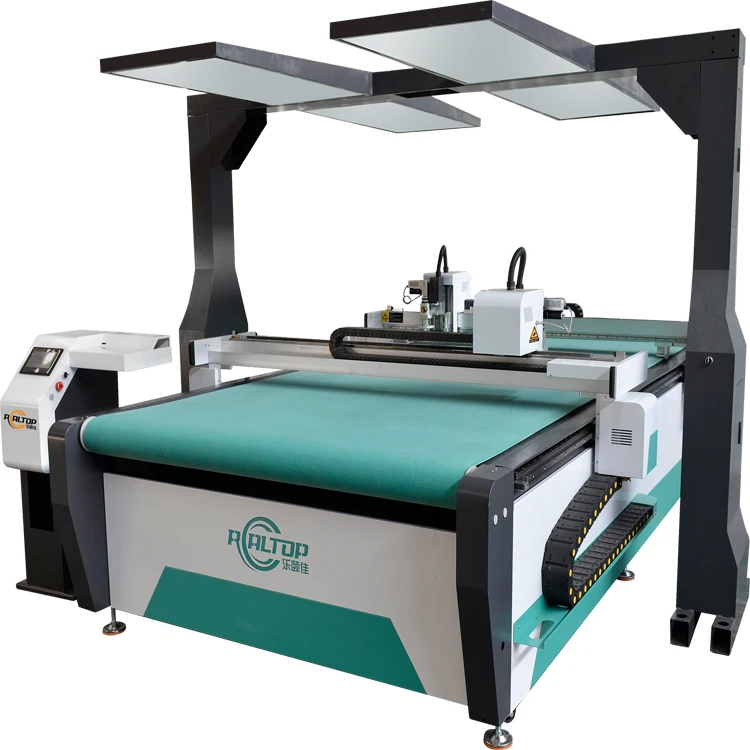
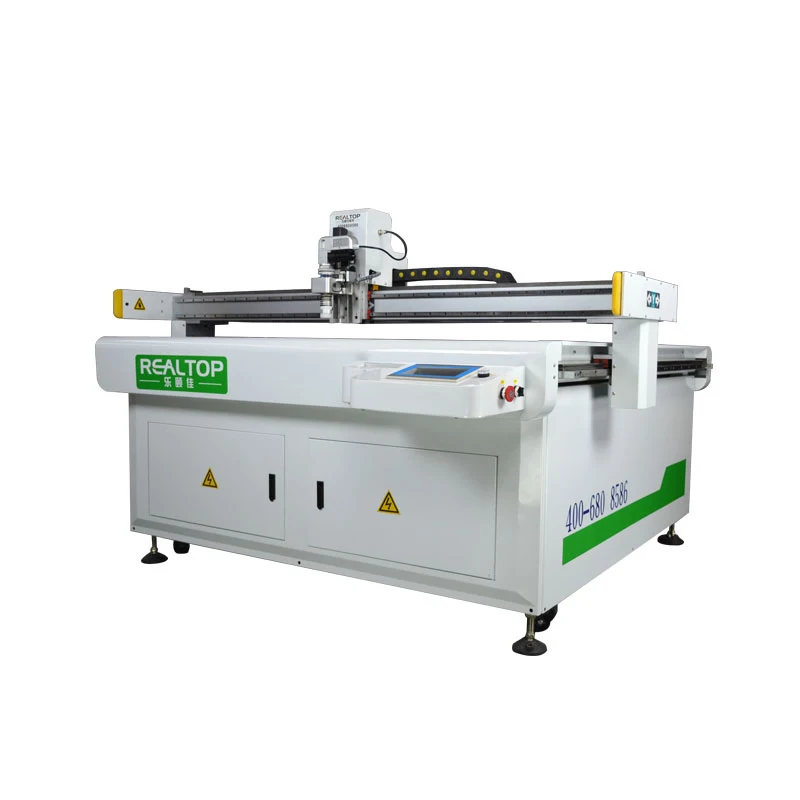
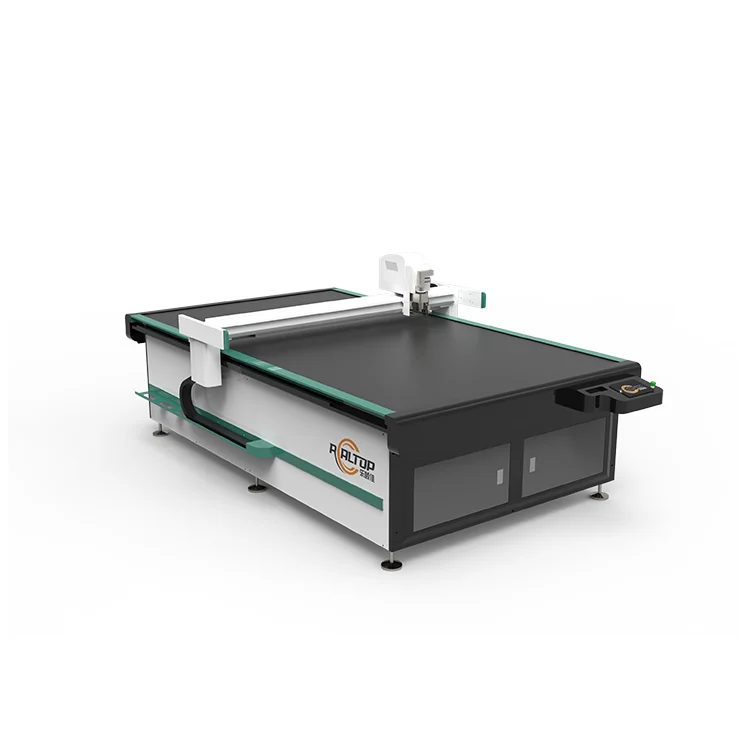
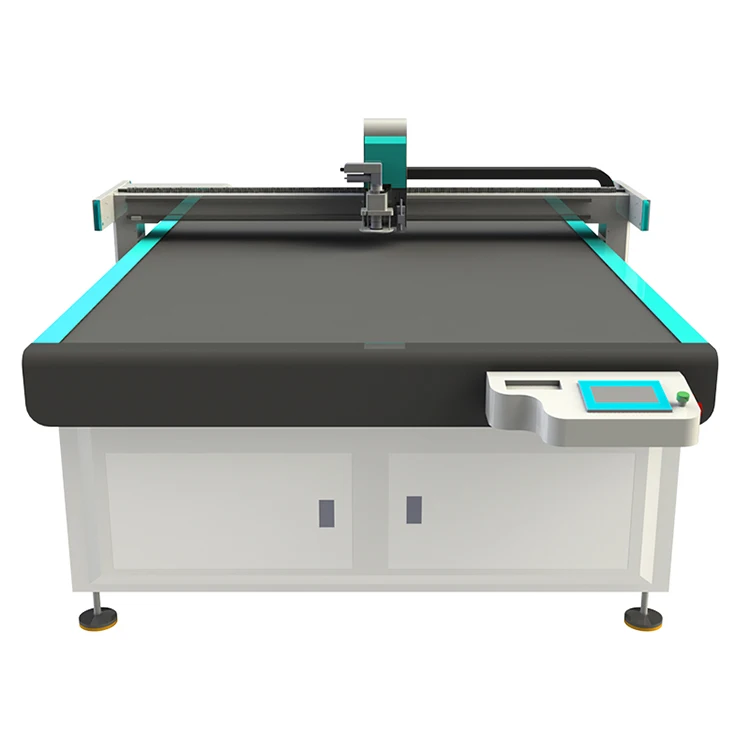
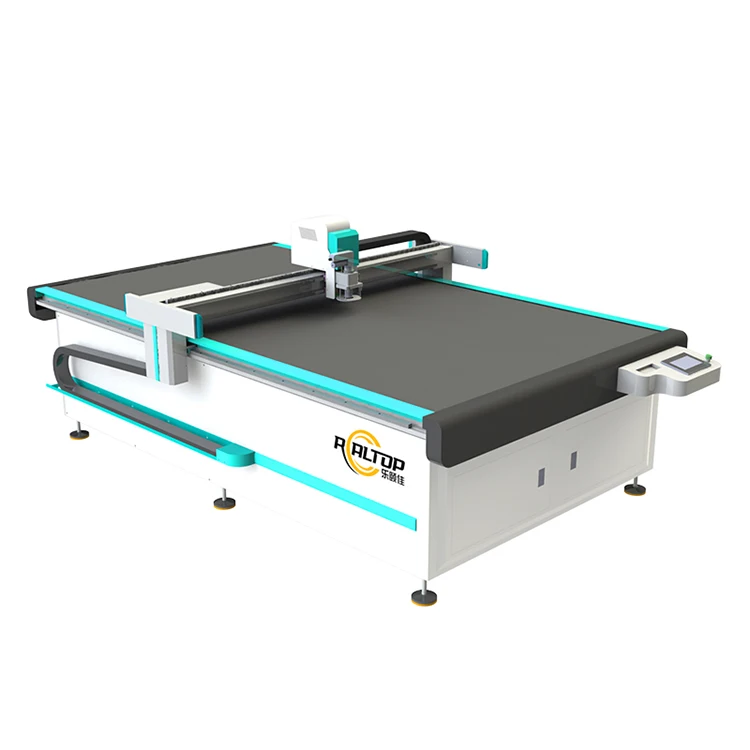
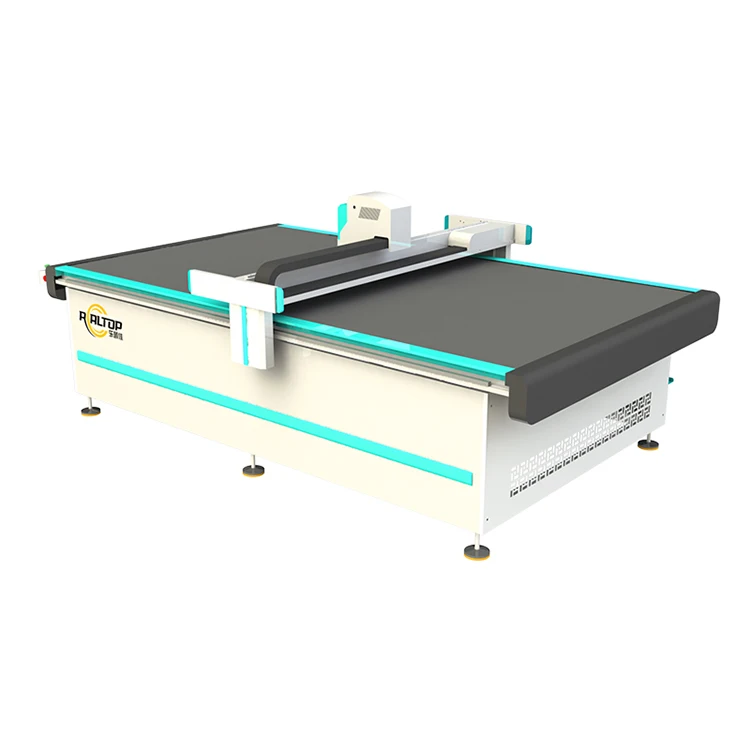
| Product Type | CNC Oscillating Knife Leather Cutting Machine |
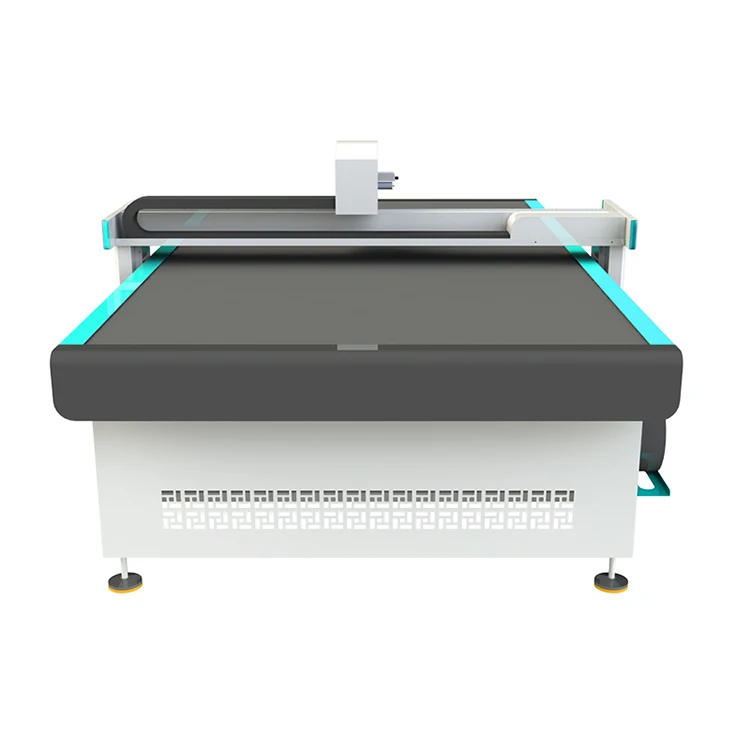
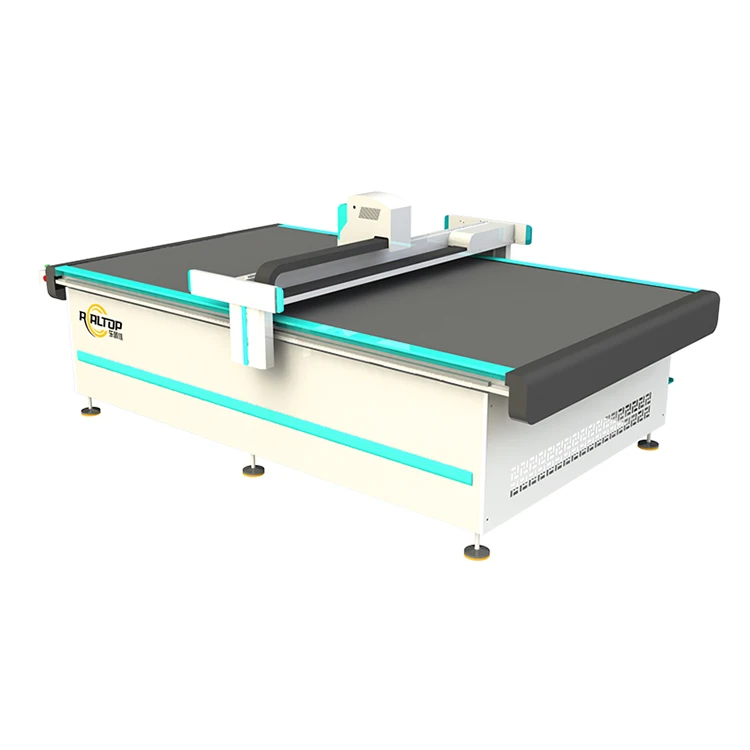
| Working Area | 1600 × 2500 mm |
| Overall Dimensions (L × W × H) | 3450 × 2300 × 1250 mm |
| Rated Power | 11 kW |
| Voltage | 380V ±10% (other voltages available on request) |
| Working Table | Flat vacuum table with 7.5 kW vacuum pump |
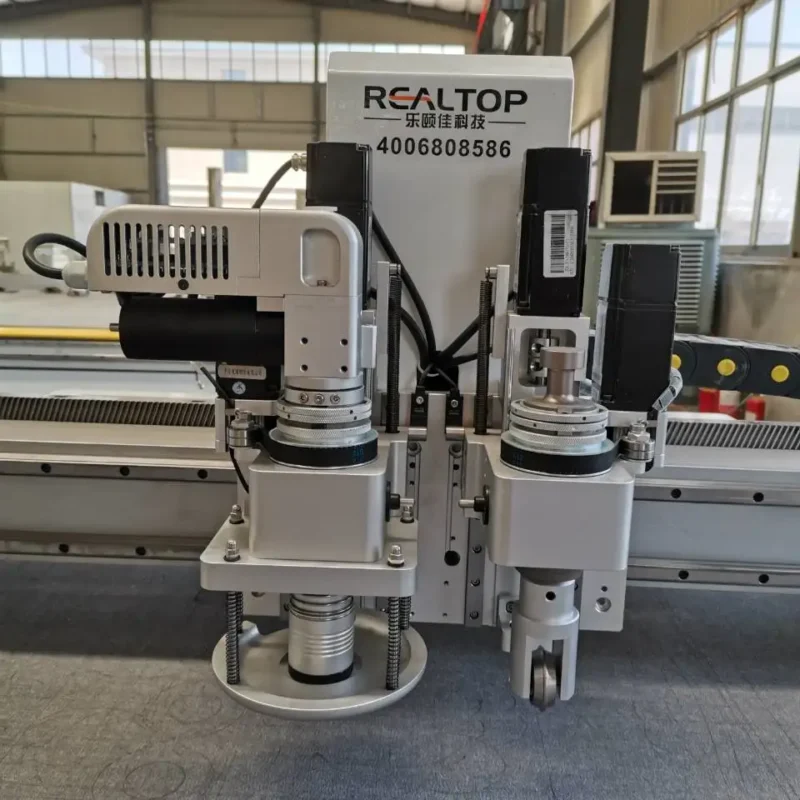
| Tool Head | Swiss-imported oscillating knife — full cut, half cut, cursor location |
| Servo Motor | Japanese Yaskawa digital servo |
| Linear Guide | Taiwan Hiwin rail |
| Conveyor Belt | Germany-imported belt with auto feeding |
| Translational Velocity | 800–1200 mm/s |
| Cutting Speed | 200–800 mm/s (varies by material type and thickness) |
| Repeatability | ≤0.1 mm |
| Transmission | Synchronous belt and imported ball screw |
| Safety Device | Infrared sensors |
| Control Format | HP-GL compatible |
| Cutting Materials | Leather, PU, sponge composite leather, PVC, soft glass, silicon, rubber |
| CE Declaration | Implied per manufacturer documentation — verify with factory test record |
Application Suitability
| Application | Material or Output |
|---|---|
| Luxury handbag and wallet production | Python snakeskin embossed PU leather, genuine hides up to moderate thickness |
| Garment pattern cutting | Clothing flexible materials, textile laminates, sponge composite leather |
| Footwear upper and insole cutting | Synthetic leather, PU sheets, soft rubber compounds |
| Gasket and seal fabrication | PVC sheets, silicon pads, rubber gaskets, soft glass |
| Automotive interior trim | Composite leather panels, foam-backed vinyl, flexible synthetics |
Why Material Thickness Matters More Than Working Area
A CNC oscillating knife leather cutting machine buyer often starts the conversation with table size and leaves cutting depth for later. That sequence leads to a machine that fits the factory floor but cannot cleanly slice through a 5 mm sponge composite hide. The real specification is the combination of knife stroke, oscillation frequency and vacuum hold-down matched to your densest material. When I first started setting up these tables on the assembly floor in Shandong, I watched a buyer specify a machine purely by working area, only to discover during commissioning that their embossed PU stock — heavy on adhesive backing — caused the blade to drag and leave frayed edges. The cutting speed had to drop significantly, and daily throughput fell well below the projection they had used to justify the purchase [NEED_CITE: oscillating knife stroke and material density relationship].
Knife Head Selection for Leather and Composite Hides
The Swiss-imported oscillating knife head on the RT-D2516 and RT-S2516 carries three functions on one mount: full vibration cutting for through-cuts, half cutting for kiss-cut and scoring, and cursor location for manual alignment. Leather varies widely — a thin chrome-tanned cowhide behaves differently from a multi-layer python embossed PU with foam backing. The oscillating action shears rather than tears, which matters when the material contains adhesive layers that resist a static drag knife. Buyers switching between genuine and synthetic hides benefit from a single head that handles both without a tooling changeover delay.
Vacuum Table Zoning and Small Part Stability
The 7.5 kW vacuum pump behind the flat table must hold hides that range from full sheets down to small collar or strap pieces. A full hide covers enough surface area to generate its own vacuum seal, but once the knife cuts through and releases interior sections, those smaller parts can lift at high cutting speeds. Proper zoning on the table surface directs suction to the region being cut. On the RT-D2516 and RT-S2516, the 1600 × 2500 mm surface accommodates standard hide widths while the auto-feed conveyor advances material for the next nest [NEED_CITE: vacuum table zoning standards for flatbed cutting equipment].
How Servo, Rail and Belt Choices Shape Edge Quality
Repeatability at ≤0.1 mm depends on the interaction of three components. The Japanese Yaskawa servo motors provide positional accuracy at each coordinate point. The Taiwan Hiwin linear rails guide the gantry without lateral play across the full 2500 mm travel. The imported ball screw and synchronous belt transfer motor torque to linear motion without backlash. When cutting nesting patterns on embossed PU leather, even a slight deviation at a curve transition shows up as a visible step on the finished edge. The Germany-imported conveyor belt adds consistent feed tension so the material does not shift between the auto-feed cycle and the cutting pass.
What Happens When the Tool Head Does Not Match the Material
The wrong knife for the job does not just produce a rough edge — it forces the operator to slow cutting speed, run a second pass, or manually trim sections after the table finishes. On sponge composite leather, a drag knife crushes the foam core before the blade reaches the backing, leaving a compressed rather than sheared edge. With high-adhesive PU stock, the blade can accumulate residue that increases friction mid-cut. These problems compound across a full day of production, and by the time the buyer notices, the machine has already been paid for and shipped.
Why Source This Machine From the Builder
In-house design and production covering both knife and laser platforms means the RT-D2516 and RT-S2516 are specified against the actual cutting method the material demands. Tool head and table configuration is confirmed per material type and daily volume before the order is locked. CCD camera positioning is available for printed contour work where the cutting path must follow a registered print. Software compatibility is verified — if your nesting workflow exports in HP-GL, the control format matches directly. Voltage, plug type and control language are confirmed before shipment so the machine powers up correctly on arrival. Sample cutting on the buyer’s own material runs before commitment, providing a physical record of edge quality and achievable cutting speed.
Documentation & Verification
- Machine specification sheet confirming RT-D2516 or RT-S2516 tool head and table setup for your material
- Sample cutting report on your own leather or PU stock with measured edge quality and cutting speed
- Electrical schematic and voltage confirmation matching your facility supply at 380V or alternate
- Software licence and file format compatibility note for your nesting and pattern workflow
- Factory test record documenting repeatability and vacuum hold-down performance before dispatch
- Operation and maintenance manual covering knife blade replacement intervals and vacuum pump service
Installation, Commissioning & Support
- Floor space of approximately 3450 × 2300 mm plus clearance for auto-feed conveyor material staging
- Dedicated 380V ±10% circuit rated for 11 kW total draw with proper grounding and phase verification
- Machine ships as a single assembly; gantry and vacuum pump connect on site per electrical schematic
- First-run commissioning includes vacuum zone calibration and Yaskawa servo parameter tuning for your material
- Operator training covers HP-GL file import, nesting layout, knife depth adjustment and infrared safety reset
- Spare parts list includes oscillating knife blades, vacuum pump seals and Hiwin rail wipers
What to Send With Your Inquiry
To recommend the correct RT-D2516 or RT-S2516 configuration, provide the material type and maximum thickness you plan to cut, your typical hide or roll width, and the daily volume target. Confirm your facility voltage and frequency, the control interface language preference, and whether your nesting software exports in HP-GL or requires a different format. If possible, send a sample of your most demanding material — the one with adhesive backing or foam lamination — so a test cut can verify edge quality and cutting speed before the order proceeds.
Frequently Asked Questions
Q: How do I confirm the cutting thickness for my specific leather or PU material?
A: Thickness capacity depends on material density, adhesive content and foam backing, not just a single number. Send a sample of your actual stock to the factory. A test cut on the RT-D2516 or RT-S2516 will confirm whether the Swiss oscillating knife head achieves a clean shear at your required cutting speed, and the sample report documents the result before you commit.
Q: Should I choose an oscillating knife or a laser for my leather cutting application?
A: Oscillating knife suits leather and composite hides where a sheared edge without thermal marking is required. Laser works for synthetic materials that benefit from edge sealing. The manufacturer builds both platforms, so the recommendation depends on your specific material rather than pushing one technology across every job.
Q: What electrical details must be confirmed before the machine ships?
A: Voltage, frequency, plug type and control language must all match your facility. The RT-D2516 and RT-S2516 are rated at 380V ±10% as standard, but other voltages are available. Confirm these details during the specification review stage so the electrical schematic and wiring match your local supply on arrival [NEED_CITE: voltage and frequency standards by export market].
Q: Will small cut parts stay flat on the vacuum table during production?
A: Vacuum zoning directs suction to the active cutting region so small parts remain held after surrounding material is removed. The 7.5 kW pump on the RT-D2516 and RT-S2516 supports multiple zones. Share your smallest part dimensions during inquiry so the factory can verify hold-down performance in the test cut.
Q: Can the machine import files from my existing nesting software?
A: The control system accepts HP-GL compatible format. If your workflow uses a different export standard, confirm the file type during the specification review. Software compatibility is verified before the order so your nesting patterns load directly without conversion steps.
Matched Cutting Method — the RT-D2516 and RT-S2516 support oscillating knife, drag knife and creasing tool heads on a single platform, letting leather and flexible material buyers select the cutting action that fits their hide thickness and edge requirement rather than forcing one blade across every job.
Technical Specifications
| Parameter | Value |
|---|---|
| Model | RT-D2516 / RT-S2516 |
| Product Type | CNC Oscillating Knife Leather Cutting Machine |
| Working Area | 1600 × 2500 mm |
| Overall Dimensions (L × W × H) | 3450 × 2300 × 1250 mm |
| Rated Power | 11 kW |
| Voltage | 380V ±10% (other voltages available on request) |
| Working Table | Flat vacuum table with 7.5 kW vacuum pump |
| Tool Head | Swiss-imported oscillating knife — full cut, half cut, cursor location |
| Servo Motor | Japanese Yaskawa digital servo |
| Linear Guide | Taiwan Hiwin rail |
| Conveyor Belt | Germany-imported belt with auto feeding |
| Translational Velocity | 800–1200 mm/s |
| Cutting Speed | 200–800 mm/s (varies by material type and thickness) |
| Repeatability | ≤0.1 mm |
| Transmission | Synchronous belt and imported ball screw |
| Safety Device | Infrared sensors |
| Control Format | HP-GL compatible |
| Cutting Materials | Leather, PU, sponge composite leather, PVC, soft glass, silicon, rubber |
| CE Declaration | Implied per manufacturer documentation — verify with factory test record |
Application Suitability
| Application | Material or Output |
|---|---|
| Luxury handbag and wallet production | Python snakeskin embossed PU leather, genuine hides up to moderate thickness |
| Garment pattern cutting | Clothing flexible materials, textile laminates, sponge composite leather |
| Footwear upper and insole cutting | Synthetic leather, PU sheets, soft rubber compounds |
| Gasket and seal fabrication | PVC sheets, silicon pads, rubber gaskets, soft glass |
| Automotive interior trim | Composite leather panels, foam-backed vinyl, flexible synthetics |
Why Material Thickness Matters More Than Working Area
A CNC oscillating knife leather cutting machine buyer often starts the conversation with table size and leaves cutting depth for later. That sequence leads to a machine that fits the factory floor but cannot cleanly slice through a 5 mm sponge composite hide. The real specification is the combination of knife stroke, oscillation frequency and vacuum hold-down matched to your densest material. When I first started setting up these tables on the assembly floor in Shandong, I watched a buyer specify a machine purely by working area, only to discover during commissioning that their embossed PU stock — heavy on adhesive backing — caused the blade to drag and leave frayed edges. The cutting speed had to drop significantly, and daily throughput fell well below the projection they had used to justify the purchase [NEED_CITE: oscillating knife stroke and material density relationship].
Knife Head Selection for Leather and Composite Hides
The Swiss-imported oscillating knife head on the RT-D2516 and RT-S2516 carries three functions on one mount: full vibration cutting for through-cuts, half cutting for kiss-cut and scoring, and cursor location for manual alignment. Leather varies widely — a thin chrome-tanned cowhide behaves differently from a multi-layer python embossed PU with foam backing. The oscillating action shears rather than tears, which matters when the material contains adhesive layers that resist a static drag knife. Buyers switching between genuine and synthetic hides benefit from a single head that handles both without a tooling changeover delay.
Vacuum Table Zoning and Small Part Stability
The 7.5 kW vacuum pump behind the flat table must hold hides that range from full sheets down to small collar or strap pieces. A full hide covers enough surface area to generate its own vacuum seal, but once the knife cuts through and releases interior sections, those smaller parts can lift at high cutting speeds. Proper zoning on the table surface directs suction to the region being cut. On the RT-D2516 and RT-S2516, the 1600 × 2500 mm surface accommodates standard hide widths while the auto-feed conveyor advances material for the next nest [NEED_CITE: vacuum table zoning standards for flatbed cutting equipment].
How Servo, Rail and Belt Choices Shape Edge Quality
Repeatability at ≤0.1 mm depends on the interaction of three components. The Japanese Yaskawa servo motors provide positional accuracy at each coordinate point. The Taiwan Hiwin linear rails guide the gantry without lateral play across the full 2500 mm travel. The imported ball screw and synchronous belt transfer motor torque to linear motion without backlash. When cutting nesting patterns on embossed PU leather, even a slight deviation at a curve transition shows up as a visible step on the finished edge. The Germany-imported conveyor belt adds consistent feed tension so the material does not shift between the auto-feed cycle and the cutting pass.
What Happens When the Tool Head Does Not Match the Material
The wrong knife for the job does not just produce a rough edge — it forces the operator to slow cutting speed, run a second pass, or manually trim sections after the table finishes. On sponge composite leather, a drag knife crushes the foam core before the blade reaches the backing, leaving a compressed rather than sheared edge. With high-adhesive PU stock, the blade can accumulate residue that increases friction mid-cut. These problems compound across a full day of production, and by the time the buyer notices, the machine has already been paid for and shipped.
Why Source This Machine From the Builder
In-house design and production covering both knife and laser platforms means the RT-D2516 and RT-S2516 are specified against the actual cutting method the material demands. Tool head and table configuration is confirmed per material type and daily volume before the order is locked. CCD camera positioning is available for printed contour work where the cutting path must follow a registered print. Software compatibility is verified — if your nesting workflow exports in HP-GL, the control format matches directly. Voltage, plug type and control language are confirmed before shipment so the machine powers up correctly on arrival. Sample cutting on the buyer’s own material runs before commitment, providing a physical record of edge quality and achievable cutting speed.
Documentation & Verification
- Machine specification sheet confirming RT-D2516 or RT-S2516 tool head and table setup for your material
- Sample cutting report on your own leather or PU stock with measured edge quality and cutting speed
- Electrical schematic and voltage confirmation matching your facility supply at 380V or alternate
- Software licence and file format compatibility note for your nesting and pattern workflow
- Factory test record documenting repeatability and vacuum hold-down performance before dispatch
- Operation and maintenance manual covering knife blade replacement intervals and vacuum pump service
Installation, Commissioning & Support
- Floor space of approximately 3450 × 2300 mm plus clearance for auto-feed conveyor material staging
- Dedicated 380V ±10% circuit rated for 11 kW total draw with proper grounding and phase verification
- Machine ships as a single assembly; gantry and vacuum pump connect on site per electrical schematic
- First-run commissioning includes vacuum zone calibration and Yaskawa servo parameter tuning for your material
- Operator training covers HP-GL file import, nesting layout, knife depth adjustment and infrared safety reset
- Spare parts list includes oscillating knife blades, vacuum pump seals and Hiwin rail wipers
What to Send With Your Inquiry
To recommend the correct RT-D2516 or RT-S2516 configuration, provide the material type and maximum thickness you plan to cut, your typical hide or roll width, and the daily volume target. Confirm your facility voltage and frequency, the control interface language preference, and whether your nesting software exports in HP-GL or requires a different format. If possible, send a sample of your most demanding material — the one with adhesive backing or foam lamination — so a test cut can verify edge quality and cutting speed before the order proceeds.
Frequently Asked Questions
Q: How do I confirm the cutting thickness for my specific leather or PU material?
A: Thickness capacity depends on material density, adhesive content and foam backing, not just a single number. Send a sample of your actual stock to the factory. A test cut on the RT-D2516 or RT-S2516 will confirm whether the Swiss oscillating knife head achieves a clean shear at your required cutting speed, and the sample report documents the result before you commit.
Q: Should I choose an oscillating knife or a laser for my leather cutting application?
A: Oscillating knife suits leather and composite hides where a sheared edge without thermal marking is required. Laser works for synthetic materials that benefit from edge sealing. The manufacturer builds both platforms, so the recommendation depends on your specific material rather than pushing one technology across every job.
Q: What electrical details must be confirmed before the machine ships?
A: Voltage, frequency, plug type and control language must all match your facility. The RT-D2516 and RT-S2516 are rated at 380V ±10% as standard, but other voltages are available. Confirm these details during the specification review stage so the electrical schematic and wiring match your local supply on arrival [NEED_CITE: voltage and frequency standards by export market].
Q: Will small cut parts stay flat on the vacuum table during production?
A: Vacuum zoning directs suction to the active cutting region so small parts remain held after surrounding material is removed. The 7.5 kW pump on the RT-D2516 and RT-S2516 supports multiple zones. Share your smallest part dimensions during inquiry so the factory can verify hold-down performance in the test cut.
Q: Can the machine import files from my existing nesting software?
A: The control system accepts HP-GL compatible format. If your workflow uses a different export standard, confirm the file type during the specification review. Software compatibility is verified before the order so your nesting patterns load directly without conversion steps.
商品评价
There are no reviews yet.