

Fast Delivery
Quick, reliable shipping to any location.

Free & easy returns
Return this item by mail or in store within 90 days for a full refund.
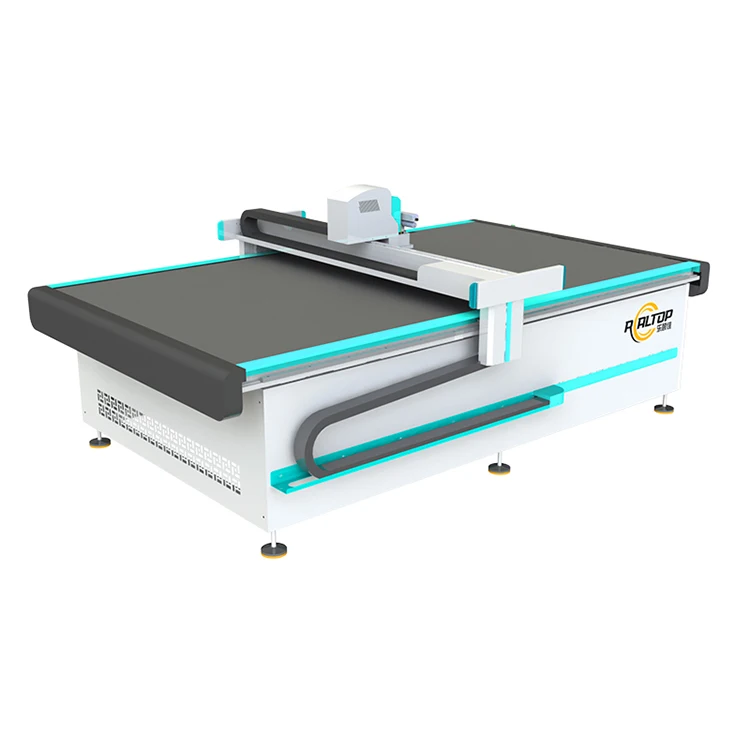
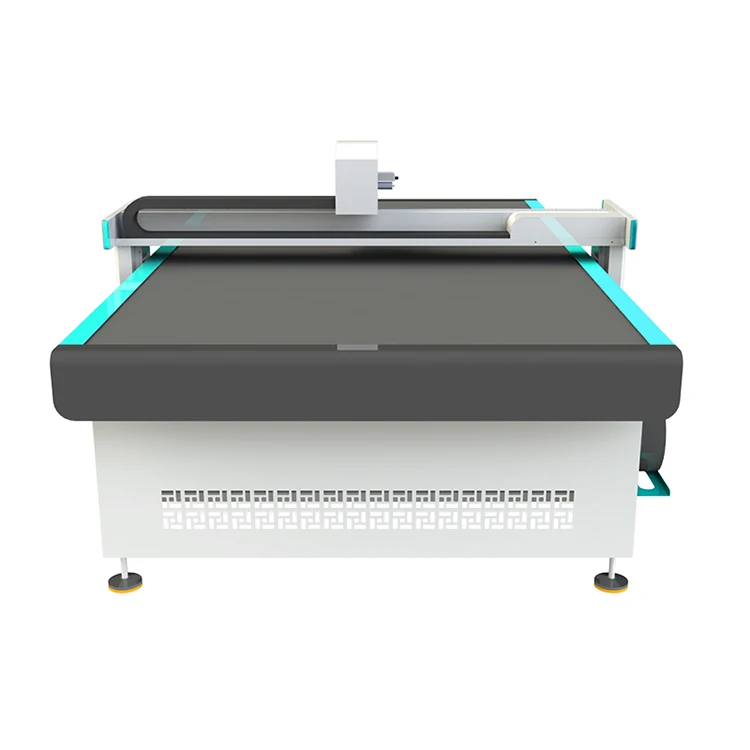
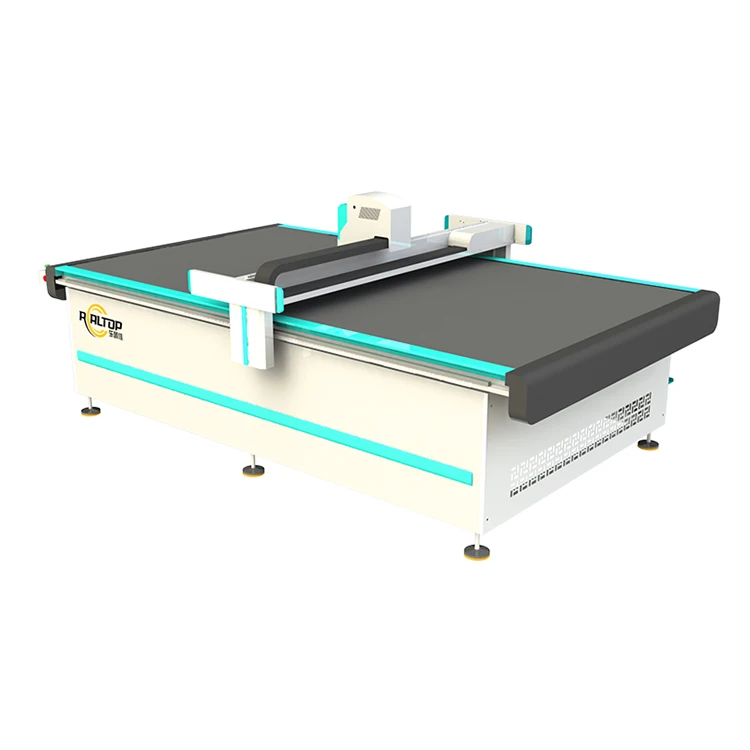
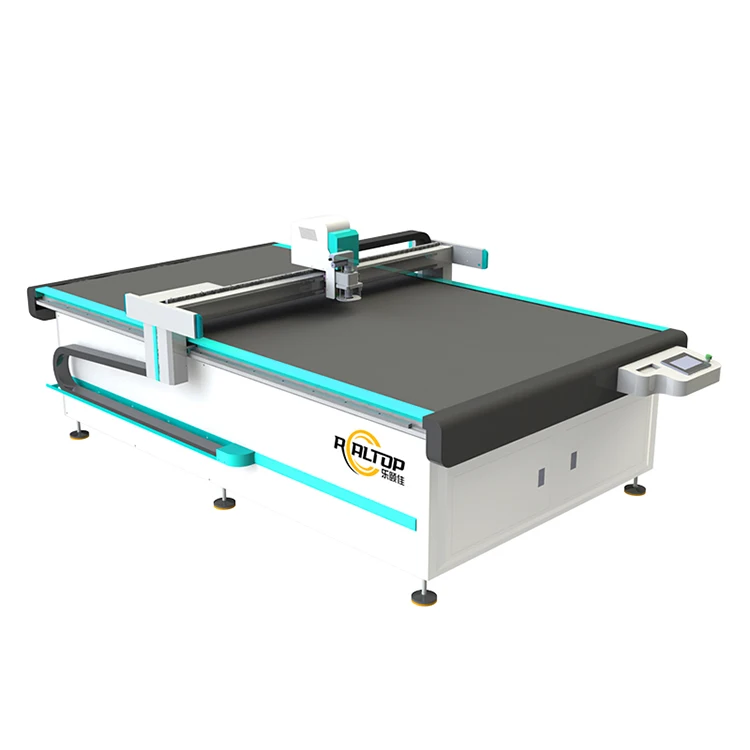
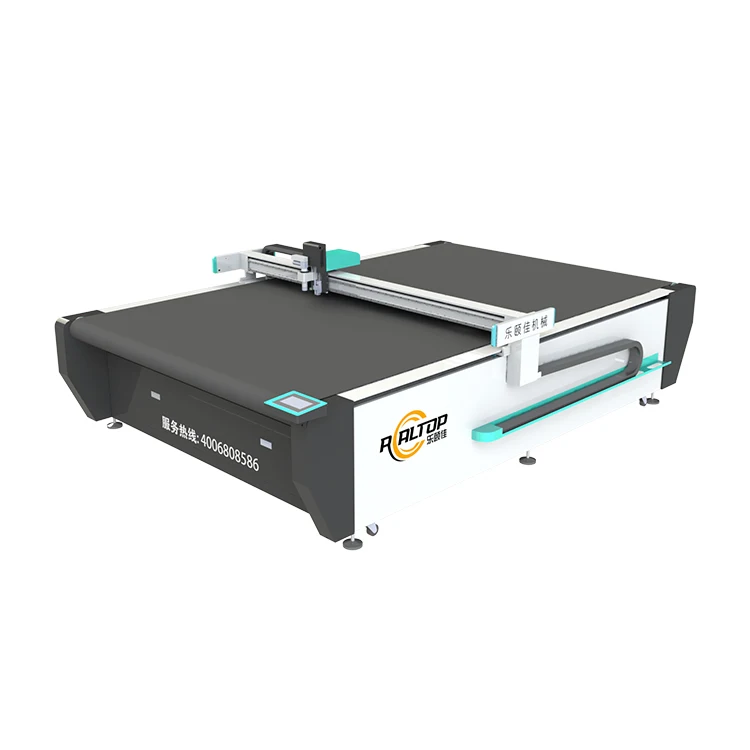
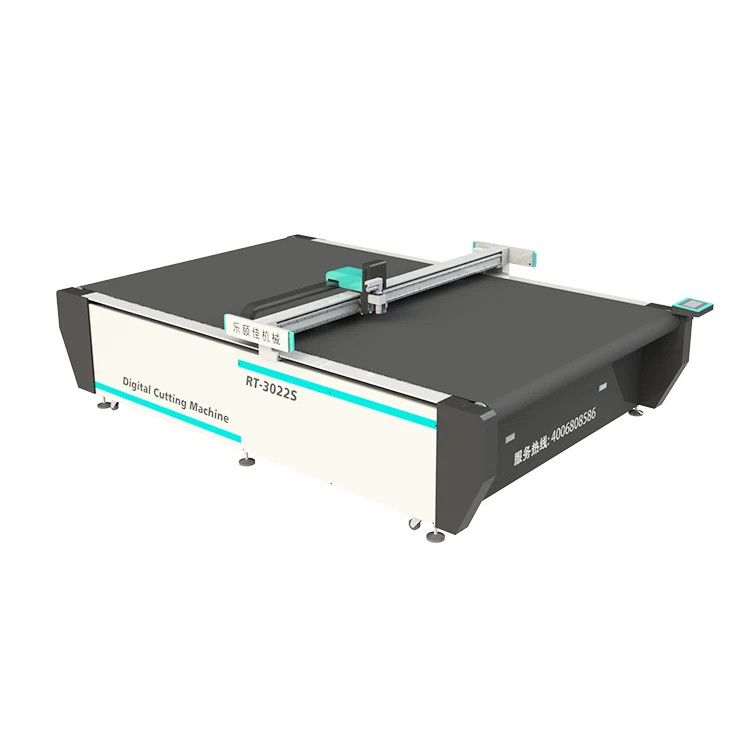
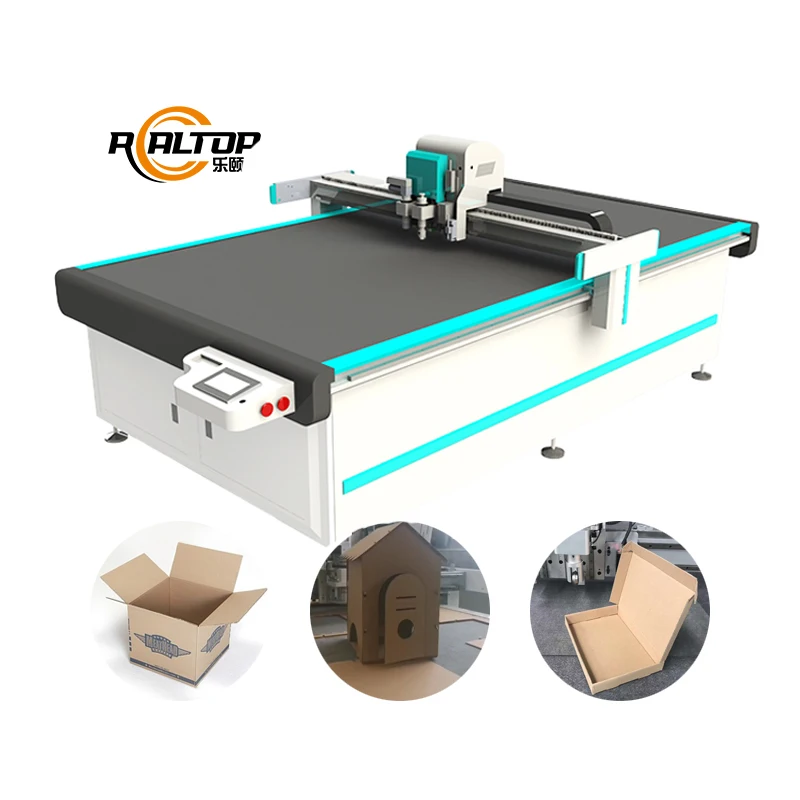
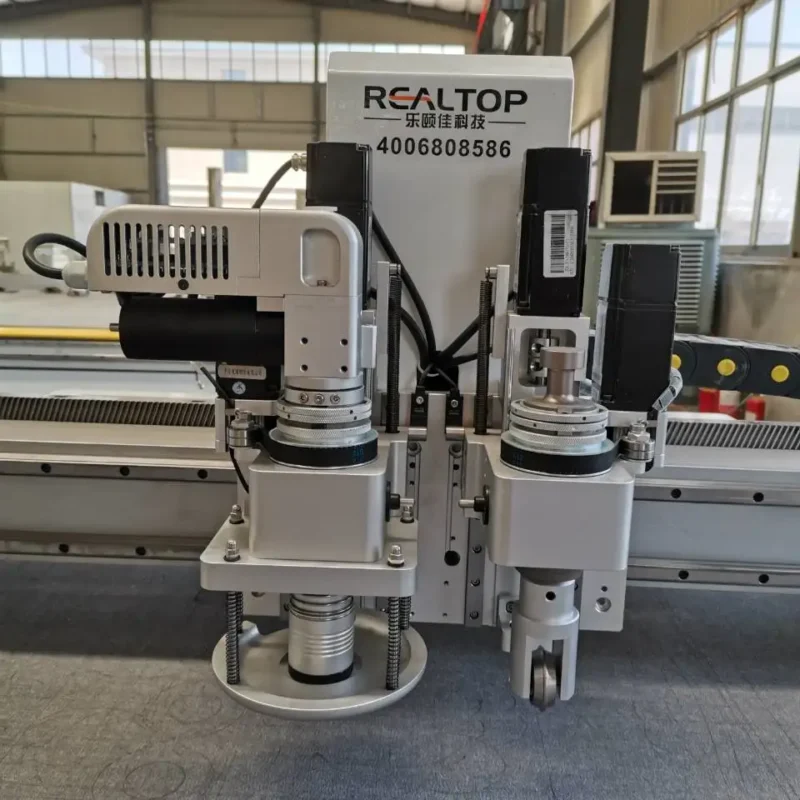
Tool Head and Table Configuration Specified Per Material — Swiss oscillating knife, multi-tool head options and vacuum zoning are matched to the buyer’s actual leather stock, not assumed from a generic working area.
Technical Specifications
| Parameter | Value |
|---|---|
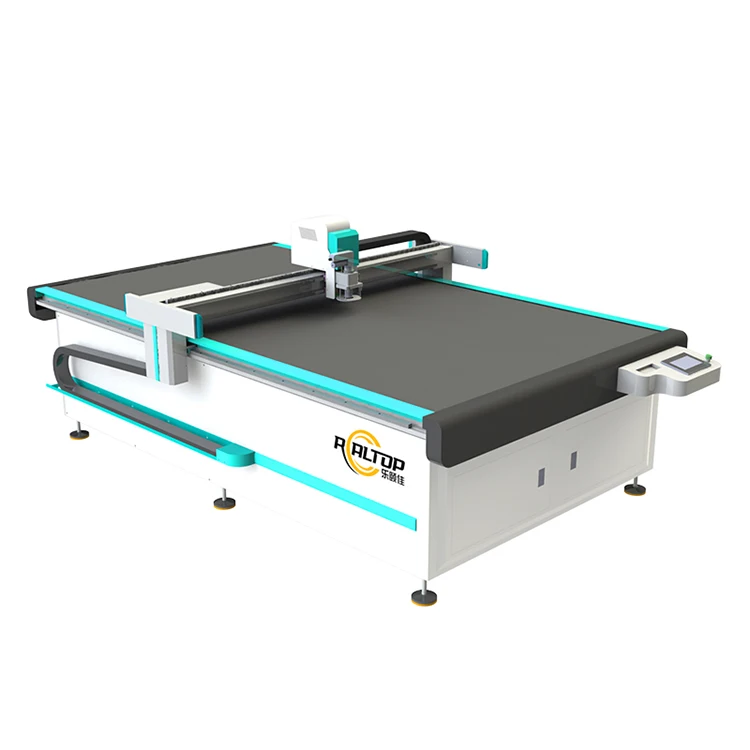
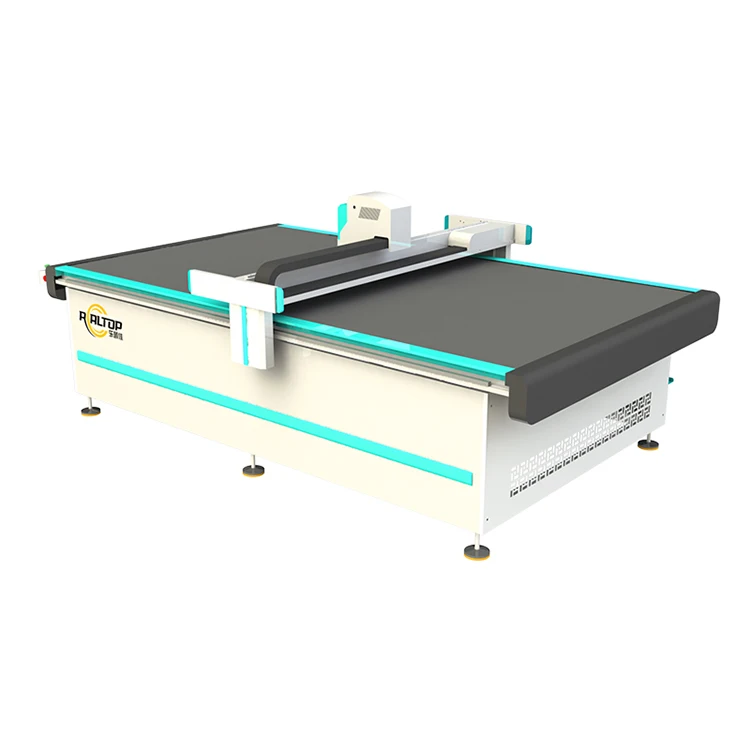
| Product Type | CNC Oscillating Knife Cutting Machine |
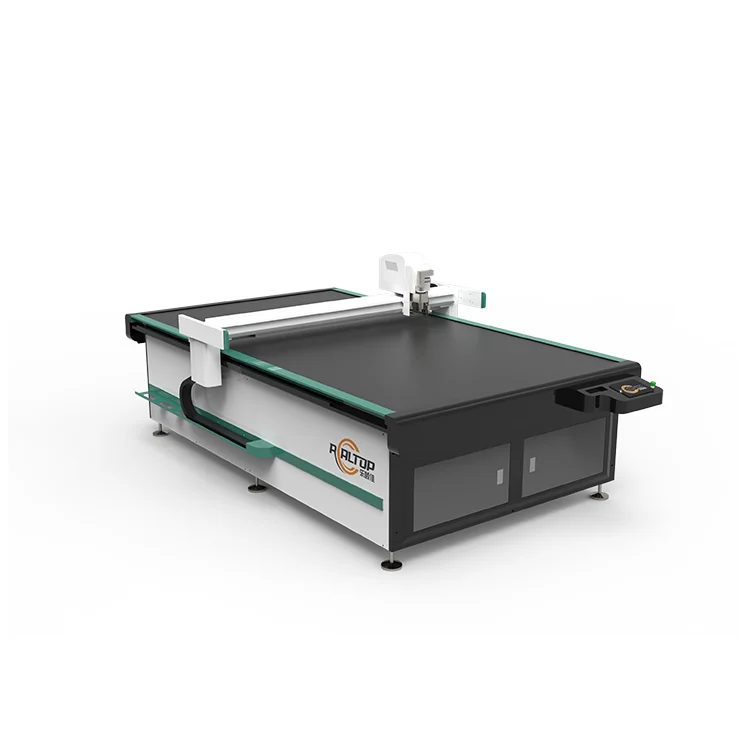
| Working Area | 1600×2500mm |
| Overall Dimensions | 3450×2300×1250mm |
| Rated Power | 9 kW |
| Voltage | 380V±10% |
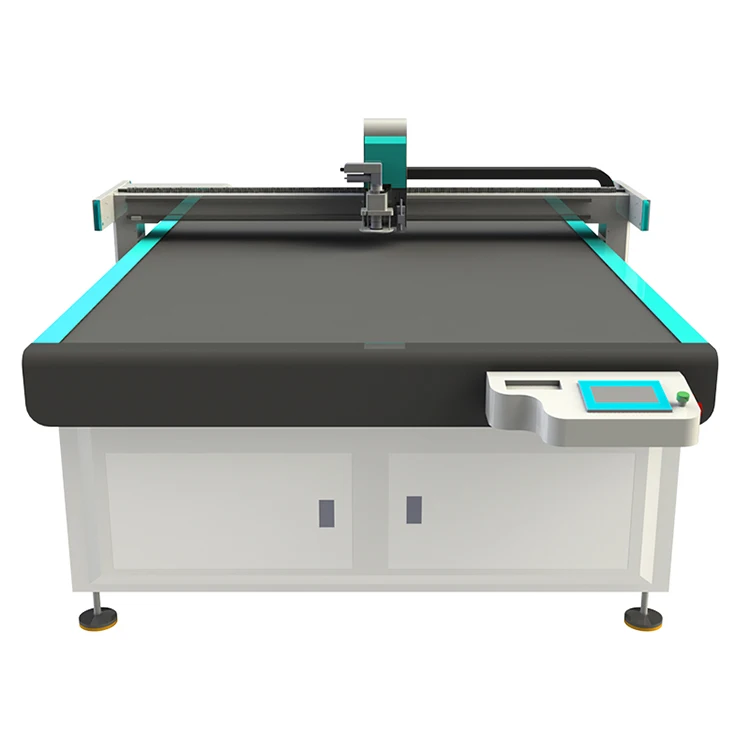
| Table Type | Fixed flatbed working table |
| Multifunctional Head | Swiss imported knife with vibration full cutting, vibration half cutting and cursor location |
| Safety Device | Infrared sensors |
| Translational Velocity | 800–1200 mm/s |
| Cutting Speed | 200–800 mm/s depending on material type and thickness (basis not stated in source) |
| Repeated Accuracy | ≤0.1 mm |
| Transmission System | Digital servo motor, linear guide, synchronous belt, ball screw |
| Instruction System | HP-GL compatible format |
| Key Features | Japanese Yaskawa servo motor, German imported conveyor belt, vacuum table with 7.5 kW pump, auto feeding, Taiwan Hiwin rail |
Application Suitability
| Application | Material or Output |
|---|---|
| Leather goods manufacturing | Genuine leather, bonded leather, synthetic PU and PVC hides |
| Footwear production | Leather uppers, insoles and sponge composite leather panels |
| Garment cutting | Clothing flexible materials and textile layers |
| Gasket and seal fabrication | Rubber, silicon and soft glass sheets |
| Composite panel processing | Sponge composite leather and flexible laminate stacks |
Why Material Thickness Changes Everything About Your Cutting Table Choice
A cutting speed figure on a spec sheet means very little until you test the actual hide on the actual table.
When a leather goods factory orders a machine based on working area alone, the first week of production often reveals that the material behaves differently than the sample used during the quoting stage. Bonded genuine leather over foam, for instance, demands different oscillation frequency and downward pressure than standard PU — and the wrong settings produce ragged edges that force operators to slow the feed rate manually. I spent two days on-site at a factory in the Yangtze Delta re-tuning a system because the test samples had been cut on a different material entirely. That mismatch is avoidable when the buyer sends their actual stock before the machine leaves the factory. [NEED_CITE: material behavior variance in leather cutting operations]
Surveying the Full Range Before Picking a Method
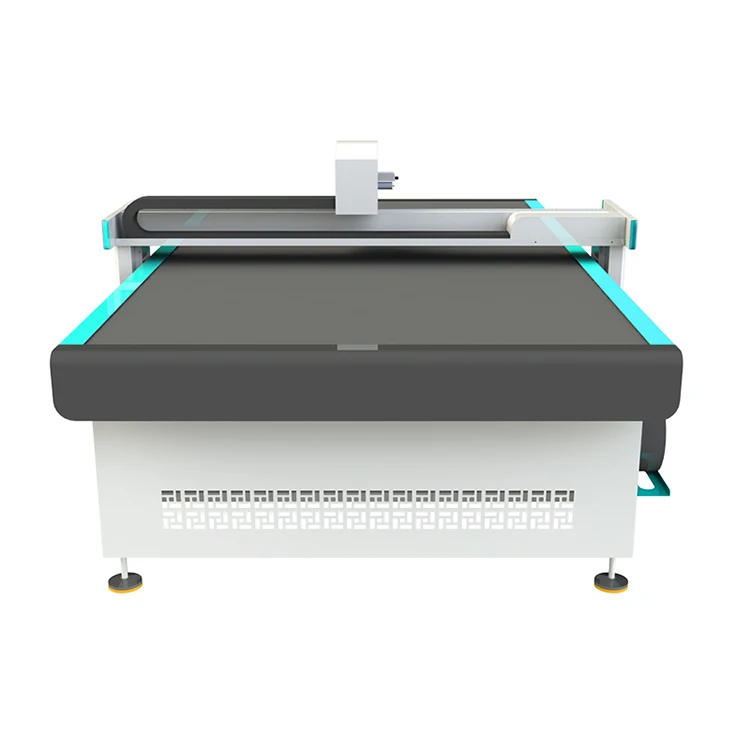
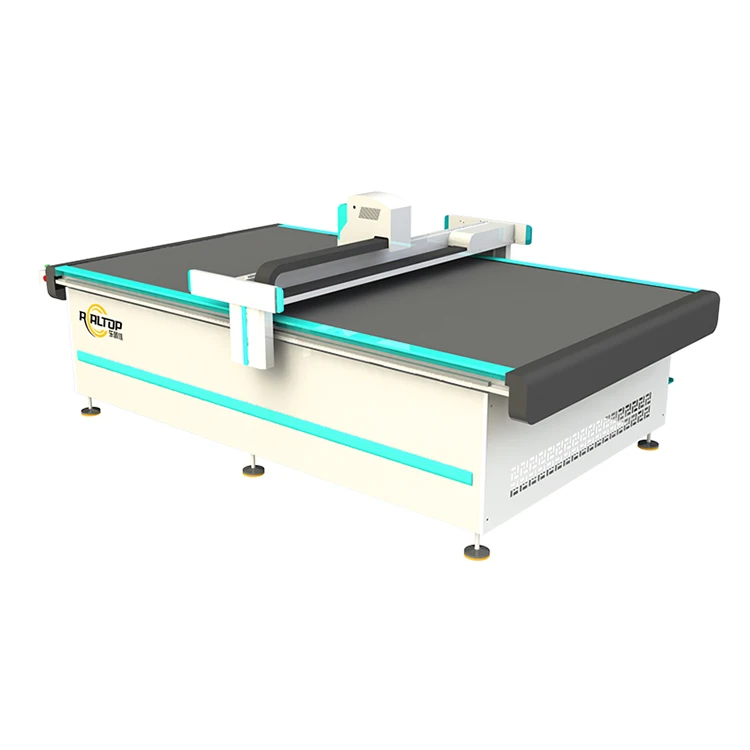
Before committing to a single cutting technology, it helps to understand where oscillating knife cutting sits relative to laser options across the catalogue. Leather, foam and composite materials generally respond well to knife cutting because the blade slices through the material without melting or sealing the edges — something a CO2 laser cannot avoid on thermoplastic-backed hides. The RT-D2516/RT-S2516 platform covers a working area of 1600×2500mm, which accommodates full hides and long garment panels without repositioning, and the CNC oscillating knife cutting machine manufacturer offers both knife and laser families so the buyer can match the method to the material rather than forcing one technology across every application.
Matching Working Area to Your Actual Sheet Size and Production Volume
A flatbed table that is too small forces constant material repositioning and introduces alignment errors mid-run, while one that is unnecessarily large wastes vacuum energy and floor space. The 1600×2500mm format on this model handles most standard leather hides and garment lays in a single placement. For higher-volume operations, multi-head configurations across the range allow parallel cutting of identical nests, and the auto-feeding system with the German imported conveyor belt enables continuous material flow. The digital CNC cutting table for sale in this catalogue can be paired with conveyor or fixed vacuum tables depending on whether the production workflow calls for roll-fed or sheet-fed material handling. [NEED_CITE: flatbed cutting table sizing for leather hide dimensions]
Reading the Specifications Through a Production Lens
The 9 kW rated power covers the servo drives, the 7.5 kW vacuum pump and the oscillation motor simultaneously, which means the electrical supply must be sized for peak draw rather than average consumption. Repeated accuracy of ≤0.1 mm, delivered through the Taiwan Hiwin linear rails and Yaskawa servo motors, keeps nested pattern pieces within tolerance so that downstream stitching and assembly stations do not have to compensate for drift. The Swiss imported oscillating knife head provides both full-cut and half-cut vibration modes — full-cut for separating finished pieces from the hide, half-cut for kiss-cutting adhesive-backed layers without damaging the release liner. The HP-GL compatible instruction system accepts nesting files from common leather grading and marker-making software, though file format compatibility should be confirmed against the buyer’s specific CAD package before the order is finalized.
The Hidden Cost of Specifying the Wrong Tool Head
Choosing a drag knife where an oscillating knife is required results in crushed foam layers and ragged edges on composite leather, because a drag knife relies on material resistance to steer while an oscillating knife drives the blade through with vertical vibration. Similarly, specifying a vacuum table without considering zone size means small pattern pieces may lift off the table during high-speed traversal, forcing the operator to reduce the translational velocity well below the rated 800–1200 mm/s. These problems do not appear in the quotation — they surface on the first production day, and correcting them after shipment involves tool head swaps, vacuum re-plumbing and downtime that was never in the project plan. [NEED_CITE: vacuum table zoning and small part retention during CNC cutting]
Why Source This Range Through a Single Manufacturer
The design team covers both oscillating knife and laser cutting technologies in-house, which means a buyer comparing methods for a mixed-material workshop gets an honest recommendation rather than being steered toward whichever machine the sales rep happens to sell. Every tool head and table configuration is specified per material and production volume, not offered as a one-size-fits-all package. Sample cutting runs on the buyer’s actual leather stock take place before the order is confirmed, so edge quality and cycle times reflect real conditions. Software compatibility with the buyer’s existing nesting workflow is verified at the same stage, and voltage, plug type and control language customization are locked in before production begins rather than discovered as a mismatch on arrival.
Documentation & Verification
- Machine specification sheet covering knife and laser families with per-model tool head and table details
- Electrical schematic confirming 380V±10% supply and 9 kW total draw before installation
- Sample cutting report on buyer’s actual leather stock with edge quality photographs
- Tool head and vacuum table configuration list matching material type and production volume
- Software licence and HP-GL file format compatibility note aligned to buyer’s nesting workflow
- Packing photographs of RT-D2516/RT-S2516 before crate closure
Installation, Commissioning & Support
- Floor must support 3450×2300×1250mm footprint with level tolerance for linear rail alignment
- Dedicated 380V±10% circuit rated for the full 9 kW draw including the 7.5 kW vacuum pump
- Table arrives with conveyor belt and auto-feeding pre-assembled; vacuum hoses connected on site
- First-run oscillation frequency and downward pressure set against buyer’s supplied leather samples
- Operator training covers HP-GL file import, nest loading and tool head changeover procedures
- Spare blade stock and infrared sensor replacement kit included in the initial parts package
What to Send With Your Enquiry
Provide the exact leather type, thickness range and hide dimensions you work with, along with the daily volume you need to cut. Specify your local voltage and frequency, the control language your operators prefer, and whether your existing nesting software outputs in HP-GL or another format. If your material is a composite or bonded construction, send a sample roll or sheet so we can run cutting tests before the configuration is finalized.
Frequently Asked Questions
Q: Knife versus laser — which method fits my leather production?
A: Oscillating knife cutting handles genuine leather, bonded leather and foam-backed composites without melting or sealing the edges, which is critical for pieces that will be stitched or glued downstream. Laser cutting works well for synthetic materials where edge sealing is acceptable. The choice depends on your material composition and the downstream assembly process, not just the cutting speed figure on a spec sheet.
Q: How do I match working area size to my leather hides?
A: Measure the largest hide or garment lay you plan to process. The 1600×2500mm table accommodates most standard hides in a single placement, reducing repositioning errors. For smaller pieces, verify that the vacuum table zoning can hold them securely at full translational speed — insufficient zoning on a large table causes part lift during high-speed cutting passes.
Q: Which models in the range support CCD camera contour recognition?
A: CCD positioning is available across selected models for printed contour work on signage and packaging applications. For leather cutting, where contour tracking is less common than for printed materials, the priority is usually knife oscillation frequency and vacuum zoning. Confirm with the manufacturer whether your specific production workflow benefits from CCD integration before including it in the specification.
Q: What software and file format details should I confirm before ordering?
A: The instruction system accepts HP-GL compatible format, but your nesting or marker-making software may export in a proprietary format that requires a conversion step. Confirm with the manufacturer that your exact CAD output imports cleanly, and request a file compatibility test using your own pattern files before the order is finalized to avoid workflow disruption after installation.
Tool Head and Table Configuration Specified Per Material — Swiss oscillating knife, multi-tool head options and vacuum zoning are matched to the buyer’s actual leather stock, not assumed from a generic working area.
Technical Specifications
| Parameter | Value |
|---|---|
| Product Type | CNC Oscillating Knife Cutting Machine |
| Working Area | 1600×2500mm |
| Overall Dimensions | 3450×2300×1250mm |
| Rated Power | 9 kW |
| Voltage | 380V±10% |
| Table Type | Fixed flatbed working table |
| Multifunctional Head | Swiss imported knife with vibration full cutting, vibration half cutting and cursor location |
| Safety Device | Infrared sensors |
| Translational Velocity | 800–1200 mm/s |
| Cutting Speed | 200–800 mm/s depending on material type and thickness (basis not stated in source) |
| Repeated Accuracy | ≤0.1 mm |
| Transmission System | Digital servo motor, linear guide, synchronous belt, ball screw |
| Instruction System | HP-GL compatible format |
| Key Features | Japanese Yaskawa servo motor, German imported conveyor belt, vacuum table with 7.5 kW pump, auto feeding, Taiwan Hiwin rail |
Application Suitability
| Application | Material or Output |
|---|---|
| Leather goods manufacturing | Genuine leather, bonded leather, synthetic PU and PVC hides |
| Footwear production | Leather uppers, insoles and sponge composite leather panels |
| Garment cutting | Clothing flexible materials and textile layers |
| Gasket and seal fabrication | Rubber, silicon and soft glass sheets |
| Composite panel processing | Sponge composite leather and flexible laminate stacks |
Why Material Thickness Changes Everything About Your Cutting Table Choice
A cutting speed figure on a spec sheet means very little until you test the actual hide on the actual table.
When a leather goods factory orders a machine based on working area alone, the first week of production often reveals that the material behaves differently than the sample used during the quoting stage. Bonded genuine leather over foam, for instance, demands different oscillation frequency and downward pressure than standard PU — and the wrong settings produce ragged edges that force operators to slow the feed rate manually. I spent two days on-site at a factory in the Yangtze Delta re-tuning a system because the test samples had been cut on a different material entirely. That mismatch is avoidable when the buyer sends their actual stock before the machine leaves the factory. [NEED_CITE: material behavior variance in leather cutting operations]
Surveying the Full Range Before Picking a Method
Before committing to a single cutting technology, it helps to understand where oscillating knife cutting sits relative to laser options across the catalogue. Leather, foam and composite materials generally respond well to knife cutting because the blade slices through the material without melting or sealing the edges — something a CO2 laser cannot avoid on thermoplastic-backed hides. The RT-D2516/RT-S2516 platform covers a working area of 1600×2500mm, which accommodates full hides and long garment panels without repositioning, and the CNC oscillating knife cutting machine manufacturer offers both knife and laser families so the buyer can match the method to the material rather than forcing one technology across every application.
Matching Working Area to Your Actual Sheet Size and Production Volume
A flatbed table that is too small forces constant material repositioning and introduces alignment errors mid-run, while one that is unnecessarily large wastes vacuum energy and floor space. The 1600×2500mm format on this model handles most standard leather hides and garment lays in a single placement. For higher-volume operations, multi-head configurations across the range allow parallel cutting of identical nests, and the auto-feeding system with the German imported conveyor belt enables continuous material flow. The digital CNC cutting table for sale in this catalogue can be paired with conveyor or fixed vacuum tables depending on whether the production workflow calls for roll-fed or sheet-fed material handling. [NEED_CITE: flatbed cutting table sizing for leather hide dimensions]
Reading the Specifications Through a Production Lens
The 9 kW rated power covers the servo drives, the 7.5 kW vacuum pump and the oscillation motor simultaneously, which means the electrical supply must be sized for peak draw rather than average consumption. Repeated accuracy of ≤0.1 mm, delivered through the Taiwan Hiwin linear rails and Yaskawa servo motors, keeps nested pattern pieces within tolerance so that downstream stitching and assembly stations do not have to compensate for drift. The Swiss imported oscillating knife head provides both full-cut and half-cut vibration modes — full-cut for separating finished pieces from the hide, half-cut for kiss-cutting adhesive-backed layers without damaging the release liner. The HP-GL compatible instruction system accepts nesting files from common leather grading and marker-making software, though file format compatibility should be confirmed against the buyer’s specific CAD package before the order is finalized.
The Hidden Cost of Specifying the Wrong Tool Head
Choosing a drag knife where an oscillating knife is required results in crushed foam layers and ragged edges on composite leather, because a drag knife relies on material resistance to steer while an oscillating knife drives the blade through with vertical vibration. Similarly, specifying a vacuum table without considering zone size means small pattern pieces may lift off the table during high-speed traversal, forcing the operator to reduce the translational velocity well below the rated 800–1200 mm/s. These problems do not appear in the quotation — they surface on the first production day, and correcting them after shipment involves tool head swaps, vacuum re-plumbing and downtime that was never in the project plan. [NEED_CITE: vacuum table zoning and small part retention during CNC cutting]
Why Source This Range Through a Single Manufacturer
The design team covers both oscillating knife and laser cutting technologies in-house, which means a buyer comparing methods for a mixed-material workshop gets an honest recommendation rather than being steered toward whichever machine the sales rep happens to sell. Every tool head and table configuration is specified per material and production volume, not offered as a one-size-fits-all package. Sample cutting runs on the buyer’s actual leather stock take place before the order is confirmed, so edge quality and cycle times reflect real conditions. Software compatibility with the buyer’s existing nesting workflow is verified at the same stage, and voltage, plug type and control language customization are locked in before production begins rather than discovered as a mismatch on arrival.
Documentation & Verification
- Machine specification sheet covering knife and laser families with per-model tool head and table details
- Electrical schematic confirming 380V±10% supply and 9 kW total draw before installation
- Sample cutting report on buyer’s actual leather stock with edge quality photographs
- Tool head and vacuum table configuration list matching material type and production volume
- Software licence and HP-GL file format compatibility note aligned to buyer’s nesting workflow
- Packing photographs of RT-D2516/RT-S2516 before crate closure
Installation, Commissioning & Support
- Floor must support 3450×2300×1250mm footprint with level tolerance for linear rail alignment
- Dedicated 380V±10% circuit rated for the full 9 kW draw including the 7.5 kW vacuum pump
- Table arrives with conveyor belt and auto-feeding pre-assembled; vacuum hoses connected on site
- First-run oscillation frequency and downward pressure set against buyer’s supplied leather samples
- Operator training covers HP-GL file import, nest loading and tool head changeover procedures
- Spare blade stock and infrared sensor replacement kit included in the initial parts package
What to Send With Your Enquiry
Provide the exact leather type, thickness range and hide dimensions you work with, along with the daily volume you need to cut. Specify your local voltage and frequency, the control language your operators prefer, and whether your existing nesting software outputs in HP-GL or another format. If your material is a composite or bonded construction, send a sample roll or sheet so we can run cutting tests before the configuration is finalized.
Frequently Asked Questions
Q: Knife versus laser — which method fits my leather production?
A: Oscillating knife cutting handles genuine leather, bonded leather and foam-backed composites without melting or sealing the edges, which is critical for pieces that will be stitched or glued downstream. Laser cutting works well for synthetic materials where edge sealing is acceptable. The choice depends on your material composition and the downstream assembly process, not just the cutting speed figure on a spec sheet.
Q: How do I match working area size to my leather hides?
A: Measure the largest hide or garment lay you plan to process. The 1600×2500mm table accommodates most standard hides in a single placement, reducing repositioning errors. For smaller pieces, verify that the vacuum table zoning can hold them securely at full translational speed — insufficient zoning on a large table causes part lift during high-speed cutting passes.
Q: Which models in the range support CCD camera contour recognition?
A: CCD positioning is available across selected models for printed contour work on signage and packaging applications. For leather cutting, where contour tracking is less common than for printed materials, the priority is usually knife oscillation frequency and vacuum zoning. Confirm with the manufacturer whether your specific production workflow benefits from CCD integration before including it in the specification.
Q: What software and file format details should I confirm before ordering?
A: The instruction system accepts HP-GL compatible format, but your nesting or marker-making software may export in a proprietary format that requires a conversion step. Confirm with the manufacturer that your exact CAD output imports cleanly, and request a file compatibility test using your own pattern files before the order is finalized to avoid workflow disruption after installation.
商品评价
There are no reviews yet.