

Fast Delivery
Quick, reliable shipping to any location.

Free & easy returns
Return this item by mail or in store within 90 days for a full refund.
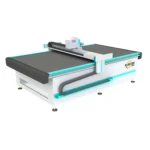
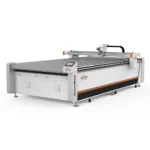
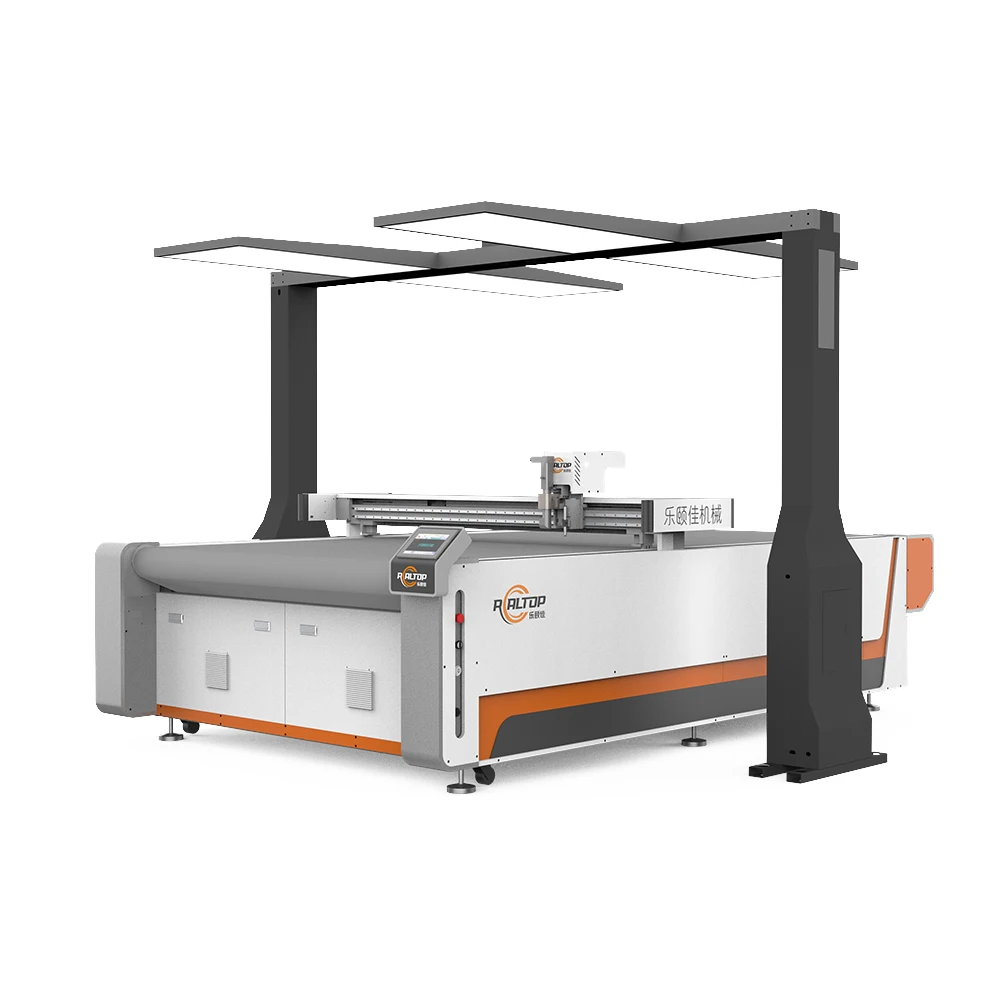
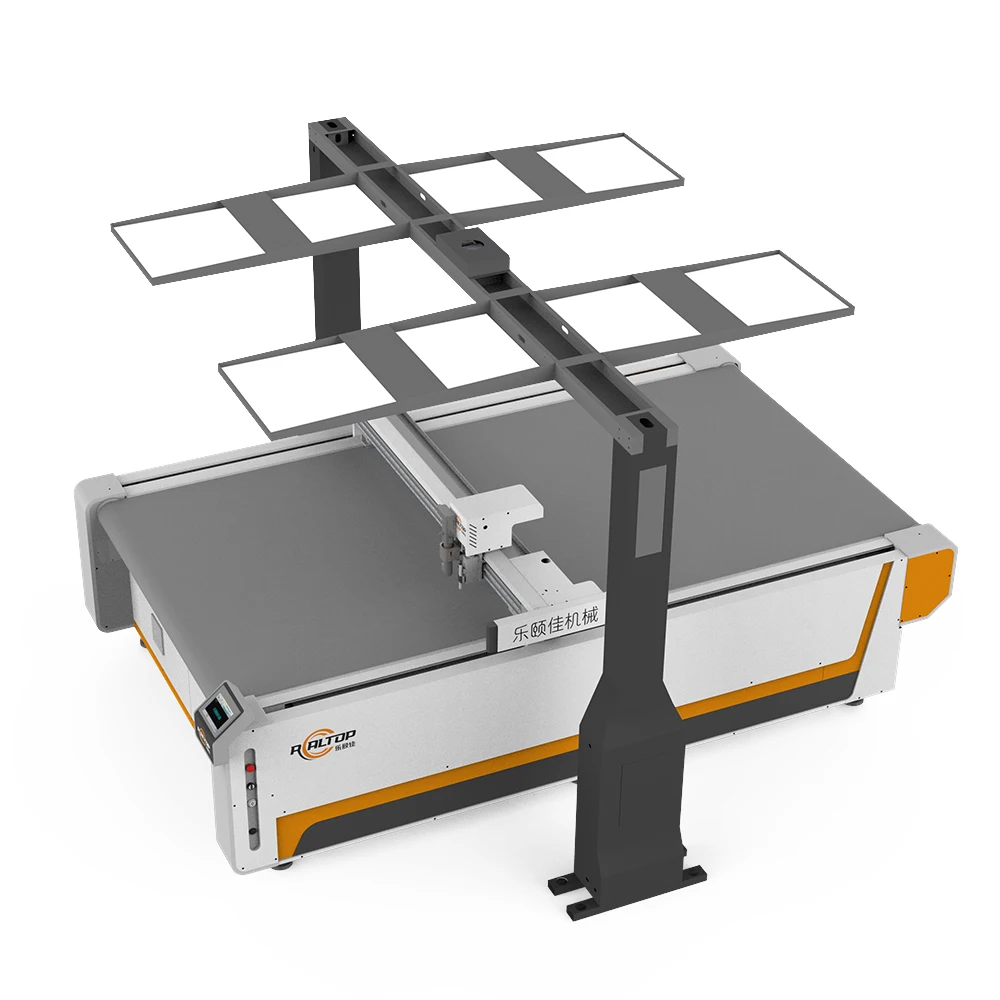
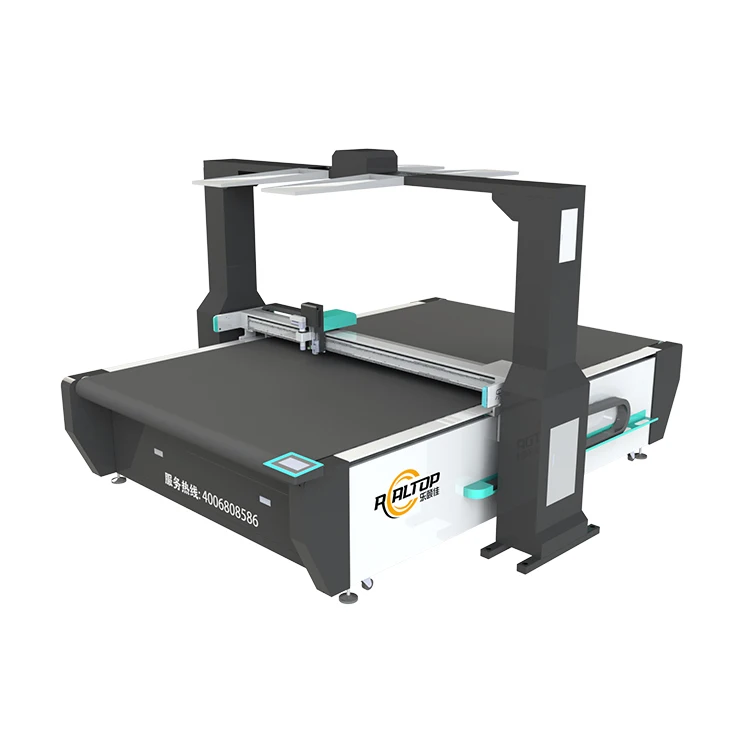
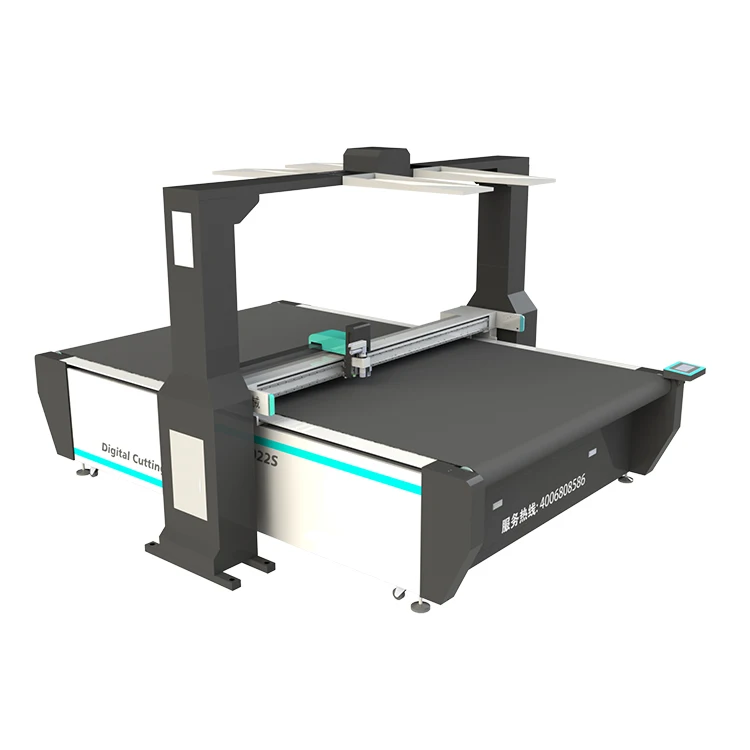
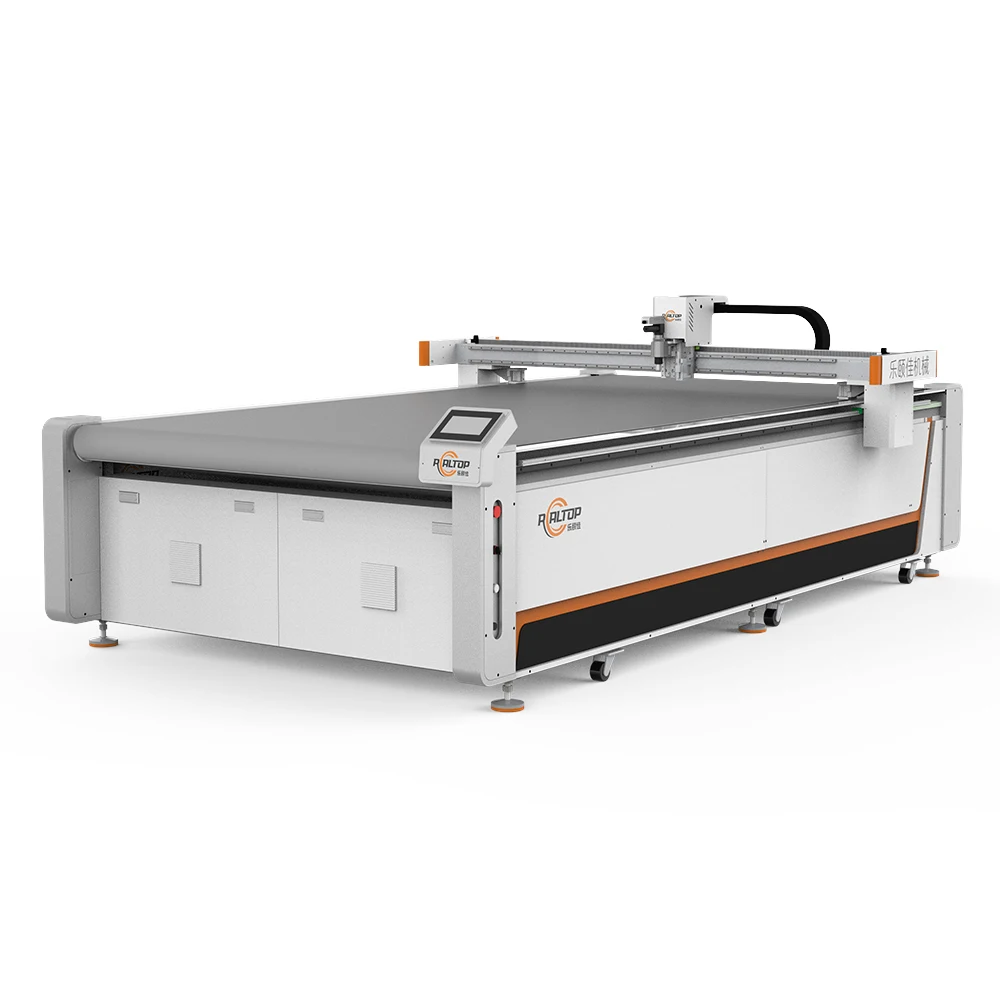
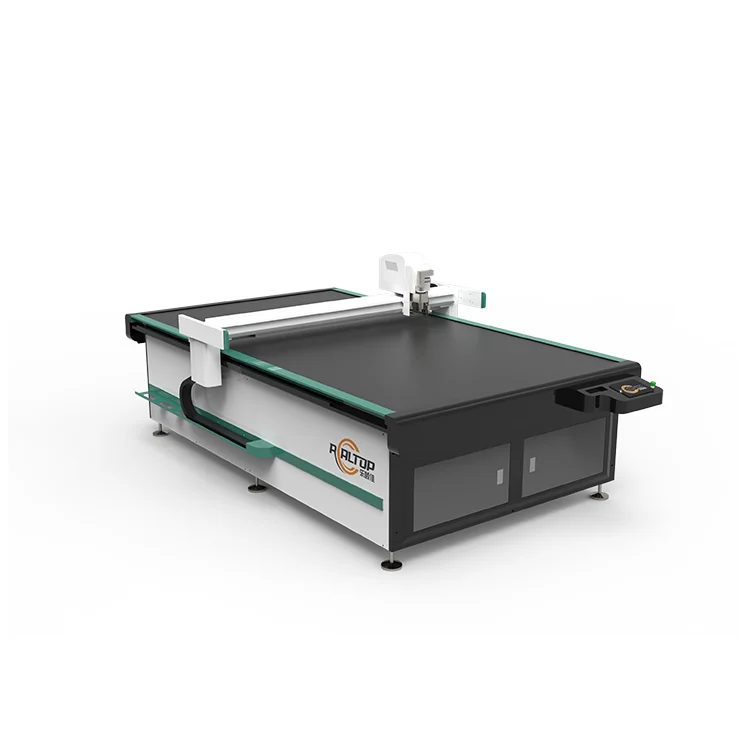
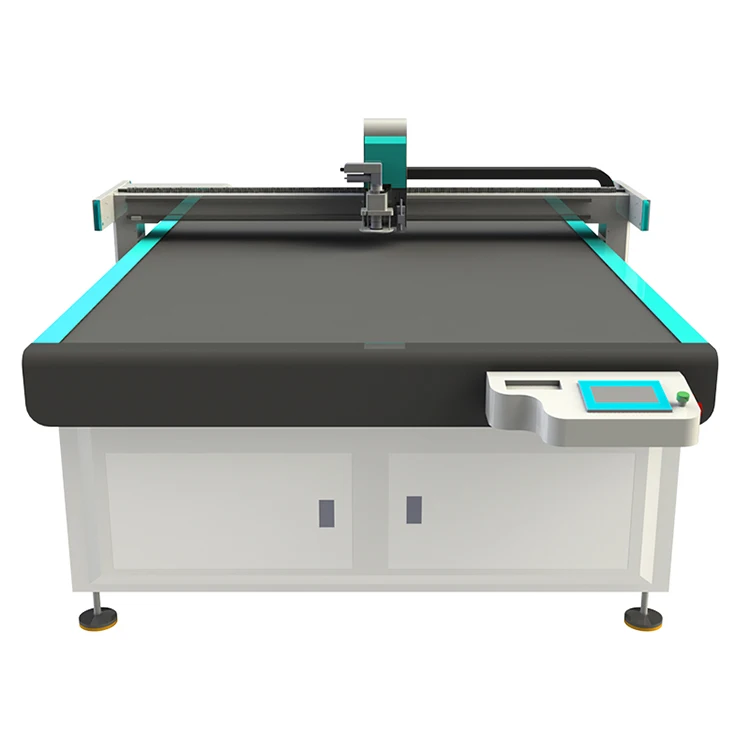
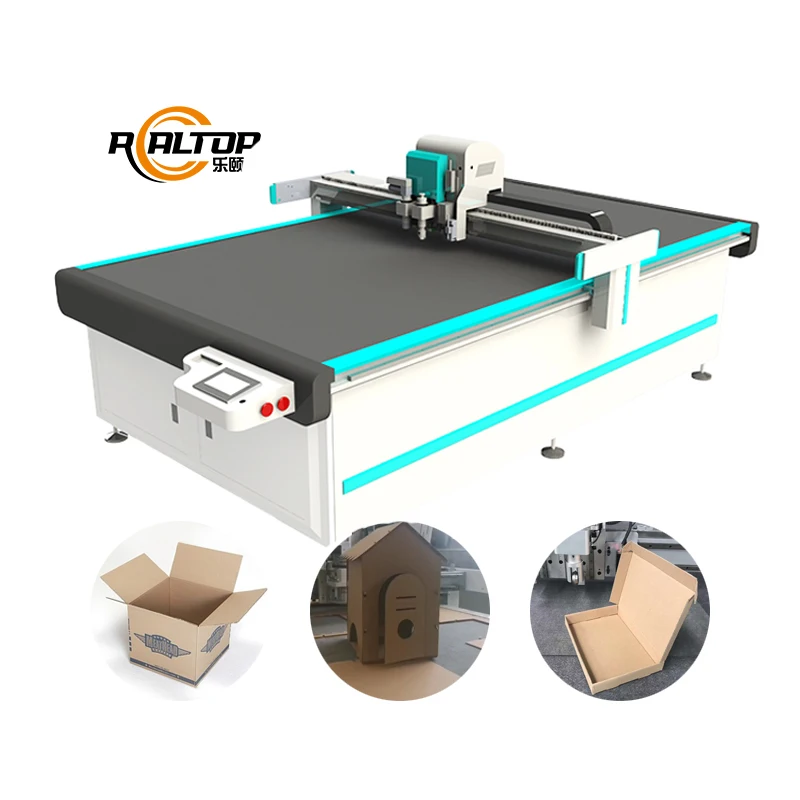
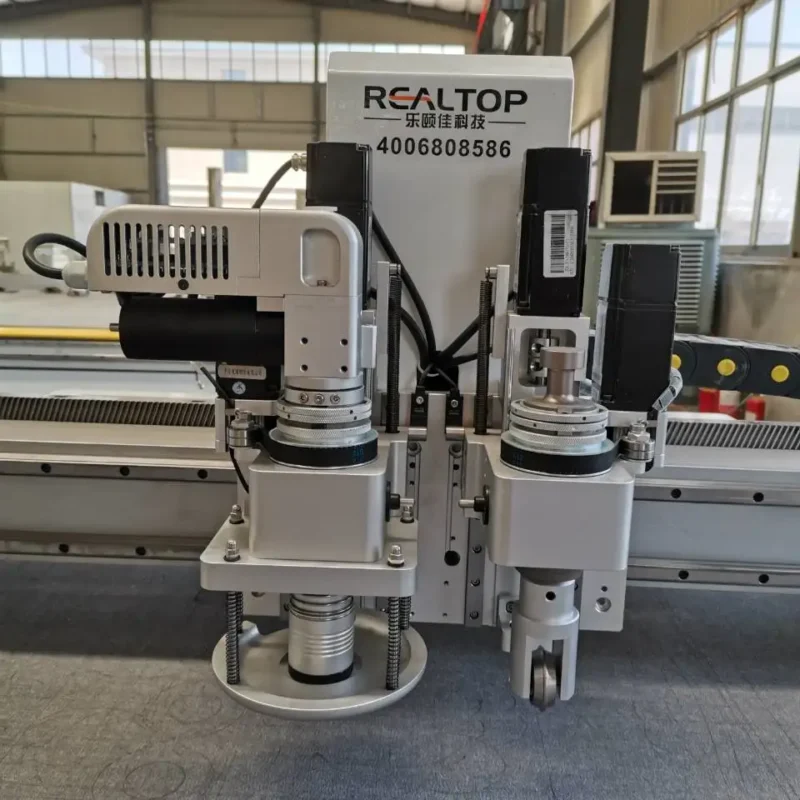
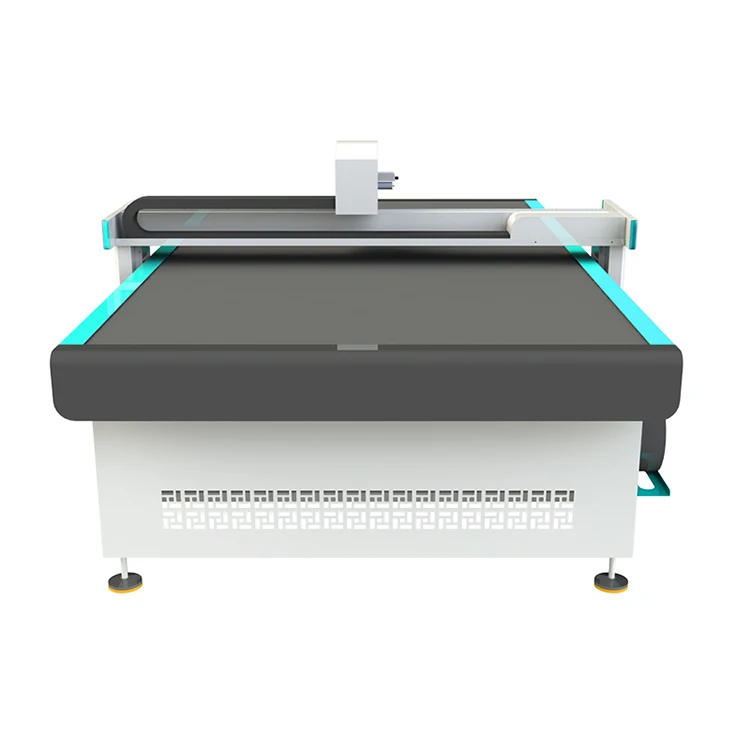
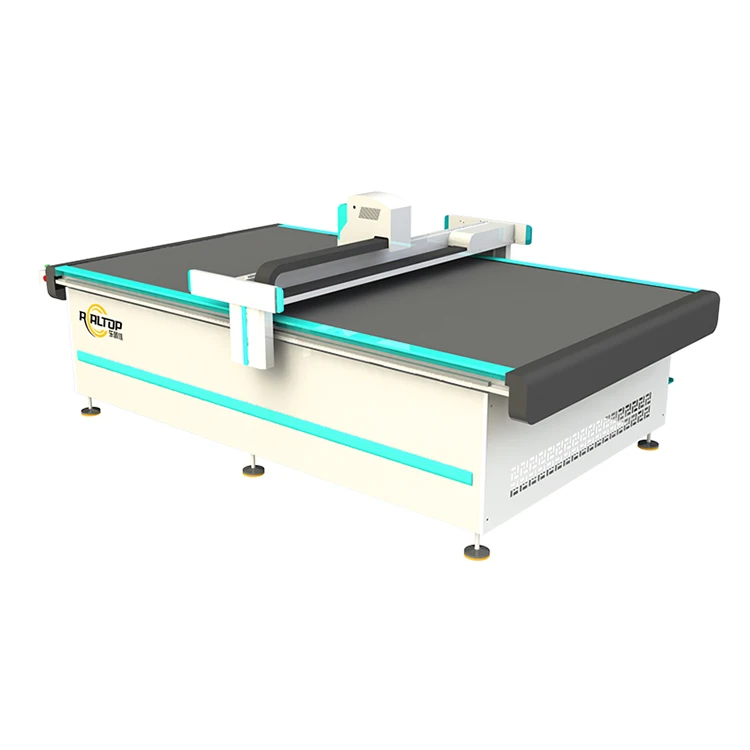
Interchangeable Tool Platform — oscillating knife, driven rotary, and creasing options on a single 1600×2500 mm bed let you match the cutting method to leather, textile, or board rather than forcing one approach.
Technical Specifications
| Parameter | Value |
|---|---|
| Model | 1625 (Standard) |
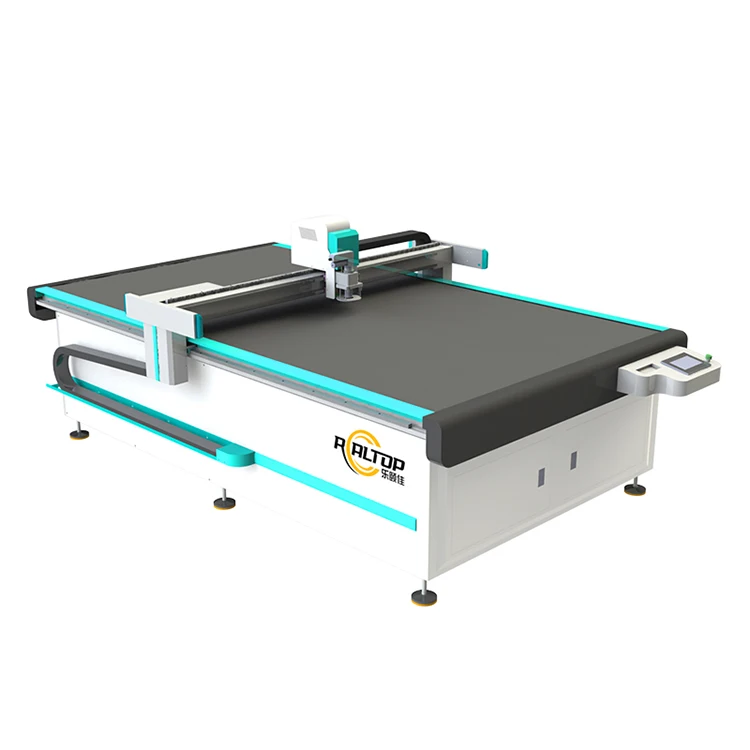
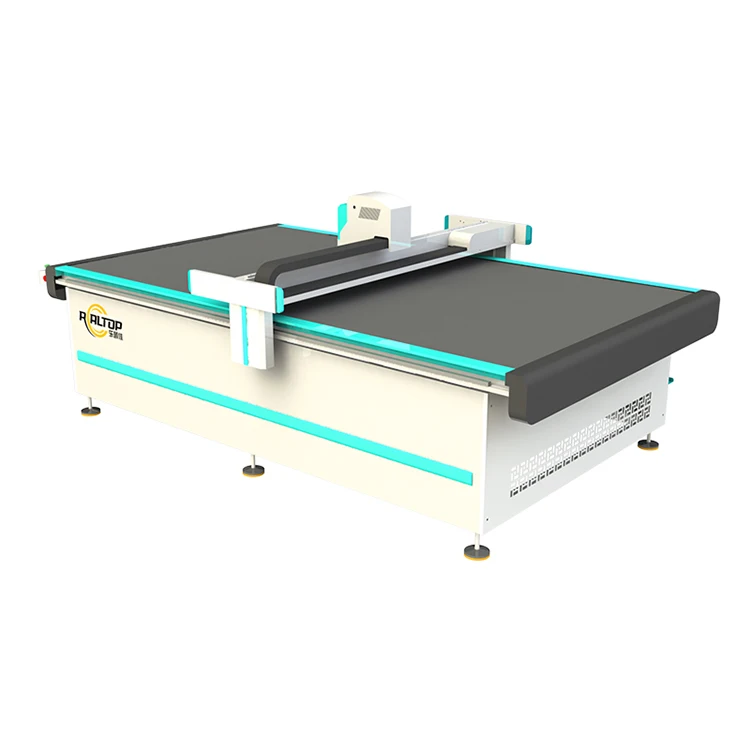
| Product Type | CNC Oscillating Knife Cutting Machine |
| Cutting Area | 1600 × 2500 mm |
| Cutting Speed | 0 – 2000 mm/s |
| Cutting Thickness | ≤ 30 mm (basis not stated in source — confirm material type / density) |
| Cutting Accuracy | ±0.1 mm |
| Tool Head Options | Oscillating knife, Driven rotary knife, Creasing wheel, Kiss cutting tool, Pneumatic knife, Milling tool, V-groove knife |
| Vacuum Pump | 9 kW |
| Vacuum Table | Aluminum bellows with full-surface adsorption |
| Machine Frame | Heavy-duty, precision-ground surface |
| Servo Drive Options | Panasonic, Delta, or Dorna |
| CCD Camera | Contour recognition and positioning for printed materials |
| Auto-Nesting | Camera-based defect detection, material utilization optimization |
| Control System | PLC with intuitive interface; software language options include English, Russian, Italian, Chinese (special languages customizable) |
| Voltage Options | 110 V / 220 V / 380 V (frequency not stated in source) |
| File Formats | PLT, DXF, AI, PDF |
| Safety Devices | Infrared sensor and emergency stop |
| Power-off Resume | Supported |
| Machine Size | 3300 × 2100 × 1350 mm |
| Certification | CE |
Application Suitability
| Application | Material or Output |
|---|---|
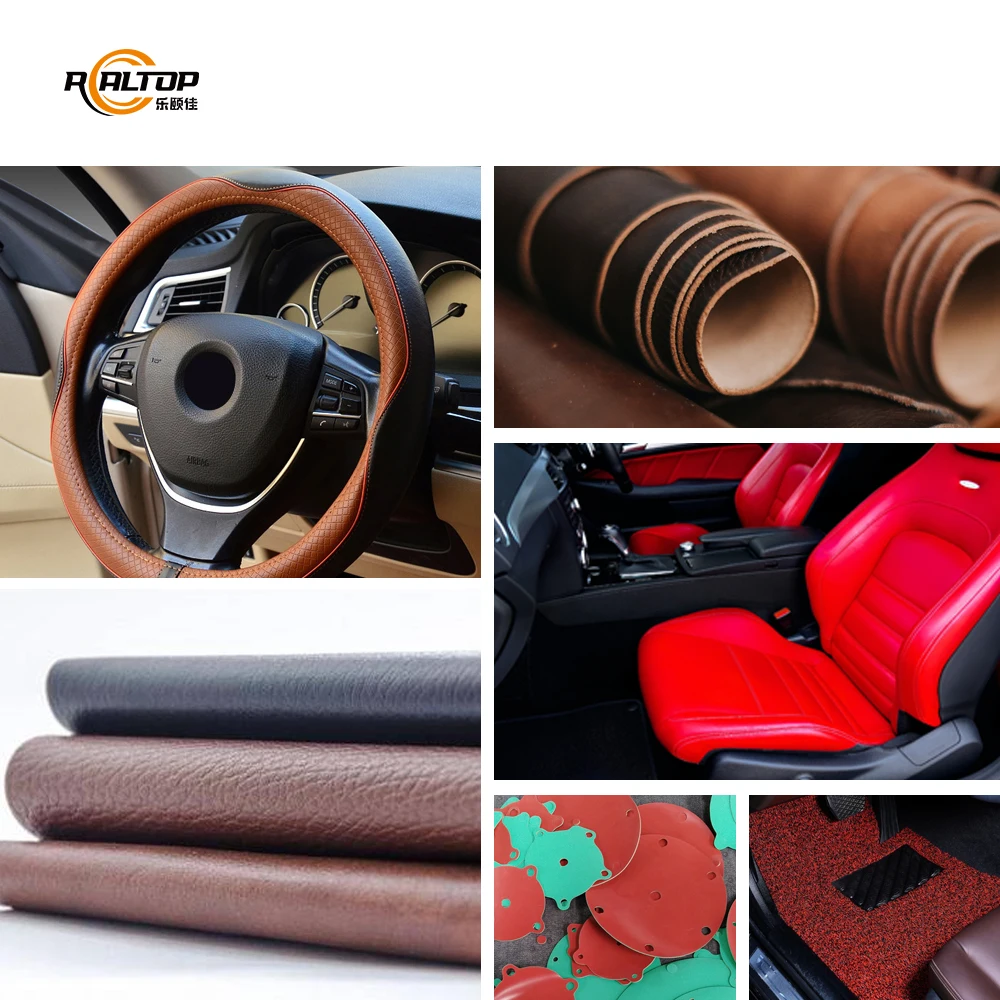
| Footwear uppers and leather goods | Genuine leather, PU, synthetic leather — shoe uppers, belts, wallet panels |
| Apparel and bag production | Garment leather, textile composites — dress panels, handbag components |
| Automotive interiors | Car seat covers, floor mats, door panel inserts — leather and synthetic textiles |
| Soft furnishings | Sofa fabrics, cushion panels, lampshade composites |
| Advertising and signage | PVC sheets, acrylic panels, adhesive stickers, vehicle wraps |
| Packaging sample making | Foam boards, carton, corrugated board — creasing and kiss cutting |
Why Material Thickness Claims Mislead Buyers and How the 1625 Addresses It
A thickness rating without material context is incomplete — always verify against your actual stock before committing.
When a CNC oscillating knife cutting machine manufacturer quotes a maximum cutting thickness, that number assumes a specific material density and tool head. I once had a customer who tested on PU leather samples and approved the cut quality, only to switch to full-grain leather with a fibrous backing layer once production started — the blade angle and vacuum hold-down that worked on PU could not handle the denser structure, and an entire batch of panels came off with frayed edges. The 1625 lists a cutting thickness of ≤ 30 mm, but the basis for that figure is not stated in the source documentation, meaning real capacity depends on your exact leather grade, backing type, and the tool head selected [NEED_CITE: cutting thickness ratings and material density correlation in flatbed knife cutters].
Mapping Tool Heads to Leather Types Across the Catalogue
The 1625 sits within a broader range of CNC oscillating knife cutting machines that share a common tool carriage design. Buyers working with soft garment leather typically use the oscillating knife for clean through-cuts, while driven rotary knives handle thicker hides and multi-layer textile stacks where drag force would otherwise shift the material. The creasing wheel and kiss cutting tool expand the same platform into packaging sample work, letting a single machine serve both leather cutting and carton prototyping without a second capital investment. This interchangeability is the core reason a buyer surveys the full catalogue before narrowing to a specific head configuration.
Vacuum Zoning and Small-Part Stability on the 1600×2500 Bed
A full-format aluminum bellows vacuum table covers the entire work surface, which matters most when cutting small leather components like bag hardware panels or shoe upper pieces. Insufficient vacuum zoning causes lightweight parts to lift mid-cut, producing dimensional drift that only shows up during assembly [NEED_CITE: vacuum table zoning and part lift in flatbed digital cutting]. The 9 kW pump paired with the bellows design distributes suction evenly, and buyers should confirm zone configuration matches their typical nesting layout — cutting mostly large panels requires different zoning than high-volume small-part production.
Reading the Spec Sheet Against Your Production Reality
The ±0.1 mm cutting accuracy specification holds practical meaning for leather goods where panels must align during stitching — even a fraction of a millimeter of drift compounds across a shoe upper composed of multiple pieces. Cutting speed ranges from 0 to 2000 mm/s, but actual speed depends on material resistance and the tool head engaged; genuine leather cuts slower than synthetic PU at the same accuracy. The CCD camera contour recognition adds positional correction for printed materials, which matters when cutting patterned leather or pre-printed textile where the print registration must align with the cut path. File format support for PLT, DXF, AI, and PDF means most existing design workflows import without conversion, though buyers should verify specific software version compatibility before order [NEED_CITE: file format interoperability in CNC cutting software ecosystems].
The Hidden Cost of Wrong Configuration Selection
Choosing a machine based on bed size alone, without specifying the tool head for your actual material, leads to ragged edges on leather and crushed foam cores on composite boards. I have seen buyers discover mid-production that their vacuum table lacks the zoning needed for small parts, causing pieces to shift and scrap an entire run. Software incompatibility surfaces later too — when your nesting files will not import, production stalls while operators rebuild layouts manually [NEED_CITE: cost of unplanned downtime due to software incompatibility in CNC cutting]. These issues rarely appear during sample testing because samples use simplified layouts and handpicked material; they emerge only when daily volume and material variation hit the machine.
Why Sourcing From This Catalogue Reduces Specification Risk
The range covers both oscillating knife and laser platforms under one manufacturer, so buyers compare cutting methods side by side rather than being locked into a single technology. Tool head and table configuration is specified per material profile and production volume, not sold as a one-size-fits-all package. CCD camera positioning is included for printed contour work where registration accuracy matters. Software compatibility — including file format and nesting workflow — is confirmed before order placement. Sample cutting on your actual leather or textile stock runs before any commitment, so edge quality and cycle time are verified against your real production material rather than generic test samples.
Documentation & Verification
- Machine specification sheet with confirmed tool head and table configuration for your material
- Electrical schematic with voltage and frequency matching your target market
- Sample cutting report on your own leather or textile stock showing edge quality
- Software licence and file format compatibility note for your existing design workflow
- Factory test record with cutting accuracy verification before dispatch
- CE declaration documentation where applicable to your import market
Installation, Commissioning & Support
- Foundation must support the 3300 × 2100 × 1350 mm footprint with level floor clearance
- Dedicated circuit required matching selected voltage option of 110 V, 220 V, or 380 V
- Machine ships partially assembled; on-site leveling and vacuum table calibration follow
- PLC interface language configured to operator preference during initial commissioning
- Tool head changeover training covers oscillating knife, rotary knife, and creasing wheel swaps
- Spare parts list covers blades, vacuum seals, and CCD lens cleaning kits for routine maintenance
What to Share Before Requesting a Quote
Send your actual material samples — leather type, thickness, backing structure — along with typical part dimensions and daily volume targets. Confirm your workshop voltage and frequency, the control language your operators need, and whether your existing design files use DXF, PLT, AI, or PDF format. If you run printed leather or textiles, note whether contour recognition is required so the CCD camera option is included from the start.
Frequently Asked Questions
Q: How do I choose between oscillating knife and laser cutting for leather?
A: Oscillating knife cuts leather without burning edges or producing fumes, preserving the natural grain surface. Laser works for synthetic leather and textile where sealed edges are acceptable. The catalogue covers both methods, so you compare edge quality on your specific material before deciding which platform fits your production.
Q: Where does the 1625 fit within the available machine size range?
A: The 1625 offers a 1600 × 2500 mm cutting area, positioned in the mid-to-large format segment. Compact models serve small-part prototyping while larger beds handle roll-fed textile production. Your typical sheet size and nesting layout determine which format delivers the best material yield.
Q: How do I confirm the machine can actually cut my leather thickness?
A: The listed thickness capacity depends on material density and tool head selection. Submit your actual leather samples for a test cut before ordering — the resulting report documents edge quality, achievable cutting speed, and tool configuration matched to your specific hide structure and backing type.
Q: What should I verify about voltage and software before shipment?
A: Confirm your local voltage and frequency so the electrical system matches on arrival. Specify the PLC interface language your operators need. Share a sample design file so the software team verifies format compatibility and nesting workflow before the machine leaves the factory.
Interchangeable Tool Platform — oscillating knife, driven rotary, and creasing options on a single 1600×2500 mm bed let you match the cutting method to leather, textile, or board rather than forcing one approach.
Technical Specifications
| Parameter | Value |
|---|---|
| Model | 1625 (Standard) |
| Product Type | CNC Oscillating Knife Cutting Machine |
| Cutting Area | 1600 × 2500 mm |
| Cutting Speed | 0 – 2000 mm/s |
| Cutting Thickness | ≤ 30 mm (basis not stated in source — confirm material type / density) |
| Cutting Accuracy | ±0.1 mm |
| Tool Head Options | Oscillating knife, Driven rotary knife, Creasing wheel, Kiss cutting tool, Pneumatic knife, Milling tool, V-groove knife |
| Vacuum Pump | 9 kW |
| Vacuum Table | Aluminum bellows with full-surface adsorption |
| Machine Frame | Heavy-duty, precision-ground surface |
| Servo Drive Options | Panasonic, Delta, or Dorna |
| CCD Camera | Contour recognition and positioning for printed materials |
| Auto-Nesting | Camera-based defect detection, material utilization optimization |
| Control System | PLC with intuitive interface; software language options include English, Russian, Italian, Chinese (special languages customizable) |
| Voltage Options | 110 V / 220 V / 380 V (frequency not stated in source) |
| File Formats | PLT, DXF, AI, PDF |
| Safety Devices | Infrared sensor and emergency stop |
| Power-off Resume | Supported |
| Machine Size | 3300 × 2100 × 1350 mm |
| Certification | CE |
Application Suitability
| Application | Material or Output |
|---|---|
| Footwear uppers and leather goods | Genuine leather, PU, synthetic leather — shoe uppers, belts, wallet panels |
| Apparel and bag production | Garment leather, textile composites — dress panels, handbag components |
| Automotive interiors | Car seat covers, floor mats, door panel inserts — leather and synthetic textiles |
| Soft furnishings | Sofa fabrics, cushion panels, lampshade composites |
| Advertising and signage | PVC sheets, acrylic panels, adhesive stickers, vehicle wraps |
| Packaging sample making | Foam boards, carton, corrugated board — creasing and kiss cutting |
Why Material Thickness Claims Mislead Buyers and How the 1625 Addresses It
A thickness rating without material context is incomplete — always verify against your actual stock before committing.
When a CNC oscillating knife cutting machine manufacturer quotes a maximum cutting thickness, that number assumes a specific material density and tool head. I once had a customer who tested on PU leather samples and approved the cut quality, only to switch to full-grain leather with a fibrous backing layer once production started — the blade angle and vacuum hold-down that worked on PU could not handle the denser structure, and an entire batch of panels came off with frayed edges. The 1625 lists a cutting thickness of ≤ 30 mm, but the basis for that figure is not stated in the source documentation, meaning real capacity depends on your exact leather grade, backing type, and the tool head selected [NEED_CITE: cutting thickness ratings and material density correlation in flatbed knife cutters].
Mapping Tool Heads to Leather Types Across the Catalogue
The 1625 sits within a broader range of CNC oscillating knife cutting machines that share a common tool carriage design. Buyers working with soft garment leather typically use the oscillating knife for clean through-cuts, while driven rotary knives handle thicker hides and multi-layer textile stacks where drag force would otherwise shift the material. The creasing wheel and kiss cutting tool expand the same platform into packaging sample work, letting a single machine serve both leather cutting and carton prototyping without a second capital investment. This interchangeability is the core reason a buyer surveys the full catalogue before narrowing to a specific head configuration.
Vacuum Zoning and Small-Part Stability on the 1600×2500 Bed
A full-format aluminum bellows vacuum table covers the entire work surface, which matters most when cutting small leather components like bag hardware panels or shoe upper pieces. Insufficient vacuum zoning causes lightweight parts to lift mid-cut, producing dimensional drift that only shows up during assembly [NEED_CITE: vacuum table zoning and part lift in flatbed digital cutting]. The 9 kW pump paired with the bellows design distributes suction evenly, and buyers should confirm zone configuration matches their typical nesting layout — cutting mostly large panels requires different zoning than high-volume small-part production.
Reading the Spec Sheet Against Your Production Reality
The ±0.1 mm cutting accuracy specification holds practical meaning for leather goods where panels must align during stitching — even a fraction of a millimeter of drift compounds across a shoe upper composed of multiple pieces. Cutting speed ranges from 0 to 2000 mm/s, but actual speed depends on material resistance and the tool head engaged; genuine leather cuts slower than synthetic PU at the same accuracy. The CCD camera contour recognition adds positional correction for printed materials, which matters when cutting patterned leather or pre-printed textile where the print registration must align with the cut path. File format support for PLT, DXF, AI, and PDF means most existing design workflows import without conversion, though buyers should verify specific software version compatibility before order [NEED_CITE: file format interoperability in CNC cutting software ecosystems].
The Hidden Cost of Wrong Configuration Selection
Choosing a machine based on bed size alone, without specifying the tool head for your actual material, leads to ragged edges on leather and crushed foam cores on composite boards. I have seen buyers discover mid-production that their vacuum table lacks the zoning needed for small parts, causing pieces to shift and scrap an entire run. Software incompatibility surfaces later too — when your nesting files will not import, production stalls while operators rebuild layouts manually [NEED_CITE: cost of unplanned downtime due to software incompatibility in CNC cutting]. These issues rarely appear during sample testing because samples use simplified layouts and handpicked material; they emerge only when daily volume and material variation hit the machine.
Why Sourcing From This Catalogue Reduces Specification Risk
The range covers both oscillating knife and laser platforms under one manufacturer, so buyers compare cutting methods side by side rather than being locked into a single technology. Tool head and table configuration is specified per material profile and production volume, not sold as a one-size-fits-all package. CCD camera positioning is included for printed contour work where registration accuracy matters. Software compatibility — including file format and nesting workflow — is confirmed before order placement. Sample cutting on your actual leather or textile stock runs before any commitment, so edge quality and cycle time are verified against your real production material rather than generic test samples.
Documentation & Verification
- Machine specification sheet with confirmed tool head and table configuration for your material
- Electrical schematic with voltage and frequency matching your target market
- Sample cutting report on your own leather or textile stock showing edge quality
- Software licence and file format compatibility note for your existing design workflow
- Factory test record with cutting accuracy verification before dispatch
- CE declaration documentation where applicable to your import market
Installation, Commissioning & Support
- Foundation must support the 3300 × 2100 × 1350 mm footprint with level floor clearance
- Dedicated circuit required matching selected voltage option of 110 V, 220 V, or 380 V
- Machine ships partially assembled; on-site leveling and vacuum table calibration follow
- PLC interface language configured to operator preference during initial commissioning
- Tool head changeover training covers oscillating knife, rotary knife, and creasing wheel swaps
- Spare parts list covers blades, vacuum seals, and CCD lens cleaning kits for routine maintenance
What to Share Before Requesting a Quote
Send your actual material samples — leather type, thickness, backing structure — along with typical part dimensions and daily volume targets. Confirm your workshop voltage and frequency, the control language your operators need, and whether your existing design files use DXF, PLT, AI, or PDF format. If you run printed leather or textiles, note whether contour recognition is required so the CCD camera option is included from the start.
Frequently Asked Questions
Q: How do I choose between oscillating knife and laser cutting for leather?
A: Oscillating knife cuts leather without burning edges or producing fumes, preserving the natural grain surface. Laser works for synthetic leather and textile where sealed edges are acceptable. The catalogue covers both methods, so you compare edge quality on your specific material before deciding which platform fits your production.
Q: Where does the 1625 fit within the available machine size range?
A: The 1625 offers a 1600 × 2500 mm cutting area, positioned in the mid-to-large format segment. Compact models serve small-part prototyping while larger beds handle roll-fed textile production. Your typical sheet size and nesting layout determine which format delivers the best material yield.
Q: How do I confirm the machine can actually cut my leather thickness?
A: The listed thickness capacity depends on material density and tool head selection. Submit your actual leather samples for a test cut before ordering — the resulting report documents edge quality, achievable cutting speed, and tool configuration matched to your specific hide structure and backing type.
Q: What should I verify about voltage and software before shipment?
A: Confirm your local voltage and frequency so the electrical system matches on arrival. Specify the PLC interface language your operators need. Share a sample design file so the software team verifies format compatibility and nesting workflow before the machine leaves the factory.
商品评价
There are no reviews yet.