

Fast Delivery
Quick, reliable shipping to any location.

Free & easy returns
Return this item by mail or in store within 90 days for a full refund.
Method-to-Material Matching — Every cutting technology is designed under one roof, so buyers can test knife and laser options against their actual stock before committing.
Technical Specifications
| Parameter | Value |
|---|---|
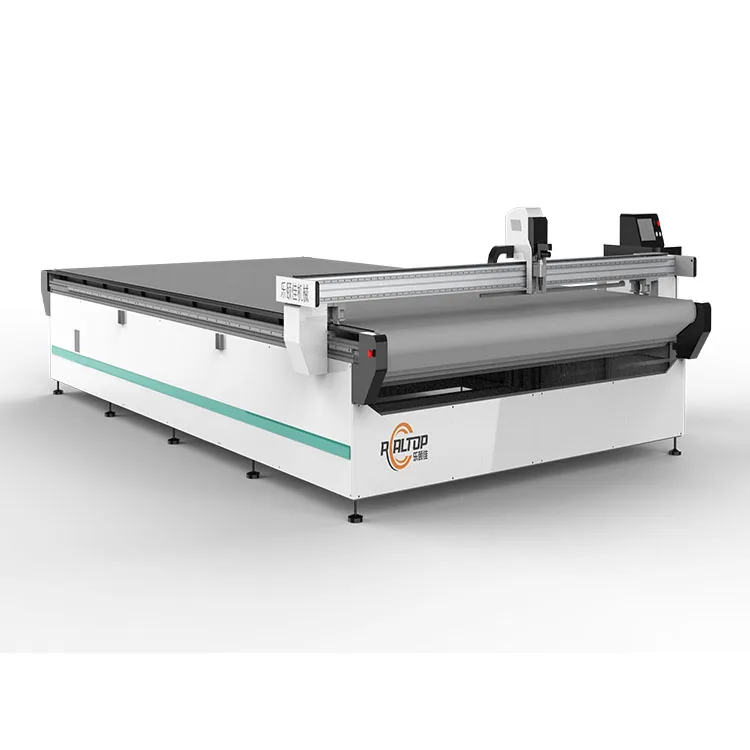
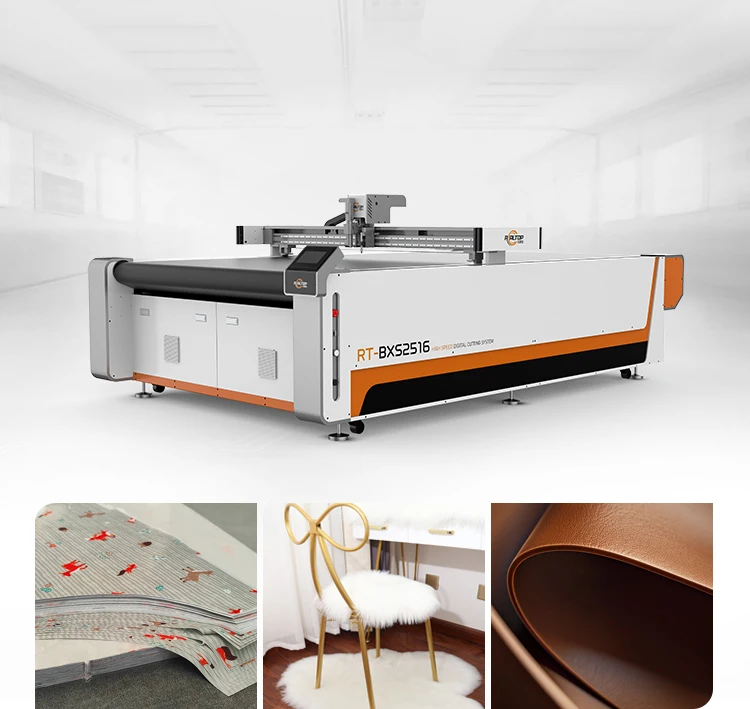
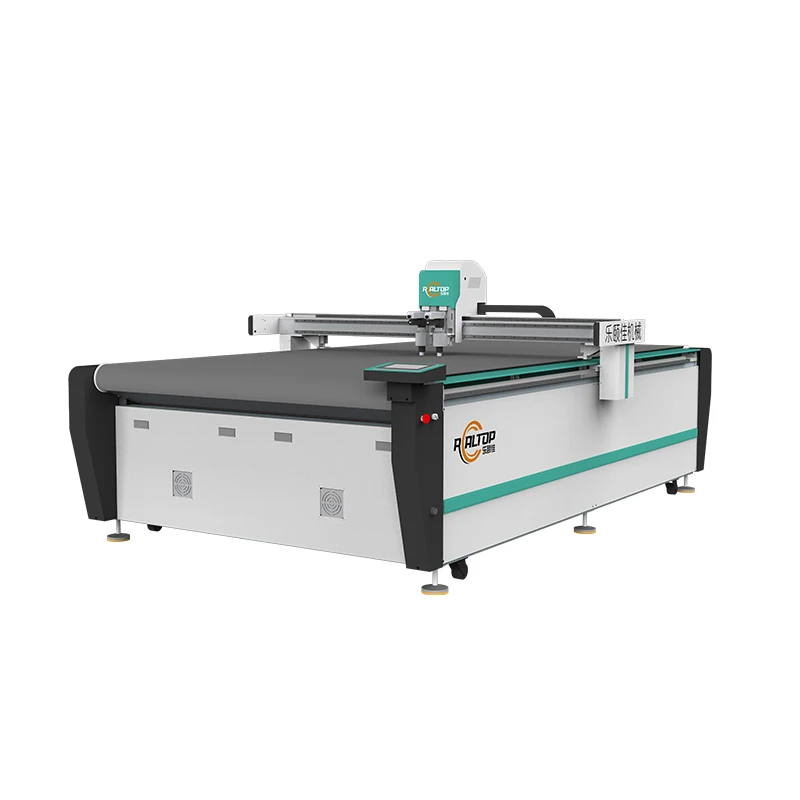
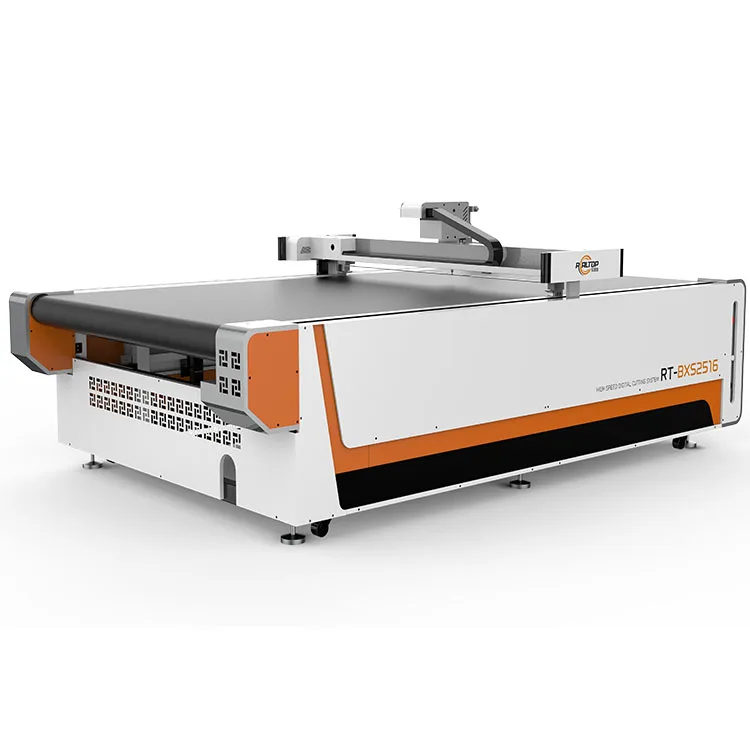
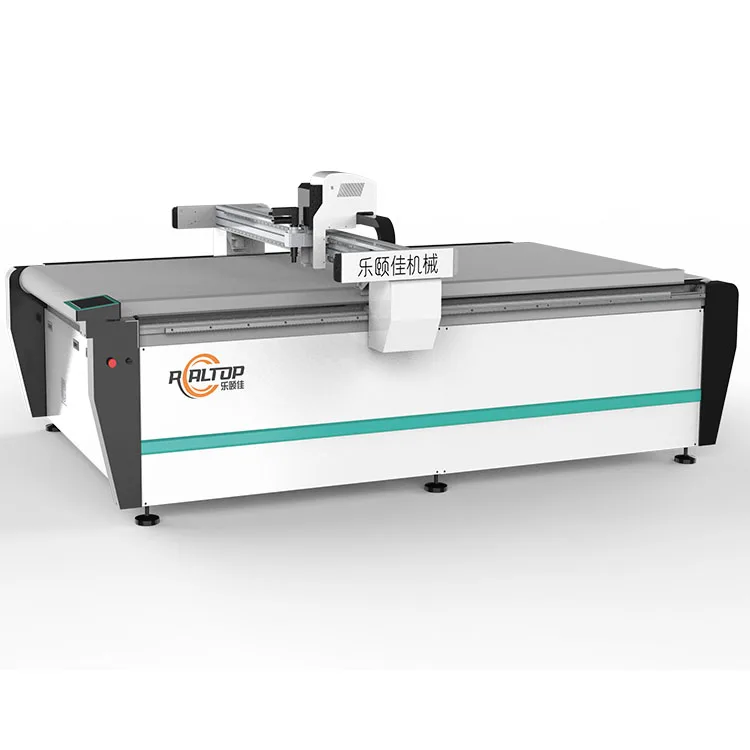
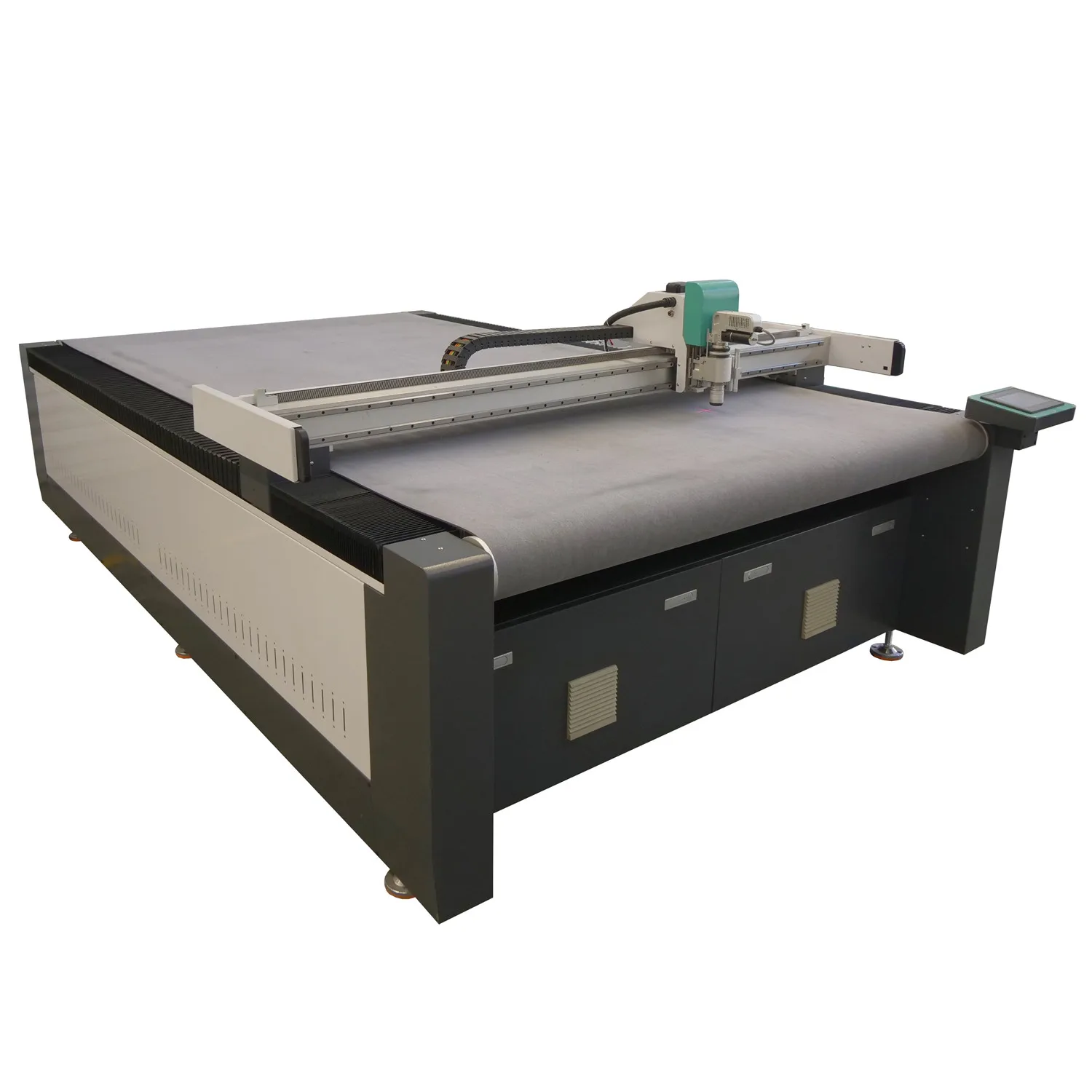
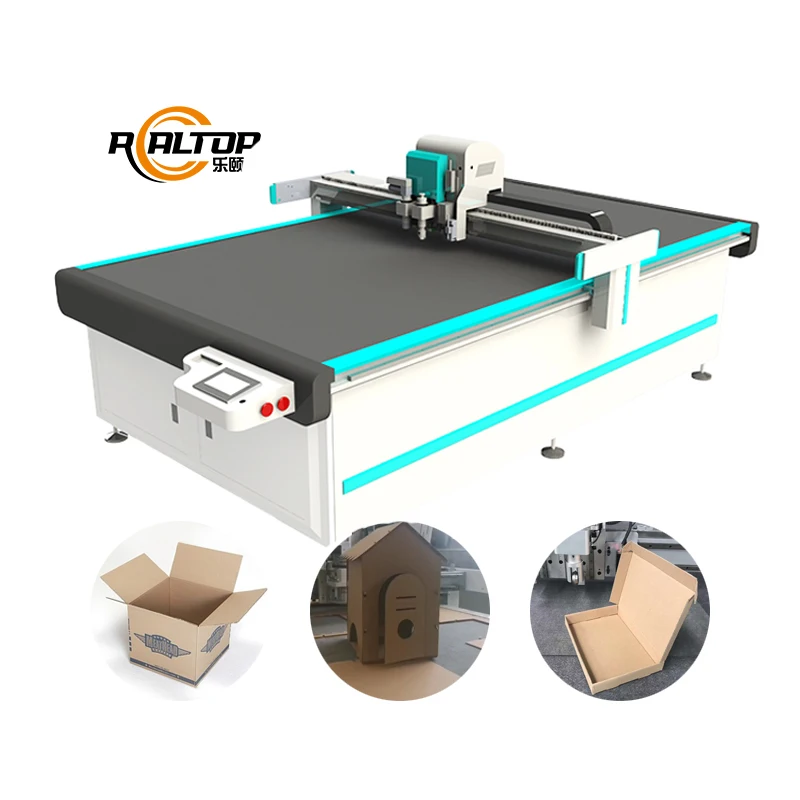
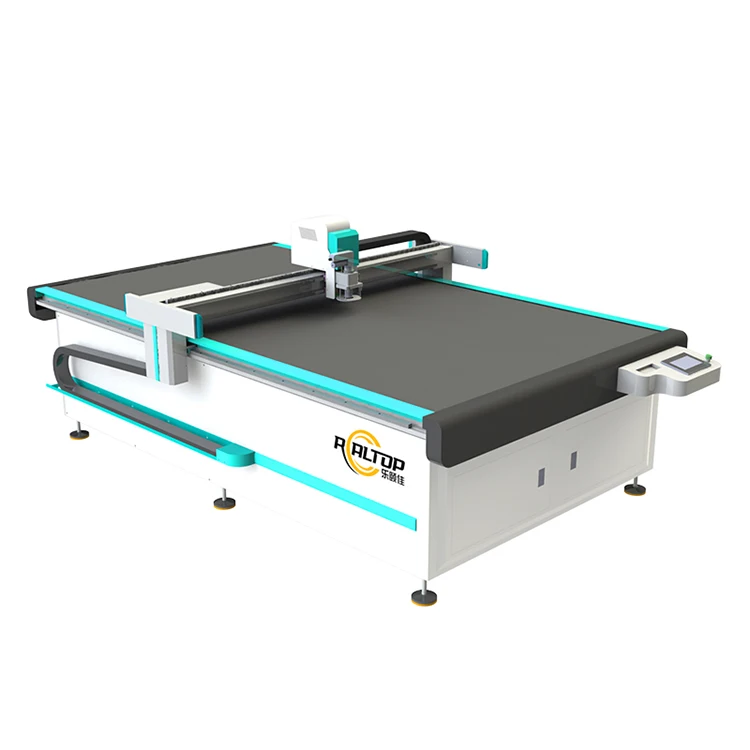
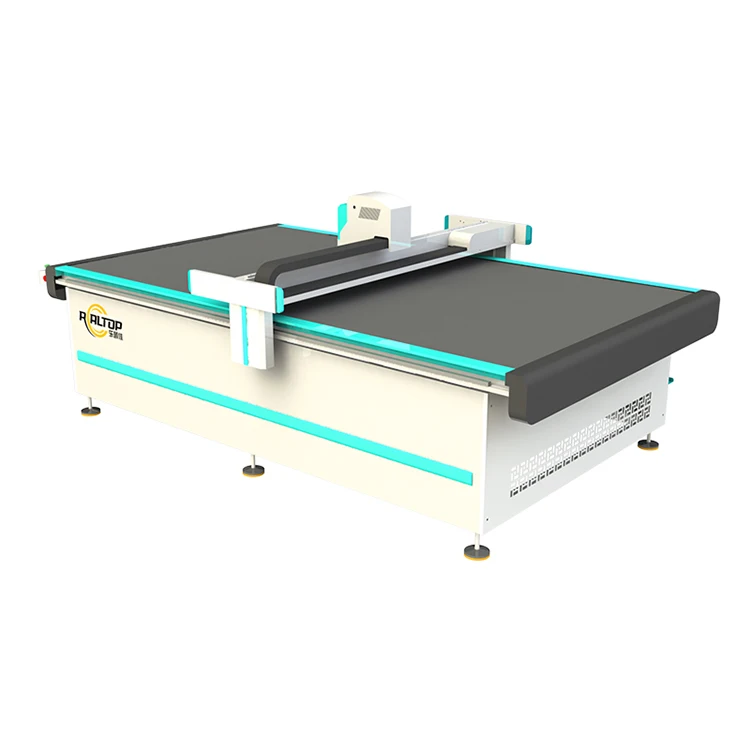
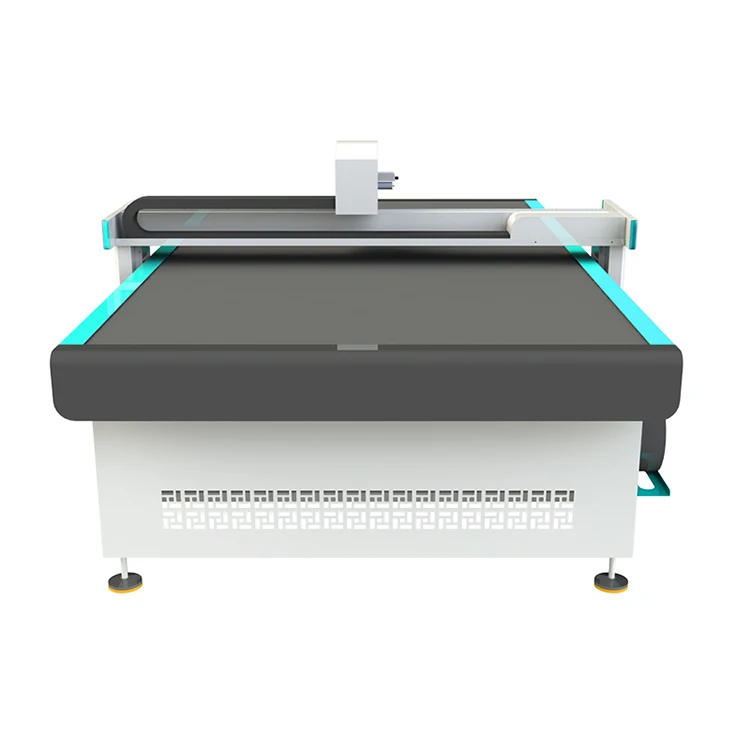
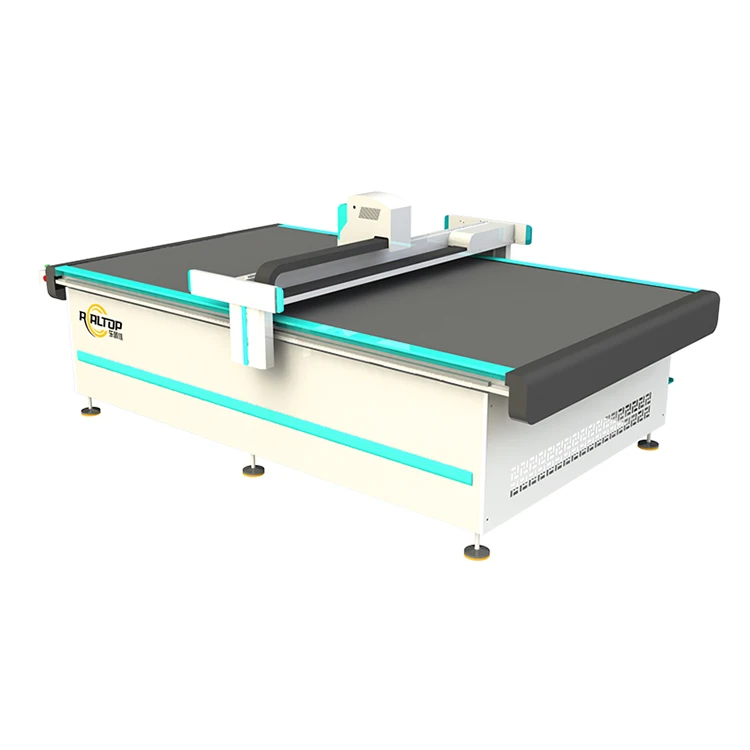
| Product Type | CNC Oscillating Knife Cutting Machine |
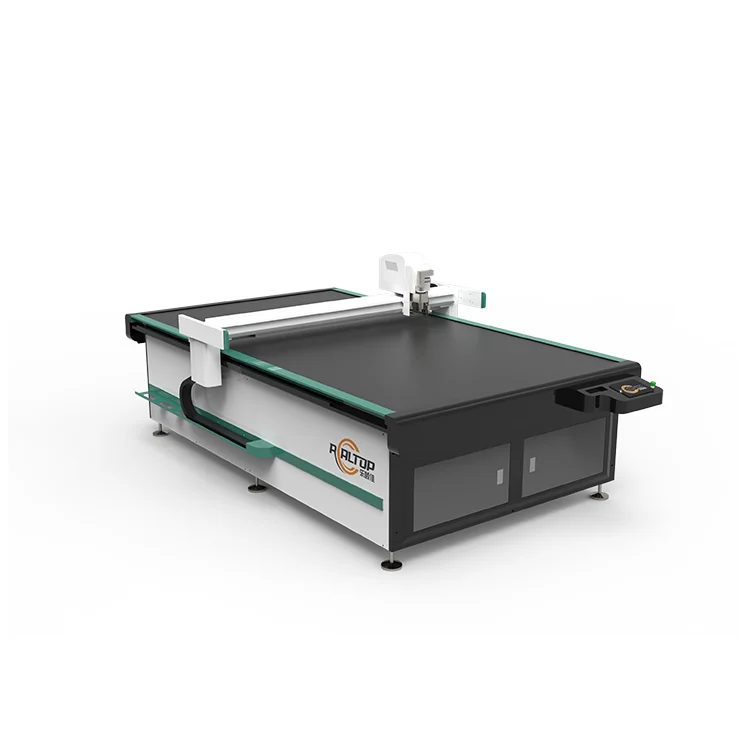
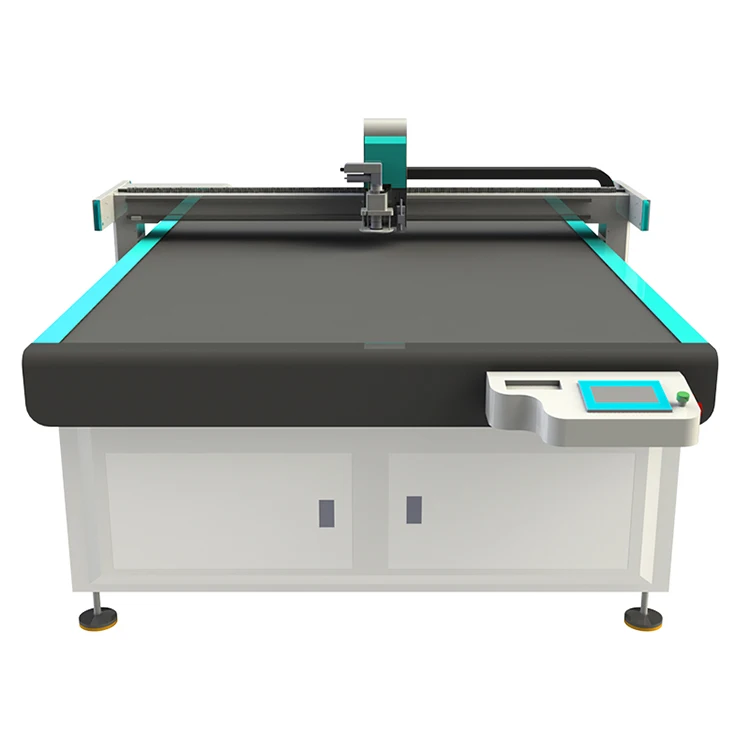
| Working Area | 1600×2500 mm |
| Overall Dimensions | 3450×2300×1250 mm |
| Rated Power | 9 kW |
| Vacuum Pump Power | 7.5 kW |
| Voltage | 380V ±10% |
| Control System | CNC with touch screen, multi-language support |
| Language Options | English, Russian, Italian, Chinese (customizable) |
| Transmission System | Digital servo motor, linear guide, synchronous belt, ball screw |
| Linear Guide | Taiwan Hiwin rail |
| Translational Velocity | 800–2000 mm/s |
| Cutting Speed | 200–800 mm/s (material dependent) |
| Cutting Thickness | ≤100 mm (varies with material) |
| Repeated Accuracy | ≤0.1 mm |
| Servo Motor Options | Delta or Panasonic (China or Japan origin) |
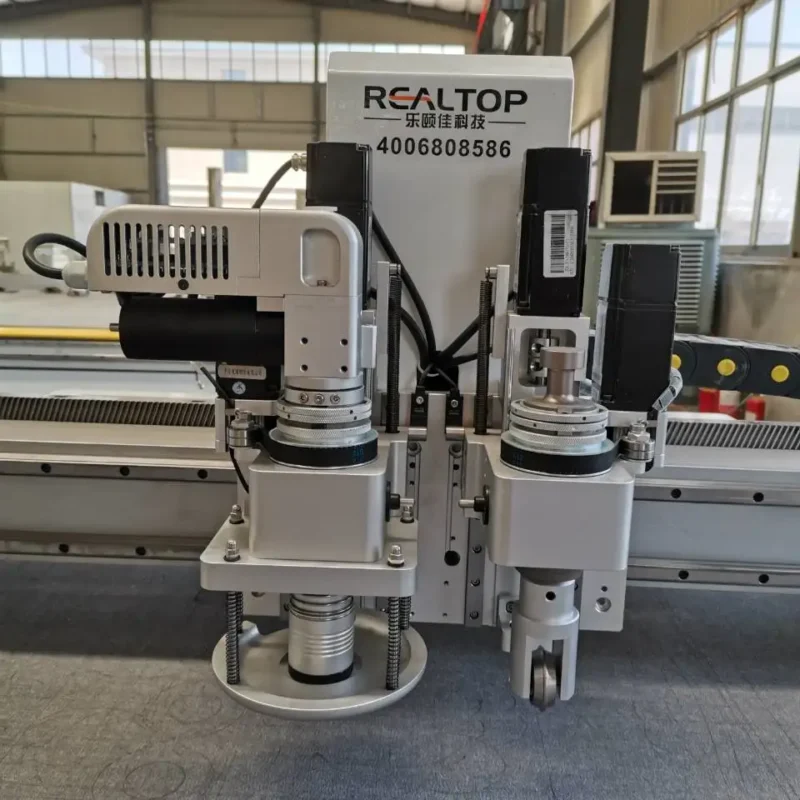
| Tool Head Options | Oscillating knife, pneumatic knife, high-power vibrating knife, circular knife, V-cutting knife, drag knife, creasing wheel, dotted line knife, punching, brush |
| Multifunctional Head | Swiss imported knife with vibration full/half cutting and cursor location |
| Visual Positioning | Small CCD mark point, panoramic camera, projection positioning |
| Vacuum Table | Magnesium-aluminum alloy, PVDF powder sprayed, anodic and hard oxidation |
| Conveyor Belt | Germany imported |
| Table Type | Flat working table / auto feeding table |
| Safety Devices | Infrared induction blocking, anti-collision, emergency stop |
| Instruction System | HP-GL compatible |
| Supported File Formats | PLT, DXF, AI |
Application Suitability
| Application | Material or Output |
|---|---|
| Garment and footwear production | Cotton, polyester, denim, PU leather, shoe uppers and linings |
| Automotive interior trimming | Synthetic leather, headliner fabric, carpet, acoustic foam |
| Soft home furnishings | Curtain fabric, upholstery textile, non-woven felt, carpet |
| Luggage and bag manufacturing | Nylon, canvas, PVC tarpaulin, composite panels |
| Sports and outdoor gear | Neoprene, XPE foam, breathable mesh, laminated shell fabric |
| Gasket and seal production | Rubber sheet, PTFE, ETFE, compressed fiber board |
| Graphic advertising and printing | Vinyl, sticker film, corrugated board, foam board |
| Packaging sample making | Cardboard, corrugated cardboard, plastic box stock |
Why Working Area Alone Cannot Specify a Fabric Cutter
A flatbed that fits your sheet size but lacks the correct tool head and vacuum zoning will underperform on every single shift.
I worked the assembly floor in Jinan before moving into technical sales, and one early job stays with me. A garment factory ordered an auto feeding CNC fabric cutting machine based entirely on bed size. When their multi-layer composite leather arrived for commissioning, the standard oscillating knife setup produced frayed edges and incomplete cuts. Output dropped to roughly half the expected rate because the tool head was never matched to their actual material stack. That is why every CNC oscillating knife cutting machine for sale from our range goes through sample cutting on the buyer’s real stock before the contract is signed [NEED_CITE: sample cutting verification before order commitment].
Surveying the Full Cutting Equipment Range
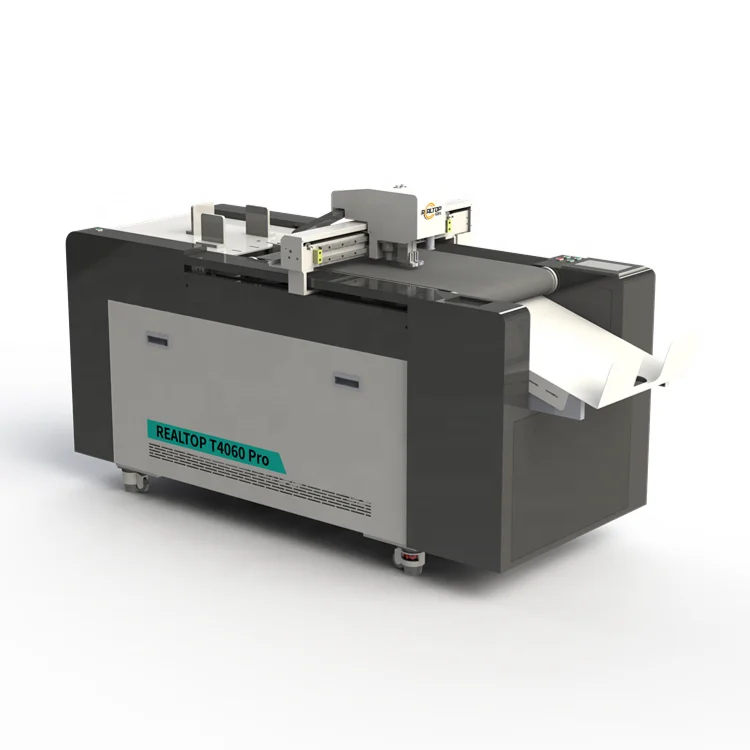
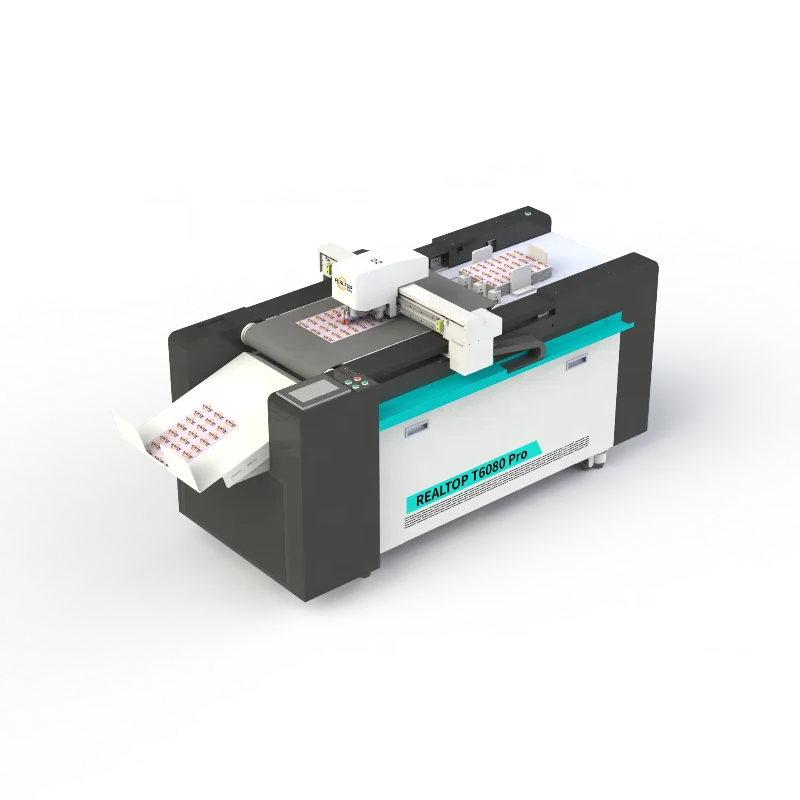
The catalogue covers both knife and laser cutting technologies built in the same facility. For fabric, leather and composite materials, the CNC oscillating knife cutting machine platform handles thicknesses up to 100 mm depending on stock density, while laser systems address edge-sealing requirements on synthetics. Buyers evaluating a CNC cutting machine manufacturer can compare both methods side by side rather than forcing one technology to cover every job.
Matching Tool Head to Material Before Commitment
Ten tool head options sit on a single multifunction platform — oscillating knife, pneumatic knife, circular knife, V-cutting knife, drag knife, creasing wheel, punching and more. A footwear producer cutting PU uppers needs a different oscillation frequency than a gasket shop running compressed fiber. Swapping heads takes minutes, so one flatbed covers multiple product lines without requiring a second machine purchase. Visual positioning adds small CCD mark point, panoramic camera and projection options for printed contour work across varying product geometries [NEED_CITE: CCD positioning accuracy on printed registration marks at production speed].
Reading the Specs That Actually Matter on the Floor
Cutting speed is listed as 200–800 mm/s, a wide band that reflects material resistance rather than machine limitation. Dense composite leather slows the head to maintain edge quality, while single-layer polyester allows the upper range. Translational velocity reaches 2000 mm/s during non-cutting moves, keeping cycle times tight between cuts. Repeated accuracy of ≤0.1 mm matters most when nesting small pattern pieces where cumulative drift causes misalignment across a full 1600×2500 mm lay. The magnesium-aluminum vacuum table with PVDF coating and hard oxidation resists adhesive residue buildup from sticker and film stocks, maintaining flatness over long production runs. A 7.5 kW vacuum pump provides suction across the full bed area, and zoning options address the common problem of small parts lifting during high-speed cuts.
The Cost of Skipping Configuration Verification
When vacuum zoning is not specified for small parts, lift during cutting produces ragged edges and forces manual re-trimming downstream. When voltage and frequency are not confirmed before shipment, a 380V system wired for a 50 Hz market may run a servo motor outside its torque curve on a 60 Hz supply, causing intermittent positioning errors that operators blame on the software [NEED_CITE: servo motor performance under voltage and frequency mismatch]. When software file format compatibility is assumed rather than tested, PLT or DXF nesting files exported from the buyer’s existing CAD package arrive with missing layers, stopping production until the issue is resolved.
Why Buyers Source This Range Here
In-house design covers both knife and laser platforms, letting a buyer compare cutting methods on the same material without relying on a reseller’s interpretation. Tool head and table configurations are specified per material type and daily volume rather than sold as a fixed package. CCD camera positioning is validated on the buyer’s printed stock before order confirmation. Software compatibility with PLT, DXF and AI formats is documented and tested with the buyer’s own nesting files. Voltage, plug type and control language are confirmed against the destination market before the machine leaves the factory. Sample cutting on the buyer’s actual material is standard procedure, not an optional extra.
Documentation & Verification
- Machine specification sheet listing selected tool head and table configuration matched to your material
- Electrical schematic with voltage and frequency confirmation for your target market
- Sample cutting report on your own fabric or composite stock showing edge quality and speed
- Software licence and file format compatibility note covering PLT, DXF and AI workflows
- Factory test record documenting repeated accuracy and cutting depth before dispatch
- Packing photographs showing crate condition and component placement prior to shipment
Installation, Commissioning & Support
- Floor space planning around the 3450×2300 mm footprint with clearance for conveyor feed and material staging
- Dedicated 380V circuit with overload protection sized for the combined 9 kW machine and 7.5 kW vacuum pump load
- Assembly of vacuum table segments and conveyor belt tensioning by on-site technician at first start-up
- Parameter setting for cutting speed and oscillation frequency tuned to your specific material stack
- Operator training on touch screen control panel in your selected language including English, Russian or Italian
- Spare parts list covering blades, vacuum seals and conveyor belt sections for first-year maintenance
Preparing Your Inquiry
Share your material type, thickness, maximum sheet or roll width, and expected daily volume so the correct tool head and table configuration can be specified. Confirm your local voltage and frequency, preferred control language, and whether your existing nesting software exports PLT, DXF or AI files. If your stock is a composite or laminate, send a sample roll or sheet for test cutting before final configuration is locked.
Frequently Asked Questions
Q: How do I decide between knife and laser cutting for my fabric mix?
A: Knife cutting handles thick, multi-layer and composite materials without heat-affected edges, while laser seals synthetic fabric edges and is suited to thinner single-ply work. Send your material samples so both methods can be tested on the same stock, and compare edge quality, cutting speed and suitability for your daily volume before selecting a platform.
Q: Where does each machine model sit by material type and throughput?
A: The flatbed range covers compact to large-format beds with single or multi-head configurations. Oscillating knife systems address fabric, leather, foam and gasket work up to 100 mm thick, while laser machines handle acrylic, wood, textile and sheet metal. Your daily volume and material mix determine which family and configuration fits.
Q: What tool head configurations are available across the range?
A: Ten tool head options include oscillating knife, pneumatic knife, circular knife, V-cutting knife, drag knife, creasing wheel, dotted line knife and punching. The multifunctional head accepts a Swiss imported knife for vibration full and half cutting. Selection depends on your material density, thickness and required edge finish.
Q: Can I see sample cutting results on my specific material before choosing?
A: Yes. Send your actual fabric, leather, foam or composite stock and a sample cutting report is produced showing edge quality, achievable speed and cutting depth on your exact material. This step is completed before the order is confirmed so configuration matches your real production requirements.
Q: How are voltage, control language and software handled across the machine families?
A: Voltage is confirmed for your market before shipment, and the touch screen control panel supports English, Russian, Italian and Chinese with other languages customizable. Software accepts PLT, DXF and AI files, and compatibility with your existing nesting workflow is verified during the sample cutting stage to avoid format issues at commissioning.
Method-to-Material Matching — Every cutting technology is designed under one roof, so buyers can test knife and laser options against their actual stock before committing.
Technical Specifications
| Parameter | Value |
|---|---|
| Product Type | CNC Oscillating Knife Cutting Machine |
| Working Area | 1600×2500 mm |
| Overall Dimensions | 3450×2300×1250 mm |
| Rated Power | 9 kW |
| Vacuum Pump Power | 7.5 kW |
| Voltage | 380V ±10% |
| Control System | CNC with touch screen, multi-language support |
| Language Options | English, Russian, Italian, Chinese (customizable) |
| Transmission System | Digital servo motor, linear guide, synchronous belt, ball screw |
| Linear Guide | Taiwan Hiwin rail |
| Translational Velocity | 800–2000 mm/s |
| Cutting Speed | 200–800 mm/s (material dependent) |
| Cutting Thickness | ≤100 mm (varies with material) |
| Repeated Accuracy | ≤0.1 mm |
| Servo Motor Options | Delta or Panasonic (China or Japan origin) |
| Tool Head Options | Oscillating knife, pneumatic knife, high-power vibrating knife, circular knife, V-cutting knife, drag knife, creasing wheel, dotted line knife, punching, brush |
| Multifunctional Head | Swiss imported knife with vibration full/half cutting and cursor location |
| Visual Positioning | Small CCD mark point, panoramic camera, projection positioning |
| Vacuum Table | Magnesium-aluminum alloy, PVDF powder sprayed, anodic and hard oxidation |
| Conveyor Belt | Germany imported |
| Table Type | Flat working table / auto feeding table |
| Safety Devices | Infrared induction blocking, anti-collision, emergency stop |
| Instruction System | HP-GL compatible |
| Supported File Formats | PLT, DXF, AI |
Application Suitability
| Application | Material or Output |
|---|---|
| Garment and footwear production | Cotton, polyester, denim, PU leather, shoe uppers and linings |
| Automotive interior trimming | Synthetic leather, headliner fabric, carpet, acoustic foam |
| Soft home furnishings | Curtain fabric, upholstery textile, non-woven felt, carpet |
| Luggage and bag manufacturing | Nylon, canvas, PVC tarpaulin, composite panels |
| Sports and outdoor gear | Neoprene, XPE foam, breathable mesh, laminated shell fabric |
| Gasket and seal production | Rubber sheet, PTFE, ETFE, compressed fiber board |
| Graphic advertising and printing | Vinyl, sticker film, corrugated board, foam board |
| Packaging sample making | Cardboard, corrugated cardboard, plastic box stock |
Why Working Area Alone Cannot Specify a Fabric Cutter
A flatbed that fits your sheet size but lacks the correct tool head and vacuum zoning will underperform on every single shift.
I worked the assembly floor in Jinan before moving into technical sales, and one early job stays with me. A garment factory ordered an auto feeding CNC fabric cutting machine based entirely on bed size. When their multi-layer composite leather arrived for commissioning, the standard oscillating knife setup produced frayed edges and incomplete cuts. Output dropped to roughly half the expected rate because the tool head was never matched to their actual material stack. That is why every CNC oscillating knife cutting machine for sale from our range goes through sample cutting on the buyer’s real stock before the contract is signed [NEED_CITE: sample cutting verification before order commitment].
Surveying the Full Cutting Equipment Range
The catalogue covers both knife and laser cutting technologies built in the same facility. For fabric, leather and composite materials, the CNC oscillating knife cutting machine platform handles thicknesses up to 100 mm depending on stock density, while laser systems address edge-sealing requirements on synthetics. Buyers evaluating a CNC cutting machine manufacturer can compare both methods side by side rather than forcing one technology to cover every job.
Matching Tool Head to Material Before Commitment
Ten tool head options sit on a single multifunction platform — oscillating knife, pneumatic knife, circular knife, V-cutting knife, drag knife, creasing wheel, punching and more. A footwear producer cutting PU uppers needs a different oscillation frequency than a gasket shop running compressed fiber. Swapping heads takes minutes, so one flatbed covers multiple product lines without requiring a second machine purchase. Visual positioning adds small CCD mark point, panoramic camera and projection options for printed contour work across varying product geometries [NEED_CITE: CCD positioning accuracy on printed registration marks at production speed].
Reading the Specs That Actually Matter on the Floor
Cutting speed is listed as 200–800 mm/s, a wide band that reflects material resistance rather than machine limitation. Dense composite leather slows the head to maintain edge quality, while single-layer polyester allows the upper range. Translational velocity reaches 2000 mm/s during non-cutting moves, keeping cycle times tight between cuts. Repeated accuracy of ≤0.1 mm matters most when nesting small pattern pieces where cumulative drift causes misalignment across a full 1600×2500 mm lay. The magnesium-aluminum vacuum table with PVDF coating and hard oxidation resists adhesive residue buildup from sticker and film stocks, maintaining flatness over long production runs. A 7.5 kW vacuum pump provides suction across the full bed area, and zoning options address the common problem of small parts lifting during high-speed cuts.
The Cost of Skipping Configuration Verification
When vacuum zoning is not specified for small parts, lift during cutting produces ragged edges and forces manual re-trimming downstream. When voltage and frequency are not confirmed before shipment, a 380V system wired for a 50 Hz market may run a servo motor outside its torque curve on a 60 Hz supply, causing intermittent positioning errors that operators blame on the software [NEED_CITE: servo motor performance under voltage and frequency mismatch]. When software file format compatibility is assumed rather than tested, PLT or DXF nesting files exported from the buyer’s existing CAD package arrive with missing layers, stopping production until the issue is resolved.
Why Buyers Source This Range Here
In-house design covers both knife and laser platforms, letting a buyer compare cutting methods on the same material without relying on a reseller’s interpretation. Tool head and table configurations are specified per material type and daily volume rather than sold as a fixed package. CCD camera positioning is validated on the buyer’s printed stock before order confirmation. Software compatibility with PLT, DXF and AI formats is documented and tested with the buyer’s own nesting files. Voltage, plug type and control language are confirmed against the destination market before the machine leaves the factory. Sample cutting on the buyer’s actual material is standard procedure, not an optional extra.
Documentation & Verification
- Machine specification sheet listing selected tool head and table configuration matched to your material
- Electrical schematic with voltage and frequency confirmation for your target market
- Sample cutting report on your own fabric or composite stock showing edge quality and speed
- Software licence and file format compatibility note covering PLT, DXF and AI workflows
- Factory test record documenting repeated accuracy and cutting depth before dispatch
- Packing photographs showing crate condition and component placement prior to shipment
Installation, Commissioning & Support
- Floor space planning around the 3450×2300 mm footprint with clearance for conveyor feed and material staging
- Dedicated 380V circuit with overload protection sized for the combined 9 kW machine and 7.5 kW vacuum pump load
- Assembly of vacuum table segments and conveyor belt tensioning by on-site technician at first start-up
- Parameter setting for cutting speed and oscillation frequency tuned to your specific material stack
- Operator training on touch screen control panel in your selected language including English, Russian or Italian
- Spare parts list covering blades, vacuum seals and conveyor belt sections for first-year maintenance
Preparing Your Inquiry
Share your material type, thickness, maximum sheet or roll width, and expected daily volume so the correct tool head and table configuration can be specified. Confirm your local voltage and frequency, preferred control language, and whether your existing nesting software exports PLT, DXF or AI files. If your stock is a composite or laminate, send a sample roll or sheet for test cutting before final configuration is locked.
Frequently Asked Questions
Q: How do I decide between knife and laser cutting for my fabric mix?
A: Knife cutting handles thick, multi-layer and composite materials without heat-affected edges, while laser seals synthetic fabric edges and is suited to thinner single-ply work. Send your material samples so both methods can be tested on the same stock, and compare edge quality, cutting speed and suitability for your daily volume before selecting a platform.
Q: Where does each machine model sit by material type and throughput?
A: The flatbed range covers compact to large-format beds with single or multi-head configurations. Oscillating knife systems address fabric, leather, foam and gasket work up to 100 mm thick, while laser machines handle acrylic, wood, textile and sheet metal. Your daily volume and material mix determine which family and configuration fits.
Q: What tool head configurations are available across the range?
A: Ten tool head options include oscillating knife, pneumatic knife, circular knife, V-cutting knife, drag knife, creasing wheel, dotted line knife and punching. The multifunctional head accepts a Swiss imported knife for vibration full and half cutting. Selection depends on your material density, thickness and required edge finish.
Q: Can I see sample cutting results on my specific material before choosing?
A: Yes. Send your actual fabric, leather, foam or composite stock and a sample cutting report is produced showing edge quality, achievable speed and cutting depth on your exact material. This step is completed before the order is confirmed so configuration matches your real production requirements.
Q: How are voltage, control language and software handled across the machine families?
A: Voltage is confirmed for your market before shipment, and the touch screen control panel supports English, Russian, Italian and Chinese with other languages customizable. Software accepts PLT, DXF and AI files, and compatibility with your existing nesting workflow is verified during the sample cutting stage to avoid format issues at commissioning.
商品评价
There are no reviews yet.