



Fast Delivery
Quick, reliable shipping to any location.

Free & easy returns
Return this item by mail or in store within 90 days for a full refund.
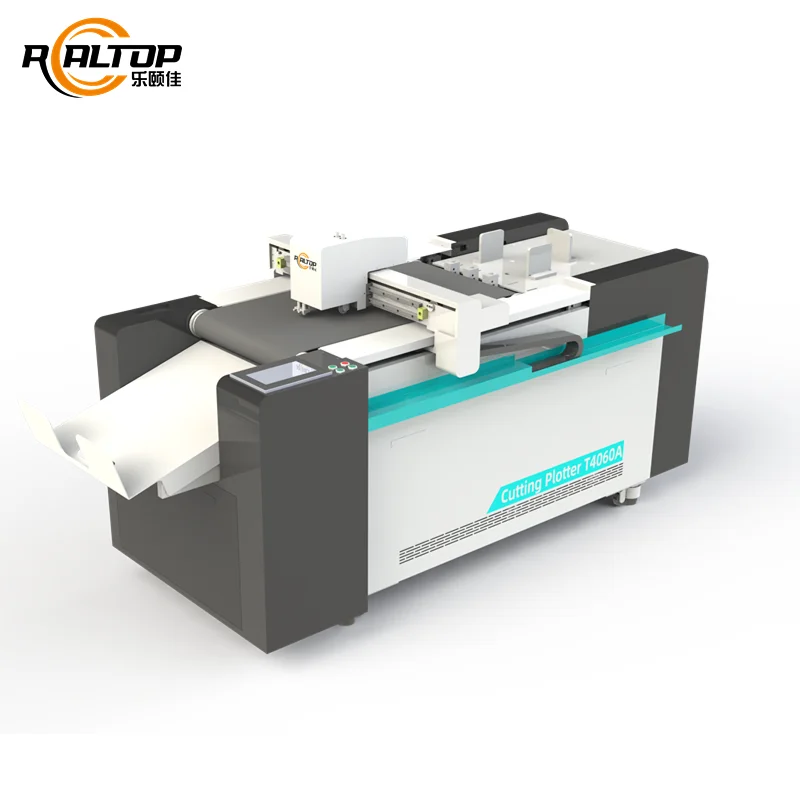
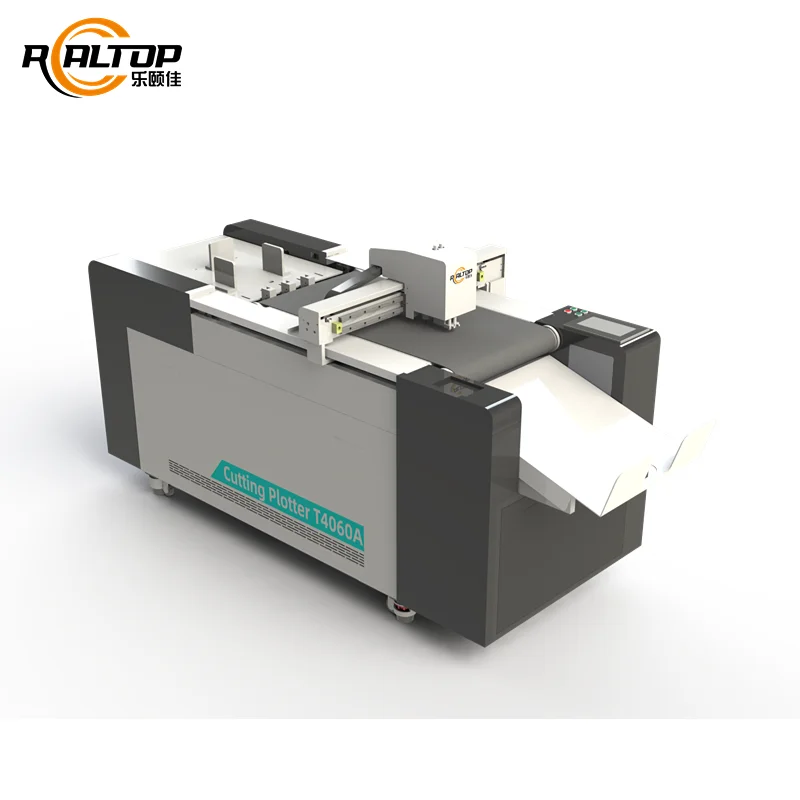
Tool and Table Configuration — each RTT-4060 or RTT-4060Pro ships with a tool head and vacuum zoning plan matched to the buyer’s confirmed material, not a generic default. [NEED_CITE: matching cutting method to substrate type]
Technical Specifications
| Parameter | Value |
|---|---|
| Product Type | Flatbed Digital Cutting Machine |
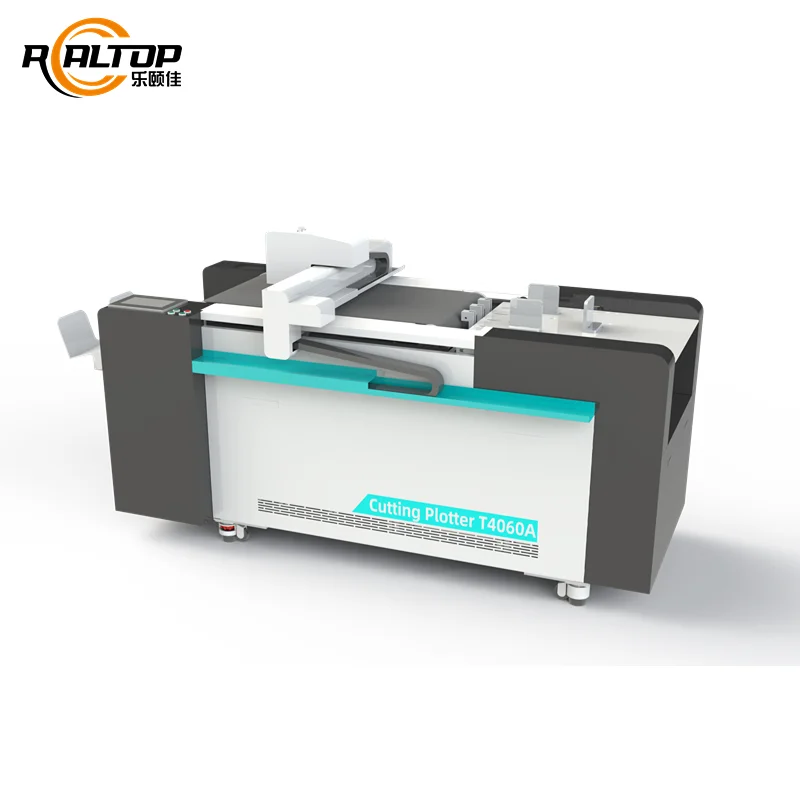
| Model | RTT-4060 / RTT-4060Pro |
| Working Area | 400mm × 600mm |
| Tool Head Options | Cutting tool, kiss cutting tool, creasing tool, CCD camera, high speed oscillating knife (Pro model) |
| Max Cutting Speed | 1500mm/s (according to the material) |
| Cutting Thickness (RTT-4060) | ≤2mm |
| Cutting Thickness (RTT-4060Pro) | ≤5mm |
| Positioning Accuracy | 0.05mm |
| File Formats | DXF, PLT, PDF, AI |
| Transfer Method | Ethernet port |
| Rated Power | 2.5KW |
| Voltage & Frequency | 220V/380V, 50Hz |
| Standards | CE |
Application Suitability
| Application | Material or Output |
|---|---|
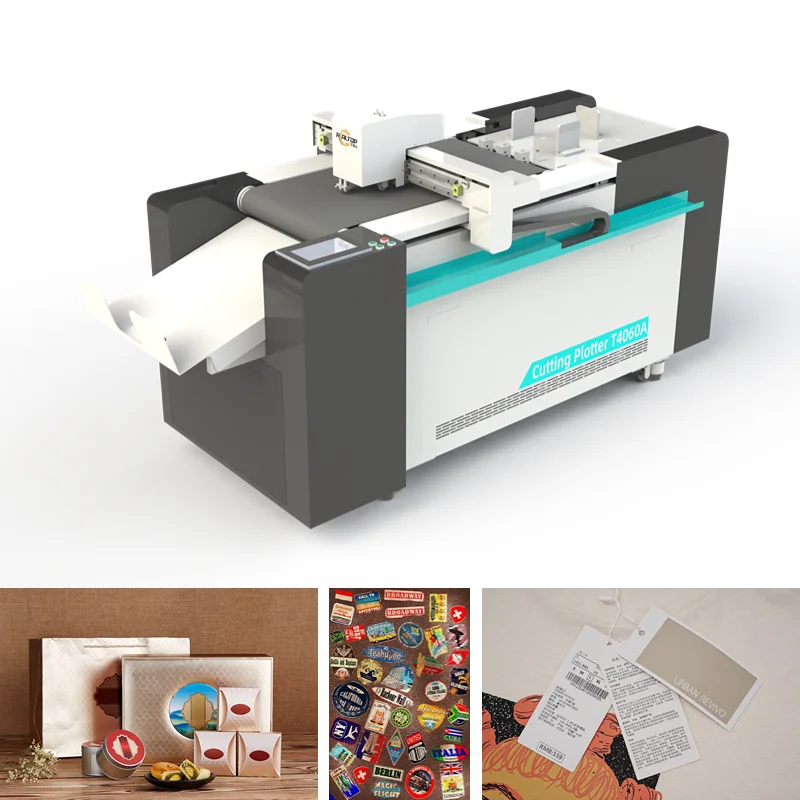
| Packaging prototype and sample making | Cardstock, corrugated board, folding carton stock |
| Thin plastic sheet fabrication | PVC, PET, PP sheets up to rated thickness |
| Cake box and small carton production | Coated paperboard, kraft, specialty packaging substrates |
| Signage and display component cutting | Thin acrylic, vinyl, foam board, magnetic sheet |
| Gasket and seal sampling | Non-asbestos fiber, cork-rubber composite, PTFE sheet |
Why a 400×600mm Bed Size Alone Does Not Guarantee Clean PVC Cuts
The working area tells you what fits on the table; the tool head and vacuum zoning decide whether the cut edge survives inspection.
I remember a PVC packaging buyer who specified his flatbed digital cutting machine by bed size only. The standard test sample cut fine, but his production sheet carried a high calcium carbonate filler load. The edge turned white and chipped across an entire batch. That mismatch was not a machine defect — it was a specification gap. A small-format CNC cutting table for thin plastic and PVC must be configured around the actual substrate chemistry and caliper, not just the footprint [NEED_CITE: substrate filler content effect on knife cutting quality].
Dual Thickness Tiers for Thin Substrate Work
The RTT-4060 handles materials up to 2mm while the RTT-4060Pro extends capacity to 5mm. This split matters because a thin PVC overlay and a 4mm foam gasket demand entirely different downforce and blade geometry. Buyers running exclusively paper and thin vinyl rarely need the Pro, while those sampling multi-layer packaging or denser foam benefit from the extra headroom. Selecting the correct tier avoids both over-specification and the ragged edges that appear when a machine is pushed past its rated depth.
CCD Camera Positioning for Printed Contours
Printed packaging and signage work depends on the flatbed digital cutting machine recognizing registration marks at production speed. The CCD camera option on the RTT-4060 series tracks these marks and adjusts the cut path in real time. Without this, even a slight print-to-sheet offset accumulates across a run, leaving crease lines and cut edges drifting from the graphic. Confirming that the camera can read your specific ink density and mark size before order prevents rework later [NEED_CITE: CCD contour recognition accuracy on printed substrates].
Reading the Spec Sheet Against Your Material Stack
Positioning accuracy of 0.05mm means the knife tip returns to the same coordinate reliably across long runs, which matters when nesting dozens of small carton blanks on a 400×600mm bed. The oscillating knife option on the RTT-4060Pro handles fibrous and foam materials that a static drag knife would crush or tear. File format support for DXF, PLT, PDF and AI means most packaging and signage workflows feed directly into the controller without intermediate conversion. Ethernet transfer keeps the machine on the shop network without relying on USB drives moving between office and floor.
What Happens When the Wrong Tool Head Ships
A drag knife on 3mm foam produces a compressed, torn edge rather than a clean slice. An oscillating knife on thin vinyl can grab and lift the sheet if vacuum zoning is not adjusted for small part geometry. These are not software fixes — they require physical tooling changes and table reconfiguration. Buyers who skip the sample cutting step often discover the mismatch only after the machine arrives and their first production run fails inspection [NEED_CITE: tool head selection impact on edge quality].
Why Buyers Source This Range From Realtop
The RTT-4060 series is designed and built in-house, covering both knife configurations under one production line, so a buyer comparing methods does not have to reconcile data from two separate factories. Tool head and vacuum table zoning are specified per material before the order is locked. Software compatibility with the buyer’s existing DXF or AI workflow is confirmed at the quotation stage, not at commissioning. Voltage and control language are set to the destination market before crating. Every unit ships with a sample cutting report run on the buyer’s own material, providing a documented baseline for acceptance.
Documentation & Verification
- Machine specification sheet listing confirmed tool heads for RTT-4060 or RTT-4060Pro
- Electrical schematic with voltage and frequency matched to destination country
- Sample cutting report on buyer-supplied PVC, paperboard or foam material
- Tool head and vacuum table configuration list per order
- Software licence and file format compatibility note for DXF, PLT, PDF, AI
- Factory test record signed before dispatch
Installation, Commissioning & Support
- 2.5KW rated power requires a dedicated circuit matching confirmed 220V or 380V supply
- 400×600mm working area fits standard workshop floors without special foundation work
- Ethernet port connects to existing shop network for file transfer during commissioning
- First-run parameter setting includes knife depth, oscillation frequency and vacuum zone mapping
- Operator training covers CCD camera calibration for printed contour alignment
- Spare parts list includes replacement blades, creasing wheels and vacuum seals
What to Prepare Before Requesting a Quotation
Send a representative sample of your actual production material — the exact PVC sheet, paperboard grade or foam you run daily — along with target thickness and the file format your design team uses. Specify your local voltage and frequency, preferred control language, and whether your work requires CCD contour tracking. If you have upstream printing or downstream folding equipment, note the brand and model so integration requirements are clear from the start.
Frequently Asked Questions
Q: How do I choose between the RTT-4060 and the RTT-4060Pro for my material?
A: The decision rests on material thickness and density. The RTT-4060 handles substrates up to 2mm, suitable for thin PVC, vinyl and paperboard. The RTT-4060Pro extends to 5mm and adds a high speed oscillating knife option, which is necessary for foam, gasket and denser composite sheets. We cut your actual material sample on both models before you commit.
Q: Which tool head should I use for PVC versus paperboard?
A: PVC sheets typically require a sharp cutting knife with controlled downforce to prevent edge whitening, especially on calcium-filled grades. Paperboard and carton stock often need a combination of cutting and creasing tools in the same job. The RTT-4060 series supports multiple tool heads so both operations run without manual changeover.
Q: Can the machine voltage be configured for my country’s electrical standard?
A: Yes. The RTT-4060 series supports 220V and 380V at 50Hz. Voltage, plug type and frequency are confirmed during the quotation stage and locked before production. This avoids the cost and delay of on-site transformers or rewiring after delivery.
Q: Will my existing DXF and AI files work directly with the controller?
A: The system accepts DXF, PLT, PDF and AI file formats natively. During the pre-order phase we run your actual design files through the software to confirm layer recognition, cut path generation and crease line assignment. Any compatibility issue is resolved before the machine ships.
Q: How does knife cutting compare to laser cutting for thin non-metal materials?
A: Knife cutting produces no heat-affected zone, so PVC and foam edges stay clean without melting or discoloration. Laser cutting seals synthetic textile edges and handles intricate geometry without blade wear. The RTT-4060 series is knife-based; for laser evaluation, a separate product range addresses that process.










商品评价
There are no reviews yet.