


Fast Delivery
Quick, reliable shipping to any location.

Free & easy returns
Return this item by mail or in store within 90 days for a full refund.
Tool head matched to material — We test every buyer’s actual stock on our flatbed vacuum table before locking the oscillating knife speed and blade choice, so edge quality holds up in production, not just on the sample.
Technical Specifications
| Parameter | Value |
|---|---|
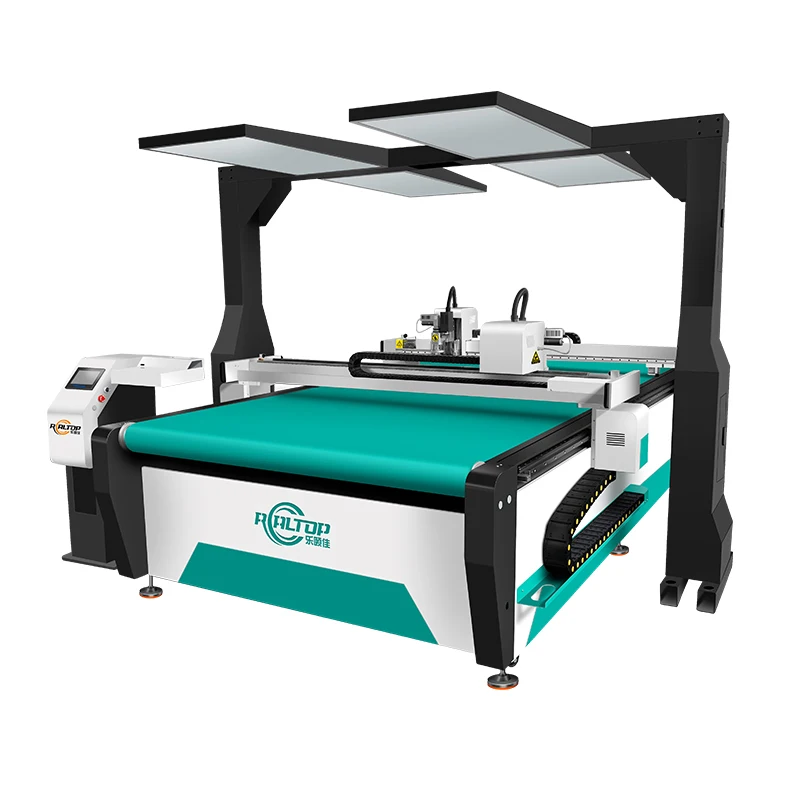
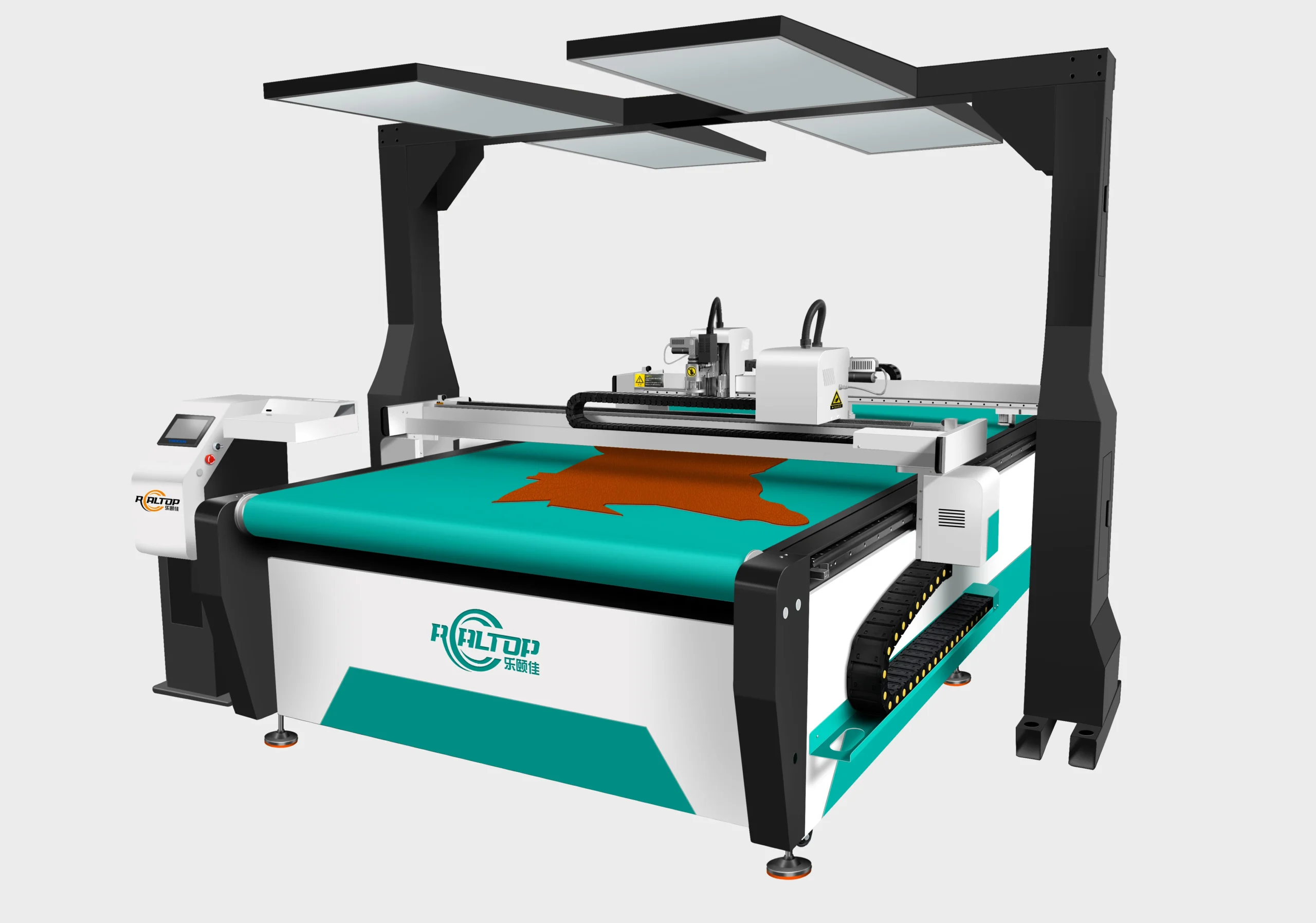
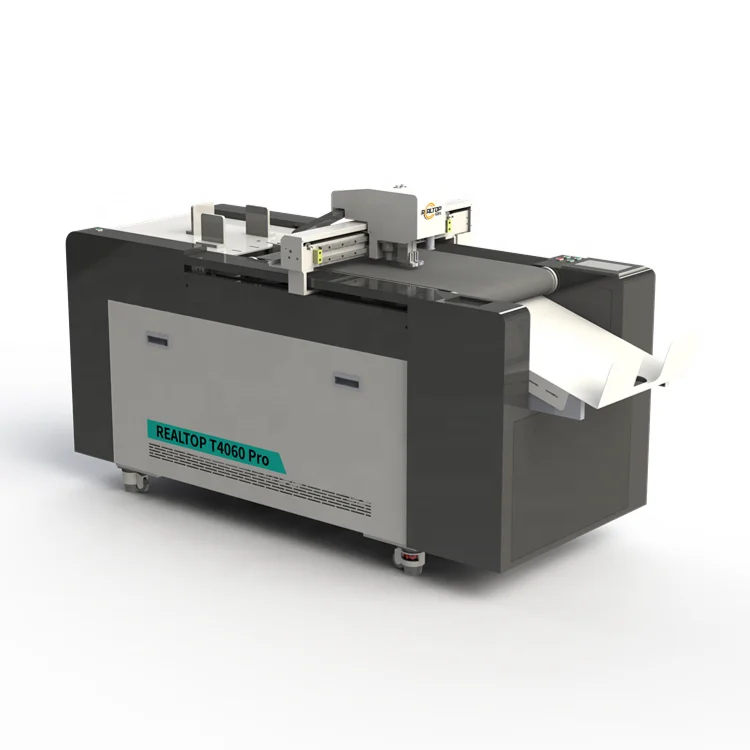
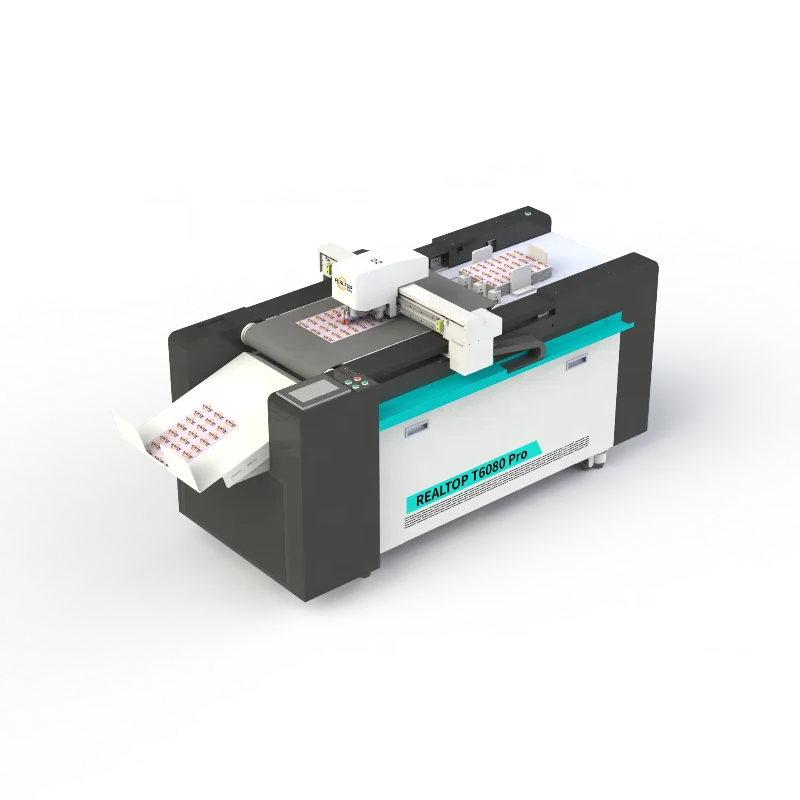
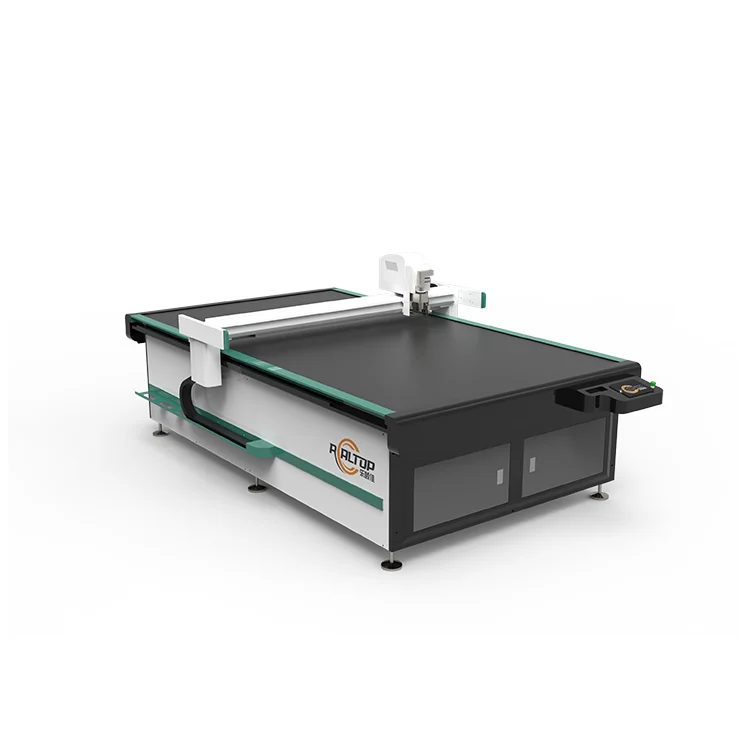
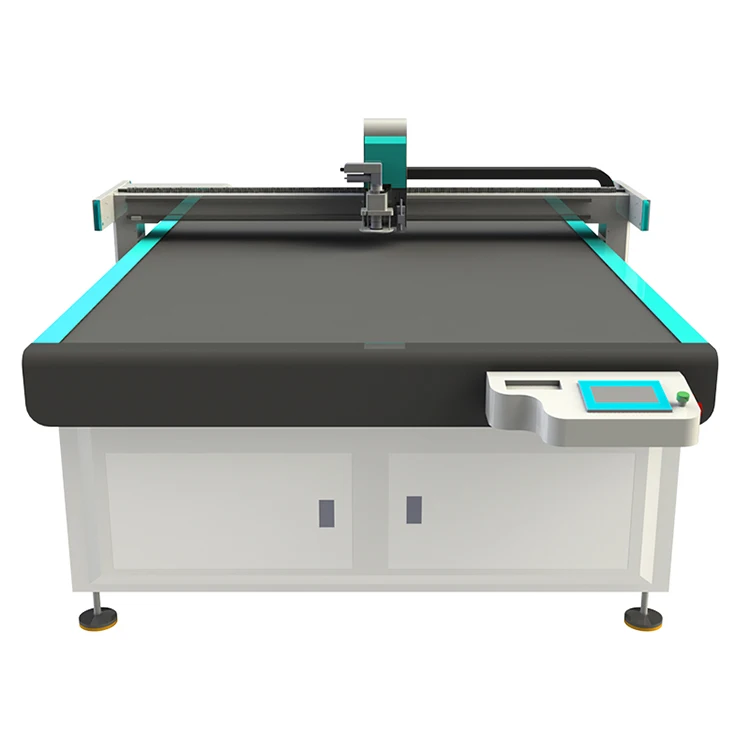
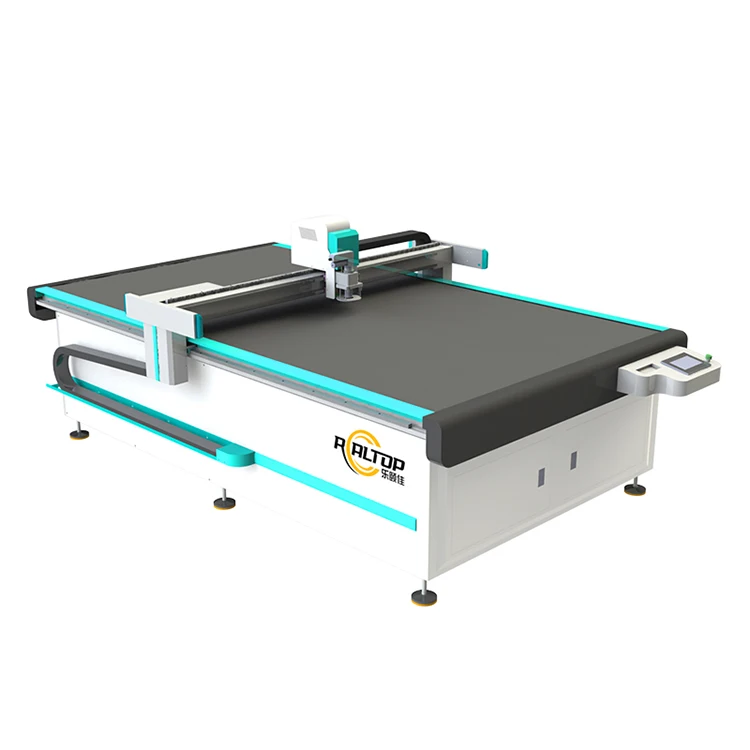
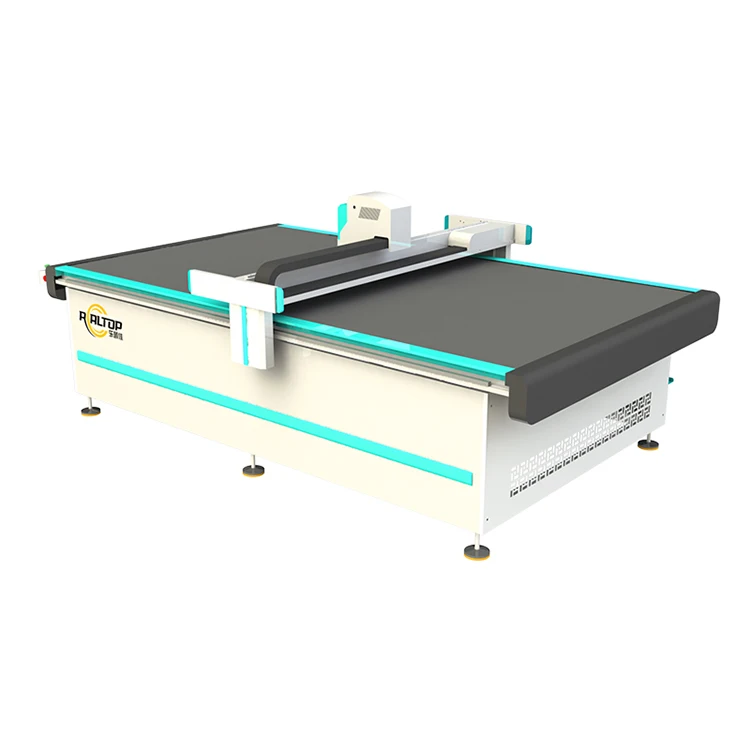
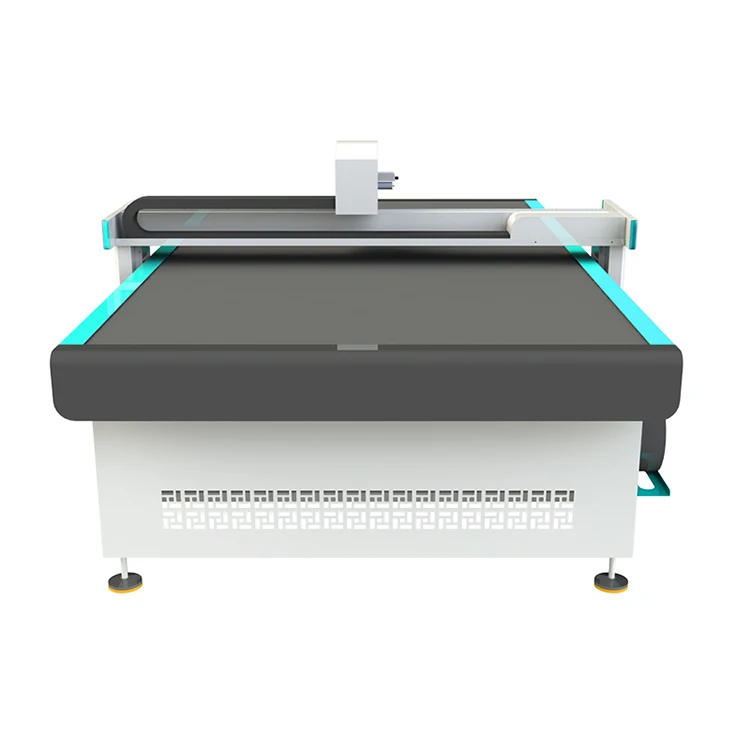
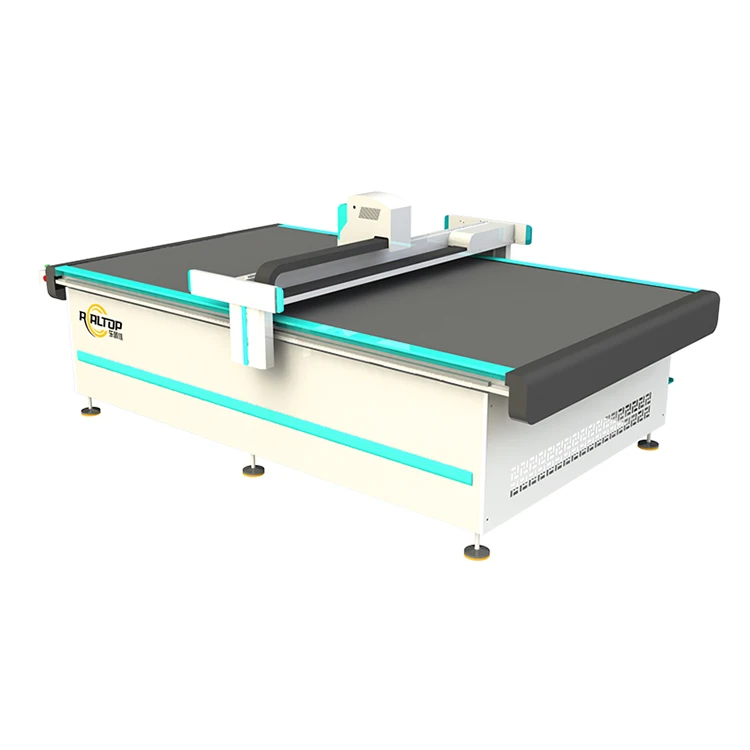
| Product Type | CNC Oscillating Knife Cutting Table |
| Working Area | 1600 × 2500 mm |
| Machine Size | 3450 × 2300 × 1250 mm |
| Rated Power | 9 kW |
| Vacuum Pump | 7.5 kW |
| Table Type | Flatbed aluminum alloy vacuum adsorption with auto-feeding conveyor |
| Translational Velocity | 800–1200 mm/s |
| Repeated Accuracy | ≤ 0.1 mm |
| Transmission System | Digital servo motor, linear guide, synchronous belt, ball screw |
| Servo Motor | Taiwan Delta Servo Motors and Drivers |
| Guide Rail | Taiwan Hiwin rail with lubricating oil seal gear rack drive |
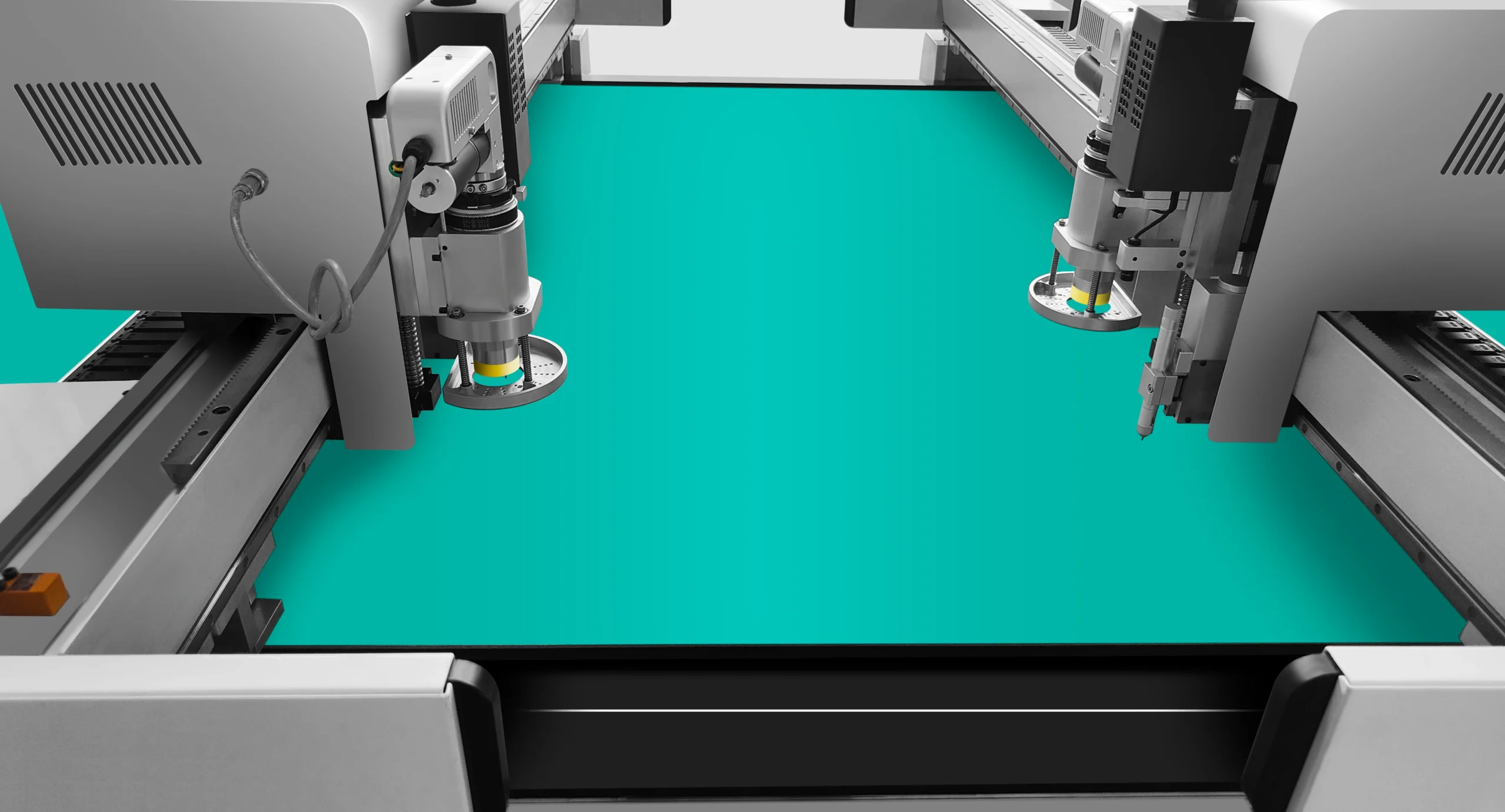
| Tool Head Options | Oscillating knife, pneumatic knife, high-power vibrating knife, circular knife, V-cutting knife, drag knife, creasing wheel, dotted line knife, punching, brush |
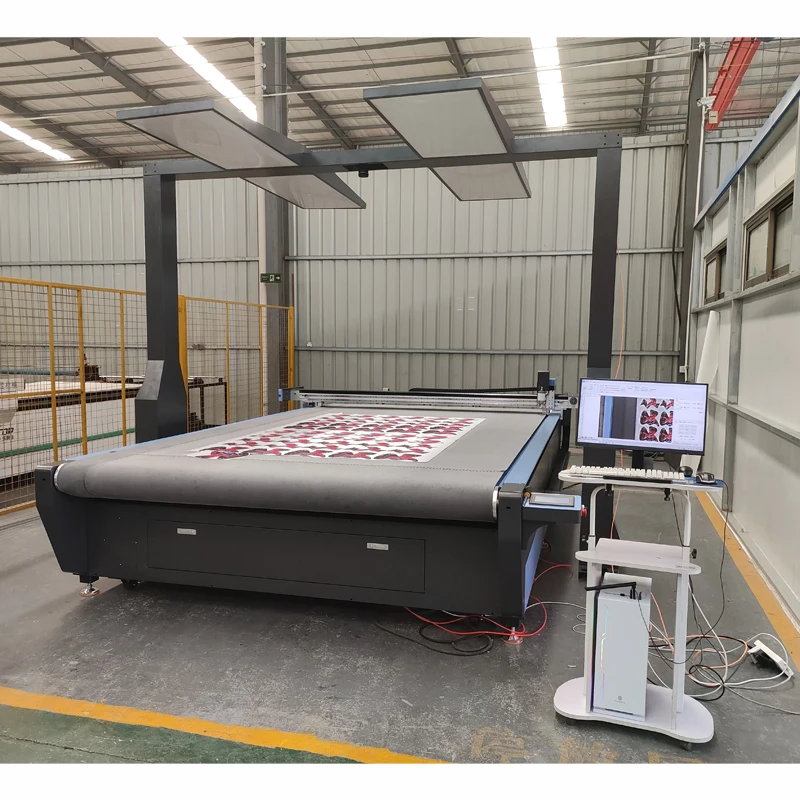
| Vision System | Independent industrial vision system (small CCD mark-point, panoramic camera, or projection positioning) |
| Safety Device | Infrared sensors |
| Voltage | 380V ± 10% |
| Instruction System | HP-GL compatible format |
Application Suitability
| Application | Material or Output |
|---|---|
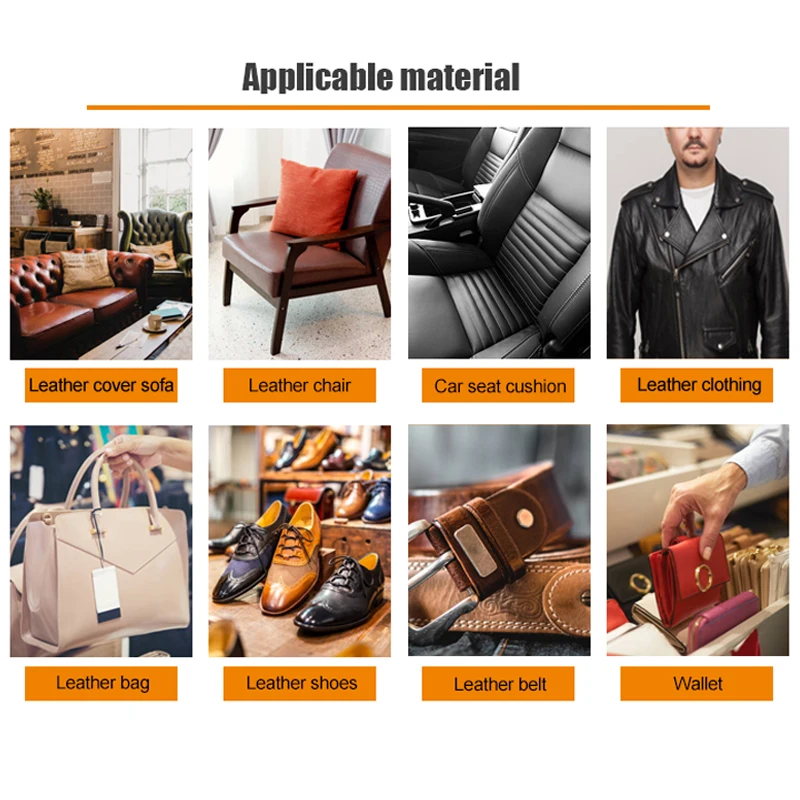
| Automotive interior and floor mats | Leather, PU, EVA, XPE, composite foam, and carpet rolls |
| Garment and footwear production | Clothing cloth, shoe material, luggage material, non-woven fabric |
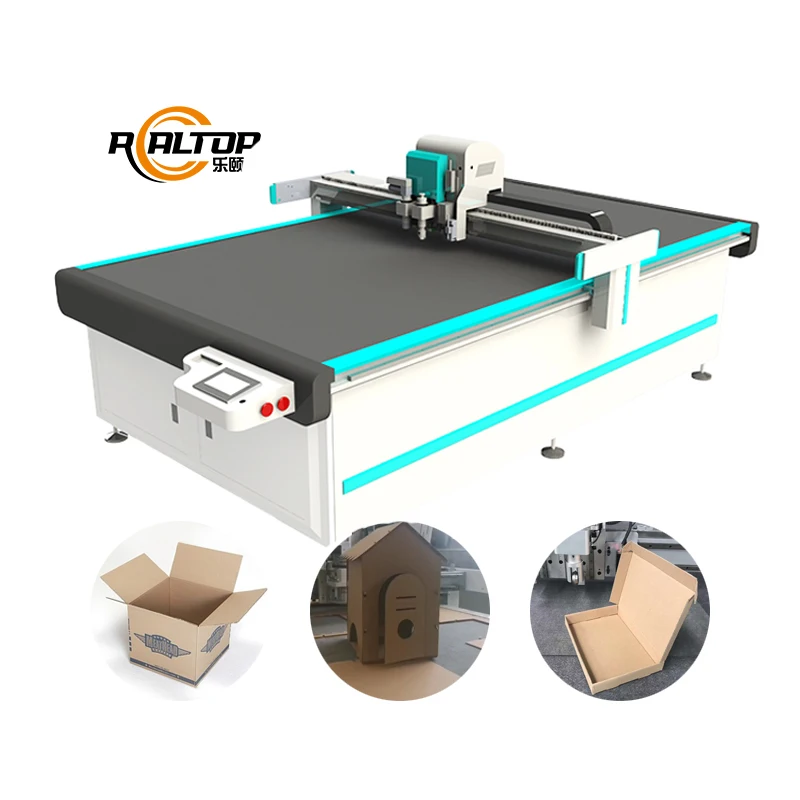
| Packaging and sample making | Cardboard, corrugated cardboard, plastic box, sticker, film |
| Gasket and sealing fabrication | Rubber, PTFE, ETFE, PP, PE, fiberglass, and composite gasket sheets |
| Advertising and soft signage | PVC, foam board, textile, and printed vinyl on conveyor feed |
Why Working Area Alone Is the Wrong Starting Point for a CNC knife cutting machine manufacturer
Edge quality on thick stock depends on the tool head and vacuum zoning, not just table dimensions.
I have seen buyers focus on a 1600 × 2500 mm bed and assume any 20 mm foam or layered leather will cut cleanly across the entire surface. The reality is that a flatbed without proper zone control lets small parts lift at the edges, and an oscillating knife set for standard PU will drag and tear when it hits coated heavy cowhide. The material stack you actually run on the shop floor dictates the blade profile, stroke frequency, and vacuum pull required to hold the sheet flat during the pass [NEED_CITE: CNC flatbed vacuum adsorption zoning principles].
Surveying the Complete Cutting Method Range
A single source covering both oscillating knife and laser technologies means you evaluate the cutting method against your material before narrowing down to a specific machine family. For flexible, layered, or composite materials, the mechanical action of a vibrating blade avoids the burnt edges and fumes associated with thermal processes. This CNC knife cutting machine manufacturer approach lets production managers compare knife, drag, and creasing tool options side-by-side with CO2 or fiber laser capacity, ensuring the chosen process matches the physical properties of the stock rather than forcing the material into an available machine.
Configuring the Tool Head for Actual Stock
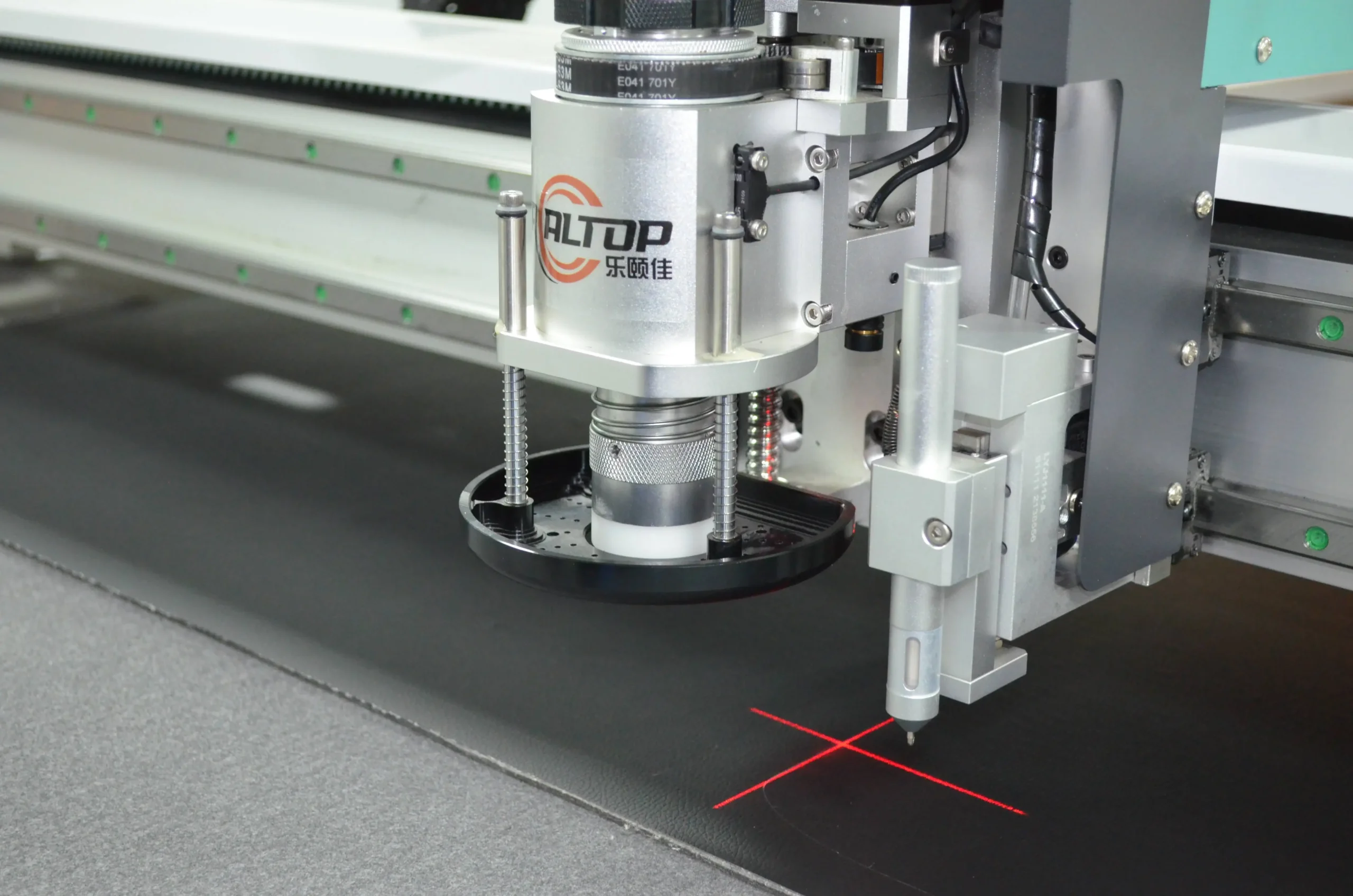
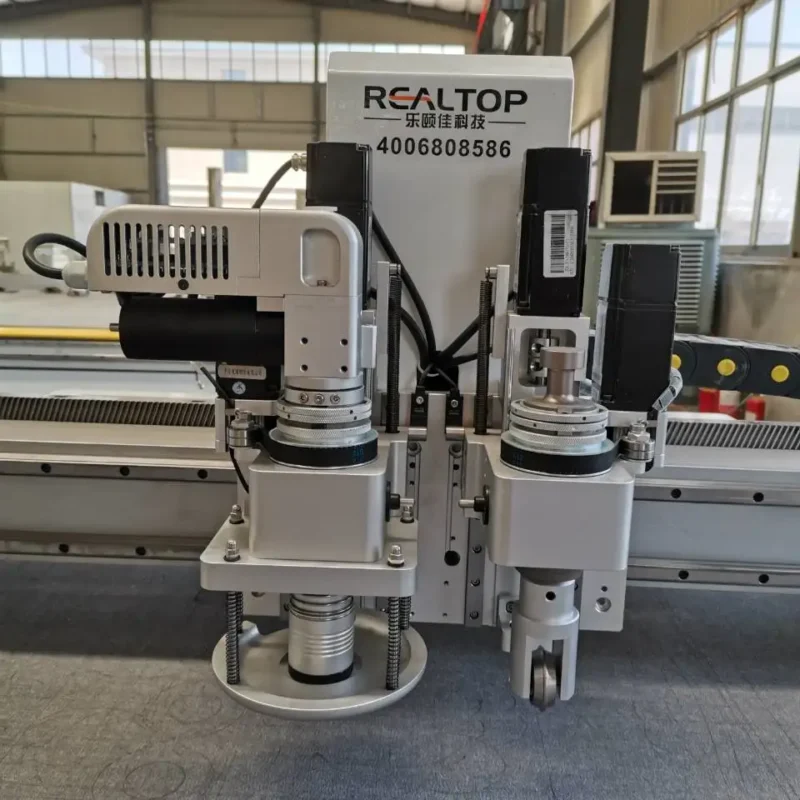
The multifunctional head supports a wide array of inserts, including a Swiss-imported knife with vibration full cutting and half cutting, alongside creasing wheels and punch tools. This flexibility allows a single pass to handle full-size cutting, kiss cutting, slot milling, and marking. When a buyer sends their actual material stack, we run sample cuts to determine whether a high-power vibrating knife or a standard oscillating blade provides the clean edge needed, preventing the ragged output that occurs when a tool head is chosen on paper alone [NEED_CITE: oscillating knife tooling selection for composite materials].
Motion Components and Repeatability
The transmission system relies on Taiwan Delta servo motors paired with Hiwin linear guides and a gear rack drive. This setup delivers a repeated accuracy of ≤ 0.1 mm, which is critical when cutting tight-tolerance gaskets or intricate garment patterns where a fraction of a millimeter affects assembly. The hard steel frame and unique beam structure provide the rigidity needed to maintain this precision at translational velocities between 800 and 1200 mm/s, ensuring that the cutting path remains true even when processing dense rubber or multi-layer foam.
The Cost of Skipping the Material Test
Locking in a configuration based only on a data sheet often leads to throughput loss once the machine is installed. If the vacuum table zoning is insufficient for the small parts in your nesting layout, those pieces will shift, ruining the batch and the material. Likewise, a software workflow that cannot import your existing CAD files or nesting logic forces a complete reprogramming of the production floor, creating delays that are far more expensive than the machine itself [NEED_CITE: CNC software nesting and file format compatibility].
Why Source From This Manufacturer
- In-house design across methods: We build both knife and laser systems, allowing you to select the correct technology for your material rather than adapting your production to a single process.
- Material-specific configuration: Every tool head and table setup is specified based on the buyer’s material type, thickness, and daily volume.
- Pre-order verification: We provide a sample cutting report on your actual stock, confirming edge quality and cutting depth before the order is finalized.
- Software and voltage confirmation: We verify file format compatibility and customize voltage, plugs, and control language to match the facility requirements before shipment.
Documentation & Verification
- Machine specification sheet detailing the selected tool head and vacuum table configuration.
- Electrical schematic and voltage confirmation matching the destination facility.
- Sample cutting report on buyer-provided material verifying edge finish.
- Factory test record showing repeatability and translational velocity performance.
- Software license and file format compatibility note for existing workflows.
- Operation and maintenance manual with customizable control language.
Installation, Commissioning & Support
- Foundation must support the 3450 × 2300 × 1250 mm footprint and dynamic load of the moving beam.
- Dedicated 380V ± 10% circuit required to handle the 9 kW rated power plus 7.5 kW vacuum pump.
- Assembly of the hard steel frame and conveyor belt system upon arrival at the facility.
- Calibration of the CCD camera mark-point or panoramic vision system for printed contour work.
- Training on the pattern cutting design software, including nesting and irregular contour recognition.
- Scheduled inspection of the Hiwin rail lubrication and synchronous belt tension.
Preparing Your Inquiry
To ensure the CNC knife cutting machine manufacturer configuration matches your production, please provide the material type, maximum thickness, and sheet dimensions. We also need your daily volume targets and details on any existing nesting software or file formats in use. Finally, confirm the local voltage and frequency, as well as the preferred language for the control interface.
Frequently Asked Questions
Q: How do we decide between knife and laser cutting for our material?
A: Knife cutting is typically selected for flexible, layered, or composite materials where thermal damage or fumes are a concern, while laser is used for acrylic, wood, or sheet metal. We evaluate your specific stock to recommend the method that provides the cleanest edge and highest yield.
Q: Which tool head is right for our specific material?
A: The choice between an oscillating knife, drag knife, or creasing wheel depends on the material density and required edge finish. We run samples on your actual stock to determine the optimal blade and stroke frequency, ensuring the cut is clean without crushing the material.
Q: How does vacuum zoning affect cutting small parts?
A: If the vacuum zones are too large, small parts will not be held firmly and can shift during the cut. Our flatbed tables feature aluminum alloy vacuum adsorption designed to secure the material across the 1600 × 2500 mm working area, and we verify the hold-down on your specific part nesting.
Q: How is the vision system used for printed material?
A: The independent industrial vision system uses CCD camera mark-point positioning or panoramic recognition to track printed contours. This allows the machine to adjust the cutting path in real-time, compensating for any distortion or misalignment in the printed graphics.
Q: What is confirmed before the machine is shipped?
A: We confirm the electrical schematic and voltage, the tool head configuration, and the software license. We also provide a file format compatibility note to ensure the machine integrates with your existing design workflow without requiring new software.
Tool head matched to material — We test every buyer’s actual stock on our flatbed vacuum table before locking the oscillating knife speed and blade choice, so edge quality holds up in production, not just on the sample.
Technical Specifications
| Parameter | Value |
|---|---|
| Product Type | CNC Oscillating Knife Cutting Table |
| Working Area | 1600 × 2500 mm |
| Machine Size | 3450 × 2300 × 1250 mm |
| Rated Power | 9 kW |
| Vacuum Pump | 7.5 kW |
| Table Type | Flatbed aluminum alloy vacuum adsorption with auto-feeding conveyor |
| Translational Velocity | 800–1200 mm/s |
| Repeated Accuracy | ≤ 0.1 mm |
| Transmission System | Digital servo motor, linear guide, synchronous belt, ball screw |
| Servo Motor | Taiwan Delta Servo Motors and Drivers |
| Guide Rail | Taiwan Hiwin rail with lubricating oil seal gear rack drive |
| Tool Head Options | Oscillating knife, pneumatic knife, high-power vibrating knife, circular knife, V-cutting knife, drag knife, creasing wheel, dotted line knife, punching, brush |
| Vision System | Independent industrial vision system (small CCD mark-point, panoramic camera, or projection positioning) |
| Safety Device | Infrared sensors |
| Voltage | 380V ± 10% |
| Instruction System | HP-GL compatible format |
Application Suitability
| Application | Material or Output |
|---|---|
| Automotive interior and floor mats | Leather, PU, EVA, XPE, composite foam, and carpet rolls |
| Garment and footwear production | Clothing cloth, shoe material, luggage material, non-woven fabric |
| Packaging and sample making | Cardboard, corrugated cardboard, plastic box, sticker, film |
| Gasket and sealing fabrication | Rubber, PTFE, ETFE, PP, PE, fiberglass, and composite gasket sheets |
| Advertising and soft signage | PVC, foam board, textile, and printed vinyl on conveyor feed |
Why Working Area Alone Is the Wrong Starting Point for a CNC knife cutting machine manufacturer
Edge quality on thick stock depends on the tool head and vacuum zoning, not just table dimensions.
I have seen buyers focus on a 1600 × 2500 mm bed and assume any 20 mm foam or layered leather will cut cleanly across the entire surface. The reality is that a flatbed without proper zone control lets small parts lift at the edges, and an oscillating knife set for standard PU will drag and tear when it hits coated heavy cowhide. The material stack you actually run on the shop floor dictates the blade profile, stroke frequency, and vacuum pull required to hold the sheet flat during the pass [NEED_CITE: CNC flatbed vacuum adsorption zoning principles].
Surveying the Complete Cutting Method Range
A single source covering both oscillating knife and laser technologies means you evaluate the cutting method against your material before narrowing down to a specific machine family. For flexible, layered, or composite materials, the mechanical action of a vibrating blade avoids the burnt edges and fumes associated with thermal processes. This CNC knife cutting machine manufacturer approach lets production managers compare knife, drag, and creasing tool options side-by-side with CO2 or fiber laser capacity, ensuring the chosen process matches the physical properties of the stock rather than forcing the material into an available machine.
Configuring the Tool Head for Actual Stock
The multifunctional head supports a wide array of inserts, including a Swiss-imported knife with vibration full cutting and half cutting, alongside creasing wheels and punch tools. This flexibility allows a single pass to handle full-size cutting, kiss cutting, slot milling, and marking. When a buyer sends their actual material stack, we run sample cuts to determine whether a high-power vibrating knife or a standard oscillating blade provides the clean edge needed, preventing the ragged output that occurs when a tool head is chosen on paper alone [NEED_CITE: oscillating knife tooling selection for composite materials].
Motion Components and Repeatability
The transmission system relies on Taiwan Delta servo motors paired with Hiwin linear guides and a gear rack drive. This setup delivers a repeated accuracy of ≤ 0.1 mm, which is critical when cutting tight-tolerance gaskets or intricate garment patterns where a fraction of a millimeter affects assembly. The hard steel frame and unique beam structure provide the rigidity needed to maintain this precision at translational velocities between 800 and 1200 mm/s, ensuring that the cutting path remains true even when processing dense rubber or multi-layer foam.
The Cost of Skipping the Material Test
Locking in a configuration based only on a data sheet often leads to throughput loss once the machine is installed. If the vacuum table zoning is insufficient for the small parts in your nesting layout, those pieces will shift, ruining the batch and the material. Likewise, a software workflow that cannot import your existing CAD files or nesting logic forces a complete reprogramming of the production floor, creating delays that are far more expensive than the machine itself [NEED_CITE: CNC software nesting and file format compatibility].
Why Source From This Manufacturer
- In-house design across methods: We build both knife and laser systems, allowing you to select the correct technology for your material rather than adapting your production to a single process.
- Material-specific configuration: Every tool head and table setup is specified based on the buyer’s material type, thickness, and daily volume.
- Pre-order verification: We provide a sample cutting report on your actual stock, confirming edge quality and cutting depth before the order is finalized.
- Software and voltage confirmation: We verify file format compatibility and customize voltage, plugs, and control language to match the facility requirements before shipment.
Documentation & Verification
- Machine specification sheet detailing the selected tool head and vacuum table configuration.
- Electrical schematic and voltage confirmation matching the destination facility.
- Sample cutting report on buyer-provided material verifying edge finish.
- Factory test record showing repeatability and translational velocity performance.
- Software license and file format compatibility note for existing workflows.
- Operation and maintenance manual with customizable control language.
Installation, Commissioning & Support
- Foundation must support the 3450 × 2300 × 1250 mm footprint and dynamic load of the moving beam.
- Dedicated 380V ± 10% circuit required to handle the 9 kW rated power plus 7.5 kW vacuum pump.
- Assembly of the hard steel frame and conveyor belt system upon arrival at the facility.
- Calibration of the CCD camera mark-point or panoramic vision system for printed contour work.
- Training on the pattern cutting design software, including nesting and irregular contour recognition.
- Scheduled inspection of the Hiwin rail lubrication and synchronous belt tension.
Preparing Your Inquiry
To ensure the CNC knife cutting machine manufacturer configuration matches your production, please provide the material type, maximum thickness, and sheet dimensions. We also need your daily volume targets and details on any existing nesting software or file formats in use. Finally, confirm the local voltage and frequency, as well as the preferred language for the control interface.
Frequently Asked Questions
Q: How do we decide between knife and laser cutting for our material?
A: Knife cutting is typically selected for flexible, layered, or composite materials where thermal damage or fumes are a concern, while laser is used for acrylic, wood, or sheet metal. We evaluate your specific stock to recommend the method that provides the cleanest edge and highest yield.
Q: Which tool head is right for our specific material?
A: The choice between an oscillating knife, drag knife, or creasing wheel depends on the material density and required edge finish. We run samples on your actual stock to determine the optimal blade and stroke frequency, ensuring the cut is clean without crushing the material.
Q: How does vacuum zoning affect cutting small parts?
A: If the vacuum zones are too large, small parts will not be held firmly and can shift during the cut. Our flatbed tables feature aluminum alloy vacuum adsorption designed to secure the material across the 1600 × 2500 mm working area, and we verify the hold-down on your specific part nesting.
Q: How is the vision system used for printed material?
A: The independent industrial vision system uses CCD camera mark-point positioning or panoramic recognition to track printed contours. This allows the machine to adjust the cutting path in real-time, compensating for any distortion or misalignment in the printed graphics.
Q: What is confirmed before the machine is shipped?
A: We confirm the electrical schematic and voltage, the tool head configuration, and the software license. We also provide a file format compatibility note to ensure the machine integrates with your existing design workflow without requiring new software.
商品评价
There are no reviews yet.