

Fast Delivery
Quick, reliable shipping to any location.

Free & easy returns
Return this item by mail or in store within 90 days for a full refund.
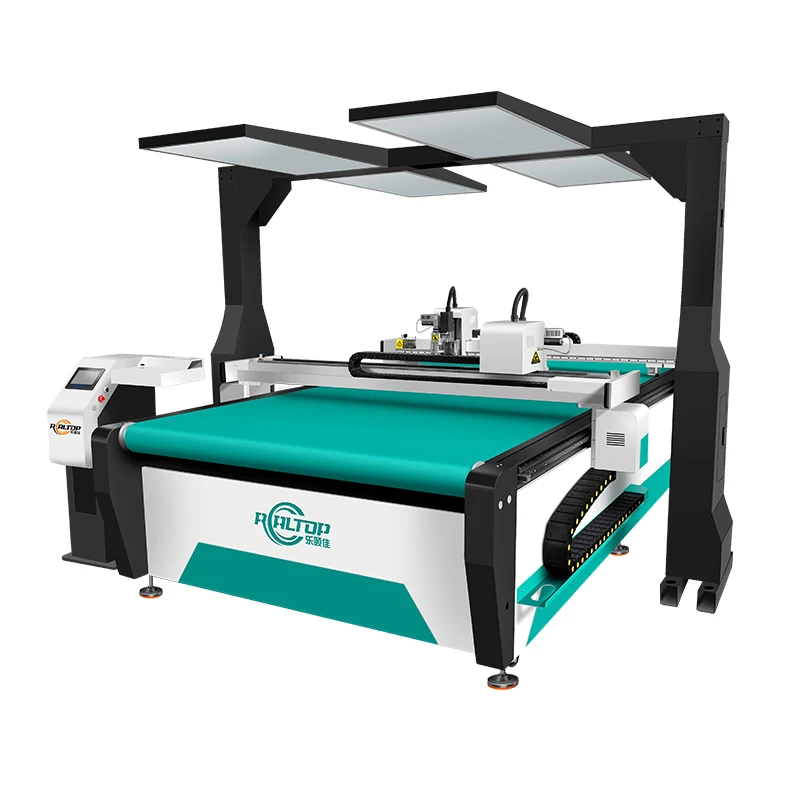
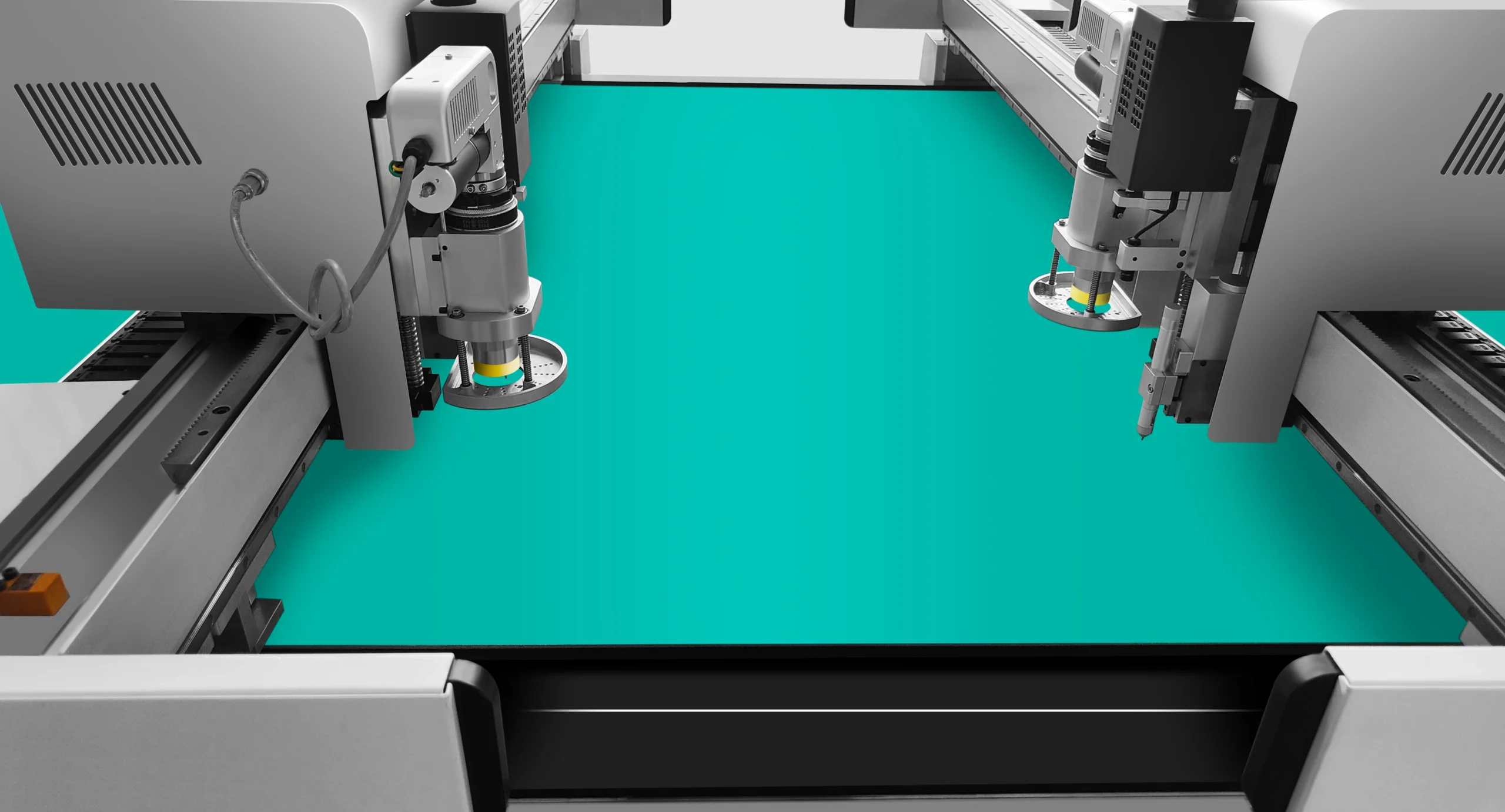
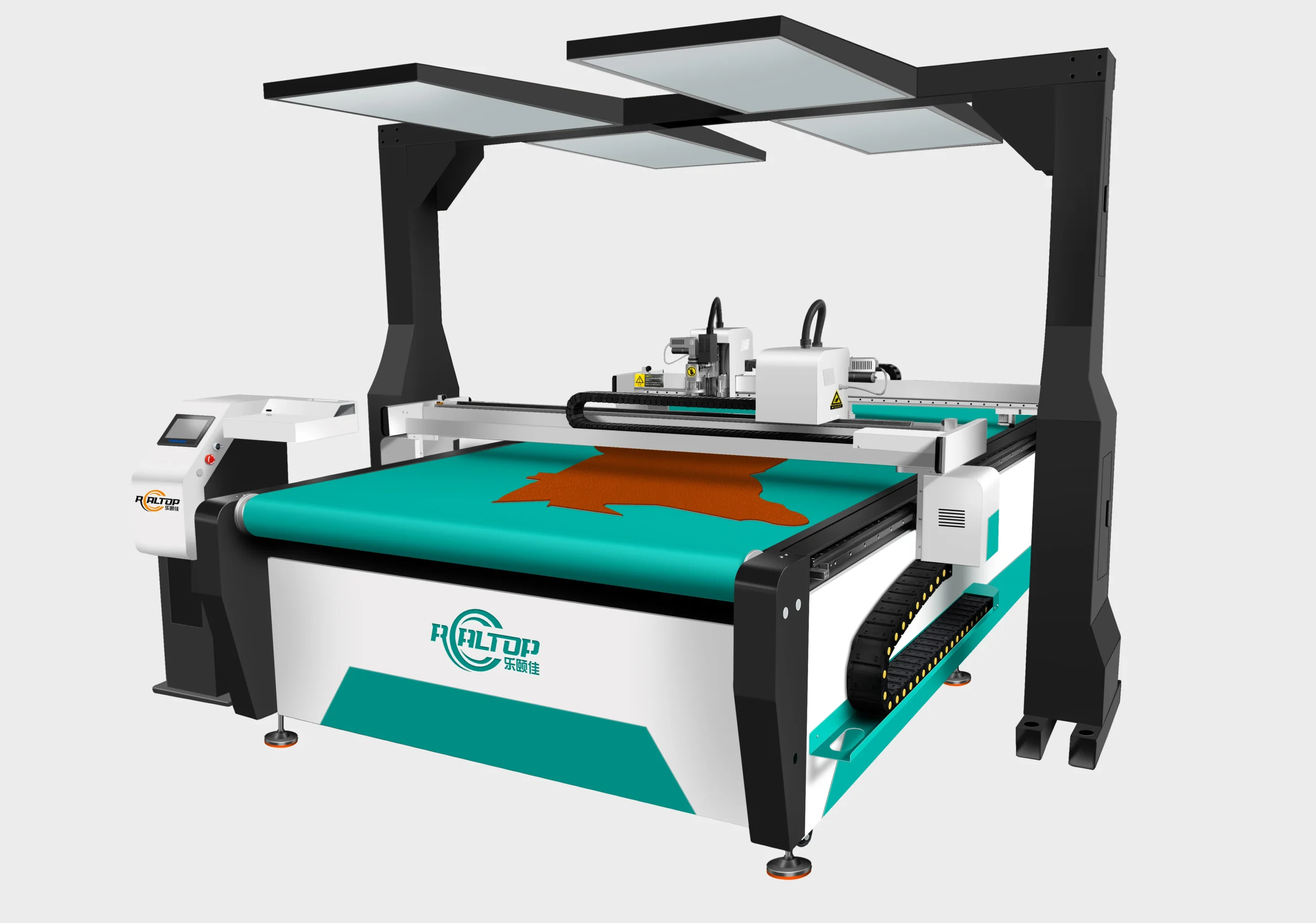
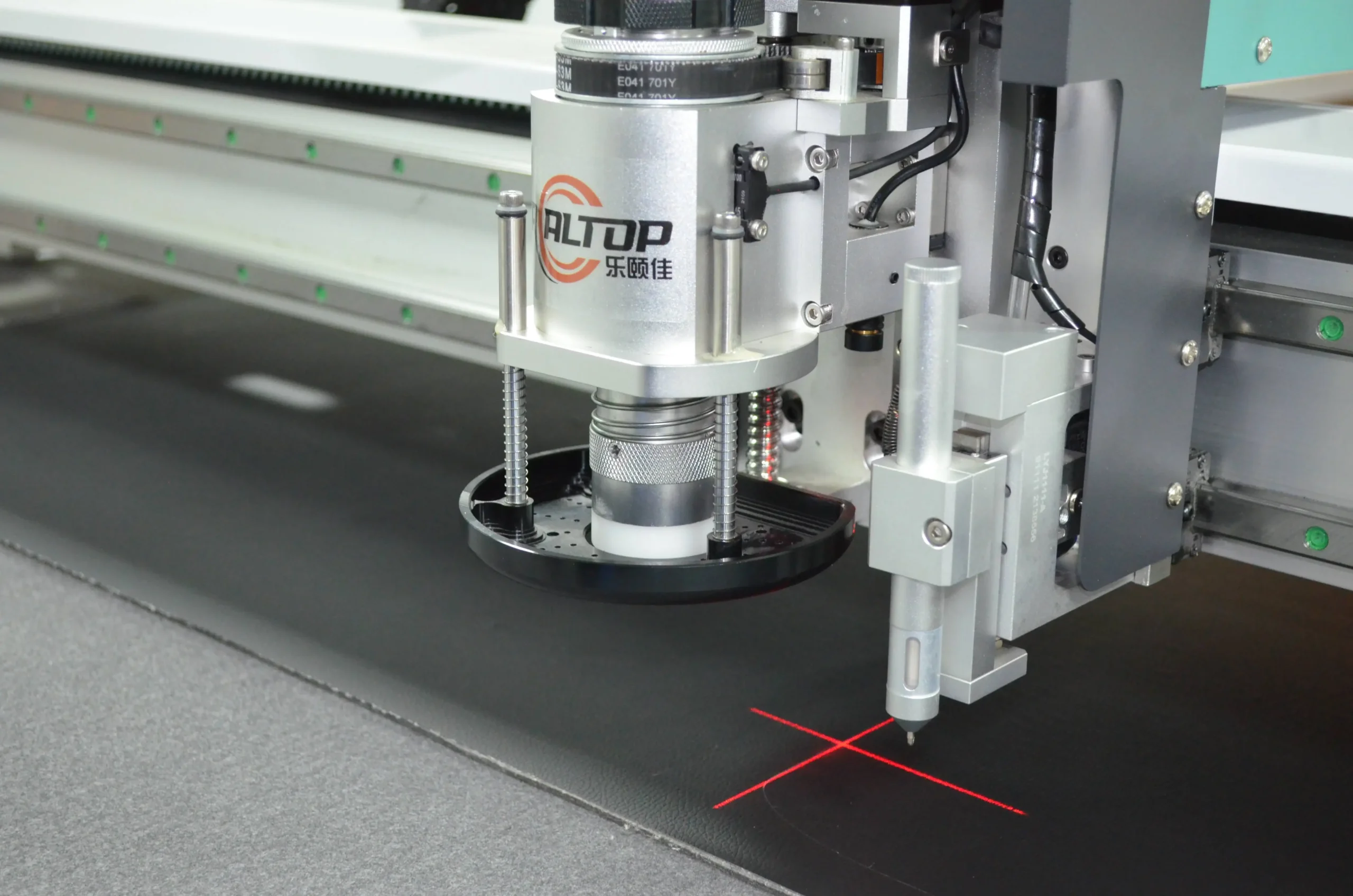
Tool Head Menu Matched to Material — The RT-D2516/RT-S2516 ships with oscillating, drag, creasing and marking heads specified per material rather than forcing one method across every job.
Technical Specifications
| Parameter | Value |
|---|---|
| Model | RT-D2516 / RT-S2516 |
| Product Type | CNC Flatbed Digital Cutting Machine |
| Working Area | 1600 × 2500 mm |
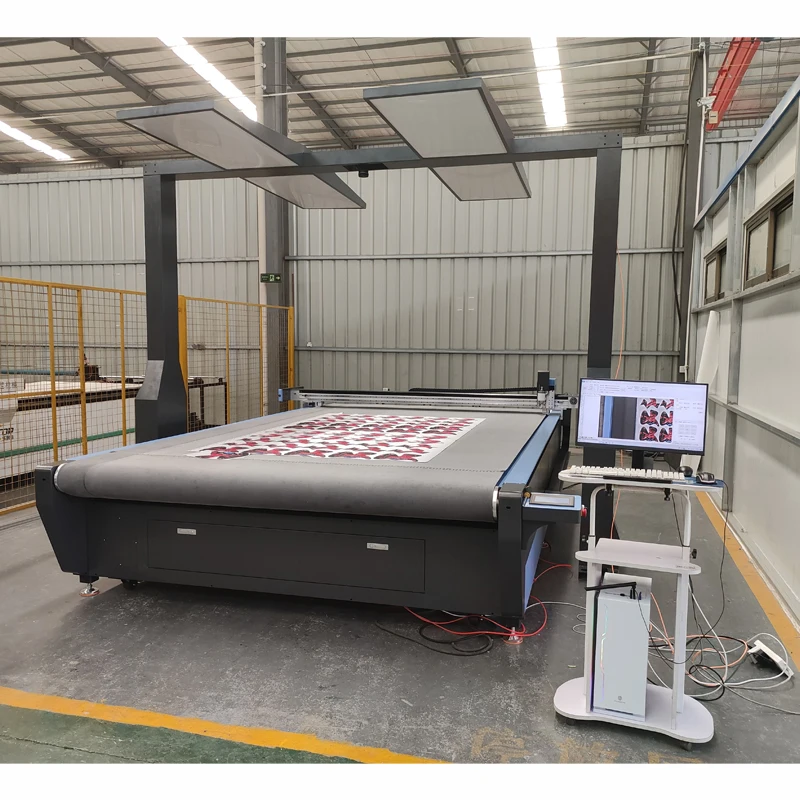
| Machine Size | 3450 × 2300 × 1250 mm |
| Rated Power | 9 kW |
| Working Table | Flatbed with 7.5 kW vacuum pump |
| Multifunctional Head | Swiss imported knife: vibration full cutting, vibration half cutting, cursor location |
| Translational Velocity | 800–1200 mm/s |
| Cutting Thickness | 20–80 mm (according to different cutting materials) |
| Repeated Accuracy | ≤ 0.1 mm |
| Transmission System | Digital servo motor, linear guide, synchronous belt, ball screw |
| Vision System | CCD camera mark point / panoramic camera recognition / projection positioning (optional) |
| Instruction System | HP-GL compatible format |
| Voltage | 380 V ± 10 % |
| Drive & Motion | Delta servo motor, Taiwan Hiwin rail, Germany imported conveyor belt |
| Safety Device | Infrared sensors |
| Feeding | Auto feeding with conveyor |
| Certifications | 5 patents technology certification; CE |
Application Suitability
| Application | Material or Output |
|---|---|
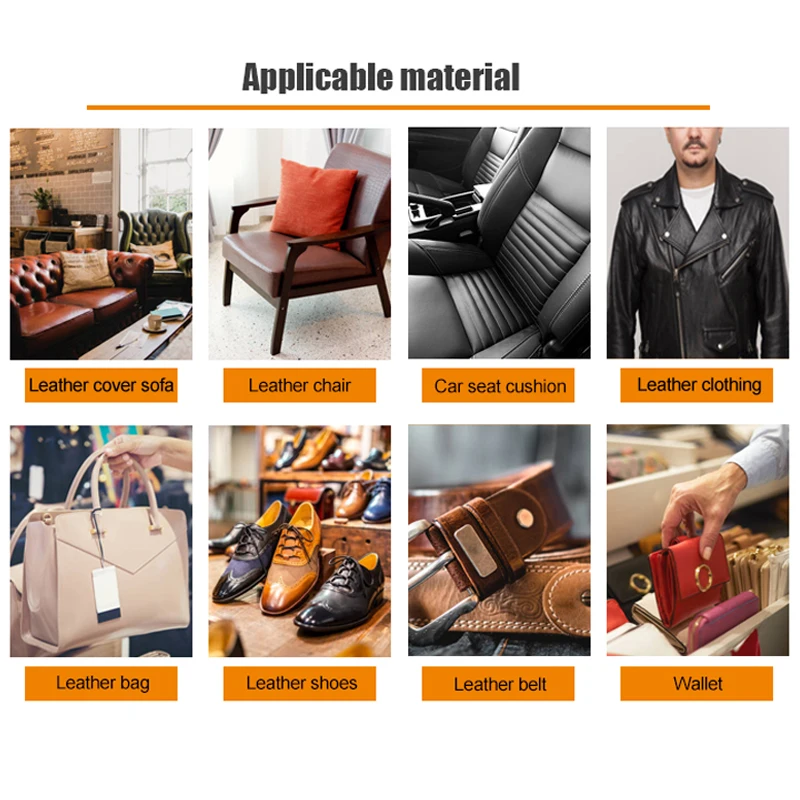
| Automotive interior trimming | Multi-layer composite leather, sponge composite leather, PU, EVA |
| Garment and footwear production | Natural leather, synthetic leather, clothing cloth, shoe material, luggage material |
| Signage and graphic printing | PVC, soft glass, sticker, film, corrugated cardboard |
| Soft furnishings and carpets | Fabric, textile, carpet, sponge, non-woven fabric |
| Gasket and sealing fabrication | Rubber, PTFE, ETFE, fiberglass, composite materials |
| Packaging sample making | Cardboard, plastic box, corrugated cardboard, PP, PE |
Why Cutting Thickness Matters More Than Working Area
A flatbed size that fits your sheet means nothing when the knife head cannot penetrate the material stack at production speed.
Early in my career sourcing for an automotive interior plant in Europe, I specified a flatbed cutter strictly on table dimensions. The machine arrived, ran single-layer synthetic leather without issue, and then choked on the multi-layer sponge composite leather the plant actually used most days. The tool head was wrong for the stack height, edge quality collapsed, and we spent months swapping knife assemblies. That mismatch is the most common failure I see when buyers survey a complete CNC flatbed cutting machine range and choose on footprint alone [NEED_CITE: common causes of CNC knife cutting machine specification errors].
Matching the Knife Head to the Material Family
When you look across the full catalogue, the first decision is not size but cutting method. Oscillating knife handles dense composites, foam and multi-layer leather; drag knife suits vinyl, sticker and thin film; creasing wheel scores cardboard and corrugated board for folding. Each head mounts on the same multifunctional carriage, so the machine configuration follows the material rather than the other way round.
Vision Systems Across the Product Range
Printed contour cutting introduces a second variable. Small CCD mark point positioning tracks registration marks at standard speed for label and sticker work. Panoramic camera recognition covers the full bed for textile and sublimation print jobs where mark placement varies. Projection positioning overlays the cut path onto the material for manual alignment on patterned fabric. Choosing the right vision option prevents the situation where contour recognition is promised but cannot keep up at production throughput [NEED_CITE: CCD versus panoramic vision accuracy on digital cutting tables].
Reading the Spec Sheet Without Under-Specifying
The 1600 × 2500 mm working area of the RT-D2516/RT-S2516 sits within a broader family from compact to large format. Cutting thickness is listed at 20–80 mm depending on material, which means the actual stack height you can run depends on density and tool head selection, not a single number. Repeated accuracy at ≤ 0.1 mm holds across the range because Delta servo motors and Taiwan Hiwin rails are standard, not optional upgrades. Translational velocity reaches 800–1200 mm/s, but real cutting speed is always a function of material resistance, knife frequency and vacuum hold-down. The 7.5 kW vacuum pump and zoned table keep small parts from lifting — a detail that only matters once you have experienced parts drifting mid-cut.
What a Wrong Configuration Costs in Production
Select a drag knife for 40 mm sponge composite leather and the edge will tear rather than shear. Skip vacuum zoning and small gasket pieces lift off the table during high-speed passes. Run printed contour jobs without confirming that the CCD system tracks marks at your actual feed rate and you will sort rejected parts all shift. Every one of these failures traces back to a specification conversation that stopped at working area and price [NEED_CITE: impact of incorrect vacuum zoning on CNC cutting small parts].
Why Buyers Survey the Full Range Here
In-house design covers both knife and laser cutting, so you compare methods side by side instead of being steered toward one technology. Tool head and table configuration are specified per material and volume, not quoted from a fixed list. CCD camera positioning, panoramic vision and projection are all available, each matched to a different production scenario. Software compatibility with HP-GL format and nesting workflows is confirmed before the order is placed. Sample cutting on your own material runs before commitment, so edge quality is verified rather than promised. Voltage, control language and plug type are documented before the crate is closed.
Documentation & Verification
- Machine specification sheet listing working area, tool head options and table configuration per model
- Electrical schematic with 380 V ± 10 % baseline and voltage customization note for your market
- Sample cutting report produced on your leather, foam or composite material before dispatch
- Tool head and vacuum table configuration list matched to your material thickness and part geometry
- Software licence and HP-GL file format compatibility note confirming nesting workflow support
- Factory test record documenting repeated accuracy and cutting edge quality on your sample
Installation, Commissioning & Support
- Floor space of 3450 × 2300 mm required with clearance for auto feeding conveyor and material loading
- Dedicated 380 V ± 10 % circuit rated for the 9 kW total load plus 7.5 kW vacuum pump
- Machine ships in single flatbed assembly; table and gantry alignment verified at installation
- First-run parameter setting for oscillation frequency, vacuum zone mapping and CCD calibration on your material
- Operator training covering tool head changeover, nesting software and vision system alignment
- Spare knife blades, vacuum seals and drive belts included in initial consumables kit
What to Share Before Requesting a Quotation
Send material type, maximum thickness and sheet dimensions so the correct tool head and vacuum zoning can be specified. Confirm your daily volume and whether the job requires CCD contour recognition or projection positioning. State local voltage and frequency, control language preference, and any existing nesting software or file format that must integrate with the HP-GL instruction system.
Frequently Asked Questions
Q: How do I choose between oscillating knife and drag knife for my material?
A: Oscillating knife shears through dense and multi-layer materials like leather, foam and composites by vibrating the blade at high frequency. Drag knife pulls through thin flexible materials like vinyl and sticker. The right choice depends on your material density and thickness, and both heads mount on the same carriage for future flexibility.
Q: The catalogue lists 20–80 mm cutting thickness — what determines where my material falls?
A: Actual cuttable thickness depends on material density, number of layers and the tool head selected. A soft foam may cut at 80 mm while a dense composite reaches its limit at 20 mm. Sample cutting on your specific material is the only reliable way to confirm capacity before ordering.
Q: Which vision system fits printed contour cutting at production speed?
A: CCD mark point positioning suits jobs with consistent registration marks. Panoramic camera recognition covers the full bed for sublimation prints where mark placement varies. Projection positioning overlays the cut path for manual alignment on patterned fabric. The choice depends on your print workflow and tolerance requirements.
Q: Can the software handle my existing nesting files?
A: The instruction system accepts HP-GL compatible format. Before the order is placed, your existing file format and nesting workflow are tested for compatibility. If conversion is needed, it is resolved at the quotation stage rather than after delivery.
Q: What electrical details must I confirm before shipment?
A: Baseline voltage is 380 V ± 10 % with customization available. Plug type, frequency and control language are confirmed during the specification stage and documented in the electrical schematic so the machine matches your facility on arrival.
Tool Head Menu Matched to Material — The RT-D2516/RT-S2516 ships with oscillating, drag, creasing and marking heads specified per material rather than forcing one method across every job.
Technical Specifications
| Parameter | Value |
|---|---|
| Model | RT-D2516 / RT-S2516 |
| Product Type | CNC Flatbed Digital Cutting Machine |
| Working Area | 1600 × 2500 mm |
| Machine Size | 3450 × 2300 × 1250 mm |
| Rated Power | 9 kW |
| Working Table | Flatbed with 7.5 kW vacuum pump |
| Multifunctional Head | Swiss imported knife: vibration full cutting, vibration half cutting, cursor location |
| Translational Velocity | 800–1200 mm/s |
| Cutting Thickness | 20–80 mm (according to different cutting materials) |
| Repeated Accuracy | ≤ 0.1 mm |
| Transmission System | Digital servo motor, linear guide, synchronous belt, ball screw |
| Vision System | CCD camera mark point / panoramic camera recognition / projection positioning (optional) |
| Instruction System | HP-GL compatible format |
| Voltage | 380 V ± 10 % |
| Drive & Motion | Delta servo motor, Taiwan Hiwin rail, Germany imported conveyor belt |
| Safety Device | Infrared sensors |
| Feeding | Auto feeding with conveyor |
| Certifications | 5 patents technology certification; CE |
Application Suitability
| Application | Material or Output |
|---|---|
| Automotive interior trimming | Multi-layer composite leather, sponge composite leather, PU, EVA |
| Garment and footwear production | Natural leather, synthetic leather, clothing cloth, shoe material, luggage material |
| Signage and graphic printing | PVC, soft glass, sticker, film, corrugated cardboard |
| Soft furnishings and carpets | Fabric, textile, carpet, sponge, non-woven fabric |
| Gasket and sealing fabrication | Rubber, PTFE, ETFE, fiberglass, composite materials |
| Packaging sample making | Cardboard, plastic box, corrugated cardboard, PP, PE |
Why Cutting Thickness Matters More Than Working Area
A flatbed size that fits your sheet means nothing when the knife head cannot penetrate the material stack at production speed.
Early in my career sourcing for an automotive interior plant in Europe, I specified a flatbed cutter strictly on table dimensions. The machine arrived, ran single-layer synthetic leather without issue, and then choked on the multi-layer sponge composite leather the plant actually used most days. The tool head was wrong for the stack height, edge quality collapsed, and we spent months swapping knife assemblies. That mismatch is the most common failure I see when buyers survey a complete CNC flatbed cutting machine range and choose on footprint alone [NEED_CITE: common causes of CNC knife cutting machine specification errors].
Matching the Knife Head to the Material Family
When you look across the full catalogue, the first decision is not size but cutting method. Oscillating knife handles dense composites, foam and multi-layer leather; drag knife suits vinyl, sticker and thin film; creasing wheel scores cardboard and corrugated board for folding. Each head mounts on the same multifunctional carriage, so the machine configuration follows the material rather than the other way round.
Vision Systems Across the Product Range
Printed contour cutting introduces a second variable. Small CCD mark point positioning tracks registration marks at standard speed for label and sticker work. Panoramic camera recognition covers the full bed for textile and sublimation print jobs where mark placement varies. Projection positioning overlays the cut path onto the material for manual alignment on patterned fabric. Choosing the right vision option prevents the situation where contour recognition is promised but cannot keep up at production throughput [NEED_CITE: CCD versus panoramic vision accuracy on digital cutting tables].
Reading the Spec Sheet Without Under-Specifying
The 1600 × 2500 mm working area of the RT-D2516/RT-S2516 sits within a broader family from compact to large format. Cutting thickness is listed at 20–80 mm depending on material, which means the actual stack height you can run depends on density and tool head selection, not a single number. Repeated accuracy at ≤ 0.1 mm holds across the range because Delta servo motors and Taiwan Hiwin rails are standard, not optional upgrades. Translational velocity reaches 800–1200 mm/s, but real cutting speed is always a function of material resistance, knife frequency and vacuum hold-down. The 7.5 kW vacuum pump and zoned table keep small parts from lifting — a detail that only matters once you have experienced parts drifting mid-cut.
What a Wrong Configuration Costs in Production
Select a drag knife for 40 mm sponge composite leather and the edge will tear rather than shear. Skip vacuum zoning and small gasket pieces lift off the table during high-speed passes. Run printed contour jobs without confirming that the CCD system tracks marks at your actual feed rate and you will sort rejected parts all shift. Every one of these failures traces back to a specification conversation that stopped at working area and price [NEED_CITE: impact of incorrect vacuum zoning on CNC cutting small parts].
Why Buyers Survey the Full Range Here
In-house design covers both knife and laser cutting, so you compare methods side by side instead of being steered toward one technology. Tool head and table configuration are specified per material and volume, not quoted from a fixed list. CCD camera positioning, panoramic vision and projection are all available, each matched to a different production scenario. Software compatibility with HP-GL format and nesting workflows is confirmed before the order is placed. Sample cutting on your own material runs before commitment, so edge quality is verified rather than promised. Voltage, control language and plug type are documented before the crate is closed.
Documentation & Verification
- Machine specification sheet listing working area, tool head options and table configuration per model
- Electrical schematic with 380 V ± 10 % baseline and voltage customization note for your market
- Sample cutting report produced on your leather, foam or composite material before dispatch
- Tool head and vacuum table configuration list matched to your material thickness and part geometry
- Software licence and HP-GL file format compatibility note confirming nesting workflow support
- Factory test record documenting repeated accuracy and cutting edge quality on your sample
Installation, Commissioning & Support
- Floor space of 3450 × 2300 mm required with clearance for auto feeding conveyor and material loading
- Dedicated 380 V ± 10 % circuit rated for the 9 kW total load plus 7.5 kW vacuum pump
- Machine ships in single flatbed assembly; table and gantry alignment verified at installation
- First-run parameter setting for oscillation frequency, vacuum zone mapping and CCD calibration on your material
- Operator training covering tool head changeover, nesting software and vision system alignment
- Spare knife blades, vacuum seals and drive belts included in initial consumables kit
What to Share Before Requesting a Quotation
Send material type, maximum thickness and sheet dimensions so the correct tool head and vacuum zoning can be specified. Confirm your daily volume and whether the job requires CCD contour recognition or projection positioning. State local voltage and frequency, control language preference, and any existing nesting software or file format that must integrate with the HP-GL instruction system.
Frequently Asked Questions
Q: How do I choose between oscillating knife and drag knife for my material?
A: Oscillating knife shears through dense and multi-layer materials like leather, foam and composites by vibrating the blade at high frequency. Drag knife pulls through thin flexible materials like vinyl and sticker. The right choice depends on your material density and thickness, and both heads mount on the same carriage for future flexibility.
Q: The catalogue lists 20–80 mm cutting thickness — what determines where my material falls?
A: Actual cuttable thickness depends on material density, number of layers and the tool head selected. A soft foam may cut at 80 mm while a dense composite reaches its limit at 20 mm. Sample cutting on your specific material is the only reliable way to confirm capacity before ordering.
Q: Which vision system fits printed contour cutting at production speed?
A: CCD mark point positioning suits jobs with consistent registration marks. Panoramic camera recognition covers the full bed for sublimation prints where mark placement varies. Projection positioning overlays the cut path for manual alignment on patterned fabric. The choice depends on your print workflow and tolerance requirements.
Q: Can the software handle my existing nesting files?
A: The instruction system accepts HP-GL compatible format. Before the order is placed, your existing file format and nesting workflow are tested for compatibility. If conversion is needed, it is resolved at the quotation stage rather than after delivery.
Q: What electrical details must I confirm before shipment?
A: Baseline voltage is 380 V ± 10 % with customization available. Plug type, frequency and control language are confirmed during the specification stage and documented in the electrical schematic so the machine matches your facility on arrival.










商品评价
There are no reviews yet.