

Fast Delivery
Quick, reliable shipping to any location.

Free & easy returns
Return this item by mail or in store within 90 days for a full refund.
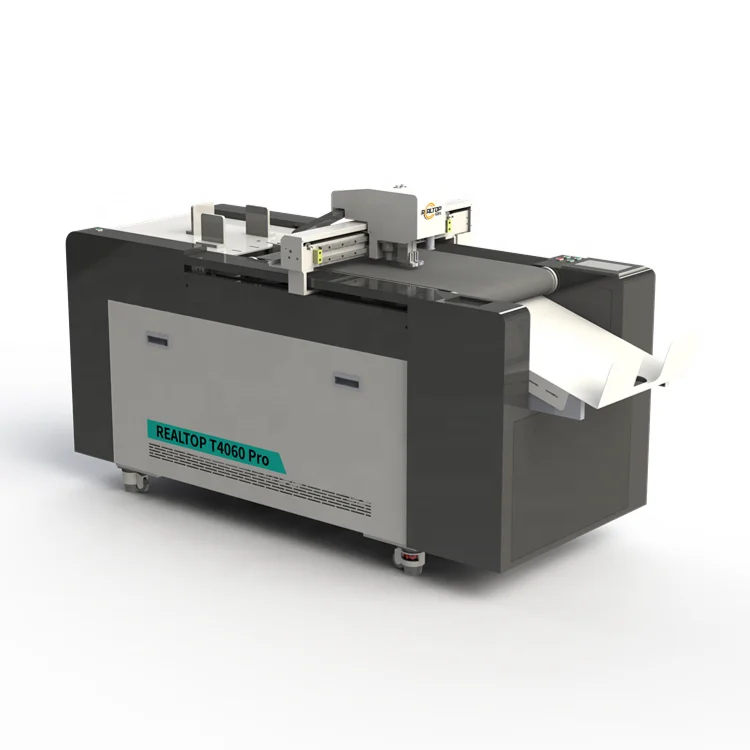
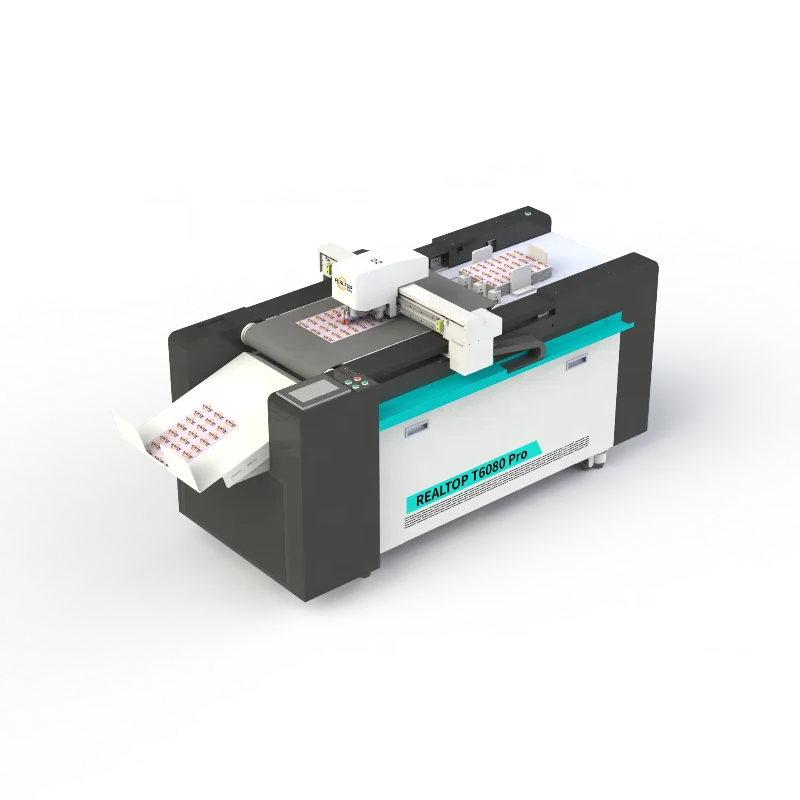
Complete Range Visibility — this catalogue maps every knife and laser model family by material, thickness and daily volume so buyers compare methods before committing to a single cutting technology.
Technical Specifications
| Parameter | Value |
|---|---|
| Model | RT-D2516/RT-S2516 |
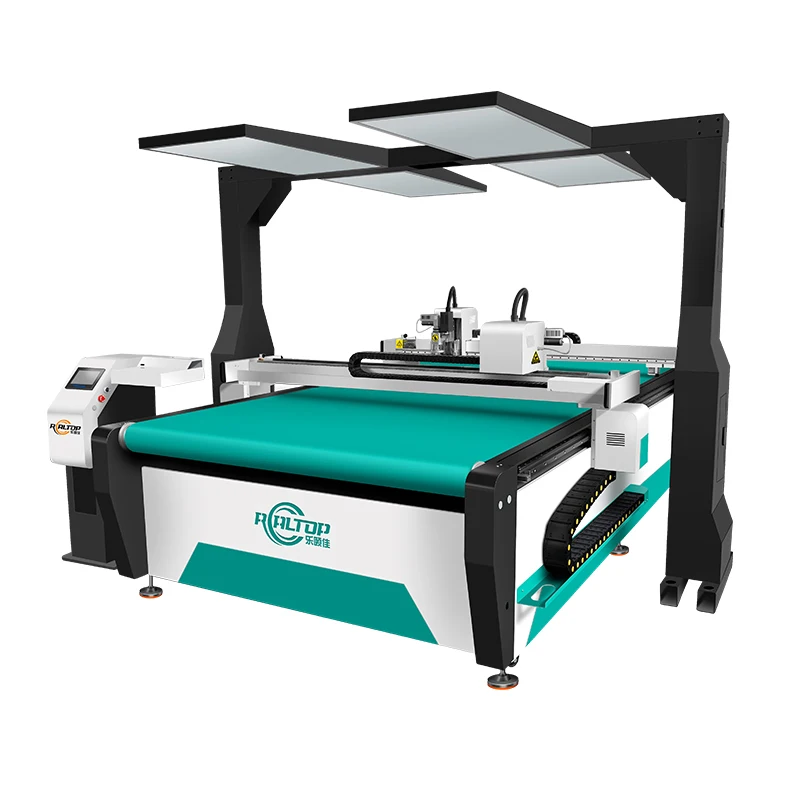
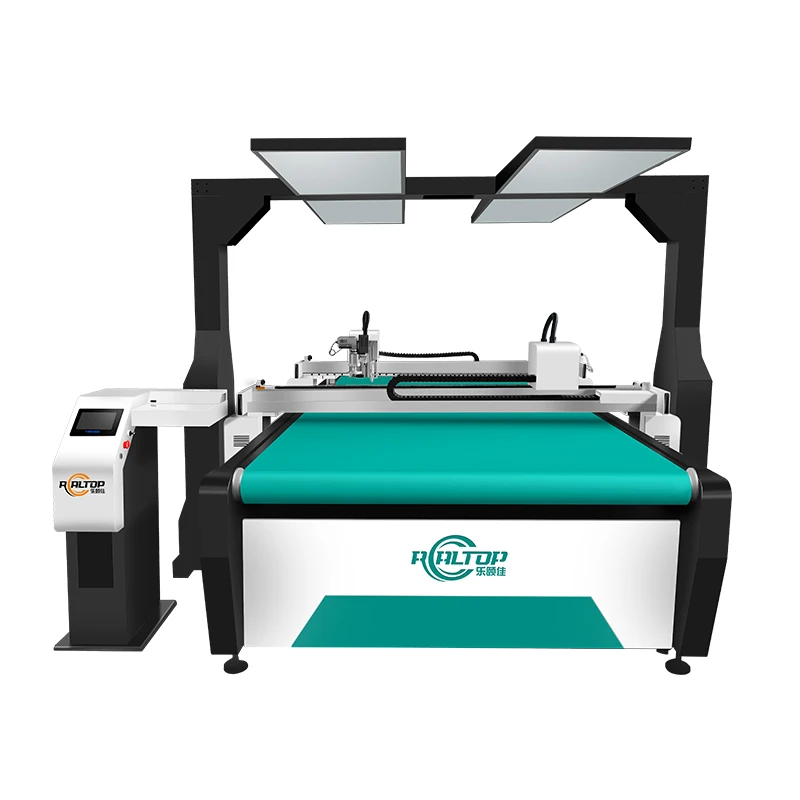
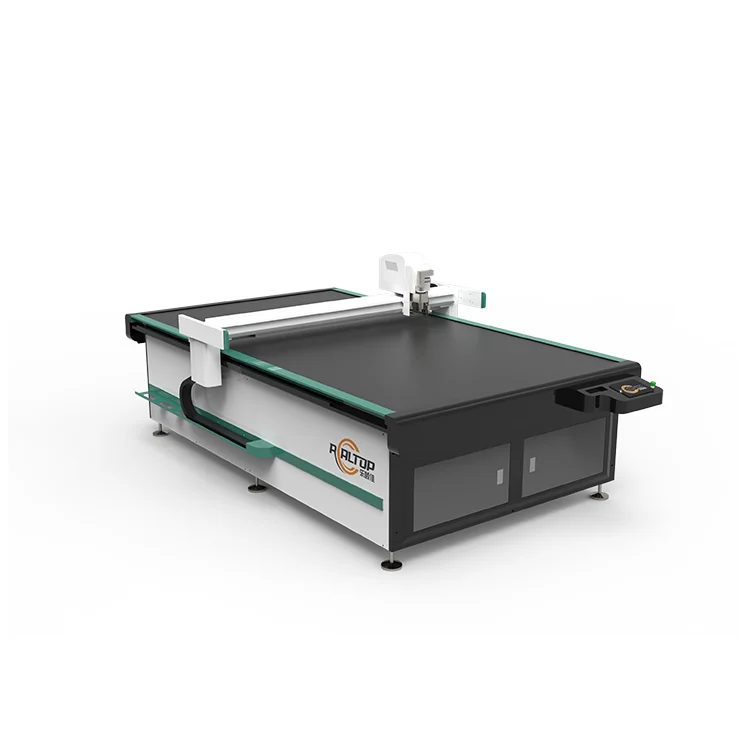
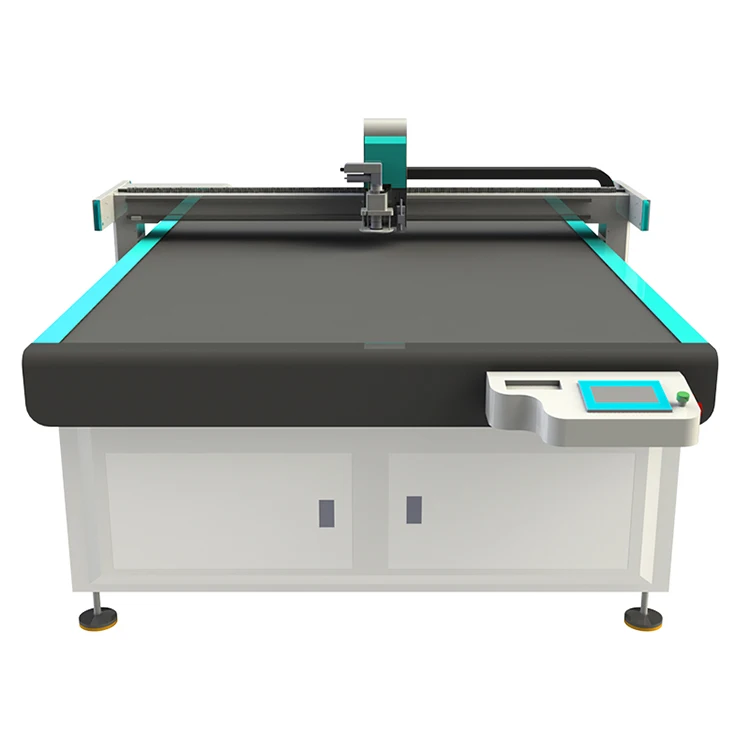
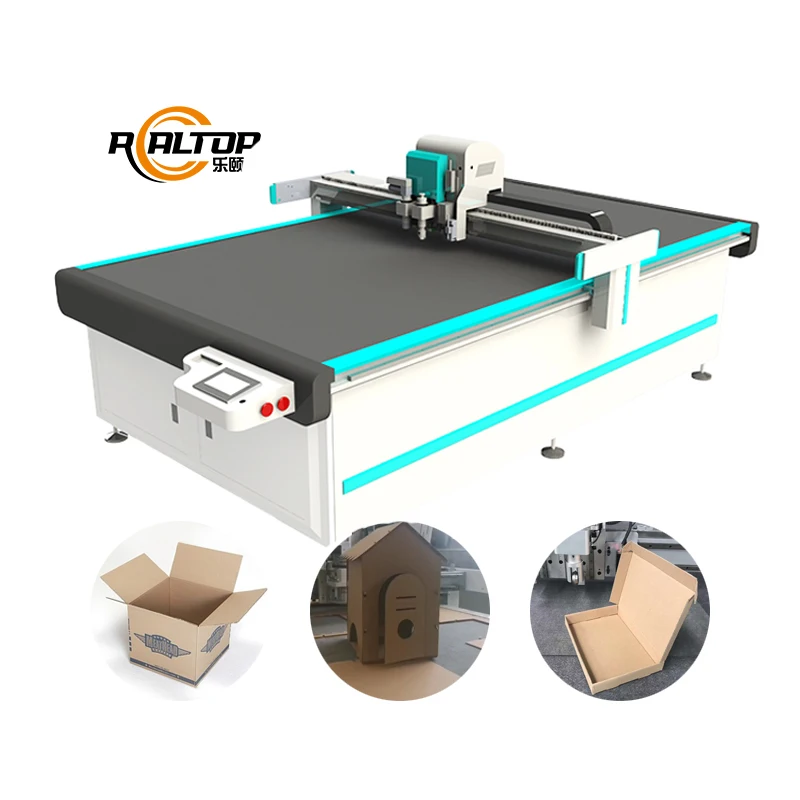
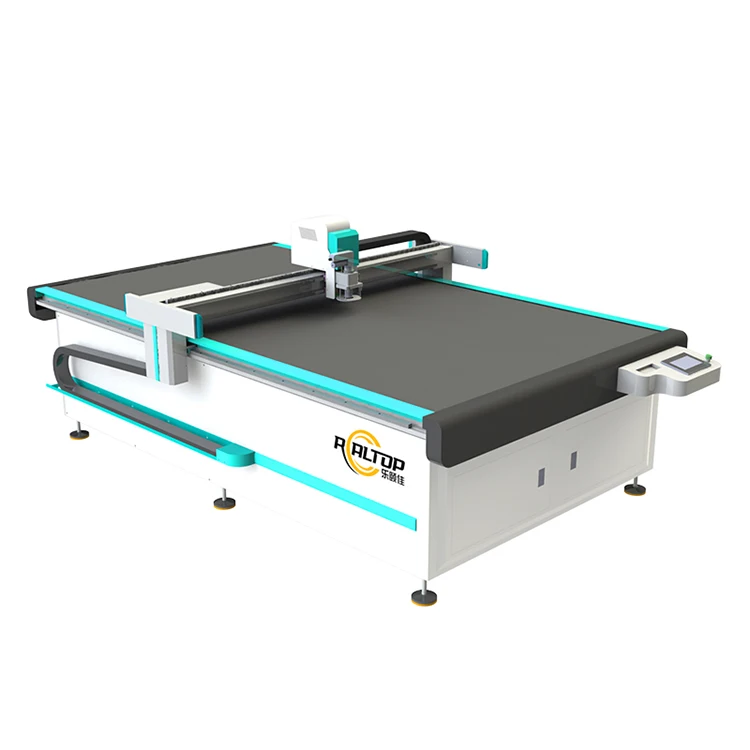
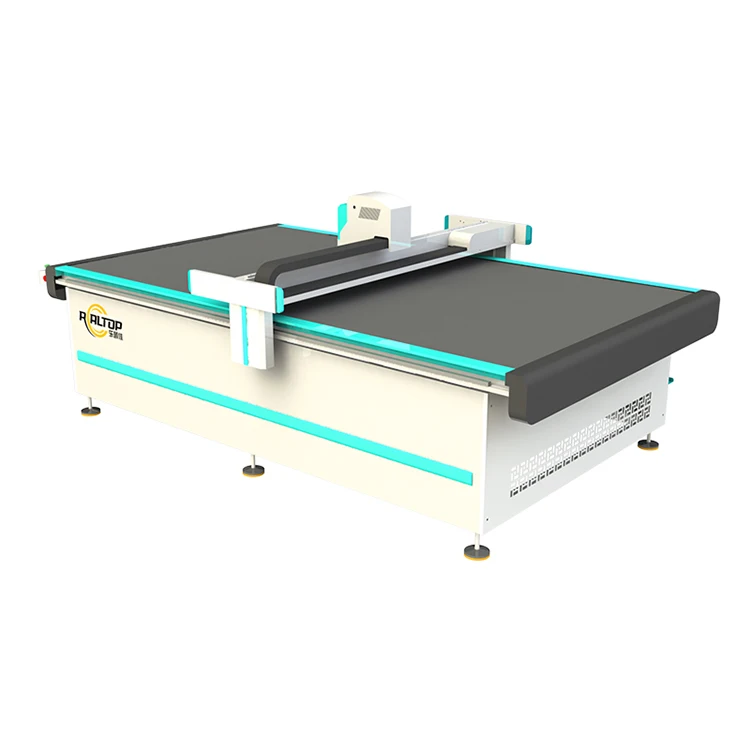
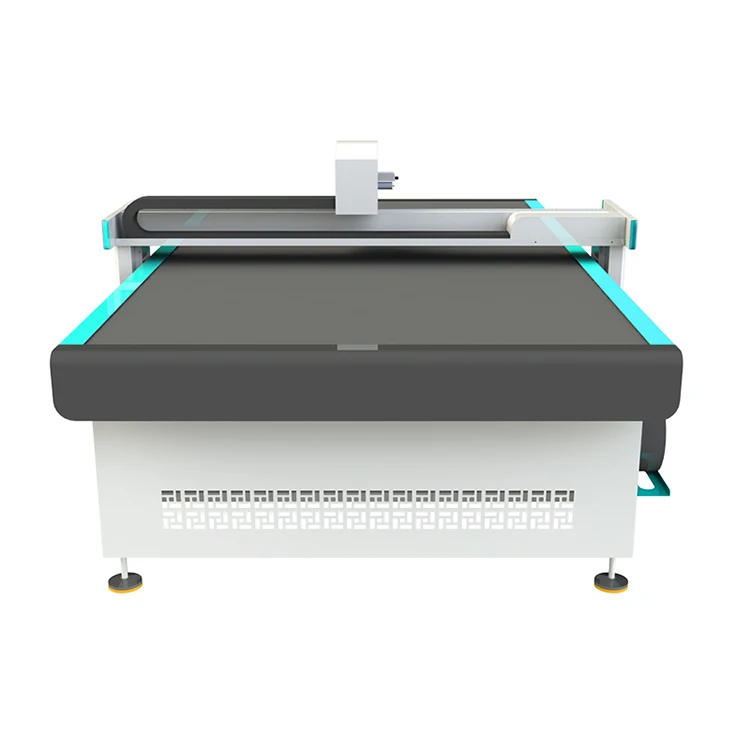
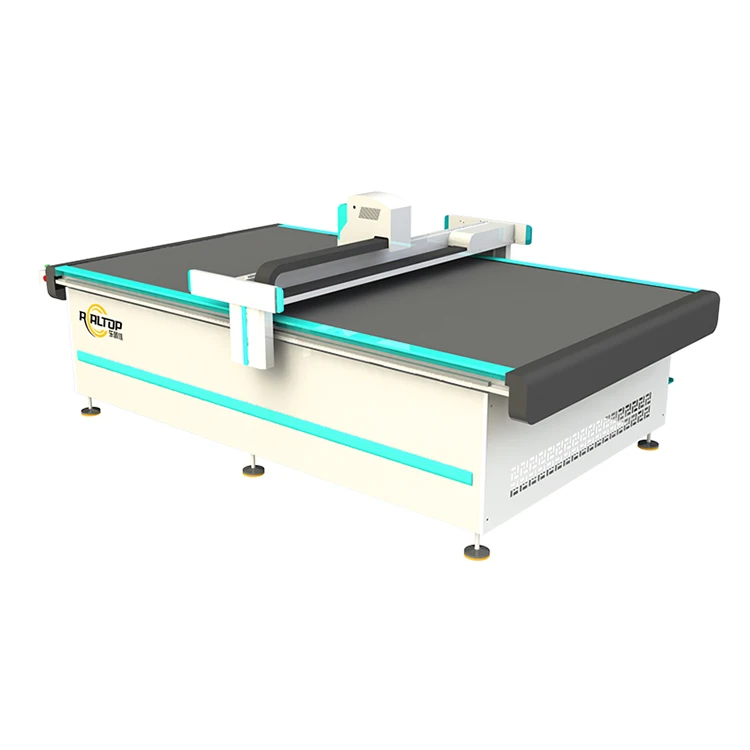
| Product Type | CNC Oscillating Knife Cutting Machine |
| Working Area | 1600 × 2500 mm |
| Machine Size | 3450 × 2300 × 1250 mm |
| Rated Power | 9 kW |
| Max Cutting Thickness | ≤100 mm (basis not stated in source — varies with material) |
| Repeated Accuracy | ≤0.1 mm |
| Translational Velocity | 800–1200 mm/s |
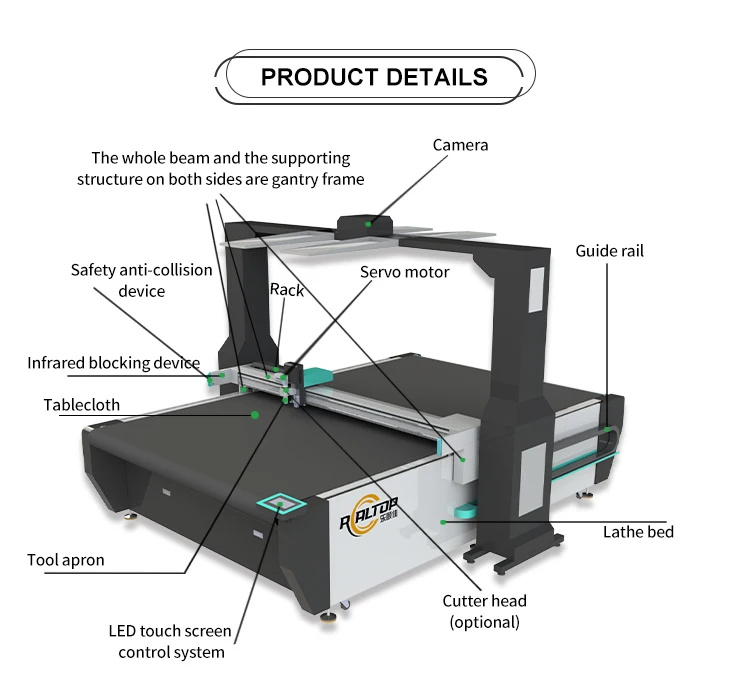
| Transmission System | Delta servo motor, Taiwan Hiwin linear guide, synchronous belt, ball screw |
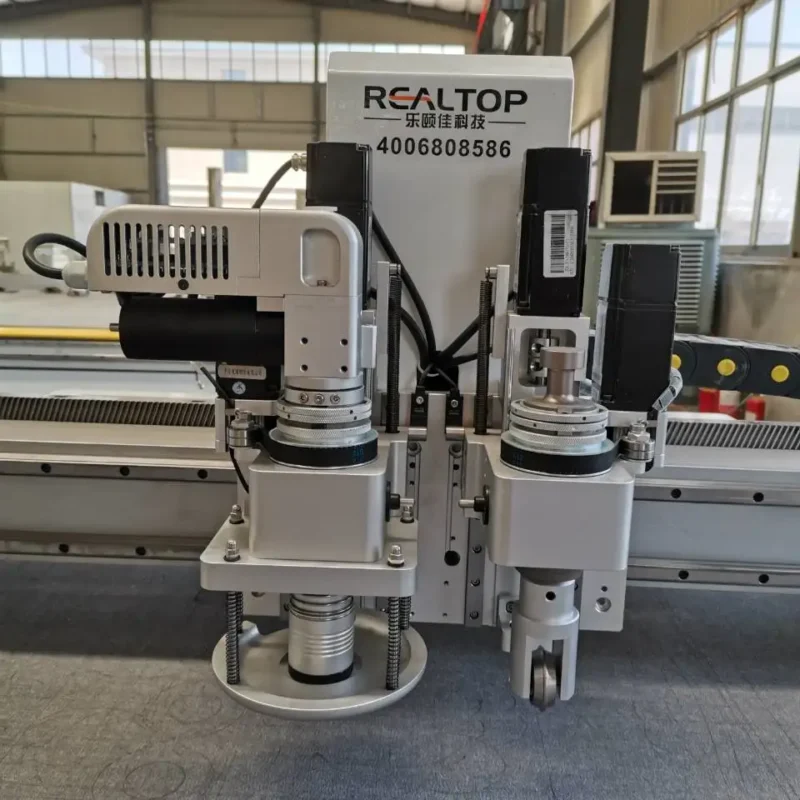
| Multifunctional Head | Swiss-imported knife: vibration full cutting, half cutting, cursor location |
| Tool Head Options | Oscillating knife, pneumatic knife, high-power vibrating knife, circular knife, V-cutting knife, drag knife, creasing wheel, dotted line knife, punching, brush |
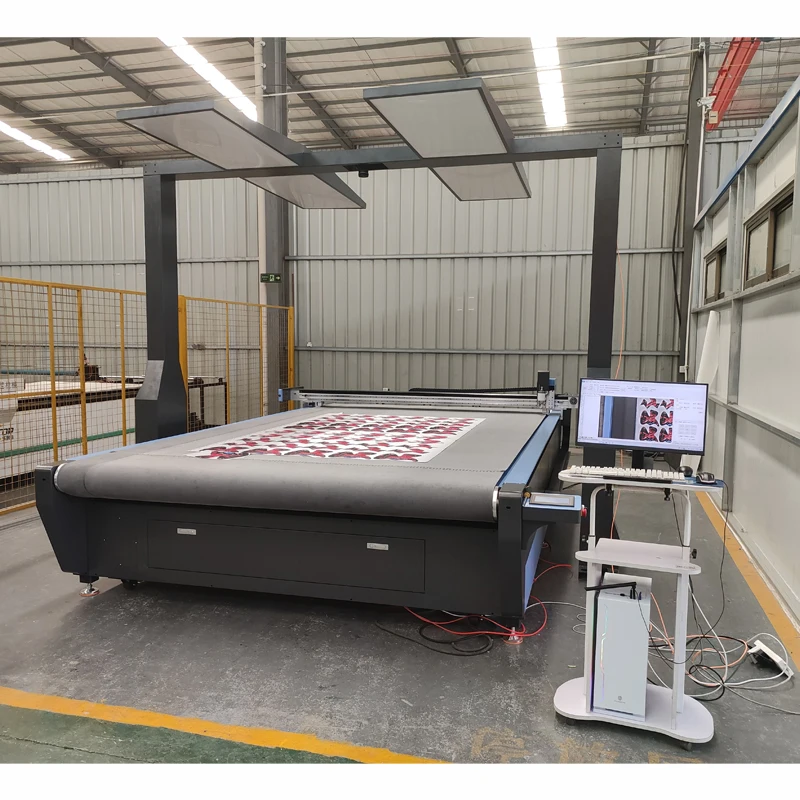
| Visual Positioning | Small CCD camera mark-point, panoramic camera recognition, projection positioning |
| Vacuum System | 7.5 kW vacuum pump with vacuum table |
| Feeding | Auto feeding with Germany-imported conveyor belt |
| Instruction System | HP-GL compatible format |
| Voltage | 380V ±10% |
| Control Software Language | English, Russian, Italian, Chinese (custom languages available) |
Application Suitability
| Application | Material or Output |
|---|---|
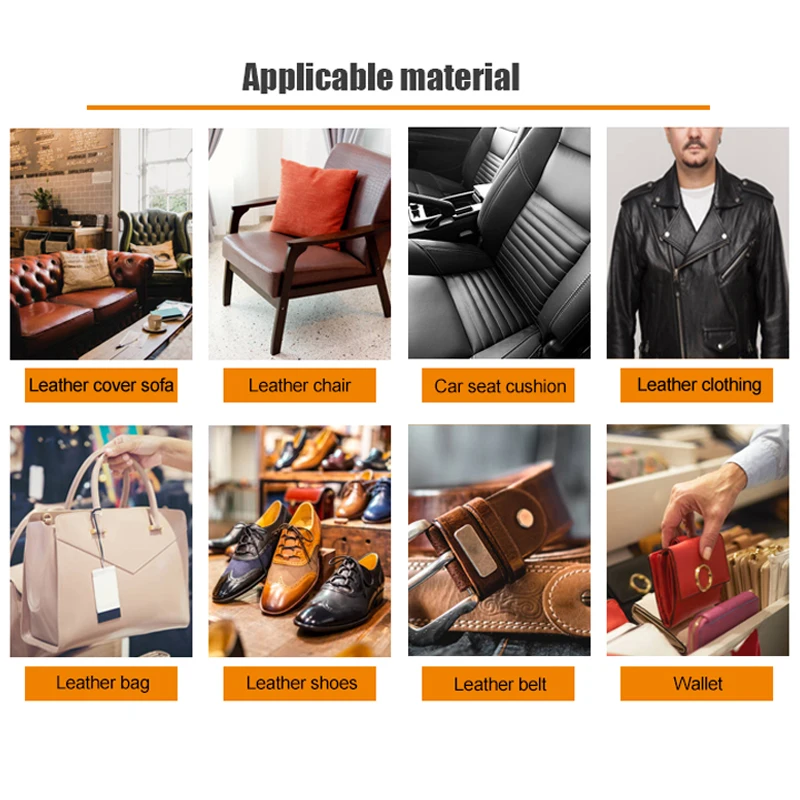
| Footwear and luggage manufacturing | Leather, sponge composite leather, PU, shoe material, luggage material |
| Garment and textile production | Clothing cloth, non-woven fabric, carpet, fabric, textile |
| Packaging and carton sample making | Corrugated cardboard, cardboard, sticker, film, plastic box |
| Automotive interior and gasket fabrication | Foam board, rubber, gasket material, sealing pads, composite materials |
| Soft furnishing and sports goods | Sponge, EVA, XPE, carpet, floor mats, sports and outdoor products |
| Advertising and graphic printing | PVC, PP, PE, film, sticker, flexible signage substrates |
| Industrial composite processing | Fiberglass, PTFE, ETFE, silicone, composite laminates |
Why the Wrong Tool Head Turns a Good Machine Into a Bottleneck
Specifying a CNC Oscillating Knife Cutting Machine for sale on working area alone leaves material compatibility unverified.
I once helped a garment factory in Vietnam commission an oscillating knife line. Sample tests on standard polyester ran clean, but their actual production material was bonded composite fabric with adhesive layers. Blade wear tripled within the first week, edges fuzzed badly, and throughput dropped noticeably. We had to reconfigure the tool head and adjust vacuum zoning on-site before the line stabilized. That experience shaped how I now approach every cutting equipment survey — match the tool to the material before the order is locked. [NEED_CITE: oscillating knife cutting parameters for adhesive-bonded composite fabrics]
Mapping the Full Cutting Equipment Spectrum
This catalogue covers the complete range of CNC knife and laser cutting systems, letting buyers compare technologies side by side. A CNC Oscillating Knife Cutting Machine for sale here sits within a broader portfolio that includes CO2 laser, fiber laser and multi-layer digital cutting systems. The advantage of surveying the full spectrum is clear: you choose the cutting method based on material behaviour rather than forcing one technology to handle every job. Leather, foam and composites typically suit knife cutting, while acrylic and sheet metal lean toward laser or fiber processes.
Matching Model Families to Production Volume
The RT-D2516 and RT-S2516 represent specific configurations within the knife cutting family, each configurable for different throughput requirements. Buyers producing short-run packaging samples need different feeding and table options compared to those running continuous roll-fed textile production. Auto-feeding with conveyor belt and vacuum table zoning are configured per workflow. The panoramic camera recognition system supports printed contour work at production speed, while CCD mark-point positioning handles shorter registration tasks. [NEED_CITE: vacuum table zoning configurations for small-part versus roll-fed cutting]
What the Specification Sheet Actually Tells You
The 1600 × 2500 mm working area accommodates standard sheet sizes for leather hides, corrugated board and composite panels. Repeated accuracy of ≤0.1 mm matters most when cutting interlocking pattern pieces in garment production or precision gaskets for automotive sealing. The Delta servo motor paired with Taiwan Hiwin linear guides delivers consistent positional control across the full travel range, which becomes critical when cutting thick foam or multi-layer sponge where lateral blade pressure is high. The Swiss-imported oscillating knife head handles full cutting, half cutting and cursor location — essential when kiss-cutting stickers or creasing carton samples without penetrating the substrate. Voltage at 380V ±10% with HP-GL compatible instruction format means integration with existing CAD workflows requires file format confirmation before order placement, not after delivery.
The Hidden Cost of Skipping Material Testing
When a buyer commits to a cutting line without testing their actual production material, the consequences surface within weeks. Adhesive layers in bonded composites accelerate blade wear far beyond what standard fabric tests predict. Insufficient vacuum zoning allows small die-cut parts to lift during high-speed traversal, creating ragged edges and rejected pieces. Software that cannot import the buyer’s existing nesting files forces operators into manual layout, eroding yield on expensive leather hides. [NEED_CITE: material yield loss from incompatible nesting software in leather cutting operations]
Why Source From This Equipment Range
In-house design covers both knife and laser technologies, so buyers select the cutting method matched to their material rather than forcing a single approach. Tool head and table configuration are specified per material type and production volume, not quoted as a fixed package. CCD camera positioning and panoramic vision options are confirmed against the buyer’s printed mark specifications before build. Software compatibility with the buyer’s file format and nesting workflow is verified at quotation stage. Sample cutting runs on the buyer’s own material demonstrate edge quality and throughput before any commitment. Voltage, plug type and control language are locked down before shipment, avoiding on-site rewiring or operator confusion.
Documentation & Verification
- Machine specification sheet confirming working area, tool head and table configuration per material
- Sample cutting report produced on buyer’s actual leather or composite material
- Electrical schematic with 380V ±10% voltage confirmation and plug type
- Tool head and vacuum table configuration list matching quoted options
- Software licence and HP-GL file format compatibility note
- Factory test record with repeated accuracy measurement before dispatch
Installation, Commissioning & Support
- 3450 × 2300 mm footprint requires level concrete floor with clearance for auto-feeding conveyor
- Dedicated 9 kW circuit at 380V ±10% with confirmed plug type for local supply
- 7.5 kW vacuum pump requires separate extraction ducting and filtration assessment
- Delta servo and Hiwin rail alignment verified during on-site commissioning
- Control software language set and HP-GL file import tested with buyer’s production files
- Oscillating knife blades and vacuum table seals included in initial spare parts package
What to Prepare Before Requesting a Quotation
Provide material type, thickness range and maximum sheet dimensions so the correct tool head and table configuration can be specified. Confirm daily production volume and whether your workflow uses roll-fed or sheet-fed input. Specify local voltage, frequency and preferred control language to ensure the CNC Oscillating Knife Cutting Machine for sale matches your facility requirements.
Frequently Asked Questions
Q: How do I choose between knife cutting and laser cutting for my material?
A: Knife cutting suits flexible and semi-rigid materials like leather, foam, fabric and gasket where edge sealing is not required. Laser cutting handles acrylic, wood and textiles where edge sealing or engraving is needed. This catalogue presents both methods so you compare based on your actual material rather than defaulting to one technology.
Q: Which tool head works best for leather and composite materials?
A: Oscillating knife handles most leather and single-layer composites. Pneumatic knife suits thicker sponge and bonded materials. High-power vibrating knife addresses dense composites. The correct choice depends on material thickness and adhesive content, confirmed through sample cutting on your production material.
Q: What positioning system do I need for printed contour cutting?
A: Small CCD camera mark-point positioning handles standard registration marks. Panoramic camera recognition suits high-speed printed contour work across large-format sheets. Projection positioning assists manual alignment. The choice depends on your print mark size, production speed and substrate reflectivity.
Q: How should the vacuum table be configured for small parts?
A: Standard full-area vacuum works for large sheets, but small die-cut parts require zoned vacuum areas to maintain hold-down without drawing air through unused table surface. Zoning is configured based on your smallest part dimensions and cutting layout.
Q: What file formats does the control software accept?
A: The instruction system accepts HP-GL compatible format. File format compatibility and nesting workflow integration should be confirmed at quotation stage using your actual production files to avoid post-delivery conversion issues.
Complete Range Visibility — this catalogue maps every knife and laser model family by material, thickness and daily volume so buyers compare methods before committing to a single cutting technology.
Technical Specifications
| Parameter | Value |
|---|---|
| Model | RT-D2516/RT-S2516 |
| Product Type | CNC Oscillating Knife Cutting Machine |
| Working Area | 1600 × 2500 mm |
| Machine Size | 3450 × 2300 × 1250 mm |
| Rated Power | 9 kW |
| Max Cutting Thickness | ≤100 mm (basis not stated in source — varies with material) |
| Repeated Accuracy | ≤0.1 mm |
| Translational Velocity | 800–1200 mm/s |
| Transmission System | Delta servo motor, Taiwan Hiwin linear guide, synchronous belt, ball screw |
| Multifunctional Head | Swiss-imported knife: vibration full cutting, half cutting, cursor location |
| Tool Head Options | Oscillating knife, pneumatic knife, high-power vibrating knife, circular knife, V-cutting knife, drag knife, creasing wheel, dotted line knife, punching, brush |
| Visual Positioning | Small CCD camera mark-point, panoramic camera recognition, projection positioning |
| Vacuum System | 7.5 kW vacuum pump with vacuum table |
| Feeding | Auto feeding with Germany-imported conveyor belt |
| Instruction System | HP-GL compatible format |
| Voltage | 380V ±10% |
| Control Software Language | English, Russian, Italian, Chinese (custom languages available) |
Application Suitability
| Application | Material or Output |
|---|---|
| Footwear and luggage manufacturing | Leather, sponge composite leather, PU, shoe material, luggage material |
| Garment and textile production | Clothing cloth, non-woven fabric, carpet, fabric, textile |
| Packaging and carton sample making | Corrugated cardboard, cardboard, sticker, film, plastic box |
| Automotive interior and gasket fabrication | Foam board, rubber, gasket material, sealing pads, composite materials |
| Soft furnishing and sports goods | Sponge, EVA, XPE, carpet, floor mats, sports and outdoor products |
| Advertising and graphic printing | PVC, PP, PE, film, sticker, flexible signage substrates |
| Industrial composite processing | Fiberglass, PTFE, ETFE, silicone, composite laminates |
Why the Wrong Tool Head Turns a Good Machine Into a Bottleneck
Specifying a CNC Oscillating Knife Cutting Machine for sale on working area alone leaves material compatibility unverified.
I once helped a garment factory in Vietnam commission an oscillating knife line. Sample tests on standard polyester ran clean, but their actual production material was bonded composite fabric with adhesive layers. Blade wear tripled within the first week, edges fuzzed badly, and throughput dropped noticeably. We had to reconfigure the tool head and adjust vacuum zoning on-site before the line stabilized. That experience shaped how I now approach every cutting equipment survey — match the tool to the material before the order is locked. [NEED_CITE: oscillating knife cutting parameters for adhesive-bonded composite fabrics]
Mapping the Full Cutting Equipment Spectrum
This catalogue covers the complete range of CNC knife and laser cutting systems, letting buyers compare technologies side by side. A CNC Oscillating Knife Cutting Machine for sale here sits within a broader portfolio that includes CO2 laser, fiber laser and multi-layer digital cutting systems. The advantage of surveying the full spectrum is clear: you choose the cutting method based on material behaviour rather than forcing one technology to handle every job. Leather, foam and composites typically suit knife cutting, while acrylic and sheet metal lean toward laser or fiber processes.
Matching Model Families to Production Volume
The RT-D2516 and RT-S2516 represent specific configurations within the knife cutting family, each configurable for different throughput requirements. Buyers producing short-run packaging samples need different feeding and table options compared to those running continuous roll-fed textile production. Auto-feeding with conveyor belt and vacuum table zoning are configured per workflow. The panoramic camera recognition system supports printed contour work at production speed, while CCD mark-point positioning handles shorter registration tasks. [NEED_CITE: vacuum table zoning configurations for small-part versus roll-fed cutting]
What the Specification Sheet Actually Tells You
The 1600 × 2500 mm working area accommodates standard sheet sizes for leather hides, corrugated board and composite panels. Repeated accuracy of ≤0.1 mm matters most when cutting interlocking pattern pieces in garment production or precision gaskets for automotive sealing. The Delta servo motor paired with Taiwan Hiwin linear guides delivers consistent positional control across the full travel range, which becomes critical when cutting thick foam or multi-layer sponge where lateral blade pressure is high. The Swiss-imported oscillating knife head handles full cutting, half cutting and cursor location — essential when kiss-cutting stickers or creasing carton samples without penetrating the substrate. Voltage at 380V ±10% with HP-GL compatible instruction format means integration with existing CAD workflows requires file format confirmation before order placement, not after delivery.
The Hidden Cost of Skipping Material Testing
When a buyer commits to a cutting line without testing their actual production material, the consequences surface within weeks. Adhesive layers in bonded composites accelerate blade wear far beyond what standard fabric tests predict. Insufficient vacuum zoning allows small die-cut parts to lift during high-speed traversal, creating ragged edges and rejected pieces. Software that cannot import the buyer’s existing nesting files forces operators into manual layout, eroding yield on expensive leather hides. [NEED_CITE: material yield loss from incompatible nesting software in leather cutting operations]
Why Source From This Equipment Range
In-house design covers both knife and laser technologies, so buyers select the cutting method matched to their material rather than forcing a single approach. Tool head and table configuration are specified per material type and production volume, not quoted as a fixed package. CCD camera positioning and panoramic vision options are confirmed against the buyer’s printed mark specifications before build. Software compatibility with the buyer’s file format and nesting workflow is verified at quotation stage. Sample cutting runs on the buyer’s own material demonstrate edge quality and throughput before any commitment. Voltage, plug type and control language are locked down before shipment, avoiding on-site rewiring or operator confusion.
Documentation & Verification
- Machine specification sheet confirming working area, tool head and table configuration per material
- Sample cutting report produced on buyer’s actual leather or composite material
- Electrical schematic with 380V ±10% voltage confirmation and plug type
- Tool head and vacuum table configuration list matching quoted options
- Software licence and HP-GL file format compatibility note
- Factory test record with repeated accuracy measurement before dispatch
Installation, Commissioning & Support
- 3450 × 2300 mm footprint requires level concrete floor with clearance for auto-feeding conveyor
- Dedicated 9 kW circuit at 380V ±10% with confirmed plug type for local supply
- 7.5 kW vacuum pump requires separate extraction ducting and filtration assessment
- Delta servo and Hiwin rail alignment verified during on-site commissioning
- Control software language set and HP-GL file import tested with buyer’s production files
- Oscillating knife blades and vacuum table seals included in initial spare parts package
What to Prepare Before Requesting a Quotation
Provide material type, thickness range and maximum sheet dimensions so the correct tool head and table configuration can be specified. Confirm daily production volume and whether your workflow uses roll-fed or sheet-fed input. Specify local voltage, frequency and preferred control language to ensure the CNC Oscillating Knife Cutting Machine for sale matches your facility requirements.
Frequently Asked Questions
Q: How do I choose between knife cutting and laser cutting for my material?
A: Knife cutting suits flexible and semi-rigid materials like leather, foam, fabric and gasket where edge sealing is not required. Laser cutting handles acrylic, wood and textiles where edge sealing or engraving is needed. This catalogue presents both methods so you compare based on your actual material rather than defaulting to one technology.
Q: Which tool head works best for leather and composite materials?
A: Oscillating knife handles most leather and single-layer composites. Pneumatic knife suits thicker sponge and bonded materials. High-power vibrating knife addresses dense composites. The correct choice depends on material thickness and adhesive content, confirmed through sample cutting on your production material.
Q: What positioning system do I need for printed contour cutting?
A: Small CCD camera mark-point positioning handles standard registration marks. Panoramic camera recognition suits high-speed printed contour work across large-format sheets. Projection positioning assists manual alignment. The choice depends on your print mark size, production speed and substrate reflectivity.
Q: How should the vacuum table be configured for small parts?
A: Standard full-area vacuum works for large sheets, but small die-cut parts require zoned vacuum areas to maintain hold-down without drawing air through unused table surface. Zoning is configured based on your smallest part dimensions and cutting layout.
Q: What file formats does the control software accept?
A: The instruction system accepts HP-GL compatible format. File format compatibility and nesting workflow integration should be confirmed at quotation stage using your actual production files to avoid post-delivery conversion issues.
商品评价
There are no reviews yet.