

Fast Delivery
Quick, reliable shipping to any location.

Free & easy returns
Return this item by mail or in store within 90 days for a full refund.
Punching Depth Matched to Stock — every model in the range specifies its material thickness envelope so buyers pair the machine with the leather grade they actually run, avoiding the costly mismatch of underpowered tooling on dense hides.
Technical Specifications
| Parameter | Value |
|---|---|
| Product Type | CNC Leather Eyelet Punching Machine |
| Effective Working Area | 700 × 500 mm |
| Material Thickness Range | 1–6 mm (max ≤ 8 mm) |
| Punching Speed | 1800–3000 times/min (basis not stated in source — confirm hole diameter, material, thickness) |
| Repeated Precision | 0.1 mm |
| Head Quantity | 4×2+1 |
| Rotary Head Quantity | 4×2+1 |
| Hole Size Range | 0.8–12 mm |
| Punch Rotation | 360° per punch |
| Transmission Mode | Lead screw drive |
| Machine Power | 5 kW |
| Supply Voltage | 220V |
| Data Format | DXF, HPGL |
| Communication Port | USB |
| Control Software | CAD / CorelDraw compatible |
| Waste Collection | Auto waste collection device |
| Special Function | Break-to-Continue punching |
Application Suitability
| Application | Material or Output |
|---|---|
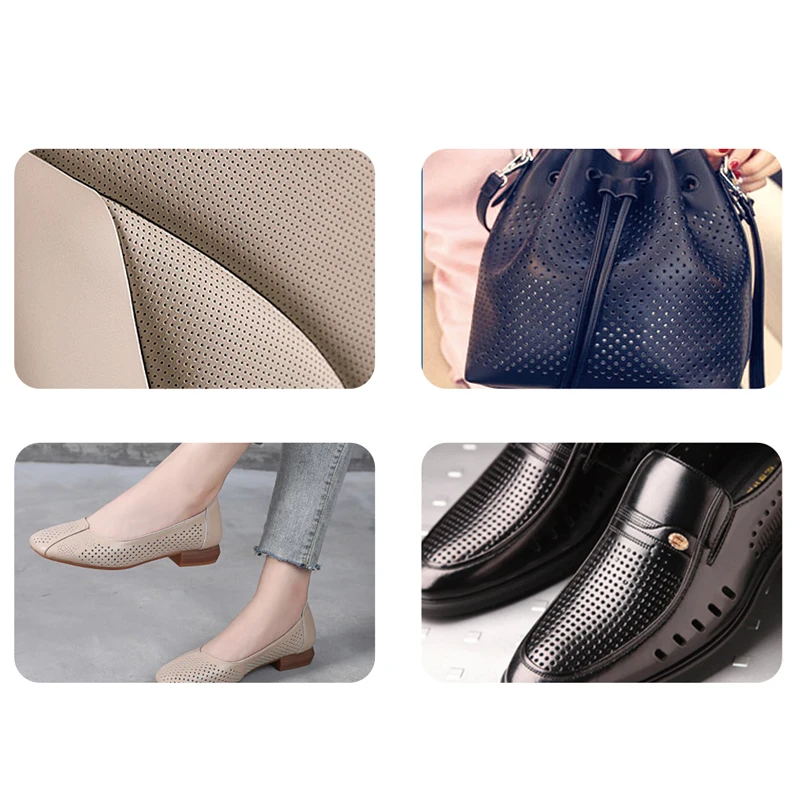
| Car seat perforation panels | Genuine leather and synthetic leather, 1–6 mm |
| Headrest and steering wheel covers | Automotive-grade leather with decorative hole patterns |
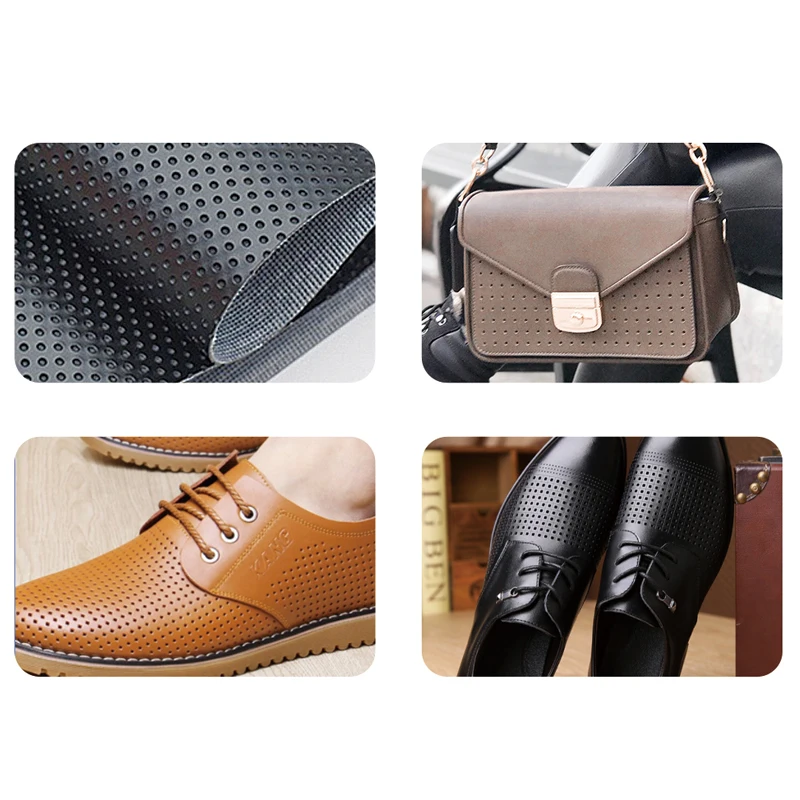
| Shoe upper ventilation holes | Split leather, PU leather, microfiber leather |
| Belt and bag decorative punching | Finished leather goods stock, 0.8–12 mm hole diameter |
| Sofa and upholstery panels | Large-format leather and synthetic leather sheets |
Why Hole Quality Fails Before the Machine Even Starts
Most punching defects trace back to specifying a CNC Leather Eyelet Punching Machine manufacturer by working area alone while ignoring the thickness rating against the actual stock on the shop floor.
I have watched leather goods factories bring in a punching unit rated for 6 mm stock, then wonder why the punch heads crush rather than pierce when they feed 7 mm automotive hide. The machine runs, the leather moves, but the hole edges come out ragged and the die wears down within days [NEED_CITE: material hardness and punch tooling compatibility in leather processing]. The punching speed range of 1800–3000 times/min is meaningless if the material thickness and hardness have not been matched to the tooling first. A manufacturer that will not ask for your leather samples before quoting is telling you something important about how they build their specifications.
Working Area and Head Layout for Leather Goods Production
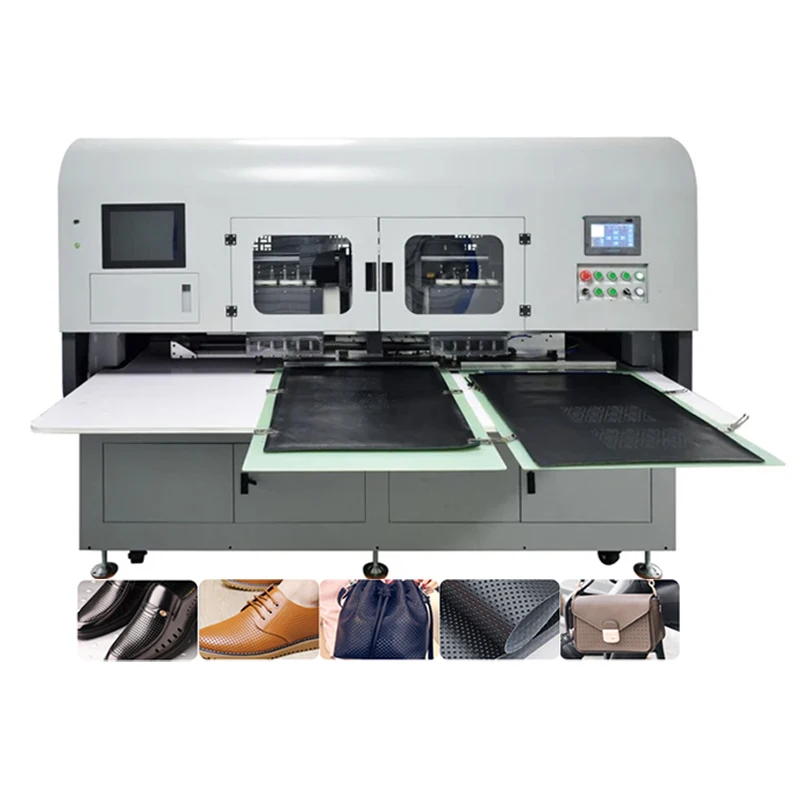
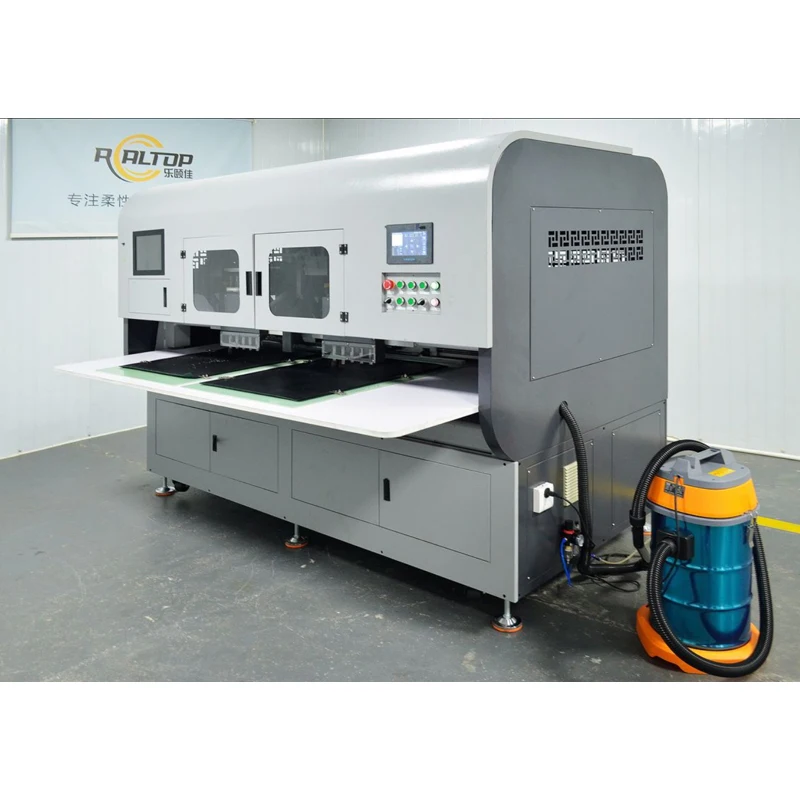
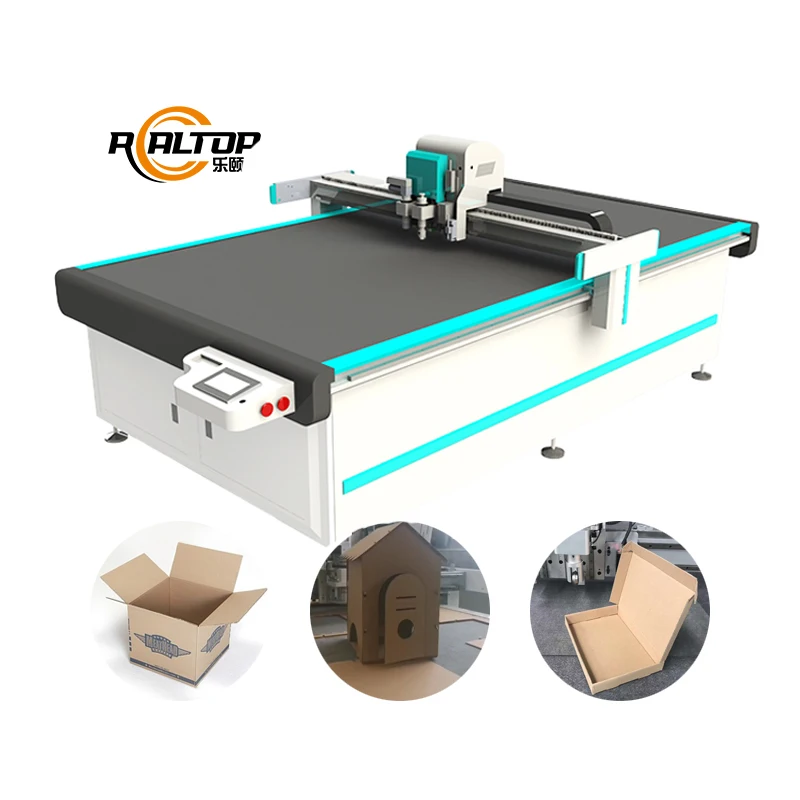
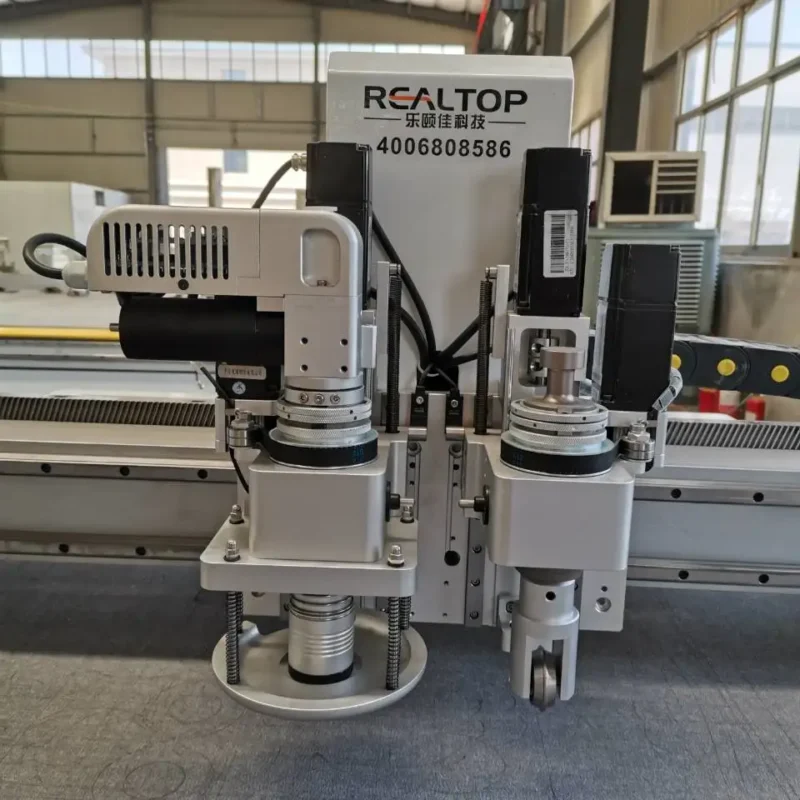
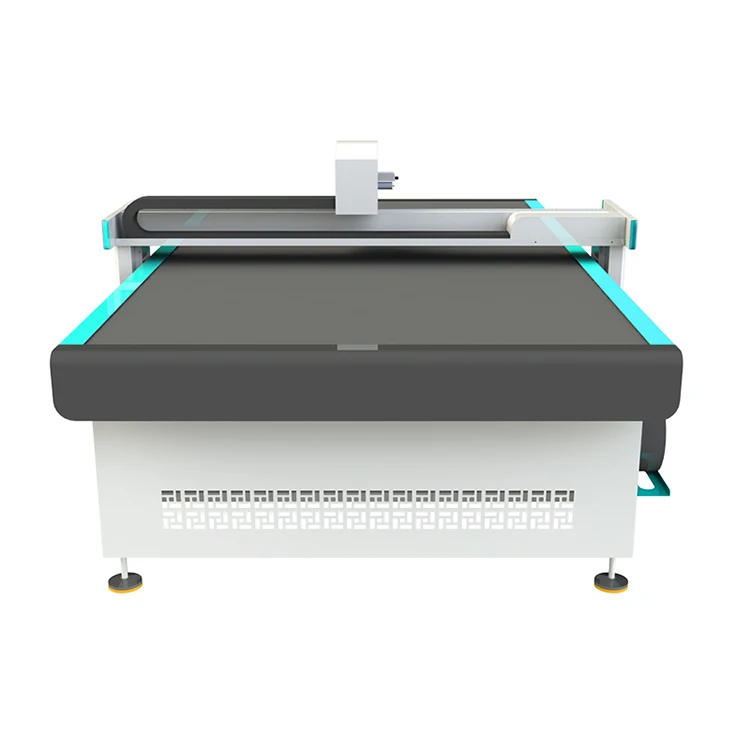
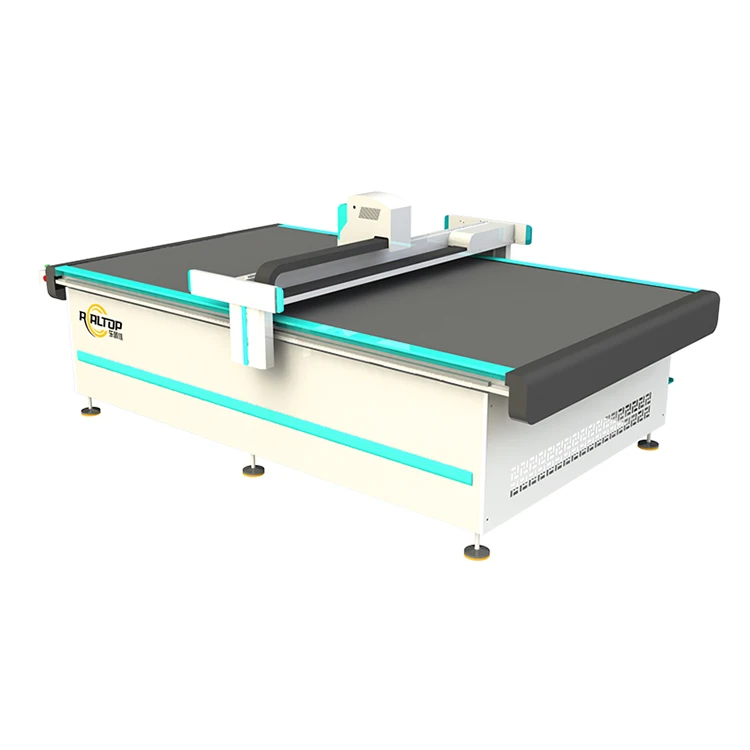
The 700 × 500 mm effective working area accommodates standard leather panel sizes used in automotive interiors and footwear component cutting. With a 4×2+1 head configuration and matching rotary head layout, this CNC Leather Eyelet Punching Machine manufacturer enables simultaneous multi-pattern punching across the bed. Buyers producing shoe uppers or bag panels can load several pieces per cycle rather than repositioning a single hide, reducing handling time between punches.
Punch Rotation and Pattern Flexibility
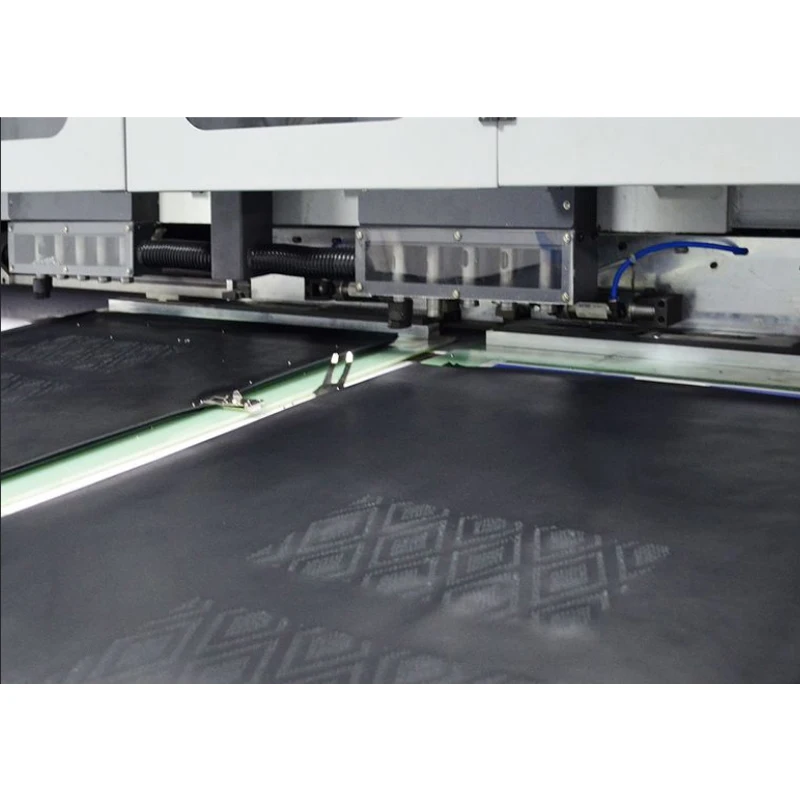
Each punch rotates a full 360°, which means angled hole patterns, curved perforation lines, and decorative motifs can run without re-fixturing the leather. The CAD and CorelDraw software workflow accepts DXF and HPGL files, so design teams already working in those environments push patterns straight to the machine without an intermediate conversion step [NEED_CITE: CNC punching data format compatibility for leather goods factories]. The break-to-continue function picks up punching from the exact point of interruption after a stop, preventing double-hits or skipped holes on partially finished panels.
Reading the Specs That Actually Govern Hole Quality
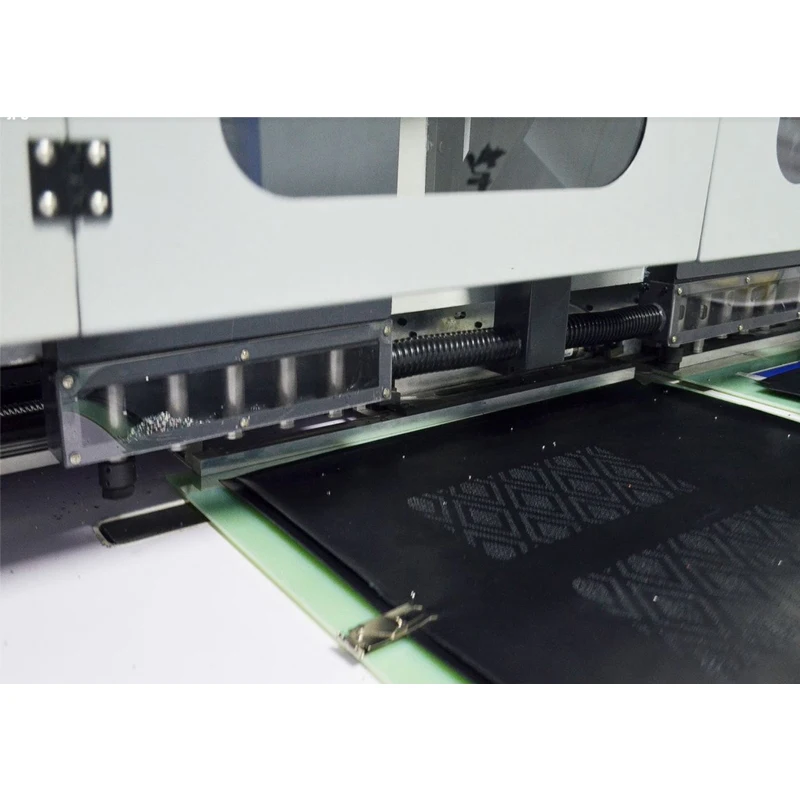
The repeated precision of 0.1 mm determines whether a decorative perforation pattern lines up across adjacent panels — critical when two seat covers must mirror each other on the car assembly line. The lead screw drive provides the positional control needed for tight hole spacing in ventilation patterns, as opposed to belt-driven systems that can introduce drift over long production runs. Hole size range from 0.8 to 12 mm covers the span from fine decorative micro-perforations up to functional ventilation and lacing holes. The auto waste collection device clears punched leather slugs from the bed continuously, which prevents slug buildup from lifting thin material off the vacuum table and shifting the punch position mid-cycle.
The Hidden Cost of Skipping the Sample Punch Report
Factories that skip sample punching on their own leather stock often discover the mismatch during installation. The punch heads may deflect on harder-tanned hides, producing tapered rather than clean cylindrical holes. The lead screw drive maintains positional accuracy, but if the tooling cannot penetrate the stock cleanly, no amount of drive precision fixes the edge quality [NEED_CITE: punch tooling deflection on varying leather hardness grades]. Re-tooling after delivery means weeks of downtime while replacement punch heads ship, and the original tooling sits unused.
Why Source This Punching Equipment Here
In-house design covers both punching and cutting technologies, so a buyer working with mixed leather processes can evaluate punching versus oscillating knife cutting under one roof. Tool head and table configuration get specified per material thickness and production volume rather than sold as a fixed package. Sample punching on the buyer’s own leather stock runs before any commitment, with a written report covering hole edge quality and punching speed at the tested thickness. Voltage, control language, and plug configuration are confirmed against the destination market before the machine enters production.
Documentation & Verification
- Machine specification sheet confirming working area, head configuration, and thickness range for your leather grade
- Electrical schematic and voltage confirmation matching your facility’s 220V supply
- Tool head and rotary punch configuration list tied to your hole diameter requirements
- Sample punching report on your own leather material before order confirmation
- Software licence note with DXF and HPGL file format compatibility verified
- Factory test record documenting repeated precision on your target pattern
Installation, Commissioning & Support
- Dedicated 220V circuit required to support the 5 kW machine power draw without voltage drop during punching cycles
- Bed levelling on the 700 × 500 mm working area before punch calibration to maintain 0.1 mm repeated precision
- USB data port commissioning with your existing CAD or CorelDraw workstation to verify DXF and HPGL file transfer
- Punch rotation alignment check across all 4×2+1 heads using your production hole pattern
- Break-to-Continue function tested on your leather stock to confirm resumption accuracy
- Auto waste collection device adjusted for your leather thickness to prevent slug jamming
What to Provide with Your Inquiry
Share your leather type, tanning finish, and thickness range so the punching configuration can be matched before quoting. Send your standard panel dimensions and the hole pattern file in DXF or HPGL format for a sample punch run. Confirm your facility voltage and the control language your operators need [NEED_CITE: industrial machine control panel language requirements by export region].
Frequently Asked Questions
Q: How do I choose between single-head and multi-head configurations for my leather goods output?
A: Multi-head configurations like the 4×2+1 layout suit factories punching the same hole pattern across multiple leather pieces per cycle, such as shoe upper components. Single-head setups work better for large-format panels like automotive seat covers where one hide occupies the full working area. The decision depends on your panel size relative to the bed and your daily volume target.
Q: What leather thickness can this CNC Leather Eyelet Punching Machine manufacturer handle reliably?
A: The standard material thickness range covers 1–6 mm, with a maximum capacity of 8 mm depending on leather density and tanning process. Harder automotive-grade hides may require reduced punching speed even within the standard range. Always request a sample punch report on your specific leather stock before committing to the purchase.
Q: Does the software integrate with my existing CAD or CorelDraw design workflow?
A: The control software accepts DXF and HPGL files via USB transfer, which covers most leather goods design environments. Before ordering, confirm that your specific CAD version exports cleanly in one of these formats and that hole diameter dimensions translate correctly to the punch tooling. A file compatibility note ships with the machine documentation.
Q: When should I choose punching over oscillating knife cutting for leather?
A: Punching is the right choice when your product requires repetitive holes — ventilation patterns, decorative perforations, or lacing holes. Oscillating knife cutting handles outline cutting, contour trimming, and non-perforated shapes. Some leather goods factories run both processes depending on the component, and evaluating both under one manufacturer avoids forcing a single method across every application.
Punching Depth Matched to Stock — every model in the range specifies its material thickness envelope so buyers pair the machine with the leather grade they actually run, avoiding the costly mismatch of underpowered tooling on dense hides.
Technical Specifications
| Parameter | Value |
|---|---|
| Product Type | CNC Leather Eyelet Punching Machine |
| Effective Working Area | 700 × 500 mm |
| Material Thickness Range | 1–6 mm (max ≤ 8 mm) |
| Punching Speed | 1800–3000 times/min (basis not stated in source — confirm hole diameter, material, thickness) |
| Repeated Precision | 0.1 mm |
| Head Quantity | 4×2+1 |
| Rotary Head Quantity | 4×2+1 |
| Hole Size Range | 0.8–12 mm |
| Punch Rotation | 360° per punch |
| Transmission Mode | Lead screw drive |
| Machine Power | 5 kW |
| Supply Voltage | 220V |
| Data Format | DXF, HPGL |
| Communication Port | USB |
| Control Software | CAD / CorelDraw compatible |
| Waste Collection | Auto waste collection device |
| Special Function | Break-to-Continue punching |
Application Suitability
| Application | Material or Output |
|---|---|
| Car seat perforation panels | Genuine leather and synthetic leather, 1–6 mm |
| Headrest and steering wheel covers | Automotive-grade leather with decorative hole patterns |
| Shoe upper ventilation holes | Split leather, PU leather, microfiber leather |
| Belt and bag decorative punching | Finished leather goods stock, 0.8–12 mm hole diameter |
| Sofa and upholstery panels | Large-format leather and synthetic leather sheets |
Why Hole Quality Fails Before the Machine Even Starts
Most punching defects trace back to specifying a CNC Leather Eyelet Punching Machine manufacturer by working area alone while ignoring the thickness rating against the actual stock on the shop floor.
I have watched leather goods factories bring in a punching unit rated for 6 mm stock, then wonder why the punch heads crush rather than pierce when they feed 7 mm automotive hide. The machine runs, the leather moves, but the hole edges come out ragged and the die wears down within days [NEED_CITE: material hardness and punch tooling compatibility in leather processing]. The punching speed range of 1800–3000 times/min is meaningless if the material thickness and hardness have not been matched to the tooling first. A manufacturer that will not ask for your leather samples before quoting is telling you something important about how they build their specifications.
Working Area and Head Layout for Leather Goods Production
The 700 × 500 mm effective working area accommodates standard leather panel sizes used in automotive interiors and footwear component cutting. With a 4×2+1 head configuration and matching rotary head layout, this CNC Leather Eyelet Punching Machine manufacturer enables simultaneous multi-pattern punching across the bed. Buyers producing shoe uppers or bag panels can load several pieces per cycle rather than repositioning a single hide, reducing handling time between punches.
Punch Rotation and Pattern Flexibility
Each punch rotates a full 360°, which means angled hole patterns, curved perforation lines, and decorative motifs can run without re-fixturing the leather. The CAD and CorelDraw software workflow accepts DXF and HPGL files, so design teams already working in those environments push patterns straight to the machine without an intermediate conversion step [NEED_CITE: CNC punching data format compatibility for leather goods factories]. The break-to-continue function picks up punching from the exact point of interruption after a stop, preventing double-hits or skipped holes on partially finished panels.
Reading the Specs That Actually Govern Hole Quality
The repeated precision of 0.1 mm determines whether a decorative perforation pattern lines up across adjacent panels — critical when two seat covers must mirror each other on the car assembly line. The lead screw drive provides the positional control needed for tight hole spacing in ventilation patterns, as opposed to belt-driven systems that can introduce drift over long production runs. Hole size range from 0.8 to 12 mm covers the span from fine decorative micro-perforations up to functional ventilation and lacing holes. The auto waste collection device clears punched leather slugs from the bed continuously, which prevents slug buildup from lifting thin material off the vacuum table and shifting the punch position mid-cycle.
The Hidden Cost of Skipping the Sample Punch Report
Factories that skip sample punching on their own leather stock often discover the mismatch during installation. The punch heads may deflect on harder-tanned hides, producing tapered rather than clean cylindrical holes. The lead screw drive maintains positional accuracy, but if the tooling cannot penetrate the stock cleanly, no amount of drive precision fixes the edge quality [NEED_CITE: punch tooling deflection on varying leather hardness grades]. Re-tooling after delivery means weeks of downtime while replacement punch heads ship, and the original tooling sits unused.
Why Source This Punching Equipment Here
In-house design covers both punching and cutting technologies, so a buyer working with mixed leather processes can evaluate punching versus oscillating knife cutting under one roof. Tool head and table configuration get specified per material thickness and production volume rather than sold as a fixed package. Sample punching on the buyer’s own leather stock runs before any commitment, with a written report covering hole edge quality and punching speed at the tested thickness. Voltage, control language, and plug configuration are confirmed against the destination market before the machine enters production.
Documentation & Verification
- Machine specification sheet confirming working area, head configuration, and thickness range for your leather grade
- Electrical schematic and voltage confirmation matching your facility’s 220V supply
- Tool head and rotary punch configuration list tied to your hole diameter requirements
- Sample punching report on your own leather material before order confirmation
- Software licence note with DXF and HPGL file format compatibility verified
- Factory test record documenting repeated precision on your target pattern
Installation, Commissioning & Support
- Dedicated 220V circuit required to support the 5 kW machine power draw without voltage drop during punching cycles
- Bed levelling on the 700 × 500 mm working area before punch calibration to maintain 0.1 mm repeated precision
- USB data port commissioning with your existing CAD or CorelDraw workstation to verify DXF and HPGL file transfer
- Punch rotation alignment check across all 4×2+1 heads using your production hole pattern
- Break-to-Continue function tested on your leather stock to confirm resumption accuracy
- Auto waste collection device adjusted for your leather thickness to prevent slug jamming
What to Provide with Your Inquiry
Share your leather type, tanning finish, and thickness range so the punching configuration can be matched before quoting. Send your standard panel dimensions and the hole pattern file in DXF or HPGL format for a sample punch run. Confirm your facility voltage and the control language your operators need [NEED_CITE: industrial machine control panel language requirements by export region].
Frequently Asked Questions
Q: How do I choose between single-head and multi-head configurations for my leather goods output?
A: Multi-head configurations like the 4×2+1 layout suit factories punching the same hole pattern across multiple leather pieces per cycle, such as shoe upper components. Single-head setups work better for large-format panels like automotive seat covers where one hide occupies the full working area. The decision depends on your panel size relative to the bed and your daily volume target.
Q: What leather thickness can this CNC Leather Eyelet Punching Machine manufacturer handle reliably?
A: The standard material thickness range covers 1–6 mm, with a maximum capacity of 8 mm depending on leather density and tanning process. Harder automotive-grade hides may require reduced punching speed even within the standard range. Always request a sample punch report on your specific leather stock before committing to the purchase.
Q: Does the software integrate with my existing CAD or CorelDraw design workflow?
A: The control software accepts DXF and HPGL files via USB transfer, which covers most leather goods design environments. Before ordering, confirm that your specific CAD version exports cleanly in one of these formats and that hole diameter dimensions translate correctly to the punch tooling. A file compatibility note ships with the machine documentation.
Q: When should I choose punching over oscillating knife cutting for leather?
A: Punching is the right choice when your product requires repetitive holes — ventilation patterns, decorative perforations, or lacing holes. Oscillating knife cutting handles outline cutting, contour trimming, and non-perforated shapes. Some leather goods factories run both processes depending on the component, and evaluating both under one manufacturer avoids forcing a single method across every application.
商品评价
There are no reviews yet.