

Fast Delivery
Quick, reliable shipping to any location.

Free & easy returns
Return this item by mail or in store within 90 days for a full refund.
Precision tool head matching — We specify the oscillating knife configuration against your actual fabric layers and composite structure before production begins, not after the machine arrives.
Technical Specifications
| Parameter | Value |
|---|---|
| Model | RT-D2516/RT-S2516 |
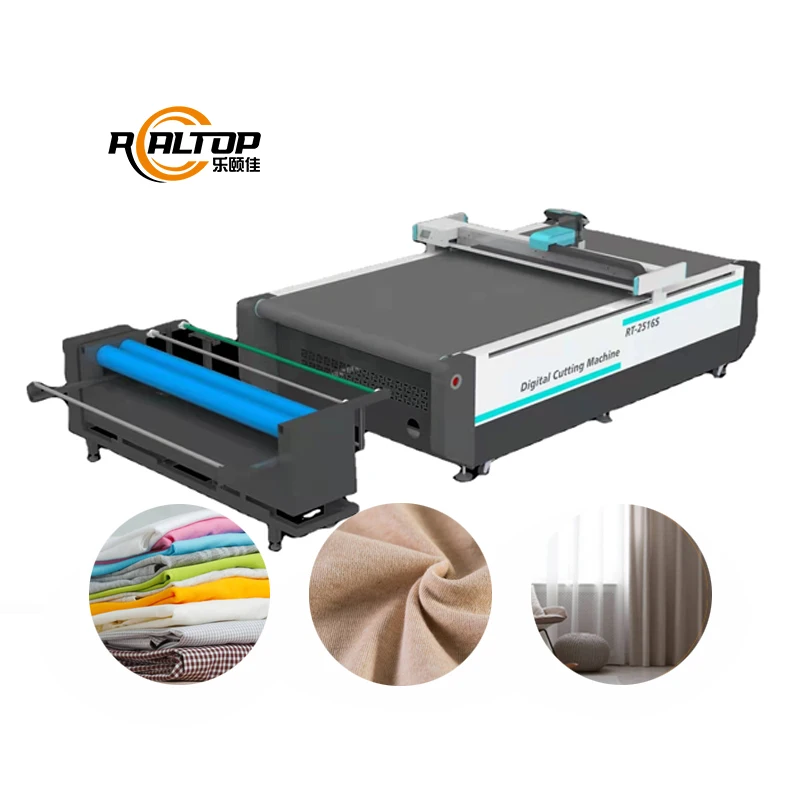
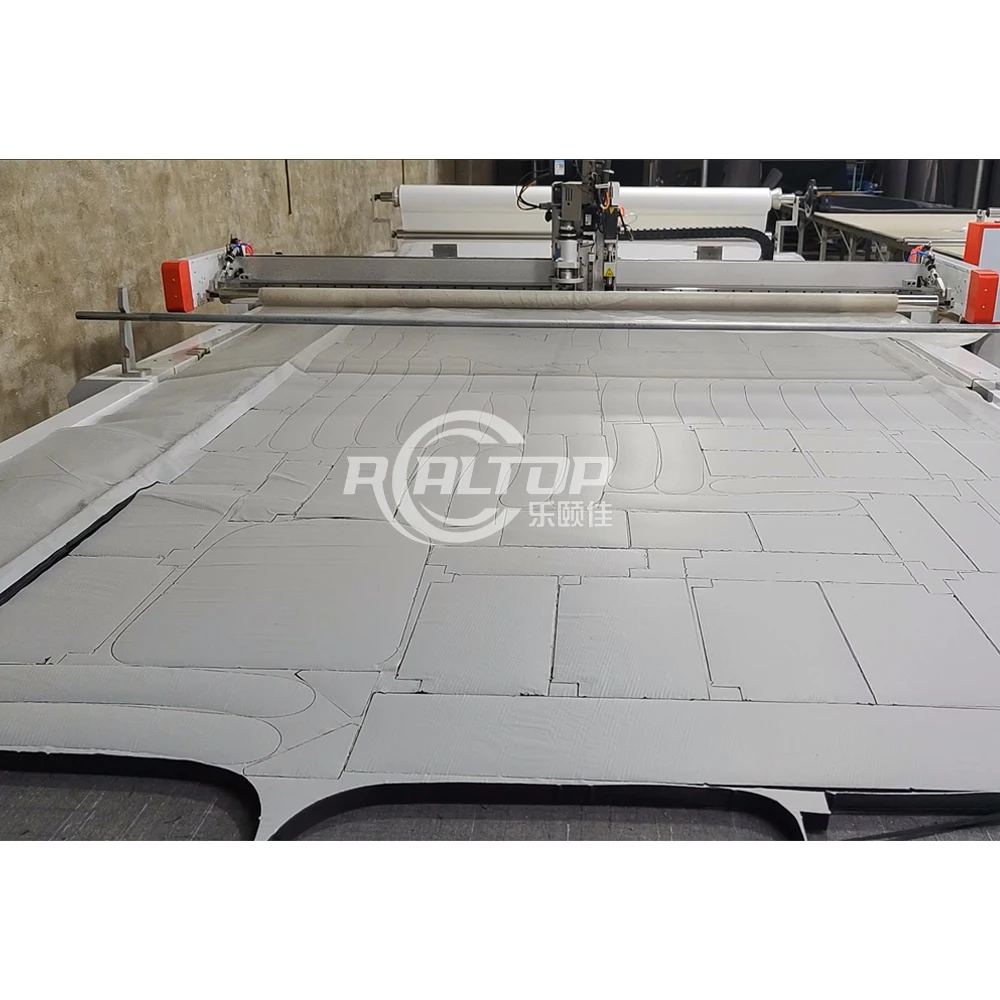
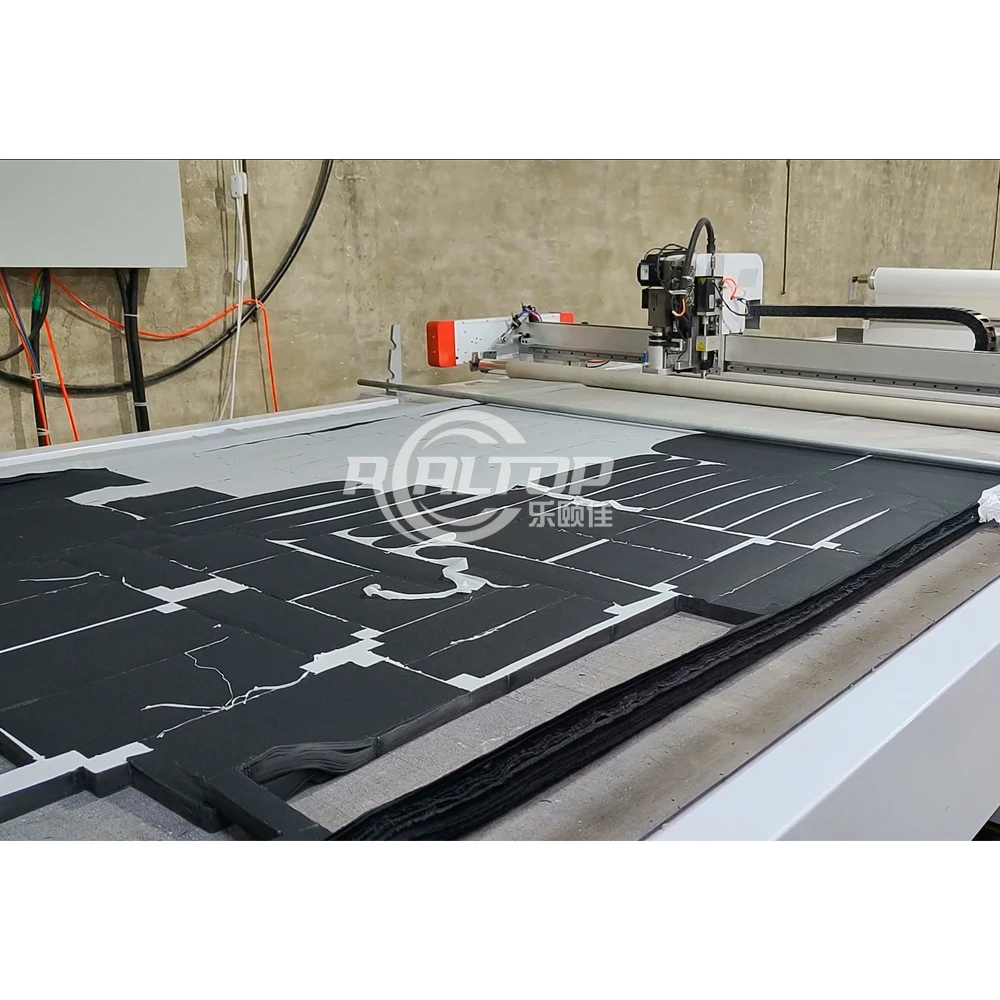
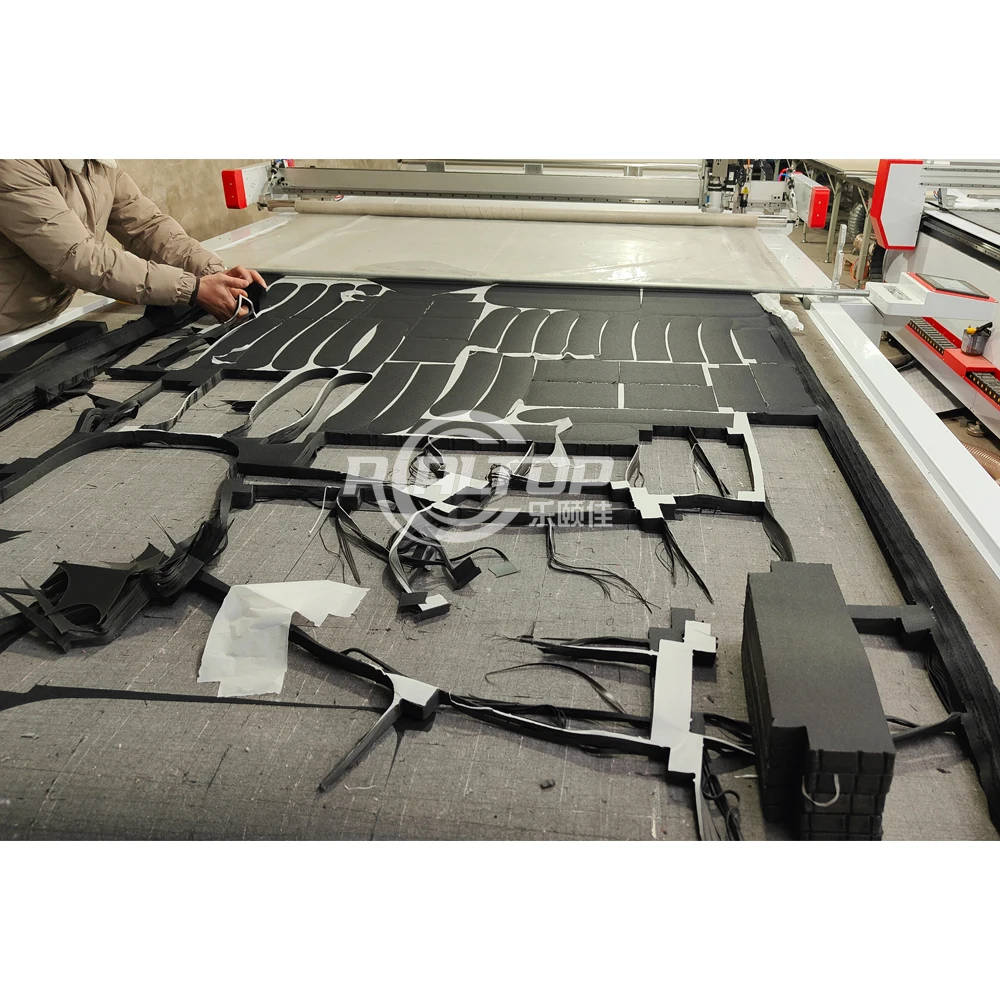
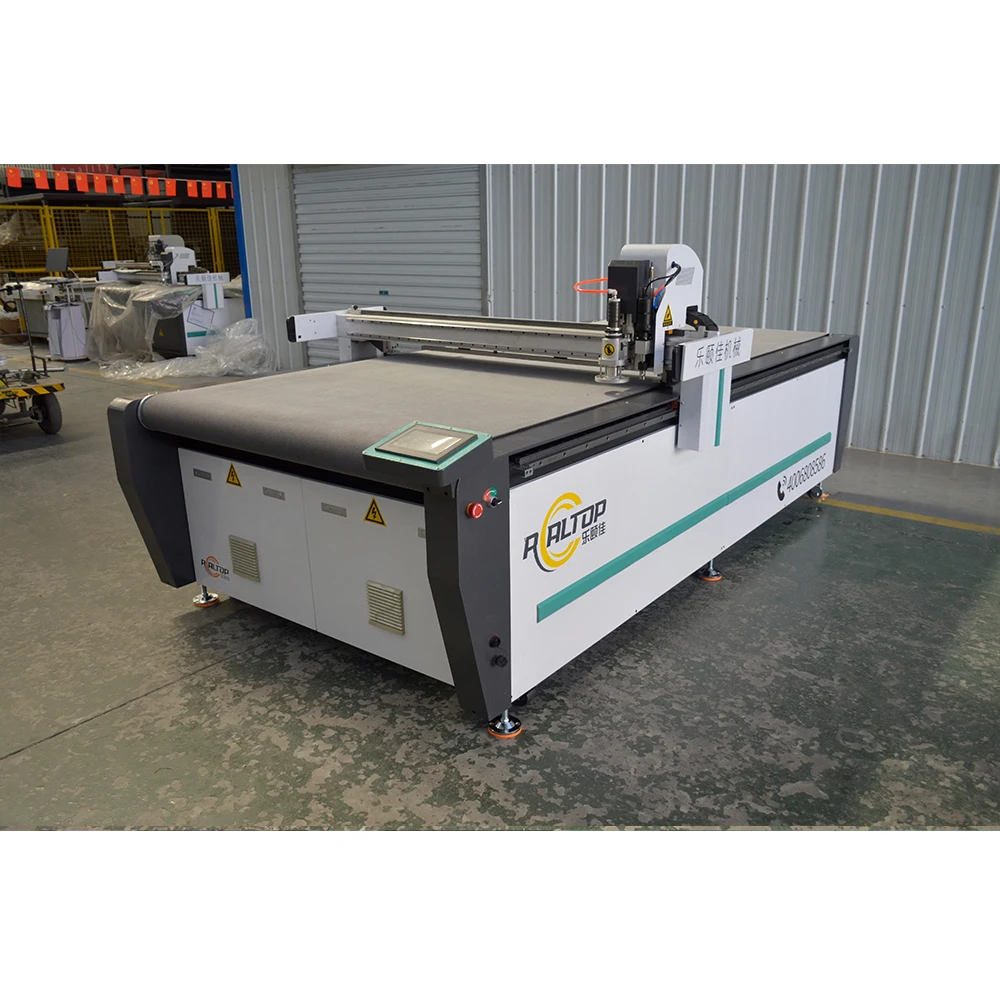
| Product Type | CNC Oscillating Knife Fabric Cutting Machine |
| Working Area | 1600 × 2500 mm |
| Machine Size | 3450 × 2300 × 1250 mm |
| Rated Power | 9 kW |
| Working Table | Flat working table with vacuum hold-down |
| Vacuum Pump | 7.5 kW |
| Tool Head | Swiss imported oscillating knife with full cutting, half cutting, and cursor location |
| Compatible Tools | Round knife, marking pen, auto feeder |
| Translational Velocity | 800–1200 mm/s |
| Cutting Thickness | ≤ 50 mm (varies by material density and layer count) |
| Repeated Accuracy | ≤ 0.1 mm |
| Transmission System | Digital servo motor, linear guide, synchronous belt, ball screw |
| Servo Motor | Panasonic |
| Rail | Taiwan Hiwin linear guide |
| Feeding System | Auto feeder with Germany imported conveyor belt |
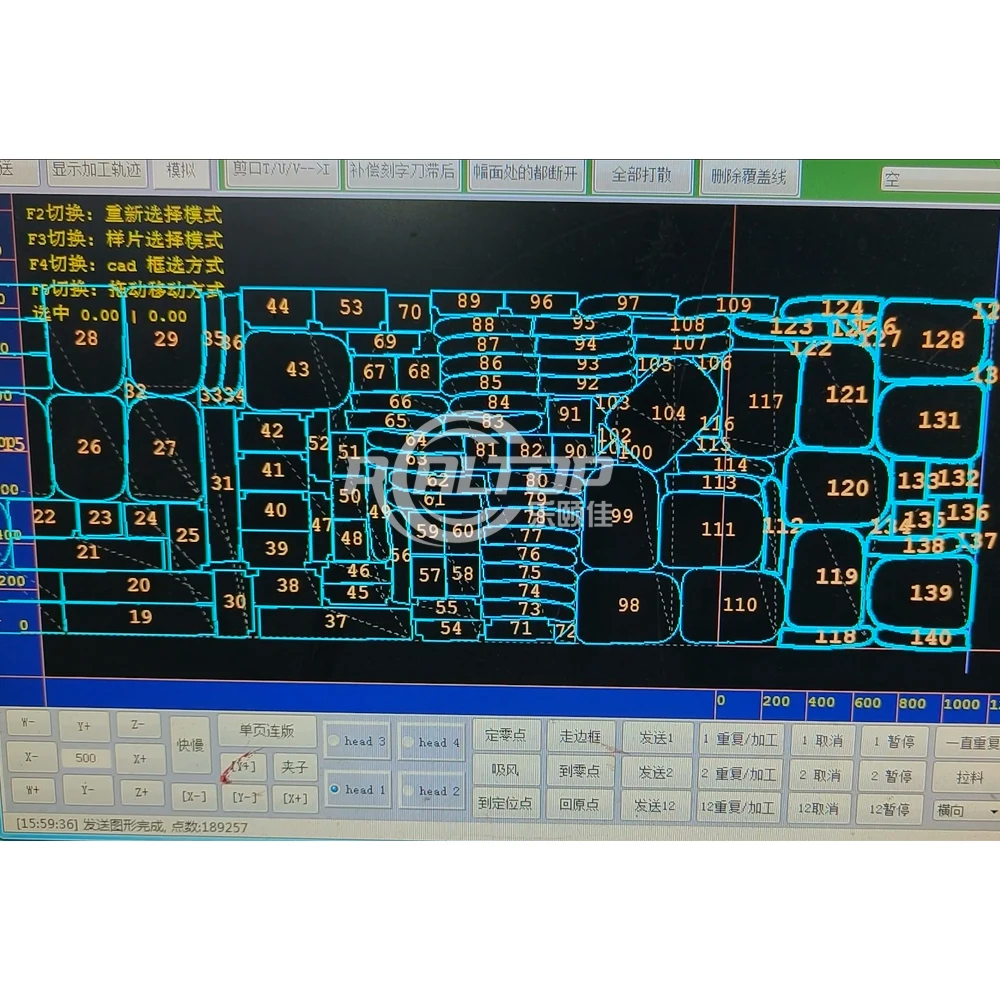
| Instruction Format | HP-GL compatible |
| Voltage | 380V ± 10% |
| Safety Device | Infrared sensors |
| Software Language Options | English, Russian, Italian, Chinese (special languages customizable) |
| Certification | CE |
Application Suitability
| Application | Material or Output |
|---|---|
| Garment batch cutting | Woven fabric, knit textile, multi-layer cotton and polyester stacks |
| Automotive interior trimming | Leather, synthetic leather, sponge composite leather, door panel fabric |
| Footwear and bag production | PU leather, genuine leather, textile uppers, lining materials |
| Furniture and home furnishings | Upholstery fabric, sofa textile, curtain and drapery cloth |
| Industrial soft material processing | PVC, soft glass, silicon sheet, rubber gasket stock |
Why Material Thickness Demands More Than a Working Area Check
Buyers often specify a CNC Oscillating Knife Cutting Machine manufacturer by table size alone, then discover the knife stroke and vacuum zoning cannot hold their material flat at production speed. A 2500 mm bed does not guarantee clean cuts through 40 mm composite leather if the vacuum pull and oscillation frequency are not matched to the stack. When a fabric producer in the automotive supply chain ordered a flatbed based only on sheet dimensions, the machine arrived unable to grip multi-layer sponge composite leather during high-speed traversal — the parts shifted, edges frayed, and four days of on-site adjustment followed before acceptable pieces came off the table [NEED_CITE: common causes of cutting edge defects in oscillating knife systems]. Matching the oscillation stroke, knife type, and vacuum zone layout to the actual material stack prevents that costly arrival-day surprise.
How the Full Cutting Range Fits Together
The catalogue on this site covers both oscillating knife and laser systems because different soft materials respond to fundamentally different cutting physics. A CNC Oscillating Knife Cutting Machine manufacturer that only offers one method forces every buyer into the same process. Knife cutting works for layered fabrics and composites where a clean sheared edge matters, while laser suits single-ply synthetics where edge sealing prevents fraying. Choosing between them depends on material composition, ply count, and whether the cut edge will be visible on the finished product.
Knife Versus Laser for Automotive and Garment Work
Automotive interior producers cutting sponge composite leather need the mechanical shear of an oscillating blade to avoid melting the foam core. Garment manufacturers working with multi-ply cotton stacks face a different problem: laser would scorch the exposed fibers and leave burn marks on light-colored textile. The RT-D2516/RT-S2516 addresses these scenarios with a Swiss imported oscillating knife head delivering both full cutting and half cutting modes, letting the operator score fold lines on packaging inserts or cut through a 50 mm fabric stack in one pass [NEED_CITE: oscillation frequency and stroke length effects on multi-ply fabric cutting].
Reading the Specs That Actually Matter
The 800–1200 mm/s translational velocity defines how fast the head moves between cuts, but effective cutting speed depends on material resistance and corner density in the nesting pattern. A nesting layout with tight curves on shoe uppers will reduce average throughput compared to straight-line garment panels. The Panasonic servo motor paired with Taiwan Hiwin linear guides holds ≤ 0.1 mm repeated accuracy across the full 1600 × 2500 mm travel, which matters when cut pieces must align with downstream sewing or bonding stations. The 7.5 kW vacuum pump must distribute enough pull through the flat table to immobilize small parts — if the table zoning is not configured for the buyer’s typical part geometry, lightweight pieces can lift during the final millimeters of a cut path. HP-GL format compatibility means the control software accepts nesting files from common textile CAD systems without requiring the buyer to re-purchase design software.
What Wrong Tool Head Selection Costs on the Floor
An oscillating knife specified for light polyester will crush rather than shear when it meets multi-layer sponge composite leather, leaving ragged edges that fail quality inspection downstream [NEED_CITE: tool head and material hardness mismatch consequences]. If the auto feeder tension is set for woven fabric but the actual roll is coated PVC, the material can buckle before reaching the cutting zone. These mismatches rarely appear during factory acceptance testing with standard demo materials — they surface only when the buyer’s own stock hits the table.
Why Procurement Teams Source This Line Here
In-house design covers both knife and laser platforms, so the cutting method is matched to the material rather than forced into one technology. Tool head and vacuum table configurations are specified per material type and daily volume before the order is confirmed. Sample cutting runs on the buyer’s actual fabric, leather, or composite stock before commitment, so edge quality and hold-down performance are verified in advance. Voltage and control language customization is documented at order stage — 380V ± 10% with selectable interface languages including English, Russian, Italian, and Chinese. Software file format compatibility is confirmed in writing, not assumed from a brochure line.
Documentation & Verification
- Machine specification sheet listing tool head, vacuum pump, and servo motor brands
- Electrical schematic with 380V circuit and breaker sizing for buyer’s facility
- Factory test record cut on buyer-supplied fabric layers before dispatch
- Software license and HP-GL file format compatibility confirmation note
- Spare parts list covering knife blades, conveyor belt segments, and vacuum seals
Installation, Commissioning & Support
- 3450 × 2300 mm footprint requires level concrete floor with clearance for auto feeder infeed
- 9 kW rated power demands dedicated 380V three-phase circuit with confirmed breaker rating
- Machine ships partially assembled; vacuum table leveling and rail alignment verified on site
- First-run parameter tuning for oscillation stroke and vacuum zone mapping to buyer’s material
- Operator training covers nesting import, tool change procedure, and half-cut depth adjustment
- Blade replacement interval and conveyor belt tension check defined in maintenance schedule
What to Include in Your Inquiry
Provide the material type, ply count, and maximum stack thickness you plan to cut daily, along with typical sheet or roll dimensions feeding the table. Specify your facility voltage and preferred control interface language so the electrical cabinet and HMI are configured before shipment. If your nesting workflow uses a specific CAD system, share a sample file so format compatibility is verified. Confirm whether sample cutting on your own material is required before final acceptance.
Frequently Asked Questions
Q: How do I decide between oscillating knife and laser for my fabric?
A: Knife cutting suits multi-layer stacks, composites with foam cores, and materials where heat damage would compromise the edge. Laser works for single-ply synthetics that benefit from edge sealing. Share your material composition and ply count so the correct method is confirmed before quotation.
Q: What tool heads are available for different fabric thicknesses?
A: The system supports a Swiss imported oscillating knife for full and half cutting, a round knife for single-ply rolls, and a marking pen for pattern identification. Tool selection depends on material density, stack height, and whether score lines are needed alongside full cuts.
Q: Which file formats does the software accept?
A: The control system is HP-GL compatible, accepting output from most textile and packaging CAD platforms. File format compatibility is confirmed before order so your existing nesting workflow connects without additional software purchase.
Q: Can the voltage and interface language match my facility?
A: Voltage is specified at 380V ± 10% and confirmed against your local supply before production. Interface languages include English, Russian, Italian, and Chinese, with other languages configurable. Both are documented at order stage to avoid on-site surprises.
Q: How is sample cutting arranged before I commit?
A: Send a representative roll or sheet of your actual production material. We run cutting tests on the configured tool head and vacuum table, then share a sample cutting report showing edge quality, hold-down performance, and cycle timing for your review.
Precision tool head matching — We specify the oscillating knife configuration against your actual fabric layers and composite structure before production begins, not after the machine arrives.
Technical Specifications
| Parameter | Value |
|---|---|
| Model | RT-D2516/RT-S2516 |
| Product Type | CNC Oscillating Knife Fabric Cutting Machine |
| Working Area | 1600 × 2500 mm |
| Machine Size | 3450 × 2300 × 1250 mm |
| Rated Power | 9 kW |
| Working Table | Flat working table with vacuum hold-down |
| Vacuum Pump | 7.5 kW |
| Tool Head | Swiss imported oscillating knife with full cutting, half cutting, and cursor location |
| Compatible Tools | Round knife, marking pen, auto feeder |
| Translational Velocity | 800–1200 mm/s |
| Cutting Thickness | ≤ 50 mm (varies by material density and layer count) |
| Repeated Accuracy | ≤ 0.1 mm |
| Transmission System | Digital servo motor, linear guide, synchronous belt, ball screw |
| Servo Motor | Panasonic |
| Rail | Taiwan Hiwin linear guide |
| Feeding System | Auto feeder with Germany imported conveyor belt |
| Instruction Format | HP-GL compatible |
| Voltage | 380V ± 10% |
| Safety Device | Infrared sensors |
| Software Language Options | English, Russian, Italian, Chinese (special languages customizable) |
| Certification | CE |
Application Suitability
| Application | Material or Output |
|---|---|
| Garment batch cutting | Woven fabric, knit textile, multi-layer cotton and polyester stacks |
| Automotive interior trimming | Leather, synthetic leather, sponge composite leather, door panel fabric |
| Footwear and bag production | PU leather, genuine leather, textile uppers, lining materials |
| Furniture and home furnishings | Upholstery fabric, sofa textile, curtain and drapery cloth |
| Industrial soft material processing | PVC, soft glass, silicon sheet, rubber gasket stock |
Why Material Thickness Demands More Than a Working Area Check
Buyers often specify a CNC Oscillating Knife Cutting Machine manufacturer by table size alone, then discover the knife stroke and vacuum zoning cannot hold their material flat at production speed. A 2500 mm bed does not guarantee clean cuts through 40 mm composite leather if the vacuum pull and oscillation frequency are not matched to the stack. When a fabric producer in the automotive supply chain ordered a flatbed based only on sheet dimensions, the machine arrived unable to grip multi-layer sponge composite leather during high-speed traversal — the parts shifted, edges frayed, and four days of on-site adjustment followed before acceptable pieces came off the table [NEED_CITE: common causes of cutting edge defects in oscillating knife systems]. Matching the oscillation stroke, knife type, and vacuum zone layout to the actual material stack prevents that costly arrival-day surprise.
How the Full Cutting Range Fits Together
The catalogue on this site covers both oscillating knife and laser systems because different soft materials respond to fundamentally different cutting physics. A CNC Oscillating Knife Cutting Machine manufacturer that only offers one method forces every buyer into the same process. Knife cutting works for layered fabrics and composites where a clean sheared edge matters, while laser suits single-ply synthetics where edge sealing prevents fraying. Choosing between them depends on material composition, ply count, and whether the cut edge will be visible on the finished product.
Knife Versus Laser for Automotive and Garment Work
Automotive interior producers cutting sponge composite leather need the mechanical shear of an oscillating blade to avoid melting the foam core. Garment manufacturers working with multi-ply cotton stacks face a different problem: laser would scorch the exposed fibers and leave burn marks on light-colored textile. The RT-D2516/RT-S2516 addresses these scenarios with a Swiss imported oscillating knife head delivering both full cutting and half cutting modes, letting the operator score fold lines on packaging inserts or cut through a 50 mm fabric stack in one pass [NEED_CITE: oscillation frequency and stroke length effects on multi-ply fabric cutting].
Reading the Specs That Actually Matter
The 800–1200 mm/s translational velocity defines how fast the head moves between cuts, but effective cutting speed depends on material resistance and corner density in the nesting pattern. A nesting layout with tight curves on shoe uppers will reduce average throughput compared to straight-line garment panels. The Panasonic servo motor paired with Taiwan Hiwin linear guides holds ≤ 0.1 mm repeated accuracy across the full 1600 × 2500 mm travel, which matters when cut pieces must align with downstream sewing or bonding stations. The 7.5 kW vacuum pump must distribute enough pull through the flat table to immobilize small parts — if the table zoning is not configured for the buyer’s typical part geometry, lightweight pieces can lift during the final millimeters of a cut path. HP-GL format compatibility means the control software accepts nesting files from common textile CAD systems without requiring the buyer to re-purchase design software.
What Wrong Tool Head Selection Costs on the Floor
An oscillating knife specified for light polyester will crush rather than shear when it meets multi-layer sponge composite leather, leaving ragged edges that fail quality inspection downstream [NEED_CITE: tool head and material hardness mismatch consequences]. If the auto feeder tension is set for woven fabric but the actual roll is coated PVC, the material can buckle before reaching the cutting zone. These mismatches rarely appear during factory acceptance testing with standard demo materials — they surface only when the buyer’s own stock hits the table.
Why Procurement Teams Source This Line Here
In-house design covers both knife and laser platforms, so the cutting method is matched to the material rather than forced into one technology. Tool head and vacuum table configurations are specified per material type and daily volume before the order is confirmed. Sample cutting runs on the buyer’s actual fabric, leather, or composite stock before commitment, so edge quality and hold-down performance are verified in advance. Voltage and control language customization is documented at order stage — 380V ± 10% with selectable interface languages including English, Russian, Italian, and Chinese. Software file format compatibility is confirmed in writing, not assumed from a brochure line.
Documentation & Verification
- Machine specification sheet listing tool head, vacuum pump, and servo motor brands
- Electrical schematic with 380V circuit and breaker sizing for buyer’s facility
- Factory test record cut on buyer-supplied fabric layers before dispatch
- Software license and HP-GL file format compatibility confirmation note
- Spare parts list covering knife blades, conveyor belt segments, and vacuum seals
Installation, Commissioning & Support
- 3450 × 2300 mm footprint requires level concrete floor with clearance for auto feeder infeed
- 9 kW rated power demands dedicated 380V three-phase circuit with confirmed breaker rating
- Machine ships partially assembled; vacuum table leveling and rail alignment verified on site
- First-run parameter tuning for oscillation stroke and vacuum zone mapping to buyer’s material
- Operator training covers nesting import, tool change procedure, and half-cut depth adjustment
- Blade replacement interval and conveyor belt tension check defined in maintenance schedule
What to Include in Your Inquiry
Provide the material type, ply count, and maximum stack thickness you plan to cut daily, along with typical sheet or roll dimensions feeding the table. Specify your facility voltage and preferred control interface language so the electrical cabinet and HMI are configured before shipment. If your nesting workflow uses a specific CAD system, share a sample file so format compatibility is verified. Confirm whether sample cutting on your own material is required before final acceptance.
Frequently Asked Questions
Q: How do I decide between oscillating knife and laser for my fabric?
A: Knife cutting suits multi-layer stacks, composites with foam cores, and materials where heat damage would compromise the edge. Laser works for single-ply synthetics that benefit from edge sealing. Share your material composition and ply count so the correct method is confirmed before quotation.
Q: What tool heads are available for different fabric thicknesses?
A: The system supports a Swiss imported oscillating knife for full and half cutting, a round knife for single-ply rolls, and a marking pen for pattern identification. Tool selection depends on material density, stack height, and whether score lines are needed alongside full cuts.
Q: Which file formats does the software accept?
A: The control system is HP-GL compatible, accepting output from most textile and packaging CAD platforms. File format compatibility is confirmed before order so your existing nesting workflow connects without additional software purchase.
Q: Can the voltage and interface language match my facility?
A: Voltage is specified at 380V ± 10% and confirmed against your local supply before production. Interface languages include English, Russian, Italian, and Chinese, with other languages configurable. Both are documented at order stage to avoid on-site surprises.
Q: How is sample cutting arranged before I commit?
A: Send a representative roll or sheet of your actual production material. We run cutting tests on the configured tool head and vacuum table, then share a sample cutting report showing edge quality, hold-down performance, and cycle timing for your review.










商品评价
There are no reviews yet.