



Fast Delivery
Quick, reliable shipping to any location.

Free & easy returns
Return this item by mail or in store within 90 days for a full refund.
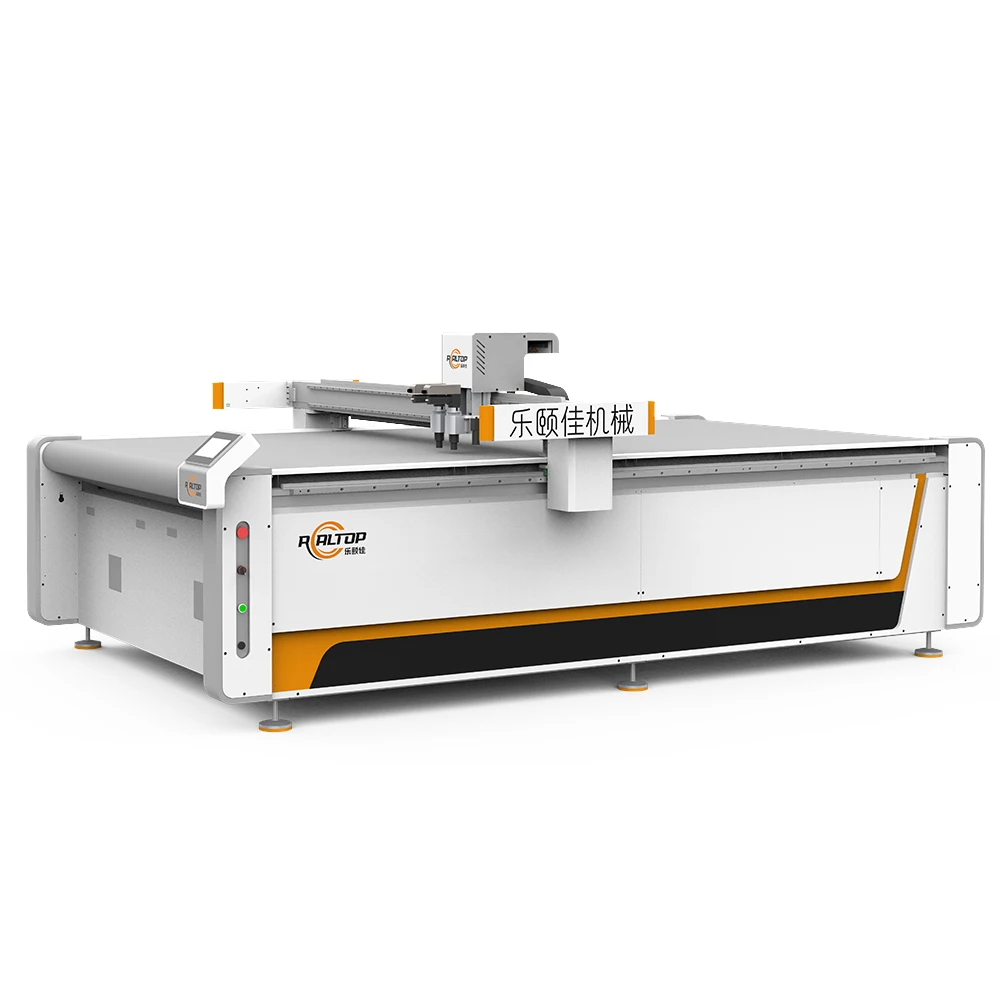
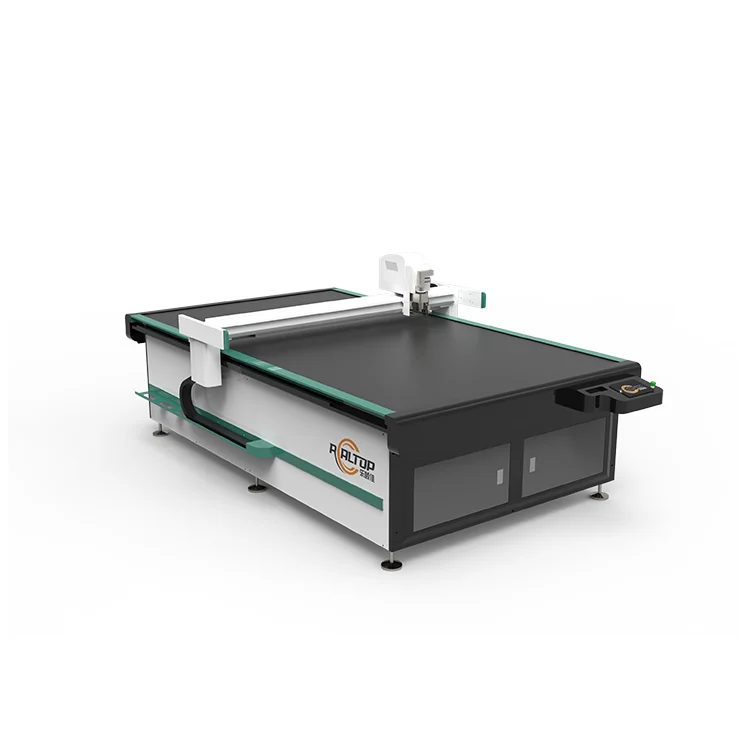
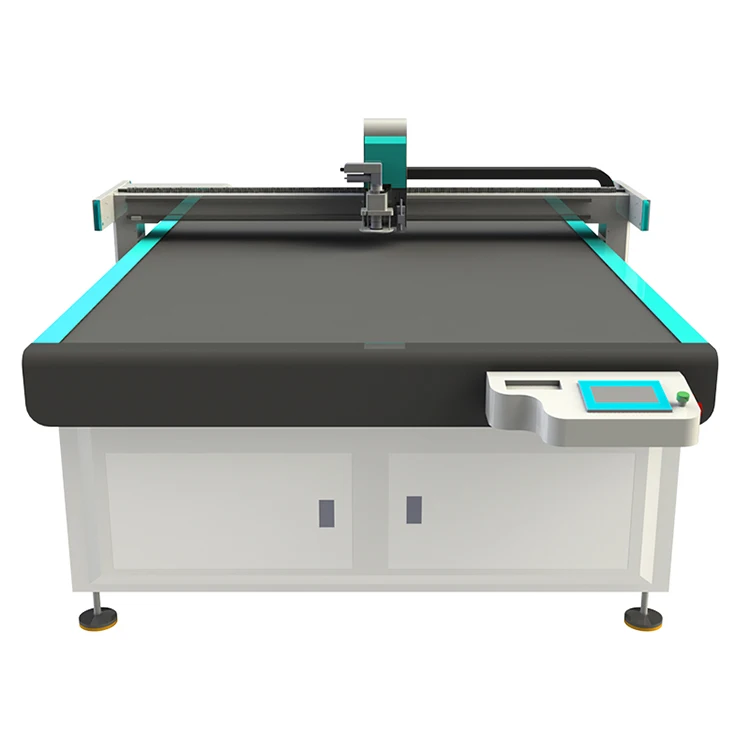
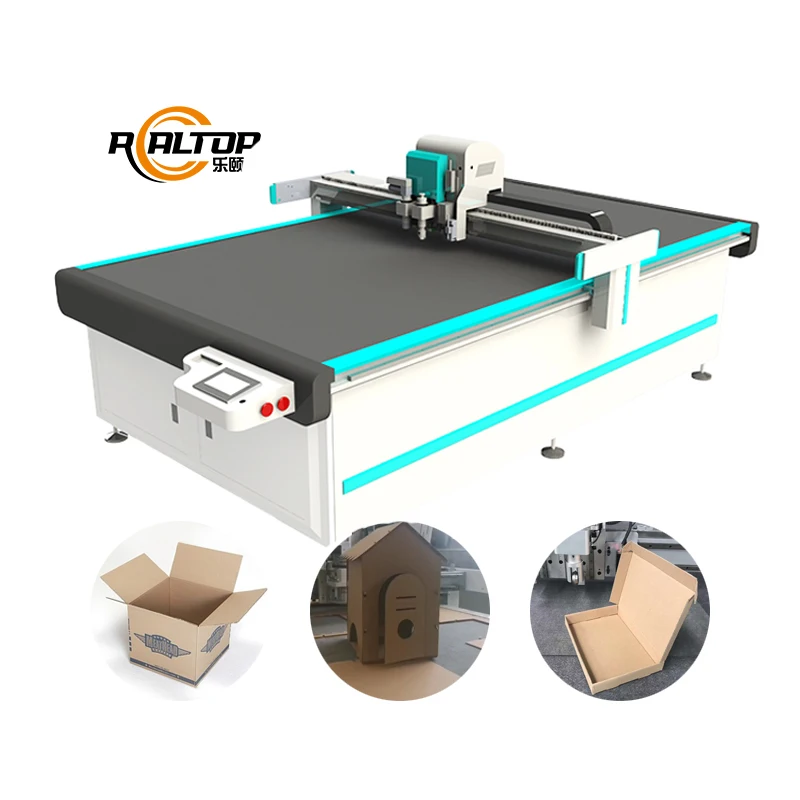
Tool Head and Table Configuration Specified Per Material — every 1625 cutting table leaves our Jinan workshop with the exact knife, creasing wheel and vacuum zoning validated against your packaging stock before crating.
Technical Specifications
| Parameter | Value |
|---|---|
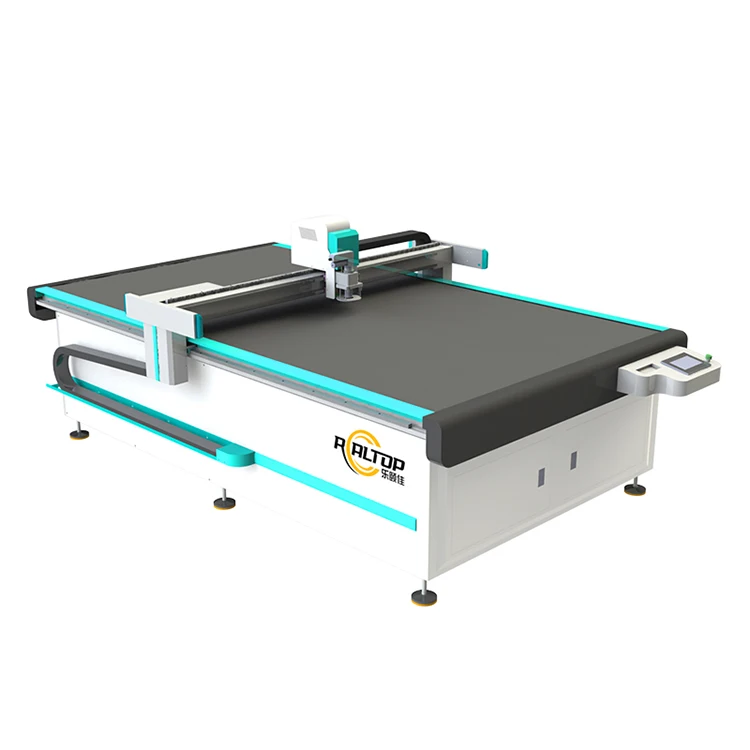
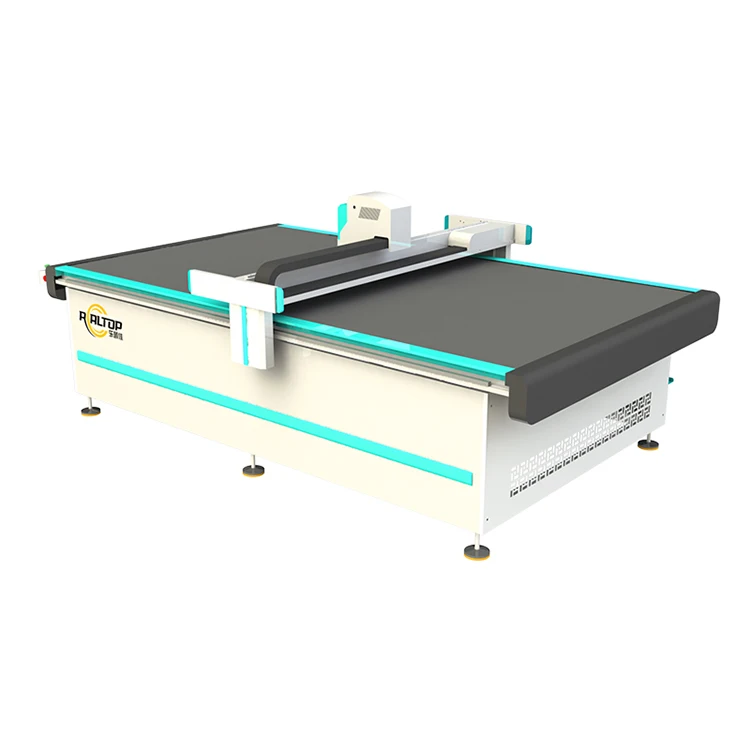
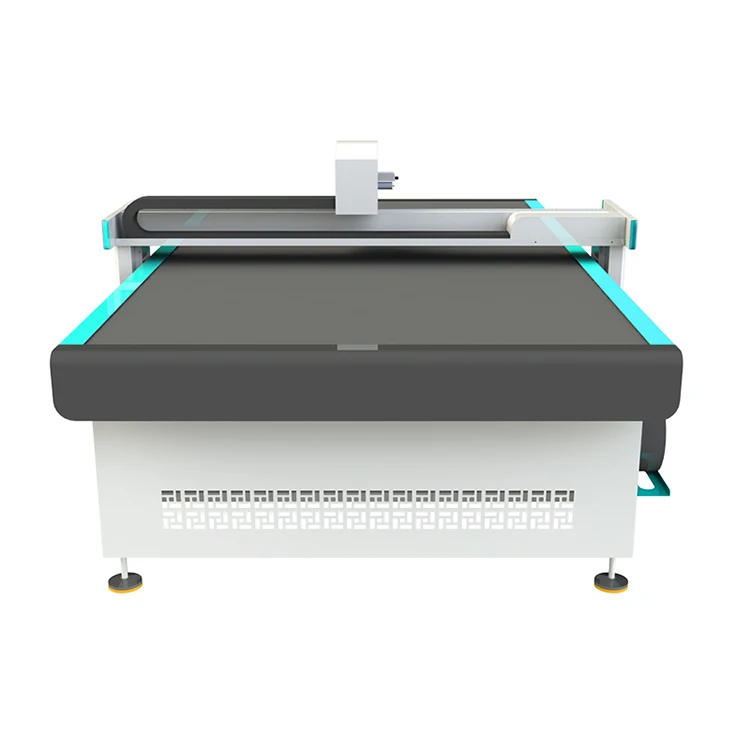
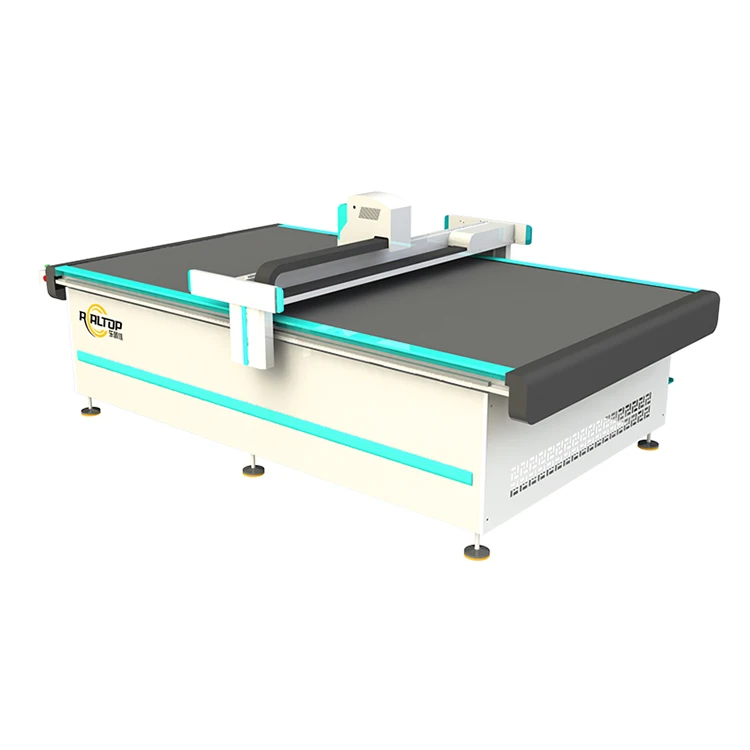
| Product Type | CNC Carton Box Sample Cutting Machine |
| Working Area | 1600×2500 mm |
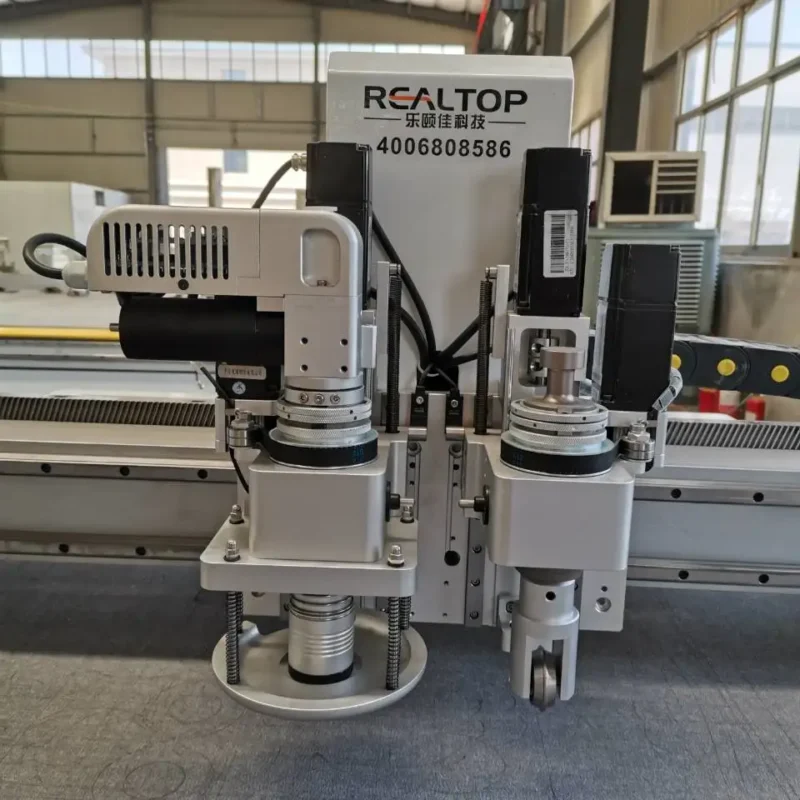
| Available Tool Heads | Oscillating knife, Driven rotary knife, Creasing wheel, Kiss cutting tool, Pneumatic knife, Milling tool, V groove knife |
| Applicable Materials | Fabric, Cardboard, Carton, Mats, PVC, EVA, Leather, Acrylic, Foam, PTFE, Rubber |
| Cutting Speed | 0–1500 mm/s |
| Cutting Thickness | ≤ 40 mm (basis not stated in source — confirm specific material type and density) |
| Cutting Accuracy | ±0.1 mm |
| Vacuum Pump Power | 9 kW |
| Voltage Options | 110V, 220V, 380V |
| Supported File Formats | PLT, DXF, AI, PDF |
| Safety Device | Infrared sensor device and emergency stop |
| Machine Dimensions | 3300×2100×1350 mm |
| Control System | PLC control panel with optional display languages |
| Servo Motor Options | Panasonic, Delta, Dorna |
| Vacuum Table Type | Aluminum bellows vacuum table |
| Software | Dedicated packaging box structure design software included |
| Display Language Options | English, Russian, Italian, Chinese, custom languages available |
| Certification | CE declaration where applicable |
Application Suitability
| Application | Material or Output |
|---|---|
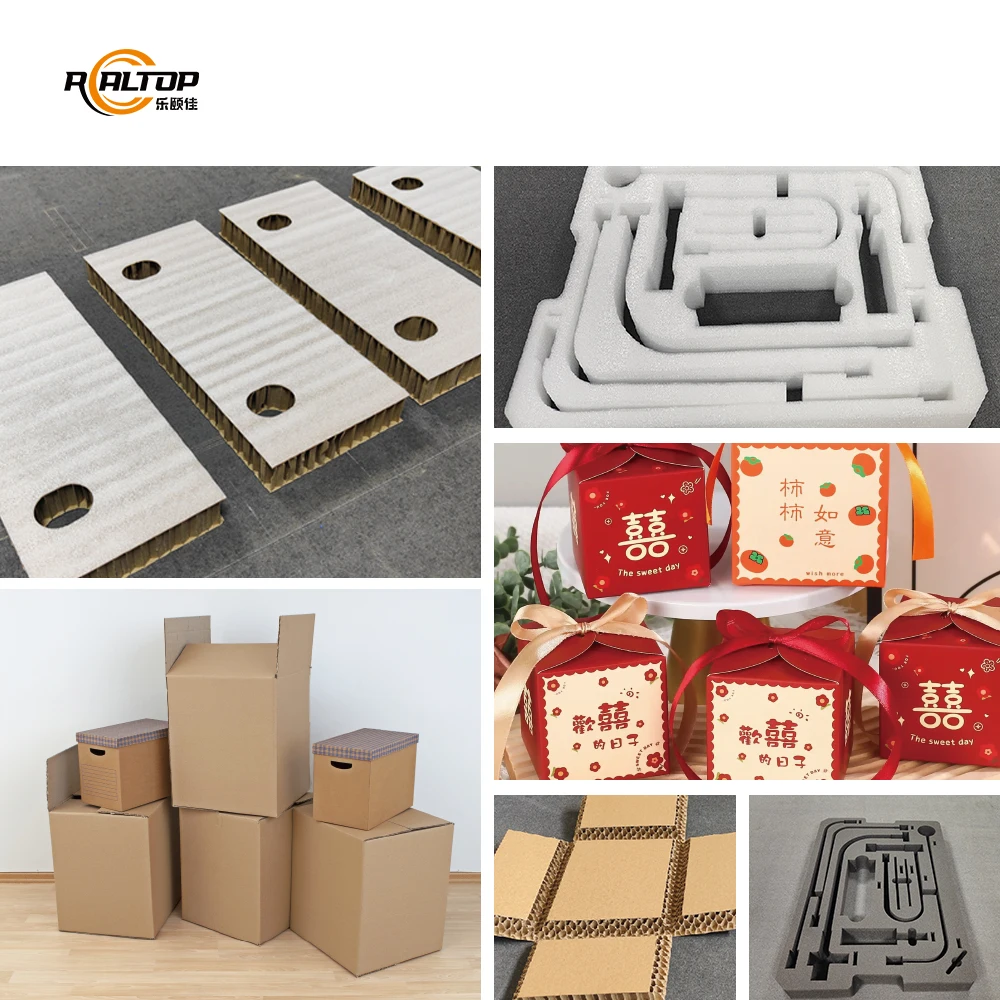
| Corrugated carton sample making | E-flute, B-flute, BC-flute corrugated cardboard |
| Rigid box and greyboard prototyping | Greyboard, chipboard, art paper, specialty paper |
| Small-batch packaging runs | Cardstock and folding carton without die-cut molds |
| Foam insert packaging | EVA, EPE, PU foam cushioning |
| Thin plastic packaging components | PVC, PET sheets |
| Leather and synthetic leather goods | Natural and PU leather for packaging accessories |
| Composite and adhesive-backed materials | Laminated packaging substrates |
Why the "Just Tell Me the Working Area" Approach Wrecks Packaging Prototyping
Cutting method, tool head and vacuum zoning matter more than bed size when matching a CNC Carton Box Sample Cutting Machine manufacturer to your actual packaging stock.
I have watched buyers in the Pearl River Delta specify a machine purely by working area, sign the contract, then call us weeks later because the standard oscillating knife cannot push through their 3mm BC-flute corrugated board without delaminating the liner. The machine sits idle while they wait for a pneumatic knife head and a revised vacuum zone map. Those weeks of downtime cost more than the tooling upgrade they should have specified from the start [NEED_CITE: cutting tool and material thickness matching for corrugated packaging].
Surveying the Full Cutting Equipment Range
Before you commit to a single cutting method, it is worth understanding where knife cutting sits relative to laser processing for packaging work. Oscillating knife systems handle thick corrugated, foam inserts and adhesive-backed laminates without burning the edges or generating fumes that require extraction ductwork. Laser units, by contrast, seal edges on synthetic textiles and thin plastics but introduce thermal limitations on thicker board. This 1625 platform falls squarely on the knife side of the spectrum, covering the material families that packaging sample makers encounter daily — from single-face E-flute to multi-layer greyboard stacks and EVA cushioning blanks. A CNC Carton Box Sample Cutting Machine manufacturer that builds both knife and laser platforms can direct you to the correct process rather than forcing one technology to cover every substrate.
Matching the Tool Head Library to Your Packaging Workflow
The seven tool head options on this 1625 table are not interchangeable accessories; each solves a distinct packaging geometry problem. The oscillating knife handles straight and curved cuts through corrugated and foam. The creasing wheel scores fold lines without severing the board. The V groove knife removes material in a channel for rigid box corners that must fold to exact angles. The kiss cutting tool scores adhesive-backed labels and gaskets without cutting the release liner. The driven rotary knife tackles woven and fabric-based packaging materials that an oscillating blade would drag and distort. The milling tool routs thicker acrylic or MDF for display packaging fixtures. When you evaluate a CNC Carton Box Sample Cutting Machine manufacturer, the question is not whether they offer multiple heads but whether the quotation specifies which head runs on your particular board grade and flute profile [NEED_CITE: packaging structure design tooling requirements].
Reading the Specifications Against Real Packaging Production
The 1600×2500 mm working area accommodates full sheets of standard corrugated and greyboard stock commonly used in carton sample making, reducing the need to pre-cut sheets before loading. The ±0.1 mm cutting accuracy keeps fold lines registered to cut lines across multi-panel box structures where a half-millimeter drift throws the entire assembly out of square. The 9 kW vacuum pump paired with an aluminum bellows vacuum table provides the suction needed to hold porous corrugated board flat — a weaker pump allows air leakage through the flutes and lets the sheet lift during high-speed cuts. Cutting speed ranges from 0 to 1500 mm/s, though usable speed on your line depends entirely on flute thickness and cut geometry; tight corners on a small tuck-end box force deceleration that straight runs on a large shipping carton do not. The PLC control panel supports multiple display languages, and file import covers PLT, DXF, AI and PDF formats so that artwork from common packaging design software flows directly to the machine without manual re-drawing.
What Happens When You Skip the Material Test
Buyers who skip sample cutting on their own stock before committing to an order discover problems only after the machine arrives. A standard oscillating knife configured for art paper will crush BC-flute corrugated rather than slice it, leaving ragged edges that ruin sample presentation. A vacuum table with insufficient zoning lets small carton blanks lift off the bed mid-cut, producing scrap and risking blade damage. A software workflow that cannot import your existing DXF structure files forces operators to redraw every box template manually. These are not machine defects; they are configuration mismatches that a pre-order sample cutting report on your own material would have caught [NEED_CITE: pre-shipment sample cutting validation for packaging equipment].
Why Procurement Teams Source This Equipment Here
In-house design and production covering knife cutting technology means this 1625 platform is built and validated under one roof, not assembled from third-party sub-systems that shift blame when tooling and control disagree. Tool head and table configuration is specified per your packaging material and daily volume, not quoted as a fixed package that leaves you buying add-on heads later. CCD camera positioning is available for printed contour work on packaging graphics that require registration to pre-printed artwork. Software compatibility is confirmed against your file formats before the order enters production, so there are no surprises when you load your first DXF. Voltage, language and specification customization ensures the machine matches your facility’s electrical standard and your operators’ working language from day one.
Documentation & Verification
- Machine specification sheet confirming tool head and vacuum table configuration for your packaging stock
- Electrical schematic with voltage and frequency matched to your facility standard
- Sample cutting report produced on your corrugated or greyboard material before dispatch
- Tool head and creasing wheel configuration list matched to your box structure types
- Software licence documentation with supported file format compatibility note
- Factory test record verifying cutting accuracy across your specified material range
Installation, Commissioning & Support
- 3300×2100×1350 mm machine footprint requires a level concrete floor with clearance for sheet loading on all sides
- 9 kW vacuum pump and PLC control panel need dedicated electrical circuits matching your confirmed voltage option
- Aluminum bellows vacuum table sections arrive assembled; frame and gantry require on-site mechanical alignment
- First-run commissioning includes cutting speed and oscillation frequency tuning on your actual packaging board stock
- Operator training covers tool head changeover between oscillating knife, creasing wheel and V groove knife tasks
- Spare parts list includes oscillating blades, creasing wheels and vacuum table seals specific to your configuration
What to Share Before Requesting a Quotation
Send the specific packaging materials you process — flute type, board thickness, whether you run adhesive-backed laminates or foam inserts — along with your maximum sheet dimensions and typical daily sample volume. Confirm your facility voltage and frequency, and the display language your operators need. If you use a specific packaging structure design software, share a sample file so we can validate import compatibility before the order is placed.
Frequently Asked Questions
Q: How do I decide between oscillating knife and laser cutting for my packaging materials?
A: Oscillating knife handles thick corrugated, foam and adhesive laminates without edge burn or fume extraction requirements. Laser seals edges on thin synthetics but is limited on heavier board grades. Share your material list so we can direct you to the correct process rather than forcing one method across incompatible substrates.
Q: What working area size should I choose for carton sample making?
A: The 1600×2500 mm bed accommodates standard corrugated and greyboard sheets used in packaging prototyping. Consider your largest box blank dimensions and whether you run nested layouts for small-batch production. Undersized beds force sheet pre-cutting that adds a manual step before every run.
Q: Which tool heads handle both cutting and creasing in one setup?
A: The oscillating knife cuts through corrugated and board while the creasing wheel scores fold lines, both mounted on the same 1625 table. For rigid box work requiring channel removal at corners, the V groove knife is added to the configuration. Specify your box structure types so the quotation covers all required heads.
Q: Can the machine track printed graphics for contour-accurate packaging cuts?
A: CCD camera positioning is available as an option for printed contour recognition on packaging graphics. This registers cut paths to pre-printed artwork on the sheet. Confirm your print registration mark format and tolerance requirements before the order so the camera system is calibrated to your production standard.
Q: Will the software import my existing packaging design files?
A: The included software supports PLT, DXF, AI and PDF import. Share a sample file from your current design workflow before the order so compatibility is verified and any translation issues are resolved before the machine reaches your floor.
Tool Head and Table Configuration Specified Per Material — every 1625 cutting table leaves our Jinan workshop with the exact knife, creasing wheel and vacuum zoning validated against your packaging stock before crating.
Technical Specifications
| Parameter | Value |
|---|---|
| Product Type | CNC Carton Box Sample Cutting Machine |
| Working Area | 1600×2500 mm |
| Available Tool Heads | Oscillating knife, Driven rotary knife, Creasing wheel, Kiss cutting tool, Pneumatic knife, Milling tool, V groove knife |
| Applicable Materials | Fabric, Cardboard, Carton, Mats, PVC, EVA, Leather, Acrylic, Foam, PTFE, Rubber |
| Cutting Speed | 0–1500 mm/s |
| Cutting Thickness | ≤ 40 mm (basis not stated in source — confirm specific material type and density) |
| Cutting Accuracy | ±0.1 mm |
| Vacuum Pump Power | 9 kW |
| Voltage Options | 110V, 220V, 380V |
| Supported File Formats | PLT, DXF, AI, PDF |
| Safety Device | Infrared sensor device and emergency stop |
| Machine Dimensions | 3300×2100×1350 mm |
| Control System | PLC control panel with optional display languages |
| Servo Motor Options | Panasonic, Delta, Dorna |
| Vacuum Table Type | Aluminum bellows vacuum table |
| Software | Dedicated packaging box structure design software included |
| Display Language Options | English, Russian, Italian, Chinese, custom languages available |
| Certification | CE declaration where applicable |
Application Suitability
| Application | Material or Output |
|---|---|
| Corrugated carton sample making | E-flute, B-flute, BC-flute corrugated cardboard |
| Rigid box and greyboard prototyping | Greyboard, chipboard, art paper, specialty paper |
| Small-batch packaging runs | Cardstock and folding carton without die-cut molds |
| Foam insert packaging | EVA, EPE, PU foam cushioning |
| Thin plastic packaging components | PVC, PET sheets |
| Leather and synthetic leather goods | Natural and PU leather for packaging accessories |
| Composite and adhesive-backed materials | Laminated packaging substrates |
Why the "Just Tell Me the Working Area" Approach Wrecks Packaging Prototyping
Cutting method, tool head and vacuum zoning matter more than bed size when matching a CNC Carton Box Sample Cutting Machine manufacturer to your actual packaging stock.
I have watched buyers in the Pearl River Delta specify a machine purely by working area, sign the contract, then call us weeks later because the standard oscillating knife cannot push through their 3mm BC-flute corrugated board without delaminating the liner. The machine sits idle while they wait for a pneumatic knife head and a revised vacuum zone map. Those weeks of downtime cost more than the tooling upgrade they should have specified from the start [NEED_CITE: cutting tool and material thickness matching for corrugated packaging].
Surveying the Full Cutting Equipment Range
Before you commit to a single cutting method, it is worth understanding where knife cutting sits relative to laser processing for packaging work. Oscillating knife systems handle thick corrugated, foam inserts and adhesive-backed laminates without burning the edges or generating fumes that require extraction ductwork. Laser units, by contrast, seal edges on synthetic textiles and thin plastics but introduce thermal limitations on thicker board. This 1625 platform falls squarely on the knife side of the spectrum, covering the material families that packaging sample makers encounter daily — from single-face E-flute to multi-layer greyboard stacks and EVA cushioning blanks. A CNC Carton Box Sample Cutting Machine manufacturer that builds both knife and laser platforms can direct you to the correct process rather than forcing one technology to cover every substrate.
Matching the Tool Head Library to Your Packaging Workflow
The seven tool head options on this 1625 table are not interchangeable accessories; each solves a distinct packaging geometry problem. The oscillating knife handles straight and curved cuts through corrugated and foam. The creasing wheel scores fold lines without severing the board. The V groove knife removes material in a channel for rigid box corners that must fold to exact angles. The kiss cutting tool scores adhesive-backed labels and gaskets without cutting the release liner. The driven rotary knife tackles woven and fabric-based packaging materials that an oscillating blade would drag and distort. The milling tool routs thicker acrylic or MDF for display packaging fixtures. When you evaluate a CNC Carton Box Sample Cutting Machine manufacturer, the question is not whether they offer multiple heads but whether the quotation specifies which head runs on your particular board grade and flute profile [NEED_CITE: packaging structure design tooling requirements].
Reading the Specifications Against Real Packaging Production
The 1600×2500 mm working area accommodates full sheets of standard corrugated and greyboard stock commonly used in carton sample making, reducing the need to pre-cut sheets before loading. The ±0.1 mm cutting accuracy keeps fold lines registered to cut lines across multi-panel box structures where a half-millimeter drift throws the entire assembly out of square. The 9 kW vacuum pump paired with an aluminum bellows vacuum table provides the suction needed to hold porous corrugated board flat — a weaker pump allows air leakage through the flutes and lets the sheet lift during high-speed cuts. Cutting speed ranges from 0 to 1500 mm/s, though usable speed on your line depends entirely on flute thickness and cut geometry; tight corners on a small tuck-end box force deceleration that straight runs on a large shipping carton do not. The PLC control panel supports multiple display languages, and file import covers PLT, DXF, AI and PDF formats so that artwork from common packaging design software flows directly to the machine without manual re-drawing.
What Happens When You Skip the Material Test
Buyers who skip sample cutting on their own stock before committing to an order discover problems only after the machine arrives. A standard oscillating knife configured for art paper will crush BC-flute corrugated rather than slice it, leaving ragged edges that ruin sample presentation. A vacuum table with insufficient zoning lets small carton blanks lift off the bed mid-cut, producing scrap and risking blade damage. A software workflow that cannot import your existing DXF structure files forces operators to redraw every box template manually. These are not machine defects; they are configuration mismatches that a pre-order sample cutting report on your own material would have caught [NEED_CITE: pre-shipment sample cutting validation for packaging equipment].
Why Procurement Teams Source This Equipment Here
In-house design and production covering knife cutting technology means this 1625 platform is built and validated under one roof, not assembled from third-party sub-systems that shift blame when tooling and control disagree. Tool head and table configuration is specified per your packaging material and daily volume, not quoted as a fixed package that leaves you buying add-on heads later. CCD camera positioning is available for printed contour work on packaging graphics that require registration to pre-printed artwork. Software compatibility is confirmed against your file formats before the order enters production, so there are no surprises when you load your first DXF. Voltage, language and specification customization ensures the machine matches your facility’s electrical standard and your operators’ working language from day one.
Documentation & Verification
- Machine specification sheet confirming tool head and vacuum table configuration for your packaging stock
- Electrical schematic with voltage and frequency matched to your facility standard
- Sample cutting report produced on your corrugated or greyboard material before dispatch
- Tool head and creasing wheel configuration list matched to your box structure types
- Software licence documentation with supported file format compatibility note
- Factory test record verifying cutting accuracy across your specified material range
Installation, Commissioning & Support
- 3300×2100×1350 mm machine footprint requires a level concrete floor with clearance for sheet loading on all sides
- 9 kW vacuum pump and PLC control panel need dedicated electrical circuits matching your confirmed voltage option
- Aluminum bellows vacuum table sections arrive assembled; frame and gantry require on-site mechanical alignment
- First-run commissioning includes cutting speed and oscillation frequency tuning on your actual packaging board stock
- Operator training covers tool head changeover between oscillating knife, creasing wheel and V groove knife tasks
- Spare parts list includes oscillating blades, creasing wheels and vacuum table seals specific to your configuration
What to Share Before Requesting a Quotation
Send the specific packaging materials you process — flute type, board thickness, whether you run adhesive-backed laminates or foam inserts — along with your maximum sheet dimensions and typical daily sample volume. Confirm your facility voltage and frequency, and the display language your operators need. If you use a specific packaging structure design software, share a sample file so we can validate import compatibility before the order is placed.
Frequently Asked Questions
Q: How do I decide between oscillating knife and laser cutting for my packaging materials?
A: Oscillating knife handles thick corrugated, foam and adhesive laminates without edge burn or fume extraction requirements. Laser seals edges on thin synthetics but is limited on heavier board grades. Share your material list so we can direct you to the correct process rather than forcing one method across incompatible substrates.
Q: What working area size should I choose for carton sample making?
A: The 1600×2500 mm bed accommodates standard corrugated and greyboard sheets used in packaging prototyping. Consider your largest box blank dimensions and whether you run nested layouts for small-batch production. Undersized beds force sheet pre-cutting that adds a manual step before every run.
Q: Which tool heads handle both cutting and creasing in one setup?
A: The oscillating knife cuts through corrugated and board while the creasing wheel scores fold lines, both mounted on the same 1625 table. For rigid box work requiring channel removal at corners, the V groove knife is added to the configuration. Specify your box structure types so the quotation covers all required heads.
Q: Can the machine track printed graphics for contour-accurate packaging cuts?
A: CCD camera positioning is available as an option for printed contour recognition on packaging graphics. This registers cut paths to pre-printed artwork on the sheet. Confirm your print registration mark format and tolerance requirements before the order so the camera system is calibrated to your production standard.
Q: Will the software import my existing packaging design files?
A: The included software supports PLT, DXF, AI and PDF import. Share a sample file from your current design workflow before the order so compatibility is verified and any translation issues are resolved before the machine reaches your floor.
商品评价
There are no reviews yet.