

Fast Delivery
Quick, reliable shipping to any location.

Free & easy returns
Return this item by mail or in store within 90 days for a full refund.
In-House Cutting Technology Match — we map the cutting method to your material rather than force one approach across the full catalogue range.
Technical Specifications
| Parameter | Value |
|---|---|
| Model | RT-D2516 / RT-S2516 |
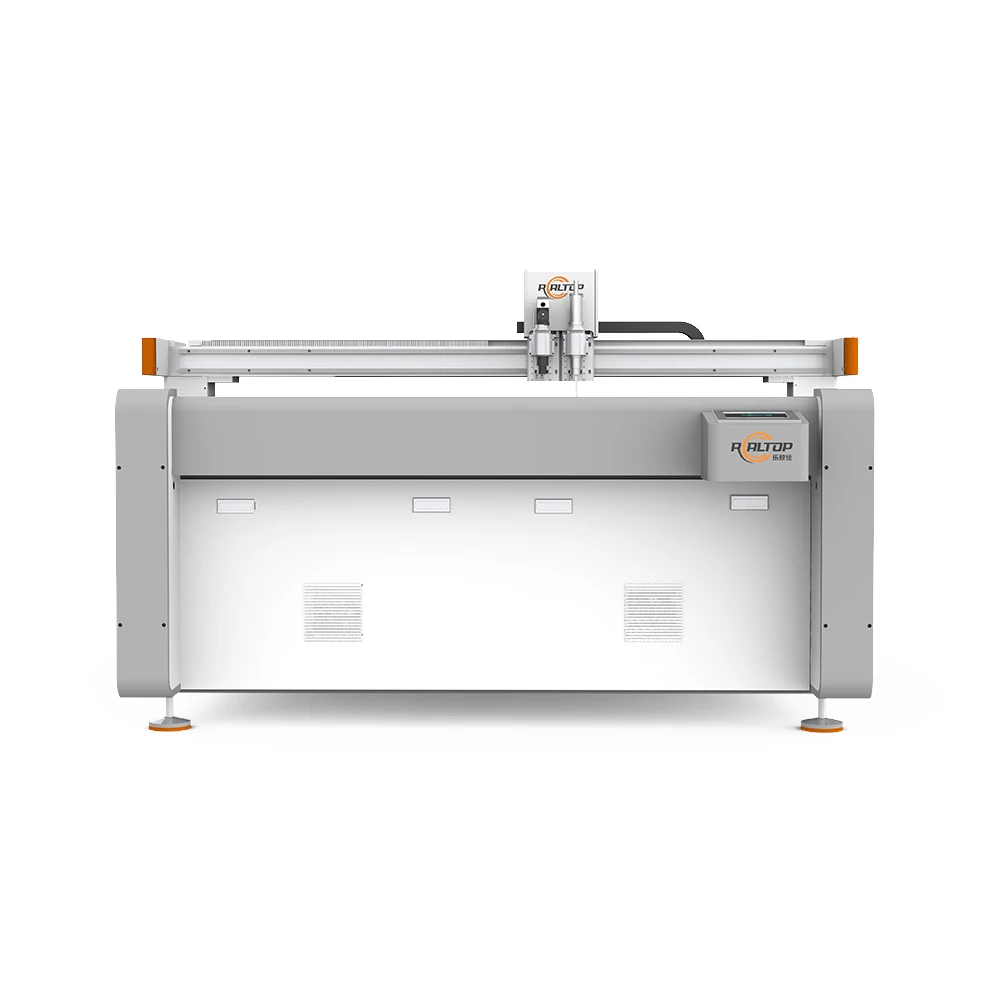
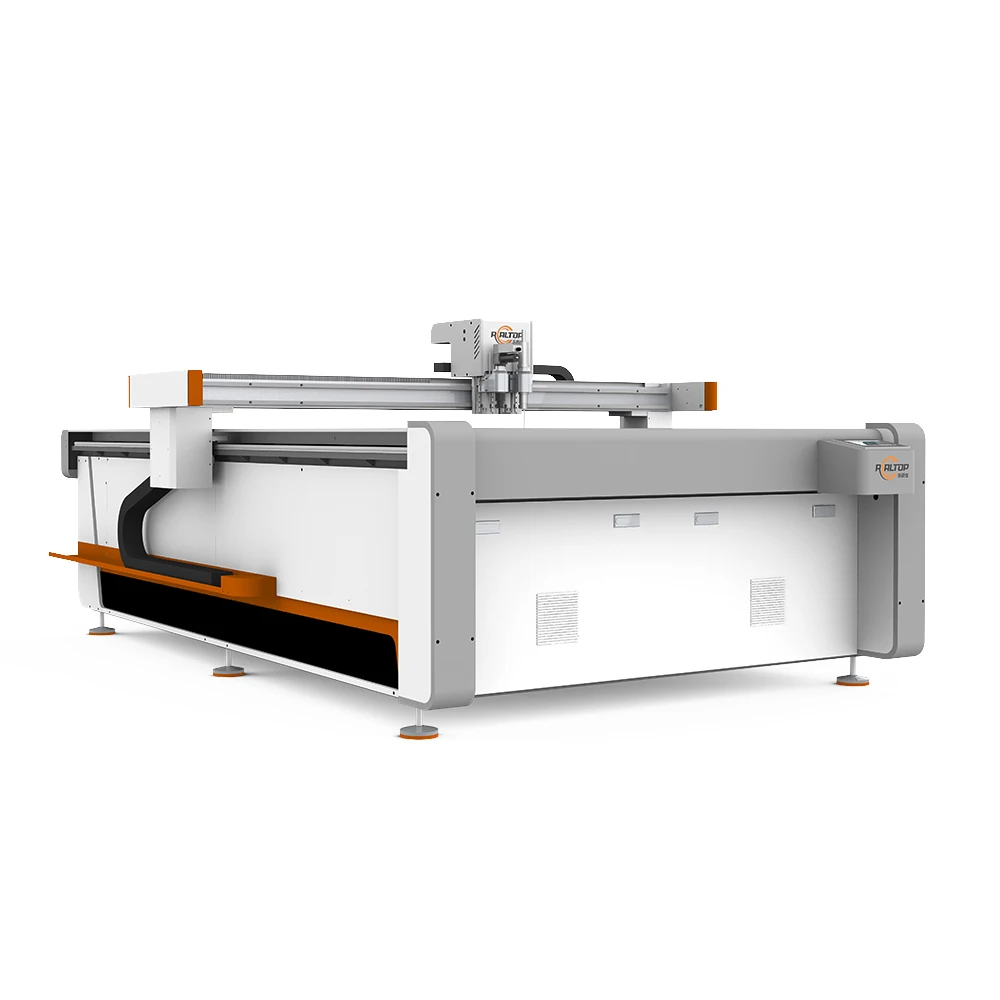
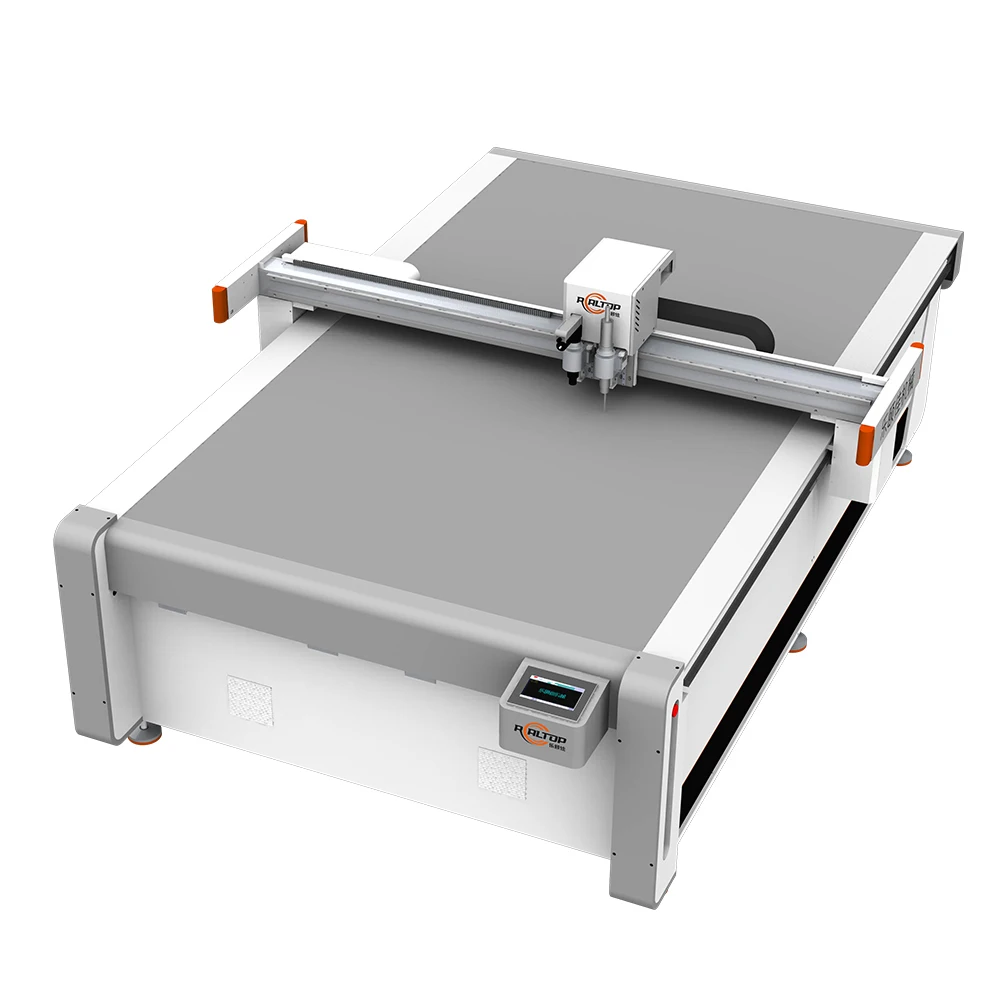
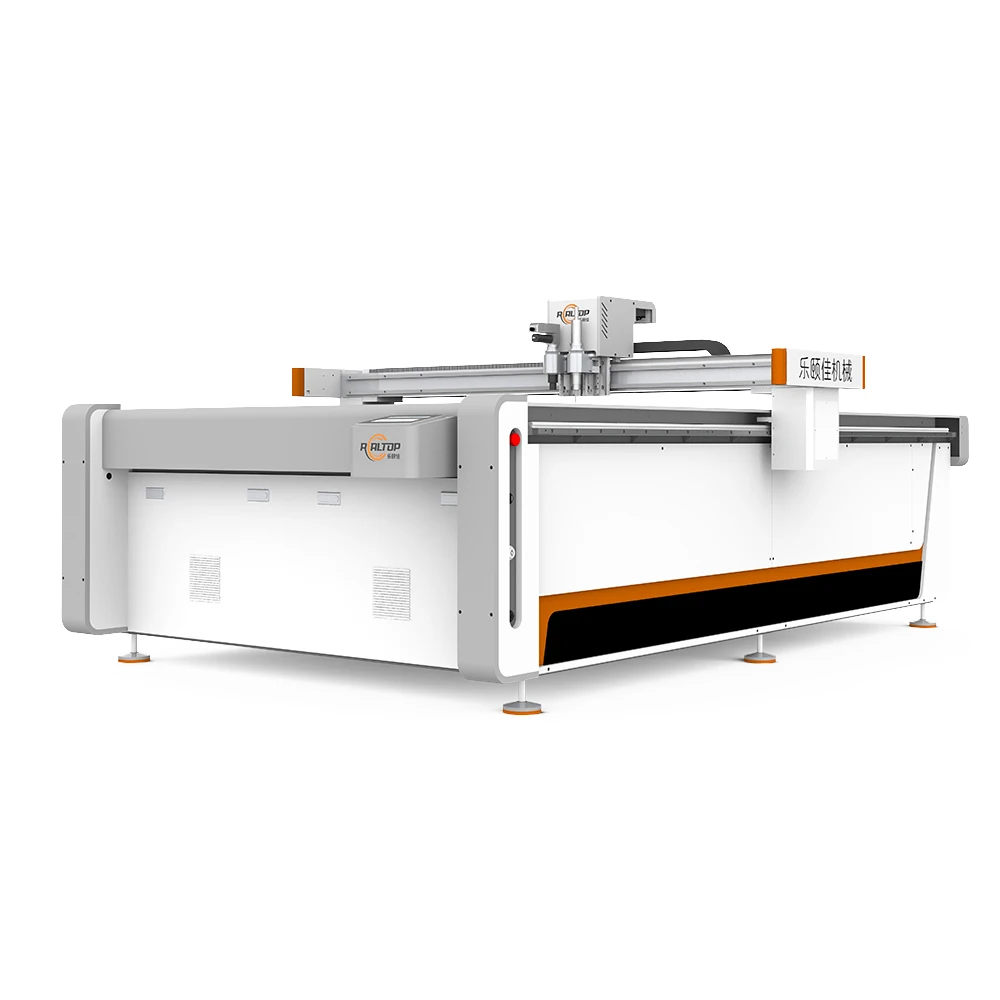
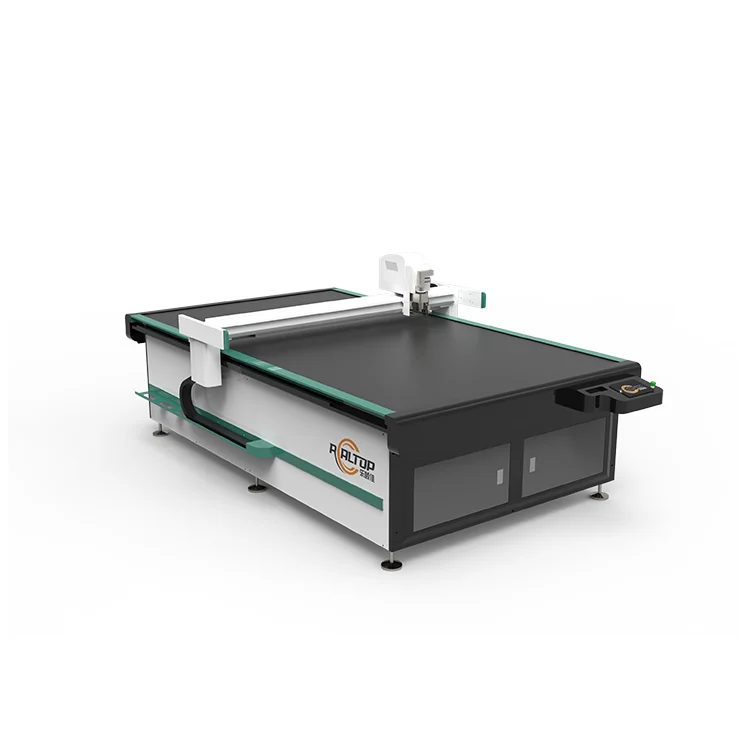
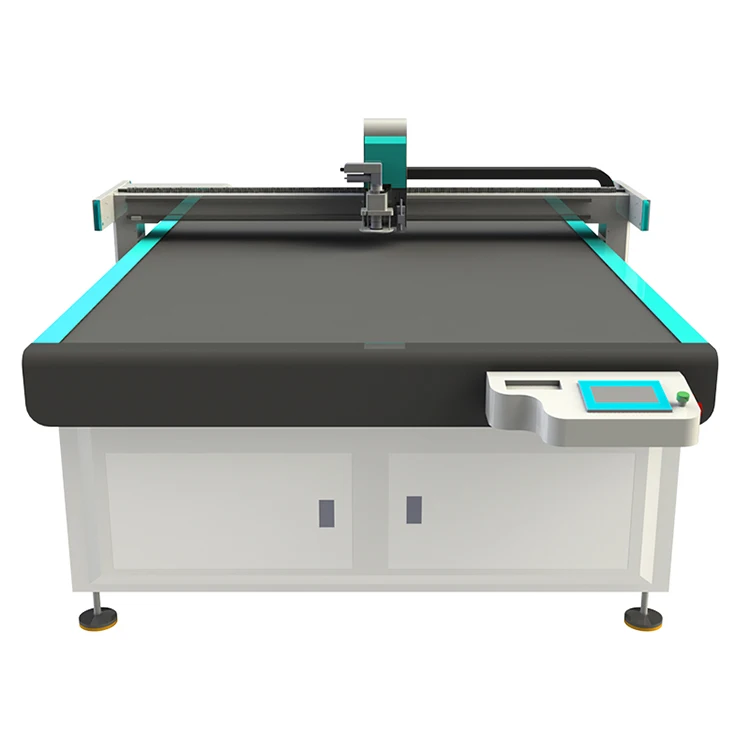
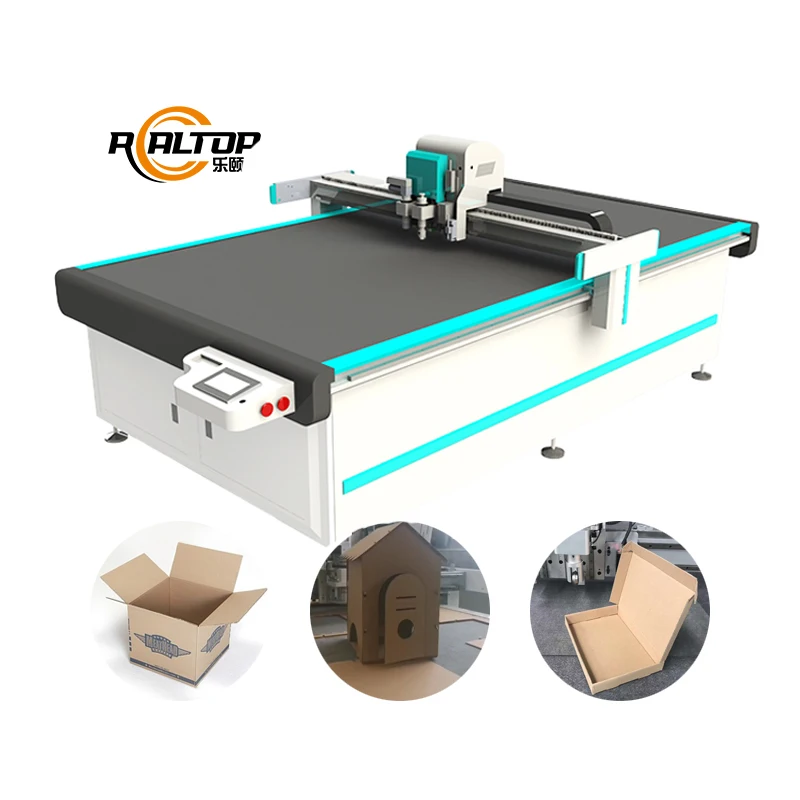
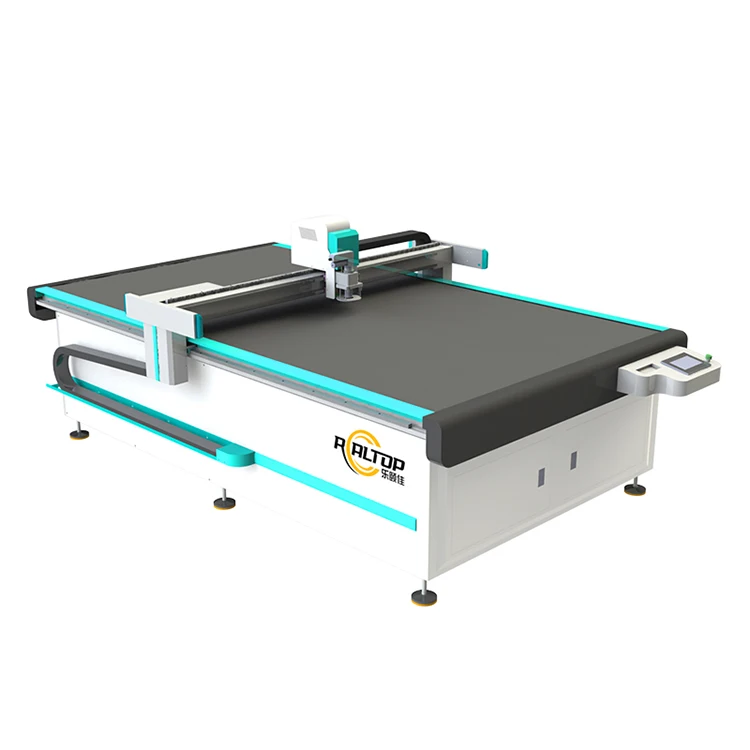
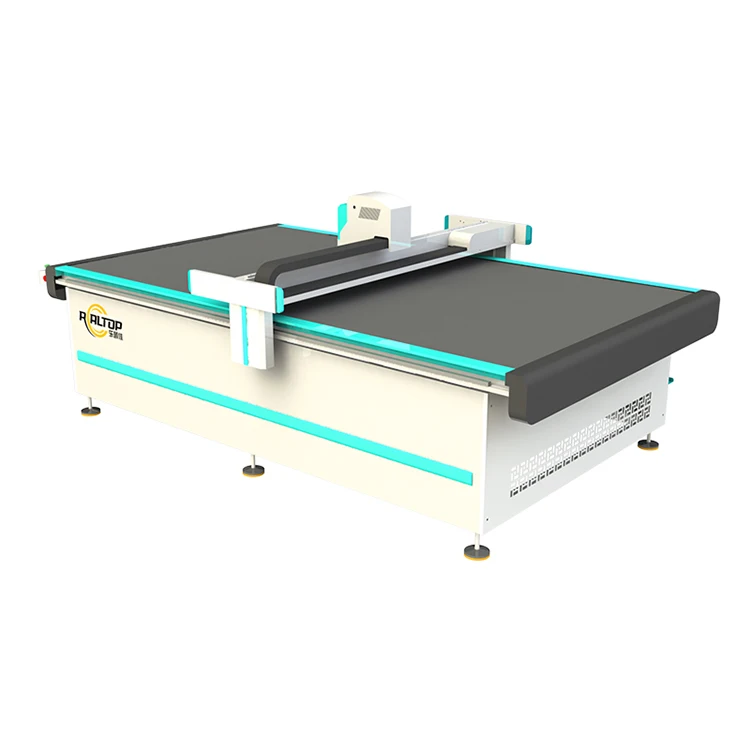
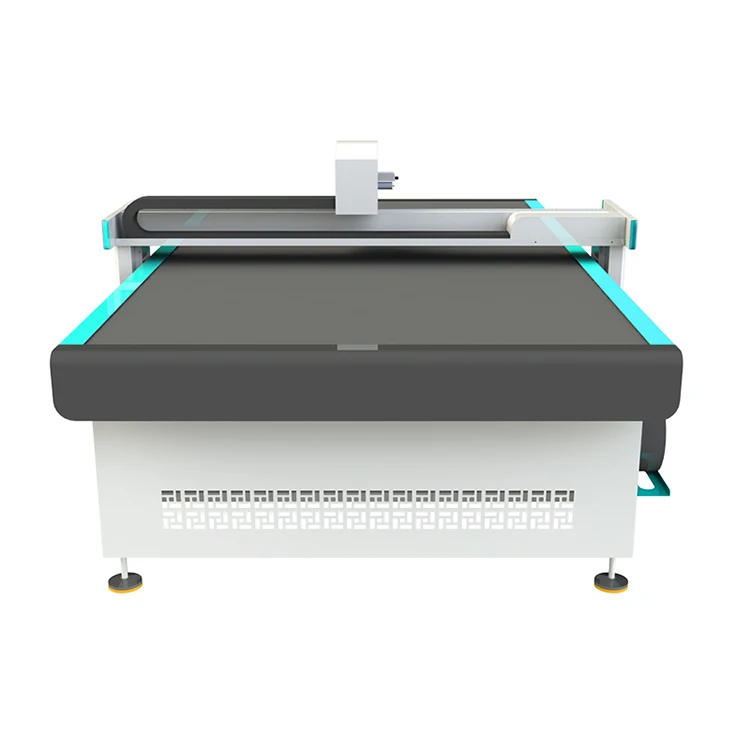
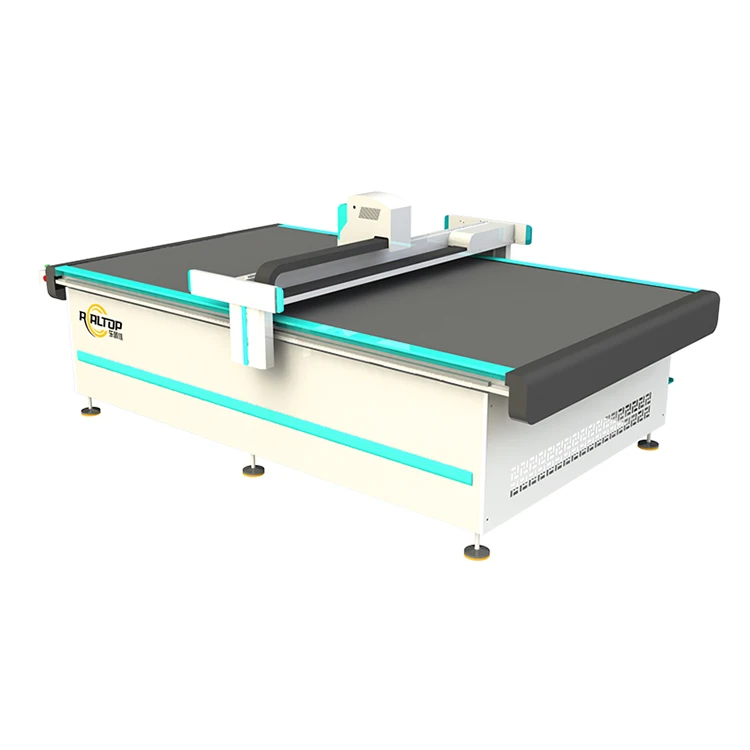
| Product Type | CNC Digital Carton Cutting Machine with CCD Camera |
| Working Area | 1600 × 2500 mm |
| Overall Dimensions | 3450 × 2300 × 1250 mm |
| Rated Power | 9 kW |
| Voltage | 380V ±10% |
| Table Type | Aluminum alloy honeycomb vacuum adsorption platform |
| Vacuum Pump | 7.5 kW |
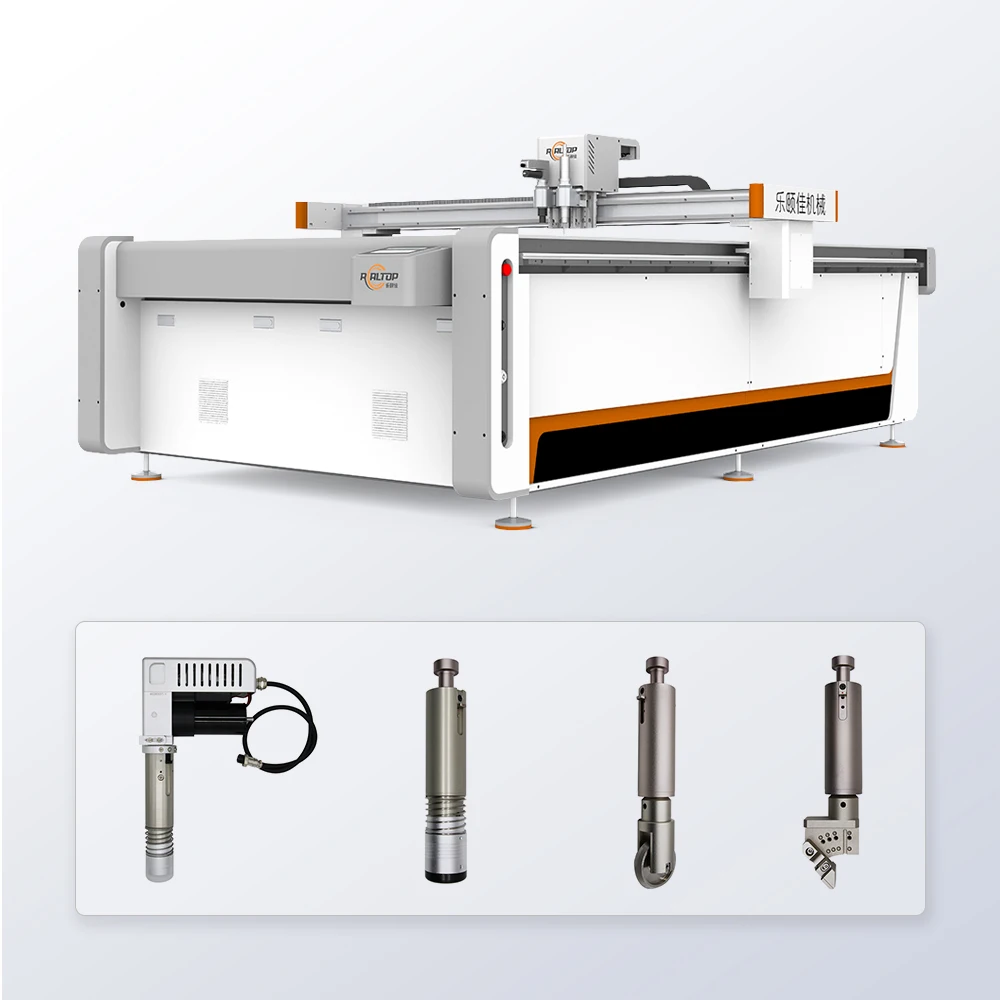
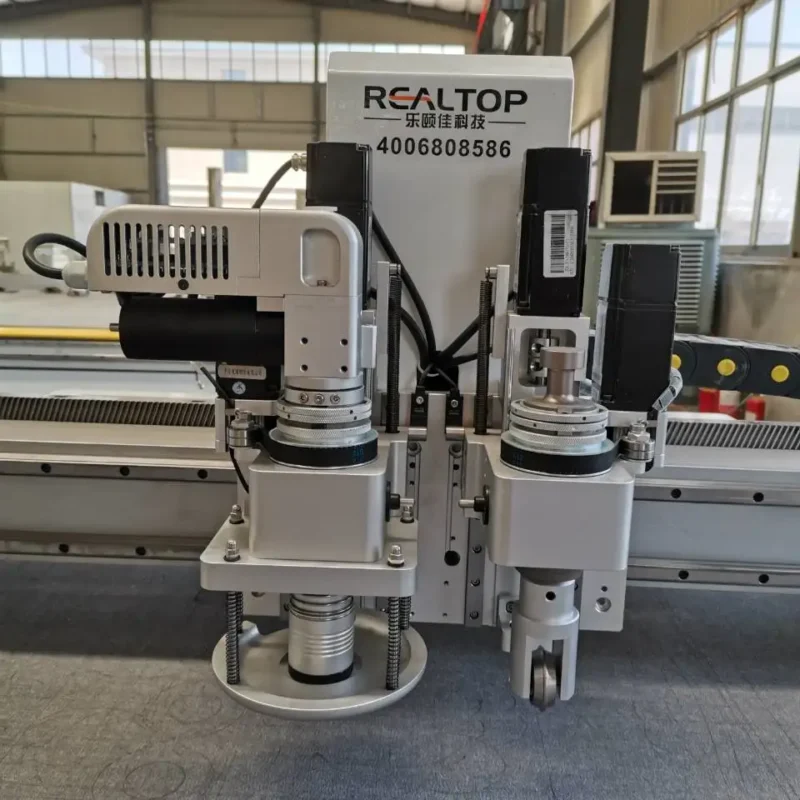
| Multifunctional Head | Swiss imported knife — vibration full cutting, vibration half cutting, cursor location |
| Translational Velocity | 800–2000 mm/s |
| Cutting Speed | 200–800 mm/s (varies according to material) |
| Cutting Thickness | ≤100 mm (basis not stated in source — confirm material type / flute / board grade) |
| Repeatability | ≤0.1 mm |
| Transmission System | Digital servo motor (Taiwan Delta), linear guide (Taiwan Hiwin), rack transmission |
| Safety Device | Infrared sensors, emergency stop |
| Software | Professional carton nesting software, HP-GL compatible, multiple file import |
| Language Options | English, Russian, Italian, Chinese; special languages customizable |
| Optional Configuration | Germany imported conveyor belt, auto feeding |
| Assembly State | Fully assembled (basis not stated in source — confirm shipping condition) |
Application Suitability
| Application | Material or Output |
|---|---|
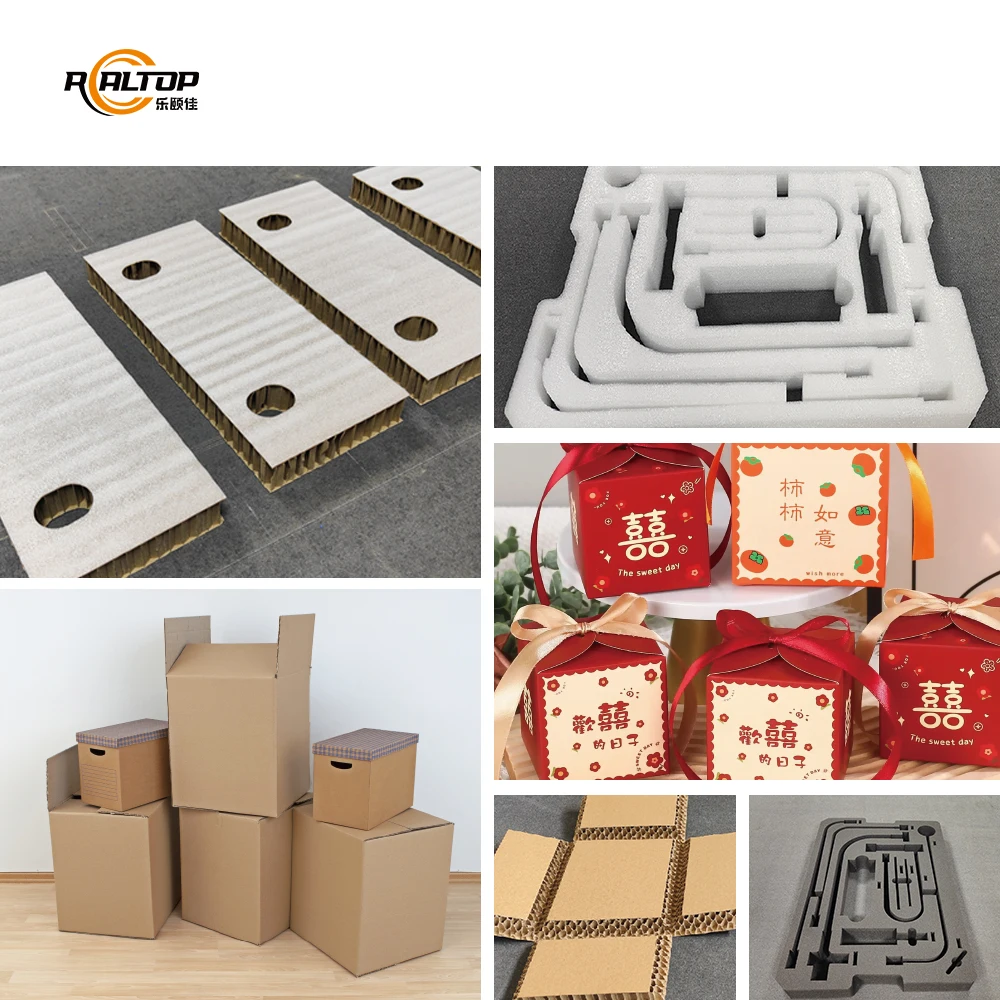
| Packaging Sample Making & Short-Run Production | Corrugated board, cardboard, kraft paper, PVC sheets |
| Sticker & Label Contour Cutting | Printed vinyl, adhesive labels, paper stickers via CCD camera |
| Specialty Gift Box Production | Soft glass, silicone, sponge composite leather, rubber gaskets |
| Advertising Signage & Display | Coroplast, foam board, acrylic (non-metal), nameplates |
| Large Format Carton Packaging | Express paper boxes, large electrical appliance cartons |
Why a 1600×2500 mm Bed Doesn’t Guarantee a Clean Edge on Corrugated
The working area defines sheet capacity, but the tool head and vacuum zoning determine whether the material actually stays flat and cuts cleanly at production speed.
When evaluating a CNC carton box cutting machine for sale, many buyers focus on the bed dimensions and assume that any board fitting on the table will process without issue. In reality, a laminated corrugated sheet behaves differently under the blade than a standard single-wall kraft board, and the vacuum hold-down must be zoned to match the actual part footprint rather than the full table area. [NEED_CITE: vacuum table zoning principles for sheet hold-down].
Matching Knife Technology to the Packaging Substrate
A core part of surveying the full cutting equipment range is understanding where an oscillating knife sits against other methods. The RT-D2516/RT-S2516 uses a Swiss imported multifunctional head that combines vibration full cutting, half cutting, and cursor location in a single setup. This allows a packaging sample maker to run creasing wheels and cutting blades on the same carton design without manual tool changes. The CNC carton box cutting machine manufacturer designs this configuration specifically for fibrous and cellular materials like corrugated board where a blade must slice cleanly without crushing the flute structure.
The Role of the Vacuum Platform in Contour Accuracy
The aluminum alloy honeycomb vacuum adsorption platform, driven by a 7.5 kW vacuum pump, is engineered to pull the sheet flat against the table surface. For large carton blanks, this ensures the cutting depth remains consistent across the entire 1600×2500 mm working area. [NEED_CITE: vacuum pressure requirements for honeycomb table hold-down]. When the machine is processing smaller items like labels or stickers via the CCD camera contour recognition, the vacuum zoning must be tight enough to prevent the edges from lifting during high-speed traversal at up to 2000 mm/s.
Decoding Speed, Precision and Drive Components
The translational velocity ranges from 800 to 2000 mm/s, but the actual cutting speed is governed by the material density and thickness, typically dropping to between 200 and 800 mm/s for clean edge quality. The drive system pairs Taiwan Delta digital servo motors with Hiwin linear guides and rack transmission to achieve a repeatability of ≤0.1 mm. In packaging sample making, this level of repeatability ensures that crease lines align perfectly with cut contours, which is essential for the structural integrity of the final folded box. The 9 kW rated power supports both the spindle head and the vacuum system simultaneously without voltage sag during peak load.
The Cost of Overlooking Material Verification
Specifying a cutter based on a standard factory test often leads to registration failures when the machine arrives at a production facility running laminated or glossy substrates. The reflective surface of a film-coated corrugated board can disrupt the CCD camera’s ability to track printed marks, causing every contour line to drift. [NEED_CITE: optical recognition limitations on high-gloss packaging substrates]. This results in significant scrap and days of on-site re-tuning that could have been prevented by a simple sample cutting report on the buyer’s actual stock.
Why Source This Configuration From Realtop
Sourcing from this CNC carton box cutting machine manufacturer means the equipment is specified against your actual production needs rather than a generic catalog entry. The in-house design team covers both knife and laser cutting technologies, allowing you to objectively compare methods for your specific board grade. Every order is backed by a sample cutting report on the buyer’s own material before commitment. Furthermore, software compatibility is confirmed prior to order, ensuring your existing file formats and nesting workflows integrate directly with the provided professional carton nesting software.
Documentation & Verification
- Machine specification sheet detailing the 1600×2500 mm working area and overall footprint.
- Electrical schematic with 380V ±10% voltage and plug type confirmed before shipment.
- Tool head and vacuum zone configuration list matched to your specific flute profile.
- Sample cutting report executed on your actual corrugated or laminated board stock.
- CE declaration where applicable for the target import market.
- Software licence and file format compatibility note for your design workflow.
Installation, Commissioning & Support
- Verify the 3450×2300×1250 mm overall dimensions against workshop clearance and access doors.
- Provide a dedicated circuit for the 9 kW rated power plus the separate 7.5 kW vacuum pump.
- Confirm fully assembled shipping state or plan for on-site mechanical and electrical assembly.
- Initial commissioning includes CCD camera calibration on your specific printed packaging materials.
- Operator training covers the professional nesting software and language customization settings.
- Spare parts list focuses on the Swiss imported knife blades and vacuum table seals.
Next Steps for Equipment Specification
To ensure the cutter fits your production environment, please provide the specific board grade, flute profile, and maximum thickness you intend to process. It is also necessary to confirm your local voltage and frequency standards, as well as the control language required for your operators. Finally, indicate whether you require the optional Germany imported conveyor belt for automated feeding.
Frequently Asked Questions
Q: How do I verify the cutting thickness capacity for my specific corrugated board?
A: The ≤100 mm specification is a maximum stroke limit, not a guaranteed cutting depth for every flute type. We require a sample of your specific board grade to test the vibration knife settings. This ensures the blade pressure and oscillation frequency are tuned to slice the material without crushing the internal structure or leaving ragged edges on the contour.
Q: Will the CCD camera track printed marks on my laminated packaging stock?
A: Glossy laminates can reflect light and confuse standard optical sensors. We test the CCD contour recognition on your actual printed material at production speed to confirm registration. If the standard camera configuration struggles with the reflectivity, we adjust the recognition parameters or recommend an alternative sensor setup before the machine is finalized for shipment.
Q: Can the nesting software import my existing packaging design files?
A: The system includes professional carton nesting software that supports HP-GL compatible formats and multiple file imports. We review your current design workflow and file extensions during the inquiry stage. This confirms that the software license and file format compatibility note included with the machine will integrate smoothly with your prepress and production planning systems.
Q: Is the vacuum table zoned for small packaging parts like labels?
A: The aluminum honeycomb platform is divided into zones to concentrate vacuum pressure where the material actually sits. For small items like stickers or labels, we configure the zoning to prevent edge lift during high-speed cutting. The 7.5 kW vacuum pump provides sufficient suction to hold thin, flexible substrates flat against the table throughout the machining cycle.
Q: What is the difference between the knife and laser options for carton work?
A: An oscillating knife provides a clean, uncompressed edge on fibrous materials like corrugated board and is essential for creasing and folding carton designs. Laser cutting is typically reserved for sealing edges on synthetics or engraving. As a supplier covering the full range, we evaluate your specific material to recommend the correct cutting method rather than forcing one technology.
In-House Cutting Technology Match — we map the cutting method to your material rather than force one approach across the full catalogue range.
Technical Specifications
| Parameter | Value |
|---|---|
| Model | RT-D2516 / RT-S2516 |
| Product Type | CNC Digital Carton Cutting Machine with CCD Camera |
| Working Area | 1600 × 2500 mm |
| Overall Dimensions | 3450 × 2300 × 1250 mm |
| Rated Power | 9 kW |
| Voltage | 380V ±10% |
| Table Type | Aluminum alloy honeycomb vacuum adsorption platform |
| Vacuum Pump | 7.5 kW |
| Multifunctional Head | Swiss imported knife — vibration full cutting, vibration half cutting, cursor location |
| Translational Velocity | 800–2000 mm/s |
| Cutting Speed | 200–800 mm/s (varies according to material) |
| Cutting Thickness | ≤100 mm (basis not stated in source — confirm material type / flute / board grade) |
| Repeatability | ≤0.1 mm |
| Transmission System | Digital servo motor (Taiwan Delta), linear guide (Taiwan Hiwin), rack transmission |
| Safety Device | Infrared sensors, emergency stop |
| Software | Professional carton nesting software, HP-GL compatible, multiple file import |
| Language Options | English, Russian, Italian, Chinese; special languages customizable |
| Optional Configuration | Germany imported conveyor belt, auto feeding |
| Assembly State | Fully assembled (basis not stated in source — confirm shipping condition) |
Application Suitability
| Application | Material or Output |
|---|---|
| Packaging Sample Making & Short-Run Production | Corrugated board, cardboard, kraft paper, PVC sheets |
| Sticker & Label Contour Cutting | Printed vinyl, adhesive labels, paper stickers via CCD camera |
| Specialty Gift Box Production | Soft glass, silicone, sponge composite leather, rubber gaskets |
| Advertising Signage & Display | Coroplast, foam board, acrylic (non-metal), nameplates |
| Large Format Carton Packaging | Express paper boxes, large electrical appliance cartons |
Why a 1600×2500 mm Bed Doesn’t Guarantee a Clean Edge on Corrugated
The working area defines sheet capacity, but the tool head and vacuum zoning determine whether the material actually stays flat and cuts cleanly at production speed.
When evaluating a CNC carton box cutting machine for sale, many buyers focus on the bed dimensions and assume that any board fitting on the table will process without issue. In reality, a laminated corrugated sheet behaves differently under the blade than a standard single-wall kraft board, and the vacuum hold-down must be zoned to match the actual part footprint rather than the full table area. [NEED_CITE: vacuum table zoning principles for sheet hold-down].
Matching Knife Technology to the Packaging Substrate
A core part of surveying the full cutting equipment range is understanding where an oscillating knife sits against other methods. The RT-D2516/RT-S2516 uses a Swiss imported multifunctional head that combines vibration full cutting, half cutting, and cursor location in a single setup. This allows a packaging sample maker to run creasing wheels and cutting blades on the same carton design without manual tool changes. The CNC carton box cutting machine manufacturer designs this configuration specifically for fibrous and cellular materials like corrugated board where a blade must slice cleanly without crushing the flute structure.
The Role of the Vacuum Platform in Contour Accuracy
The aluminum alloy honeycomb vacuum adsorption platform, driven by a 7.5 kW vacuum pump, is engineered to pull the sheet flat against the table surface. For large carton blanks, this ensures the cutting depth remains consistent across the entire 1600×2500 mm working area. [NEED_CITE: vacuum pressure requirements for honeycomb table hold-down]. When the machine is processing smaller items like labels or stickers via the CCD camera contour recognition, the vacuum zoning must be tight enough to prevent the edges from lifting during high-speed traversal at up to 2000 mm/s.
Decoding Speed, Precision and Drive Components
The translational velocity ranges from 800 to 2000 mm/s, but the actual cutting speed is governed by the material density and thickness, typically dropping to between 200 and 800 mm/s for clean edge quality. The drive system pairs Taiwan Delta digital servo motors with Hiwin linear guides and rack transmission to achieve a repeatability of ≤0.1 mm. In packaging sample making, this level of repeatability ensures that crease lines align perfectly with cut contours, which is essential for the structural integrity of the final folded box. The 9 kW rated power supports both the spindle head and the vacuum system simultaneously without voltage sag during peak load.
The Cost of Overlooking Material Verification
Specifying a cutter based on a standard factory test often leads to registration failures when the machine arrives at a production facility running laminated or glossy substrates. The reflective surface of a film-coated corrugated board can disrupt the CCD camera’s ability to track printed marks, causing every contour line to drift. [NEED_CITE: optical recognition limitations on high-gloss packaging substrates]. This results in significant scrap and days of on-site re-tuning that could have been prevented by a simple sample cutting report on the buyer’s actual stock.
Why Source This Configuration From Realtop
Sourcing from this CNC carton box cutting machine manufacturer means the equipment is specified against your actual production needs rather than a generic catalog entry. The in-house design team covers both knife and laser cutting technologies, allowing you to objectively compare methods for your specific board grade. Every order is backed by a sample cutting report on the buyer’s own material before commitment. Furthermore, software compatibility is confirmed prior to order, ensuring your existing file formats and nesting workflows integrate directly with the provided professional carton nesting software.
Documentation & Verification
- Machine specification sheet detailing the 1600×2500 mm working area and overall footprint.
- Electrical schematic with 380V ±10% voltage and plug type confirmed before shipment.
- Tool head and vacuum zone configuration list matched to your specific flute profile.
- Sample cutting report executed on your actual corrugated or laminated board stock.
- CE declaration where applicable for the target import market.
- Software licence and file format compatibility note for your design workflow.
Installation, Commissioning & Support
- Verify the 3450×2300×1250 mm overall dimensions against workshop clearance and access doors.
- Provide a dedicated circuit for the 9 kW rated power plus the separate 7.5 kW vacuum pump.
- Confirm fully assembled shipping state or plan for on-site mechanical and electrical assembly.
- Initial commissioning includes CCD camera calibration on your specific printed packaging materials.
- Operator training covers the professional nesting software and language customization settings.
- Spare parts list focuses on the Swiss imported knife blades and vacuum table seals.
Next Steps for Equipment Specification
To ensure the cutter fits your production environment, please provide the specific board grade, flute profile, and maximum thickness you intend to process. It is also necessary to confirm your local voltage and frequency standards, as well as the control language required for your operators. Finally, indicate whether you require the optional Germany imported conveyor belt for automated feeding.
Frequently Asked Questions
Q: How do I verify the cutting thickness capacity for my specific corrugated board?
A: The ≤100 mm specification is a maximum stroke limit, not a guaranteed cutting depth for every flute type. We require a sample of your specific board grade to test the vibration knife settings. This ensures the blade pressure and oscillation frequency are tuned to slice the material without crushing the internal structure or leaving ragged edges on the contour.
Q: Will the CCD camera track printed marks on my laminated packaging stock?
A: Glossy laminates can reflect light and confuse standard optical sensors. We test the CCD contour recognition on your actual printed material at production speed to confirm registration. If the standard camera configuration struggles with the reflectivity, we adjust the recognition parameters or recommend an alternative sensor setup before the machine is finalized for shipment.
Q: Can the nesting software import my existing packaging design files?
A: The system includes professional carton nesting software that supports HP-GL compatible formats and multiple file imports. We review your current design workflow and file extensions during the inquiry stage. This confirms that the software license and file format compatibility note included with the machine will integrate smoothly with your prepress and production planning systems.
Q: Is the vacuum table zoned for small packaging parts like labels?
A: The aluminum honeycomb platform is divided into zones to concentrate vacuum pressure where the material actually sits. For small items like stickers or labels, we configure the zoning to prevent edge lift during high-speed cutting. The 7.5 kW vacuum pump provides sufficient suction to hold thin, flexible substrates flat against the table throughout the machining cycle.
Q: What is the difference between the knife and laser options for carton work?
A: An oscillating knife provides a clean, uncompressed edge on fibrous materials like corrugated board and is essential for creasing and folding carton designs. Laser cutting is typically reserved for sealing edges on synthetics or engraving. As a supplier covering the full range, we evaluate your specific material to recommend the correct cutting method rather than forcing one technology.
商品评价
There are no reviews yet.