

Fast Delivery
Quick, reliable shipping to any location.

Free & easy returns
Return this item by mail or in store within 90 days for a full refund.
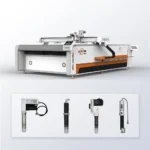
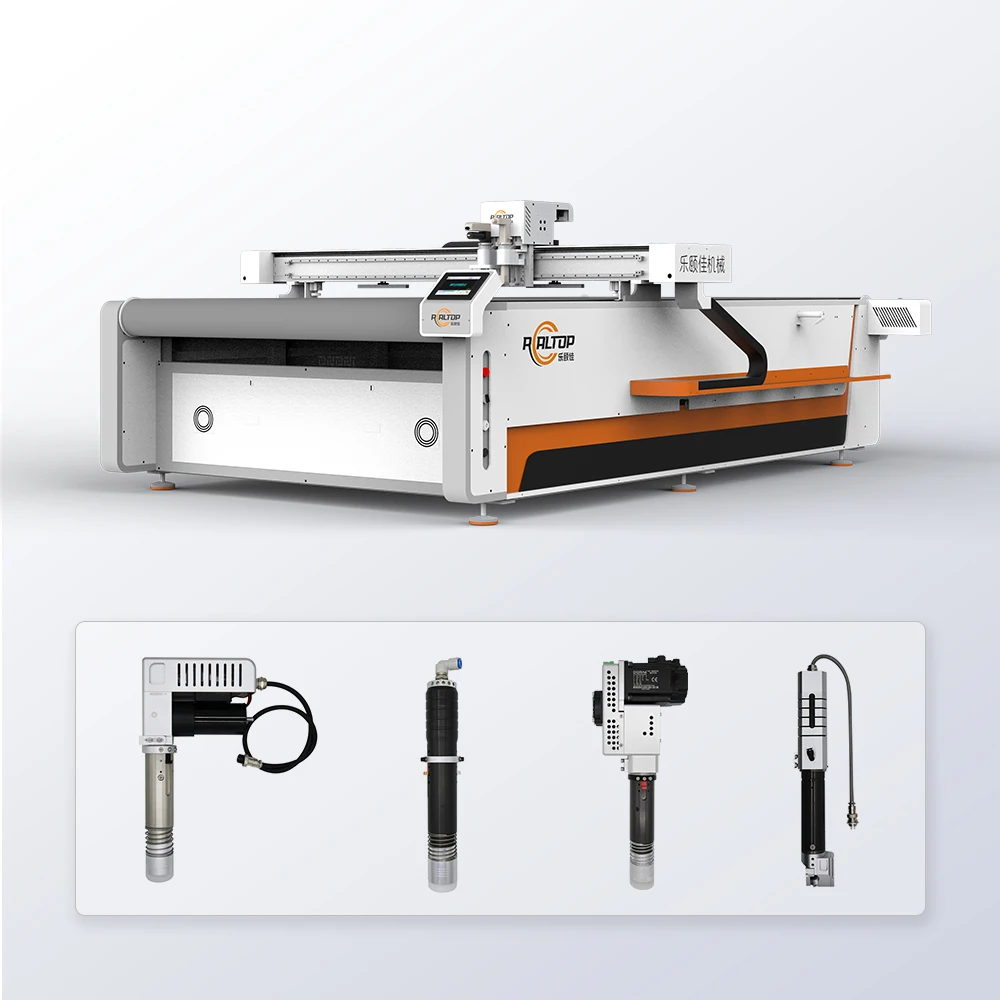
Tool Head Versatility on a Single Platform — the 1625 supports oscillating, driven rotary, pneumatic, creasing, kiss cutting, milling, and V-groove tools, letting buyers match the knife to the fabric rather than compromise.
Technical Specifications
| Parameter | Value |
|---|---|
| Model | 1625 |
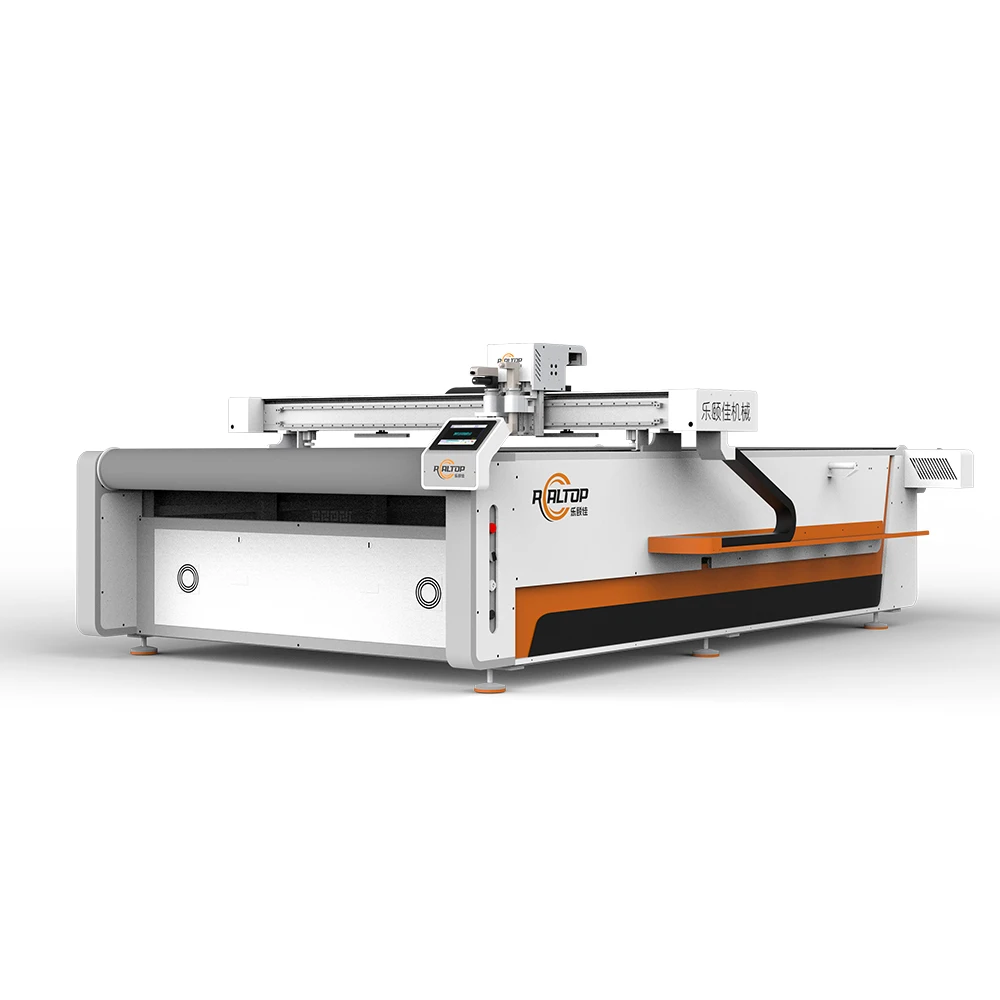
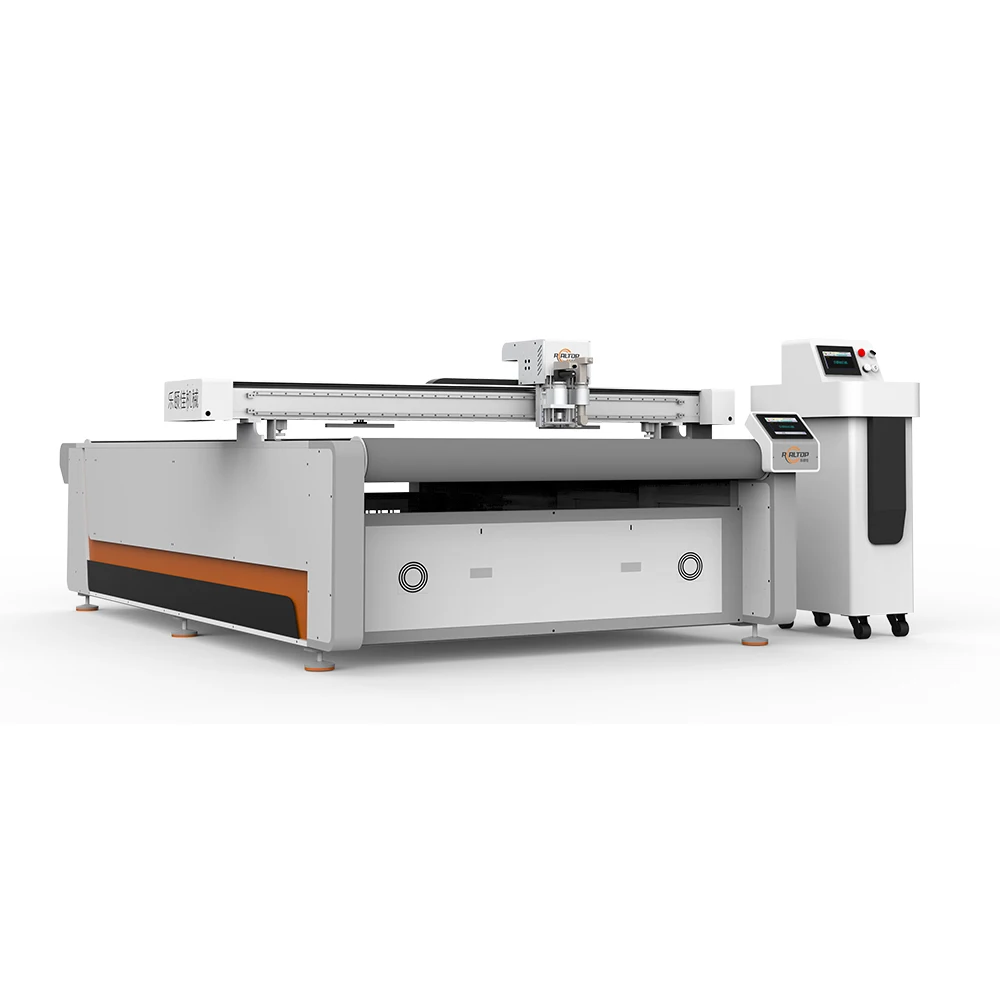
| Product Type | CNC Oscillating Knife Cutting Machine |
| Working Area | 1600×2500 mm |
| Cutting Speed | 0–2000 mm/s |
| Cutting Thickness | ≤ 30 mm (basis not stated in source — confirm material / layer count) |
| Positioning Accuracy | ±0.1 mm |
| Vacuum Pump Power | 9 kW |
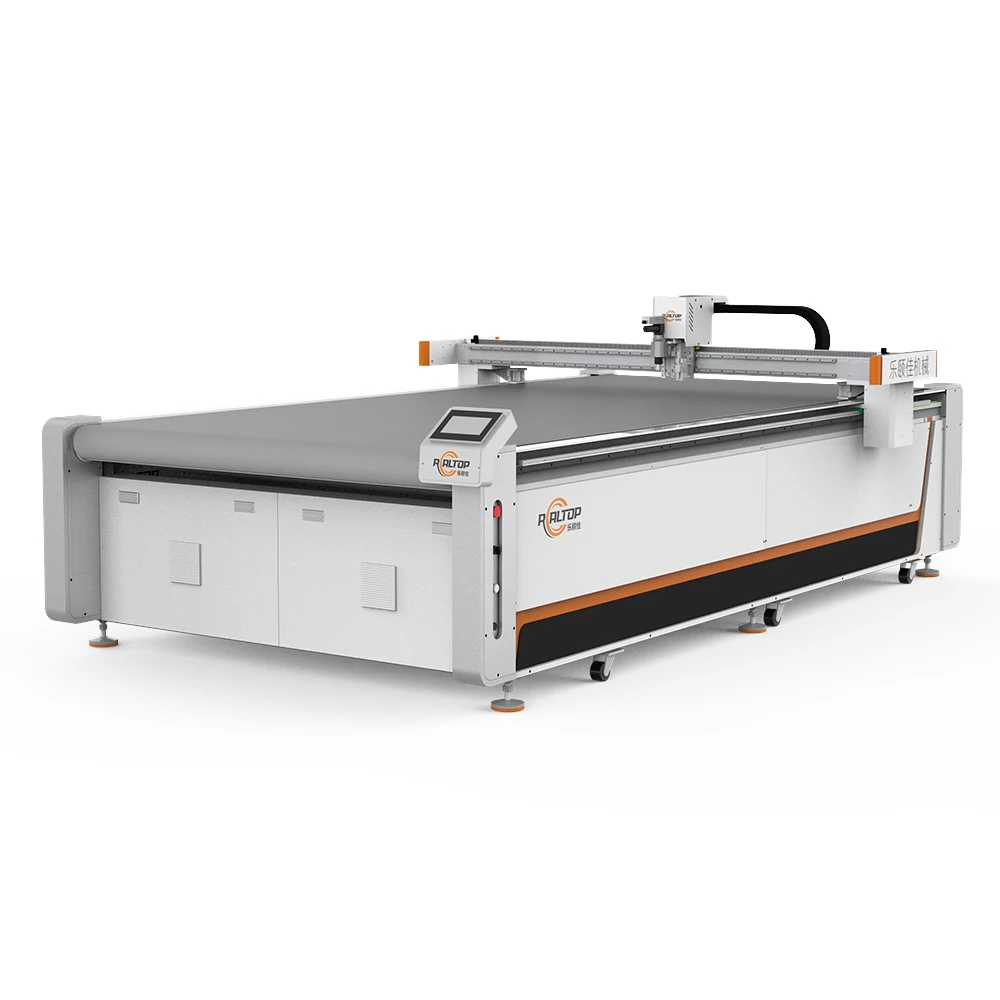
| Vacuum Table Type | Aluminum bellows vacuum table |
| Servo Motor Options | Panasonic, Delta, Dorna (rated or peak not specified in source) |
| Control System | PLC control panel |
| File Formats Supported | PLT, DXF, AI, PDF |
| Voltage Options | 110V / 220V / 380V (frequency not stated in source) |
| Language Options | English, Russian, Italian, Chinese (special languages customizable) |
| Safety Device | Infrared sensor device and emergency stop device |
| Machine Dimensions (L×W×H) | 3300×2100×1350 mm |
| Software Features | Intelligent nesting, automatic path generation, dedicated packaging box structure design software |
| Certification | CE |
Application Suitability
| Application | Material or Output |
|---|---|
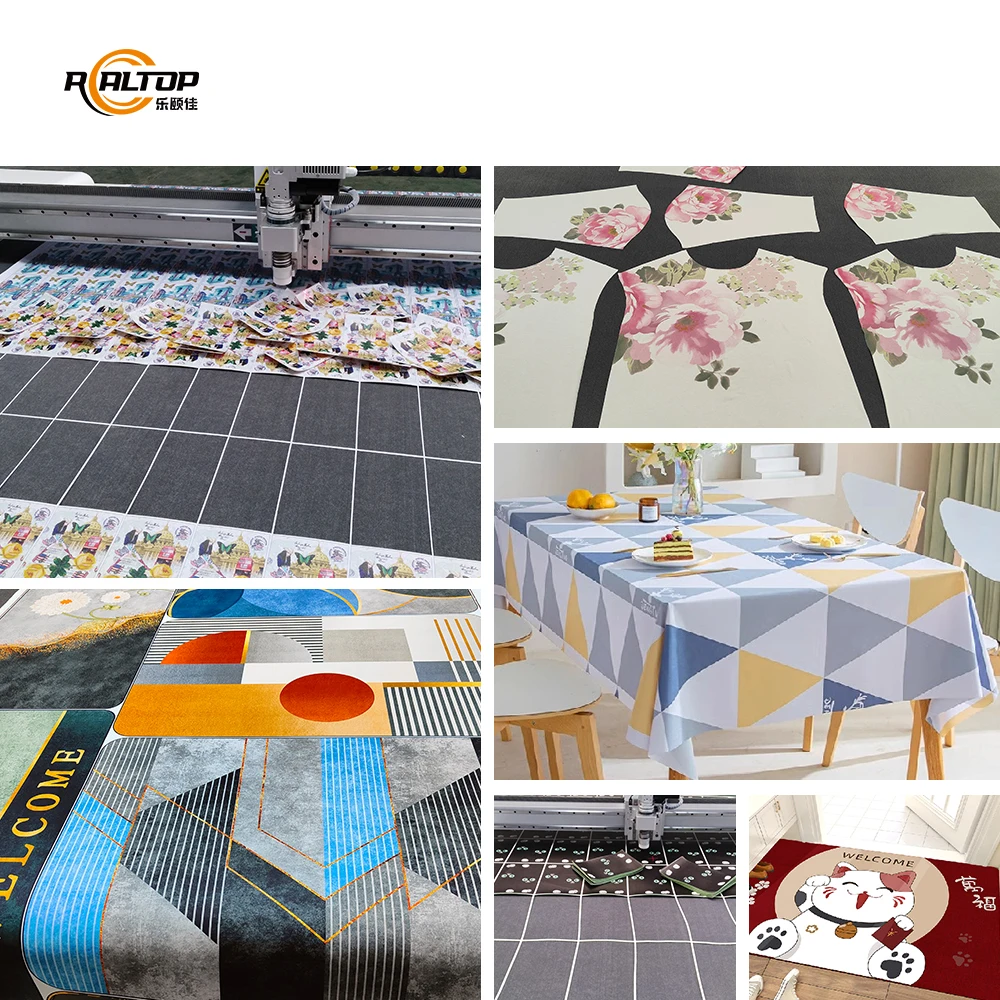
| Apparel manufacturing | Suits, knitwear, lace, complex fabrics with pattern-matching |
| Automotive interiors | Seat fabrics, carpets, PVC mats |
| Home textiles | Sofa fabrics, curtains, rugs with multi-layer cutting |
| Composite material processing | Carbon fiber prepreg, aramid, specialty materials |
| General soft material conversion | Cardboard, carton, mats, PVC, EVA, leather, acrylic, foam, PTFE, rubber |
Why Cutting Thickness Alone Is Not Enough to Specify a Cloth CNC Cutting Machine
A 30 mm capacity means nothing unless the tool head, vacuum hold-down, and material layer count are confirmed together.
I have watched buyers focus entirely on working area and quoted thickness, only to discover during commissioning that their multi-layer layup shifts under the knife because the vacuum zoning does not cover their small pattern pieces. On thick or rubber-backed composites, the wrong tool head produces ragged edges and forces the operator to slow the machine well below its rated speed. Before the order is finalized, the material itself — including backing, adhesive layers, and total layup height — must be tested under production conditions [NEED_CITE: material hold-down and tool head selection for multi-layer textile cutting]. A CNC oscillating knife cutting machine manufacturer that skips this step is selling a frame, not a cutting solution.
Interchangeable Tool Head System for Fabric Diversity
A garment shop cutting silk lace and a factory cutting rubber-backed automotive carpet face opposite demands on the blade. The 1625 accommodates oscillating knife, driven rotary knife, creasing wheel, kiss cutting tool, pneumatic knife, milling tool, and V-groove knife on a single gantry. Switching heads lets one CNC oscillating knife cutting machine manufacturer supply a platform that handles sheer woven cloth at high speed and dense composite mats at depth, without the buyer investing in a second line.
Aluminum Bellows Vacuum Table and Multi-Layer Stability
When cutting twenty plies of knitwear or layered sofa fabric, any air leakage under the stack causes the top layers to drift. The aluminum bellows table paired with the 9 kW vacuum pump delivers full-surface adsorption across the 1600×2500 mm bed. This flatness matters most on small pattern pieces — collars, pocket flaps, gussets — where perimeter-to-area ratio is high and lift risk is greatest [NEED_CITE: vacuum table zoning and small-part hold-down in textile cutting].
How Key Specifications Translate on the Shop Floor
The ±0.1 mm positioning accuracy holds across the full working envelope, which matters when nesting pattern pieces that must align with printed grain lines or woven repeats. The PLC control panel accepts PLT, DXF, AI, and PDF files directly, so existing design workflows transfer without intermediate conversion software. Servo motor options span Panasonic, Delta, and Dorna, giving buyers a choice based on local service availability rather than accepting a single proprietary drive. Cutting speed reaches 2000 mm/s on straight runs, though actual throughput depends on contour complexity, material resistance, and the number of direction changes per piece.
The Hidden Cost of Skipping Material Trials
When a buyer specifies a cloth CNC cutting machine on working area and quoted thickness alone, the first sign of trouble is usually edge quality on the production floor. Rubber-backed mats fray, foam compresses and springs back leaving incomplete cuts, and multi-layer stacks shift mid-cycle because the vacuum zones were not mapped to the actual pattern layout. These issues do not appear in the brochure; they appear when the operator is already behind schedule [NEED_CITE: common causes of edge degradation in oscillating knife cutting of composites]. The remedy is always more expensive after shipment than a sample cutting test before the order.
Why Source This Platform from Realtop
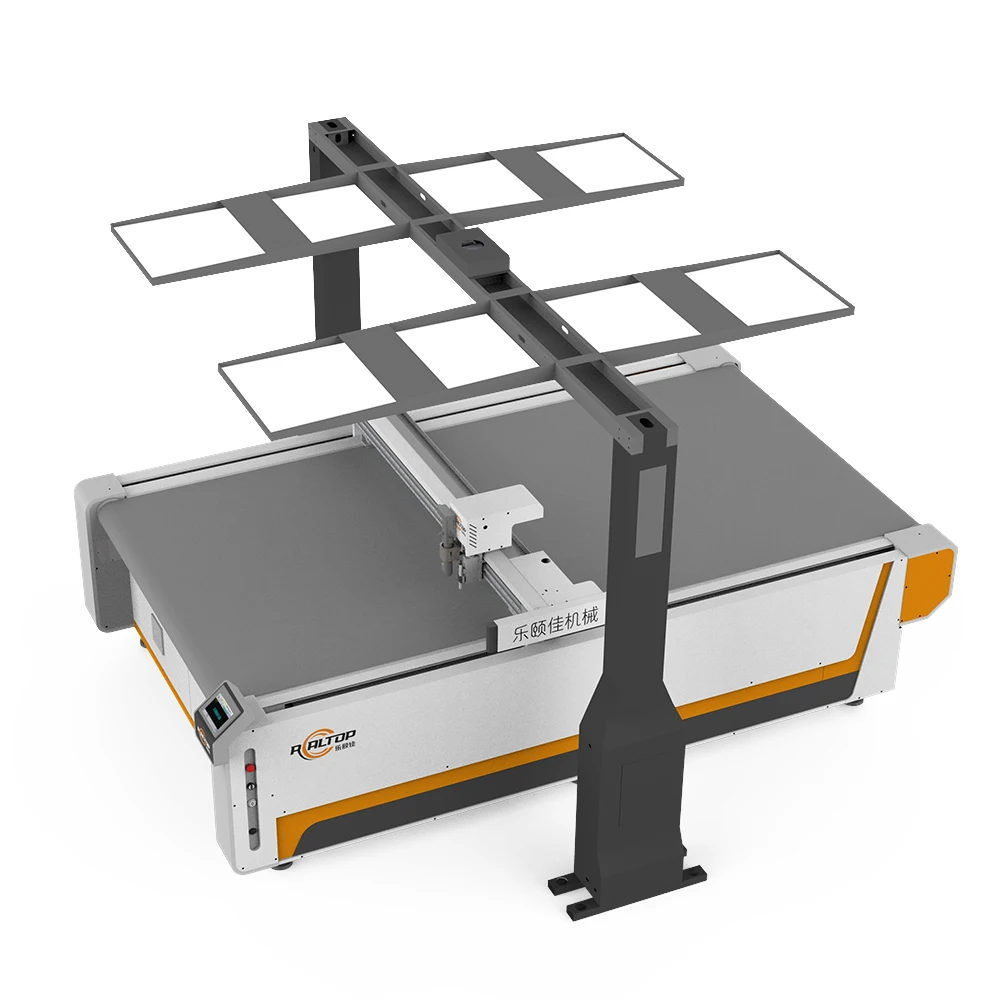
In-house design covers both knife and laser cutting, so the cutting method is matched to the material rather than forced into one technology. Tool head and table configuration are specified per material type and daily volume, not left as a generic default. CCD camera positioning is available for printed contour work where registration marks must be tracked at speed. Software compatibility is confirmed before the order, preventing file format dead-ends during commissioning. Voltage, plug type, and control language are locked in during the specification stage so the machine arrives ready to run. Sample cutting on the buyer’s own material is standard practice, not an optional extra [NEED_CITE: OEM equipment validation through sample cutting protocols].
Documentation & Verification
- Machine specification sheet listing every configured tool head and table zone
- Electrical schematic confirming voltage, frequency, and plug type for destination market
- Sample cutting report run on your fabric, leather, or composite before dispatch
- Factory test record with positioning accuracy verification across the full bed
- Software licence and file format compatibility note for your nesting workflow
- Spare parts list matched to your selected knife heads and drive components
Installation, Commissioning & Support
- Floor space of at least 4000×3000 mm required for the 3300×2100 mm frame and operator access
- Dedicated circuit matching confirmed voltage option (110V, 220V, or 380V) with correct frequency
- Machine ships as a single assembly; gantry and table are aligned at the factory
- First-run parameter setting includes vacuum zone mapping for your pattern layout
- Operator training covers tool head changeover, blade depth setting, and file import workflow
- Wearing parts inventory includes oscillating blades, rotary knives, and vacuum seals
What to Include in Your Inquiry
Send a sample of your actual production material — including any backing, adhesive, or laminate layers — along with the total layup thickness and the number of plies you plan to cut per cycle. Specify your daily volume, your existing nesting software and file format, and the voltage and frequency standard at your facility. If your patterns require contour tracking on printed fabric, note that as well. This information allows a cutting trial and a configuration recommendation before a quotation is issued.
Frequently Asked Questions
Q: How do I choose between oscillating knife, driven rotary, and pneumatic knife for my fabric?
A: Oscillating knife suits most woven and technical textiles at single or low-ply thickness. Driven rotary excels on continuous straight cuts through thicker stacks. Pneumatic knife handles dense composites and rubber-backed materials where downward pressure matters. A sample cut on your specific material confirms which head produces the cleanest edge at your required speed.
Q: What cutting thickness can I realistically expect on my material?
A: The specification sheet states up to 30 mm, but actual capacity depends on material density, layer count, and backing type. Rubber-backed automotive carpet cuts differently from twenty plies of knitwear. A sample cutting report on your exact layup provides the achievable thickness and edge quality before commitment.
Q: Will the machine accept my existing DXF and AI nesting files?
A: The control system imports PLT, DXF, AI, and PDF formats directly. Before the order, a software compatibility note confirms that your specific nesting output integrates without intermediate conversion, preserving your current workflow and piece naming conventions.
Q: How is vacuum table zoning configured for small pattern pieces?
A: The aluminum bellows table works with the 9 kW pump to provide full-surface adsorption. Zone configuration is mapped during commissioning based on your actual pattern layout, ensuring small pieces like collars or pocket flaps remain held flat throughout the cut cycle without lift or drift.
Q: What voltage and language options are available for my market?
A: Voltage is configurable across 110V, 220V, and 380V, with frequency to be confirmed for your region. The control interface ships in English, Russian, Italian, or Chinese, and special languages are customizable. Both specifications are locked in during the pre-order confirmation stage to avoid on-site compatibility issues.










商品评价
There are no reviews yet.