


Fast Delivery
Quick, reliable shipping to any location.

Free & easy returns
Return this item by mail or in store within 90 days for a full refund.
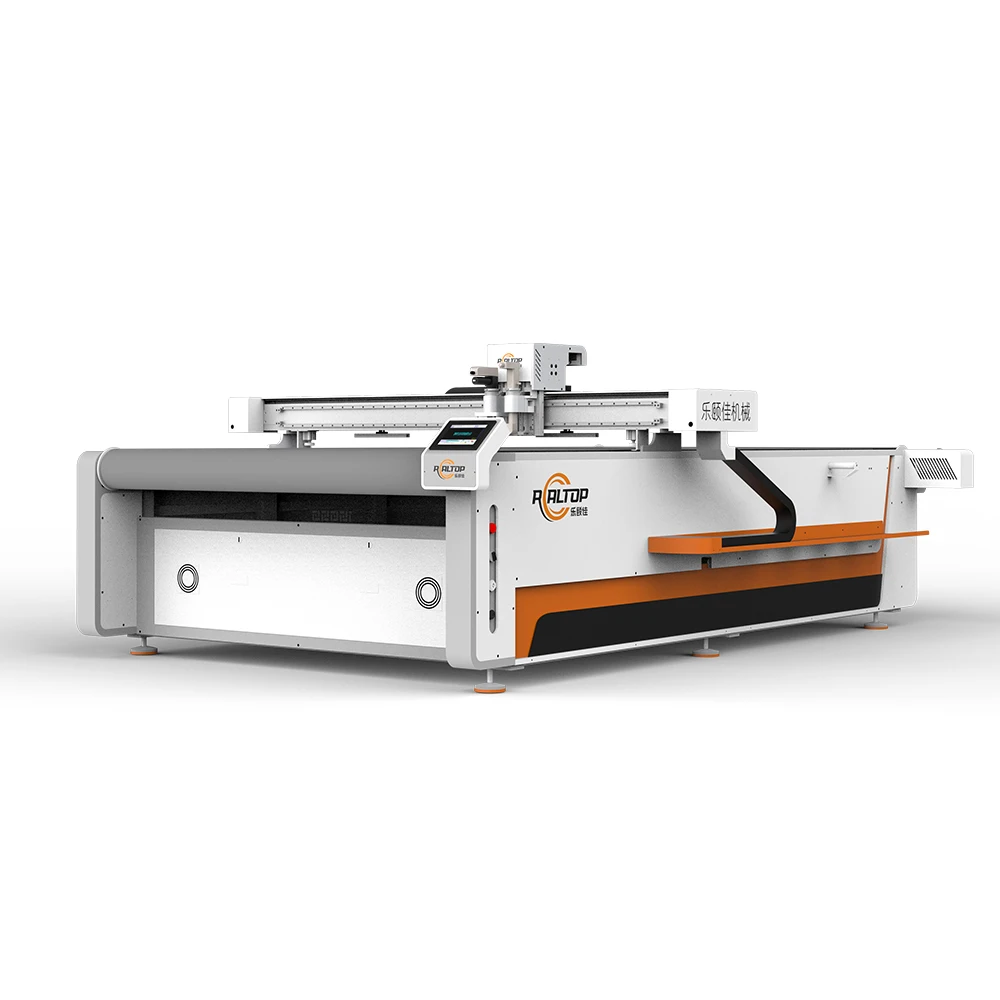
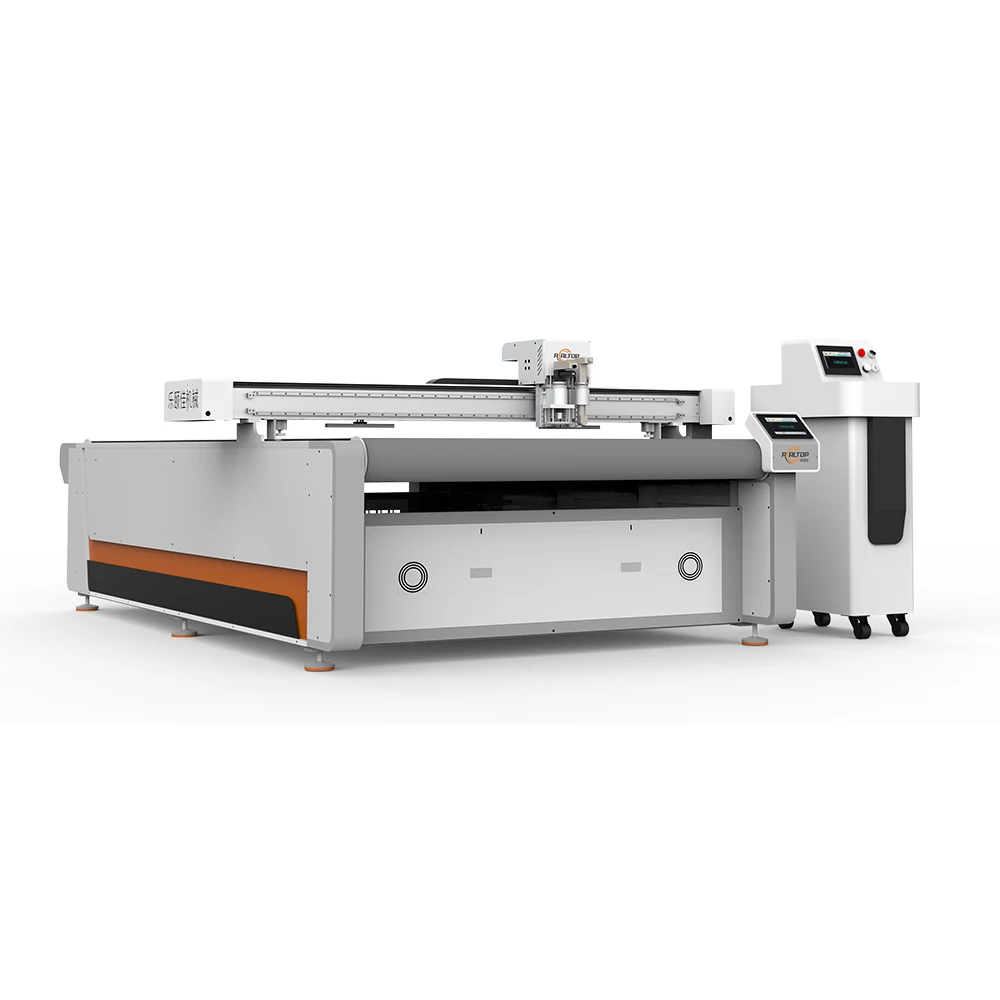
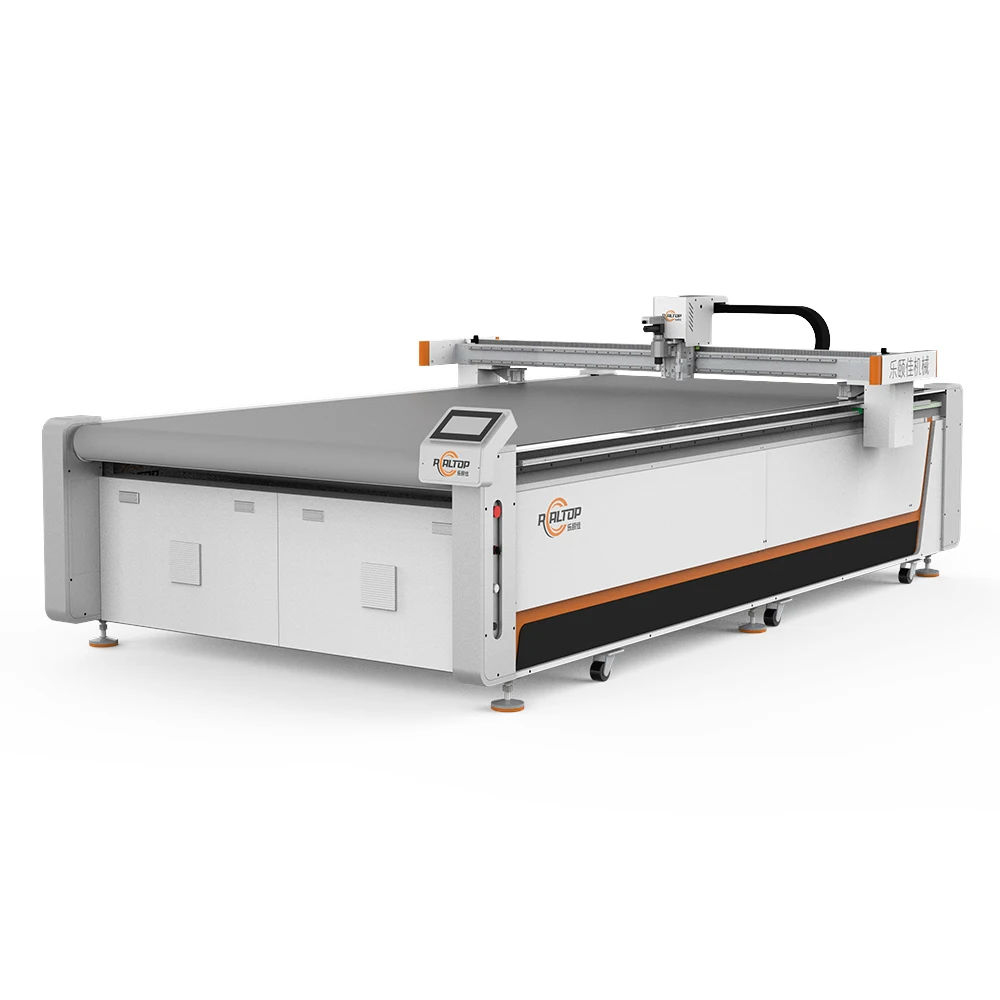
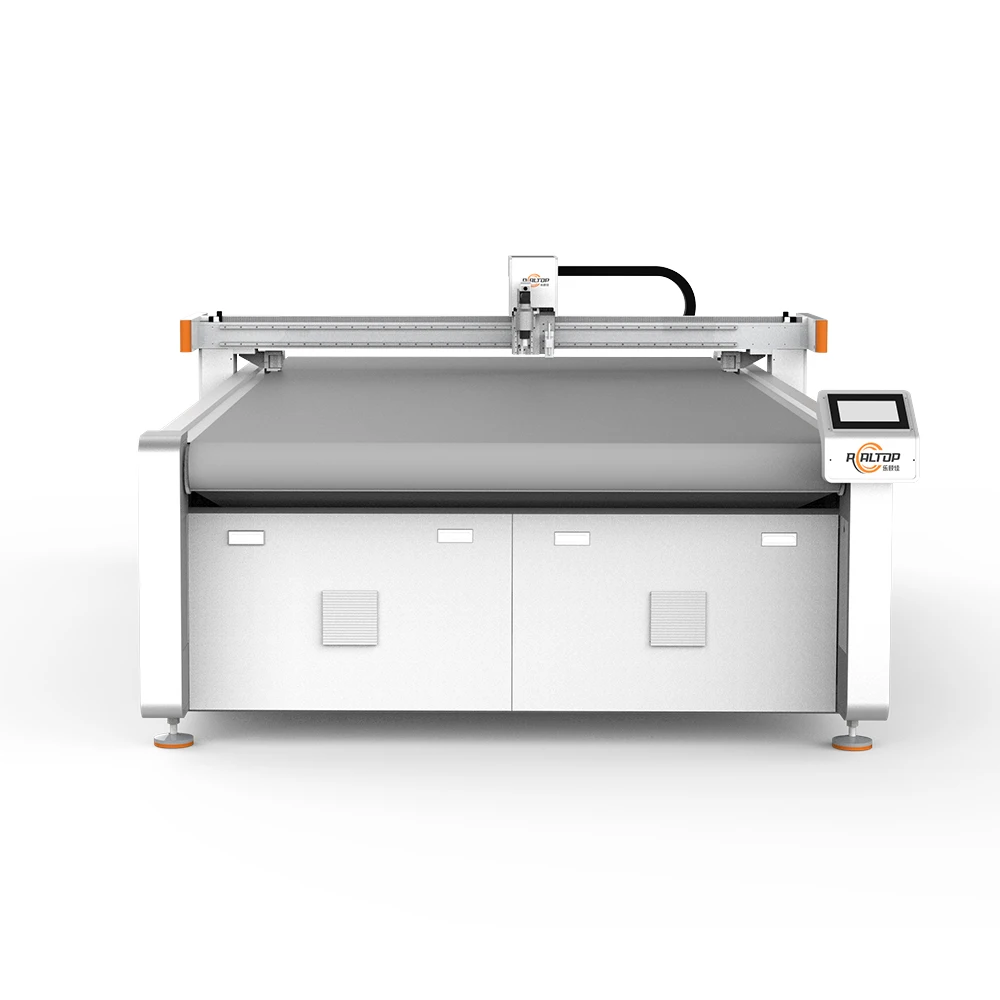
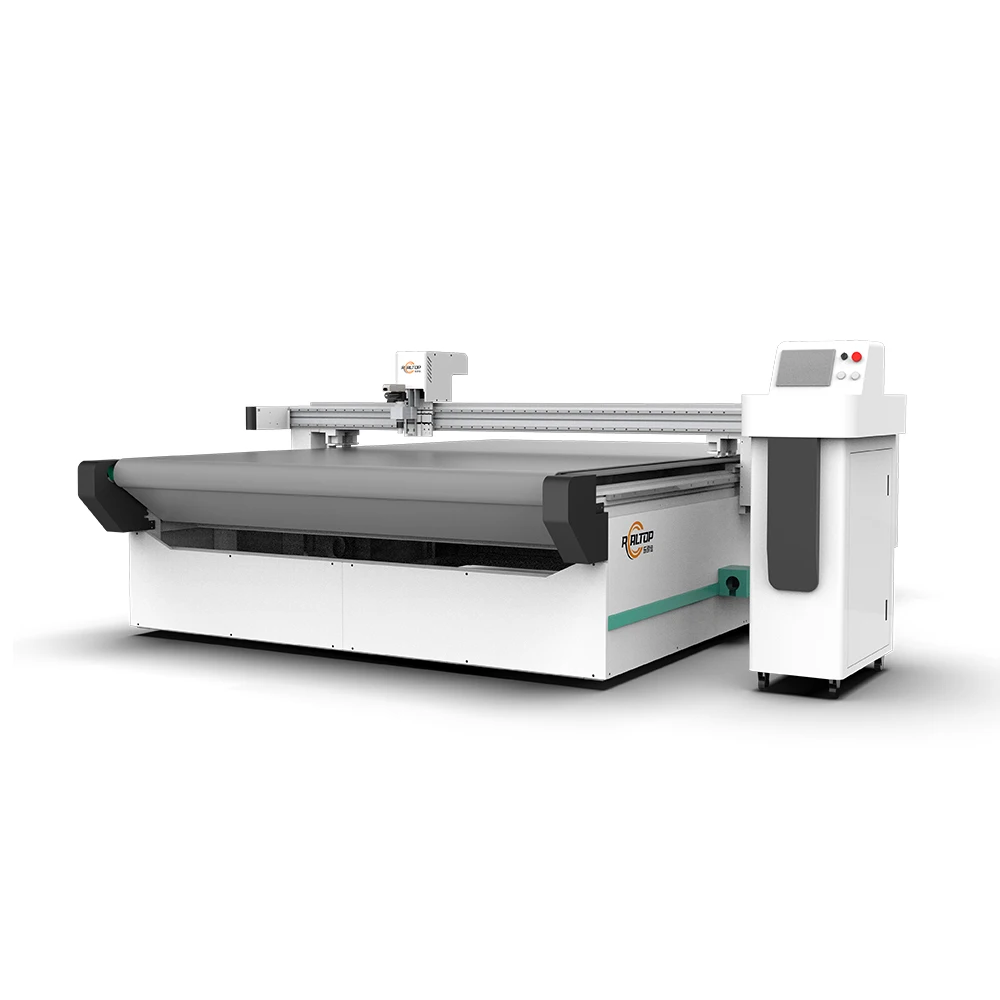
Tool Head Diversity — Seven interchangeable cutting and creasing tools allow the 1625 platform to process PVC tarpaulin rolls, woven fabrics, and composite sheets without forcing one method across incompatible materials.
Technical Specifications
| Parameter | Value |
|---|---|
| Model | 1625 |
| Product Type | CNC Oscillating Knife Cutting Machine |
| Working Area | 1600 × 2500 mm |
| Cutting Speed | 0 – 2000 mm/s |
| Cutting Thickness | ≤ 30 mm |
| Cutting Accuracy | ± 0.1 mm |
| Repeat Positioning Accuracy | ± 0.1 mm |
| Tools Available | Oscillating knife, Driven rotary knife, Creasing wheel, Kiss cutting tool, Pneumatic knife, Milling tool, V-groove knife |
| Vacuum Table | Aluminum bellows vacuum table |
| Vacuum Pump | 9 kW |
| Servo Motors | Panasonic, Delta, or Dorna options |
| Control System | PLC control panel with optional display languages |
| Voltage Options | 110 V, 220 V, 380 V (configuration to be confirmed per market) |
| Profile Formats | PLT, DXF, AI, PDF |
| Safety Devices | Infrared sensor device and emergency stop device |
| Machine Size | 3300 × 2100 × 1350 mm |
| Multi-layer Cutting | Up to 30 – 50 mm thickness (basis to be confirmed — confirm block format, material, and thickness) |
| Standards | CE |
Application Suitability
| Application | Material or Output |
|---|---|
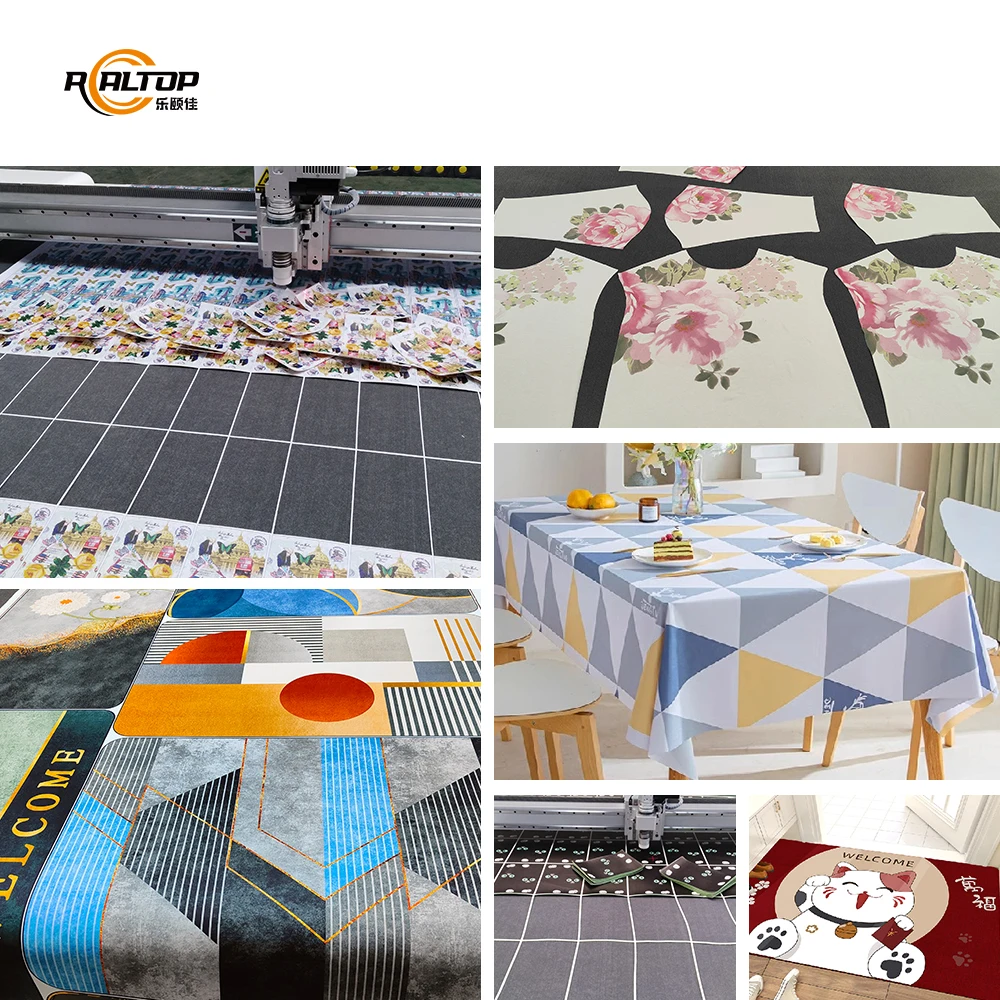
| PVC canvas and tarpaulin roll processing | PVC-coated polyester, heavy-duty tarpaulin in roll or sheet form |
| Apparel and footwear manufacturing | Suit fabrics, knitwear, lace, complex pattern-matching layouts |
| Automotive interior trimming | Seat fabrics, carpets, PVC floor mats |
| Home textile production | Sofa fabrics, curtains, rugs, multi-layer fabric lay-ups |
| Composite material processing | Carbon fiber prepreg, aramid weaves, specialty reinforcement textiles |
| Signage and advertising | Vinyl, banner material, rigid and flexible sign substrates |
| Packaging and carton sample making | Corrugated board, folding carton, greyboard prototypes |
Why Working Area Alone Does Not Guarantee a Clean Cut
Buyers often specify a CNC oscillating knife cutting machine manufacturer based on table size, only to discover that the chosen tool head cannot penetrate the actual material stack. Matching the tool head to the material composition and ply count matters more than the footprint of the cutting bed.
A 1600 × 2500 mm table comfortably accepts standard tarpaulin rolls and wide apparel fabrics, yet a PVC-coated canvas at 2 mm thickness demands a pneumatic knife with sufficient down-stroke pressure rather than a standard oscillating blade. When the wrong tool head meets a dense or coated material, the result is frayed edges, incomplete cuts, and wasted roll stock. I have seen buyers lose entire batches because the configuration was locked in before the material was tested [NEED_CITE: material-thickness compatibility in digital flatbed cutting]. This catalogue approach lets you compare all seven tool options side by side before committing to a build.
Comparing Knife Methods Across the Full Equipment Range
When surveying options, the first decision is whether an oscillating knife or a driven rotary knife suits the target material. Oscillating knives excel on rigid or semi-rigid sheets such as corrugated board, foam, and gasket material where a vertical reciprocating stroke produces a clean edge. Driven rotary knives, by contrast, shear through woven and knitted fabrics with minimal fraying, making them the default choice for garment and home-textile producers running multi-ply lays. The 1625 platform supports both, so a CNC flatbed cutting table for sale in this range can serve a factory that processes both woven apparel fabric and PVC tarpaulin on the same shift.
Laser Versus Knife — Where Each Method Fits
Some materials respond better to thermal cutting. Acrylic, wood veneer, and certain synthetic textiles benefit from the sealed edge that a CO2 laser produces, while fiber lasers handle sheet metal and tube profiles for structural components. The broader REALTOP catalogue covers both knife and laser systems, allowing a buyer to match the cutting method to the material rather than forcing one technology across every job. A distributor sourcing for multiple end-users can evaluate knife, CO2, and fiber options within a single product family [NEED_CITE: digital cutting method selection by material type].
How Vacuum Zoning and Pump Capacity Affect Hold-Down
The aluminum bellows vacuum table paired with a 9 kW pump delivers consistent suction across the full 1600 × 2500 mm surface, but hold-down effectiveness depends on part size and material porosity. Small gasket pieces or narrow lace strips may lift at the edges if the vacuum zones are not segmented finely enough. For large tarpaulin panels the broad table area works in the buyer’s favor because the sheer surface contact keeps the material flat. When cutting multi-layer fabric lay-ups up to the rated 30 – 50 mm stack height, vacuum performance directly influences edge straightness and ply alignment from top sheet to bottom sheet.
The Hidden Cost of Skipping a Material Sample Test
Locking in a CNC oscillating knife cutting machine manufacturer without a sample cut on the buyer’s own material is one of the most common procurement missteps. A tool head that performs well on a supplier’s demo fabric may struggle with a buyer’s PVC-coated tarpaulin or carbon-fiber prepreg. Edge quality, cutting depth, and cycle time can all shift once the actual roll is loaded. Requesting a sample cutting report before the order is confirmed removes this variable and provides a documented baseline for acceptance testing upon delivery [NEED_CITE: sample-based acceptance protocols for CNC cutting equipment].
Why Procurement Teams Source This Range Here
The design team engineers both knife and laser platforms in-house, so a buyer comparing methods receives a recommendation grounded in the same quality-control framework rather than a sales pitch for whichever machine is in stock. Tool head and table configurations are specified per material and production volume, not sold as a one-size-fits-all package. CCD camera positioning is available for printed contour work on signage and apparel, and software compatibility is confirmed against the buyer’s existing nesting workflow before the order enters production. Voltage, plug type, and control-panel language are locked in during the specification stage, avoiding costly rewiring or reprogramming at the destination factory. Sample cutting on the buyer’s own material is a standard step, not an optional add-on.
Documentation & Verification
- Machine specification sheet listing all seven tool head options and table configuration per material
- Electrical schematic with voltage and frequency confirmed for the target market
- Sample cutting report generated on buyer-supplied PVC tarpaulin or fabric before order confirmation
- CE declaration covering mechanical and electrical safety directives
- Software licence and file format compatibility note for PLT, DXF, AI, and PDF workflows
Installation, Commissioning & Support
- Floor space planning based on the 3300 × 2100 × 1350 mm machine footprint plus operator clearance
- Dedicated electrical circuit matching the confirmed 110 V, 220 V, or 380 V supply and 9 kW vacuum pump load
- Machine arrives fully assembled; rigging plan required for doorway and overhead clearance
- First-run calibration of oscillating knife stroke and vacuum zone mapping on buyer’s material
- PLC control panel language set to operator preference during commissioning
- Spare parts list covering blades, bellows seals, and vacuum cups for initial inventory
What to Share When Requesting a Quotation
Provide the material type, coating or lamination details, single-sheet or roll dimensions, and the daily volume target. Specify the local voltage and frequency standard along with the preferred control-panel language. If the shop floor already runs nesting software, share the file format so compatibility can be verified before the CNC flatbed cutting table for sale is configured.
Frequently Asked Questions
Q: How do I choose between the oscillating knife and the driven rotary knife for my material?
A: Oscillating knives work best on semi-rigid and rigid sheets like corrugated board, foam, and gasket stock where a vertical stroke yields a clean edge. Driven rotary knives shear woven and knitted fabrics with minimal fraying. Share a sample of your material so the correct tool head can be confirmed before the build is finalized.
Q: What roll width and cutting thickness does the 1625 platform accept?
A: The working area is 1600 × 2500 mm, accommodating most standard tarpaulin and fabric rolls. Single-layer cutting thickness reaches 30 mm, while multi-layer stack cutting is rated up to 30 – 50 mm depending on material density and ply count, subject to sample verification.
Q: Which voltage and control language options are available?
A: Voltage is configurable at 110 V, 220 V, or 380 V to match the destination market. The PLC control panel supports English, Russian, Italian, and Chinese by default, with additional languages customizable upon request during the specification stage.
Q: What file formats does the nesting software import?
A: The system accepts PLT, DXF, AI, and PDF profiles out of the box. Dedicated packaging box structure design software is included. If your workflow uses other formats, share a sample file so compatibility can be tested before the machine ships.
Q: How does this catalogue help me decide between knife cutting and laser cutting?
A: The full REALTOP range covers oscillating knife, drag knife, CO2 laser, and fiber laser systems. By reviewing each method’s material suitability and throughput characteristics in one place, you can identify whether a sealed laser edge or a mechanical knife cut better serves your specific production requirement.










商品评价
There are no reviews yet.