

Fast Delivery
Quick, reliable shipping to any location.

Free & easy returns
Return this item by mail or in store within 90 days for a full refund.
In-house design and production — covering both knife and laser platforms, so a buyer sourcing a CNC cutting machine manufacturer can match the cutting method to the actual material envelope instead of forcing a single process across dissimilar fabrics and composites.
Technical Specifications
| Parameter | Value |
|---|---|
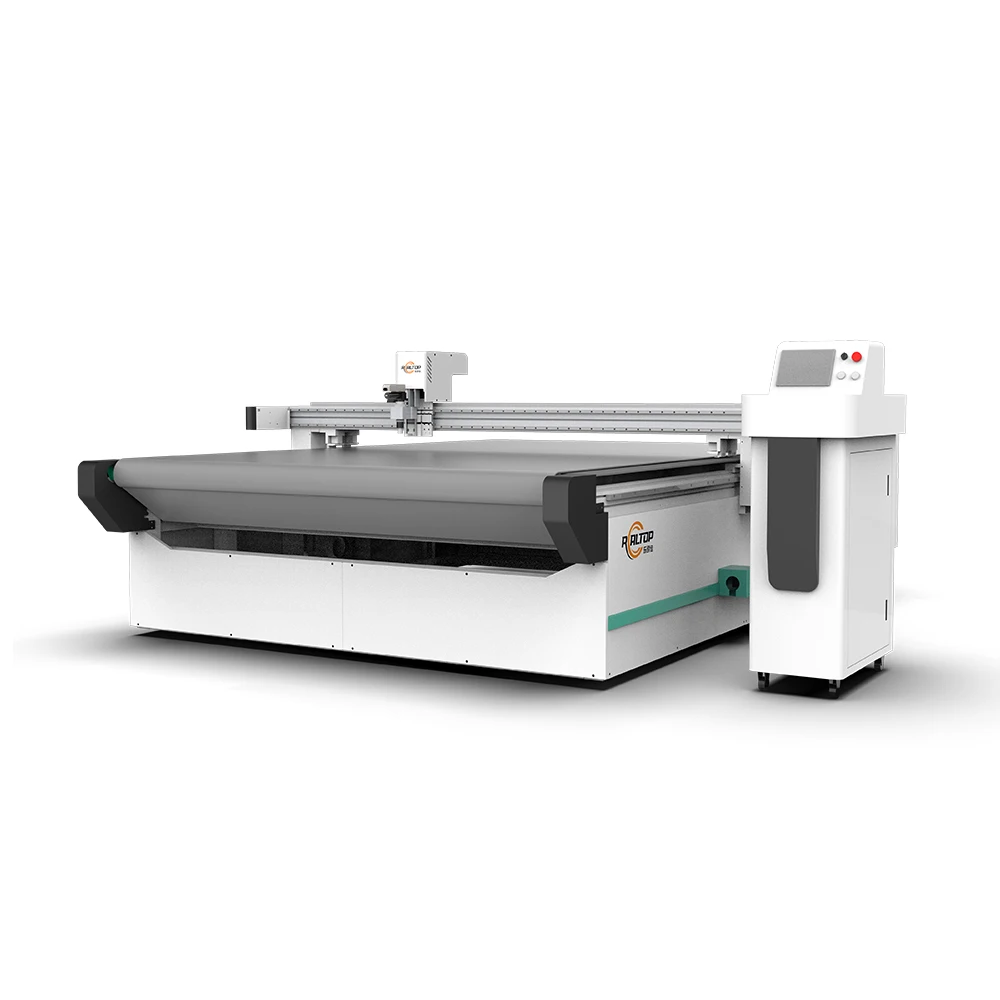
| Product Type | CNC Oscillating Knife Cutting Machine |
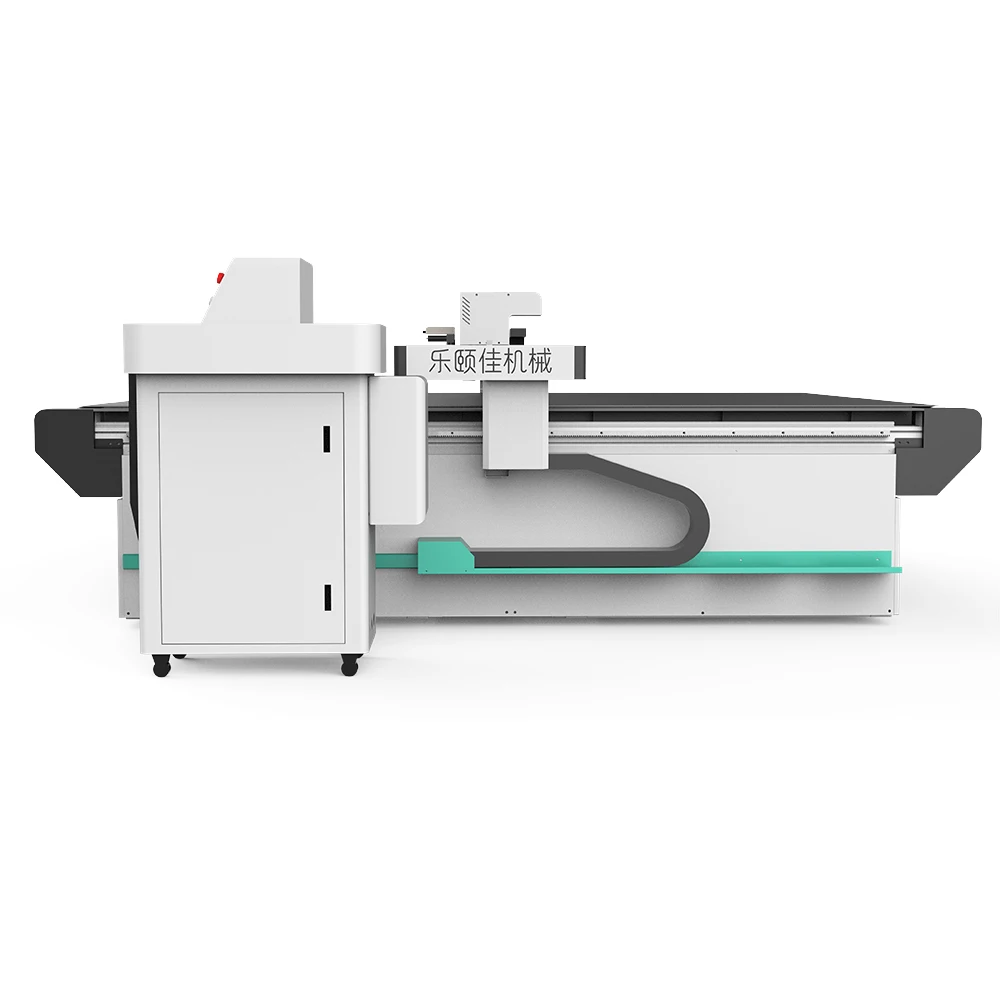
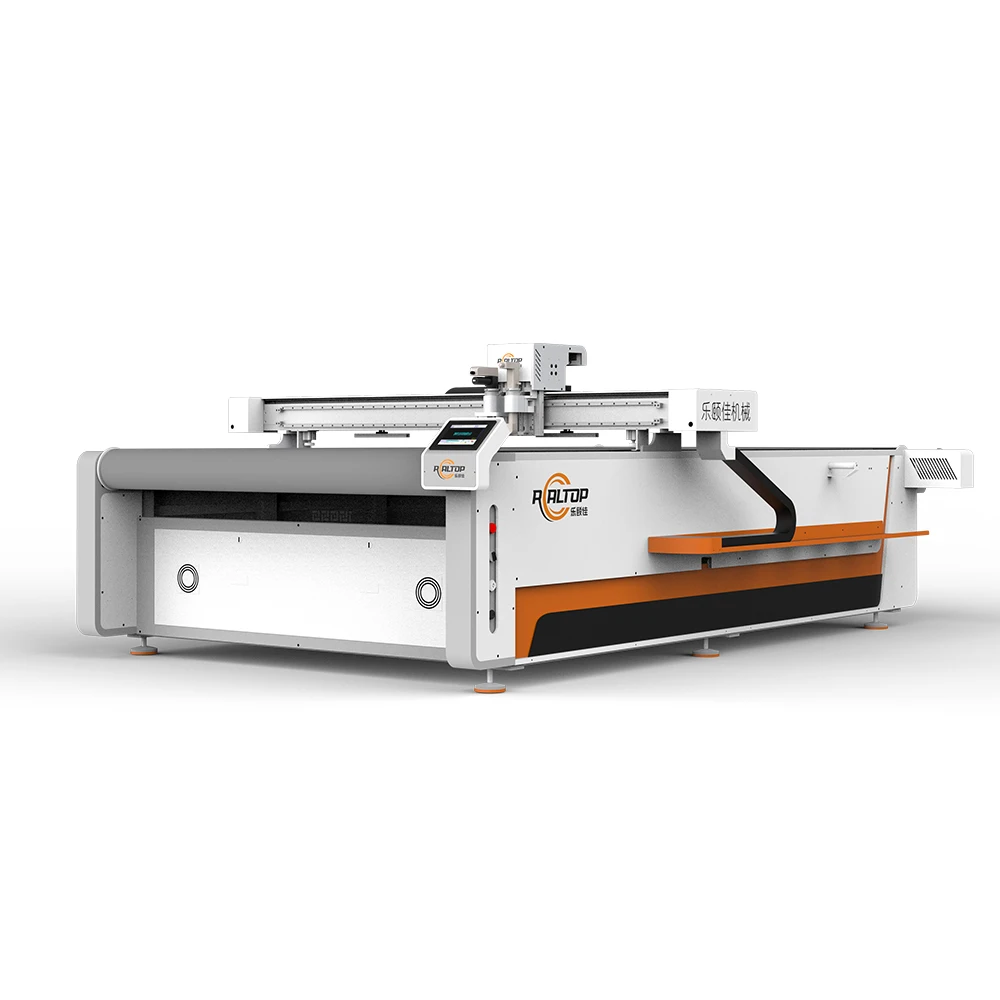
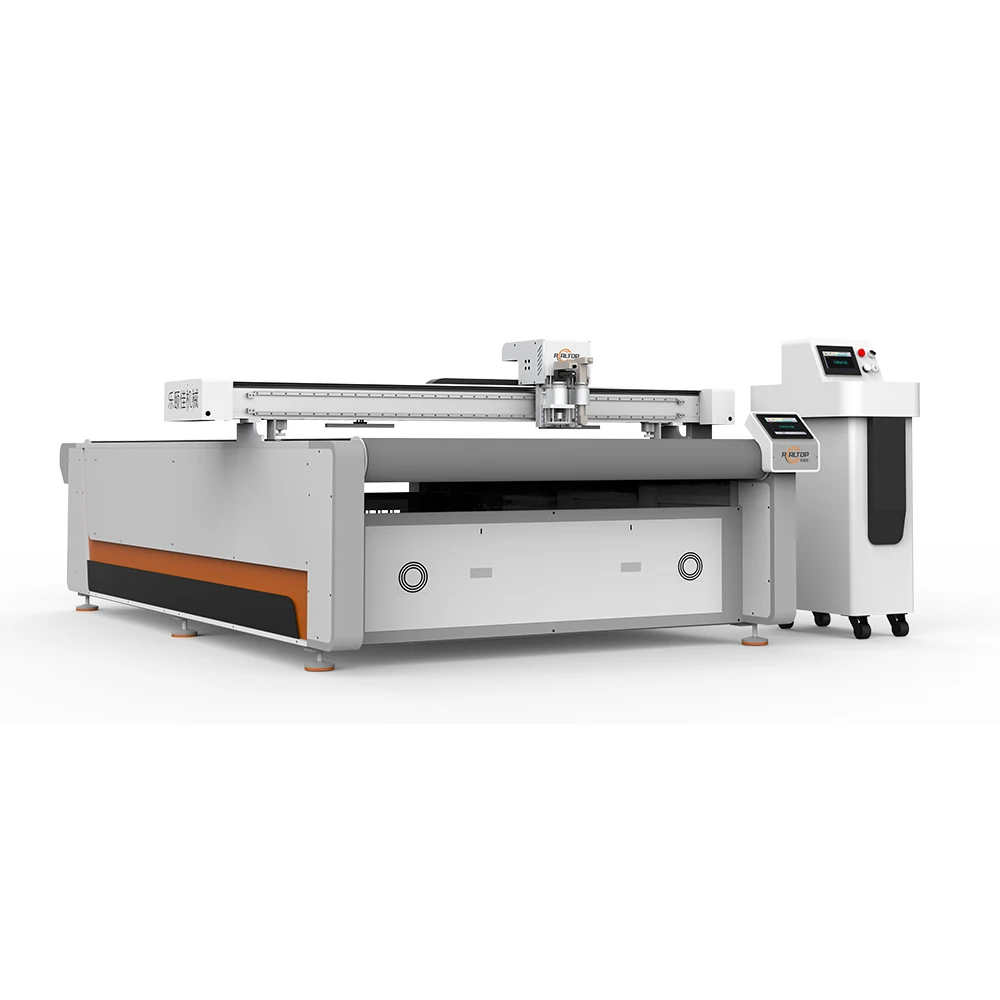
| Working Area | 1600 × 2500 mm |
| Overall Dimensions | 3450 × 2300 × 1250 mm |
| Rated Power | 9 kW |
| Voltage | 380V ±10% |
| Vacuum Pump | 7.5 kW, aviation aluminum shell with built-in silencer sponge (noise reduction ~35%) |
| Translational Speed | 800 – 2000 mm/s |
| Cutting Speed | 200 – 800 mm/s (basis not stated in source) |
| Cutting Thickness | Up to 100 mm (varies by material density and layer structure) |
| Repeatability | ≤0.1 mm |
| Servo Motor | Delta (Panasonic optional), IP67 waterproof rating |
| Transmission | Taiwan Hiwin linear guide, synchronous belt, ball screw |
| Control System | CNC with touch screen, multi-language (English, Russian, Italian, Chinese; other languages customizable) |
| Visual Positioning | CCD mark point / panoramic camera / projection positioning (selectable) |
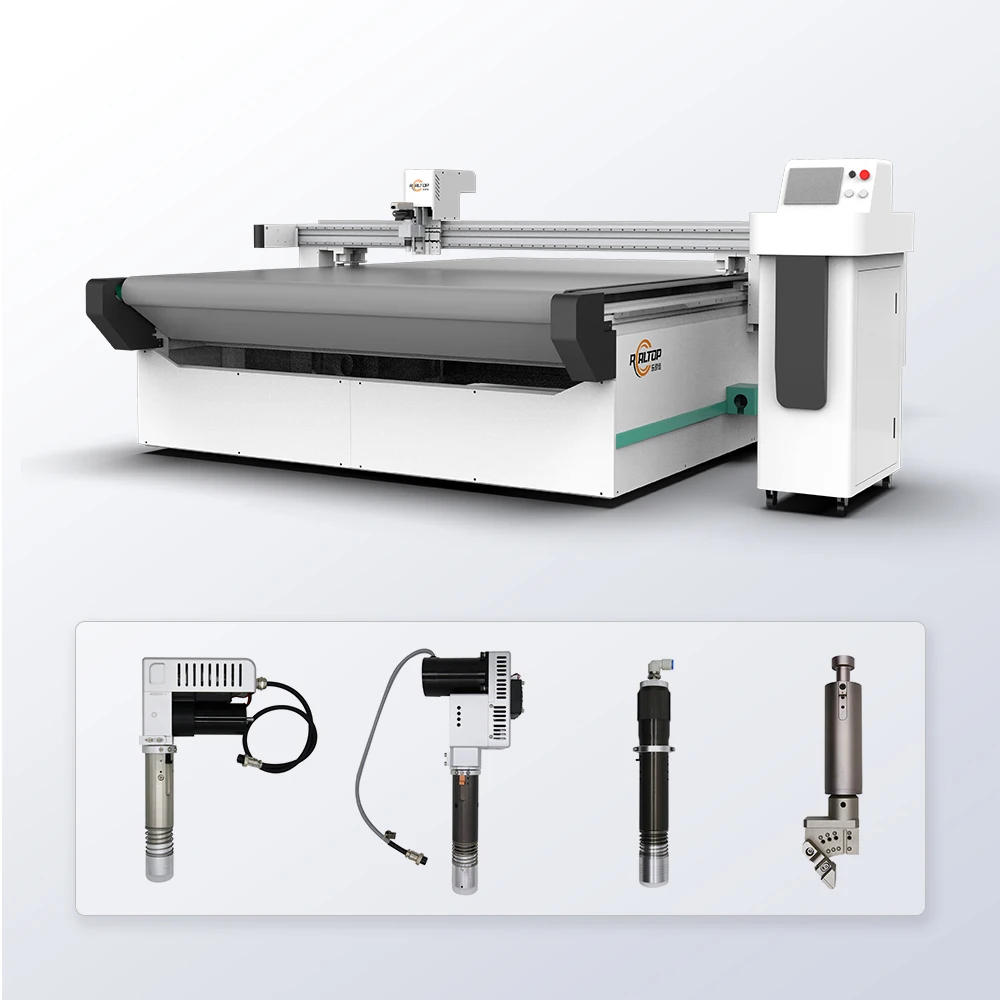
| Tool Head Options | Oscillating knife, pneumatic knife, high-power vibrating knife, circular knife, V-cutting knife, drag knife, creasing wheel, dotted line knife, punching tool, brush |
| Table Type | Magnesium-aluminum alloy vacuum adsorption; flat or auto-feeding; integrated box platform with split box option |
| Instruction Format | HP-GL compatible |
| Software | Auto nesting; accepts PLT, DXF, AI and other formats |
| Safety Devices | Infrared induction blocking, anti-collision sensors on beam sides, emergency stop with in-situ resume |
| Conveyor Belt | Germany imported |
| Assembly State | Fully assembled before shipment |
| Standards | CE |
Application Suitability
| Application | Material or Output |
|---|---|
| Garment and footwear cutting | Woven cloth, non-woven fabric, lining, interlining, PU and EVA shoe uppers |
| Automotive interior trim | Leather, synthetic leather, sponge composite, gasket and sealing materials |
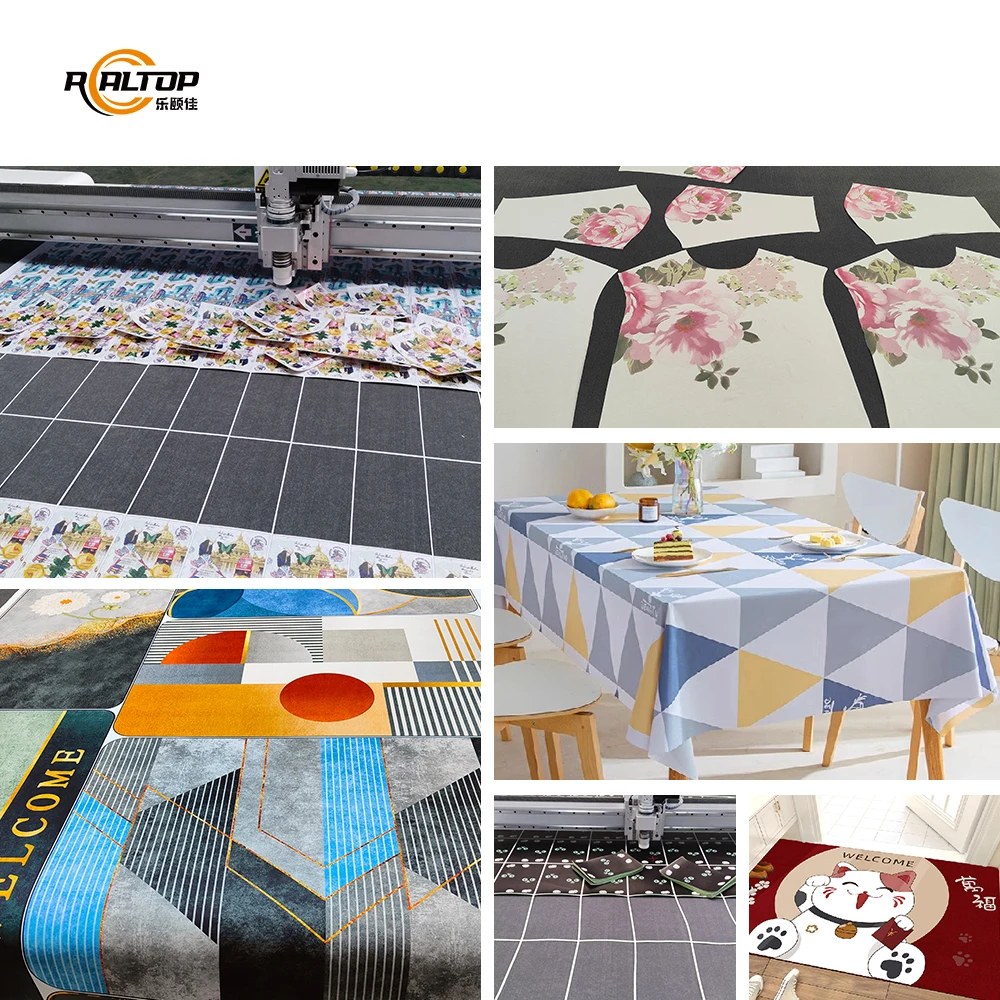
| Soft home furnishings | Sofa fabric, curtain textile, carpet, floor mat and rug stock |
| Luggage and bag production | Oxford cloth, nylon, canvas, composite panels |
| Packaging sample making | Corrugated cardboard, carton board, sticker and film |
| Graphic advertising and signage | Vinyl, PVC sheet, printing contour cuts on flexible substrates |
| Composite and foam fabrication | Carbon fiber prepreg, fiberglass, XPE, EPE, PTFE, ETFE sheets |
| Sealing pad processing | Rubber, silicone, soft glass, PTFE gasket stock |
When "Working Area" Becomes the Wrong Starting Question
A CNC cutting machine manufacturer often leads the conversation with bed dimensions, yet a 1600×2500 mm table tells you nothing about whether a five-layer laminate will stay flat under the knife or whether small garment pattern pieces will lift off the surface mid-cut. The specification that actually decides daily output quality is vacuum zoning combined with tool head selection, not table size alone.
I once stood in a garment factory where the operator had the vacuum running full-bed on a single zone. Small sleeve and collar pieces, once cut free, drifted under the blade and ruined neighbouring panels until the whole marker was scrapped. The fix was not a bigger pump; it was splitting the adsorption platform into independently controlled boxes so only the occupied zones pulled vacuum. That rework cost the owner two weeks of production. Buyers who skip this conversation during specification usually revisit it on their own shop floor [NEED_CITE: vacuum zoning practices for flexible material cutting].
Matching the Tool Head to the Cloth, Not the Catalogue
The oscillating knife handles most woven and knitted textiles cleanly, yet the same head struggles with thick sponge composites where a high-power vibrating knife or a circular knife produces a noticeably better edge. Drag knives work for single-ply vinyl and sticker films but collapse layered fabric. The machine supports the full tool set — oscillating, pneumatic, vibrating, circular, V-cutting, drag, creasing wheel, dotted line, punching and brush — so the configuration can follow the material list rather than the other way around. This range is what separates a genuine CNC cutting machine manufacturer from a single-head supplier.
Visual Positioning at Line Speed, Not Demo Speed
Printed contour cutting looks reliable in a showroom where the camera tracks a single mark on a static sheet. On the production floor, fabric stretches, conveyor movement shifts the web, and ink density varies across a roll. The panoramic camera and CCD mark point options, combined with projection positioning, let the operator choose the method that suits the print quality and the feed system. Confirming which vision option handles the buyer’s actual print file before order avoids discovering the limitation during commissioning [NEED_CITE: CCD positioning performance on stretchable textiles].
Reading the Specification Sheet Against Real Production
The 9 kW rated power covers the 7.5 kW vacuum pump plus motion and control loads on a 380V ±10% supply; sites with unstable mains need to confirm the tolerance before shipment. Translational speed of up to 2000 mm/s positions the head between cuts, while cutting speed of 200–800 mm/s depends entirely on ply count and fabric density — a single-ply polyester liner cuts at the upper end, a 40 mm foam composite at the lower. Repeatability of ≤0.1 mm, delivered through Taiwan Hiwin linear guides and IP67 servo motors, keeps pattern pieces inside garment grading tolerances even after continuous shifts. The magnesium-aluminum alloy table resists warping under sustained vacuum load, a detail that matters once the machine has been running for months rather than minutes.
The Cost of Skipping the Configuration Conversation
Choosing the wrong tool head produces ragged edges on woven cloth or crushed cells in foam, and the defect often shows up only after several production runs when the blade has slightly worn. Insufficient vacuum zoning lifts small cut pieces into the knife path, creating secondary damage that is blamed on the software or the blade supplier. A control panel locked to a single language slows every shift change and parameter tweak [NEED_CITE: operator error rates linked to control language mismatch]. These issues never appear in a brochure; they surface during the first week of real cutting.
Why Buyers Come Back to the Same Builder
The design team engineers both knife and laser platforms in-house, so the recommendation is based on the material, not on whichever machine happens to be in stock. Every tool head and table combination is specified against the buyer’s own sample, with a cutting report issued before commitment. Electrical schematics and voltage confirmation are documented before the crate is closed, preventing the common arrival-day mismatch. Software licences, file format compatibility and nesting workflows are validated against the buyer’s existing design files. Factory testing runs the buyer’s actual marker, not a generic demo shape, and the test record ships with the documentation pack.
Documentation & Verification
- Machine specification sheet listing chosen tool heads and vacuum zone layout
- Electrical schematic with voltage and frequency confirmed for destination site
- Sample cutting report produced on buyer-supplied fabric or composite
- Software licence and file format compatibility note for PLT, DXF, AI workflows
- Operation and maintenance manual in selected control language
- Packing photographs taken before crate closure
Installation, Commissioning & Support
- Overall footprint of 3450 × 2300 mm requires a level floor with clearance for the 7.5 kW pump
- 380V ±10% three-phase dedicated circuit with confirmed frequency before connection
- Machine ships fully assembled; positioning and levelling completed on arrival
- First-run parameter setting covers vacuum zone mapping and tool offset calibration
- Operator training addresses nesting software, tool change and vision positioning
- Spare parts list includes Swiss blades, vacuum seals and Hiwin guide carriages
- Daily maintenance checklist focuses on belt tension, vacuum filter and blade wear
What to Share Before Requesting a Quote
Send the material type, ply count and maximum sheet width along with the daily volume target so the tool head and table configuration can be fixed before pricing. Confirm local voltage, frequency and the preferred control language. If printed contour cutting is required, share a sample print file and the intended feed method — flat table or auto-feeding conveyor — so the correct vision positioning option is selected.
Frequently Asked Questions
Q: Which cutting method — knife or laser — suits my fabric line?
A: Knife cutting leaves an unsealed edge that is preferable for woven garments where fraying is handled by overlocking downstream, while laser seals synthetic edges and is chosen for technical textiles. The manufacturer supplies both platforms, so the decision follows the material behaviour rather than the available equipment.
Q: How do I compare models beyond working area?
A: Look at vacuum table zoning, tool head range, and vision positioning options together. A 1600 × 2500 mm bed with a single vacuum zone behaves very differently from the same bed with split box control when cutting small pattern pieces at line speed.
Q: What does each visual positioning option handle?
A: CCD mark point positioning tracks printed registration marks for contour cutting. The panoramic camera covers larger printed areas where mark density is low. Projection positioning overlays the cut path on the material for manual alignment verification before the knife engages.
Q: Can voltage, plug and control language be confirmed before shipment?
A: Yes. The electrical schematic and voltage confirmation are documented before production, and the touch screen supports English, Russian, Italian and Chinese with additional languages available on request, so the operator interface matches the shop floor from day one.
Q: Is sample cutting on my own material part of the process?
A: A sample cutting report on the buyer’s fabric or composite is issued before order commitment, covering edge quality, cutting speed and vacuum holding performance, so the configuration is validated against the actual production material.










商品评价
There are no reviews yet.