


Fast Delivery
Quick, reliable shipping to any location.

Free & easy returns
Return this item by mail or in store within 90 days for a full refund.
Configured Per Material — we match knife or laser cutting method to your specific fabric, leather or composite rather than force one technology across all jobs.
Technical Specifications
| Parameter | Value |
|---|---|
| Model | RT-D2516 / RT-S2516 |
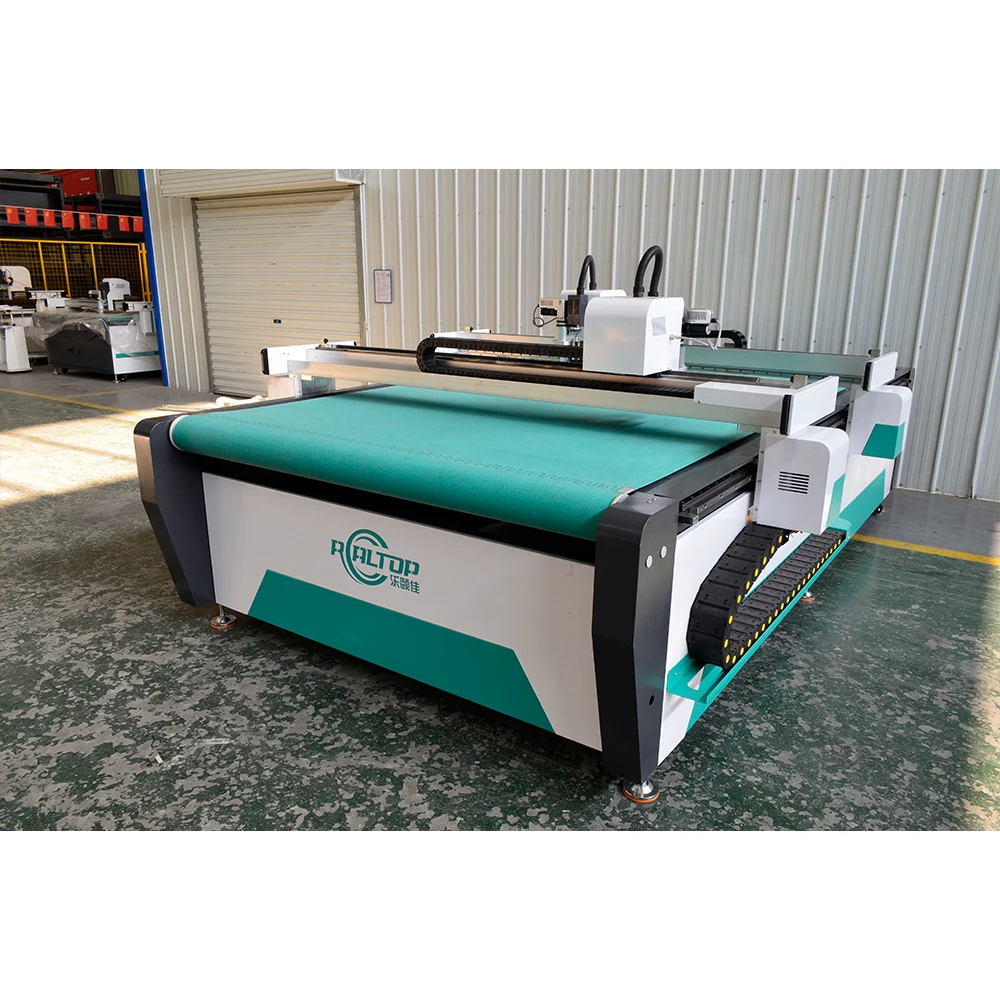
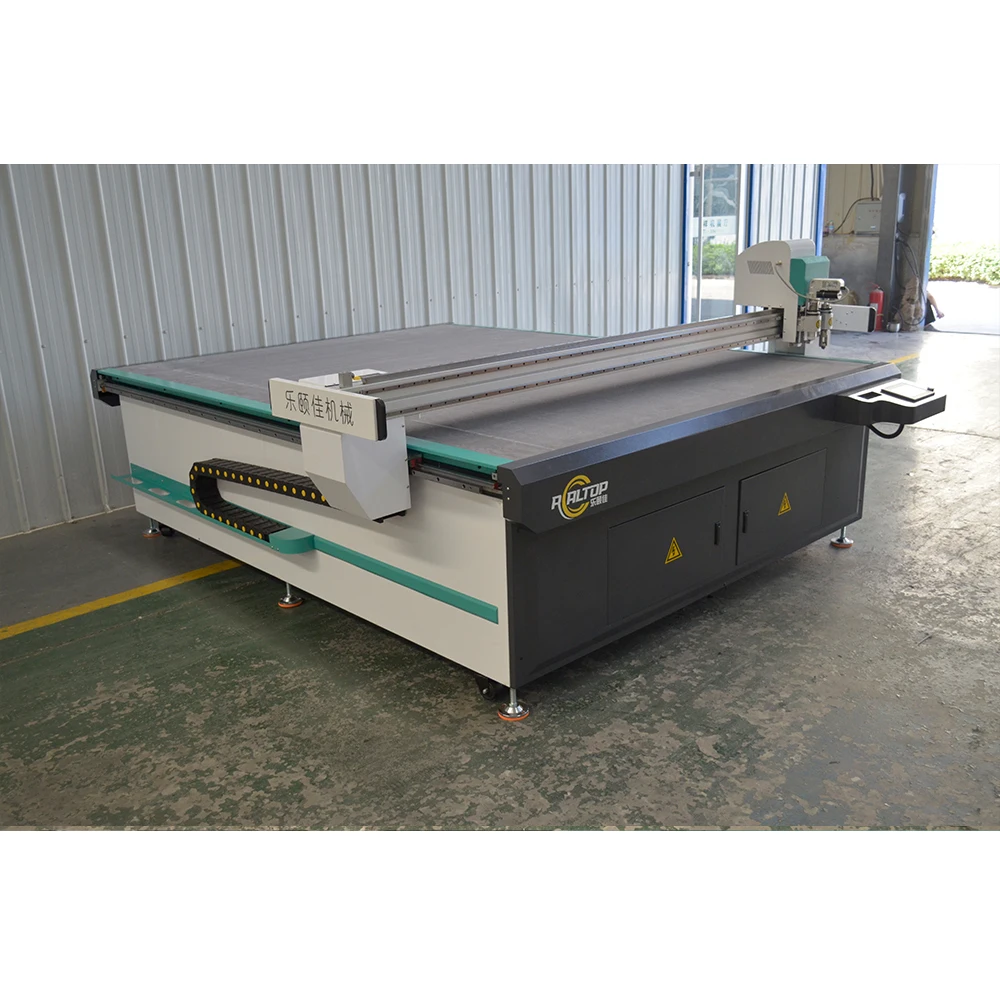
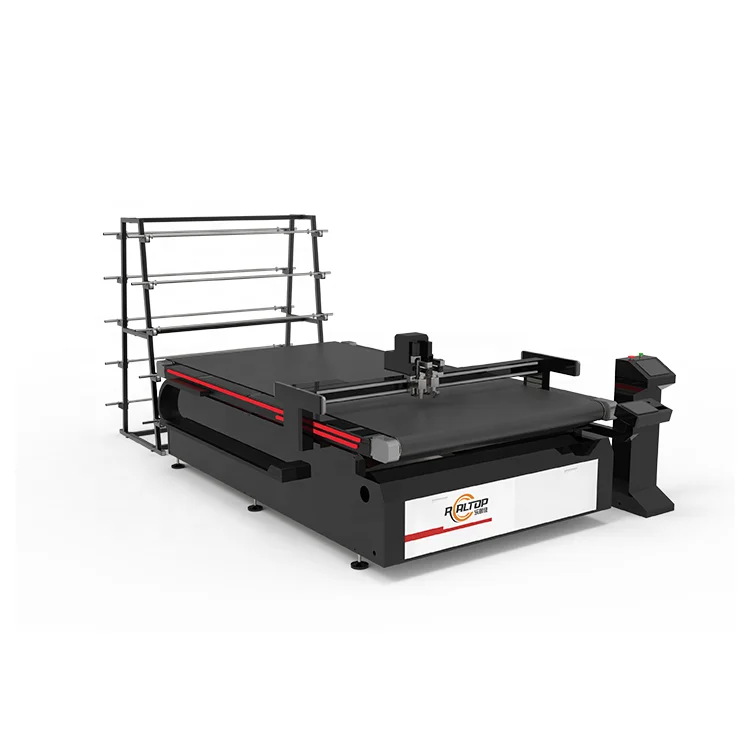
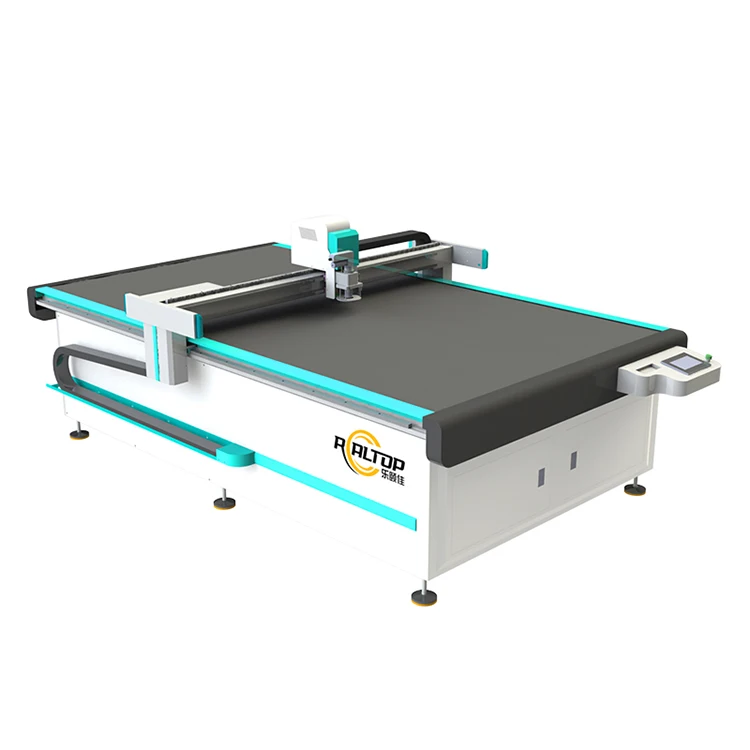
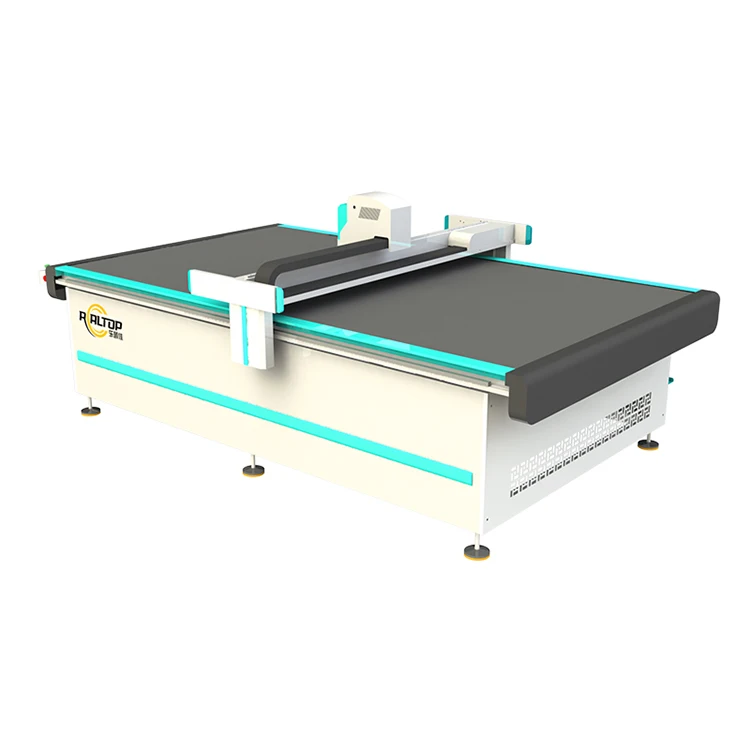
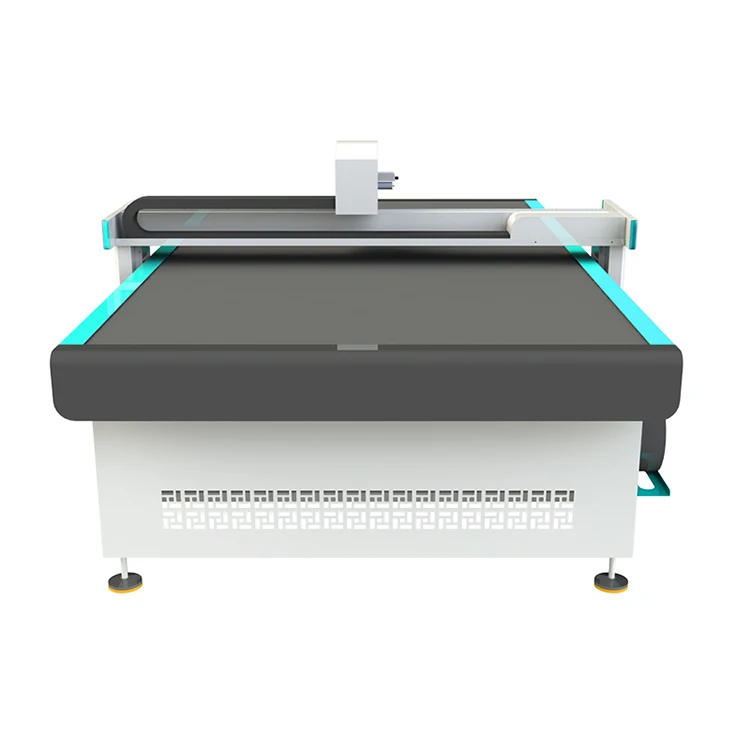
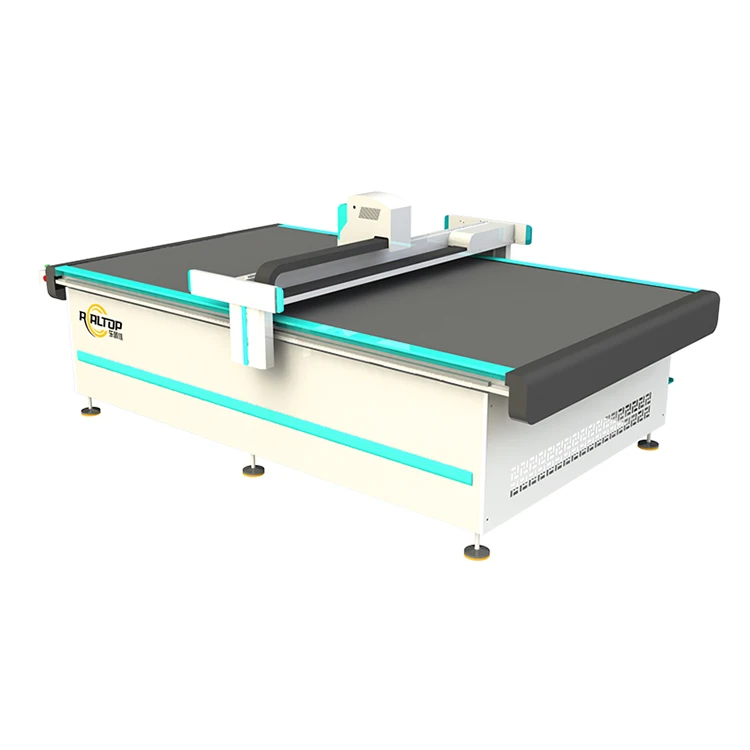
| Product Type | CNC Oscillating Knife Cutting Machine |
| Working Area | 1600 × 2500 mm |
| Machine Dimensions | 3450 × 2300 × 1250 mm |
| Rated Power | 9 kW |
| Voltage | 380V ±10% (frequency to be confirmed for 50/60 Hz markets) |
| Table Type | Flat working table with vacuum and auto feeding |
| Vacuum Pump | 7.5 kW |
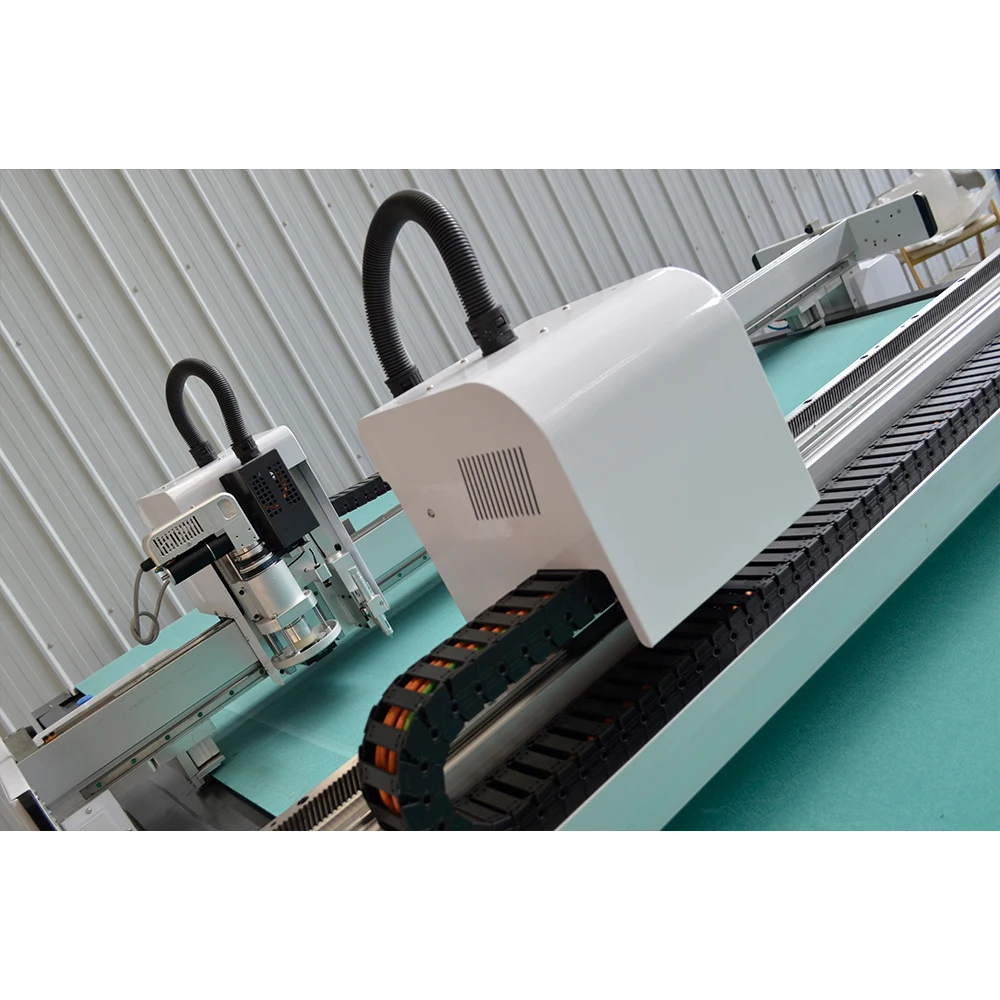
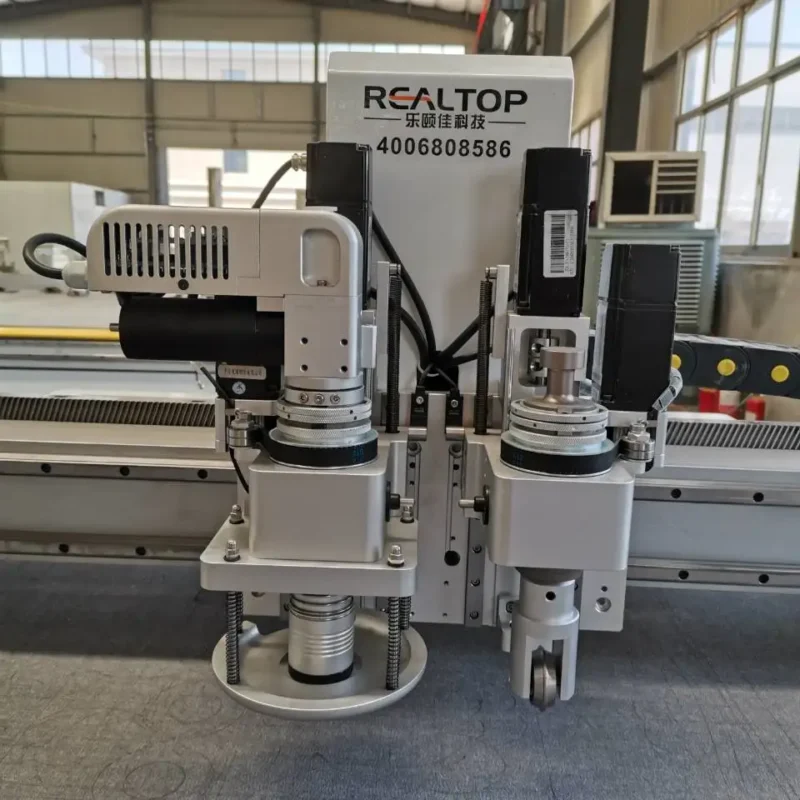
| Tool Head | Swiss imported oscillating knife (vibration full cutting, half cutting, cursor location) |
| Translational Velocity | 800–1200 mm/s |
| Cutting Speed | 200–800 mm/s (basis not stated in source — depends on material type and thickness) |
| Compatible Materials | Leather, clothing flexible materials, sponge composite leather, PVC, soft glass, silicon, rubber |
| Repeated Accuracy | ≤0.1 mm |
| Transmission System | Japanese Yaskawa digital servo motor, Taiwan Hiwin linear guide, synchronous belt, ball screw |
| Conveyor Belt | Germany imported |
| Safety Device | Infrared sensors |
| Instruction System | HP-GL compatible format |
| Warranty | 12 months for whole machine |
| Lead Time | 7–10 working days (basis to be confirmed — standard vs. custom configuration) |
Application Suitability
| Application | Material or Output |
|---|---|
| Garment and fabric cutting | Multi-layer woven, knit and non-woven textiles for apparel production |
| Leather goods manufacturing | Natural and synthetic leather for bags, belts and upholstery panels |
| Footwear material processing | Shoe upper leather, lining fabric and sponge composite insole stock |
| Automotive interior trimming | Seat cover leather, headliner fabric and dashboard soft composite sheets |
| Soft gasket and seal prototyping | Rubber, silicon and PVC sheets for industrial sealing applications |
| Flexible signage production | Vinyl, soft glass and thin flexible board for banners and displays |
Why "Working Area" Is the Wrong Starting Point for a CNC Oscillating Knife Cutting Machine Manufacturer
The working area only tells you how big a sheet fits — not whether the knife head, vacuum zoning and feed system can actually handle your material at production speed.
I once specified a flatbed cutter purely on table size for an automotive seat cover shop. The 1600×2500 mm bed matched their hide dimensions perfectly. But when they switched from sample fabric to a coated composite leather for volume runs, the oscillating knife couldn’t hold the edge — every panel came off with frayed borders, and their line sat idle for two days while I reconfigured the tool head. That mistake is why I now insist on seeing the actual production material before any configuration is locked in. A CNC oscillating knife cutting machine manufacturer should ask what you’re cutting before quoting a model number [NEED_CITE: material-specific tooling requirements for oscillating knife systems].
Where Knife Cutting Fits in the Full Equipment Range
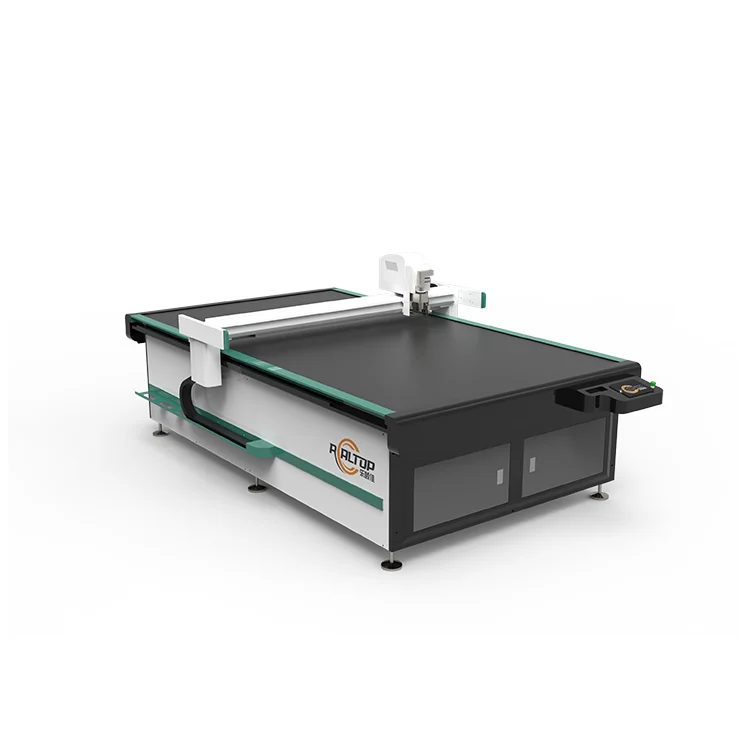
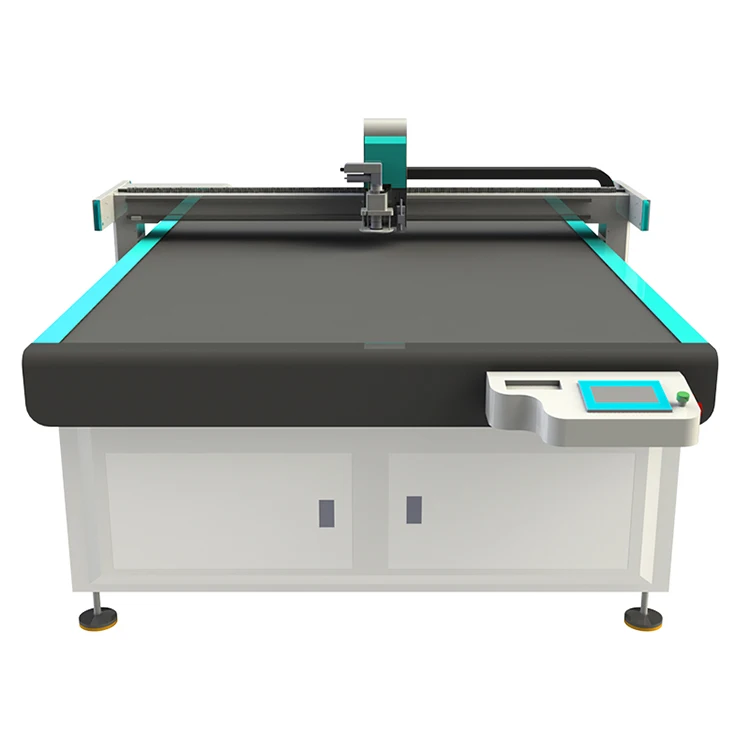
Within the complete cutting equipment catalogue, oscillating knife tables occupy a distinct position. They handle materials that laser cannot — thick sponge composites that would melt, layered fabrics where heat sealing is unwanted, and leather hides where a blade produces the clean edge a furniture maker demands. The RT-D2516 and RT-S2516 sit in the mid-to-large format knife family, sized for full hide processing and multi-layer fabric spreads common in garment and automotive interior workshops.
The question for a buyer surveying the full range is not whether this machine is good — it is whether knife cutting is the right method for the material mix in your shop. Some producers run both knife and laser on different product lines, and evaluating both options side by side prevents committing to a single technology before the material behaviour is understood.
Reading Past the Headline Numbers
Cutting speed is quoted as a range from 200 to 800 mm/s, but that spread covers everything from thin garment fabric to dense composite rubber. A machine running at 800 mm/s on single-layer vinyl will drop considerably when cutting five-ply sponge composite leather. Asking what material and thickness each speed figure is based on matters more than the headline number [NEED_CITE: cutting speed dependency on material density and layer count].
The 7.5 kW vacuum pump paired with auto-feeding conveyor addresses a common production problem: small parts lifting off the table mid-cut. Without adequate hold-down, contour accuracy degrades regardless of how precise the servo system is. Verifying vacuum zoning configuration against your typical part size is a step that should happen before the order, not after installation.
What the Drive Train and Tool Head Mean for Your Output
The combination of Yaskawa digital servo motors and Hiwin linear guides delivers the ≤0.1 mm repeatability stated in the specification. In practical terms, this means nested garment patterns cut from multi-layer fabric stacks will hold consistent dimensions panel after panel — important when downstream sewing operations depend on tight tolerance.
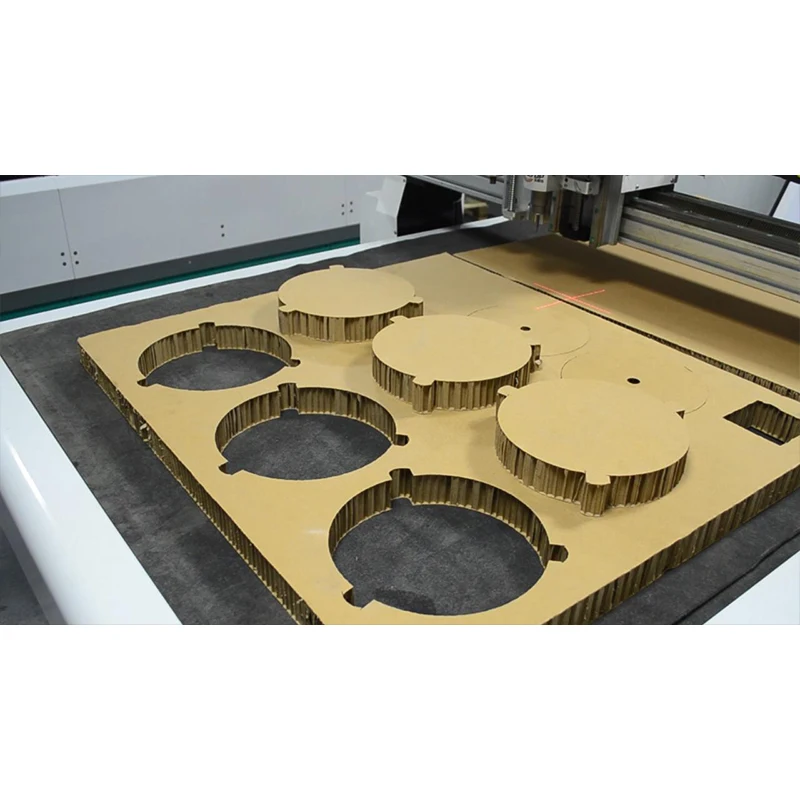
The Swiss imported oscillating knife head offers full-cut and half-cut modes. Full-cut handles through-cutting of leather hides and rubber gasket stock, while half-cut suits kiss-cut applications on adhesive-backed vinyl or multi-layer materials where only the top ply is scored. Having both modes on one head reduces tool change time when a single job involves different cut types.
The HP-GL compatible instruction system covers a baseline file format used by many nesting software packages. Confirming whether your existing DXF, PLT or AI files import cleanly into the machine’s workflow should be verified before commitment, not discovered on the first production day.
The Hidden Cost of Skipping Material Testing
Choosing the wrong tool head for a coated composite material produces ragged edges that no amount of downstream trimming can fix — the fraying propagates into the body of the part. Producers who skip the sample cutting step often discover this only after the machine is installed and their first production run is rejected by quality control. The downtime, wasted material and emergency reconfiguration cost far more than a pre-shipment test on the buyer’s own stock [NEED_CITE: cost of unplanned production stops in garment and leather manufacturing].
What This Manufacturer Brings to the Table
In-house design covers both knife and laser cutting technologies, so a buyer evaluating this oscillating knife table can compare it directly against a laser option for the same material without dealing with two separate suppliers. Tool head and table configuration is specified per material and production volume rather than offered as a one-size package.
Sample cutting on the buyer’s actual material happens before commitment — this is how the correct knife frequency, blade profile and vacuum setting get confirmed. Voltage, plug type and control language are verified for the target market before shipment. Software compatibility and file format integration are checked during the pre-order stage so the nesting workflow connects on day one.
Documentation & Verification
- Machine specification sheet with confirmed tool head and table configuration for your material type
- Electrical schematic with voltage and frequency verified against your facility supply
- Sample cutting report produced on your actual fabric, leather or composite stock before dispatch
- Software licence documentation with confirmed file format compatibility for your nesting workflow
- Spare parts list covering consumable blades, belt sections and vacuum components with part numbers
- Factory test record showing repeated accuracy and cutting quality on your specified material
Installation, Commissioning & Support
- Foundation must support 3450×2300 mm footprint with level tolerance for the 1600×2500 mm vacuum table accuracy
- Dedicated 380V circuit required to supply 9 kW machine load plus 7.5 kW vacuum pump independently
- Auto-feeding conveyor with Germany imported belt requires alignment calibration during on-site commissioning
- Infrared sensor safety system tested and zone-mapped before first production run begins
- Oscillating knife blade replacement procedure and spare blade inventory reviewed during operator training
- Yaskawa servo parameter backup and Hiwin linear guide lubrication schedule documented for maintenance team
What We Need to Configure Your Machine Correctly
To recommend the right tool head, vacuum zoning and feed speed, share your primary material types with thickness ranges and whether you run single-layer or multi-layer stacks. Let us know your facility voltage and frequency, plus the control language your operators need. If you have existing nesting software, tell us the file formats it exports so we confirm compatibility before the order is placed.
Frequently Asked Questions
Q: How do I verify the cutting speed range applies to my material?
A: The stated 200–800 mm/s range depends entirely on material type, density and layer count. Request a sample cutting test on your actual stock — we run your material at production feed rates and document the achievable speed with acceptable edge quality before you commit to the order.
Q: Should I choose oscillating knife or laser for my material mix?
A: Knife cutting handles thick composites, layered fabrics and leather without heat-affected edges. Laser suits thin synthetics where sealed edges are needed. Share your full material list so both methods can be evaluated against your actual product range before selecting one.
Q: Will my existing nesting software files work with this machine?
A: The instruction system supports HP-GL format. If your workflow uses DXF, PLT or AI files, we need to confirm import compatibility and nesting integration during the pre-order stage — send us sample files and we verify before production begins.
Q: What voltage and language options need confirming before shipment?
A: The standard specification lists 380V ±10%, but frequency and plug type must match your facility. Control panel language options should also be confirmed early. These details are locked in during the specification confirmation step, well before the machine leaves the factory.
Q: Can I compare this knife table with a laser option for the same job?
A: Yes — the equipment range covers both knife and laser cutting systems. Provide your material types and production requirements, and we can show how each method performs on your specific stock so you choose based on actual cutting results rather than assumptions.
Configured Per Material — we match knife or laser cutting method to your specific fabric, leather or composite rather than force one technology across all jobs.
Technical Specifications
| Parameter | Value |
|---|---|
| Model | RT-D2516 / RT-S2516 |
| Product Type | CNC Oscillating Knife Cutting Machine |
| Working Area | 1600 × 2500 mm |
| Machine Dimensions | 3450 × 2300 × 1250 mm |
| Rated Power | 9 kW |
| Voltage | 380V ±10% (frequency to be confirmed for 50/60 Hz markets) |
| Table Type | Flat working table with vacuum and auto feeding |
| Vacuum Pump | 7.5 kW |
| Tool Head | Swiss imported oscillating knife (vibration full cutting, half cutting, cursor location) |
| Translational Velocity | 800–1200 mm/s |
| Cutting Speed | 200–800 mm/s (basis not stated in source — depends on material type and thickness) |
| Compatible Materials | Leather, clothing flexible materials, sponge composite leather, PVC, soft glass, silicon, rubber |
| Repeated Accuracy | ≤0.1 mm |
| Transmission System | Japanese Yaskawa digital servo motor, Taiwan Hiwin linear guide, synchronous belt, ball screw |
| Conveyor Belt | Germany imported |
| Safety Device | Infrared sensors |
| Instruction System | HP-GL compatible format |
| Warranty | 12 months for whole machine |
| Lead Time | 7–10 working days (basis to be confirmed — standard vs. custom configuration) |
Application Suitability
| Application | Material or Output |
|---|---|
| Garment and fabric cutting | Multi-layer woven, knit and non-woven textiles for apparel production |
| Leather goods manufacturing | Natural and synthetic leather for bags, belts and upholstery panels |
| Footwear material processing | Shoe upper leather, lining fabric and sponge composite insole stock |
| Automotive interior trimming | Seat cover leather, headliner fabric and dashboard soft composite sheets |
| Soft gasket and seal prototyping | Rubber, silicon and PVC sheets for industrial sealing applications |
| Flexible signage production | Vinyl, soft glass and thin flexible board for banners and displays |
Why "Working Area" Is the Wrong Starting Point for a CNC Oscillating Knife Cutting Machine Manufacturer
The working area only tells you how big a sheet fits — not whether the knife head, vacuum zoning and feed system can actually handle your material at production speed.
I once specified a flatbed cutter purely on table size for an automotive seat cover shop. The 1600×2500 mm bed matched their hide dimensions perfectly. But when they switched from sample fabric to a coated composite leather for volume runs, the oscillating knife couldn’t hold the edge — every panel came off with frayed borders, and their line sat idle for two days while I reconfigured the tool head. That mistake is why I now insist on seeing the actual production material before any configuration is locked in. A CNC oscillating knife cutting machine manufacturer should ask what you’re cutting before quoting a model number [NEED_CITE: material-specific tooling requirements for oscillating knife systems].
Where Knife Cutting Fits in the Full Equipment Range
Within the complete cutting equipment catalogue, oscillating knife tables occupy a distinct position. They handle materials that laser cannot — thick sponge composites that would melt, layered fabrics where heat sealing is unwanted, and leather hides where a blade produces the clean edge a furniture maker demands. The RT-D2516 and RT-S2516 sit in the mid-to-large format knife family, sized for full hide processing and multi-layer fabric spreads common in garment and automotive interior workshops.
The question for a buyer surveying the full range is not whether this machine is good — it is whether knife cutting is the right method for the material mix in your shop. Some producers run both knife and laser on different product lines, and evaluating both options side by side prevents committing to a single technology before the material behaviour is understood.
Reading Past the Headline Numbers
Cutting speed is quoted as a range from 200 to 800 mm/s, but that spread covers everything from thin garment fabric to dense composite rubber. A machine running at 800 mm/s on single-layer vinyl will drop considerably when cutting five-ply sponge composite leather. Asking what material and thickness each speed figure is based on matters more than the headline number [NEED_CITE: cutting speed dependency on material density and layer count].
The 7.5 kW vacuum pump paired with auto-feeding conveyor addresses a common production problem: small parts lifting off the table mid-cut. Without adequate hold-down, contour accuracy degrades regardless of how precise the servo system is. Verifying vacuum zoning configuration against your typical part size is a step that should happen before the order, not after installation.
What the Drive Train and Tool Head Mean for Your Output
The combination of Yaskawa digital servo motors and Hiwin linear guides delivers the ≤0.1 mm repeatability stated in the specification. In practical terms, this means nested garment patterns cut from multi-layer fabric stacks will hold consistent dimensions panel after panel — important when downstream sewing operations depend on tight tolerance.
The Swiss imported oscillating knife head offers full-cut and half-cut modes. Full-cut handles through-cutting of leather hides and rubber gasket stock, while half-cut suits kiss-cut applications on adhesive-backed vinyl or multi-layer materials where only the top ply is scored. Having both modes on one head reduces tool change time when a single job involves different cut types.
The HP-GL compatible instruction system covers a baseline file format used by many nesting software packages. Confirming whether your existing DXF, PLT or AI files import cleanly into the machine’s workflow should be verified before commitment, not discovered on the first production day.
The Hidden Cost of Skipping Material Testing
Choosing the wrong tool head for a coated composite material produces ragged edges that no amount of downstream trimming can fix — the fraying propagates into the body of the part. Producers who skip the sample cutting step often discover this only after the machine is installed and their first production run is rejected by quality control. The downtime, wasted material and emergency reconfiguration cost far more than a pre-shipment test on the buyer’s own stock [NEED_CITE: cost of unplanned production stops in garment and leather manufacturing].
What This Manufacturer Brings to the Table
In-house design covers both knife and laser cutting technologies, so a buyer evaluating this oscillating knife table can compare it directly against a laser option for the same material without dealing with two separate suppliers. Tool head and table configuration is specified per material and production volume rather than offered as a one-size package.
Sample cutting on the buyer’s actual material happens before commitment — this is how the correct knife frequency, blade profile and vacuum setting get confirmed. Voltage, plug type and control language are verified for the target market before shipment. Software compatibility and file format integration are checked during the pre-order stage so the nesting workflow connects on day one.
Documentation & Verification
- Machine specification sheet with confirmed tool head and table configuration for your material type
- Electrical schematic with voltage and frequency verified against your facility supply
- Sample cutting report produced on your actual fabric, leather or composite stock before dispatch
- Software licence documentation with confirmed file format compatibility for your nesting workflow
- Spare parts list covering consumable blades, belt sections and vacuum components with part numbers
- Factory test record showing repeated accuracy and cutting quality on your specified material
Installation, Commissioning & Support
- Foundation must support 3450×2300 mm footprint with level tolerance for the 1600×2500 mm vacuum table accuracy
- Dedicated 380V circuit required to supply 9 kW machine load plus 7.5 kW vacuum pump independently
- Auto-feeding conveyor with Germany imported belt requires alignment calibration during on-site commissioning
- Infrared sensor safety system tested and zone-mapped before first production run begins
- Oscillating knife blade replacement procedure and spare blade inventory reviewed during operator training
- Yaskawa servo parameter backup and Hiwin linear guide lubrication schedule documented for maintenance team
What We Need to Configure Your Machine Correctly
To recommend the right tool head, vacuum zoning and feed speed, share your primary material types with thickness ranges and whether you run single-layer or multi-layer stacks. Let us know your facility voltage and frequency, plus the control language your operators need. If you have existing nesting software, tell us the file formats it exports so we confirm compatibility before the order is placed.
Frequently Asked Questions
Q: How do I verify the cutting speed range applies to my material?
A: The stated 200–800 mm/s range depends entirely on material type, density and layer count. Request a sample cutting test on your actual stock — we run your material at production feed rates and document the achievable speed with acceptable edge quality before you commit to the order.
Q: Should I choose oscillating knife or laser for my material mix?
A: Knife cutting handles thick composites, layered fabrics and leather without heat-affected edges. Laser suits thin synthetics where sealed edges are needed. Share your full material list so both methods can be evaluated against your actual product range before selecting one.
Q: Will my existing nesting software files work with this machine?
A: The instruction system supports HP-GL format. If your workflow uses DXF, PLT or AI files, we need to confirm import compatibility and nesting integration during the pre-order stage — send us sample files and we verify before production begins.
Q: What voltage and language options need confirming before shipment?
A: The standard specification lists 380V ±10%, but frequency and plug type must match your facility. Control panel language options should also be confirmed early. These details are locked in during the specification confirmation step, well before the machine leaves the factory.
Q: Can I compare this knife table with a laser option for the same job?
A: Yes — the equipment range covers both knife and laser cutting systems. Provide your material types and production requirements, and we can show how each method performs on your specific stock so you choose based on actual cutting results rather than assumptions.
商品评价
There are no reviews yet.