




Fast Delivery
Quick, reliable shipping to any location.

Free & easy returns
Return this item by mail or in store within 90 days for a full refund.
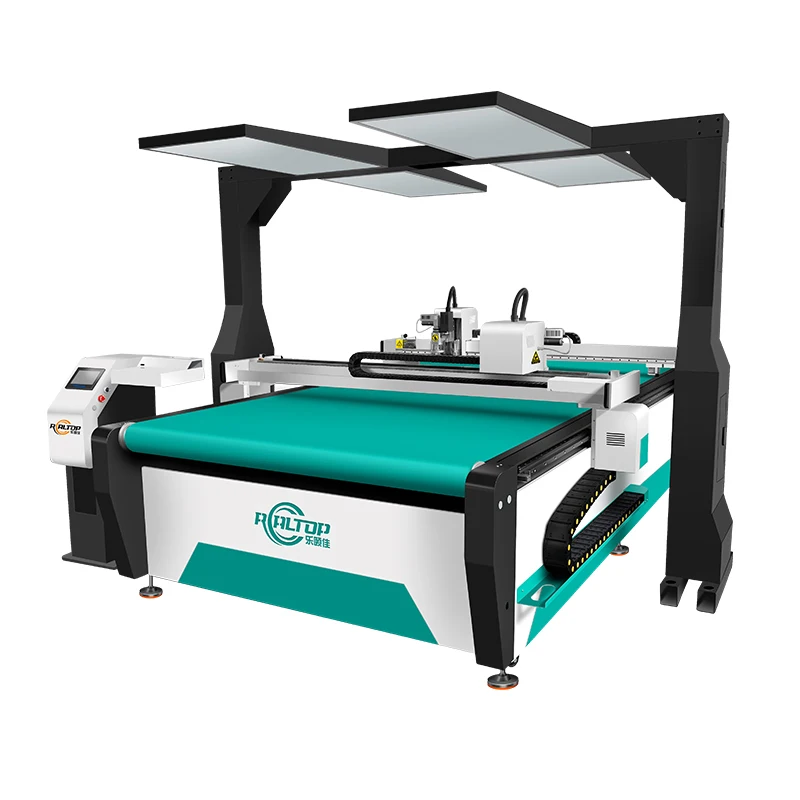
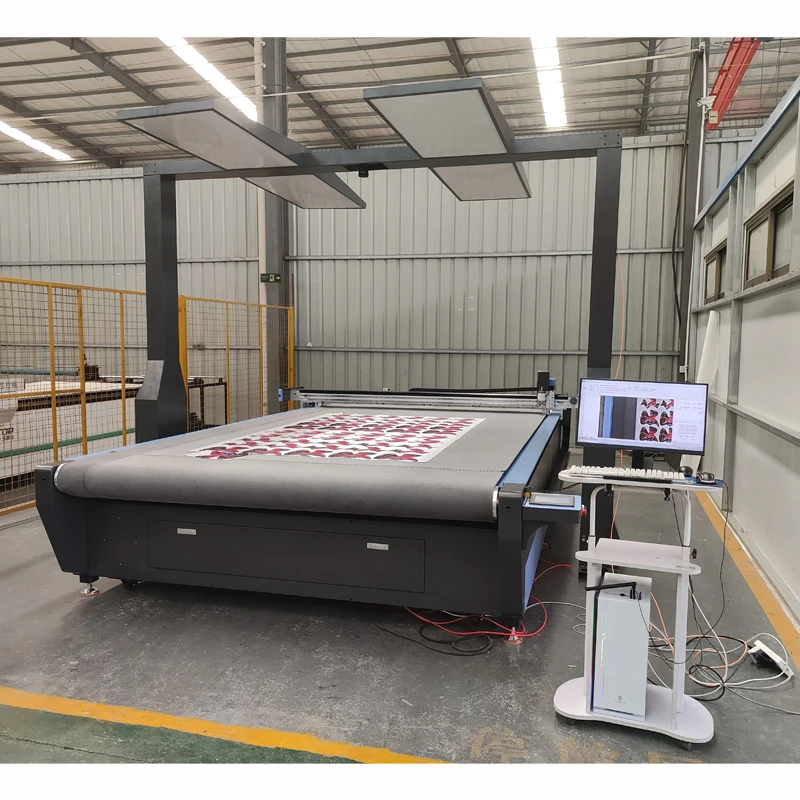
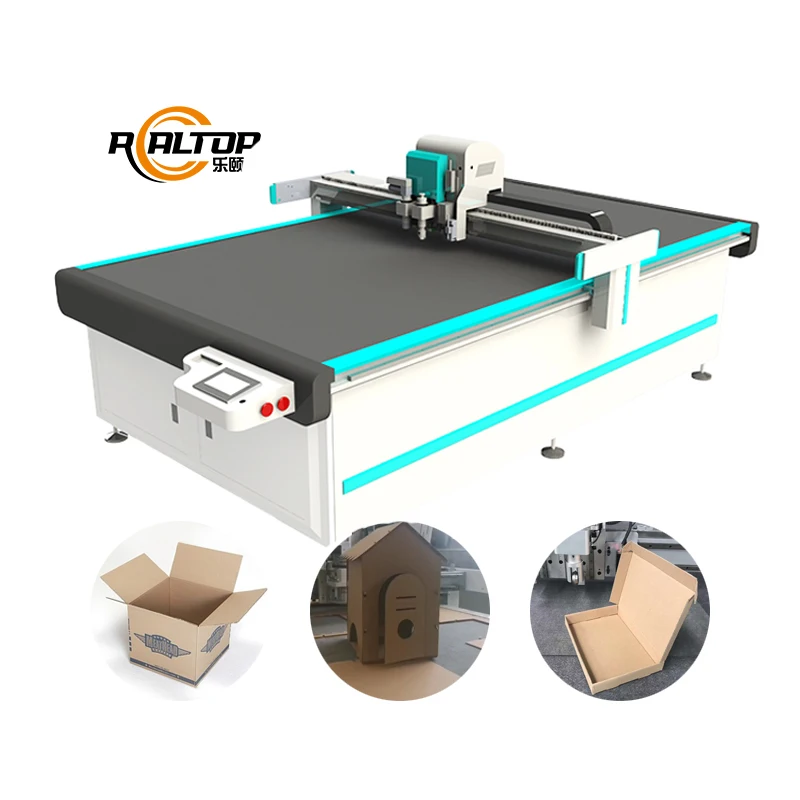
Tool Head and Table Configuration — specified per material and production volume rather than a one-size-fits-all machine off the line, so a leather cutter, gasket maker, or composite fabricator each gets the right knife type, vacuum zoning, and vision system for their actual stock.
Technical Specifications
| Parameter | Value |
|---|---|
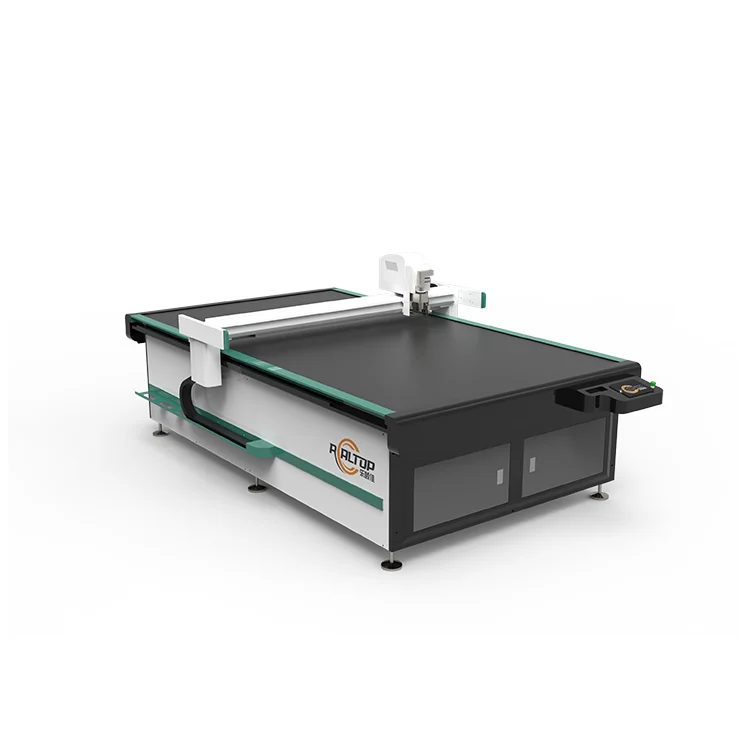
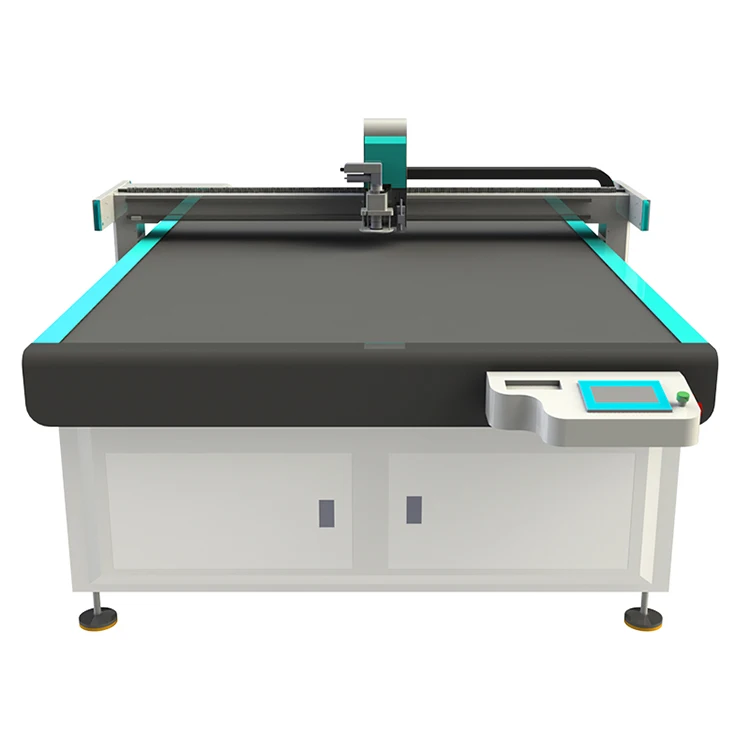
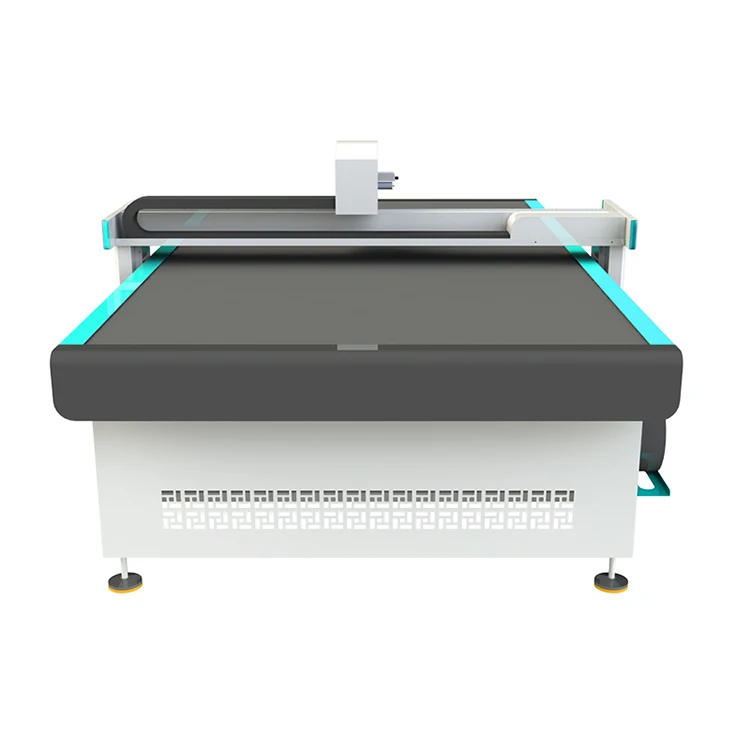
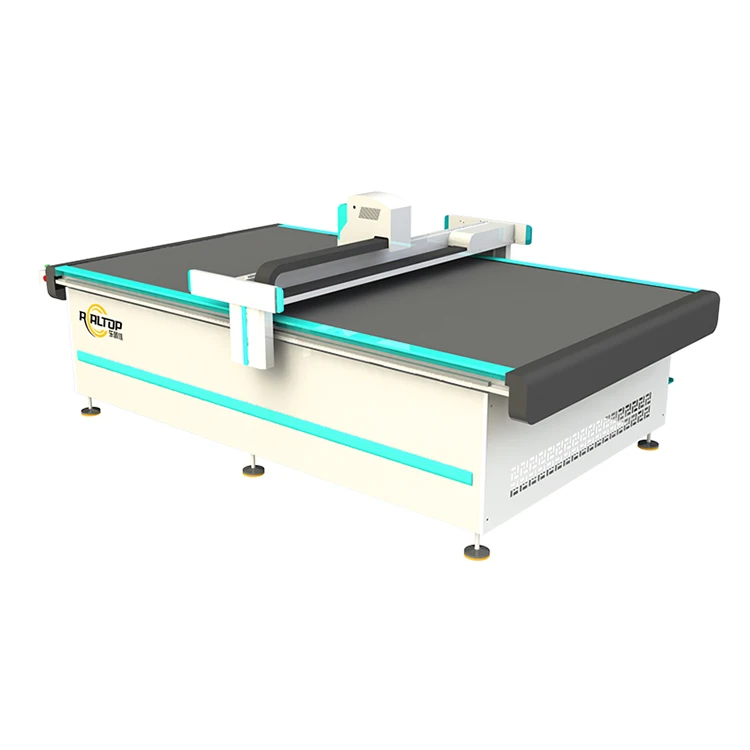
| Product Type | CNC Oscillating Knife Cutting Machine |
| Working Area | 1600 × 2500 mm |
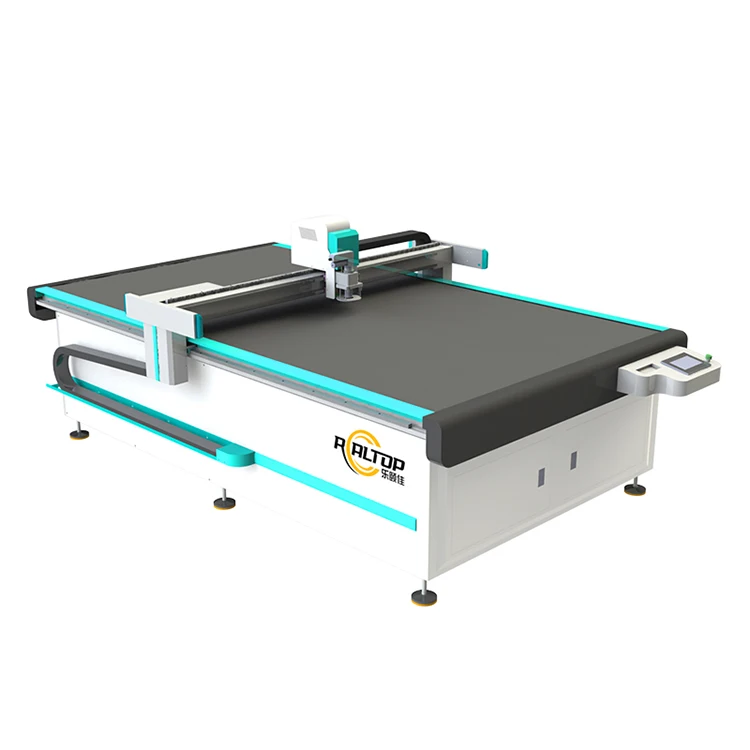
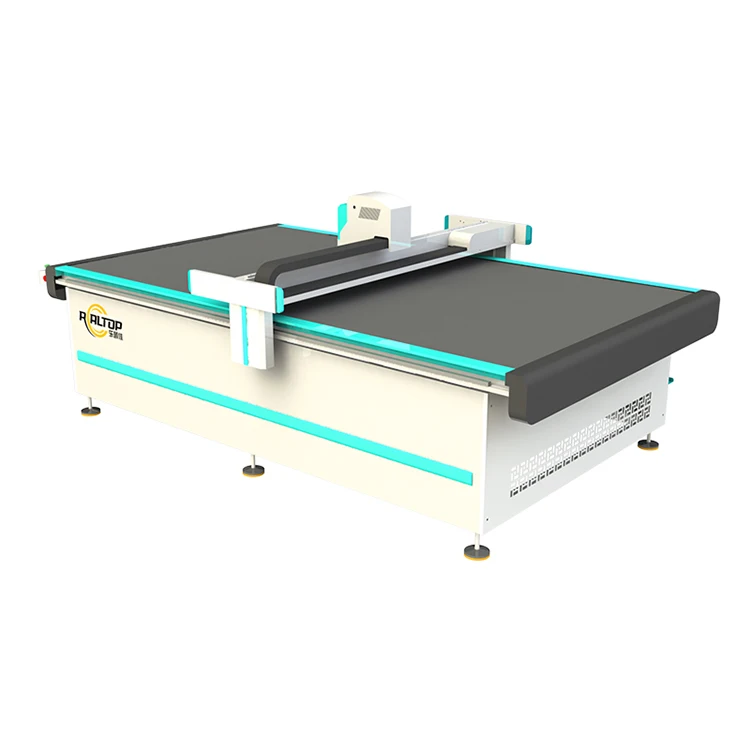
| Machine Size (L×W×H) | 3450 × 2300 × 1250 mm |
| Rated Power | 9 kW |
| Voltage | 380V ± 10% |
| Translational Velocity | 800–1200 mm/s |
| Cutting Thickness | 20–80 mm (basis not stated in source — confirm material and block format) |
| Repeated Accuracy | ≤ 0.1 mm |
| Positioning System | Taiwan linear guide rail, precision ± 0.1 mm |
| Transmission System | Digital servo motor, linear guide, synchronous belt, ball screw |
| Servo Motor | Taiwan Delta servo system |
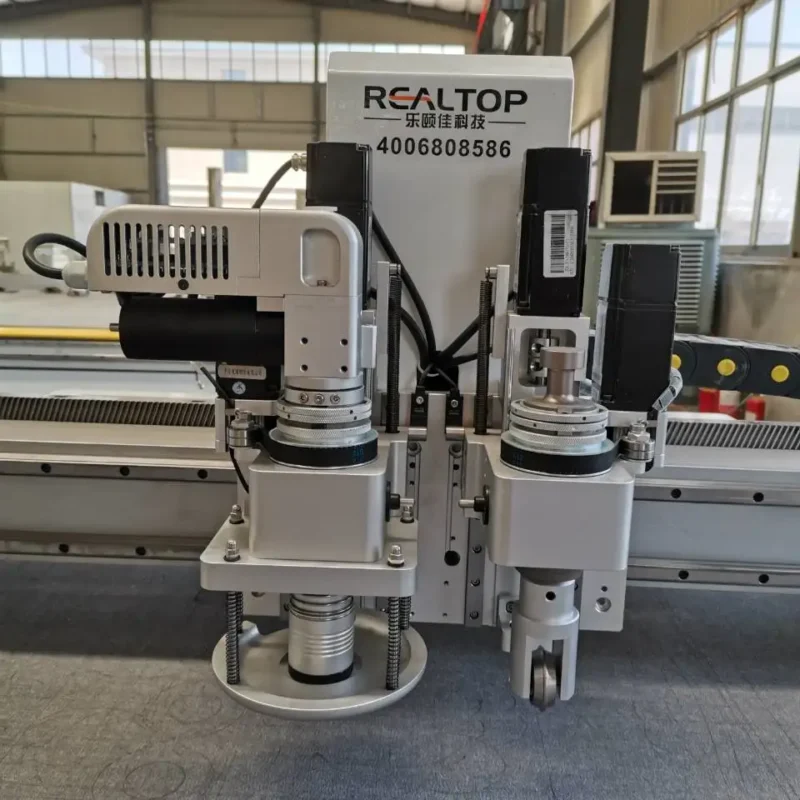
| Tool Head Options | Oscillating knife, pneumatic knife, high-power vibrating knife, circular knife, V-cutting knife, drag knife, creasing wheel, dotted line knife, punching, brush |
| Vision / Positioning Options | Small CCD camera mark-point positioning, panoramic camera recognition, projection positioning |
| Vacuum Table | Aluminum alloy vacuum adsorption; 7.5 kW vacuum pump |
| Feeding System | Automatic pulling and receiving, Germany imported conveyor belt |
| Safety Device | Infrared sensors |
| Instruction Format | HP-GL compatible format |
| Control Language | English, Russian, Italian, Chinese, and customized languages available |
| Software | Self-developed pattern cutting design software |
| Frame | Hard steel frame structure |
| Standards | 5 patents technology certification (specific standard IDs not stated in source) |
Application Suitability
| Application | Material or Output |
|---|---|
| Leather goods and footwear | Natural and bonded leather, irregular hides with flaw detection and nesting |
| Automotive interiors and floor mats | Sponge composite leather, carpet, EVA, XPE, multi-layer composites |
| Luggage and bags | PU, PVC, textile, shoe material, synthetic leather |
| Packaging and carton sampling | Cardboard, corrugated cardboard, plastic box, sticker, film |
| Gasket and sealing fabrication | Rubber, silicone, PTFE, ETFE, non-woven fabric |
| Soft furnishings and outdoor products | Fabric, textile, clothing cloth, foam board, PP, PE |
What "Working Area Alone" Leaves Out When Choosing a CNC Knife Cutting Machine Manufacturer
A 1600 × 2500 mm table means nothing if the knife head cannot handle your leather density or the vacuum zones cannot hold small gasket parts flat.
I learned this the hard way years ago when a 1625-class oscillating knife cutter we shipped to a Vietnam belt maker looked perfect on our standard PU test stock. Their actual material was dense bonded recycled leather, and the blade tore through edges at production speed. The machine was right; the tool head specification was not. A CNC knife cutting machine manufacturer that asks for a roll of your real material before quoting is worth more than one who quotes on table size alone. [NEED_CITE: material-first specification practices in CNC cutting procurement]
Matching Tool Heads to Material Behavior
This CNC oscillating knife cutting machine offers ten distinct tool head options, from standard oscillating and drag knives to pneumatic knives, circular knives, and V-cutting tools. The choice is not cosmetic. A drag knife scores vinyl cleanly but crushes foam, while an oscillating knife slices through 20 mm composite leather without delaminating the layers. Creasing wheels and dotted line knives handle carton folding lines that a blade simply cannot produce. Specifying the right head upfront avoids the ragged edges and crushed cores that force rework downstream.
Vision Systems and the Irregular Hide Problem
Leather cutting introduces a challenge that flat-sheet materials do not: every hide has a different shape, different flaw locations, and different usable areas. The panoramic camera recognition option scans the full hide, identifies scars and thin spots, and feeds that contour data into the nesting software so the pattern layout avoids defects automatically. For printed textiles or pre-cut carton templates, the small CCD camera mark-point positioning tracks registration marks at production speed, while projection positioning lets the operator visually verify alignment before the knife touches the material. A capable CNC knife cutting machine manufacturer will confirm which vision system matches your stock before the order is locked. [NEED_CITE: CCD and panoramic vision systems in flexible material cutting]
Reading the Spec Sheet Beyond the Headline Numbers
The 9 kW rated power covers the spindle, vacuum pump draw, servo drives, and control system running simultaneously — a figure that matters when sizing your workshop’s electrical supply. The Taiwan Delta servo system paired with linear guide rails and synchronous belt transmission delivers the ≤ 0.1 mm repeated accuracy needed for tight-tolerance gasket work and multi-piece nesting where cumulative drift would scrap entire hide layouts. The 7.5 kW dedicated vacuum pump generates sufficient hold-down force across the aluminum alloy table, though small parts near the table edges may still require strategic zoning to prevent lift during high-speed traversal at up to 1200 mm/s. The HP-GL compatible instruction format ensures that nesting files generated in most third-party CAD packages import without conversion headaches.
The Cost of a Wrong Configuration Choice
Specifying a machine by working area alone and ignoring tool head selection leads to production floors running the wrong knife through the wrong material. Foam cores get crushed instead of sliced, leather edges fray at high speed, and vacuum lift on small gasket pieces causes the knife to skip and gouge the table surface. Voltage mismatches discovered at commissioning mean weeks of downtime while transformers are sourced locally. Software that cannot open the buyer’s existing DXF or PLT nesting files forces a manual redraw of every pattern in the library. These are not machine failures; they are specification failures that happen before the machine is built. [NEED_CITE: common CNC cutting machine commissioning issues related to configuration mismatches]
Why Source This Platform Directly
In-house design and production cover both knife and laser cutting technologies, so a buyer cutting leather today and acrylic tomorrow can match the method to the material rather than force one process. Tool head and table configurations are locked per material type and daily production volume, not sold as a generic package. CCD camera positioning and panoramic recognition are tested on the buyer’s actual printed or irregular stock, not on a clean factory sample. Voltage, plug type, control language, and software file-format compatibility are confirmed in writing before production begins. Sample cutting on the buyer’s own material provides thickness, edge quality, and cycle evidence before any commitment is made.
Documentation & Verification
- Machine specification sheet with tool head and vacuum configuration locked to your material
- Electrical schematic confirming voltage, frequency, and plug type for your market
- Sample cutting report on your leather or composite with edge quality photographs
- Software licence and HP-GL file format compatibility note for your existing workflow
- Factory test record documenting repeated accuracy and cutting depth on your stock
- Operation and maintenance manual with spare parts list in your chosen control language
Installation, Commissioning & Support
- Hard steel frame requires a level concrete floor to maintain the 0.1 mm repeated accuracy across the full 1600 × 2500 mm working area
- Dedicated 380V circuit with capacity for the 9 kW machine draw plus the 7.5 kW vacuum pump on a separate breaker
- Machine ships as a single assembled unit; confirm workshop door clearance for the 3450 × 2300 × 1250 mm footprint before dispatch
- First-run commissioning includes vacuum zone calibration and servo tuning on your actual material thickness range
- Operator training covers tool head changeover, CCD mark-point setup, and nesting software pattern import in your control language
- Spare oscillating knife blades, drag knife tips, and vacuum table seals included in the initial spare parts package
What We Need to Quote Accurately
Send a sample roll or sheet of your actual material — leather type, thickness, and whether it comes from a roll or as irregular hides. Tell us your daily cutting volume and the mix of pattern sizes so we can match the feeding system and vacuum zoning. Confirm your local voltage, frequency, and plug standard, along with the control language your operators need. If you have an existing nesting workflow, share a few production files so we verify software compatibility before the CNC knife cutting machine manufacturer builds your configuration.
Frequently Asked Questions
Q: How do I verify cutting thickness and edge quality on my specific leather before committing?
A: We run a sample cutting test on your actual material — the same bonded leather, PU, or composite you use in production. The sample cutting report documents thickness achieved, edge condition, and any tool head adjustments made. You review the physical samples and the report before the machine order proceeds. This eliminates the guesswork of quoting on generic test stock.
Q: Which vision system fits irregular leather hides versus roll-fed fabric?
A: For irregular natural or bonded hides with flaws, the panoramic camera recognition scans the full hide contour and defect map for automatic nesting. For roll-fed fabric or printed materials with registration marks, the small CCD camera mark-point positioning tracks marks at production speed. Projection positioning adds a visual preview overlay for manual verification. The choice depends on your material format and pattern complexity.
Q: How are voltage, plug, and control language confirmed before shipment?
A: During the specification stage, we document your local voltage, frequency, plug type, and preferred control language in the electrical schematic and machine specification sheet. The control panel labels, software interface, and operation manual are all produced in your chosen language. Nothing ships until these parameters are signed off in writing by both parties.
Q: How does the 1625-class format relate to actual daily throughput?
A: The 1600 × 2500 mm working area determines how many pattern pieces fit per cutting cycle, but daily throughput also depends on material feed speed, tool head changeover frequency, and nesting density. We match the automatic feeding system and vacuum zoning to your specific pattern mix and daily volume targets during the configuration stage rather than quoting a generic cycle time.
Q: What documentation and testing come with the machine before dispatch?
A: You receive the machine specification sheet, electrical schematic, tool head and table configuration list, sample cutting report on your material, factory test record, software licence with file format compatibility note, spare parts list, and packing photographs. The factory test runs your material at production speed to verify accuracy, edge quality, and vacuum hold-down before crating.
Tool Head and Table Configuration — specified per material and production volume rather than a one-size-fits-all machine off the line, so a leather cutter, gasket maker, or composite fabricator each gets the right knife type, vacuum zoning, and vision system for their actual stock.
Technical Specifications
| Parameter | Value |
|---|---|
| Product Type | CNC Oscillating Knife Cutting Machine |
| Working Area | 1600 × 2500 mm |
| Machine Size (L×W×H) | 3450 × 2300 × 1250 mm |
| Rated Power | 9 kW |
| Voltage | 380V ± 10% |
| Translational Velocity | 800–1200 mm/s |
| Cutting Thickness | 20–80 mm (basis not stated in source — confirm material and block format) |
| Repeated Accuracy | ≤ 0.1 mm |
| Positioning System | Taiwan linear guide rail, precision ± 0.1 mm |
| Transmission System | Digital servo motor, linear guide, synchronous belt, ball screw |
| Servo Motor | Taiwan Delta servo system |
| Tool Head Options | Oscillating knife, pneumatic knife, high-power vibrating knife, circular knife, V-cutting knife, drag knife, creasing wheel, dotted line knife, punching, brush |
| Vision / Positioning Options | Small CCD camera mark-point positioning, panoramic camera recognition, projection positioning |
| Vacuum Table | Aluminum alloy vacuum adsorption; 7.5 kW vacuum pump |
| Feeding System | Automatic pulling and receiving, Germany imported conveyor belt |
| Safety Device | Infrared sensors |
| Instruction Format | HP-GL compatible format |
| Control Language | English, Russian, Italian, Chinese, and customized languages available |
| Software | Self-developed pattern cutting design software |
| Frame | Hard steel frame structure |
| Standards | 5 patents technology certification (specific standard IDs not stated in source) |
Application Suitability
| Application | Material or Output |
|---|---|
| Leather goods and footwear | Natural and bonded leather, irregular hides with flaw detection and nesting |
| Automotive interiors and floor mats | Sponge composite leather, carpet, EVA, XPE, multi-layer composites |
| Luggage and bags | PU, PVC, textile, shoe material, synthetic leather |
| Packaging and carton sampling | Cardboard, corrugated cardboard, plastic box, sticker, film |
| Gasket and sealing fabrication | Rubber, silicone, PTFE, ETFE, non-woven fabric |
| Soft furnishings and outdoor products | Fabric, textile, clothing cloth, foam board, PP, PE |
What "Working Area Alone" Leaves Out When Choosing a CNC Knife Cutting Machine Manufacturer
A 1600 × 2500 mm table means nothing if the knife head cannot handle your leather density or the vacuum zones cannot hold small gasket parts flat.
I learned this the hard way years ago when a 1625-class oscillating knife cutter we shipped to a Vietnam belt maker looked perfect on our standard PU test stock. Their actual material was dense bonded recycled leather, and the blade tore through edges at production speed. The machine was right; the tool head specification was not. A CNC knife cutting machine manufacturer that asks for a roll of your real material before quoting is worth more than one who quotes on table size alone. [NEED_CITE: material-first specification practices in CNC cutting procurement]
Matching Tool Heads to Material Behavior
This CNC oscillating knife cutting machine offers ten distinct tool head options, from standard oscillating and drag knives to pneumatic knives, circular knives, and V-cutting tools. The choice is not cosmetic. A drag knife scores vinyl cleanly but crushes foam, while an oscillating knife slices through 20 mm composite leather without delaminating the layers. Creasing wheels and dotted line knives handle carton folding lines that a blade simply cannot produce. Specifying the right head upfront avoids the ragged edges and crushed cores that force rework downstream.
Vision Systems and the Irregular Hide Problem
Leather cutting introduces a challenge that flat-sheet materials do not: every hide has a different shape, different flaw locations, and different usable areas. The panoramic camera recognition option scans the full hide, identifies scars and thin spots, and feeds that contour data into the nesting software so the pattern layout avoids defects automatically. For printed textiles or pre-cut carton templates, the small CCD camera mark-point positioning tracks registration marks at production speed, while projection positioning lets the operator visually verify alignment before the knife touches the material. A capable CNC knife cutting machine manufacturer will confirm which vision system matches your stock before the order is locked. [NEED_CITE: CCD and panoramic vision systems in flexible material cutting]
Reading the Spec Sheet Beyond the Headline Numbers
The 9 kW rated power covers the spindle, vacuum pump draw, servo drives, and control system running simultaneously — a figure that matters when sizing your workshop’s electrical supply. The Taiwan Delta servo system paired with linear guide rails and synchronous belt transmission delivers the ≤ 0.1 mm repeated accuracy needed for tight-tolerance gasket work and multi-piece nesting where cumulative drift would scrap entire hide layouts. The 7.5 kW dedicated vacuum pump generates sufficient hold-down force across the aluminum alloy table, though small parts near the table edges may still require strategic zoning to prevent lift during high-speed traversal at up to 1200 mm/s. The HP-GL compatible instruction format ensures that nesting files generated in most third-party CAD packages import without conversion headaches.
The Cost of a Wrong Configuration Choice
Specifying a machine by working area alone and ignoring tool head selection leads to production floors running the wrong knife through the wrong material. Foam cores get crushed instead of sliced, leather edges fray at high speed, and vacuum lift on small gasket pieces causes the knife to skip and gouge the table surface. Voltage mismatches discovered at commissioning mean weeks of downtime while transformers are sourced locally. Software that cannot open the buyer’s existing DXF or PLT nesting files forces a manual redraw of every pattern in the library. These are not machine failures; they are specification failures that happen before the machine is built. [NEED_CITE: common CNC cutting machine commissioning issues related to configuration mismatches]
Why Source This Platform Directly
In-house design and production cover both knife and laser cutting technologies, so a buyer cutting leather today and acrylic tomorrow can match the method to the material rather than force one process. Tool head and table configurations are locked per material type and daily production volume, not sold as a generic package. CCD camera positioning and panoramic recognition are tested on the buyer’s actual printed or irregular stock, not on a clean factory sample. Voltage, plug type, control language, and software file-format compatibility are confirmed in writing before production begins. Sample cutting on the buyer’s own material provides thickness, edge quality, and cycle evidence before any commitment is made.
Documentation & Verification
- Machine specification sheet with tool head and vacuum configuration locked to your material
- Electrical schematic confirming voltage, frequency, and plug type for your market
- Sample cutting report on your leather or composite with edge quality photographs
- Software licence and HP-GL file format compatibility note for your existing workflow
- Factory test record documenting repeated accuracy and cutting depth on your stock
- Operation and maintenance manual with spare parts list in your chosen control language
Installation, Commissioning & Support
- Hard steel frame requires a level concrete floor to maintain the 0.1 mm repeated accuracy across the full 1600 × 2500 mm working area
- Dedicated 380V circuit with capacity for the 9 kW machine draw plus the 7.5 kW vacuum pump on a separate breaker
- Machine ships as a single assembled unit; confirm workshop door clearance for the 3450 × 2300 × 1250 mm footprint before dispatch
- First-run commissioning includes vacuum zone calibration and servo tuning on your actual material thickness range
- Operator training covers tool head changeover, CCD mark-point setup, and nesting software pattern import in your control language
- Spare oscillating knife blades, drag knife tips, and vacuum table seals included in the initial spare parts package
What We Need to Quote Accurately
Send a sample roll or sheet of your actual material — leather type, thickness, and whether it comes from a roll or as irregular hides. Tell us your daily cutting volume and the mix of pattern sizes so we can match the feeding system and vacuum zoning. Confirm your local voltage, frequency, and plug standard, along with the control language your operators need. If you have an existing nesting workflow, share a few production files so we verify software compatibility before the CNC knife cutting machine manufacturer builds your configuration.
Frequently Asked Questions
Q: How do I verify cutting thickness and edge quality on my specific leather before committing?
A: We run a sample cutting test on your actual material — the same bonded leather, PU, or composite you use in production. The sample cutting report documents thickness achieved, edge condition, and any tool head adjustments made. You review the physical samples and the report before the machine order proceeds. This eliminates the guesswork of quoting on generic test stock.
Q: Which vision system fits irregular leather hides versus roll-fed fabric?
A: For irregular natural or bonded hides with flaws, the panoramic camera recognition scans the full hide contour and defect map for automatic nesting. For roll-fed fabric or printed materials with registration marks, the small CCD camera mark-point positioning tracks marks at production speed. Projection positioning adds a visual preview overlay for manual verification. The choice depends on your material format and pattern complexity.
Q: How are voltage, plug, and control language confirmed before shipment?
A: During the specification stage, we document your local voltage, frequency, plug type, and preferred control language in the electrical schematic and machine specification sheet. The control panel labels, software interface, and operation manual are all produced in your chosen language. Nothing ships until these parameters are signed off in writing by both parties.
Q: How does the 1625-class format relate to actual daily throughput?
A: The 1600 × 2500 mm working area determines how many pattern pieces fit per cutting cycle, but daily throughput also depends on material feed speed, tool head changeover frequency, and nesting density. We match the automatic feeding system and vacuum zoning to your specific pattern mix and daily volume targets during the configuration stage rather than quoting a generic cycle time.
Q: What documentation and testing come with the machine before dispatch?
A: You receive the machine specification sheet, electrical schematic, tool head and table configuration list, sample cutting report on your material, factory test record, software licence with file format compatibility note, spare parts list, and packing photographs. The factory test runs your material at production speed to verify accuracy, edge quality, and vacuum hold-down before crating.
商品评价
There are no reviews yet.