





Fast Delivery
Quick, reliable shipping to any location.

Free & easy returns
Return this item by mail or in store within 90 days for a full refund.
Complete Method Matching — In-house design covers both oscillating knife and laser platforms, allowing packaging and carton sample makers to cross-test cutting methods on the same material before committing to one technology path.
Technical Specifications
| Parameter | Value |
|---|---|
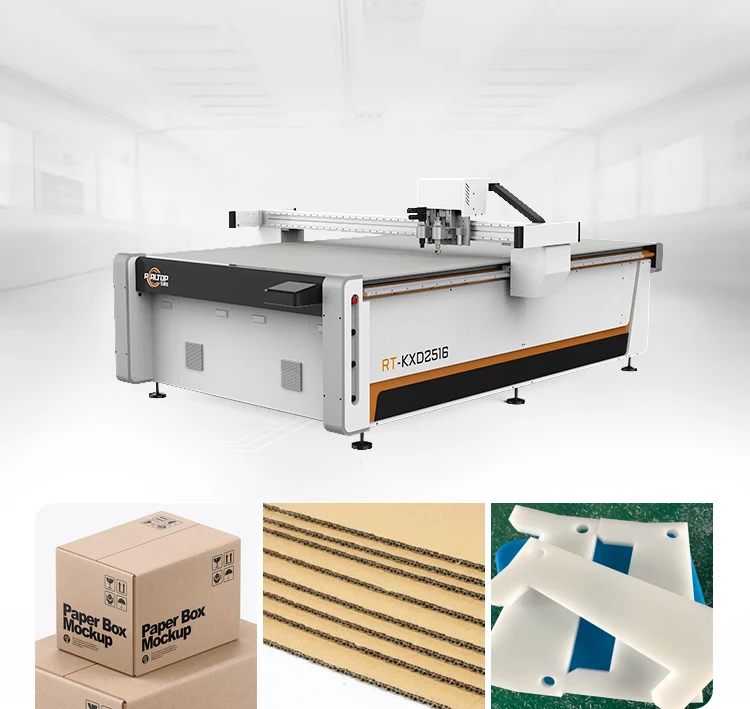
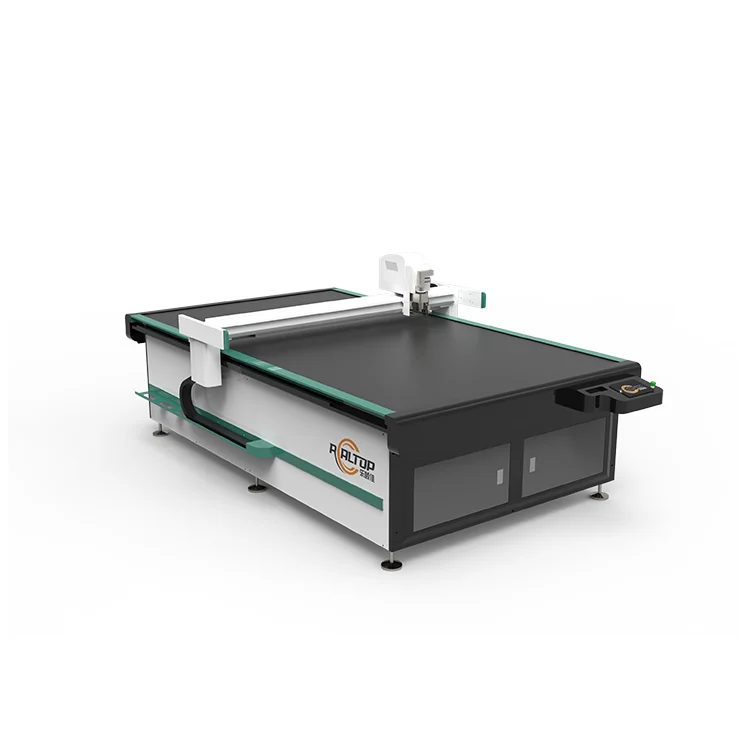
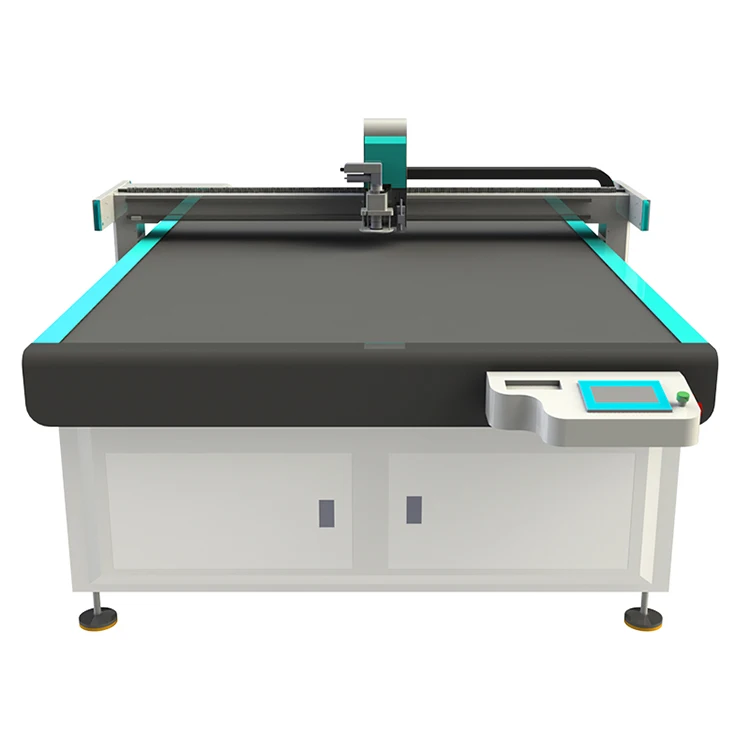
| Model | RT-D2516 / RT-S2516 |
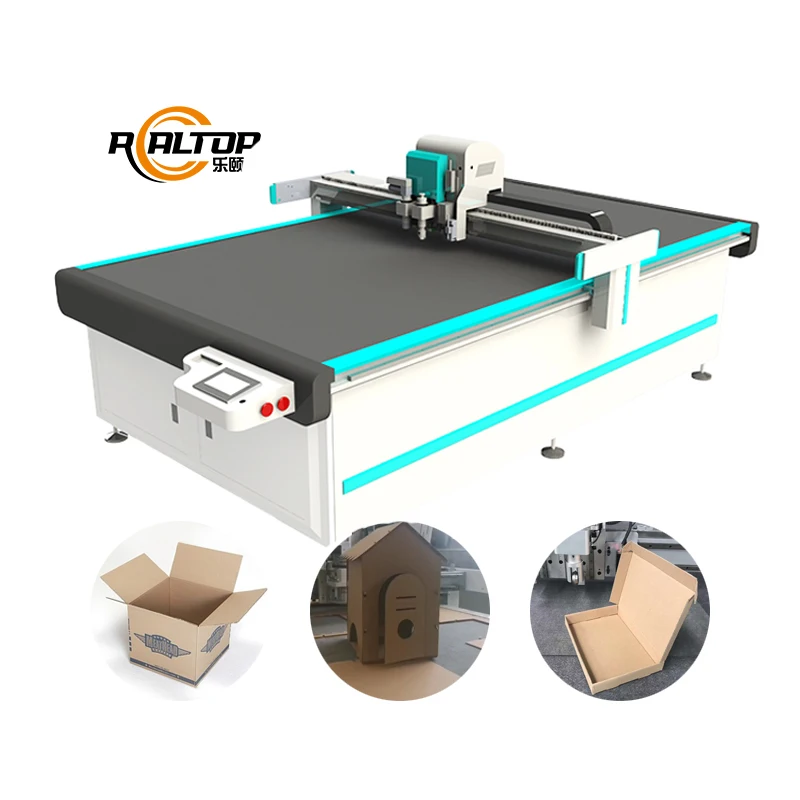
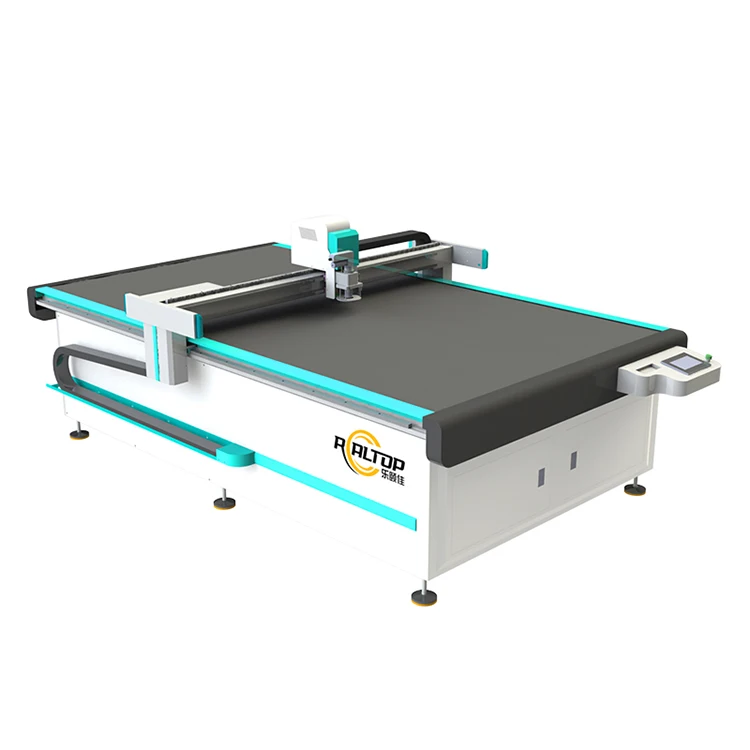
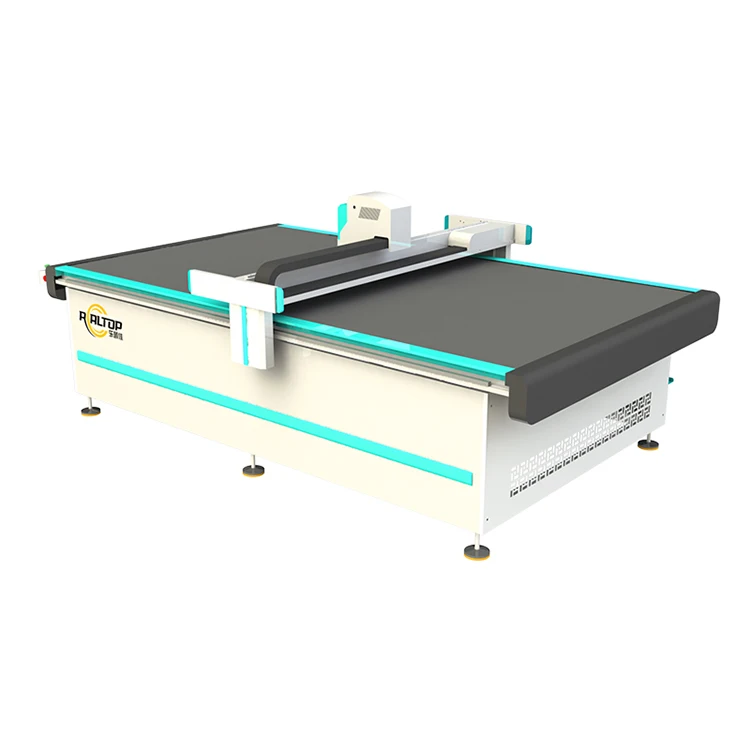
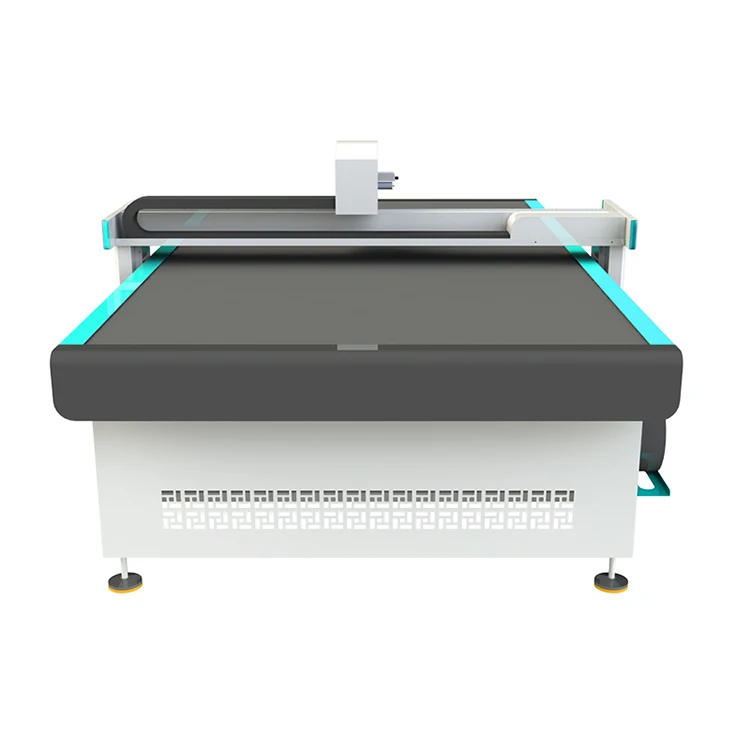
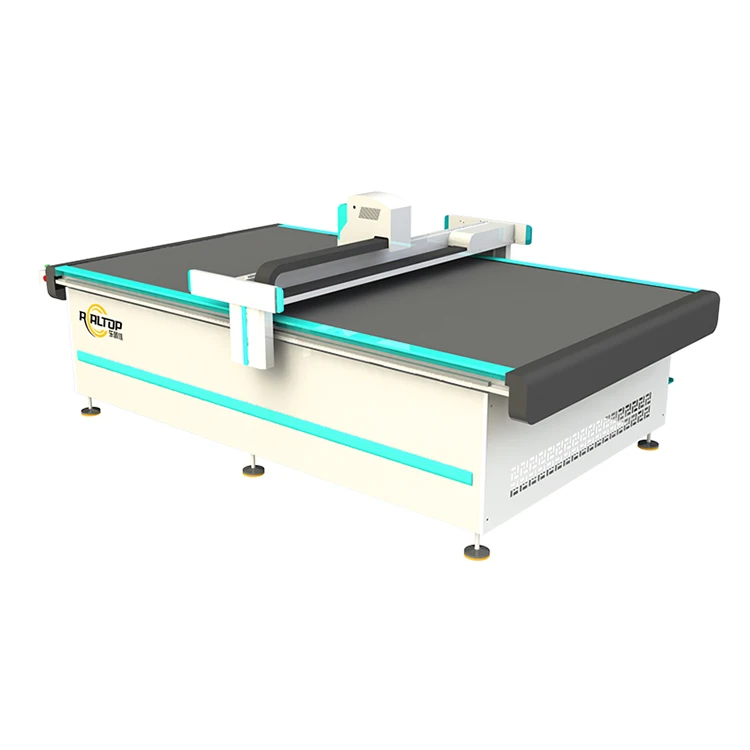
| Product Type | CNC Digital Flatbed Cutting Machine |
| Working Area | 1600 × 2500 mm |
| Overall Dimensions (L × W × H) | 3450 × 2300 × 1250 mm |
| Rated Power | 9 kW |
| Voltage | 380V ±10% (frequency to be confirmed: 50/60 Hz) |
| Vacuum Pump Power | 7.5 kW |
| Transmission System | Digital servo motor, linear guide, synchronous belt, ball screw |
| Servo Motor Options | Delta (China) or Panasonic (Japan) |
| Translational Velocity | 800 – 2000 mm/s |
| Cutting Speed | 200 – 800 mm/s (material-dependent; basis to be confirmed) |
| Repeated Accuracy | ≤ 0.1 mm |
| Maximum Cutting Thickness | ≤ 100 mm (varies by material density; basis to be confirmed) |
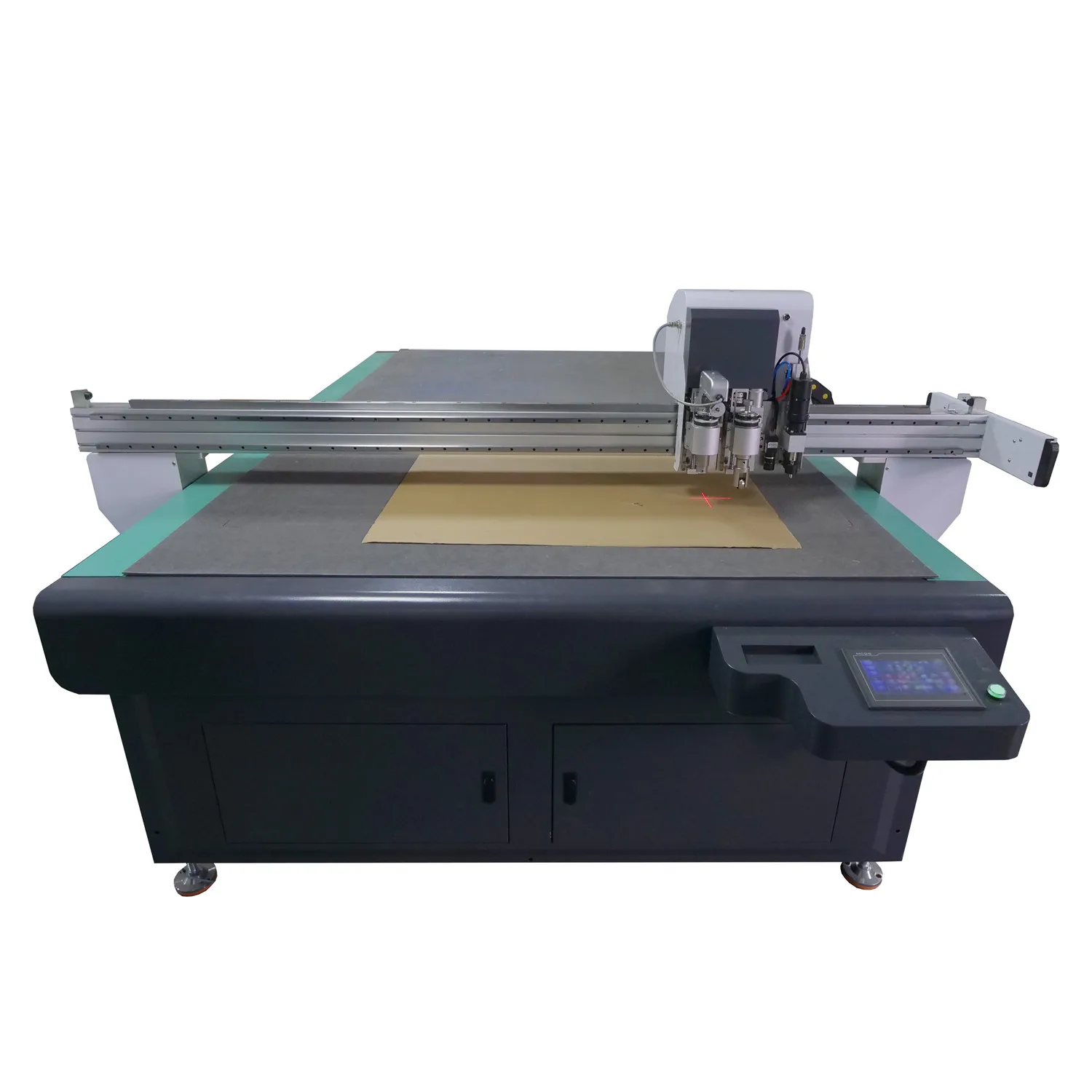
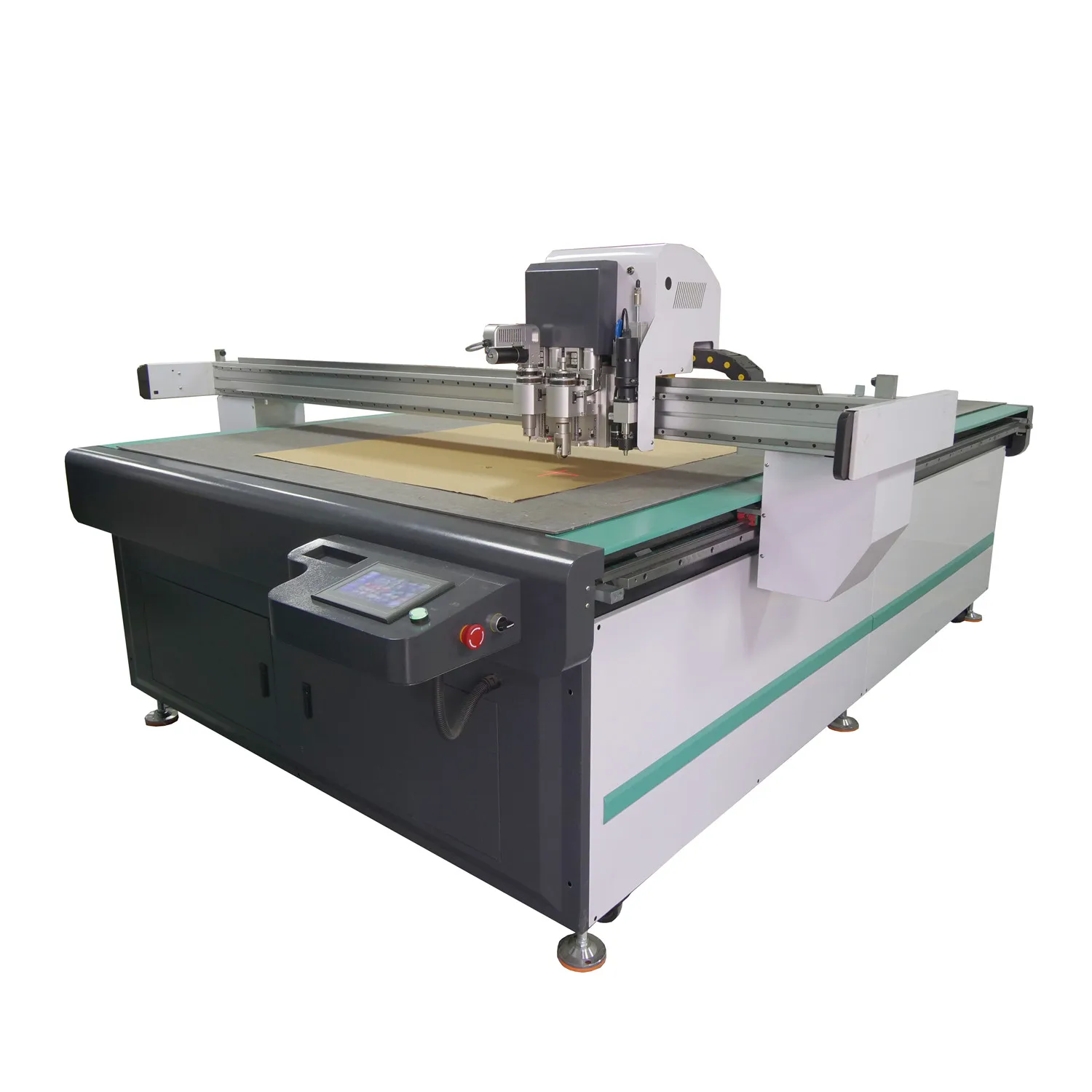
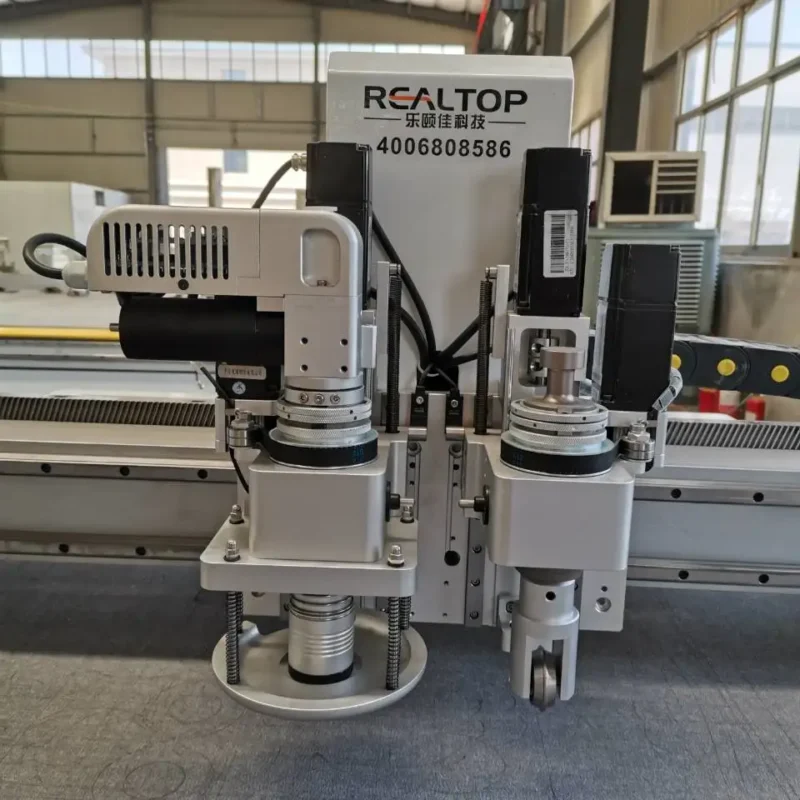
| Tool Head Options | Oscillating knife, pneumatic knife, high-power vibrating knife, circular knife, V-cutting knife, drag knife, creasing wheel, dotted line knife, punching tool, brush |
| Visual Positioning Options | Small CCD mark point, panoramic camera, projection positioning |
| Working Table Options | Flat vacuum table, auto-feeding conveyor table |
| Vacuum Table Material | Magnesium-aluminum alloy, PVDF powder sprayed, anodized, hard oxidized |
| Vacuum Pump Housing | Integrated aviation aluminum with built-in silencer sponge |
| Linear Guide | Taiwan Hiwin rail |
| Conveyor Belt | Germany imported |
| Frame Construction | Thick-walled seamless steel, high-temperature tempered, CNC machined |
| Control Panel | Touch screen, multi-language |
| Software Compatibility | PLT, DXF, AI; HP-GL compatible instruction set |
| Language Options | English, Russian, Italian, Chinese (customizable) |
| Safety Devices | Infrared induction blocking, beam anti-collision sensors, emergency stop |
| Assembly State | Fully assembled (split vacuum box available for transport) |
Application Suitability
| Application | Material or Output |
|---|---|
| Packaging carton sample making | White cardstock, corrugated cardboard, honeycomb board, kraft paper |
| Corrugated box prototyping | Single and double-wall corrugated up to working thickness limit |
| Display and POP stand cutting | Gray board, foam board, PVC foam sheet |
| Gasket and sealing production | Rubber sheet, fiber gasket material, composite sealing stock |
| Leather and footwear cutting | Natural leather, synthetic leather, PU, EVA foam |
| Automotive interior trimming | Non-woven fabric, felt, headliner material, carpet |
| Signage and advertising | Vinyl, flexible banner, rigid board, self-adhesive film |
What "Cutting Thickness 100 mm" Actually Means on the Floor
A quoted maximum cutting depth is meaningless without knowing the exact material density, flute profile, and tool head pairing for your production run.
I spent years running quality checks on the workshop floor before moving into line planning, and I can tell you the fastest way to stall a packaging sample room is to specify a CNC digital cutting machine manufacturer by working area alone. A client once asked me to validate a setup for high-grammage gray board laminated over corrugated flute. The machine had the bed size and the motor power, but the standard oscillating knife head could not push through the layered density at production speed. Edge tear appeared on every inside corner, and the vacuum zones could not hold the small offcuts flat. That packaging line sat idle while we reconfigured tooling and table zoning — a delay no sample room can afford when brand deadlines are pressing. [NEED_CITE: material density and tool head selection for CNC flatbed cutting]
Surveying the Full Cutter Lineup Before Committing
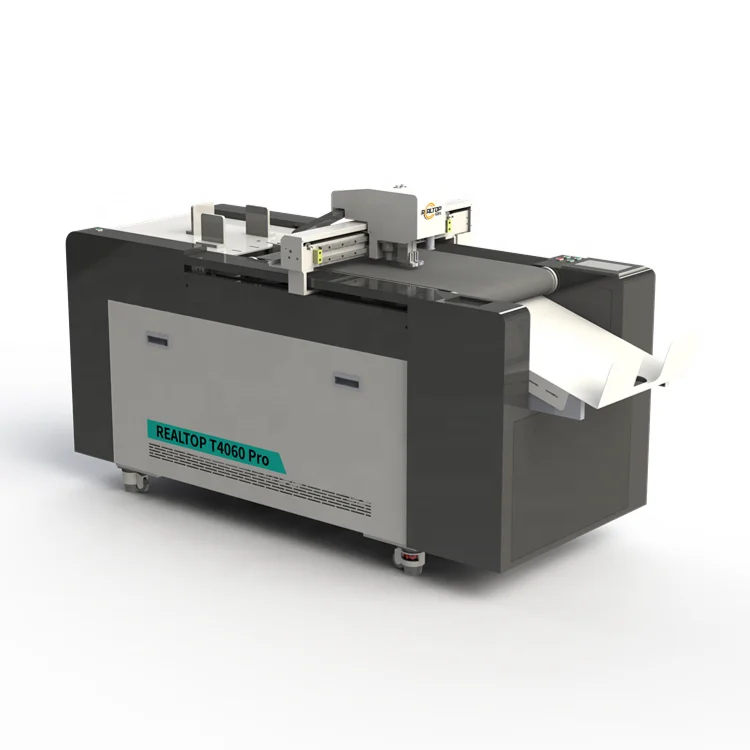
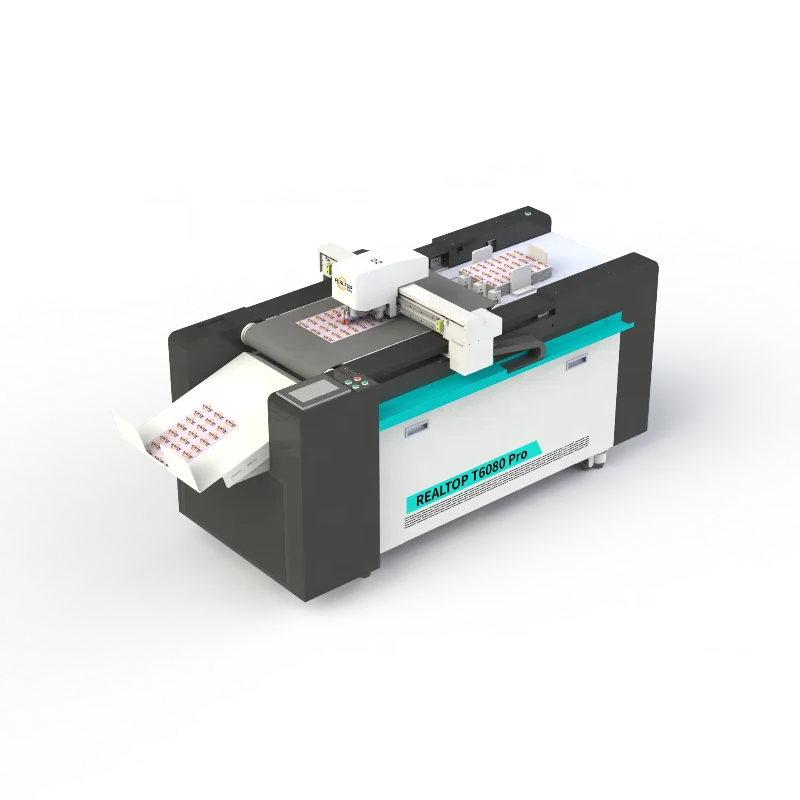
Buyers evaluating packaging CNC cutting options often start with a single technology assumption — knife or laser — without comparing what each method actually produces on their stock. The RT-D2516 and RT-S2516 sit within a broader CNC digital cutting machine manufacturer range that includes oscillating knife tables, drag knife units, and laser platforms. This full-catalogue perspective matters because white cardstock creasing demands a completely different tool engagement than corrugated flute slotting, and a buyer who has never seen both methods run side by side may lock into the wrong process.
Matching Tool Head to Board Grade and Flute Profile
Each tool head option serves a distinct packaging workflow. The oscillating knife handles straight and curved cuts through corrugated and honeycomb stock, while the V-cutting knife produces clean fold lines on thick gray board without crushing the flute structure. The creasing wheel scores white cardstock and kraft paper for box prototypes, and the punching tool creates ventilation holes or hang slots in a single pass. Selecting the right head prevents the crushed-edge defects that send sample boxes straight to the reject pile. [NEED_CITE: corrugated flute crush prevention during flatbed cutting]
Reading the Specs That Matter for Packaging Work
The 1600 × 2500 mm working area accommodates standard full-size corrugated sheets and multiple carton samples nested for yield optimization. Taiwan Hiwin linear guides deliver the repeated accuracy of ≤ 0.1 mm needed for tight-tolerance packaging die-lines where a fraction of a millimeter shifts an entire glue flap. The magnesium-aluminum vacuum table with PVDF coating resists the adhesive residue and paper dust that accumulate in sample rooms, and the integrated aviation aluminum vacuum pump with silencer sponge keeps noise at a level where operators can communicate without shouting. Translational velocity reaching 2000 mm/s means the head repositions fast between nested parts, but actual cutting speed between 200 and 800 mm/s depends entirely on your board grade and the tool head in use.
The Cost of Skipping Material Trials
Every packaging buyer has a different substrate mix — virgin kraft, recycled corrugated, coated white top, laminated gray board — and each reacts differently under knife pressure. A machine that cuts 300 gsm white card cleanly may tear through double-wall corrugated if the oscillation frequency and vacuum hold-down are not reconfigured. Edge fuzz, incomplete through-cuts, and delaminated layers all emerge only when the machine meets your actual stock at your actual speed. [NEED_CITE: substrate variability in digital flatbed cutting trials]
Why Source From a Full-Range Catalogue
Realtop designs and builds both knife and laser cutting platforms in-house, so the recommendation is driven by your material, not by whichever machine happens to be in stock. Tool head and table configurations are specified against your actual board grades and daily sample volumes rather than generic application charts. CCD camera positioning is available across the range for printed contour work on pre-printed packaging mockups. Software file compatibility — PLT, DXF, AI — is confirmed against your existing design workflow before the order goes to production. And sample cutting on your own material happens before commitment, not after delivery when corrections cost weeks.
Documentation & Verification
- Machine specification sheet listing every selected tool head and table configuration
- Electrical schematic with voltage and frequency confirmation for your facility
- Sample cutting report on your own cardboard and corrugated stock with edge photos
- Software licence with confirmed file format compatibility for your nesting workflow
- Factory test record documenting accuracy and speed on your specified materials
- Spare parts list matching your exact tool head and vacuum pump configuration
Installation, Commissioning & Support
- Flat vacuum table version ships fully assembled; split vacuum box option eases container loading
- Dedicated 380V circuit required; confirm 50 or 60 Hz before transformer selection
- Vacuum pump draws 7.5 kW independently — verify total connected load with plant electrician
- Touch screen language set to your operator team before dispatch from Jinan facility
- Hiwin linear guide rails inspected and lubrication schedule established during commissioning
- Full tool head changeover training covering oscillating knife, creasing wheel, and V-cutting setups
Preparing Your Enquiry
To match the right cutting platform to your packaging workflow, share your primary board types with gram weight and flute designation, your typical sheet size and daily sample volume, and your facility voltage and frequency. Include your current CAD file format so software compatibility can be verified before quotation. If your substrates include specialty stocks like laminated gray board or coated white top, send physical samples for test cutting on the exact machine configuration under consideration.
Frequently Asked Questions
Q: Knife cutting versus laser cutting — how do I choose for carton sample work?
A: Knife cutting produces no burn marks on white cardstock and handles corrugated flute without sealing the edges, which matters for glue adhesion on folded prototypes. Laser cutting excels on intricate perforation patterns and very thin stock. Testing both methods on your actual board grades reveals which edge finish and throughput match your sample room requirements.
Q: How are machine models positioned across material types and volumes?
A: Models within the catalogue are differentiated by working area, tool head compatibility, and table type — flat vacuum for low-volume sample rooms, conveyor-fed for higher-throughput carton production. Material thickness range and required cut quality then narrow the selection further, ensuring the chosen platform matches both your substrate mix and daily output targets.
Q: What voltage and control language options can I specify?
A: Standard supply is 380V ±10%, but frequency must be confirmed as 50 Hz or 60 Hz for your market. The touch screen control panel supports English, Russian, Italian, and Chinese, with additional languages customizable before shipment. Electrical schematics are provided for your facility electrician to verify compatibility.
Q: Can I test my own corrugated and cardstock before ordering?
A: Yes. Send representative samples of your board grades, including any laminated or coated stocks, and a cutting test runs on the exact machine configuration being quoted. A sample report with edge quality photographs and speed data is returned with the quotation, so you evaluate real results on your materials.
Q: How do tool head options differ for packaging applications?
A: The oscillating knife handles standard corrugated and honeycomb cuts, the creasing wheel scores fold lines without crushing flute, the V-cutting knife produces chamfered grooves in thick gray board, and the punching tool creates holes or slots. Multiple heads can be specified on one platform to cover your full packaging sample workflow in a single setup.
Complete Method Matching — In-house design covers both oscillating knife and laser platforms, allowing packaging and carton sample makers to cross-test cutting methods on the same material before committing to one technology path.
Technical Specifications
| Parameter | Value |
|---|---|
| Model | RT-D2516 / RT-S2516 |
| Product Type | CNC Digital Flatbed Cutting Machine |
| Working Area | 1600 × 2500 mm |
| Overall Dimensions (L × W × H) | 3450 × 2300 × 1250 mm |
| Rated Power | 9 kW |
| Voltage | 380V ±10% (frequency to be confirmed: 50/60 Hz) |
| Vacuum Pump Power | 7.5 kW |
| Transmission System | Digital servo motor, linear guide, synchronous belt, ball screw |
| Servo Motor Options | Delta (China) or Panasonic (Japan) |
| Translational Velocity | 800 – 2000 mm/s |
| Cutting Speed | 200 – 800 mm/s (material-dependent; basis to be confirmed) |
| Repeated Accuracy | ≤ 0.1 mm |
| Maximum Cutting Thickness | ≤ 100 mm (varies by material density; basis to be confirmed) |
| Tool Head Options | Oscillating knife, pneumatic knife, high-power vibrating knife, circular knife, V-cutting knife, drag knife, creasing wheel, dotted line knife, punching tool, brush |
| Visual Positioning Options | Small CCD mark point, panoramic camera, projection positioning |
| Working Table Options | Flat vacuum table, auto-feeding conveyor table |
| Vacuum Table Material | Magnesium-aluminum alloy, PVDF powder sprayed, anodized, hard oxidized |
| Vacuum Pump Housing | Integrated aviation aluminum with built-in silencer sponge |
| Linear Guide | Taiwan Hiwin rail |
| Conveyor Belt | Germany imported |
| Frame Construction | Thick-walled seamless steel, high-temperature tempered, CNC machined |
| Control Panel | Touch screen, multi-language |
| Software Compatibility | PLT, DXF, AI; HP-GL compatible instruction set |
| Language Options | English, Russian, Italian, Chinese (customizable) |
| Safety Devices | Infrared induction blocking, beam anti-collision sensors, emergency stop |
| Assembly State | Fully assembled (split vacuum box available for transport) |
Application Suitability
| Application | Material or Output |
|---|---|
| Packaging carton sample making | White cardstock, corrugated cardboard, honeycomb board, kraft paper |
| Corrugated box prototyping | Single and double-wall corrugated up to working thickness limit |
| Display and POP stand cutting | Gray board, foam board, PVC foam sheet |
| Gasket and sealing production | Rubber sheet, fiber gasket material, composite sealing stock |
| Leather and footwear cutting | Natural leather, synthetic leather, PU, EVA foam |
| Automotive interior trimming | Non-woven fabric, felt, headliner material, carpet |
| Signage and advertising | Vinyl, flexible banner, rigid board, self-adhesive film |
What "Cutting Thickness 100 mm" Actually Means on the Floor
A quoted maximum cutting depth is meaningless without knowing the exact material density, flute profile, and tool head pairing for your production run.
I spent years running quality checks on the workshop floor before moving into line planning, and I can tell you the fastest way to stall a packaging sample room is to specify a CNC digital cutting machine manufacturer by working area alone. A client once asked me to validate a setup for high-grammage gray board laminated over corrugated flute. The machine had the bed size and the motor power, but the standard oscillating knife head could not push through the layered density at production speed. Edge tear appeared on every inside corner, and the vacuum zones could not hold the small offcuts flat. That packaging line sat idle while we reconfigured tooling and table zoning — a delay no sample room can afford when brand deadlines are pressing. [NEED_CITE: material density and tool head selection for CNC flatbed cutting]
Surveying the Full Cutter Lineup Before Committing
Buyers evaluating packaging CNC cutting options often start with a single technology assumption — knife or laser — without comparing what each method actually produces on their stock. The RT-D2516 and RT-S2516 sit within a broader CNC digital cutting machine manufacturer range that includes oscillating knife tables, drag knife units, and laser platforms. This full-catalogue perspective matters because white cardstock creasing demands a completely different tool engagement than corrugated flute slotting, and a buyer who has never seen both methods run side by side may lock into the wrong process.
Matching Tool Head to Board Grade and Flute Profile
Each tool head option serves a distinct packaging workflow. The oscillating knife handles straight and curved cuts through corrugated and honeycomb stock, while the V-cutting knife produces clean fold lines on thick gray board without crushing the flute structure. The creasing wheel scores white cardstock and kraft paper for box prototypes, and the punching tool creates ventilation holes or hang slots in a single pass. Selecting the right head prevents the crushed-edge defects that send sample boxes straight to the reject pile. [NEED_CITE: corrugated flute crush prevention during flatbed cutting]
Reading the Specs That Matter for Packaging Work
The 1600 × 2500 mm working area accommodates standard full-size corrugated sheets and multiple carton samples nested for yield optimization. Taiwan Hiwin linear guides deliver the repeated accuracy of ≤ 0.1 mm needed for tight-tolerance packaging die-lines where a fraction of a millimeter shifts an entire glue flap. The magnesium-aluminum vacuum table with PVDF coating resists the adhesive residue and paper dust that accumulate in sample rooms, and the integrated aviation aluminum vacuum pump with silencer sponge keeps noise at a level where operators can communicate without shouting. Translational velocity reaching 2000 mm/s means the head repositions fast between nested parts, but actual cutting speed between 200 and 800 mm/s depends entirely on your board grade and the tool head in use.
The Cost of Skipping Material Trials
Every packaging buyer has a different substrate mix — virgin kraft, recycled corrugated, coated white top, laminated gray board — and each reacts differently under knife pressure. A machine that cuts 300 gsm white card cleanly may tear through double-wall corrugated if the oscillation frequency and vacuum hold-down are not reconfigured. Edge fuzz, incomplete through-cuts, and delaminated layers all emerge only when the machine meets your actual stock at your actual speed. [NEED_CITE: substrate variability in digital flatbed cutting trials]
Why Source From a Full-Range Catalogue
Realtop designs and builds both knife and laser cutting platforms in-house, so the recommendation is driven by your material, not by whichever machine happens to be in stock. Tool head and table configurations are specified against your actual board grades and daily sample volumes rather than generic application charts. CCD camera positioning is available across the range for printed contour work on pre-printed packaging mockups. Software file compatibility — PLT, DXF, AI — is confirmed against your existing design workflow before the order goes to production. And sample cutting on your own material happens before commitment, not after delivery when corrections cost weeks.
Documentation & Verification
- Machine specification sheet listing every selected tool head and table configuration
- Electrical schematic with voltage and frequency confirmation for your facility
- Sample cutting report on your own cardboard and corrugated stock with edge photos
- Software licence with confirmed file format compatibility for your nesting workflow
- Factory test record documenting accuracy and speed on your specified materials
- Spare parts list matching your exact tool head and vacuum pump configuration
Installation, Commissioning & Support
- Flat vacuum table version ships fully assembled; split vacuum box option eases container loading
- Dedicated 380V circuit required; confirm 50 or 60 Hz before transformer selection
- Vacuum pump draws 7.5 kW independently — verify total connected load with plant electrician
- Touch screen language set to your operator team before dispatch from Jinan facility
- Hiwin linear guide rails inspected and lubrication schedule established during commissioning
- Full tool head changeover training covering oscillating knife, creasing wheel, and V-cutting setups
Preparing Your Enquiry
To match the right cutting platform to your packaging workflow, share your primary board types with gram weight and flute designation, your typical sheet size and daily sample volume, and your facility voltage and frequency. Include your current CAD file format so software compatibility can be verified before quotation. If your substrates include specialty stocks like laminated gray board or coated white top, send physical samples for test cutting on the exact machine configuration under consideration.
Frequently Asked Questions
Q: Knife cutting versus laser cutting — how do I choose for carton sample work?
A: Knife cutting produces no burn marks on white cardstock and handles corrugated flute without sealing the edges, which matters for glue adhesion on folded prototypes. Laser cutting excels on intricate perforation patterns and very thin stock. Testing both methods on your actual board grades reveals which edge finish and throughput match your sample room requirements.
Q: How are machine models positioned across material types and volumes?
A: Models within the catalogue are differentiated by working area, tool head compatibility, and table type — flat vacuum for low-volume sample rooms, conveyor-fed for higher-throughput carton production. Material thickness range and required cut quality then narrow the selection further, ensuring the chosen platform matches both your substrate mix and daily output targets.
Q: What voltage and control language options can I specify?
A: Standard supply is 380V ±10%, but frequency must be confirmed as 50 Hz or 60 Hz for your market. The touch screen control panel supports English, Russian, Italian, and Chinese, with additional languages customizable before shipment. Electrical schematics are provided for your facility electrician to verify compatibility.
Q: Can I test my own corrugated and cardstock before ordering?
A: Yes. Send representative samples of your board grades, including any laminated or coated stocks, and a cutting test runs on the exact machine configuration being quoted. A sample report with edge quality photographs and speed data is returned with the quotation, so you evaluate real results on your materials.
Q: How do tool head options differ for packaging applications?
A: The oscillating knife handles standard corrugated and honeycomb cuts, the creasing wheel scores fold lines without crushing flute, the V-cutting knife produces chamfered grooves in thick gray board, and the punching tool creates holes or slots. Multiple heads can be specified on one platform to cover your full packaging sample workflow in a single setup.
商品评价
There are no reviews yet.