


Fast Delivery
Quick, reliable shipping to any location.

Free & easy returns
Return this item by mail or in store within 90 days for a full refund.
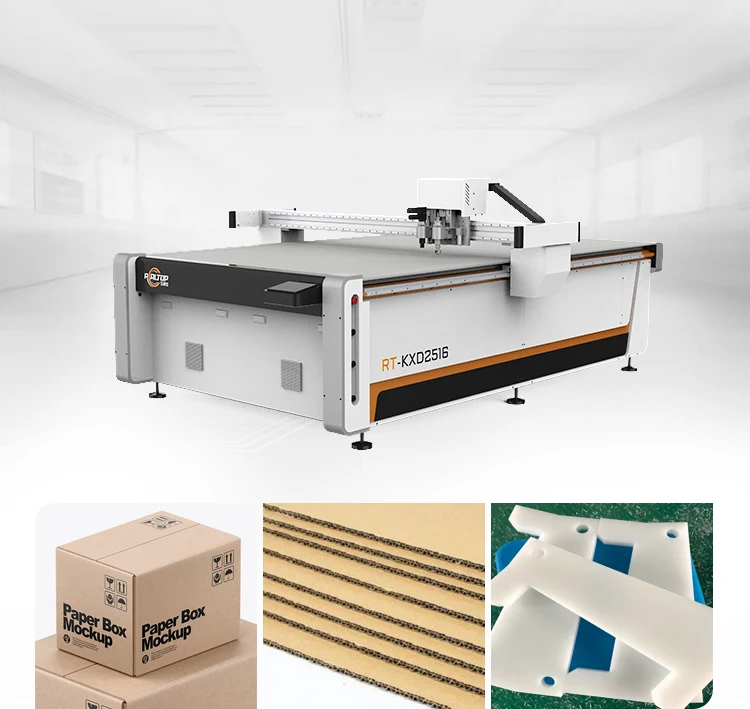
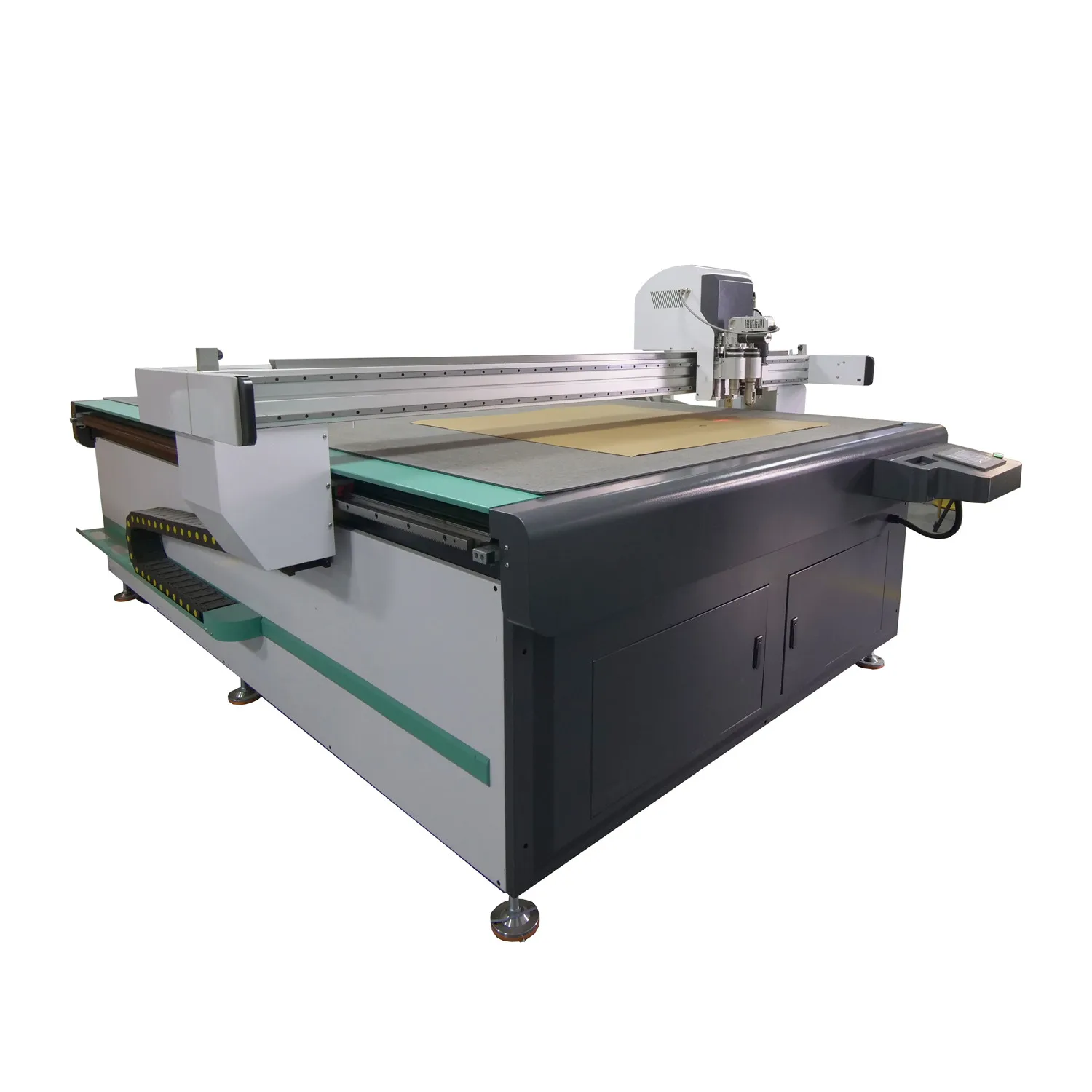
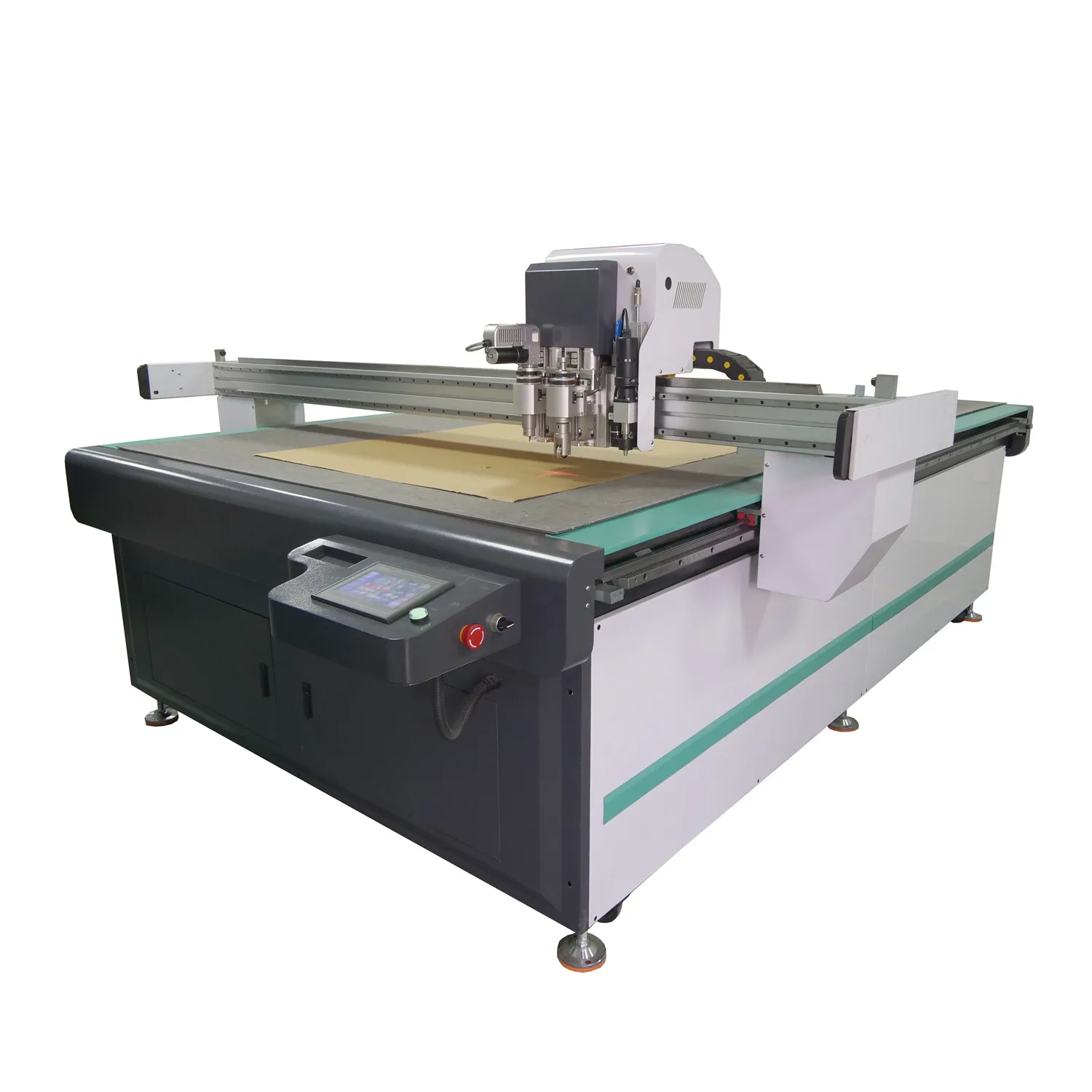
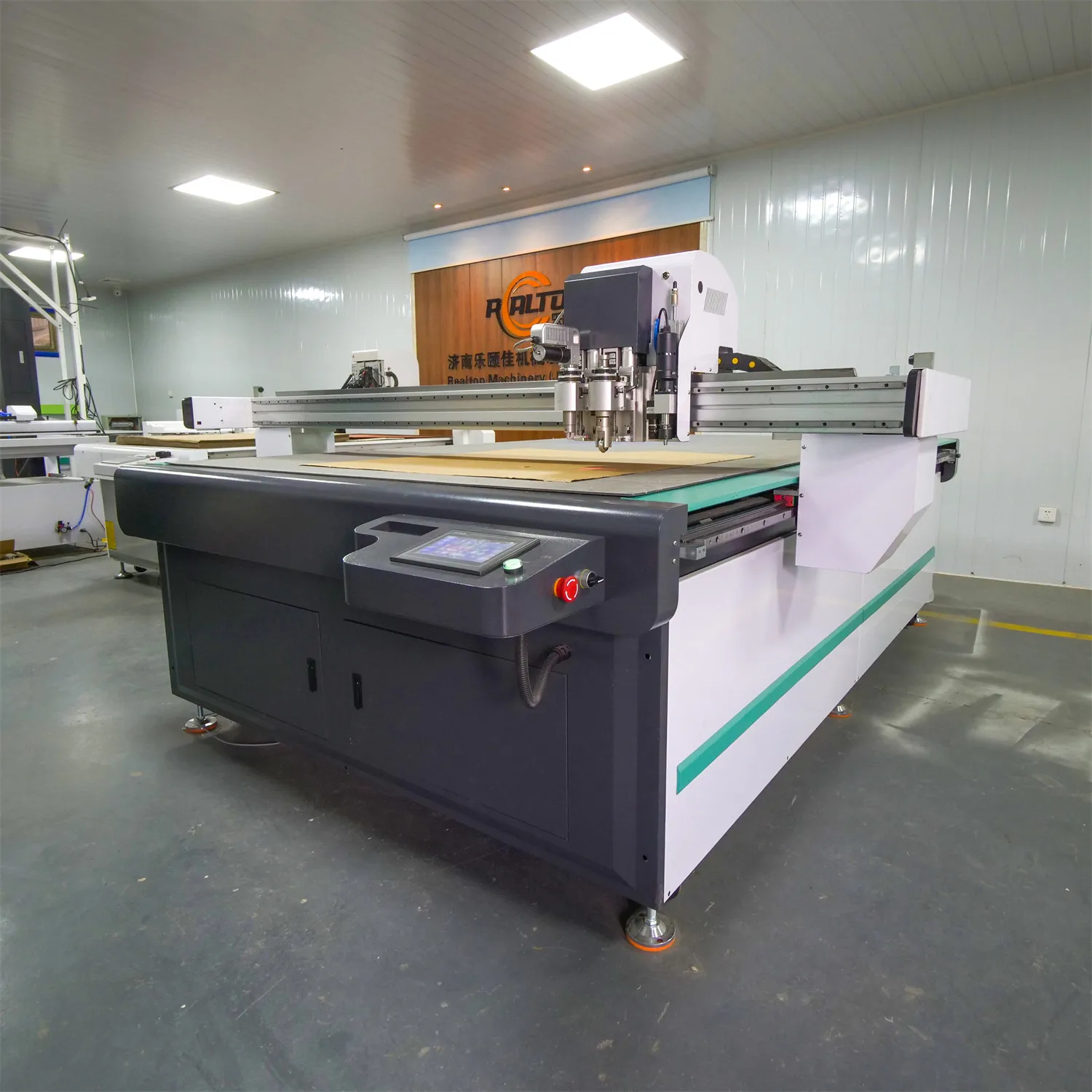
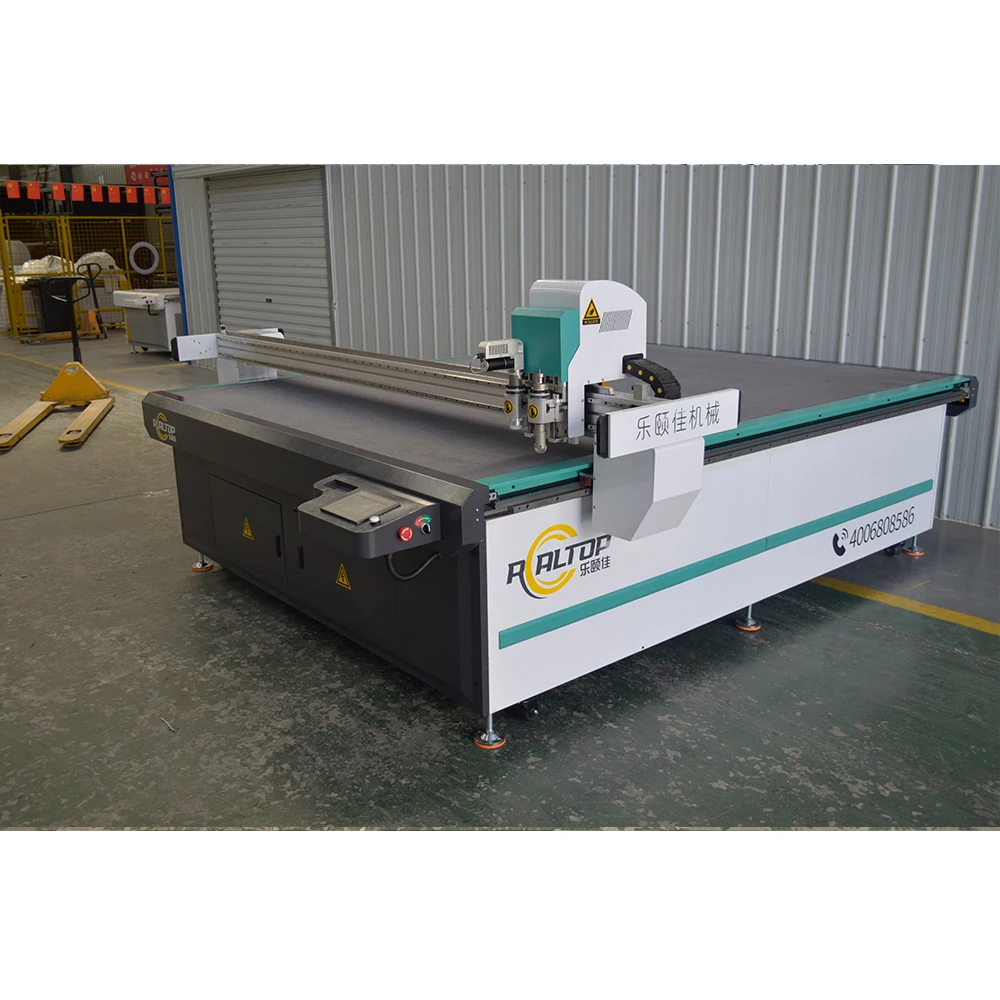
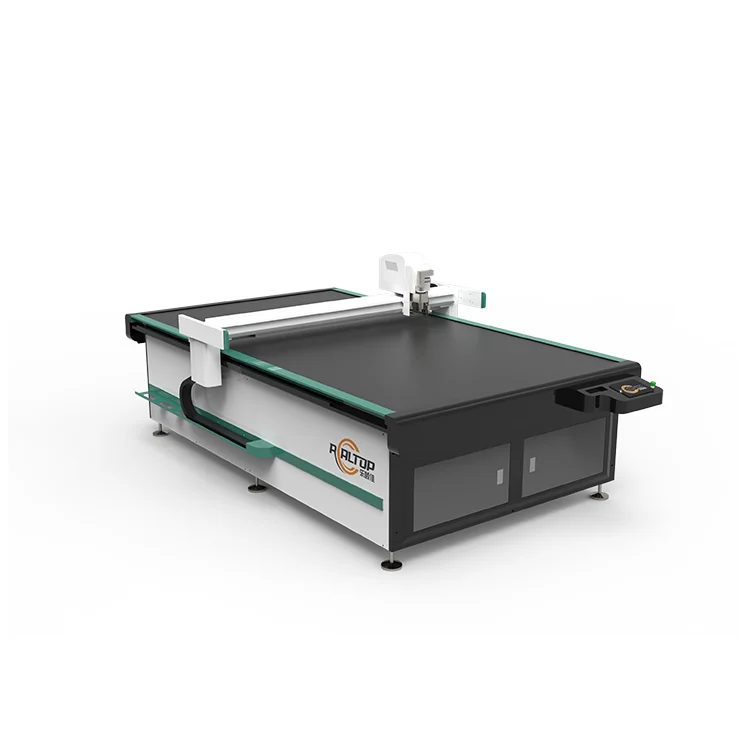
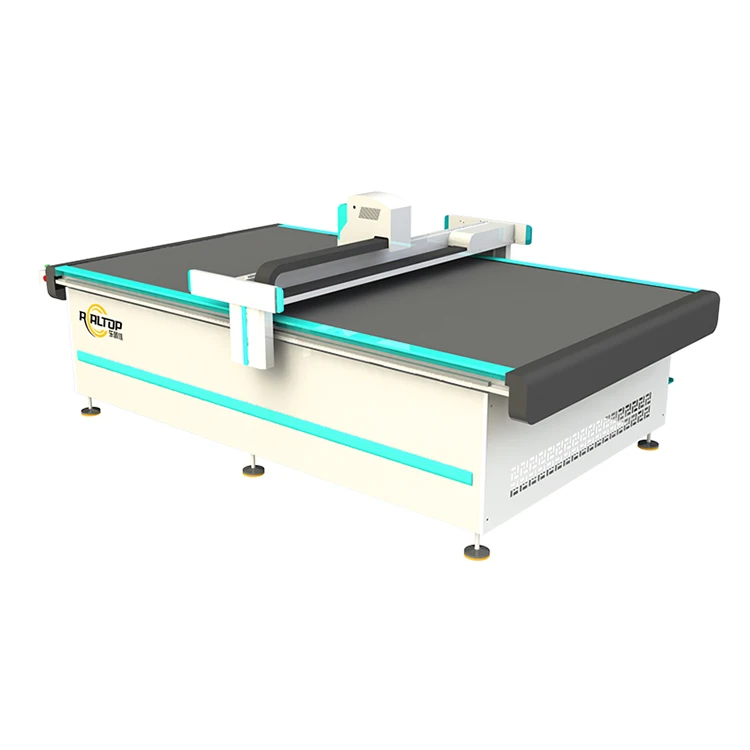
Material-Matched Configuration — Every RT-D2516 and RT-S2516 flatbed cutter is specified around the buyer’s actual stock thickness and daily sheet volume, not just the working envelope.
Technical Specifications
| Parameter | Value |
|---|---|
| Product Type | CNC Flatbed Digital Cutting Machine |
| Model | RT-D2516 / RT-S2516 |
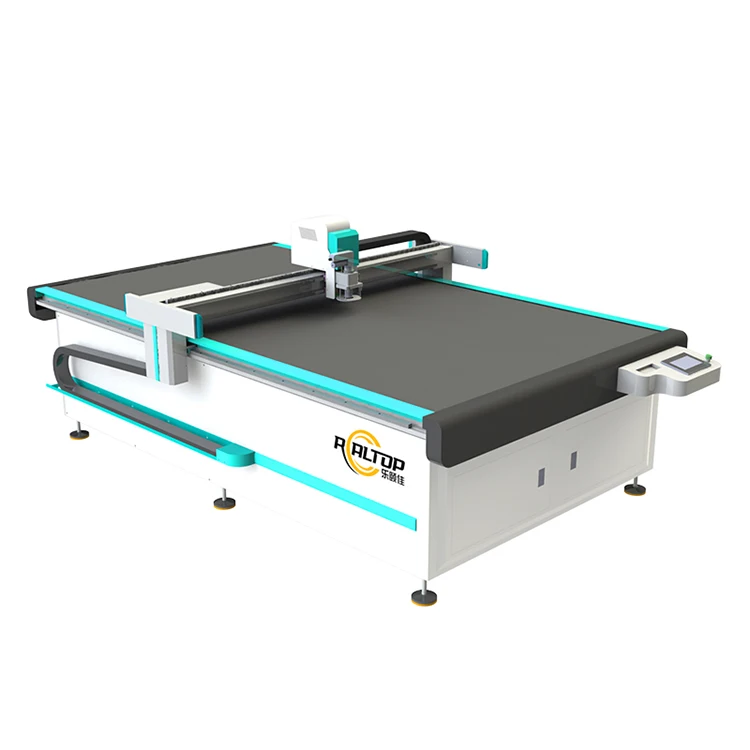
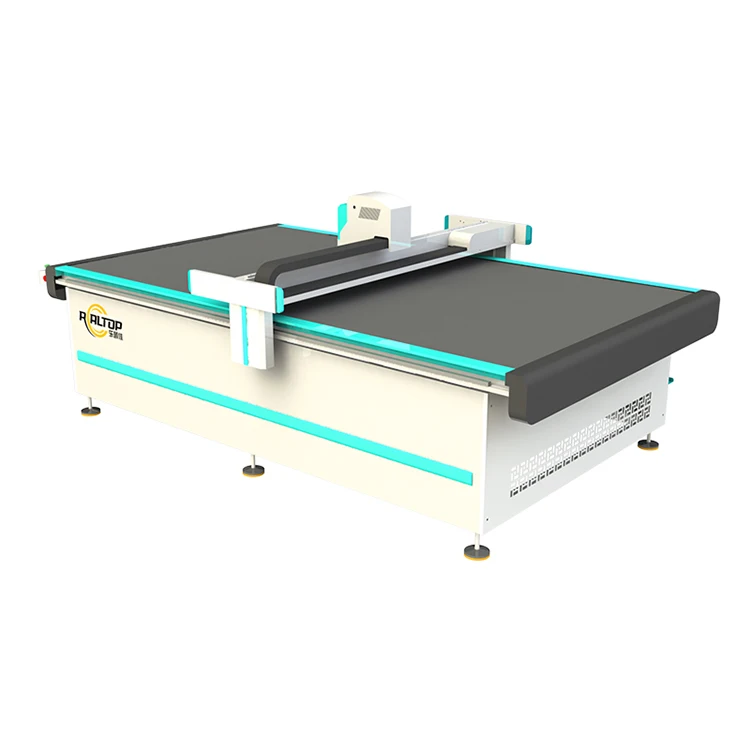
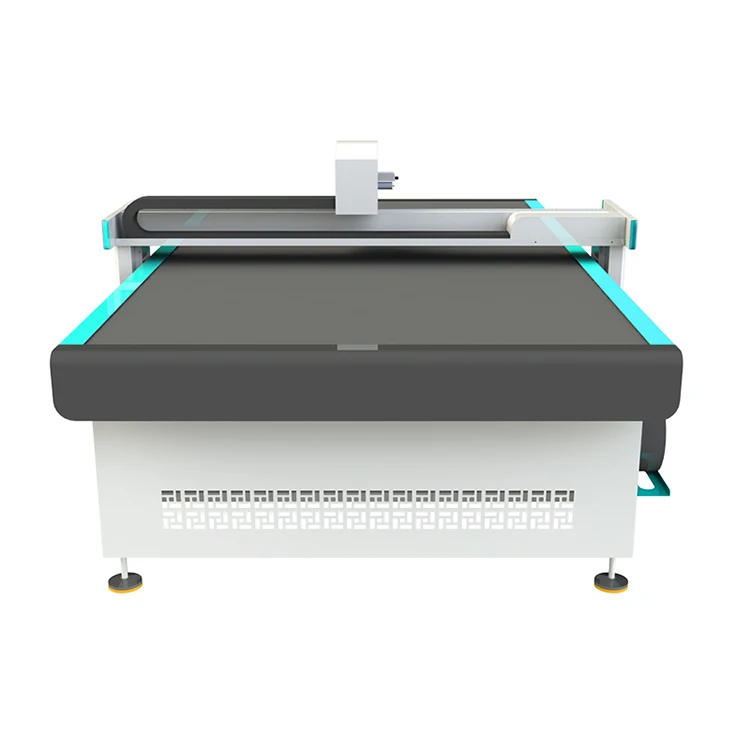
| Working Area | 1600 × 2500 mm |
| Machine Dimensions (L × W × H) | 3450 × 2300 × 1250 mm |
| Rated Power | 9 kW |
| Voltage | 380V ±10% |
| Translational Velocity | 800 – 2000 mm/s |
| Cutting Speed | 200 – 800 mm/s (according to different cutting materials) |
| Repeated Accuracy | ≤0.1 mm |
| Table Options | Flat working table or auto feeding table |
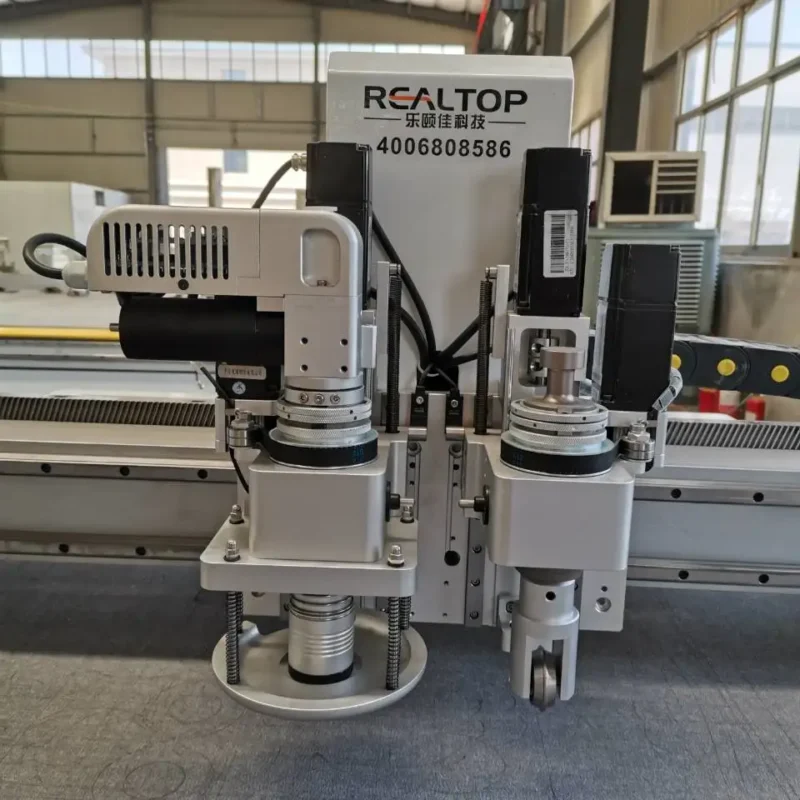
| Tool Head Options | Swiss imported knife, oscillating knife, pneumatic knife, high-power vibrating knife, circular knife, V-cutting knife, drag knife, creasing wheel, dotted line knife, punching tool, brush |
| Visual Positioning | Small CCD camera mark point, panoramic camera recognition, projection positioning |
| Transmission | Digital servo motor (Delta or Panasonic), linear guide, synchronous belt, ball screw |
| Instruction Format | HP-GL compatible |
| Vacuum Table | Magnesium-aluminum alloy with PVDF powder spraying, anodic and hard oxidation |
| Vacuum Pump | 7.5 kW, aviation aluminum shell with built-in silencer |
| Safety Devices | Infrared sensor stop, beam anti-collision, emergency stop button |
| Control Panel | Touch screen, multi-language |
| Software | Auto typesetting; supports PLT, DXF, AI |
| Cutting Thickness | ≤100 mm (varies with material) |
| Standards | CE (where applicable) |
Application Suitability
| Application | Material or Output |
|---|---|
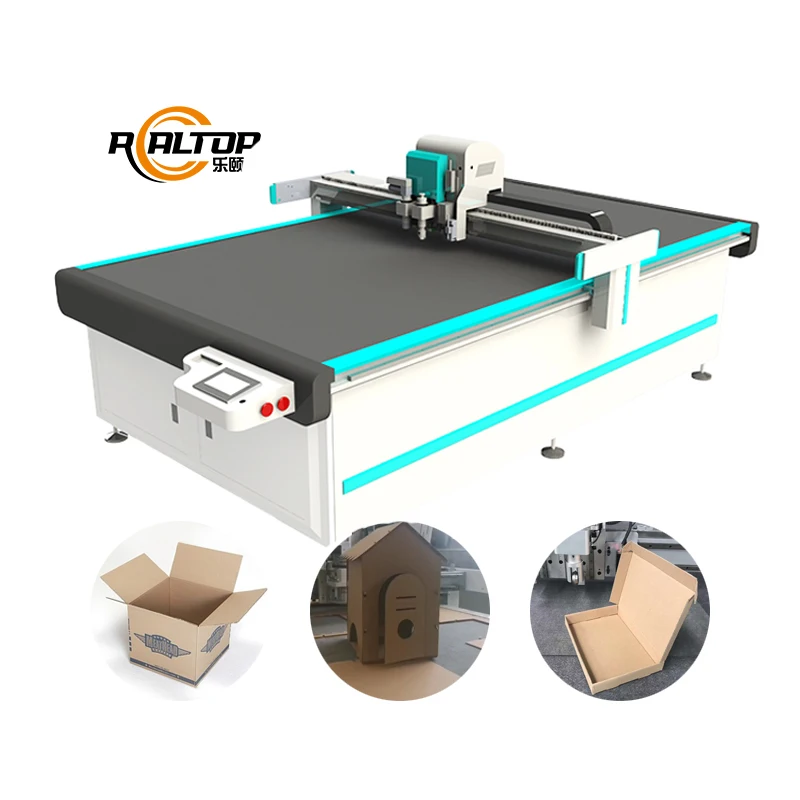
| Packaging and carton sample making | Cardboard, honeycomb board, corrugated cardboard |
| Leather and footwear cutting | Natural leather, PU, synthetic uppers, shoe lining |
| Garment and textile production | Woven fabric, non-woven, carpet, cloth |
| Advertising and signage | PVC sheet, sticker, vinyl film |
| Automotive interiors and gaskets | Sponge, PU, EVA, XPE, rubber gasket stock |
| Composite and foam fabrication | Foam board, fiberglass, carbon fiber, soft glass |
Why Working Area Alone Cannot Define a CNC Flatbed Digital Cutting Machine
A cutting table sized only by length and width will underperform the day harder stock enters the vacuum zone.
I once watched a packaging sample shop in Dongguan lose half its daily throughput because the machine was chosen purely on its 1600 × 2500 mm envelope. The five-layer corrugated they actually ran was denser than the supplier’s test card, and the standard oscillating head left crushed edges on every fold line. A high-power vibrating knife and a re-zoned vacuum layout solved it in one service visit [NEED_CITE: material density impact on digital knife cutting quality]. Matching tool head to stock hardness matters more than the footprint on the floor plan.
Tool Head Range and Material Logic
The RT-D2516 and RT-S2516 platform offers eleven distinct tool options because no single blade geometry suits both creasing a carton blank and kiss-cutting a vinyl decal. Swiss imported and oscillating knives handle mid-density corrugated and foam, while the pneumatic knife and high-power vibrating knife take over when the stock is thick or heavily compressed. Creasing wheels, dotted line knives, and V-cutting tools address fold and perforation requirements that a straight blade cannot produce. Choosing the wrong head is the most common reason buyers report ragged edges after installation [NEED_CITE: oscillating versus drag knife selection for corrugated board].
Vacuum Zoning and Small-Part Holding
The magnesium-aluminum alloy vacuum table on this CNC flatbed digital cutting machine is finished with PVDF powder spraying and hard oxidation, so the surface resists scoring from repeated knife passes. More important for daily output is how the suction area is divided. When cutting small carton inserts or shoe upper pieces, a single full-table pull will not keep lightweight offcuts flat; zoned channels ensure only the occupied region draws vacuum, reducing material lift and preventing the blade from dragging a corner loose mid-path.
Reading the Specs That Matter on the Shop Floor
Translational velocity of 800 – 2000 mm/s describes how fast the carriage moves between cuts, while cutting speed of 200 – 800 mm/s is the actual blade-through-material rate, and the second number is what determines cycle time on a nesting layout. Repeated accuracy of ≤0.1 mm keeps registration tight when the CCD camera picks up printed marks for contour trimming. The 7.5 kW vacuum pump with built-in silencer sponge reduces noise in enclosed workshops without sacrificing hold-down force. Servo choice between Delta and Panasonic affects torque response on dense boards, a detail worth confirming before the machine is wired.
The Cost of Skipping the Sample Cut
When a buyer approves a configuration based on a brochure working area rather than a sample cut on their own stock, the first production week often reveals edge crush on corrugated flutes, incomplete kiss-cuts on adhesive-backed vinyl, or vacuum lift on small gasket blanks. Correcting these issues after shipment means flying in a different tool head, re-commissioning the vacuum zones, and re-nesting the file library [NEED_CITE: post-installation re-configuration cost for digital cutting tables]. A sample cutting report on the buyer’s actual material removes this risk before the crate is sealed.
What the Manufacturer Builds In
REALTOP keeps both knife and laser cutting engineering under one roof, so a buyer comparing carton sample work against acrylic signage can evaluate each method honestly rather than being pushed toward a single technology. Tool head and table configurations are written line-by-line against the buyer’s material list. CCD camera and panoramic positioning options are tested with the buyer’s printed artwork before acceptance. Voltage, plug type, and control language are locked in writing before production starts. Software licenses and file format compatibility notes ship with the machine, so PLT, DXF, and AI workflows integrate on day one.
Documentation & Verification
- Machine specification sheet listing chosen tool heads and vacuum zone map
- Electrical schematic with confirmed voltage, plug type, and breaker rating
- Sample cutting report run on buyer’s own corrugated or flexible stock
- Tool head and table configuration list signed off against material data
- Software license and PLT, DXF, AI file format compatibility note
- Factory test record captured before crate closure
Installation, Commissioning & Support
- Floor must support 3450 × 2300 mm footprint plus operator clearance on three sides
- Dedicated 380V ±10% circuit with rated 9 kW capacity and verified phase rotation
- Machine ships in single flat-pack; vacuum table and gantry assembled on site
- First-day commissioning includes vacuum zone balancing and servo tuning for chosen stock
- Touch screen language set to operator preference during training session
- Spare blade and creasing wheel kit matched to tool heads on the order
Planning the Next Inquiry
Share the exact material type, maximum sheet thickness, and daily sheet count so the tool head list can be narrowed before quoting. Confirm the local voltage and frequency, the preferred control language, and whether your existing nesting software outputs PLT, DXF, or AI. If your workflow involves printed contour cutting, send a sample artwork file so the CCD or panoramic camera can be benchmarked against your registration marks.
Frequently Asked Questions
Q: Which tool head should I run on five-layer corrugated board?
A: A high-power vibrating knife generally outperforms a standard oscillating head on dense multi-wall corrugated because the higher stroke force shears through the flutes without crushing. Creasing wheels are added on the same tool block for fold lines. The final choice should be confirmed by a sample cut on your own board grade before the configuration is locked.
Q: Does CCD contour recognition keep up with printed mark tracking at full speed?
A: The small CCD mark-point option reads discrete fiducials between cuts, while the panoramic camera captures the entire printed area for continuous contour work. Which method suits your registration depends on mark size, contrast, and the cutting speed your material allows. A camera benchmark on your artwork file confirms tracking reliability.
Q: When is the 1600 × 2500 mm format the right choice?
A: This working area covers most carton sample blanks, full-hide leather layouts, and standard signage sheets without occupying the floor space of a jumbo-format table. If your daily mix includes oversized honeycomb panels or continuous roll-fed textile, a larger table or an auto-feeding variant may reduce manual handling between nests.
Q: How does vacuum table zoning affect small carton parts?
A: Small blanks lose suction if the entire table is open, causing corners to lift into the knife path. Zoned channels let the operator pull vacuum only where the nest sits, holding light stock flat and reducing the risk of a dragged corner ruining the sheet. Zone layout should match your most common blank size.
Q: Can I keep using my current nesting software with this machine?
A: The auto typesetting software accepts PLT, DXF, and AI formats. If your workflow relies on a third-party nesting package, export a sample file before ordering so compatibility and kerf compensation can be verified. A file format note ships with the machine documenting the tested import path.
Material-Matched Configuration — Every RT-D2516 and RT-S2516 flatbed cutter is specified around the buyer’s actual stock thickness and daily sheet volume, not just the working envelope.
Technical Specifications
| Parameter | Value |
|---|---|
| Product Type | CNC Flatbed Digital Cutting Machine |
| Model | RT-D2516 / RT-S2516 |
| Working Area | 1600 × 2500 mm |
| Machine Dimensions (L × W × H) | 3450 × 2300 × 1250 mm |
| Rated Power | 9 kW |
| Voltage | 380V ±10% |
| Translational Velocity | 800 – 2000 mm/s |
| Cutting Speed | 200 – 800 mm/s (according to different cutting materials) |
| Repeated Accuracy | ≤0.1 mm |
| Table Options | Flat working table or auto feeding table |
| Tool Head Options | Swiss imported knife, oscillating knife, pneumatic knife, high-power vibrating knife, circular knife, V-cutting knife, drag knife, creasing wheel, dotted line knife, punching tool, brush |
| Visual Positioning | Small CCD camera mark point, panoramic camera recognition, projection positioning |
| Transmission | Digital servo motor (Delta or Panasonic), linear guide, synchronous belt, ball screw |
| Instruction Format | HP-GL compatible |
| Vacuum Table | Magnesium-aluminum alloy with PVDF powder spraying, anodic and hard oxidation |
| Vacuum Pump | 7.5 kW, aviation aluminum shell with built-in silencer |
| Safety Devices | Infrared sensor stop, beam anti-collision, emergency stop button |
| Control Panel | Touch screen, multi-language |
| Software | Auto typesetting; supports PLT, DXF, AI |
| Cutting Thickness | ≤100 mm (varies with material) |
| Standards | CE (where applicable) |
Application Suitability
| Application | Material or Output |
|---|---|
| Packaging and carton sample making | Cardboard, honeycomb board, corrugated cardboard |
| Leather and footwear cutting | Natural leather, PU, synthetic uppers, shoe lining |
| Garment and textile production | Woven fabric, non-woven, carpet, cloth |
| Advertising and signage | PVC sheet, sticker, vinyl film |
| Automotive interiors and gaskets | Sponge, PU, EVA, XPE, rubber gasket stock |
| Composite and foam fabrication | Foam board, fiberglass, carbon fiber, soft glass |
Why Working Area Alone Cannot Define a CNC Flatbed Digital Cutting Machine
A cutting table sized only by length and width will underperform the day harder stock enters the vacuum zone.
I once watched a packaging sample shop in Dongguan lose half its daily throughput because the machine was chosen purely on its 1600 × 2500 mm envelope. The five-layer corrugated they actually ran was denser than the supplier’s test card, and the standard oscillating head left crushed edges on every fold line. A high-power vibrating knife and a re-zoned vacuum layout solved it in one service visit [NEED_CITE: material density impact on digital knife cutting quality]. Matching tool head to stock hardness matters more than the footprint on the floor plan.
Tool Head Range and Material Logic
The RT-D2516 and RT-S2516 platform offers eleven distinct tool options because no single blade geometry suits both creasing a carton blank and kiss-cutting a vinyl decal. Swiss imported and oscillating knives handle mid-density corrugated and foam, while the pneumatic knife and high-power vibrating knife take over when the stock is thick or heavily compressed. Creasing wheels, dotted line knives, and V-cutting tools address fold and perforation requirements that a straight blade cannot produce. Choosing the wrong head is the most common reason buyers report ragged edges after installation [NEED_CITE: oscillating versus drag knife selection for corrugated board].
Vacuum Zoning and Small-Part Holding
The magnesium-aluminum alloy vacuum table on this CNC flatbed digital cutting machine is finished with PVDF powder spraying and hard oxidation, so the surface resists scoring from repeated knife passes. More important for daily output is how the suction area is divided. When cutting small carton inserts or shoe upper pieces, a single full-table pull will not keep lightweight offcuts flat; zoned channels ensure only the occupied region draws vacuum, reducing material lift and preventing the blade from dragging a corner loose mid-path.
Reading the Specs That Matter on the Shop Floor
Translational velocity of 800 – 2000 mm/s describes how fast the carriage moves between cuts, while cutting speed of 200 – 800 mm/s is the actual blade-through-material rate, and the second number is what determines cycle time on a nesting layout. Repeated accuracy of ≤0.1 mm keeps registration tight when the CCD camera picks up printed marks for contour trimming. The 7.5 kW vacuum pump with built-in silencer sponge reduces noise in enclosed workshops without sacrificing hold-down force. Servo choice between Delta and Panasonic affects torque response on dense boards, a detail worth confirming before the machine is wired.
The Cost of Skipping the Sample Cut
When a buyer approves a configuration based on a brochure working area rather than a sample cut on their own stock, the first production week often reveals edge crush on corrugated flutes, incomplete kiss-cuts on adhesive-backed vinyl, or vacuum lift on small gasket blanks. Correcting these issues after shipment means flying in a different tool head, re-commissioning the vacuum zones, and re-nesting the file library [NEED_CITE: post-installation re-configuration cost for digital cutting tables]. A sample cutting report on the buyer’s actual material removes this risk before the crate is sealed.
What the Manufacturer Builds In
REALTOP keeps both knife and laser cutting engineering under one roof, so a buyer comparing carton sample work against acrylic signage can evaluate each method honestly rather than being pushed toward a single technology. Tool head and table configurations are written line-by-line against the buyer’s material list. CCD camera and panoramic positioning options are tested with the buyer’s printed artwork before acceptance. Voltage, plug type, and control language are locked in writing before production starts. Software licenses and file format compatibility notes ship with the machine, so PLT, DXF, and AI workflows integrate on day one.
Documentation & Verification
- Machine specification sheet listing chosen tool heads and vacuum zone map
- Electrical schematic with confirmed voltage, plug type, and breaker rating
- Sample cutting report run on buyer’s own corrugated or flexible stock
- Tool head and table configuration list signed off against material data
- Software license and PLT, DXF, AI file format compatibility note
- Factory test record captured before crate closure
Installation, Commissioning & Support
- Floor must support 3450 × 2300 mm footprint plus operator clearance on three sides
- Dedicated 380V ±10% circuit with rated 9 kW capacity and verified phase rotation
- Machine ships in single flat-pack; vacuum table and gantry assembled on site
- First-day commissioning includes vacuum zone balancing and servo tuning for chosen stock
- Touch screen language set to operator preference during training session
- Spare blade and creasing wheel kit matched to tool heads on the order
Planning the Next Inquiry
Share the exact material type, maximum sheet thickness, and daily sheet count so the tool head list can be narrowed before quoting. Confirm the local voltage and frequency, the preferred control language, and whether your existing nesting software outputs PLT, DXF, or AI. If your workflow involves printed contour cutting, send a sample artwork file so the CCD or panoramic camera can be benchmarked against your registration marks.
Frequently Asked Questions
Q: Which tool head should I run on five-layer corrugated board?
A: A high-power vibrating knife generally outperforms a standard oscillating head on dense multi-wall corrugated because the higher stroke force shears through the flutes without crushing. Creasing wheels are added on the same tool block for fold lines. The final choice should be confirmed by a sample cut on your own board grade before the configuration is locked.
Q: Does CCD contour recognition keep up with printed mark tracking at full speed?
A: The small CCD mark-point option reads discrete fiducials between cuts, while the panoramic camera captures the entire printed area for continuous contour work. Which method suits your registration depends on mark size, contrast, and the cutting speed your material allows. A camera benchmark on your artwork file confirms tracking reliability.
Q: When is the 1600 × 2500 mm format the right choice?
A: This working area covers most carton sample blanks, full-hide leather layouts, and standard signage sheets without occupying the floor space of a jumbo-format table. If your daily mix includes oversized honeycomb panels or continuous roll-fed textile, a larger table or an auto-feeding variant may reduce manual handling between nests.
Q: How does vacuum table zoning affect small carton parts?
A: Small blanks lose suction if the entire table is open, causing corners to lift into the knife path. Zoned channels let the operator pull vacuum only where the nest sits, holding light stock flat and reducing the risk of a dragged corner ruining the sheet. Zone layout should match your most common blank size.
Q: Can I keep using my current nesting software with this machine?
A: The auto typesetting software accepts PLT, DXF, and AI formats. If your workflow relies on a third-party nesting package, export a sample file before ordering so compatibility and kerf compensation can be verified. A file format note ships with the machine documenting the tested import path.
商品评价
There are no reviews yet.