

Fast Delivery
Quick, reliable shipping to any location.

Free & easy returns
Return this item by mail or in store within 90 days for a full refund.
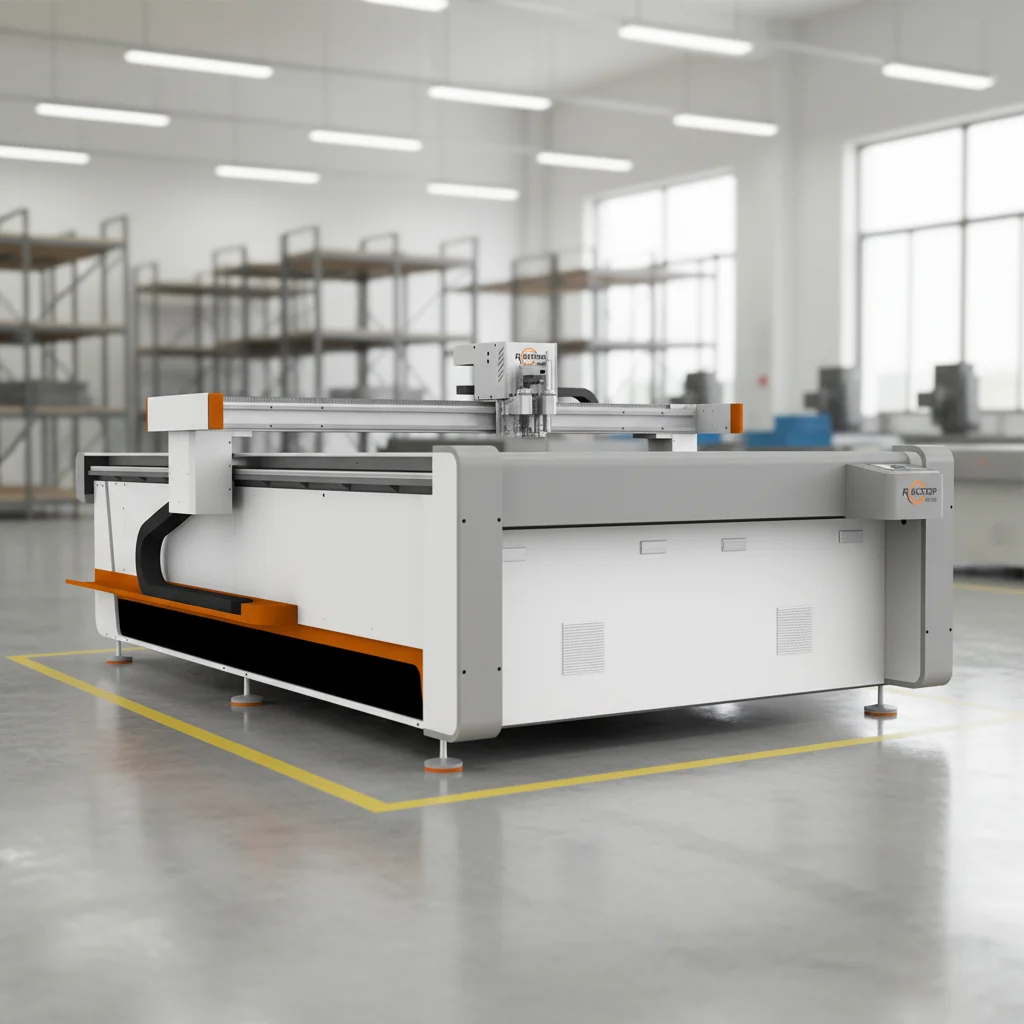
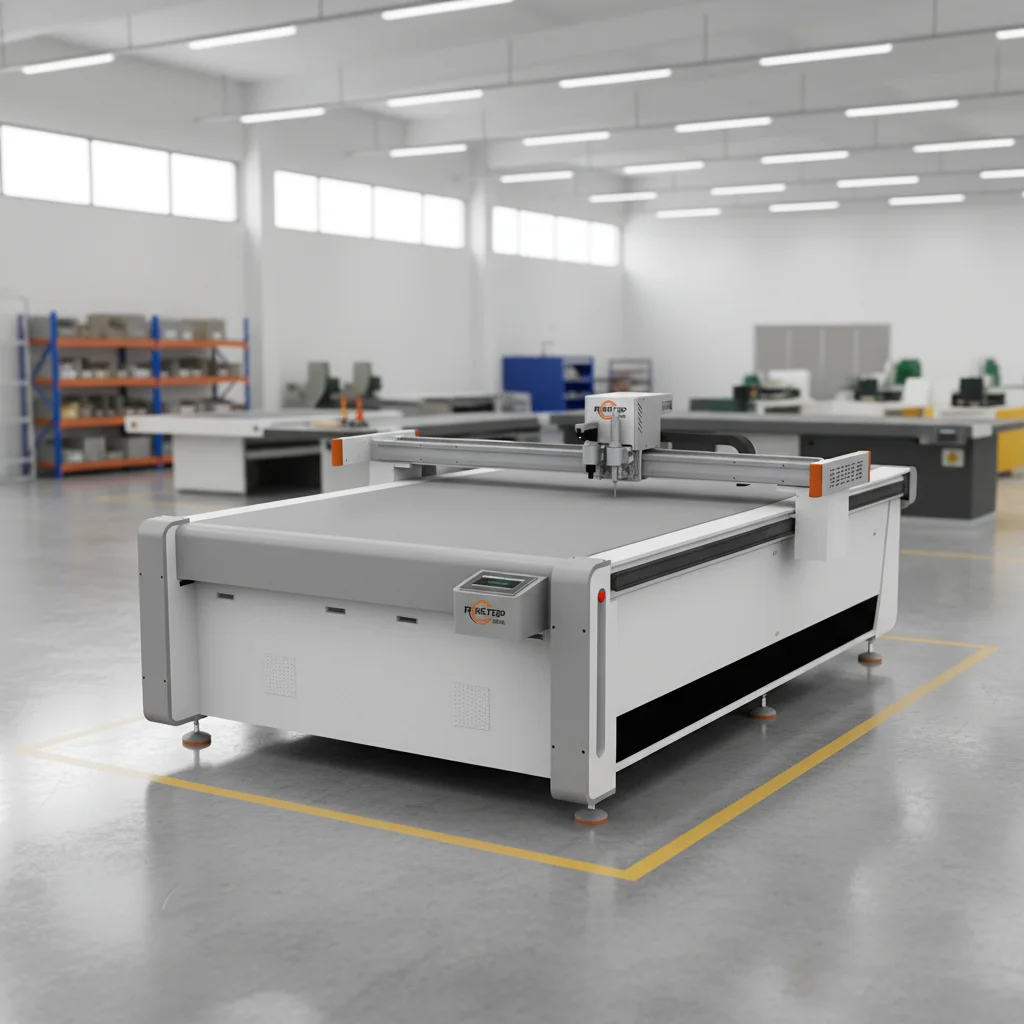
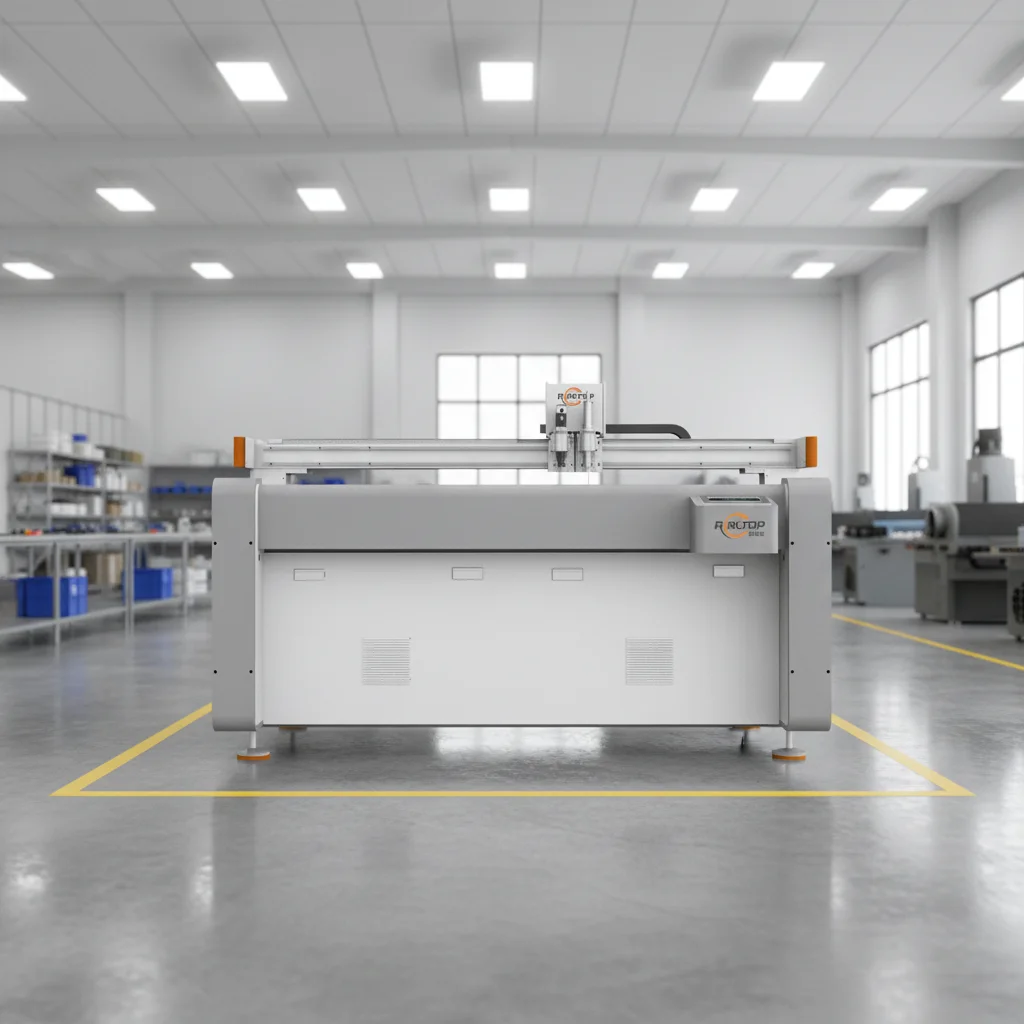
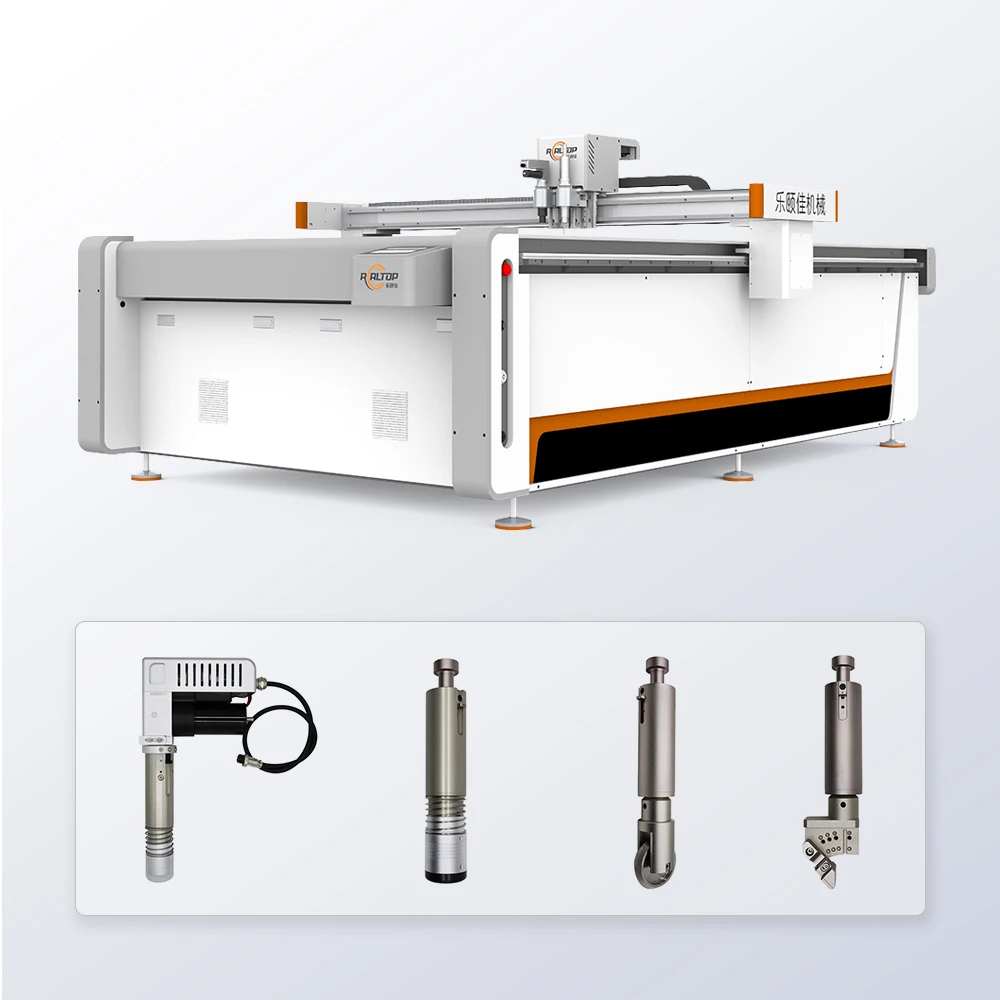
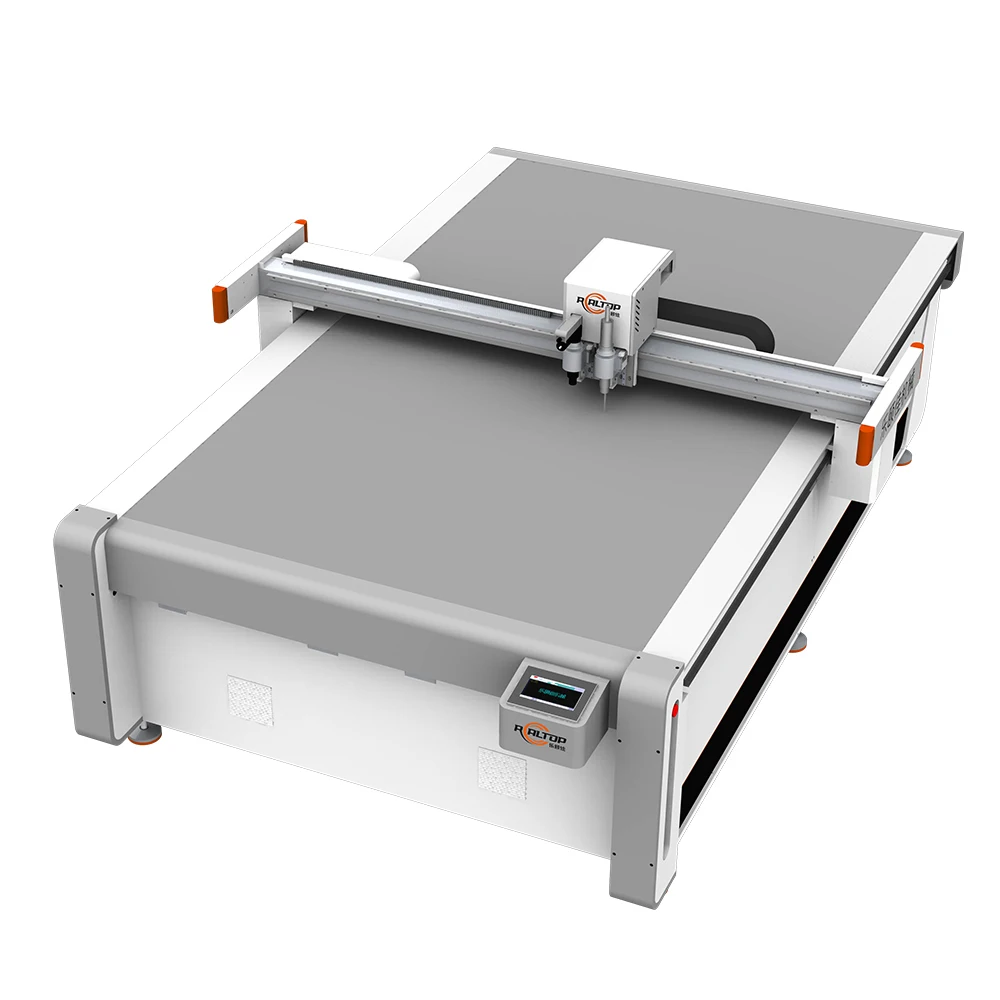
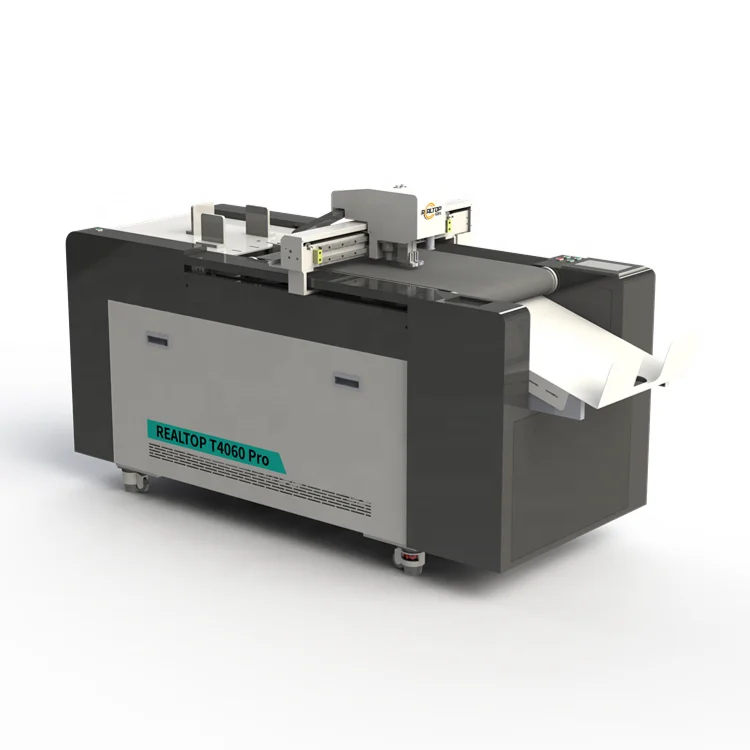
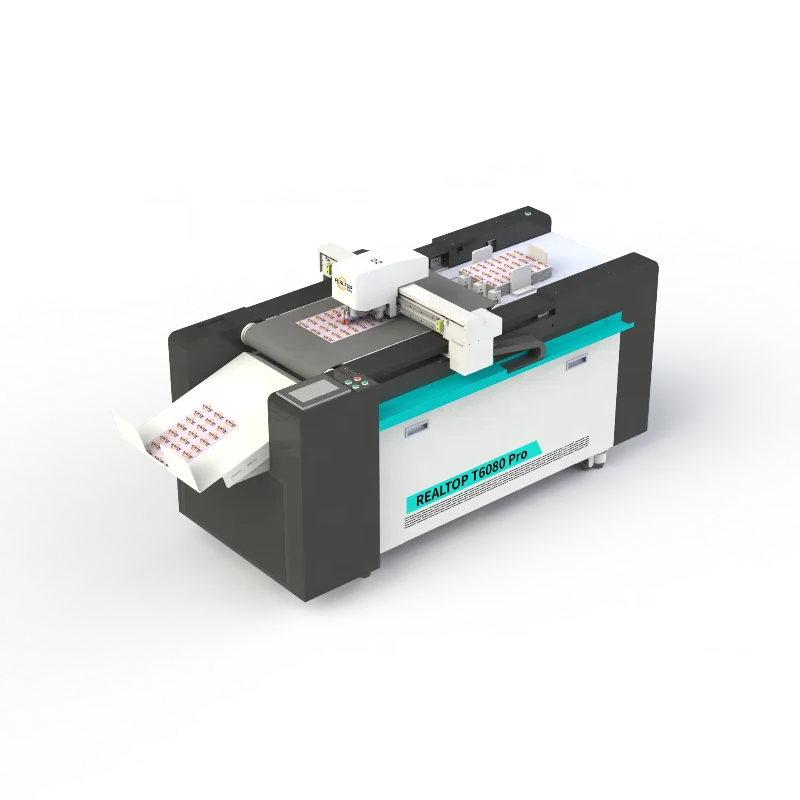
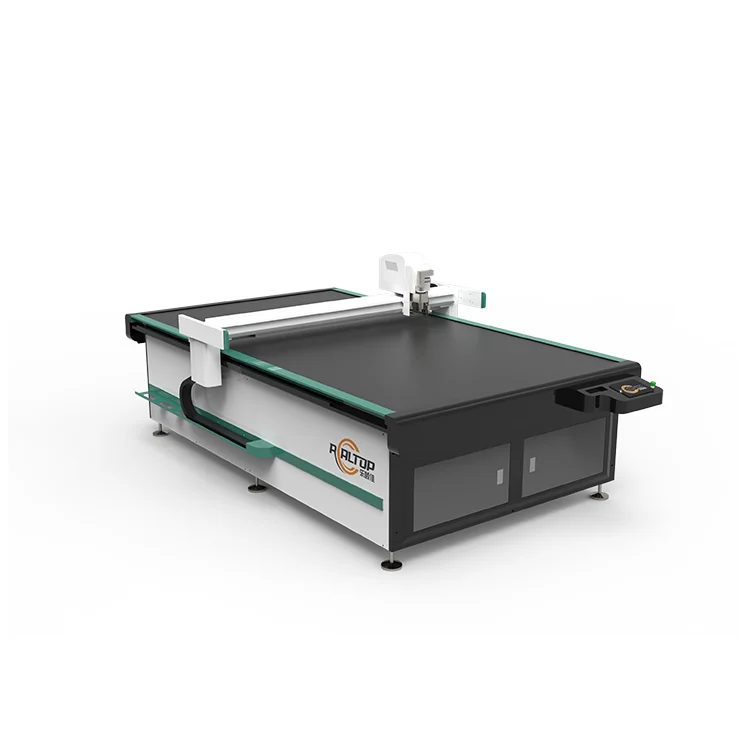
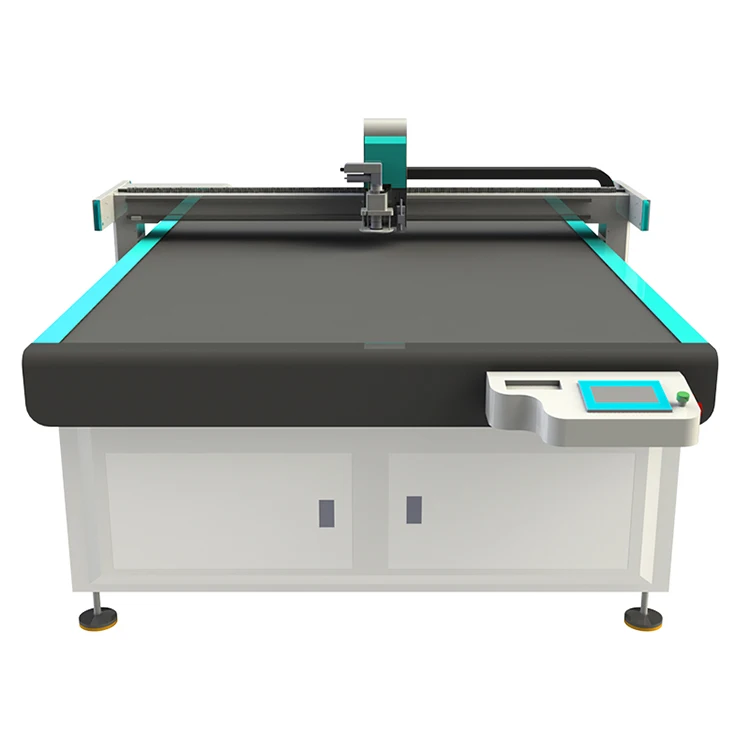
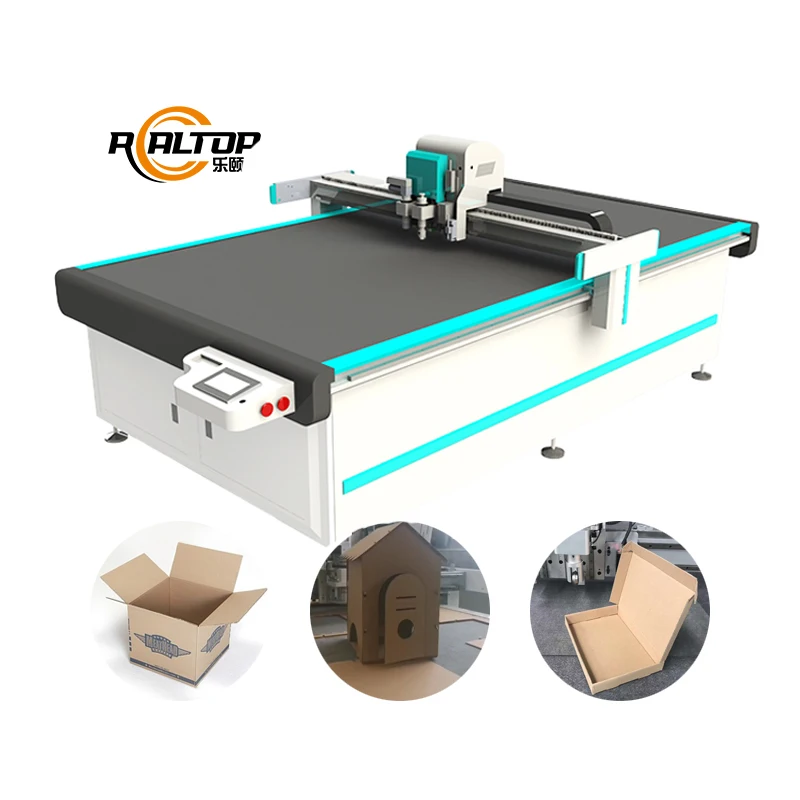
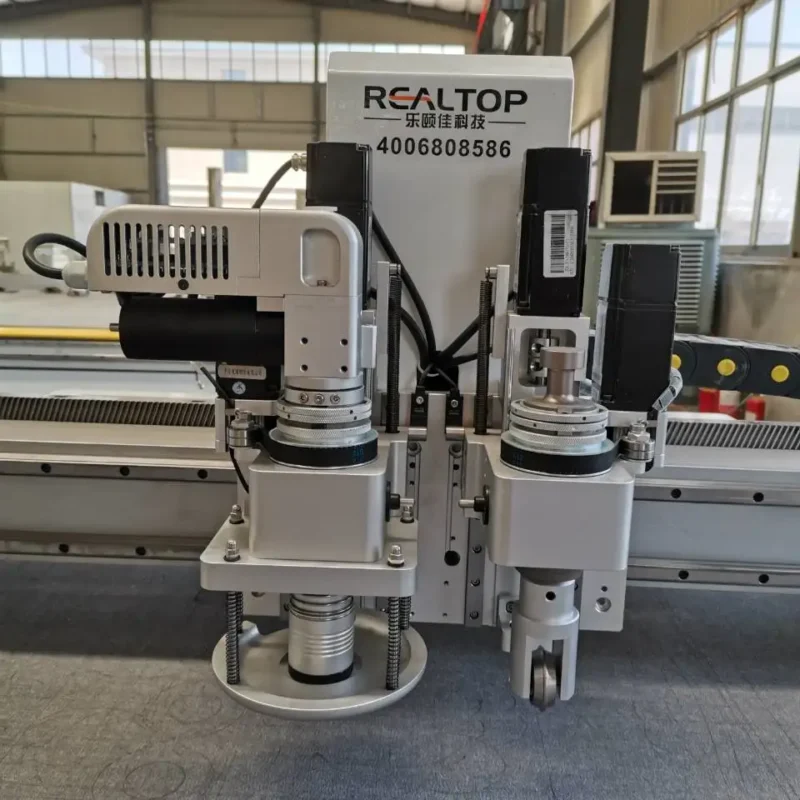
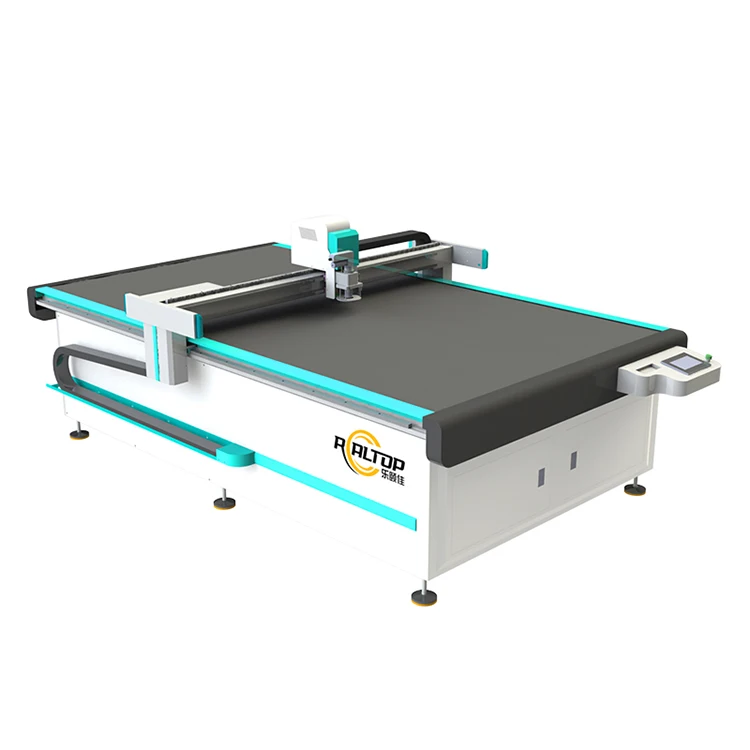
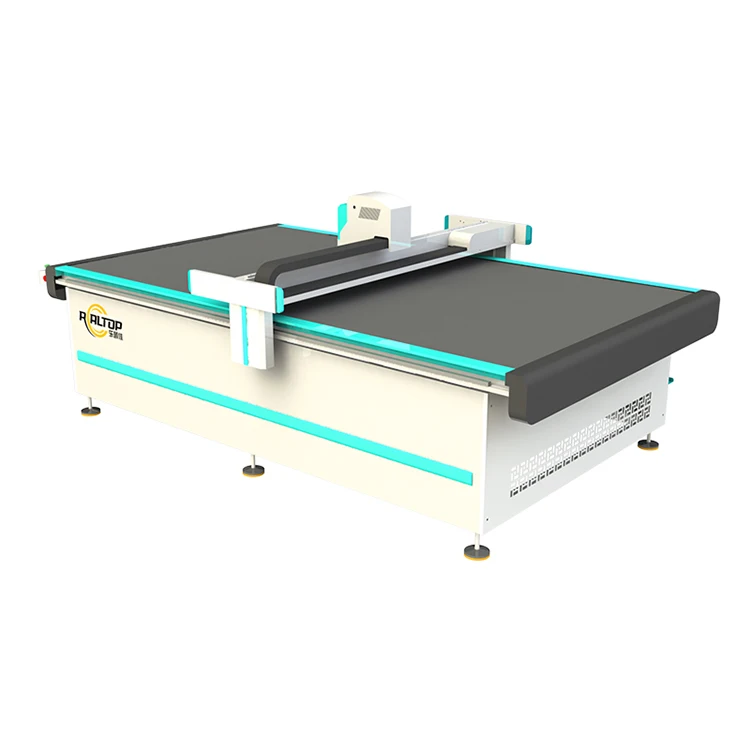
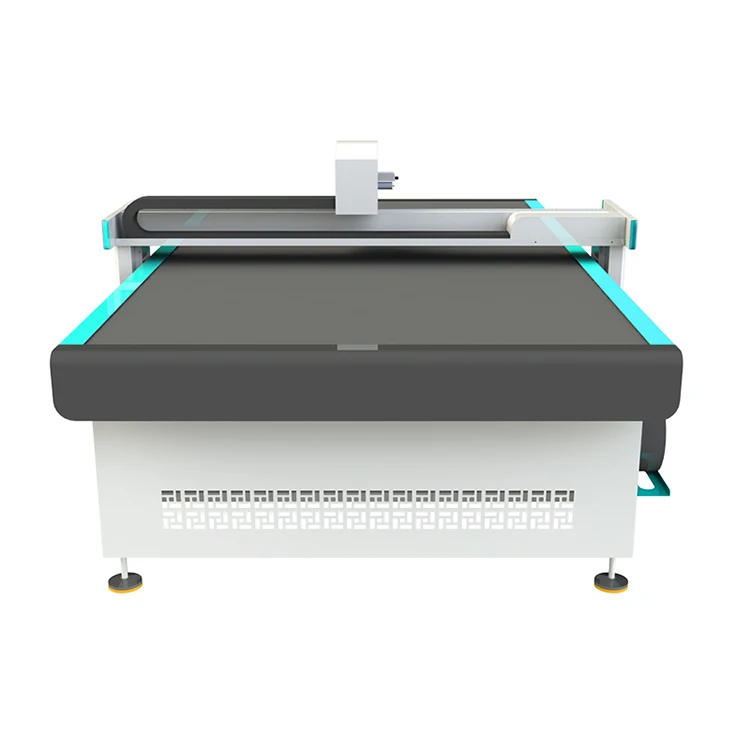
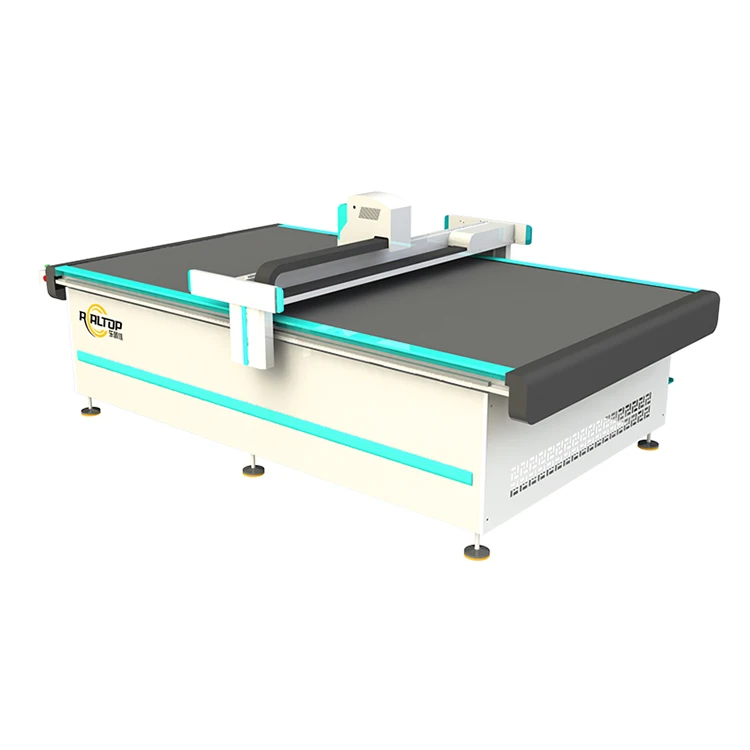
Tool head and table configuration specified per material and production volume — this digital flatbed cutting plotter lineup pairs oscillating knife, creasing wheel, kiss cutting and milling heads with aluminum bellows vacuum tables, letting packaging producers match cutting method to substrate rather than force a single approach.
Technical Specifications
| Parameter | Value |
|---|---|
| Product Type | CNC Oscillating Knife Cutting Table for Packaging |
| Working Area | 1600×2500 mm |
| Tool Head Options | Oscillating knife, Driven rotary knife, Creasing wheel, Kiss cutting tool, Pneumatic knife, Milling tool, V groove knife |
| Cutting Thickness | ≤ 40 mm (material dependent) |
| Cutting Speed | 0–1500 mm/s |
| Cutting Accuracy | ±0.1 mm |
| Vacuum Pump | 9 kW |
| Vacuum Table | Aluminum bellows vacuum table |
| Control System | PLC with optional display languages |
| Compatible File Formats | PLT, DXF, AI, PDF |
| Voltage Options | 110V, 220V, 380V |
| Machine Dimensions | 3300×2100×1350 mm |
| Safety Devices | Infrared sensor, emergency stop |
| Servo Motors | Panasonic, Delta, or Dorna |
| Language Options | English, Russian, Italian, Chinese; custom languages available |
| Software | Dedicated packaging box structure design software |
Application Suitability
| Application | Material or Output |
|---|---|
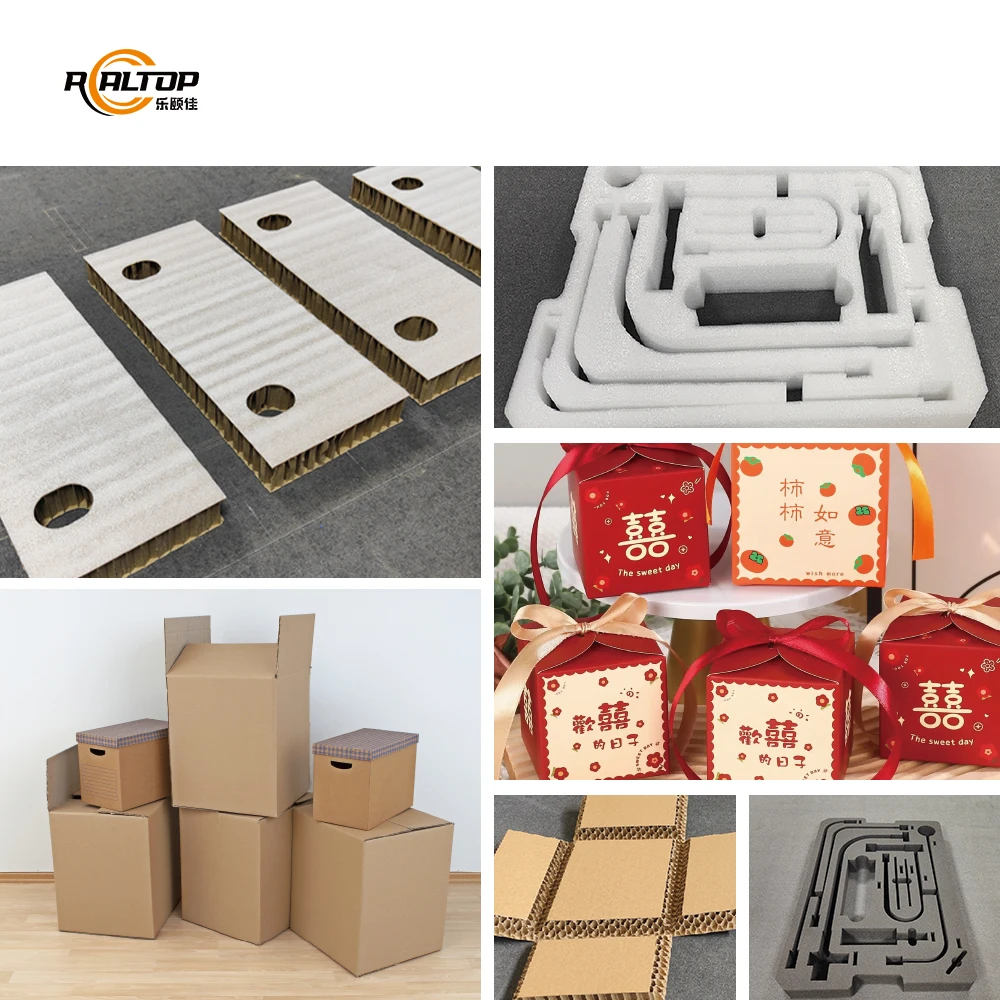
| Corrugated box prototyping | E-flute, B-flute, BC-flute corrugated cardboard |
| Carton sample making | Greyboard, cardstock, art paper, specialty paper |
| Foam packaging inserts | EVA foam, EPE foam, PU foam |
| Gasket and seal cutting | Rubber mats, PTFE, composite sheets |
| Signage and display boards | PVC, thin PET sheets, acrylic |
| Leather and textile packaging | Leather, synthetic leather, velvet, fleece, non-woven fabric |
Why Working Area Alone Does Not Define a Packaging CNC Cutting Machine
A cutting table rated for 1600×2500 mm may still fail on your material if the tool head, vacuum zoning and cutting depth are not matched to your actual substrate.
I once watched a packaging house specify a flatbed cutter purely on sheet size, then discover on delivery day that the oscillating knife could not get through their double-wall BC-flute board at production speed. The vacuum table held the sheet fine, but the knife head was configured for single-face E-flute. Reworking the tool configuration and adjusting vacuum zoning took the better part of a week. That kind of mismatch is avoidable when the full specification is reviewed before the order is placed. A Packaging CNC Cutting Machine for sale should always be evaluated against your thickest and most challenging substrate, not just your most common one [NEED_CITE: flatbed cutting table configuration best practices for corrugated packaging].
Surveying the Full Tool Head Range Before Committing
The value of browsing a complete CNC Oscillating Knife Cutting Table manufacturer catalogue lies in comparing tool options side by side. An oscillating knife handles corrugated board and foam cleanly, while a creasing wheel scores fold lines without cutting through the sheet. A kiss cutting tool is needed when adhesive-backed labels or window patches must be cut without penetrating the backing liner. Milling and V groove tools address rigid boards and specialty packaging structures. Seeing the entire range lets a packaging sample maker or short-run box producer decide which combination covers their daily workload.
Vacuum Table Zoning and Material Hold-Down Across Substrates
A 9 kW vacuum pump paired with an aluminum bellows table provides the suction needed to keep corrugated sheets flat during high-speed knife passes. But hold-down requirements differ sharply between a rigid greyboard and a thin non-woven fabric. Zoning the vacuum table so that only the area under the sheet is active prevents air leakage at the edges and maintains consistent hold. For small packaging inserts or gasket parts, inadequate zoning can allow the material to lift mid-cut, producing ragged edges or shifting registration [NEED_CITE: vacuum table zoning requirements for thin and small-format packaging materials].
Reading the Specification Sheet Against Your Production Reality
Cutting speed is listed at 0–1500 mm/s, but that figure applies to straight-line travel on a compatible substrate, not to intricate box structures with tight corner radii. The ±0.1 mm accuracy holds when the machine frame, servo system and vacuum hold-down are all working within their rated envelope. Cutting thickness up to 40 mm is achievable on softer foams and rubber, while dense greyboard or multi-layer corrugated board will require reduced speed and possibly multiple passes. The dedicated packaging box structure design software accepts PLT, DXF, AI and PDF files, but buyers should confirm that their existing nesting workflow exports cleanly into one of these formats before assuming a frictionless integration.
The Hidden Cost of Skipping Material-Specific Configuration
When a buyer selects a tool head based on catalogue description rather than a sample cut on their own stock, the consequences surface during the first production run. A driven rotary knife chosen for fabric may tear through thin corrugated board instead of cutting it cleanly. A pneumatic knife set for thick foam may crush art paper packaging samples. These failures are not machine defects; they are configuration mismatches that could have been caught with a pre-order sample test on the buyer’s actual material [NEED_CITE: tool head selection errors in digital packaging cutting operations].
Why Source This Range From a Single Manufacturer
In-house design and production covering both knife and laser cutting means a buyer can evaluate which method suits each packaging substrate without being pushed toward one technology. Tool head and table configuration is specified per material and production volume, not sold as a one-size bundle. CCD camera positioning is available for printed contour work on pre-printed packaging, so registration accuracy is verified before the knife touches the sheet. Software compatibility is confirmed at the order stage, not after the machine arrives. Voltage, plug type and control language are customized to the destination market. Sample cutting on the buyer’s own material is offered before commitment, so edge quality and throughput are validated in advance.
Documentation & Verification
- Machine specification sheet confirming working area, tool head list and cutting thickness by material
- Electrical schematic with voltage and frequency matched to your facility
- Tool head and table configuration record listing selected heads and vacuum zoning layout
- Sample cutting report produced on your corrugated board or greyboard before dispatch
- Factory test record documenting cutting accuracy and speed across selected tool heads
- Software licence and file format compatibility note for your design workflow
Installation, Commissioning & Support
- Foundation and floor space planned around the 3300×2100×1350 mm machine footprint plus material infeed clearance
- Dedicated electrical circuit sized to the confirmed voltage option (110V, 220V or 380V) and 9 kW vacuum pump load
- Table leveling and frame alignment verified on-site after unpacking the heavy-duty frame
- First-run parameter setting for each selected tool head using your actual packaging materials
- Operator training on the PLC control panel in the confirmed display language
- Spare parts list covering knife blades, creasing wheels and vacuum table seals
What to Share When Requesting a Quotation
To get an accurate configuration recommendation, provide the type and thickness of your most demanding packaging substrate, your typical sheet dimensions and the daily volume you need to process. Specify the voltage and frequency standard at your facility, the preferred control panel language, and whether your design team works in PLT, DXF, AI or PDF formats. If you need sample cutting on your own material to verify edge quality and crease depth before committing, send a few representative sheets along with your inquiry.
Frequently Asked Questions
Q: How do I choose between oscillating knife, creasing wheel and kiss cutting tool for my packaging material?
A: Each tool head addresses a different function. The oscillating knife cuts through corrugated board and foam. The creasing wheel scores fold lines on cardstock and greyboard without penetrating the sheet. The kiss cutting tool slices adhesive-backed materials without damaging the backing liner. Your material type and the packaging structure you produce determine which combination is needed, and sample cutting on your stock confirms the choice.
Q: What working area sizes and tool head configurations are available across the full product range?
A: Working areas range from compact to large format, with the 1600×2500 mm table as a common mid-range option. Tool heads include oscillating knife, driven rotary knife, creasing wheel, kiss cutting tool, pneumatic knife, milling tool and V groove knife. Single and multi-head configurations are available, and the combination is selected based on your material range and production volume.
Q: How is voltage, plug type and control panel language confirmed before shipment?
A: Voltage is configurable across 110V, 220V and 380V to match your local supply standard. Plug type is selected for your destination market. The PLC control panel supports English, Russian, Italian and Chinese, with custom languages available on request. All three items are confirmed during the order specification stage, not at shipment.
Q: What software and file formats does the system support?
A: The dedicated packaging box structure design software accepts PLT, DXF, AI and PDF file formats. Buyers should verify that their existing design and nesting workflow exports into one of these formats before placing the order. A software licence and file format compatibility note is included in the documentation package.
Q: Can I send my own material for sample cutting before placing an order?
A: Yes. Sending representative sheets of your actual packaging substrate allows the manufacturer to test the selected tool head, confirm cutting depth, edge quality and crease accuracy, and produce a sample cutting report. This step eliminates configuration guesswork and ensures the machine arrives set up for your production requirements.
Tool head and table configuration specified per material and production volume — this digital flatbed cutting plotter lineup pairs oscillating knife, creasing wheel, kiss cutting and milling heads with aluminum bellows vacuum tables, letting packaging producers match cutting method to substrate rather than force a single approach.
Technical Specifications
| Parameter | Value |
|---|---|
| Product Type | CNC Oscillating Knife Cutting Table for Packaging |
| Working Area | 1600×2500 mm |
| Tool Head Options | Oscillating knife, Driven rotary knife, Creasing wheel, Kiss cutting tool, Pneumatic knife, Milling tool, V groove knife |
| Cutting Thickness | ≤ 40 mm (material dependent) |
| Cutting Speed | 0–1500 mm/s |
| Cutting Accuracy | ±0.1 mm |
| Vacuum Pump | 9 kW |
| Vacuum Table | Aluminum bellows vacuum table |
| Control System | PLC with optional display languages |
| Compatible File Formats | PLT, DXF, AI, PDF |
| Voltage Options | 110V, 220V, 380V |
| Machine Dimensions | 3300×2100×1350 mm |
| Safety Devices | Infrared sensor, emergency stop |
| Servo Motors | Panasonic, Delta, or Dorna |
| Language Options | English, Russian, Italian, Chinese; custom languages available |
| Software | Dedicated packaging box structure design software |
Application Suitability
| Application | Material or Output |
|---|---|
| Corrugated box prototyping | E-flute, B-flute, BC-flute corrugated cardboard |
| Carton sample making | Greyboard, cardstock, art paper, specialty paper |
| Foam packaging inserts | EVA foam, EPE foam, PU foam |
| Gasket and seal cutting | Rubber mats, PTFE, composite sheets |
| Signage and display boards | PVC, thin PET sheets, acrylic |
| Leather and textile packaging | Leather, synthetic leather, velvet, fleece, non-woven fabric |
Why Working Area Alone Does Not Define a Packaging CNC Cutting Machine
A cutting table rated for 1600×2500 mm may still fail on your material if the tool head, vacuum zoning and cutting depth are not matched to your actual substrate.
I once watched a packaging house specify a flatbed cutter purely on sheet size, then discover on delivery day that the oscillating knife could not get through their double-wall BC-flute board at production speed. The vacuum table held the sheet fine, but the knife head was configured for single-face E-flute. Reworking the tool configuration and adjusting vacuum zoning took the better part of a week. That kind of mismatch is avoidable when the full specification is reviewed before the order is placed. A Packaging CNC Cutting Machine for sale should always be evaluated against your thickest and most challenging substrate, not just your most common one [NEED_CITE: flatbed cutting table configuration best practices for corrugated packaging].
Surveying the Full Tool Head Range Before Committing
The value of browsing a complete CNC Oscillating Knife Cutting Table manufacturer catalogue lies in comparing tool options side by side. An oscillating knife handles corrugated board and foam cleanly, while a creasing wheel scores fold lines without cutting through the sheet. A kiss cutting tool is needed when adhesive-backed labels or window patches must be cut without penetrating the backing liner. Milling and V groove tools address rigid boards and specialty packaging structures. Seeing the entire range lets a packaging sample maker or short-run box producer decide which combination covers their daily workload.
Vacuum Table Zoning and Material Hold-Down Across Substrates
A 9 kW vacuum pump paired with an aluminum bellows table provides the suction needed to keep corrugated sheets flat during high-speed knife passes. But hold-down requirements differ sharply between a rigid greyboard and a thin non-woven fabric. Zoning the vacuum table so that only the area under the sheet is active prevents air leakage at the edges and maintains consistent hold. For small packaging inserts or gasket parts, inadequate zoning can allow the material to lift mid-cut, producing ragged edges or shifting registration [NEED_CITE: vacuum table zoning requirements for thin and small-format packaging materials].
Reading the Specification Sheet Against Your Production Reality
Cutting speed is listed at 0–1500 mm/s, but that figure applies to straight-line travel on a compatible substrate, not to intricate box structures with tight corner radii. The ±0.1 mm accuracy holds when the machine frame, servo system and vacuum hold-down are all working within their rated envelope. Cutting thickness up to 40 mm is achievable on softer foams and rubber, while dense greyboard or multi-layer corrugated board will require reduced speed and possibly multiple passes. The dedicated packaging box structure design software accepts PLT, DXF, AI and PDF files, but buyers should confirm that their existing nesting workflow exports cleanly into one of these formats before assuming a frictionless integration.
The Hidden Cost of Skipping Material-Specific Configuration
When a buyer selects a tool head based on catalogue description rather than a sample cut on their own stock, the consequences surface during the first production run. A driven rotary knife chosen for fabric may tear through thin corrugated board instead of cutting it cleanly. A pneumatic knife set for thick foam may crush art paper packaging samples. These failures are not machine defects; they are configuration mismatches that could have been caught with a pre-order sample test on the buyer’s actual material [NEED_CITE: tool head selection errors in digital packaging cutting operations].
Why Source This Range From a Single Manufacturer
In-house design and production covering both knife and laser cutting means a buyer can evaluate which method suits each packaging substrate without being pushed toward one technology. Tool head and table configuration is specified per material and production volume, not sold as a one-size bundle. CCD camera positioning is available for printed contour work on pre-printed packaging, so registration accuracy is verified before the knife touches the sheet. Software compatibility is confirmed at the order stage, not after the machine arrives. Voltage, plug type and control language are customized to the destination market. Sample cutting on the buyer’s own material is offered before commitment, so edge quality and throughput are validated in advance.
Documentation & Verification
- Machine specification sheet confirming working area, tool head list and cutting thickness by material
- Electrical schematic with voltage and frequency matched to your facility
- Tool head and table configuration record listing selected heads and vacuum zoning layout
- Sample cutting report produced on your corrugated board or greyboard before dispatch
- Factory test record documenting cutting accuracy and speed across selected tool heads
- Software licence and file format compatibility note for your design workflow
Installation, Commissioning & Support
- Foundation and floor space planned around the 3300×2100×1350 mm machine footprint plus material infeed clearance
- Dedicated electrical circuit sized to the confirmed voltage option (110V, 220V or 380V) and 9 kW vacuum pump load
- Table leveling and frame alignment verified on-site after unpacking the heavy-duty frame
- First-run parameter setting for each selected tool head using your actual packaging materials
- Operator training on the PLC control panel in the confirmed display language
- Spare parts list covering knife blades, creasing wheels and vacuum table seals
What to Share When Requesting a Quotation
To get an accurate configuration recommendation, provide the type and thickness of your most demanding packaging substrate, your typical sheet dimensions and the daily volume you need to process. Specify the voltage and frequency standard at your facility, the preferred control panel language, and whether your design team works in PLT, DXF, AI or PDF formats. If you need sample cutting on your own material to verify edge quality and crease depth before committing, send a few representative sheets along with your inquiry.
Frequently Asked Questions
Q: How do I choose between oscillating knife, creasing wheel and kiss cutting tool for my packaging material?
A: Each tool head addresses a different function. The oscillating knife cuts through corrugated board and foam. The creasing wheel scores fold lines on cardstock and greyboard without penetrating the sheet. The kiss cutting tool slices adhesive-backed materials without damaging the backing liner. Your material type and the packaging structure you produce determine which combination is needed, and sample cutting on your stock confirms the choice.
Q: What working area sizes and tool head configurations are available across the full product range?
A: Working areas range from compact to large format, with the 1600×2500 mm table as a common mid-range option. Tool heads include oscillating knife, driven rotary knife, creasing wheel, kiss cutting tool, pneumatic knife, milling tool and V groove knife. Single and multi-head configurations are available, and the combination is selected based on your material range and production volume.
Q: How is voltage, plug type and control panel language confirmed before shipment?
A: Voltage is configurable across 110V, 220V and 380V to match your local supply standard. Plug type is selected for your destination market. The PLC control panel supports English, Russian, Italian and Chinese, with custom languages available on request. All three items are confirmed during the order specification stage, not at shipment.
Q: What software and file formats does the system support?
A: The dedicated packaging box structure design software accepts PLT, DXF, AI and PDF file formats. Buyers should verify that their existing design and nesting workflow exports into one of these formats before placing the order. A software licence and file format compatibility note is included in the documentation package.
Q: Can I send my own material for sample cutting before placing an order?
A: Yes. Sending representative sheets of your actual packaging substrate allows the manufacturer to test the selected tool head, confirm cutting depth, edge quality and crease accuracy, and produce a sample cutting report. This step eliminates configuration guesswork and ensures the machine arrives set up for your production requirements.
商品评价
There are no reviews yet.