

Fast Delivery
Quick, reliable shipping to any location.

Free & easy returns
Return this item by mail or in store within 90 days for a full refund.
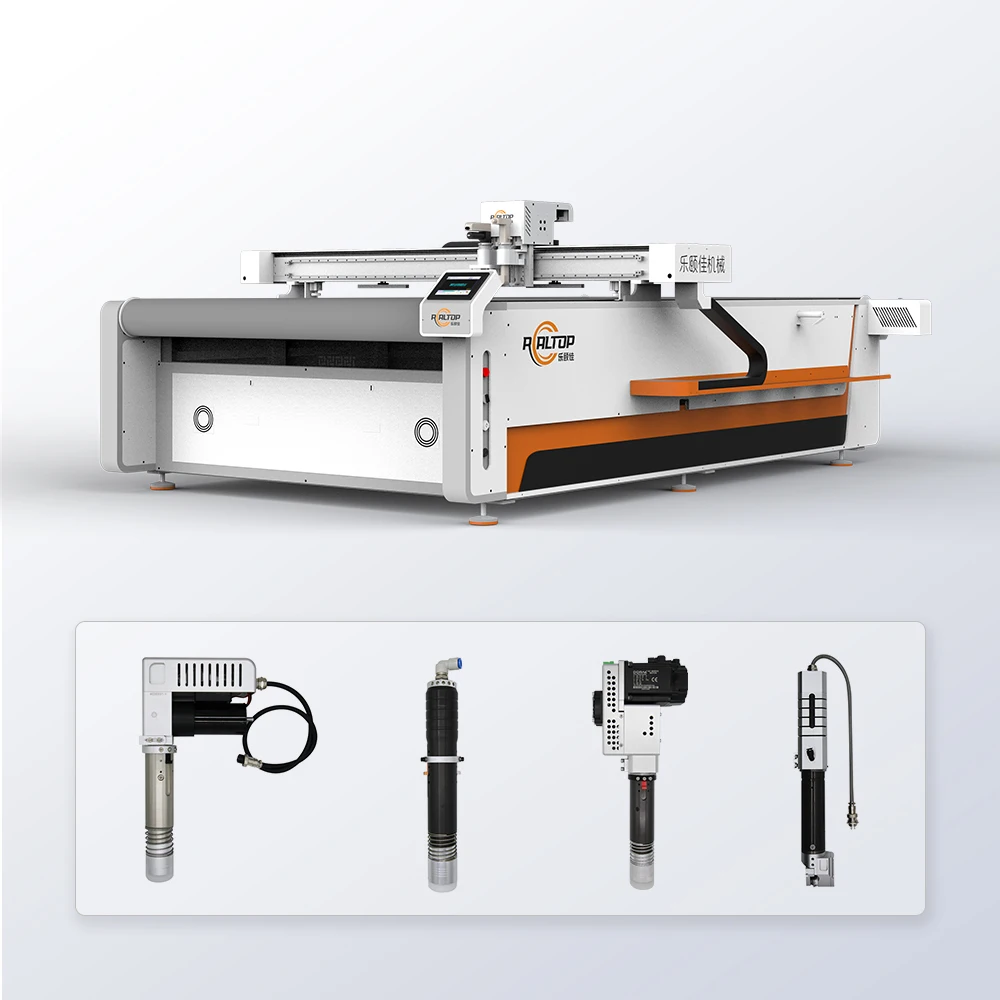
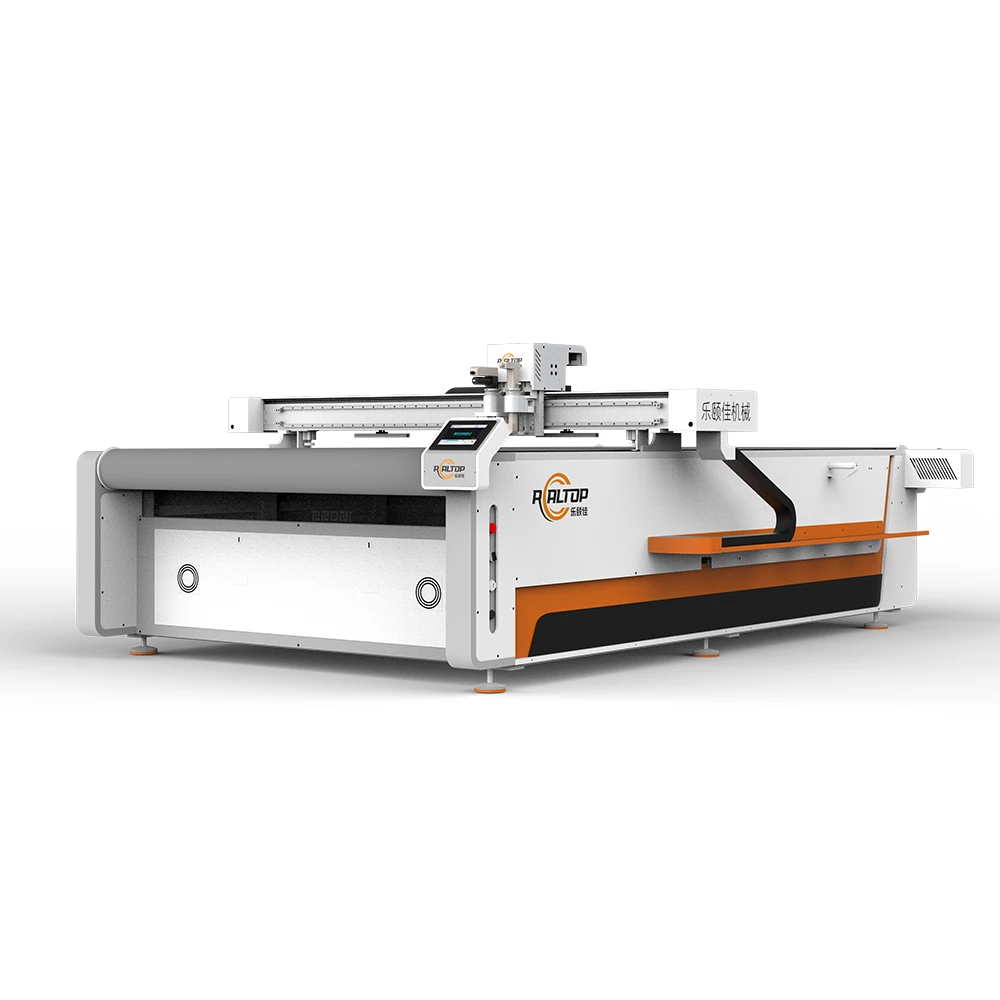
Seven Tool Heads, One Flatbed — In-house design lets this 1625 unit switch between oscillating knife, rotary, creasing, kiss cutting, pneumatic, milling and V-groove tools so buyers match the method to the material instead of forcing one blade through everything.
Technical Specifications
| Parameter | Value |
|---|---|
| Model | 1625 |
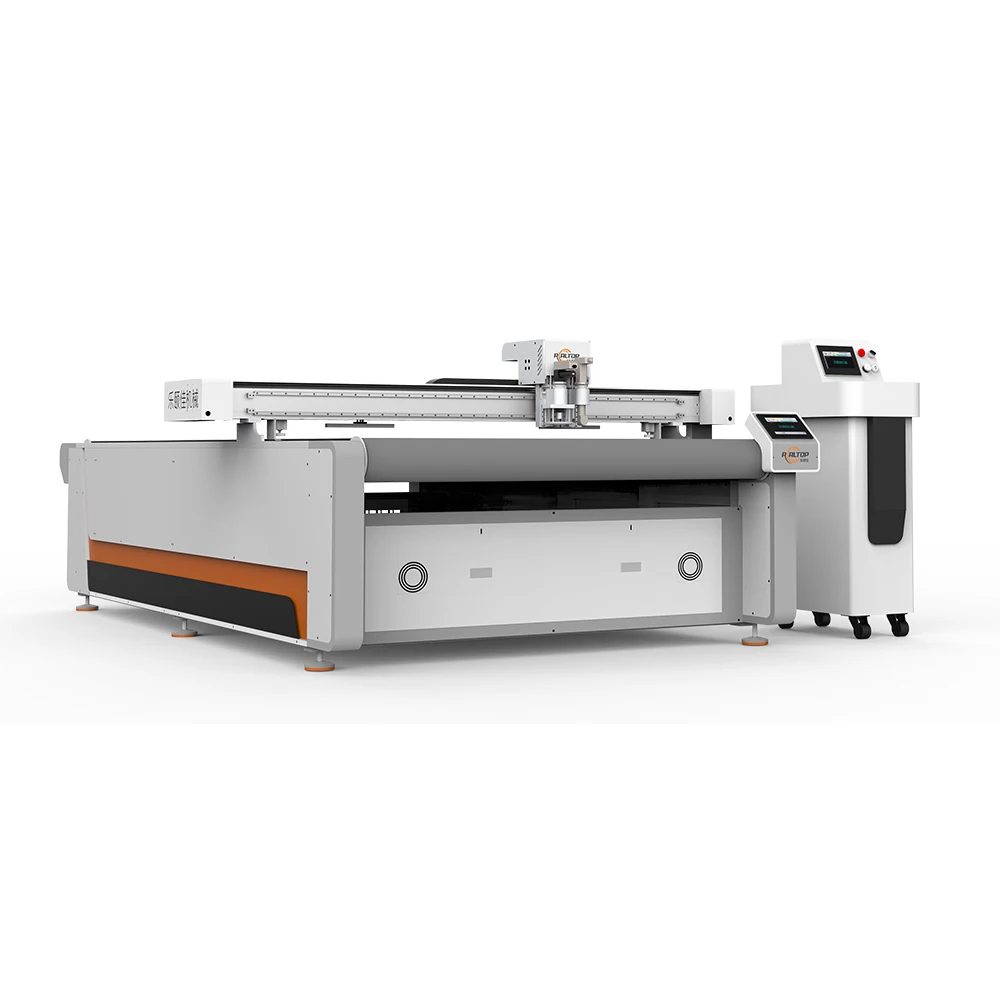
| Product Type | CNC Oscillating Knife Cutting Machine |
| Working Area | 1600 × 2500 mm |
| Tool Head Options | Oscillating knife, Driven rotary knife, Creasing wheel, Kiss cutting tool, Pneumatic knife, Milling tool, V groove knife |
| Cutting Speed | 0 – 2000 mm/s |
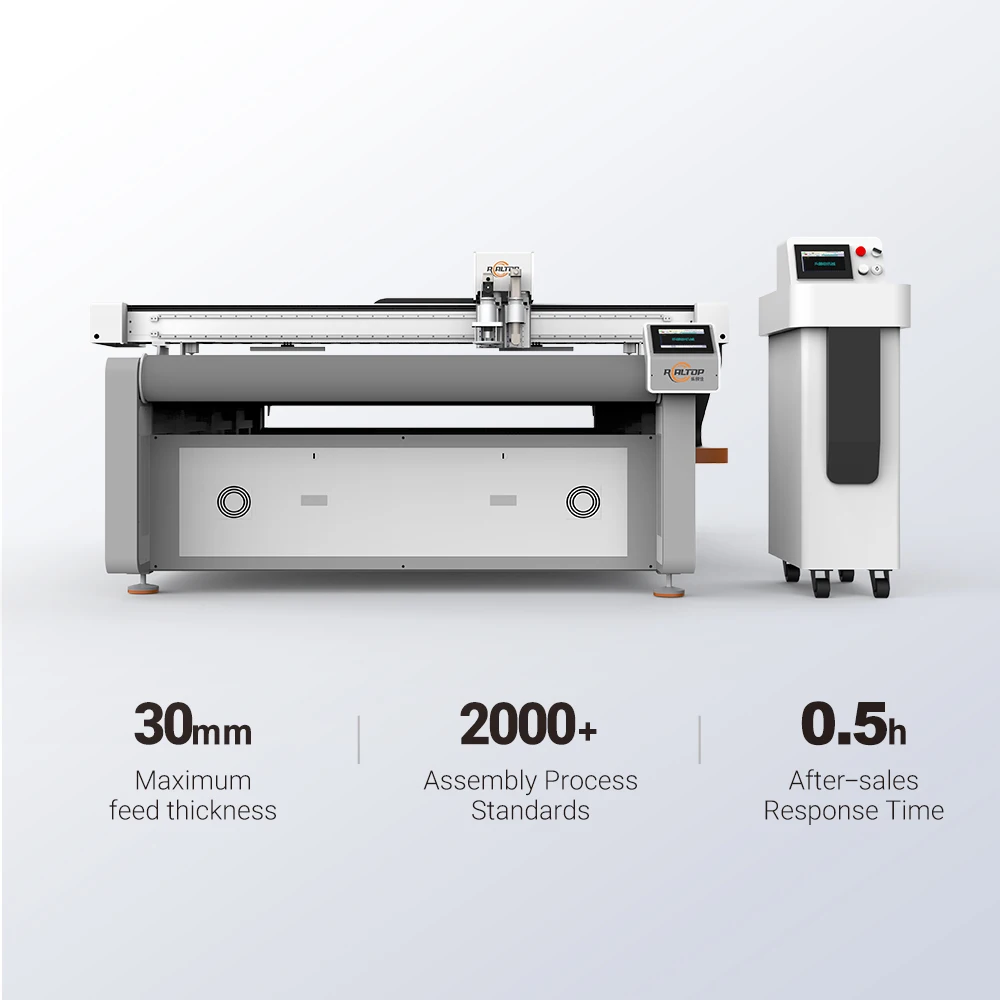
| Cutting Thickness | ≤ 30 mm (basis not stated in source — confirm material type and density) |
| Positioning / Cutting Accuracy | ± 0.1 mm |
| Repeat Positioning Accuracy | ± 0.1 mm |
| Vacuum Pump | 9 kW |
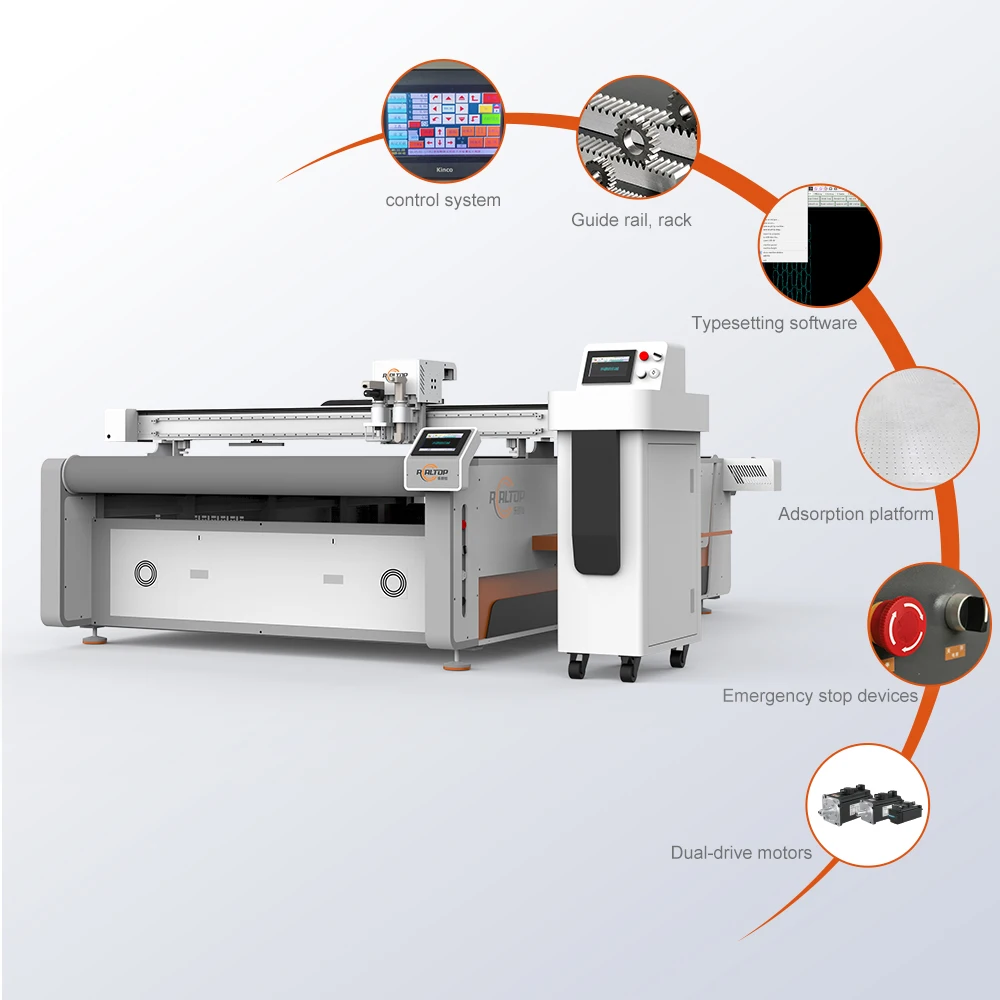
| Vacuum Table | Aluminum bellows vacuum table |
| Voltage Options | 110 V, 220 V, 380 V (frequency to be confirmed) |
| Servo Motor Options | Panasonic, Delta, Dorna |
| Control System | PLC control panel, optional display languages |
| Software | Dedicated packaging box structure design software; DXF, PLT, AI, PDF import |
| Nesting | Intelligent nesting with automatic defect avoidance |
| Safety Devices | Infrared sensor, emergency stop |
| Machine Dimensions (L × W × H) | 3300 × 2100 × 1350 mm |
| Language Options | English, Russian, Italian, Chinese (customizable) |
| Certification | CE |
Application Suitability
| Application | Material or Output |
|---|---|
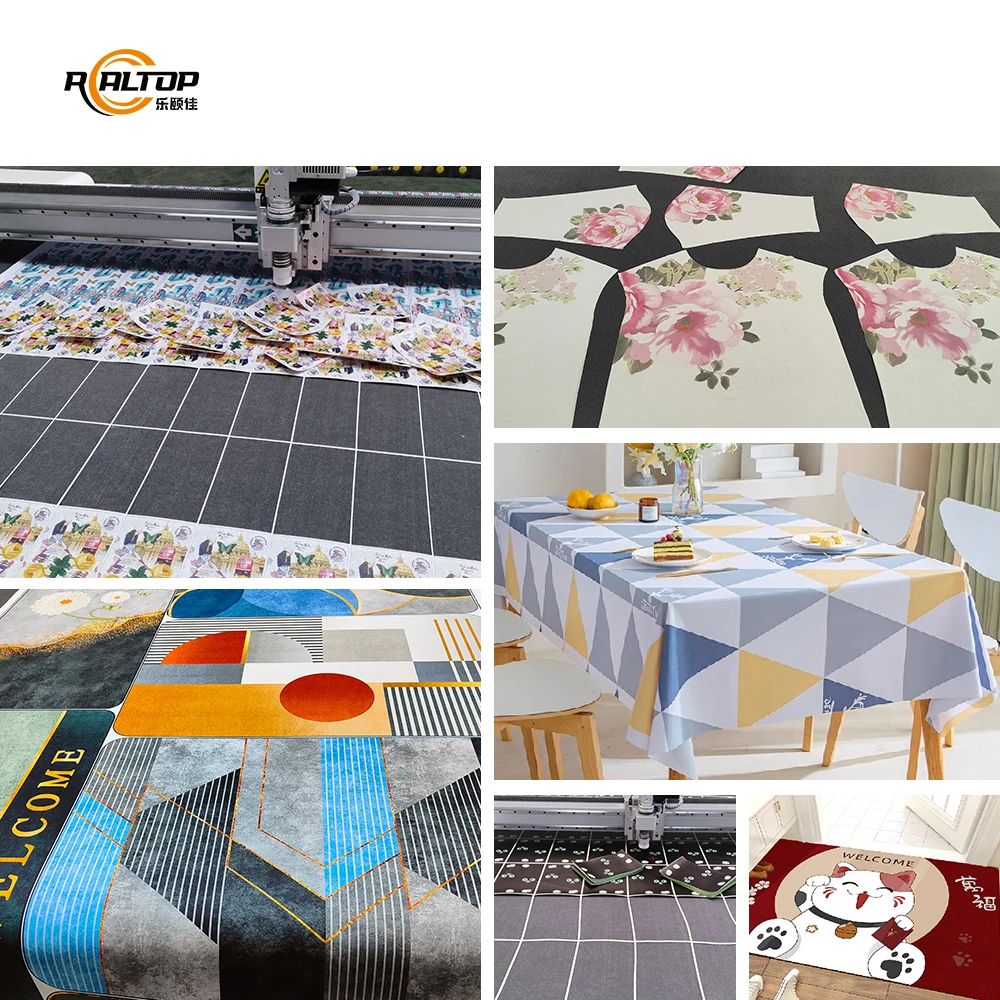
| Apparel & Suit Tailoring | Woven fabric, knitwear, lace, multi-layer textile lays |
| Automotive Interior Trim | Seat fabric, carpet, PVC floor mats, headliner material |
| Home Textile Production | Sofa upholstery, curtain panels, area rugs |
| Composite Material Processing | Carbon fiber prepreg, aramid weaves, specialty laminates |
| Packaging & Sample Making | Corrugated cardboard, carton stock, foam inserts |
| Signage & Display Graphics | PVC foam board, self-adhesive vinyl, magnetic sheet |
Why "Working Area Only" Specifications Fail the Buyer
A CNC oscillating knife cutting machine manufacturer that quotes working area without asking for your material type and thickness is handing you half a solution. Configuration must follow material, not catalog page.
I have watched fabric shops receive a machine rated for 30 mm depth, only to find that rating applies to soft foam — not the dense, glue-backed composite they actually run every shift. The blade chatters, the edge frays, and the operator spends more time re-cutting than producing [NEED_CITE: oscillating knife cutting performance across material density ranges]. Before any price conversation happens, the buyer needs to confirm which tool head, vacuum zoning and blade stroke will handle their specific stock.
Mapping the Full Cutting Equipment Range
This 1625 platform sits in the middle of a broader equipment family that spans oscillating knife, drag knife, CO2 laser and fiber laser. A buyer surveying options before narrowing to a method should compare knife versus laser across material type, thickness and daily volume. Knife cutting handles layered textiles and composites without heat-affected edges, while laser seals synthetics and engraves acrylic in a single pass. The manufacturer designs both technologies in-house, so the selection starts with your production requirement rather than a single machine catalog.
Knife Versus Laser by Substrate
When the substrate is natural fiber, multi-layer lays or glue-backed composites, the oscillating knife delivers a clean mechanical cut without burning or discoloration. When the job calls for acrylic lettering, MDF inlays or thin polyester sealing, the laser range takes over [NEED_CITE: thermal versus mechanical cutting selection criteria for flatbed systems]. This dual-technology approach means a distributor importing the full line can offer customers the right process for each application instead of stretching one machine across incompatible jobs.
Reading the Spec Sheet Against Your Production Reality
The 1600 × 2500 mm bed covers standard garment lays and most signage panels, but the real productivity variable is the vacuum hold-down. The 9 kW pump feeds an aluminum bellows table that must generate enough suction to keep thin vinyl or slippery carbon prepreg flat during 2000 mm/s traverse — small parts with short perimeter lengths are the first to lift if zoning is inadequate. The ± 0.1 mm positioning tolerance relies on rigid gantry geometry; servo drive selection across Panasonic, Delta and Dorna allows buyers to align motor response with their cutting complexity and budget. Intelligent nesting with automatic defect avoidance reduces material waste on expensive composites, though actual yield depends on mark quality and lay consistency entering the system.
The Hidden Cost of Skipping the Sample Cut
A buyer who approves shipment without seeing a sample cut on their own material assumes every edge will match the factory demo on standard PU leather. In reality, glue-backed automotive carpet, aramid prepreg and high-density EVA each demand a different blade amplitude, tool pressure and vacuum setting. Without a documented sample report, the machine arrives and the first production run reveals ragged edges, crushed foam cores or delaminated layers [NEED_CITE: flatbed cutting edge quality variables across adhesive-backed composites]. The rework cost and downtime fall on the buyer, not the spec sheet.
Why Source the Complete Range From One Manufacturer
- Dual-technology design team — Knife and laser engineering under one roof lets buyers match process to material rather than force a single method across incompatible substrates.
- Tool head and table specified per job — Seven interchangeable heads and configurable vacuum zoning are selected against the buyer’s material sample, not a default list.
- CCD contour positioning across the range — Printed registration marks are tracked for contour cutting on signage and packaging jobs where die-line alignment is critical.
- Software compatibility verified before order — DXF, PLT, AI and PDF import tested against the buyer’s existing nesting and design workflow.
- Voltage, language and plug confirmed in writing — 110 V, 220 V or 380 V options, control panel language and plug type documented before production begins.
Documentation & Verification
- Machine specification sheet with tool head and table configuration listed per confirmed material
- Electrical schematic showing voltage, breaker rating and dedicated circuit requirements for the 9 kW vacuum pump
- Sample cutting report produced on buyer-supplied material with edge photographs and dimensional check
- Software licence document with DXF, PLT, AI and PDF import compatibility confirmed against buyer workflow
- CE declaration covering the complete machine assembly including safety interlocks and emergency stop circuit
- Packing photographs showing bed protection, tool head securing and crate bracing before container loading
Installation, Commissioning & Support
- Floor space must accommodate the 3300 × 2100 mm footprint plus operator clearance on three sides
- Dedicated electrical circuit sized for combined spindle, vacuum pump and control panel load at confirmed voltage
- Machine ships with vacuum table and gantry pre-assembled; final alignment and belt tension set on site
- First-run parameter tuning covers blade amplitude, vacuum zoning and feed rate for the buyer’s primary material
- Operator training includes nesting software workflow, tool change procedure and file import from existing design systems
- Wear parts list covers oscillating blades, rotary knife discs, vacuum table seals and drive belts with reorder codes
What to Send With Your Inquiry
Provide the material type, thickness range and maximum sheet dimensions you plan to cut, along with daily volume targets. Specify your workshop voltage and frequency so the control panel, servo drives and vacuum pump are wired correctly before dispatch. If you already run nesting or CAD software, share a sample file so the DXF, PLT, AI or PDF import path is validated before the order is finalized.
Frequently Asked Questions
Q: How do I decide between oscillating knife and laser for my material?
A: Oscillating knife suits layered textiles, composites and glue-backed materials where heat would melt or discolor the edge. Laser is preferred for acrylic, thin polyester and wood where a sealed or polished edge is required. Send a material sample so both methods can be tested and compared on actual edge quality and cycle time.
Q: Can the 1625 handle small parts without them shifting on the vacuum table?
A: The aluminum bellows table paired with the 9 kW pump provides broad suction, but very small parts with short cut perimeters may lift. During sample cutting we evaluate whether zoning or a sacrificial overlay is needed for your specific part geometry.
Q: What voltage and language options are confirmed before shipment?
A: The machine is configurable for 110 V, 220 V or 380 V supply. Control panel language is selectable from English, Russian, Italian and Chinese, with other languages available on request. All electrical specifications are documented in the schematic before production starts.
Q: What should I include when sending material for a sample cut?
A: Send enough material for at least three test runs of your most demanding part profile, along with the actual backing paper or release liner if the material is adhesive-backed. Include your nesting file so we test the full import-to-cut workflow.
Q: Where does this model fit compared to other machines in the catalogue?
A: The 1625 covers mid-format flatbed cutting for apparel, automotive interior and signage applications. Larger format and higher-throughput models exist in the range for multi-layer fabric production; consult the full catalogue to match working area and tool configuration to your daily volume.










商品评价
There are no reviews yet.