

Fast Delivery
Quick, reliable shipping to any location.

Free & easy returns
Return this item by mail or in store within 90 days for a full refund.
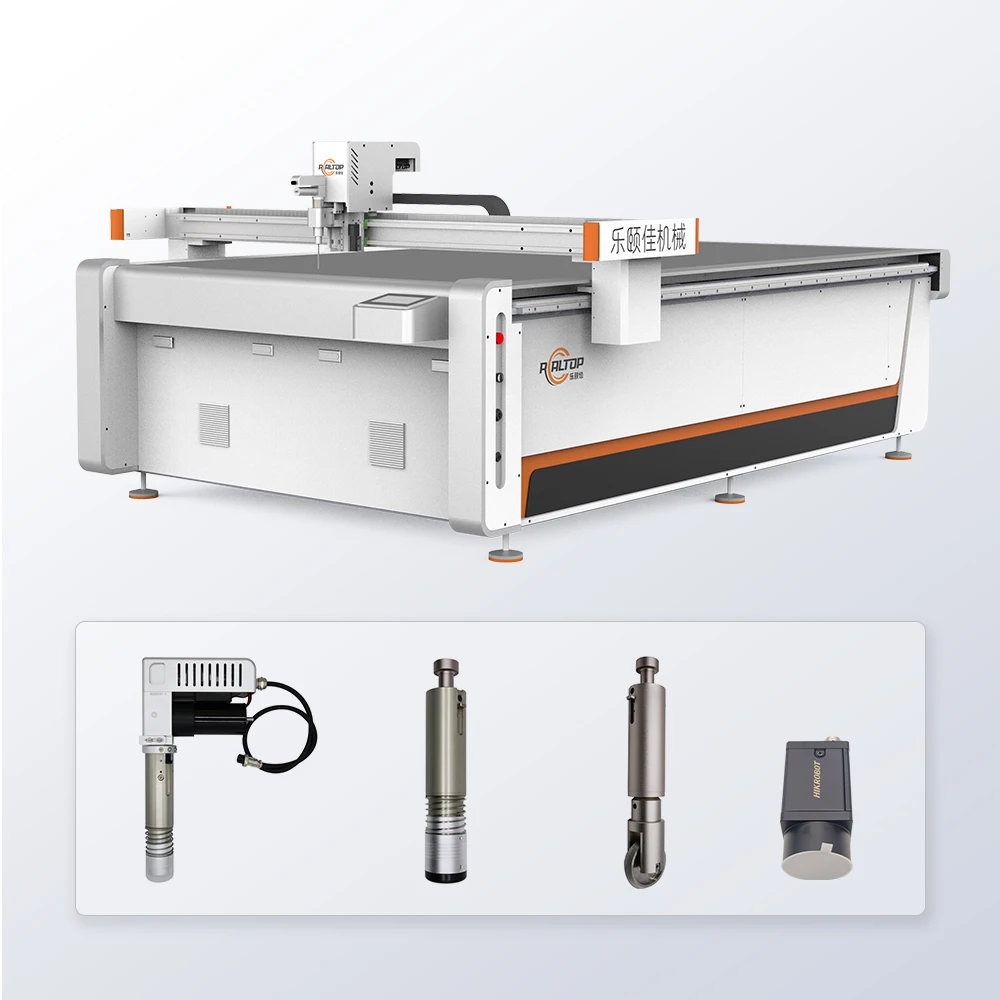
Versatile Cutting Configuration — tool heads and vacuum zones selected per material and production volume rather than forcing a single setup across every fabric type.
Technical Specifications
| Parameter | Value |
|---|---|
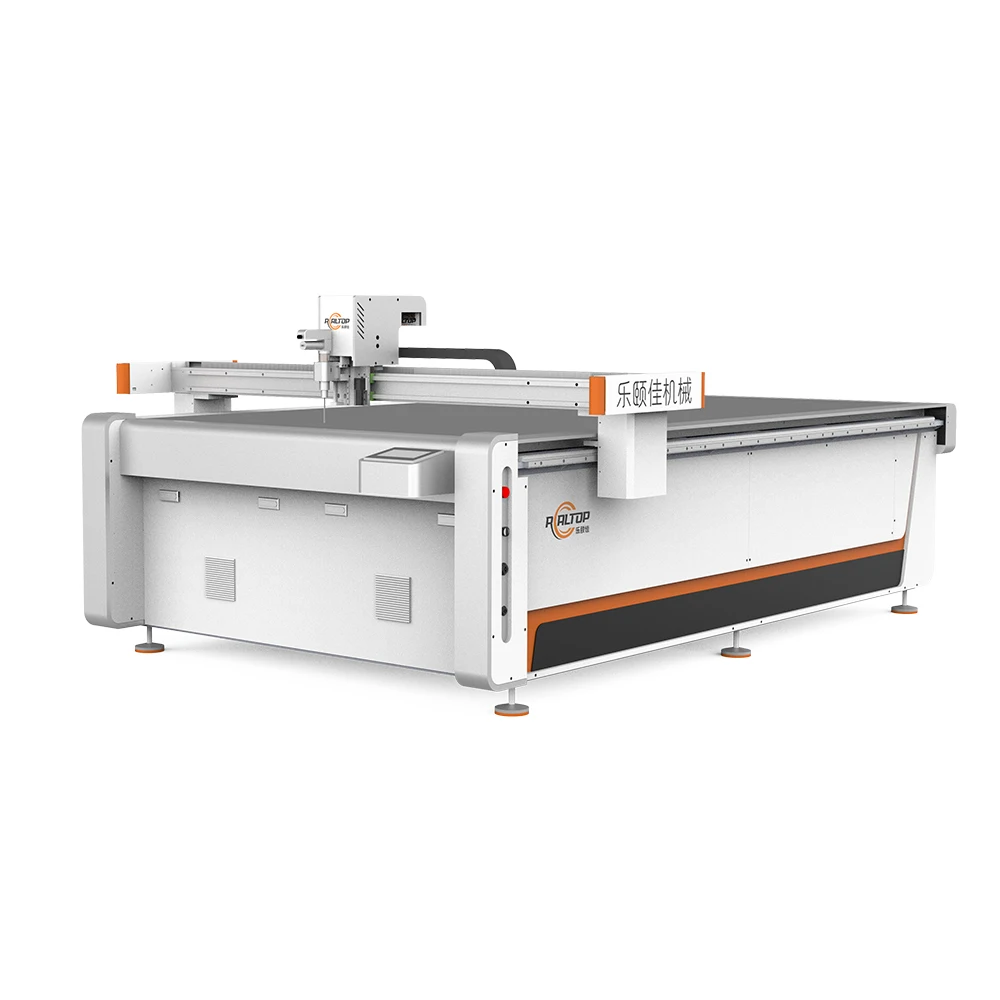
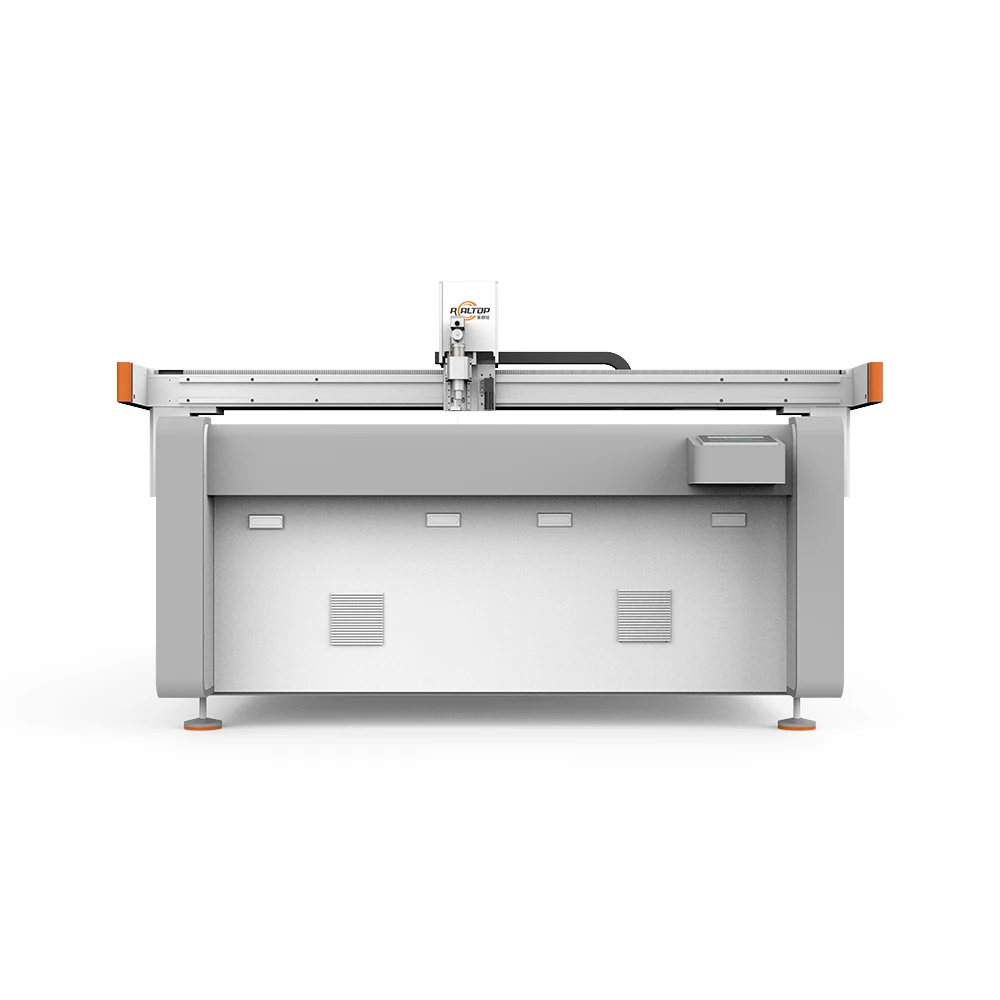
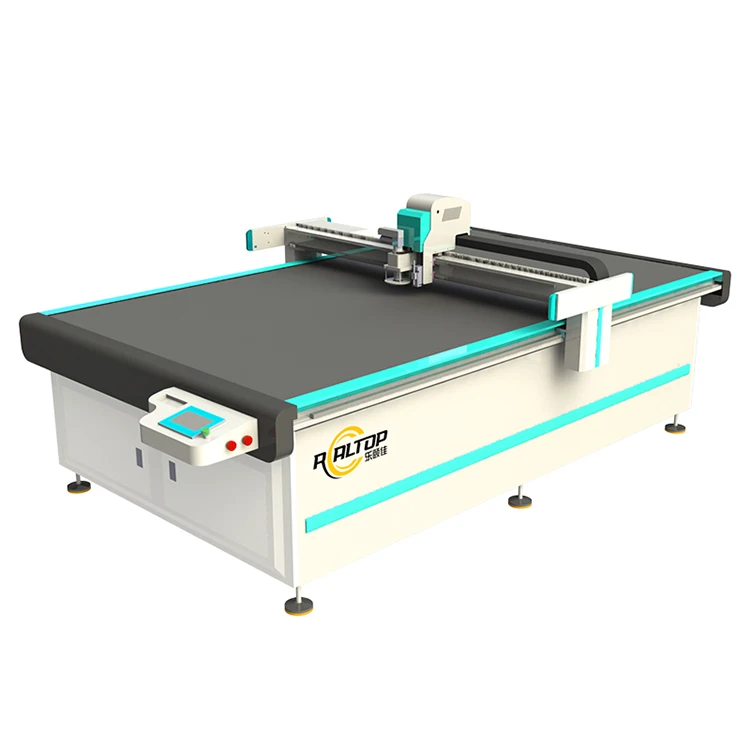
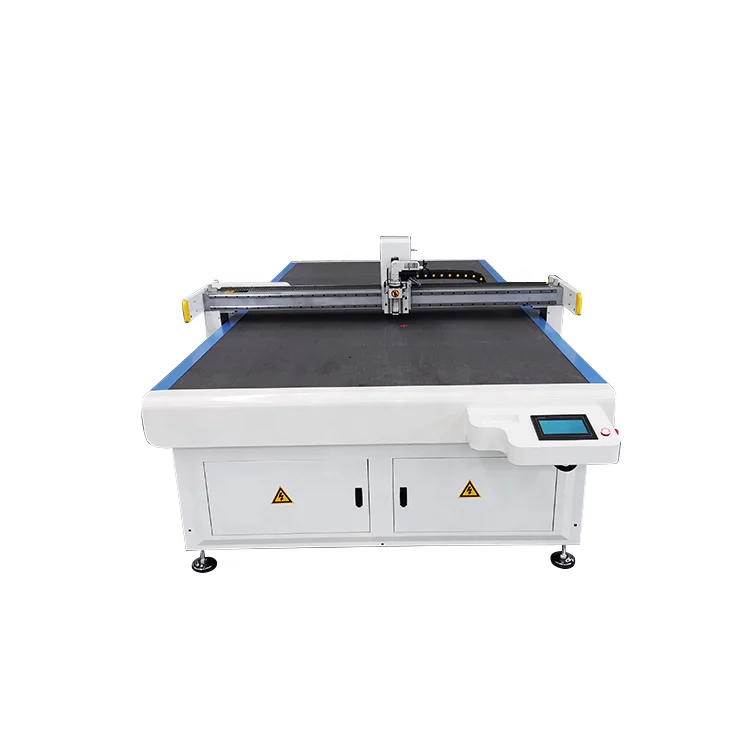
| Product Type | CNC Oscillating Knife Cutting Machine |
| Working Area | 1600×2500 mm |
| Cutting Speed | 0–2000 mm/s |
| Cutting Thickness | ≤ 30 mm (basis not stated in source — confirm material type and density) |
| Cutting Accuracy | ±0.1 mm |
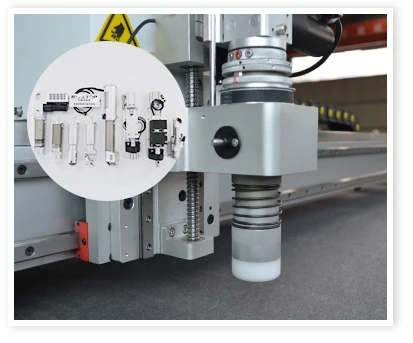
| Tools Available | Oscillating knife, Driven rotary knife, Creasing wheel, Kiss cutting tool, Pneumatic knife, Milling tool, V groove knife |
| Vacuum Pump | 9 kW |
| Vacuum Table | Aluminum bellows vacuum table |
| Control System | PLC control panel |
| Servo Motors | Panasonic, Delta, or Dorna options |
| Voltage Options | 110V, 220V, 380V |
| Language Options | English, Russian, Italian, Chinese (special languages customizable) |
| Profile Formats | PLT, DXF, AI, PDF |
| Safety Devices | Infrared sensor and emergency stop |
| Machine Size | 3300×2100×1350 mm |
| Assembly State | Fully assembled |
| Certification | CE referenced |
Application Suitability
| Application | Material or Output |
|---|---|
| Apparel manufacturing | Suits, knitwear, lace, multi-layer complex fabrics with nesting optimization |
| Automotive interiors | Seat fabrics, carpets, PVC mats requiring burr-free edges |
| Home textiles | Sofa fabrics, curtains, rugs with strong vacuum hold-down |
| Composite material processing | Carbon fiber prepreg, aramid layers with controlled depth |
What "Cutting Speed 2000 mm/s" Leaves Out About Your Fabric
The headline speed number only matters if the right tool head meets your specific material density and thickness.
I remember a buyer who ordered a machine based entirely on the speed rating, then spent three days on-site trying to cut through composite leather with reinforcing fiber layers. The standard PVC test samples we ran at the factory sailed through clean, but their actual production material required a completely different oscillating knife configuration and adjusted stroke frequency. That CNC oscillating knife cutting machine for sale was technically capable, but the setup needed adjustment once we had their real material in hand [NEED_CITE: material-specific tooling requirements in digital cutting systems].
Tool Head Selection and Material Matching
The available tool options — oscillating knife, driven rotary knife, creasing wheel, kiss cutting, pneumatic knife, milling, and V-groove — exist because no single blade geometry handles every fabric type cleanly. A driven rotary knife works well for continuous contour cuts on woven textiles, while an oscillating knife handles thicker foam or layered composites without crushing the material structure. Choosing the correct CNC oscillating knife cutting machine for sale means matching the tool to the material before the order is finalized.
Vacuum Table Zoning for Small Part Stability
The aluminum bellows vacuum table provides high flatness and sealing performance across the 1600×2500 mm working area, which matters when cutting small pattern pieces that tend to lift under blade pressure. Zoned vacuum activation allows operators to apply suction only where the material is being cut, reducing energy consumption while maintaining hold-down force on intricate garment pieces or automotive carpet shapes [NEED_CITE: vacuum zoning principles in flatbed cutting tables].
Reading the Specs That Actually Affect Your Production
The 9 kW vacuum pump capacity determines how effectively thin, porous fabrics stay flat during high-speed contour cutting — a weak pump means material drift and dimensional error on nested patterns. The ±0.1 mm cutting accuracy figure depends on the servo motor selection (Panasonic, Delta, or Dorna), where each option carries different torque response characteristics that affect corner quality on tight-radius fabric pieces. Voltage configurability across 110V, 220V, and 380V is not optional flexibility but a hard requirement; shipping a 380V unit to a facility wired for 220V single-phase means the machine sits idle until transformers arrive. The PLC control panel with multi-language support ensures operators can read error messages and adjust parameters without relying on translated paper manuals.
The Cost of Skipping the Sample Cut
Buyers who approve a tool head configuration based on catalog photos rather than physical samples on their own material often discover edge quality problems only after the machine arrives. Crushed foam, frayed fabric edges, or incomplete cuts through layered composites all point to a tool-and-material mismatch that could have been identified during pre-purchase testing. The rework cost — including material waste, production delays, and technician time — regularly exceeds what a sample cutting session would have required upfront [NEED_CITE: pre-purchase material testing protocols in cutting equipment procurement].
Why This Sourcing Path Works
In-house design and production covers both knife and laser cutting technologies, meaning a buyer working with mixed materials can match the cutting method to each application rather than forcing one technology across everything. Tool head and table configuration is specified per material type and production volume, not pulled from a default list. CCD camera positioning for printed contour work is available when registration marks need tracking on pre-printed textiles. Software compatibility is confirmed before the order ships, covering file format import and nesting workflow integration. Voltage, plug type, and control language customization happen during production rather than as an afterthought on the loading dock.
Documentation & Verification
- Machine specification sheet listing configured tool heads and vacuum table zones
- Electrical schematic confirming voltage, phase, and circuit breaker requirements
- Tool head and table configuration list matched to your stated material types
- Sample cutting report produced on your actual fabric or composite material
- Factory test record showing cutting accuracy and edge quality before dispatch
- Software license and file format compatibility note for your existing design workflow
Installation, Commissioning & Support
- Fully assembled delivery means the 3300×2100×1350 mm frame requires floor space plus clearance for material loading
- Dedicated circuit matching the confirmed voltage (110V/220V/380V) and 9 kW vacuum pump draw
- First-run calibration includes vacuum zone mapping and servo motor tuning for your material thickness
- Operator training covers PLC control panel functions in the confirmed language (English, Russian, Italian, Chinese, or custom)
- Spare parts list identifies consumable blades and vacuum seal replacement intervals
- Preventive maintenance schedule covers oscillating knife lubrication and aluminum table surface cleaning
What We Need to Build Your Configuration
To specify the right tool head and vacuum setup, provide your primary material types with thickness ranges, typical sheet dimensions, and daily cutting volume. Confirm your facility voltage and frequency, the control language your operators need, and whether your design files use PLT, DXF, AI, or PDF formats. If your production involves printed contours, let us know so we can discuss CCD positioning requirements and send sample cut results on your actual material before commitment.
Frequently Asked Questions
Q: How do I choose between oscillating knife and rotary knife for my fabric?
A: Oscillating knives handle thicker, layered, or compressible materials like foam and composites by punching through without crushing. Rotary knives suit thinner woven textiles and continuous contour work where edge smoothness matters more than depth penetration. Sample cutting on your actual material confirms which tool produces the edge quality your product requires.
Q: Does the 1600×2500 mm working area fit standard fabric roll widths?
A: Most apparel and home textile fabric rolls fall within this width range, allowing full-width cutting without repositioning. If your material comes in wider rolls or you cut from pre-stacked plies exceeding this footprint, a larger table configuration may be necessary to avoid repositioning and registration errors during nested cutting.
Q: Will the software import my existing nesting files?
A: The system accepts PLT, DXF, AI, and PDF formats, covering most standard output from garment CAD and sign design software. Confirm your specific software export format before the order so compatibility testing happens during production, not after delivery when you are trying to start production runs.
Q: What happens if vacuum hold-down is insufficient for my small pattern pieces?
A: The aluminum bellows table supports zoned vacuum activation, concentrating suction under the active cutting area where small pieces are most vulnerable to blade-lift. Zone configuration is set during commissioning based on your typical pattern layout to ensure hold-down force reaches intricate shapes without wasting energy on empty table areas.
Q: Can the control panel language be changed after delivery?
A: Language options including English, Russian, Italian, Chinese, and custom languages are configured during production. While some changes may be possible afterward, confirming the correct language before the CNC oscillating knife cutting machine for sale ships ensures operators can read all menus, error messages, and parameter settings from the first day of operation.










商品评价
There are no reviews yet.