

Fast Delivery
Quick, reliable shipping to any location.

Free & easy returns
Return this item by mail or in store within 90 days for a full refund.
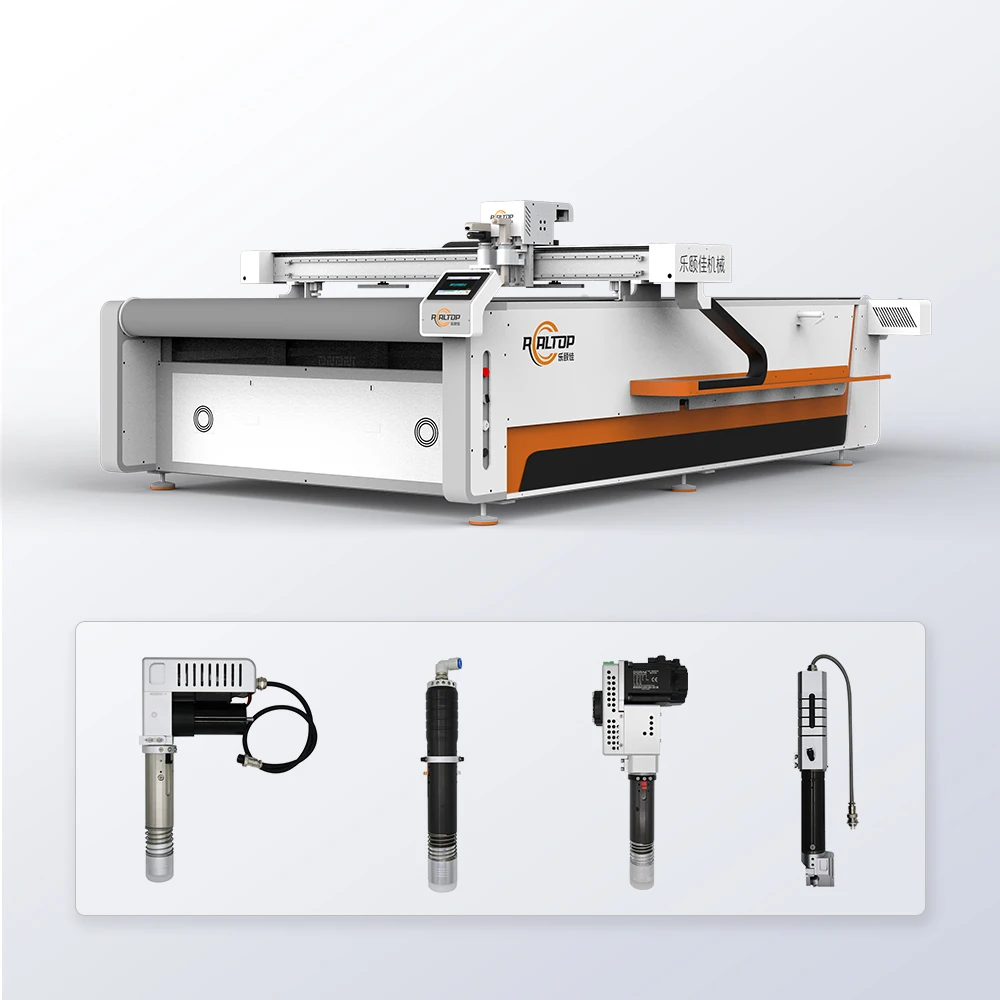
Custom tooling matched to material — Our in-house design team specifies oscillating knife, drag knife, or laser heads based on your actual fabric weight and coating type, preventing edge fraying or crushed fibers on the production floor.
Technical Specifications
| Parameter | Value |
|---|---|
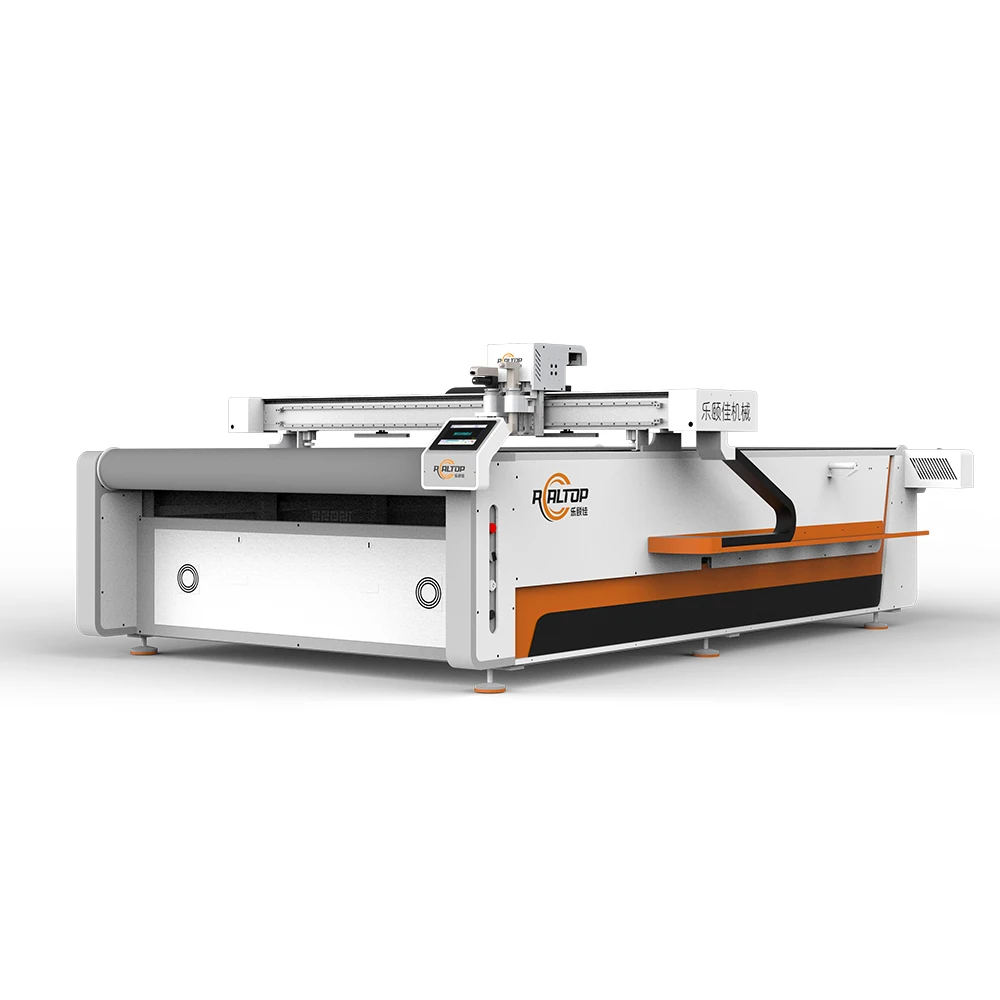
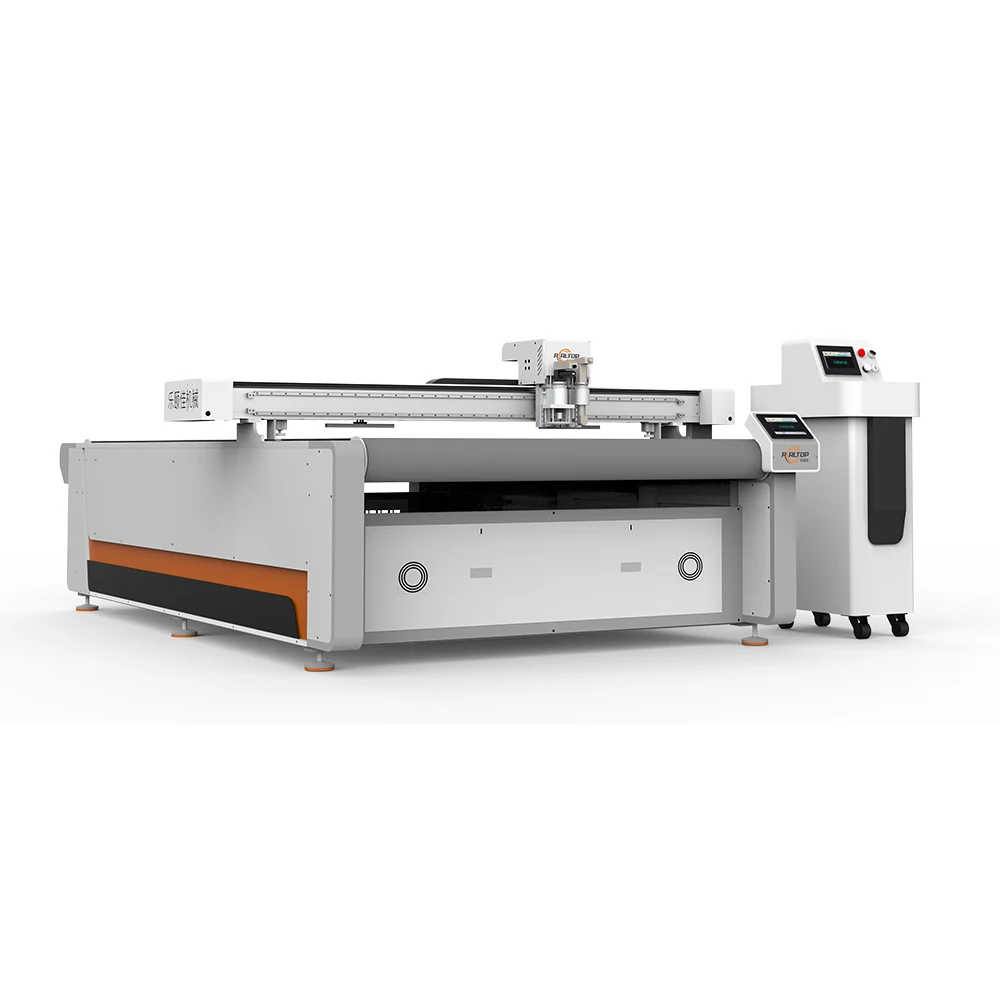
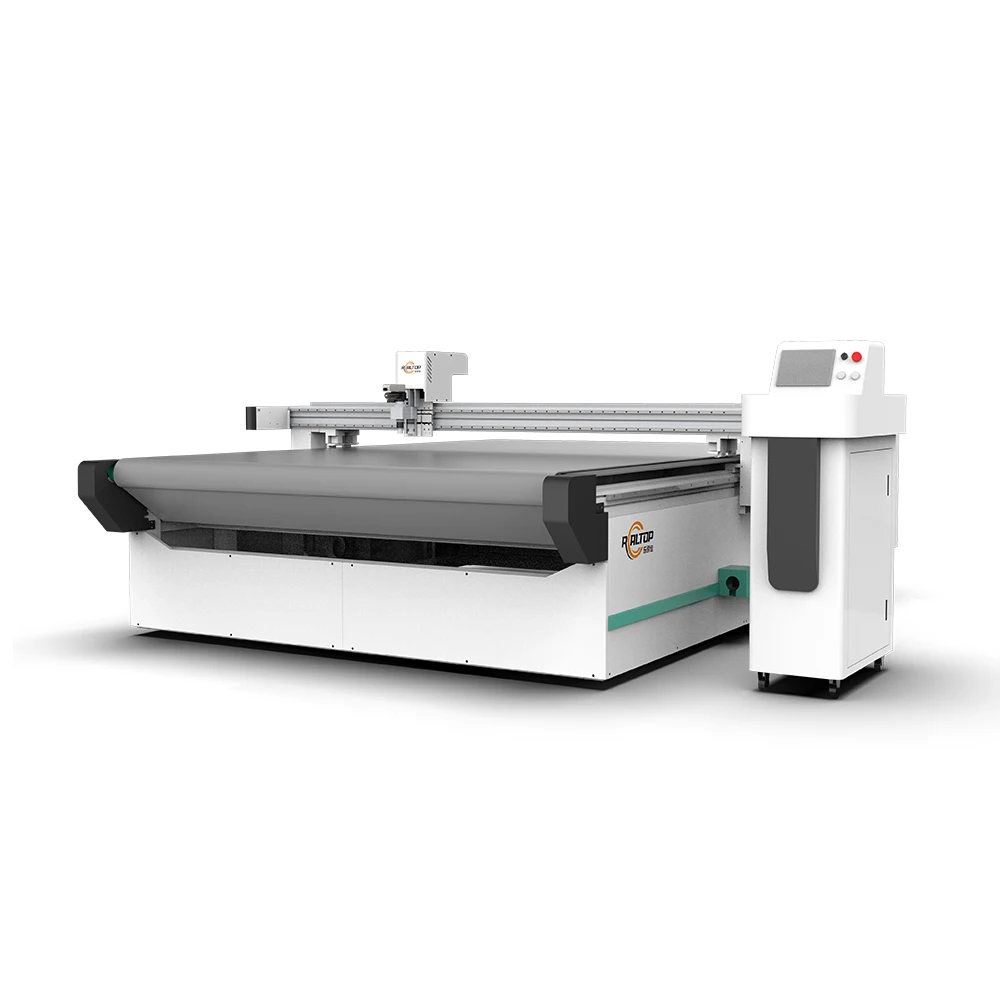
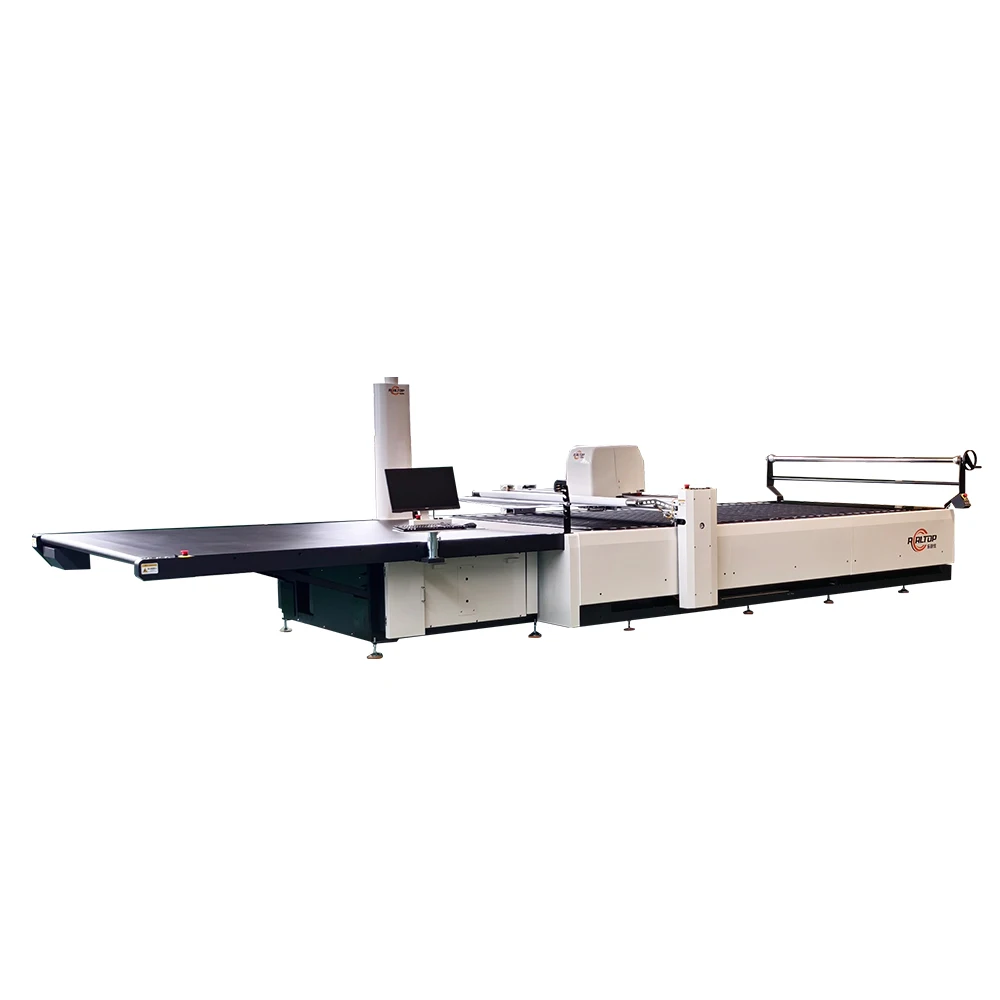
| Product Type | Automatic Feeding CNC Oscillating Knife Cutting Machine |
| Working Area | 1600×2500 mm |
| Overall Dimensions (L×W×H) | 3450×2300×1250 mm |
| Rated Power | 9 kW |
| Voltage | 380V±10% |
| Table Option | Flat working table / Auto feeding table |
| Cutting Head | Swiss imported knife (vibration full/half cutting, cursor location) |
| Translational Velocity | 800–2000 mm/s |
| Cutting Speed | 200–800 mm/s (varies with material) |
| Repeated Accuracy | ≤0.1 mm |
| Transmission | Digital servo motor, linear guide, synchronous belt, ball screw |
| Instruction Format | HP-GL compatible |
| Safety Device | Infrared sensors, anti-collision, emergency stop |
| Vacuum Pump | 7.5 kW |
| Vacuum Table | Magnesium-aluminum alloy, PVDF powder spraying, hard oxidation |
| Servo Motor Options | Delta or Panasonic (IP67 waterproof) |
| Linear Guide | Taiwan Hiwin rail |
| Control Panel | Touch screen, multiple languages |
| Software | Auto typesetting; supports PLT, DXF, AI formats |
| Frame | Welded thick-walled seamless steel, high-temp tempering, CNC machined |
| Cutting Thickness | ≤100 mm (varies with material density) |
| Standards | CE (source value — verify against manufacturer catalog) |
Application Suitability
| Application | Material or Output |
|---|---|
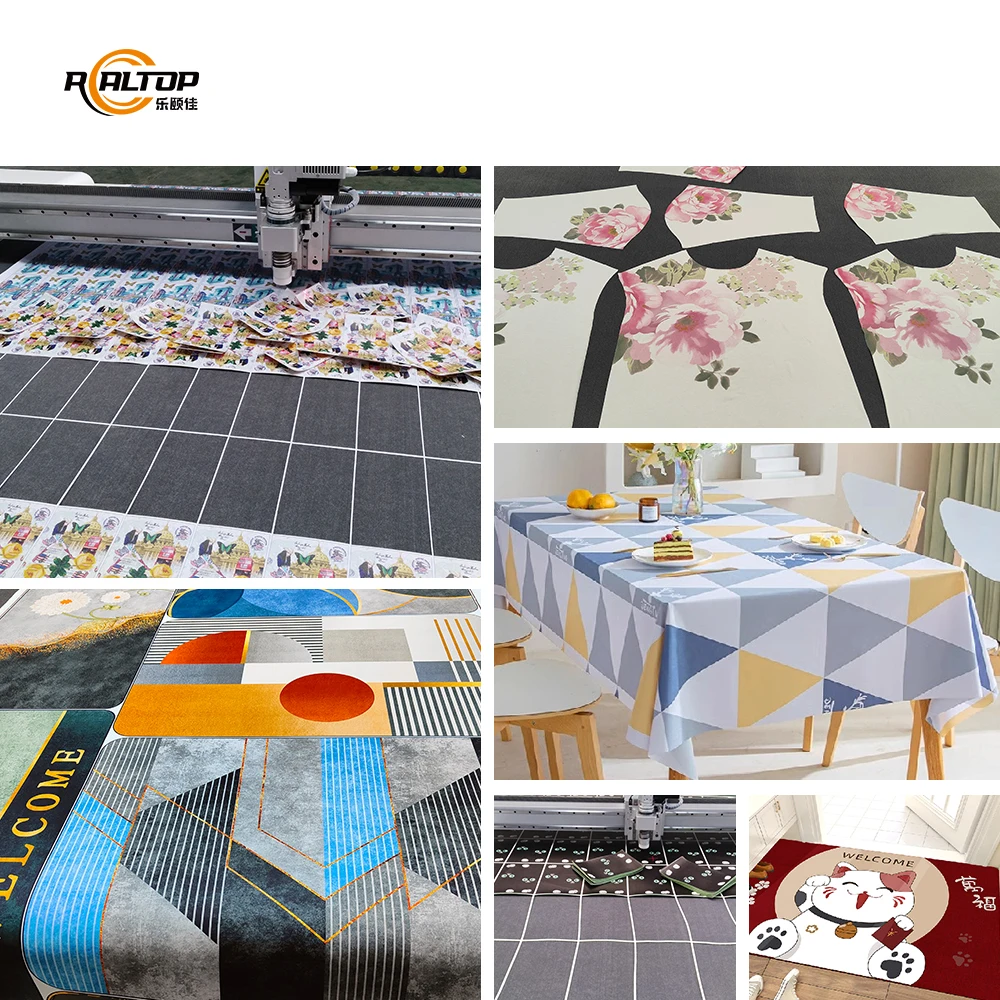
| Soft home furnishings & upholstery | Velvet, linen, canvas, and non-woven fabric layers |
| Automotive interiors & floor mats | PVC drop stitch fabric, synthetic leather, PU foam, carpets |
| Footwear & luggage production | Shoe material, luggage cloth, PU, EVA, XPE sheets |
| Graphic advertising & signage | Sticker film, corrugated cardboard, PVC board |
| Sports & outdoor goods | Composite materials, fiberglass cloth, PTFE, ETFE |
| Gasket & sealing production | Rubber, sponge, PTFE, gasket material |
When the Machine Specs Ignore Your Material’s Real Thickness
Specifying a CNC Oscillating Knife Cutting Machine manufacturer based on table size alone guarantees a mismatch when the material coating adds density the blade cannot handle.
I once configured a cutter for a Middle East client producing PVC drop stitch inflatables. We tested the sample runs using standard drop stitch material, which processed cleanly. However, their actual production stock featured a significantly thicker, harder coating layer. When the machine arrived on-site, the parameters were entirely wrong. The blade chattered, the edges were heavily frayed, and the vacuum hold-down failed to keep the stiff material flat. This is why verifying cutting depth against material density, not just sheet dimensions, is mandatory before confirming any configuration [NEED_CITE: cutting force requirements for coated technical textiles].
Configuring the Blade for Coated Technical Textiles
The Swiss imported knife head on this Automatic Feeding CNC Oscillating Knife Cutting Machine provides vibration full cutting and half cutting, which is critical when slicing through the dense drop stitch yarns without tearing the surface PVC. When the oscillation frequency matches the material resistance, the edge remains sealed and clean. A static drag knife would simply drag and bunch the fabric. The manufacturer’s ability to swap tool heads means the machine is not forcing a single cutting method across incompatible materials.
Matching Vacuum Zones to Inflatable Panel Geometry
A 7.5 kW vacuum pump paired with a magnesium-aluminum alloy table provides the suction required to hold heavy PVC drop stitch panels flat. However, suction is only effective if the table zoning matches the part size. Large panels cover multiple zones easily, but when cutting smaller gussets or valve patches, insufficient zoning allows the stiff material to lift, ruining the contour accuracy. The PVDF coated, hard oxidized table surface ensures the high-friction material does not slide during high-speed translational moves up to 2000 mm/s [NEED_CITE: vacuum table zoning standards for flexible material cutting].
Translating Parameters into Production Reality
The 1600×2500 mm working area accommodates standard PVC drop stitch rolls, but the 9 kW rated power is what drives the high-frequency oscillation needed for thick coatings. The repeated accuracy of ≤0.1 mm is maintained by the Taiwan Hiwin linear rails and ball screws, preventing the drift that causes misaligned panels in inflatable assembly. The digital servo motors (Delta or Panasonic options) ensure the 200–800 mm/s cutting speed remains consistent even when the blade encounters the dense internal yarn structure of the drop stitch fabric. If the frame was not welded from thick-walled seamless steel and tempered, the vibration from cutting 100 mm thick foam composites would introduce harmonic resonance, degrading edge quality over long shifts.
The Hidden Cost of Skipping Material Sampling
When buyers bypass physical sample cutting, they often discover post-delivery that the selected tool head produces ragged edges on their specific composite layering. A machine configured for thin garment cloth will crush thick EVA foam or fail to penetrate the woven core of drop stitch fabric. This results in secondary manual trimming, which negates the purpose of automated nesting software. Furthermore, if the software cannot import the buyer’s existing DXF or AI files, the nesting efficiency drops, wasting expensive technical textiles [NEED_CITE: material yield loss in manual versus automated nesting].
Why Sourcing Directly from the Production Floor Matters
Our in-house design team covers both knife and laser technologies, meaning we recommend the cutting method based on your material’s thermal properties, not just our inventory. We confirm voltage, plug type, and control language before the order enters production, preventing on-site electrical mismatches. Every machine undergoes a factory test using the buyer’s specific material, generating a sample cutting report that proves the configuration works before crating. The thick-walled steel frame is CNC machined after tempering, ensuring the geometric stability required for precision cutting over years of operation.
Documentation & Verification
- Machine specification sheet detailing working area, tool head options, and voltage confirmation
- Factory test record and sample cutting report on your specific PVC drop stitch material
- Electrical schematic and voltage confirmation for local grid compatibility
- Software licence and file format compatibility note (PLT, DXF, AI)
- Operation and maintenance manual with spare parts list
Installation, Commissioning & Support
- Requires a level concrete floor to support the 3450×2300×1250 mm footprint and dynamic cutting forces
- Dedicated 380V±10% circuit required to handle the 9 kW machine load plus the 7.5 kW vacuum pump
- Touch screen control panel configured to operator’s preferred language prior to dispatch
- First-run parameter setting on your actual material thickness and coating density
- Training on tool head swapping and blade replacement for different fabric types
- Routine maintenance schedule for linear guides and vacuum table filter cleaning
Preparing Your Material Data for Configuration
To ensure the CNC Oscillating Knife Cutting Machine manufacturer configures the correct tool head and vacuum zoning, please provide the specific material composition, total thickness including any coating layers, and the maximum sheet width you intend to process. We also need to know your local voltage and frequency standards, as well as the CAD software you currently use for nesting. If you are processing multiple material types, send physical samples of the thickest and most abrasive variants for our factory test run.
Frequently Asked Questions
Q: How do I determine if an oscillating knife is better than a laser for my PVC drop stitch fabric?
A: Oscillating knives are preferred for thick, coated technical textiles like PVC drop stitch because they cut through the dense yarn core without melting the synthetic coating. Lasers can seal edges on thinner synthetics but may burn or melt thick PVC layers, releasing fumes and leaving a hardened edge that complicates subsequent welding or gluing processes. We test both methods on your sample to confirm the optimal choice.
Q: What file formats does the auto typesetting software accept for nesting?
A: The software natively supports PLT, DXF, and AI file formats, which covers most industry-standard CAD outputs used in signage and inflatable manufacturing. Before the order is finalized, we verify compatibility with your specific design software version to ensure the nesting workflow transfers directly to the machine controller without requiring manual re-drawing or conversion errors.
Q: How is the vacuum table configured to hold small, stiff parts flat during cutting?
A: The magnesium-aluminum alloy table is divided into multiple vacuum zones. For large drop stitch panels, multiple zones are activated simultaneously. When cutting smaller gussets or valve patches, the operator isolates specific zones to concentrate the 7.5 kW suction power, preventing the stiff, coated material from lifting off the table surface during high-speed contour cuts.
Q: What happens if my local voltage differs from the standard 380V configuration?
A: Voltage and frequency must be confirmed before production begins. We configure the electrical cabinet, servo motors, and vacuum pump to match your local grid specifications, whether that requires step-up transformers or specific 50Hz/60Hz motor windings. This prevents immediate component failure upon commissioning and ensures the digital servos maintain their ≤0.1 mm accuracy.










商品评价
There are no reviews yet.