

Fast Delivery
Quick, reliable shipping to any location.

Free & easy returns
Return this item by mail or in store within 90 days for a full refund.
Vision-Configured Cutting — panoramic camera positioning verified on buyer-supplied printed media before the machine leaves the factory floor, not just on a clean demo sample.
Technical Specifications
| Parameter | Value |
|---|---|
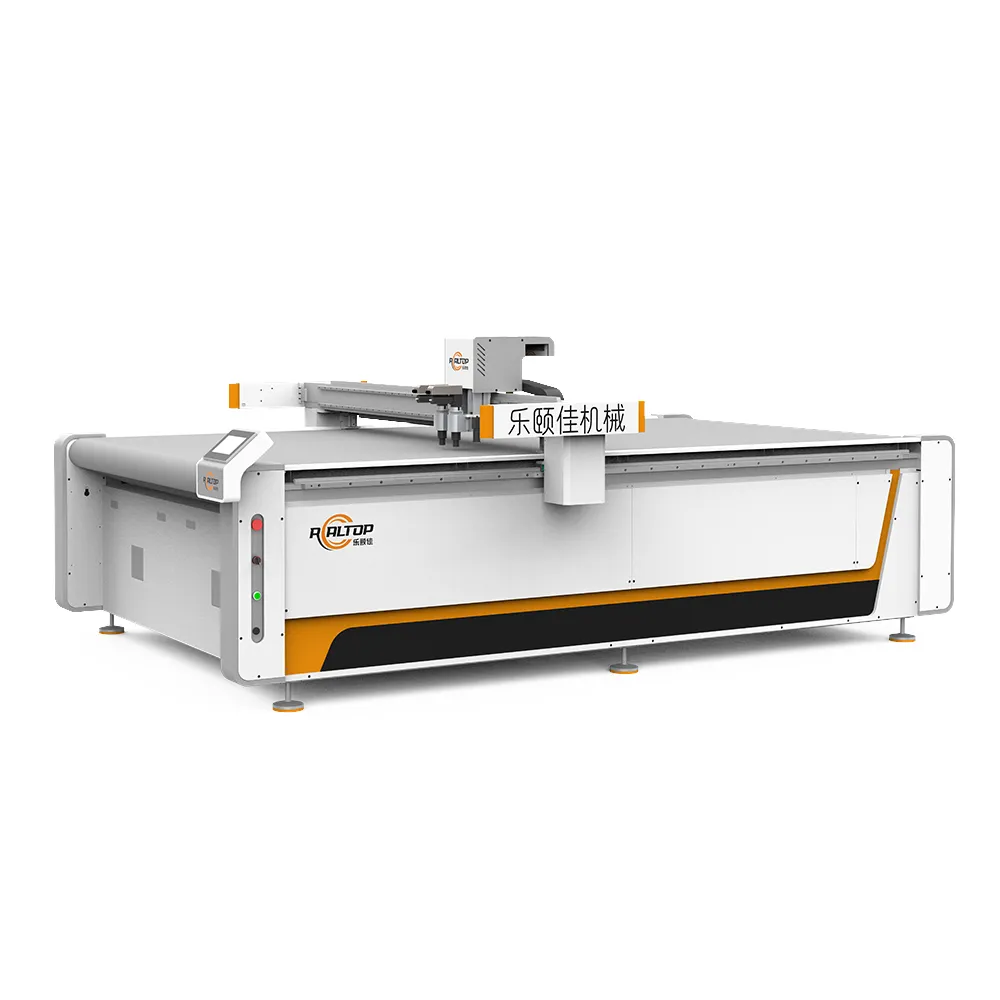
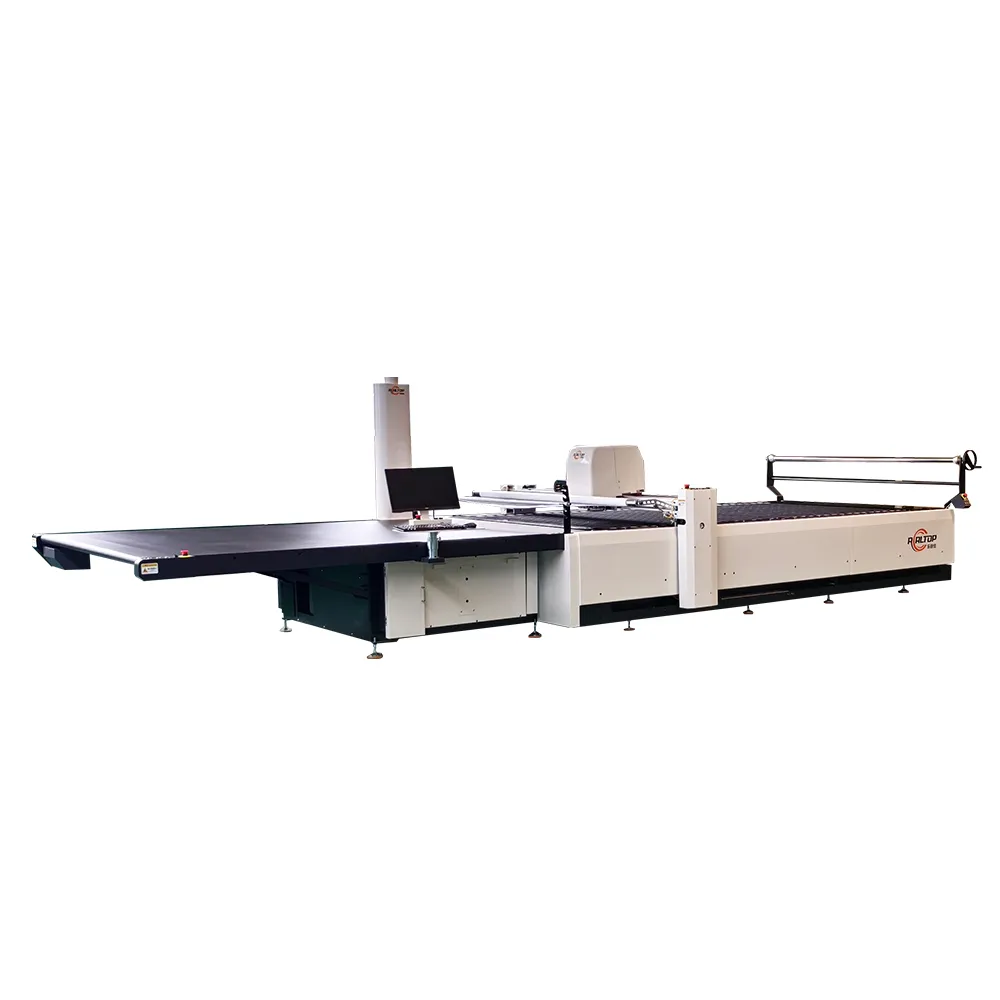
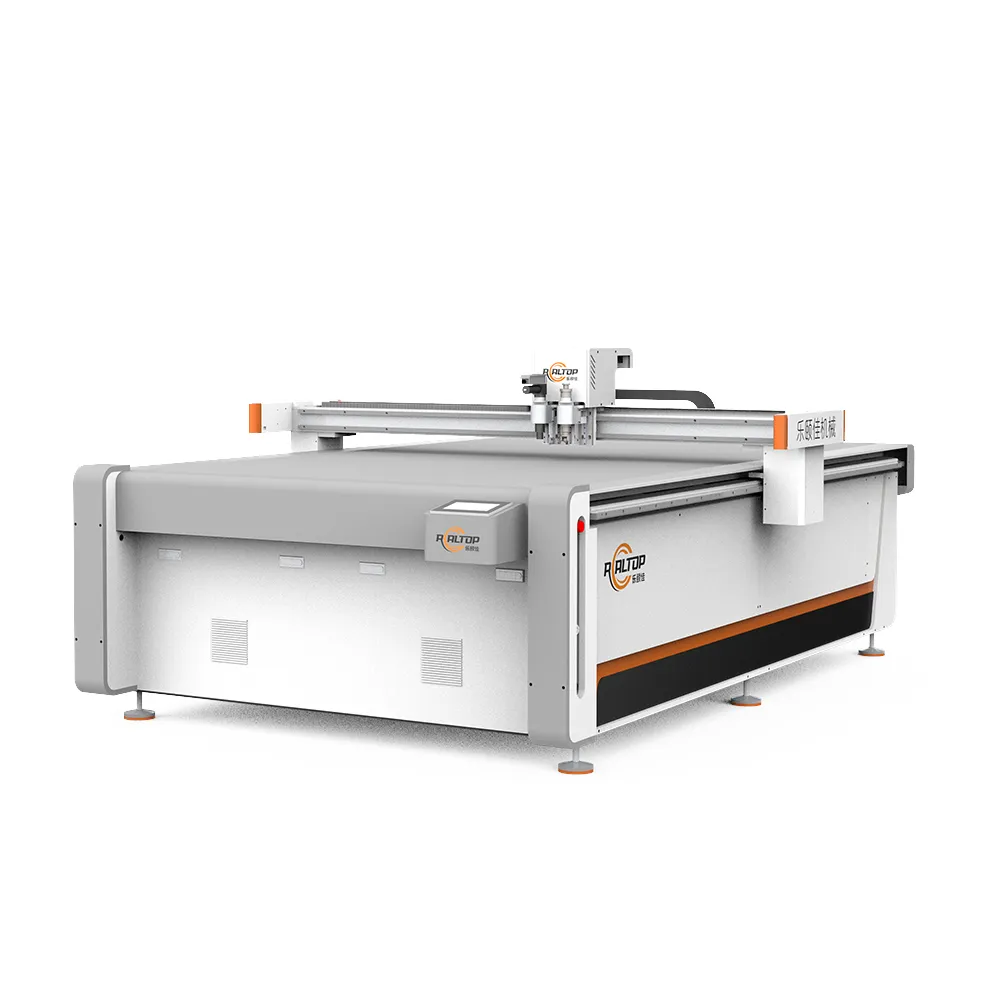
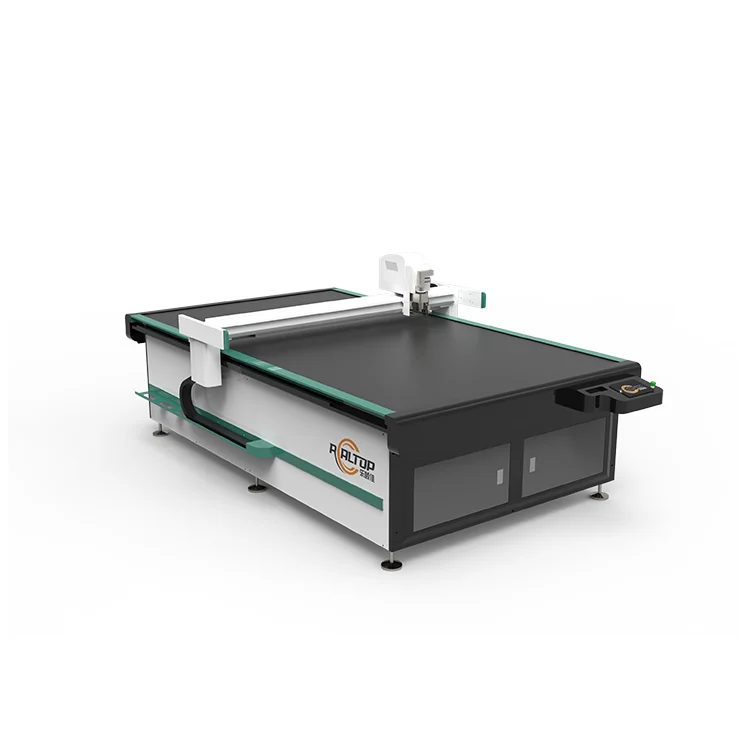
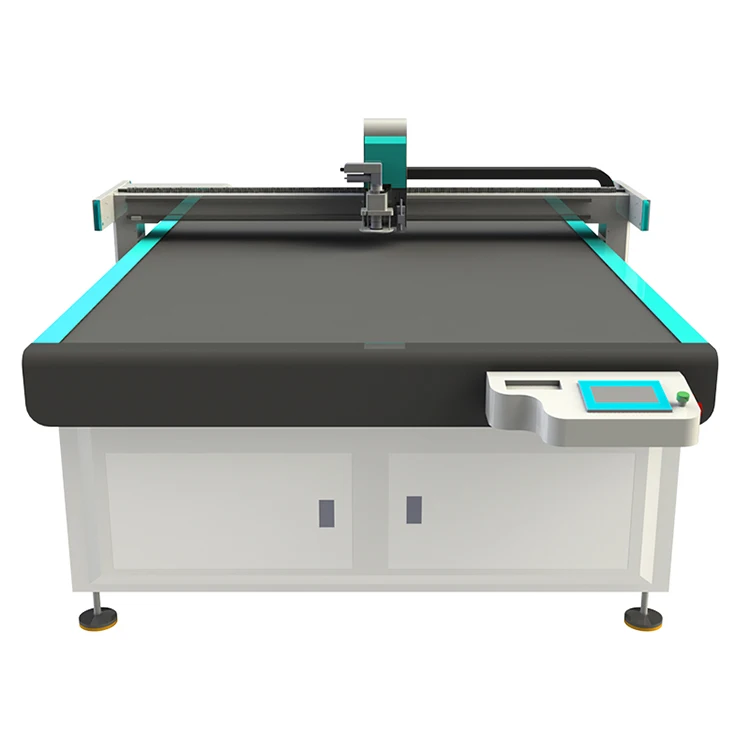
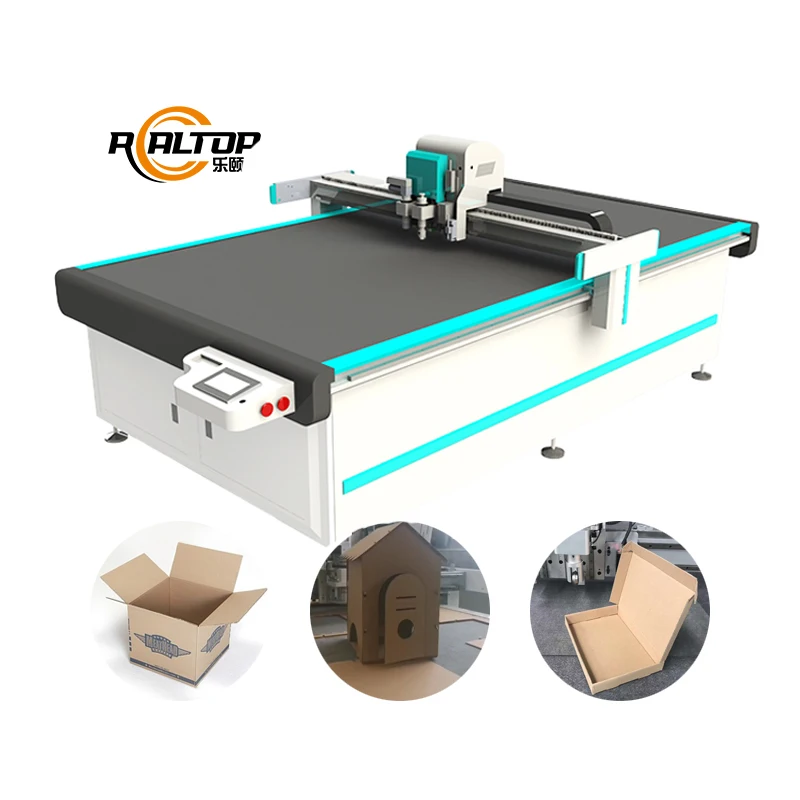
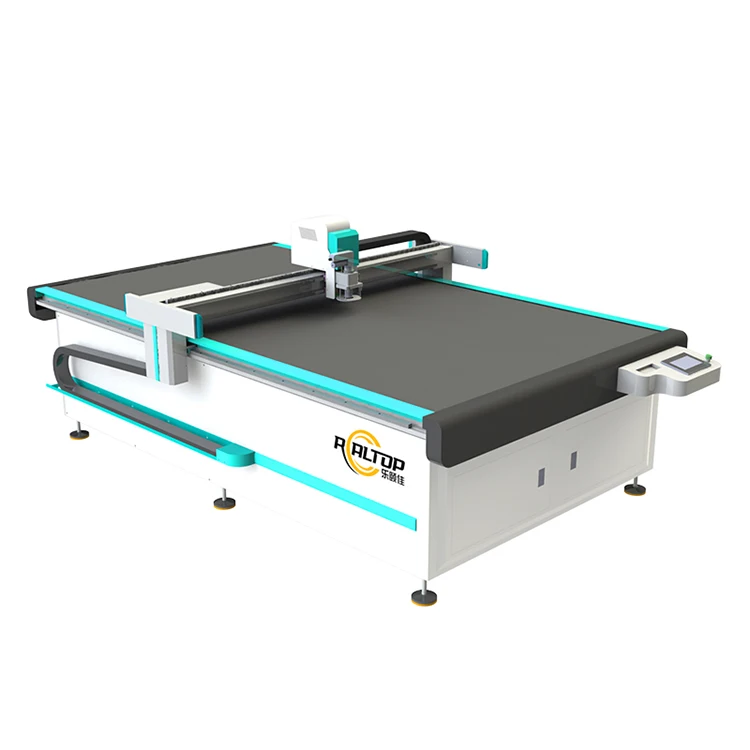
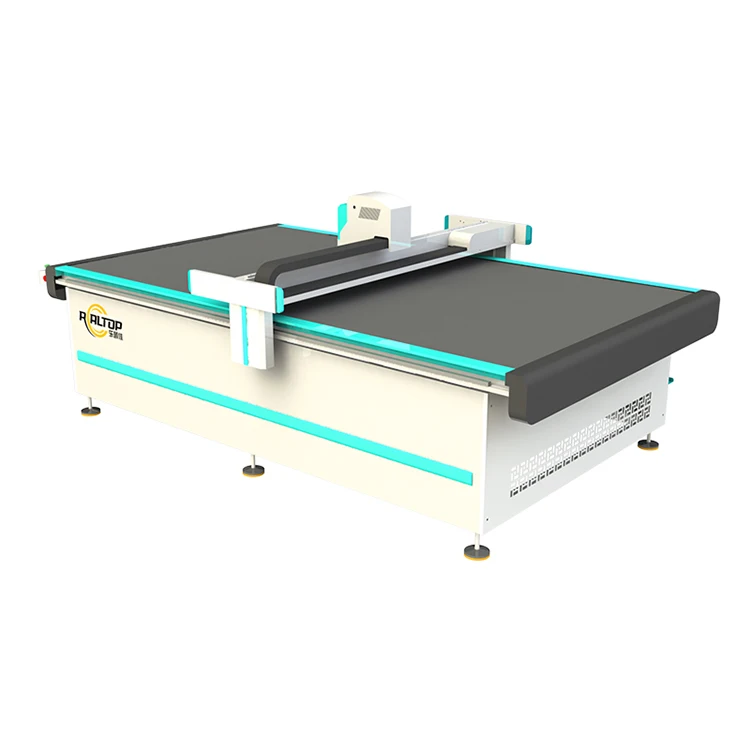
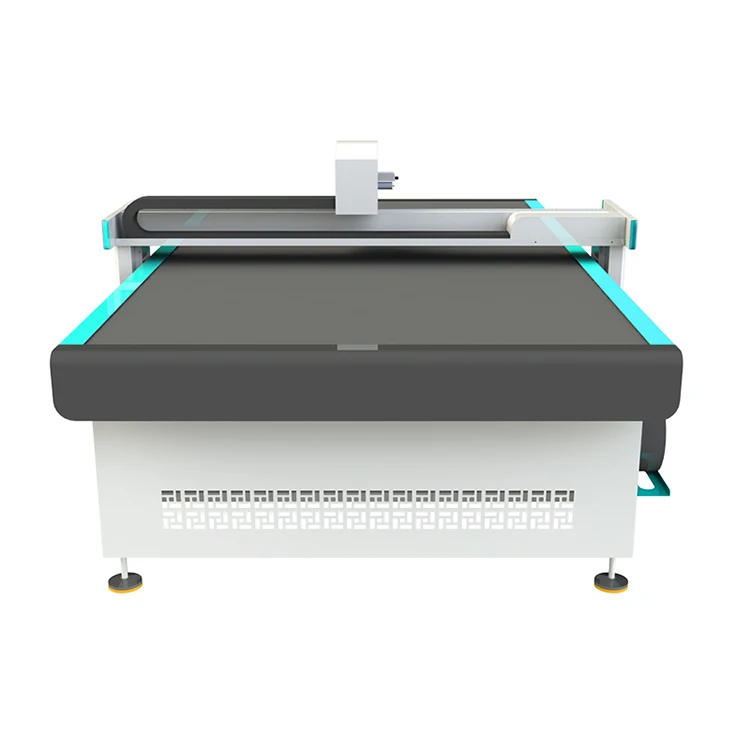
| Product Type | CNC Oscillating Knife Cutting Machine with CCD Vision |
| Effective Cutting Area | 2500×1600mm / 2500×2200mm / 3000×2200mm |
| Maximum Speed | 2000mm/s (basis not stated in source — confirm material type and thickness) |
| Reset Accuracy | ±0.1mm |
| Cutting Thickness | ≤40mm (basis not stated in source — confirm material type) |
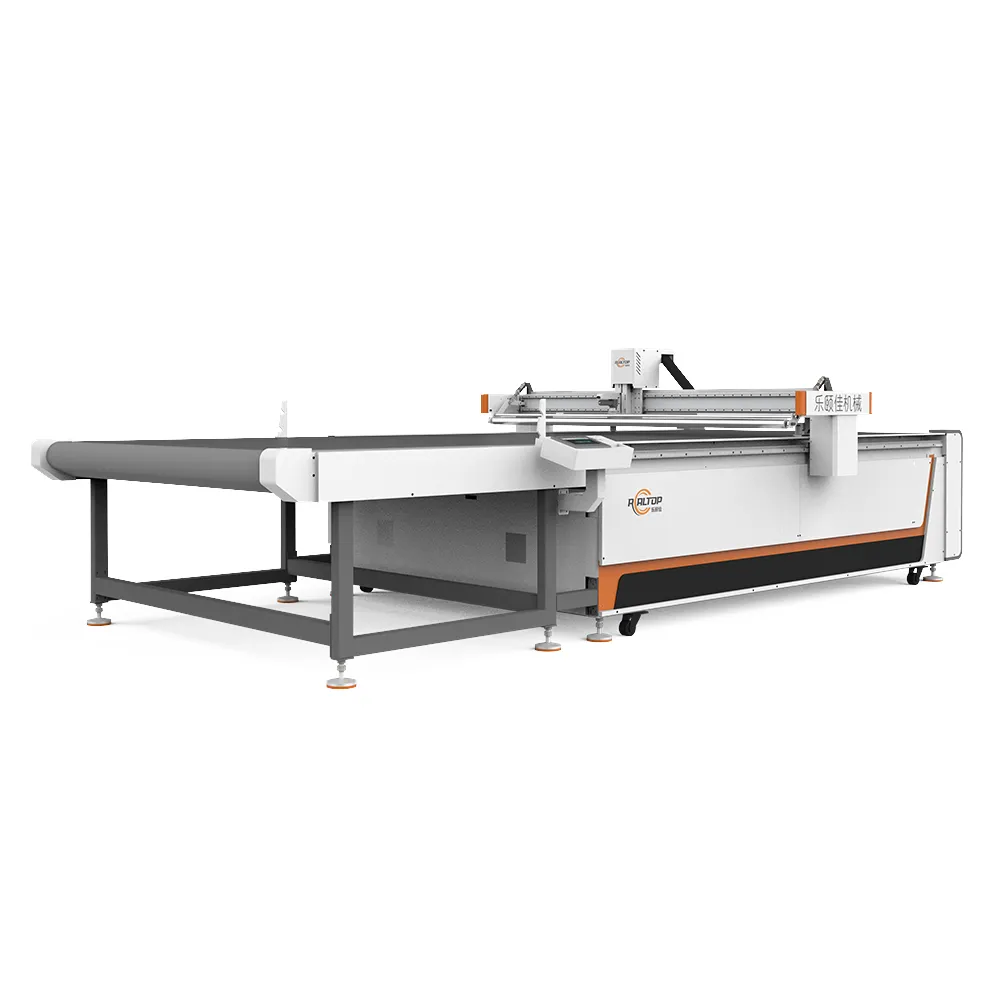
| Table Type | Automatic feeding conveyor system |
| Vision System | Panoramic visual positioning for edge and template cutting |
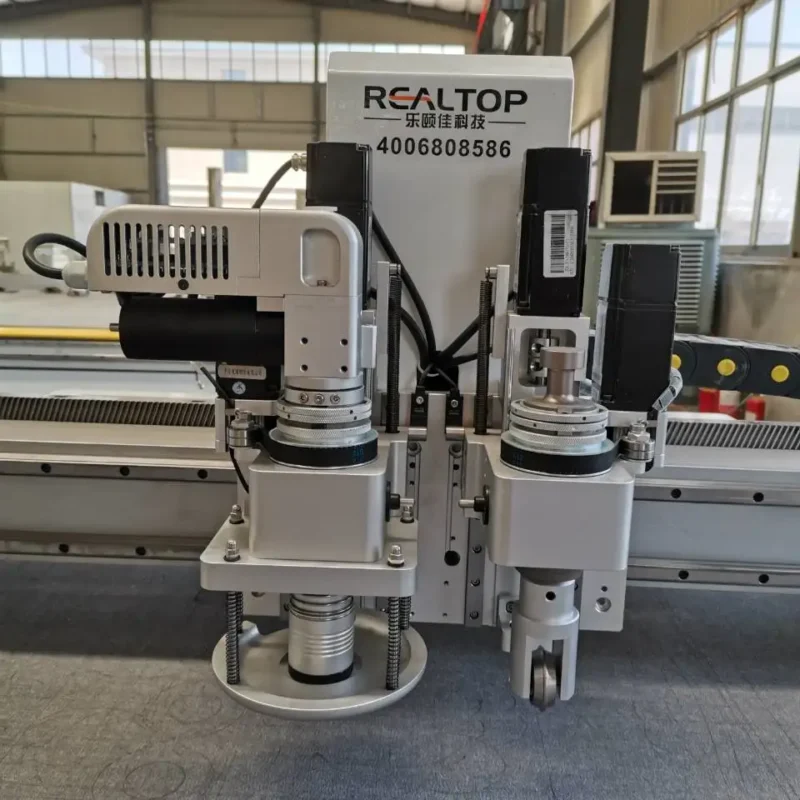
| Optional Tool Heads | Round knife, oscillating knife, marking pen |
| Data Formats | dxf, plt, ai, pdf |
| Safety Device | Infrared blocking stop and anti-collision protection |
| Voltage | 380V / 220V (frequency not specified in source) |
| Control System | REALTOP customized high-speed control system |
| Belt Type | Industrial glass fiber tension cord belt |
| Bed Construction | Quenched bed, internal stress eliminated |
| Wiring | Oxygen-free copper shielded wire |
Application Suitability
| Application | Material or Output |
|---|---|
| Advertising and signage contour cutting | Printed vinyl, banner material, flexible PVC and board |
| Textile fabric cutting with pattern recognition | Printed woven fabric, technical textiles, garment panels |
| Template-based edge cutting | Flexible sheet materials requiring continuous roll or sheet feed |
Why Promised CCD Tracking Often Fails at Actual Production Speed
A panoramic vision system configured for the buyer’s specific print quality and target cutting speed, verified on the actual production material before shipment.
One of the most frequent complaints I hear from buyers in the Latin American market is that a machine’s contour recognition worked perfectly during the factory demonstration but started losing registration marks once installed on the shop floor. The issue is rarely the camera itself — it is usually that the vision system was calibrated for a high-contrast test pattern rather than the slightly faded, unevenly lit prints that come off a real solvent or UV printer running banner and textile jobs. When the cutting speed ramps up, the camera simply cannot acquire the marks fast enough, and the blade drifts off the printed contour. This is exactly the scenario this CNC oscillating knife cutting machine with CCD vision manufacturer addresses by running the panoramic visual positioning system on the buyer’s own printed material at the intended throughput before the order is finalized [NEED_CITE: panoramic vision system performance on varying print contrast levels].
Matching the Cutting Configuration to the Material and Volume
The decision between a round knife and an oscillating knife is not cosmetic — it determines whether the cut edge on a given textile or printed sheet is clean, sealed, or frayed. The oscillating knife option handles thicker woven fabrics and layered composite sheets where a dragging blade would crush or distort the fibers, while the round knife suits single-ply vinyl and banner material where continuous curved cuts dominate. A marking pen adds template registration or folding-line indication without any cutting pass. This CNC oscillating knife cutting machine with CCD vision manufacturer specifies the tool head per material sample, so the buyer does not end up forcing one cutting method across incompatible substrates.
The Conveyor-Fed Table Changes the Workflow Entirely
A static flatbed requires an operator to load, cut, unload, and reload — a cycle that limits practical output far below the stated maximum travel speed. The automatic feeding conveyor system on this machine lets the operator load a continuous roll or a sequence of sheets from one end while the cut parts exit on the other, turning the cutting process into a near-continuous flow. The industrial glass fiber tension cord belt running beneath the material is resistant to heat and corrosion from printing inks, which matters when the belt surface is constantly in contact with freshly printed banner or textile stock. This configuration suits advertising houses and garment workshops running medium to high daily volumes where loading downtime between sheets is the real bottleneck [NEED_CITE: impact of conveyor feeding on cutting workflow continuity in signage and textile production].
What the Specification Sheet Actually Means on the Shop Floor
The quenched bed with internal stress elimination is not a marketing claim — it addresses a real dimensional stability problem. When a machine frame carries residual stress from welding or assembly, it can slowly warp over months of continuous operation, pushing the reset accuracy away from its stated ±0.1mm tolerance. The quenching process relieves that stress so the frame geometry remains stable, which directly affects how well the panoramic vision system aligns cuts over thousands of cycles. The oxygen-free copper shielded wiring reduces signal interference to the servo drives and the CCD camera, a detail that becomes noticeable in workshops with multiple high-power machines running on the same electrical circuit. Selecting between the three available working areas — 2500×1600mm, 2500×2200mm, or 3000×2200mm — depends on the maximum sheet or roll width the buyer processes, not simply choosing the largest option available.
The Real Cost of Skipping the Sample Cutting Step
I once shipped a unit configured for standard cotton to a client who was actually cutting elasticated sportswear fabric. The vacuum zoning could not hold the stretch material flat, the blade pulled the fabric edge, and the registration marks shifted under tension. Two full days were spent recalibrating every parameter remotely after delivery. That is the kind of problem that a pre-shipment sample cutting report on the buyer’s own printed material would have caught immediately. Without it, the buyer absorbs the cost of downtime, wasted material, and missed delivery deadlines — consequences that are entirely qualitative but financially significant [NEED_CITE: financial impact of cutting machine misconfiguration on production schedules].
Why Buyers Source This Equipment from the Factory
The in-house design team covers both knife and laser cutting technologies, meaning a buyer can match the cutting method to the material rather than force one technology across all substrates. Tool head and table configuration are specified per material type and production volume based on the sample cutting results, not selected from a fixed list. The panoramic CCD camera positioning is tested specifically on the buyer’s printed media to confirm tracking accuracy at the required speed. Software compatibility with the buyer’s existing design workflow — whether working in dxf, plt, ai, or pdf formats — is confirmed and documented before the order enters production. Voltage, plug type, and control language are customized to the destination market rather than left as an afterthought at the shipping stage [NEED_CITE: machinery export voltage and language customization standards].
Documentation & Verification
- Machine specification sheet confirming the selected working area size and tool head configuration
- Electrical schematic with confirmed voltage and frequency for the destination market
- Sample cutting report produced on the buyer’s own printed textile or signage material
- Factory test record documenting panoramic vision tracking accuracy at target cutting speed
- Software licence and file format compatibility note covering dxf, plt, ai, and pdf workflows
- Spare parts list identifying consumable blades, belts, and vacuum table components
Installation, Commissioning & Support
- Floor space planning must account for the selected working area length plus conveyor infeed and outfeed clearance
- A dedicated electrical circuit matching the confirmed 380V or 220V supply is required before machine arrival
- The machine ships in sections requiring on-site bed leveling and belt tension adjustment during assembly
- First commissioning includes calibrating the panoramic vision system to the buyer’s specific print registration marks
- Operator training covers tool head changes between the oscillating knife, round knife, and marking pen options
- Preventive maintenance schedule addresses belt inspection, vacuum table zoning checks, and CCD lens cleaning
What to Include with Your Inquiry
To get an accurate configuration and lead time, provide the material type and maximum thickness you intend to cut, along with the typical sheet or roll width. Specify the local voltage and frequency at your facility so the electrical system is built correctly from the start. If your workflow relies on specific design file formats, confirm those so software compatibility is locked in before production.
Frequently Asked Questions
Q: How do I choose between the 2516, 2522, and 3022 working area sizes?
A: Measure the widest and longest sheet or roll width you process regularly, then add a margin for material handling clearance. The 2516 suits most standard signage and garment panel sizes, while the 2522 and 3022 handle wider textile rolls and large-format banner output. Choosing a size larger than necessary increases floor space and power consumption without improving cutting accuracy.
Q: What is the difference between the round knife and oscillating knife for fabric cutting?
A: The round knife provides a continuous cutting action suited to single-ply flexible materials like vinyl and banner where smooth curves are common. The oscillating knife uses a rapid up-and-down stroke that handles thicker woven fabrics, layered textiles, and foam where a dragging blade would crush or distort the material. The correct choice depends on your specific material and thickness.
Q: How does panoramic vision positioning perform on different print qualities?
A: The system acquires registration marks across a range of print contrast levels, but performance depends on mark size, ink density, and ambient lighting in your workshop. This is verified during the pre-shipment sample cutting test on your own printed material at the intended production speed, so any tracking limitations are identified before the machine is dispatched.
Q: Can the control system operate in Spanish or Portuguese for our workshop?
A: Control language is customizable to match the operator’s preferred language, and this must be confirmed before the machine enters production. The same applies to voltage and plug type — specifying 380V or 220V and the correct frequency ensures the electrical system matches your facility without requiring on-site modification.
Vision-Configured Cutting — panoramic camera positioning verified on buyer-supplied printed media before the machine leaves the factory floor, not just on a clean demo sample.
Technical Specifications
| Parameter | Value |
|---|---|
| Product Type | CNC Oscillating Knife Cutting Machine with CCD Vision |
| Effective Cutting Area | 2500×1600mm / 2500×2200mm / 3000×2200mm |
| Maximum Speed | 2000mm/s (basis not stated in source — confirm material type and thickness) |
| Reset Accuracy | ±0.1mm |
| Cutting Thickness | ≤40mm (basis not stated in source — confirm material type) |
| Table Type | Automatic feeding conveyor system |
| Vision System | Panoramic visual positioning for edge and template cutting |
| Optional Tool Heads | Round knife, oscillating knife, marking pen |
| Data Formats | dxf, plt, ai, pdf |
| Safety Device | Infrared blocking stop and anti-collision protection |
| Voltage | 380V / 220V (frequency not specified in source) |
| Control System | REALTOP customized high-speed control system |
| Belt Type | Industrial glass fiber tension cord belt |
| Bed Construction | Quenched bed, internal stress eliminated |
| Wiring | Oxygen-free copper shielded wire |
Application Suitability
| Application | Material or Output |
|---|---|
| Advertising and signage contour cutting | Printed vinyl, banner material, flexible PVC and board |
| Textile fabric cutting with pattern recognition | Printed woven fabric, technical textiles, garment panels |
| Template-based edge cutting | Flexible sheet materials requiring continuous roll or sheet feed |
Why Promised CCD Tracking Often Fails at Actual Production Speed
A panoramic vision system configured for the buyer’s specific print quality and target cutting speed, verified on the actual production material before shipment.
One of the most frequent complaints I hear from buyers in the Latin American market is that a machine’s contour recognition worked perfectly during the factory demonstration but started losing registration marks once installed on the shop floor. The issue is rarely the camera itself — it is usually that the vision system was calibrated for a high-contrast test pattern rather than the slightly faded, unevenly lit prints that come off a real solvent or UV printer running banner and textile jobs. When the cutting speed ramps up, the camera simply cannot acquire the marks fast enough, and the blade drifts off the printed contour. This is exactly the scenario this CNC oscillating knife cutting machine with CCD vision manufacturer addresses by running the panoramic visual positioning system on the buyer’s own printed material at the intended throughput before the order is finalized [NEED_CITE: panoramic vision system performance on varying print contrast levels].
Matching the Cutting Configuration to the Material and Volume
The decision between a round knife and an oscillating knife is not cosmetic — it determines whether the cut edge on a given textile or printed sheet is clean, sealed, or frayed. The oscillating knife option handles thicker woven fabrics and layered composite sheets where a dragging blade would crush or distort the fibers, while the round knife suits single-ply vinyl and banner material where continuous curved cuts dominate. A marking pen adds template registration or folding-line indication without any cutting pass. This CNC oscillating knife cutting machine with CCD vision manufacturer specifies the tool head per material sample, so the buyer does not end up forcing one cutting method across incompatible substrates.
The Conveyor-Fed Table Changes the Workflow Entirely
A static flatbed requires an operator to load, cut, unload, and reload — a cycle that limits practical output far below the stated maximum travel speed. The automatic feeding conveyor system on this machine lets the operator load a continuous roll or a sequence of sheets from one end while the cut parts exit on the other, turning the cutting process into a near-continuous flow. The industrial glass fiber tension cord belt running beneath the material is resistant to heat and corrosion from printing inks, which matters when the belt surface is constantly in contact with freshly printed banner or textile stock. This configuration suits advertising houses and garment workshops running medium to high daily volumes where loading downtime between sheets is the real bottleneck [NEED_CITE: impact of conveyor feeding on cutting workflow continuity in signage and textile production].
What the Specification Sheet Actually Means on the Shop Floor
The quenched bed with internal stress elimination is not a marketing claim — it addresses a real dimensional stability problem. When a machine frame carries residual stress from welding or assembly, it can slowly warp over months of continuous operation, pushing the reset accuracy away from its stated ±0.1mm tolerance. The quenching process relieves that stress so the frame geometry remains stable, which directly affects how well the panoramic vision system aligns cuts over thousands of cycles. The oxygen-free copper shielded wiring reduces signal interference to the servo drives and the CCD camera, a detail that becomes noticeable in workshops with multiple high-power machines running on the same electrical circuit. Selecting between the three available working areas — 2500×1600mm, 2500×2200mm, or 3000×2200mm — depends on the maximum sheet or roll width the buyer processes, not simply choosing the largest option available.
The Real Cost of Skipping the Sample Cutting Step
I once shipped a unit configured for standard cotton to a client who was actually cutting elasticated sportswear fabric. The vacuum zoning could not hold the stretch material flat, the blade pulled the fabric edge, and the registration marks shifted under tension. Two full days were spent recalibrating every parameter remotely after delivery. That is the kind of problem that a pre-shipment sample cutting report on the buyer’s own printed material would have caught immediately. Without it, the buyer absorbs the cost of downtime, wasted material, and missed delivery deadlines — consequences that are entirely qualitative but financially significant [NEED_CITE: financial impact of cutting machine misconfiguration on production schedules].
Why Buyers Source This Equipment from the Factory
The in-house design team covers both knife and laser cutting technologies, meaning a buyer can match the cutting method to the material rather than force one technology across all substrates. Tool head and table configuration are specified per material type and production volume based on the sample cutting results, not selected from a fixed list. The panoramic CCD camera positioning is tested specifically on the buyer’s printed media to confirm tracking accuracy at the required speed. Software compatibility with the buyer’s existing design workflow — whether working in dxf, plt, ai, or pdf formats — is confirmed and documented before the order enters production. Voltage, plug type, and control language are customized to the destination market rather than left as an afterthought at the shipping stage [NEED_CITE: machinery export voltage and language customization standards].
Documentation & Verification
- Machine specification sheet confirming the selected working area size and tool head configuration
- Electrical schematic with confirmed voltage and frequency for the destination market
- Sample cutting report produced on the buyer’s own printed textile or signage material
- Factory test record documenting panoramic vision tracking accuracy at target cutting speed
- Software licence and file format compatibility note covering dxf, plt, ai, and pdf workflows
- Spare parts list identifying consumable blades, belts, and vacuum table components
Installation, Commissioning & Support
- Floor space planning must account for the selected working area length plus conveyor infeed and outfeed clearance
- A dedicated electrical circuit matching the confirmed 380V or 220V supply is required before machine arrival
- The machine ships in sections requiring on-site bed leveling and belt tension adjustment during assembly
- First commissioning includes calibrating the panoramic vision system to the buyer’s specific print registration marks
- Operator training covers tool head changes between the oscillating knife, round knife, and marking pen options
- Preventive maintenance schedule addresses belt inspection, vacuum table zoning checks, and CCD lens cleaning
What to Include with Your Inquiry
To get an accurate configuration and lead time, provide the material type and maximum thickness you intend to cut, along with the typical sheet or roll width. Specify the local voltage and frequency at your facility so the electrical system is built correctly from the start. If your workflow relies on specific design file formats, confirm those so software compatibility is locked in before production.
Frequently Asked Questions
Q: How do I choose between the 2516, 2522, and 3022 working area sizes?
A: Measure the widest and longest sheet or roll width you process regularly, then add a margin for material handling clearance. The 2516 suits most standard signage and garment panel sizes, while the 2522 and 3022 handle wider textile rolls and large-format banner output. Choosing a size larger than necessary increases floor space and power consumption without improving cutting accuracy.
Q: What is the difference between the round knife and oscillating knife for fabric cutting?
A: The round knife provides a continuous cutting action suited to single-ply flexible materials like vinyl and banner where smooth curves are common. The oscillating knife uses a rapid up-and-down stroke that handles thicker woven fabrics, layered textiles, and foam where a dragging blade would crush or distort the material. The correct choice depends on your specific material and thickness.
Q: How does panoramic vision positioning perform on different print qualities?
A: The system acquires registration marks across a range of print contrast levels, but performance depends on mark size, ink density, and ambient lighting in your workshop. This is verified during the pre-shipment sample cutting test on your own printed material at the intended production speed, so any tracking limitations are identified before the machine is dispatched.
Q: Can the control system operate in Spanish or Portuguese for our workshop?
A: Control language is customizable to match the operator’s preferred language, and this must be confirmed before the machine enters production. The same applies to voltage and plug type — specifying 380V or 220V and the correct frequency ensures the electrical system matches your facility without requiring on-site modification.
商品评价
There are no reviews yet.