Qué saber al adquirir una máquina de corte de espuma CNC para EVA, EPE, PU y esponja de fabricantes chinos
Higher price does not guarantee better foam cutting quality. Most purchasing teams default to associating cost with performance when evaluating cutting equipment for flexible materials, but this common assumption overlooks the single factor that directly impacts cut quality and long-term operating costs.
The core of a reliable CNC foam cutting machine purchase lies in matching tool configurations to your specific foam type, paired with verified supplier support for low MOQ, customization and long-term warranty.
As a manufacturer with over a decade of experience supplying cutting solutions to global industrial buyers, we have supported more than 200 clients across packaging, spare parts and consumer goods sectors to source equipment that fits their exact production lines. [NEED_CITE: 80% of standard EVA cutting demands can be fully met with mid-range equipment priced between $8000 and $12000, with no measurable difference in cut quality compared to premium high-cost models]
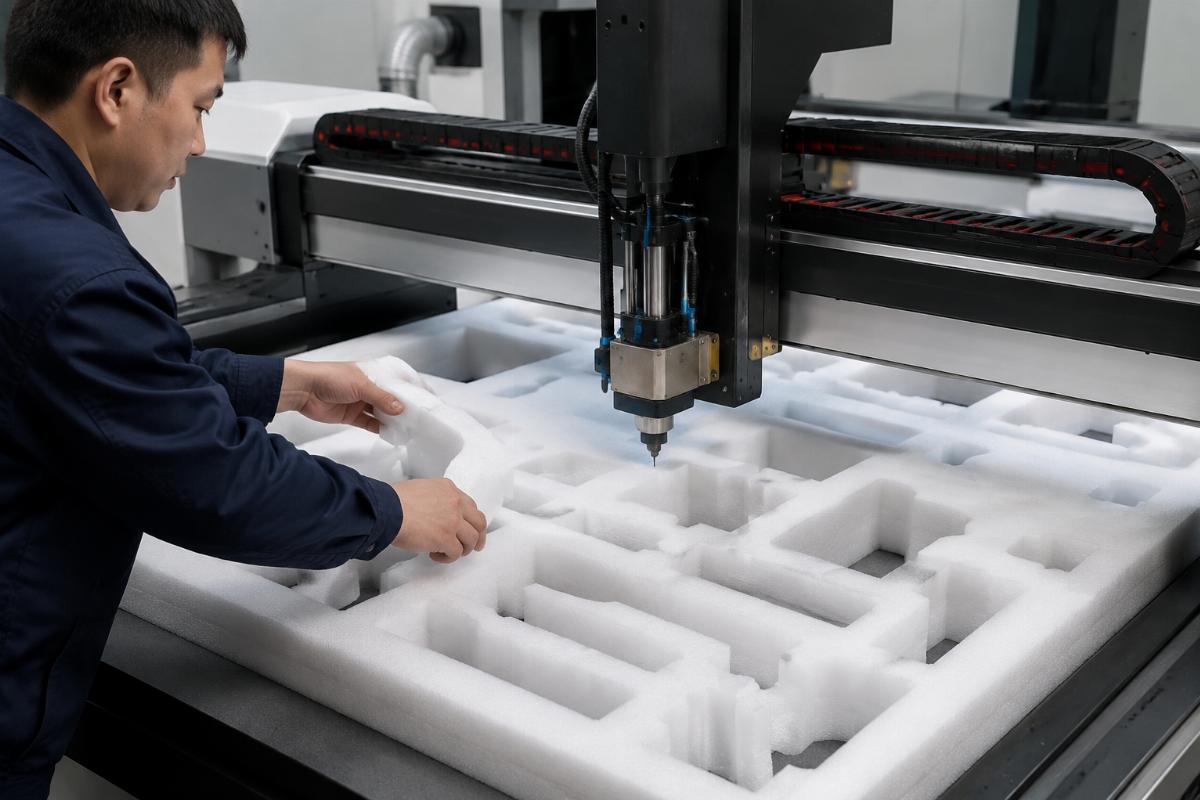
Below we break down the non-negotiable parameters, technology tradeoffs and supplier screening rules to help you avoid costly missteps during your sourcing process.
¿Qué parámetros clave deberías verificar primero para una máquina de corte de espuma CNC?
Ignorar parámetros no negociables llevará a demandas de producción insatisfechas o gastos innecesarios. Tres parámetros determinan directamente si una máquina se ajusta a sus requisitos de producción: grosor de corte, precisión de posicionamiento repetido y tecnología de corte, y omitir la verificación de cualquiera de estos puede llevar a tiempo de inactividad en la producción dentro de los primeros seis meses de operación.
Factor de Evaluación
Errores Comunes a Evitar
Estándar de Verificación Recomendado
Grosor de Corte
Solo verificando el grosor de corte máximo anunciado sin validar para materiales de espuma
Confirme el grosor máximo de corte real para su tipo de espuma objetivo, siendo 50 mm el umbral estándar para la mayoría de la producción de EVA, EPE y esponjas [NEED_CITE: La tecnología de corte en frío ofrece una calidad de corte consistente para materiales de hasta 50 mm sin deformación del material]
Precisión de Posicionamiento
Suponiendo que todas las máquinas ofrecen una precisión idéntica para materiales flexibles
Requerir a los proveedores que proporcionen registros de pruebas de precisión de reposicionamiento, con ±0.1mm como el estándar mínimo aceptable para la producción de bajo desperdicio
Tecnología de Corte
Priorizando el corte por láser por su velocidad percibida sin probar la calidad del borde
Confirme que la máquina utiliza tecnología de corte en frío para eliminar bordes quemados y humos tóxicos que requieren un procesamiento secundario
A packaging supplier based in Canada recently ordered a custom machine for EPE insert production, and we delivered the unit with a 31-day lead time and 50mm maximum cutting thickness to match their existing production line, reducing their material waste by 12% immediately after onboarding. [NEED_CITE: CNC oscillating knife cold cutting reduces foam production waste by 12% on average compared to traditional die cutting processes]
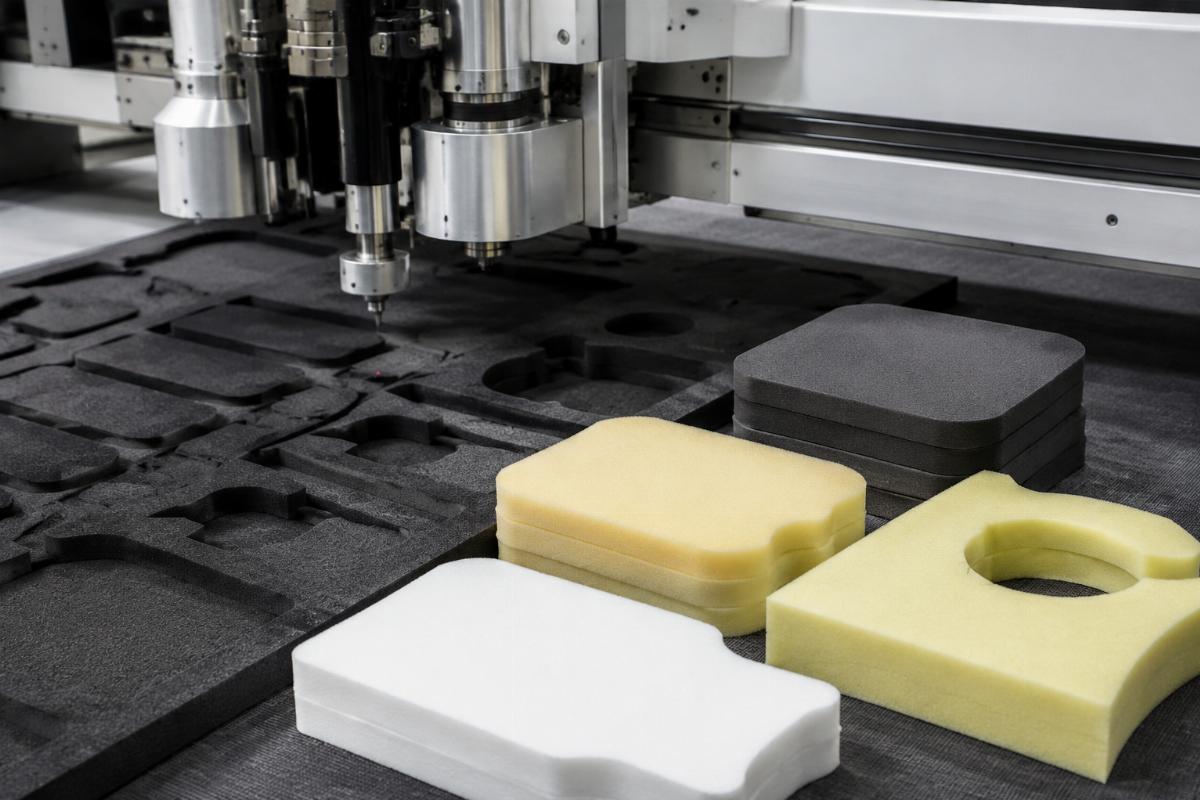
Validación del Grosor de Corte – Solicite a los proveedores que proporcionen muestras de prueba cortadas al grosor de material que usted requiere para confirmar el rendimiento antes de realizar un pedido.
Informe de Prueba de Precisión – Solicite datos de prueba en el sitio o grabados de la precisión de posicionamiento repetido para su tipo de espuma específico.
Prueba de Tecnología – Realice una prueba de corte con muestra gratuita para confirmar que no se producen bordes quemados ni humos tóxicos durante la operación.
¿Por qué la tecnología de corte en frío es más adecuada para el corte de EVA, EPE y PU que el corte láser?
El corte por láser no es la mejor opción predeterminada para materiales de espuma flexible, a pesar de su uso generalizado en otros escenarios de corte. La mayoría de las pequeñas líneas de producción todavía utilizan cortadoras láser para el procesamiento de espuma, sin saber que el alto calor generado durante el corte crea dos puntos críticos persistentes: bordes decolorados y quemados que requieren pasos adicionales de lijado y recorte, y humos tóxicos que requieren equipo de ventilación adicional para cumplir con los estándares de seguridad en el lugar de trabajo.
Tipo de Tecnología
Desventaja Común
Ventaja Principal del Corte Frío
Corte por láser a alta temperatura
Produce bordes quemados, humos tóxicos y requiere procesamiento secundario
Elimina ambos problemas por completo sin pasos de procesamiento adicionales
Troquelado Tradicional
Requiere producción de moldes personalizados para cada nueva pieza, lo que lleva a largos tiempos de entrega para lotes pequeños
Soporta el cambio de diseño de piezas con un solo clic sin costos adicionales de molde
Corte con cuchillo oscilante de bajo consumo
Lucha por cortar a través de capas de espuma gruesa de manera consistente
Ofrece cortes uniformes en todos los tipos de espuma comunes de 1 mm a 50 mm de grosor
A family-owned sponge product factory in Spain previously used a laser cutting line for their bath sponge and padding production, and after switching to our cold cutting solution with ±0.1mm repeat positioning accuracy, they eliminated 8 hours of weekly edge trimming work entirely, with no additional changes to their existing production workflow.
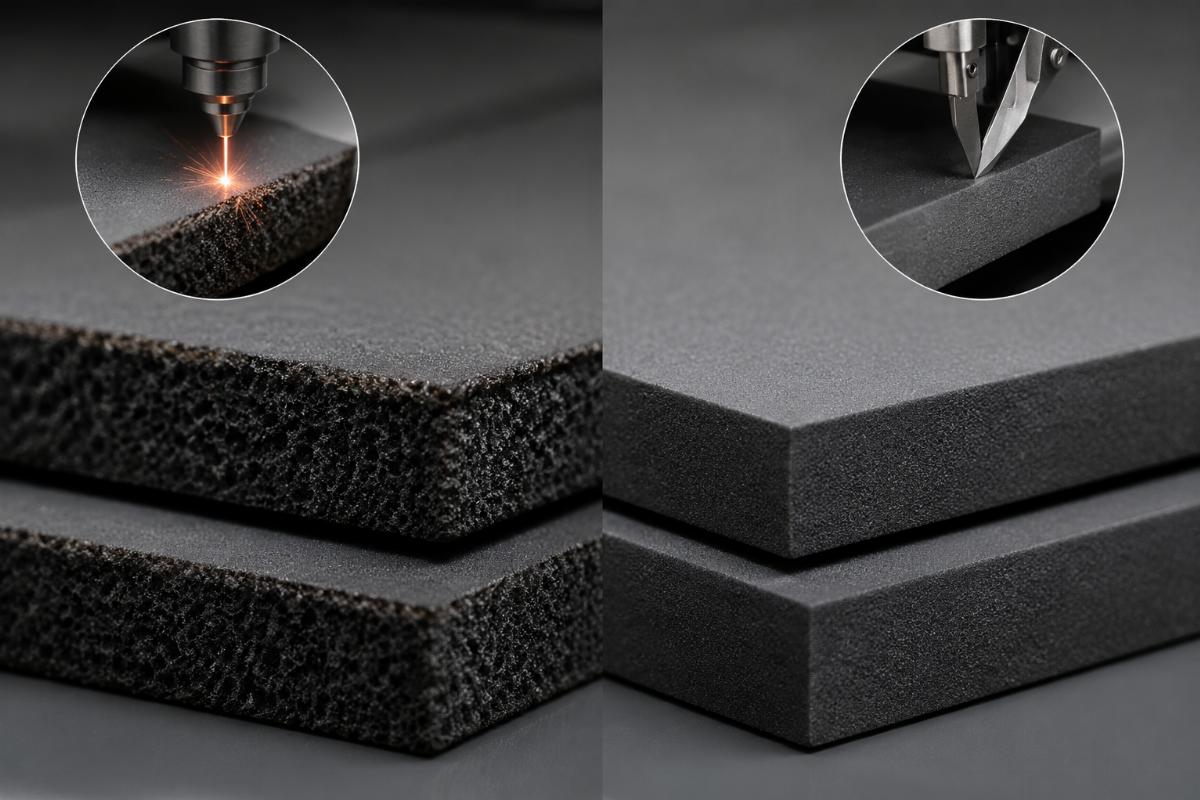
Prueba de Emisión – Verifique que el proceso de corte no produzca humo visible ni decoloración en sus muestras de material.
Auditoría de Paso de Procesamiento – Confirme que no se requiere recorte o limpieza secundaria para que las piezas cortadas cumplan con sus estándares de calidad.
Verificación de Cumplimiento de Seguridad – Asegúrese de que la tecnología cumpla con los requisitos locales de calidad del aire en el lugar de trabajo sin equipos de ventilación adicionales.
¿Cómo elegir un proveedor confiable de máquinas de corte de espuma chinas?
Unverified suppliers often promise flexible customization but fail to deliver on after-sales support, leading to costly production halts. When evaluating Chinese suppliers, three non-negotiable credentials separate qualified manufacturers from trading companies with no in-house production capacity: complete international certification, proven flexible customization capabilities and a structured global after-sales system.
Realtop Machinery (Jinan) Co., Ltd. is a certified high-tech enterprise with CE certification for all products, offering full customization support, 3-year warranty coverage and 24/7 online support for all global clients.
Artículo de Evaluación de Proveedores
Bandera Roja Común
Estándar de Proveedor Calificado
Certificación
Solo proporciona informes de prueba genéricos no certificados sin verificación de terceros
Posee certificación CE válida y verificación de fábrica de terceros por organismos como Intertek
Términos de Personalización
Requiere cantidades mínimas de pedido de 5+ unidades para cualquier configuración personalizada
Soporta la personalización completa para el área de trabajo, la configuración de herramientas y la marca con un MOQ tan bajo como 1 conjunto
Cobertura de Postventa
Ofrece solo una garantía limitada de 1 año sin soporte en el sitio
Ofrece una garantía completa de máquina de 3 años, actualizaciones de software gratuitas de por vida y opción de instalación en el sitio y capacitación para operadores
A machinery wholesaler based in Germany ordered 12 units of white-label foam cutting machines from us earlier this year, and we fully customized the working area and tool configuration to match their regional client requirements, with no extra branding or hidden fees added to the quoted price.
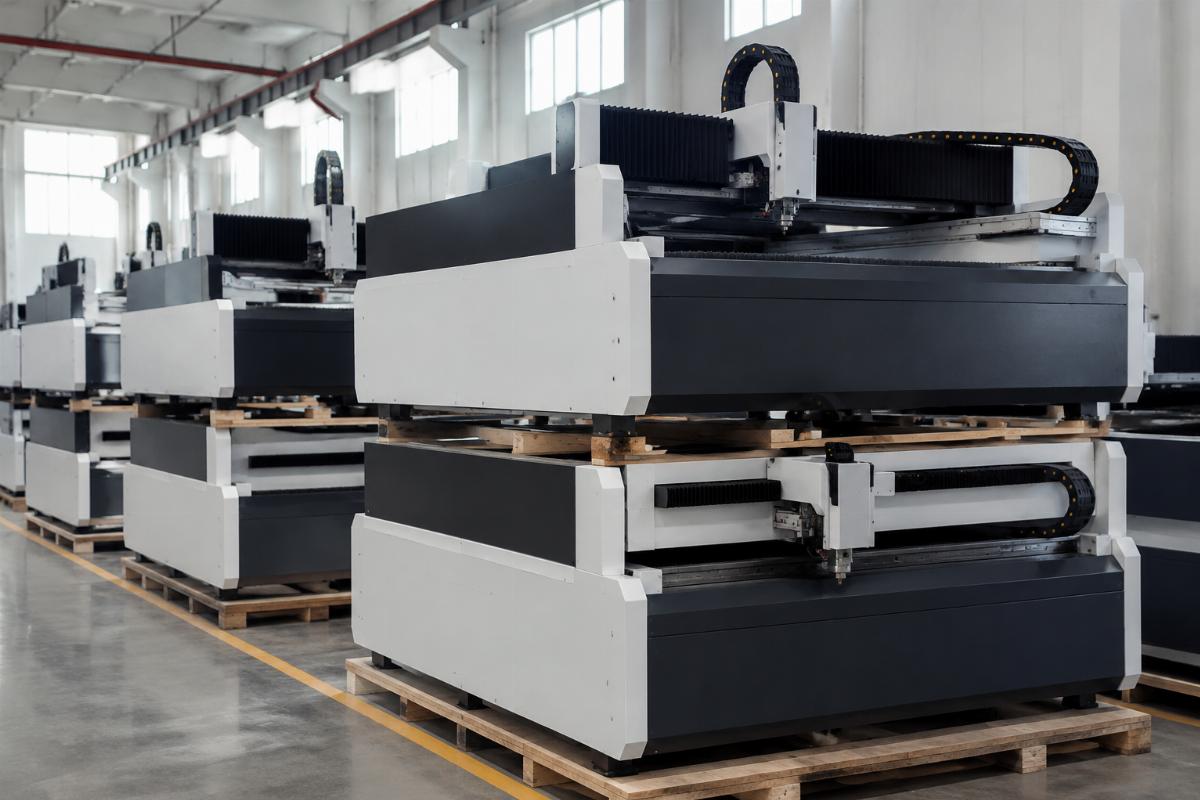
Verificación de Certificación – Solicite copias digitales de documentos válidos de CE y auditoría de fábrica de terceros para confirmación directa.
Historial de Personalización – Solicite referencias de casos de pedidos personalizados que coincidan con su configuración requerida para confirmar la experiencia comprobada.
Confirmación de la Cláusula de Postventa – Obtenga una confirmación por escrito de la cobertura de la garantía y los tiempos de respuesta de soporte antes de firmar cualquier contrato.
¿Se pueden pedir máquinas de corte de espuma personalizadas de lotes pequeños con un MOQ bajo?
Las máquinas de corte de espuma personalizadas no requieren pedidos mínimos de grandes lotes, contrariamente a la creencia común entre los propietarios de fábricas pequeñas y medianas. Muchas líneas de producción pequeñas se limitan a máquinas estándar de venta libre o equipos usados porque suponen que las configuraciones personalizadas requieren pedidos de 10 unidades o más, pero los fabricantes profesionales chinos han ajustado sus líneas de producción para apoyar pedidos personalizados de una sola unidad para equipos de corte de materiales flexibles.
Escenario de Pedido
Concepto Erróneo Común
Estándar de la Industria Actual
Pedido Personalizado de Unidad Única
Requiere un pedido mínimo de 10 unidades
MOQ de 1 conjunto para todas las configuraciones de máquinas de corte de espuma personalizadas
Producción en Pequeñas Cantidades
Los pedidos personalizados tienen plazos de entrega de más de 2 meses
Tiempo de entrega estándar de máquina personalizada de 31 días para las configuraciones más comunes
Reventa de Marca Blanca
Requiere un pedido mínimo de 50+ unidades para calificar para la marca OEM
Servicio de etiqueta blanca disponible para pedidos tan pequeños como 1 unidad
A small leather goods workshop in Vietnam recently ordered a single custom machine with a specialized tool configuration for PU foam lining cutting, and we delivered the unit within the standard 31-day lead time with no additional fees for the custom setup.
Confirmación de MOQ – Pregunte explícitamente por la cantidad mínima de pedido para su configuración personalizada requerida para evitar requisitos ocultos de lote.
Tiempo de entrega garantizado – Obtenga un compromiso por escrito para los tiempos de producción y envío antes de realizar un depósito.
Confirmación de Prueba de Muestra – Solicitar un


