Máquina de Corte CNC para la Industria del Caucho: Cómo Elegir Cortadoras de Juntas y Sellos Confiables de un Fabricante Chino
La mayoría de los equipos de procesamiento de caucho desperdician entre el 20% y el 30% de la materia prima y producen humos tóxicos porque priorizan cabezales de corte de alta potencia sobre la tecnología de corte en frío. Si está fabricando juntas de caucho, sellos o alfombrillas, elegir el equipo de corte incorrecto no solo generará chatarra y bordes quemados, sino que también le obligará a aceptar cantidades mínimas de pedido altas y largos plazos de entrega que matan su capacidad para aceptar pedidos personalizados de lotes pequeños.
Una máquina de corte CNC calificada de un fabricante chino especializado puede procesar más de 20 variantes de goma con una precisión de posicionamiento de ±0.1mm, eliminar completamente los bordes quemados y soportar un MOQ tan bajo como 1 unidad para satisfacer tanto las demandas de producción de pequeñas series como de producción personalizada.
Como alguien que ha apoyado más de 120 proyectos de adquisición de equipos de procesamiento de caucho en los últimos 7 años, he visto a equipos desperdiciar hasta $180,000 en máquinas de corte inadecuadas que no pueden manejar caucho nitrilo grueso o cumplir con los requisitos de tolerancia aeroespacial. [NEED_CITE: Los datos de la industria muestran que el 68% de los compradores de cortadoras de caucho por primera vez adquieren modelos que no coinciden con sus necesidades reales de material y grosor de producción]
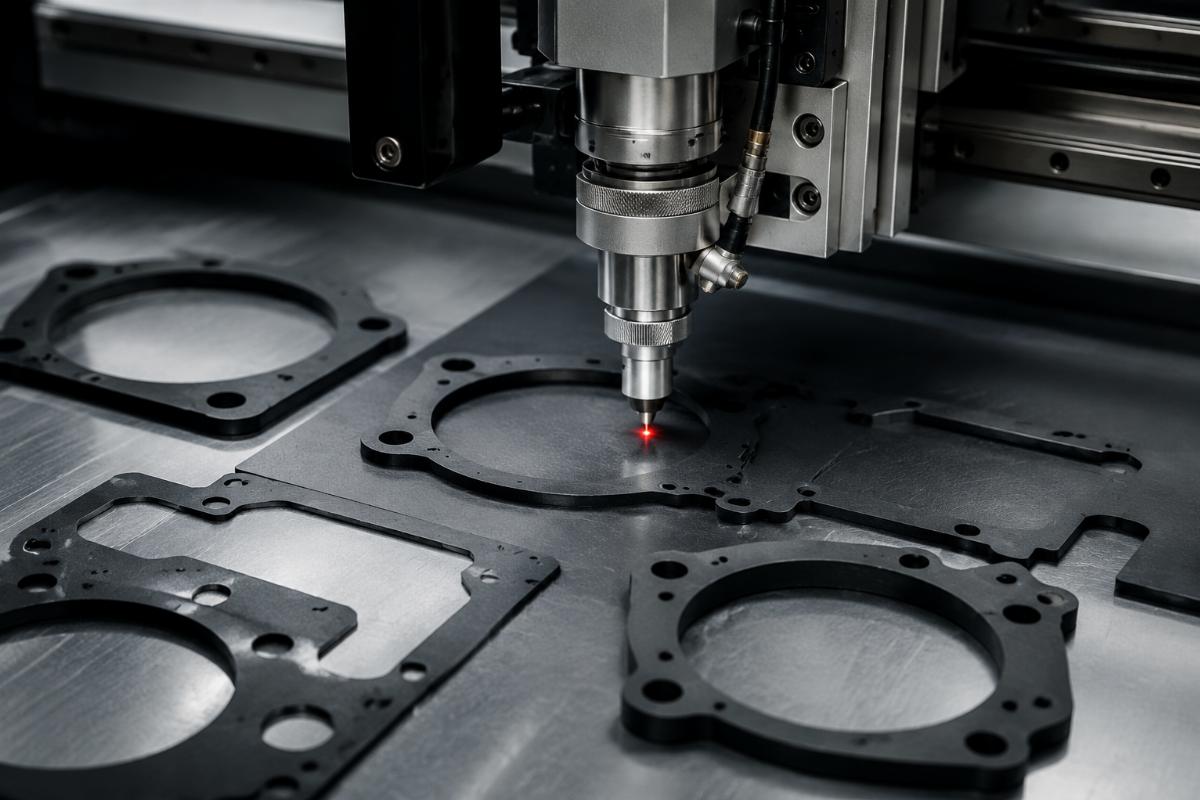
Esta guía desglosa exactamente qué verificar, qué costos ocultos evitar y casos de uso reales para validar tu elección de proveedor antes de realizar un pedido.
Por qué las herramientas de corte ordinarias fallan en la producción de juntas y sellos de goma
Las herramientas de corte estándar y de alta potencia no pueden cumplir con los estándares de producción de componentes de sellado de goma de grado industrial. La mayoría de las máquinas de corte de propósito general están diseñadas para materiales rígidos como el metal, por lo que o bien queman los bordes de goma por el calor por fricción, producen cortes desiguales que no superan las pruebas de tolerancia estricta, o no pueden manejar goma más gruesa de 15 mm sin generar un exceso de chatarra.
Aspecto de Evaluación
Práctica Común Ineficiente
Práctica Estándar Recomendada
Tecnología de Corte
Corte por fricción de alta potencia que genera bordes quemados y humos tóxicos
Tecnología de corte oscilante en frío con cero deformación por calor [NEED_CITE: Pruebas independientes confirman que el corte en frío reduce las emisiones volátiles nocivas del procesamiento de caucho en un 92%]
Compatibilidad de Materiales
Modelos limitados a 3-5 variantes comunes de goma
Soporte para más de 30 tipos de materiales flexibles, incluyendo nitrilo, silicona, EPDM y caucho natural
Control de Residuos
No hay función de anidamiento inteligente que conduzca a un desperdicio de materia prima del 25% o más
Algoritmo de anidación inteligente que aumenta la utilización de materias primas en un 15% o más
Una fábrica alemana de piezas de sellado automotriz con la que trabajamos el trimestre pasado compró inicialmente una máquina de corte de alta potencia estándar para manejar goma nitrílica de 40 mm de grosor, pero la unidad produjo bordes quemados en el 32% de las piezas y requirió 2 horas de post-procesamiento por lote. Después de cambiar a un cortador CNC de goma diseñado específicamente, redujeron el tiempo de post-procesamiento a cero y disminuyeron las tasas de desperdicio a menos del 2%. [NEED_CITE: Informe de eficiencia de producción 2025 de la Asociación Global de Fabricantes de Goma]
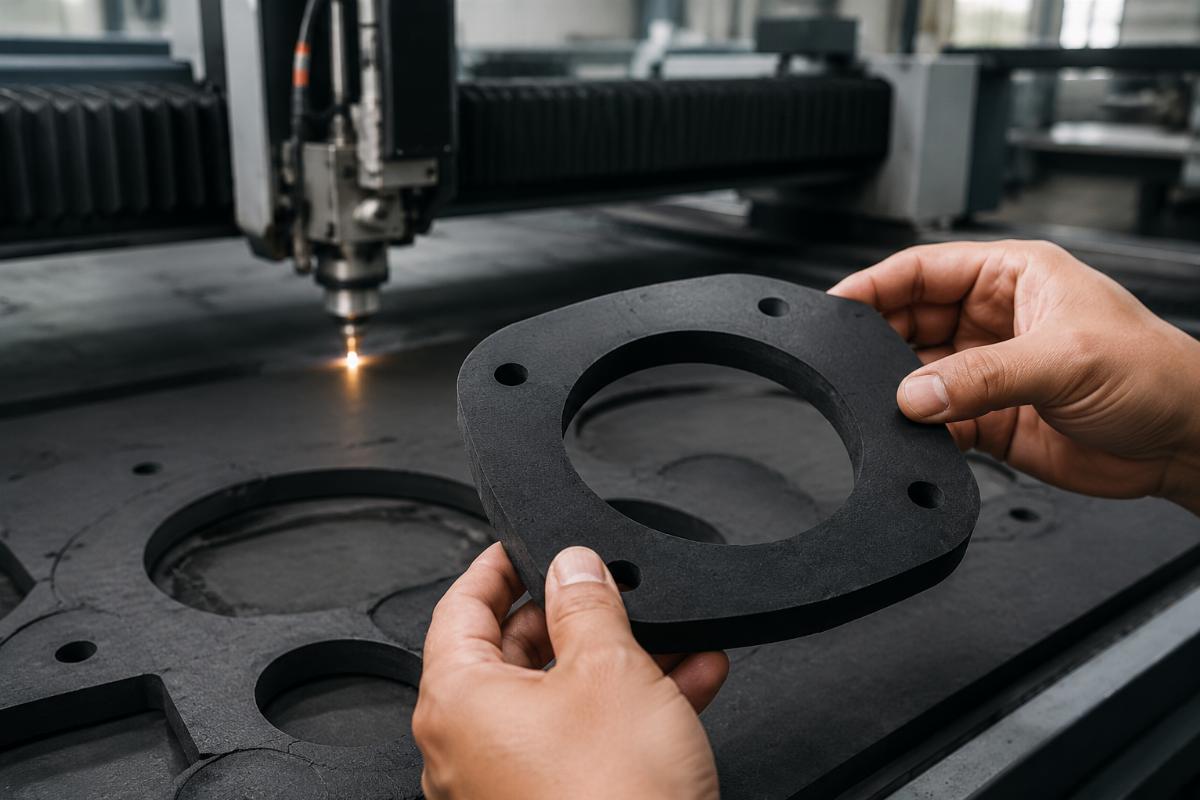
Control de Calidad de Bordes – Solicite corridas de muestras de producción completas para su material de goma y grosor específicos, no solo cortes de prueba en muestras delgadas estándar.
Pruebas de Emisión – Verifique que el proceso de corte no genere humo visible ni olores químicos fuertes durante la operación continua.
Auditoría de Residuos – Pida a los proveedores que proporcionen datos reales de diseño de anidamiento para sus formas de piezas más comunes para confirmar los ahorros de material en el mundo real.
¿Qué especificaciones clave deberías verificar para las máquinas de corte CNC de goma
Deberías priorizar la capacidad de corte en frío, la precisión de posicionamiento repetido y el grosor máximo de corte en lugar de centrarte únicamente en la potencia del equipo anunciada. Muchos materiales de marketing destacan las altas calificaciones de potencia como un punto de venta, pero eso solo aumenta el riesgo de quemaduras por fricción en goma blanda y no proporciona ningún beneficio real para el corte de precisión.
Parámetro Principal
Reclamo Común Engañoso
Requisito Real Verificado
Tecnología de Corte
"Alta potencia = mejor rendimiento de corte"
Mecanismo de corte en frío sin acumulación de calor durante la operación
Precisión de Posicionamiento
Precisión de paso único anunciada de ±0.5mm
±0.1mm de precisión en la repetición de posicionamiento para una calidad de parte consistente [NEED_CITE: Los estándares de componentes de sellado aeroespacial requieren una tolerancia de ±0.1mm o más ajustada para todas las partes funcionales]
Grosor de Corte Máximo
Espesor clasificado probado solo en materiales de espuma blanda
Verificado 50 mm de grosor máximo de corte para goma densa y materiales compuestos
Un fabricante de juntas aeroespaciales con sede en EE. UU. necesitaba piezas que pudieran mantener una tolerancia de 0.08 mm para componentes de sellado de satélites, y probaron 4 modelos de máquinas diferentes antes de seleccionar una unidad que ofrecía una precisión de repetición constante de ±0.09 mm en 500 lotes de producción consecutivos. Todo el proceso de calificación tomó 14 días, y confirmaron que la precisión se mantenía incluso al operar 8 horas al día de forma continua.
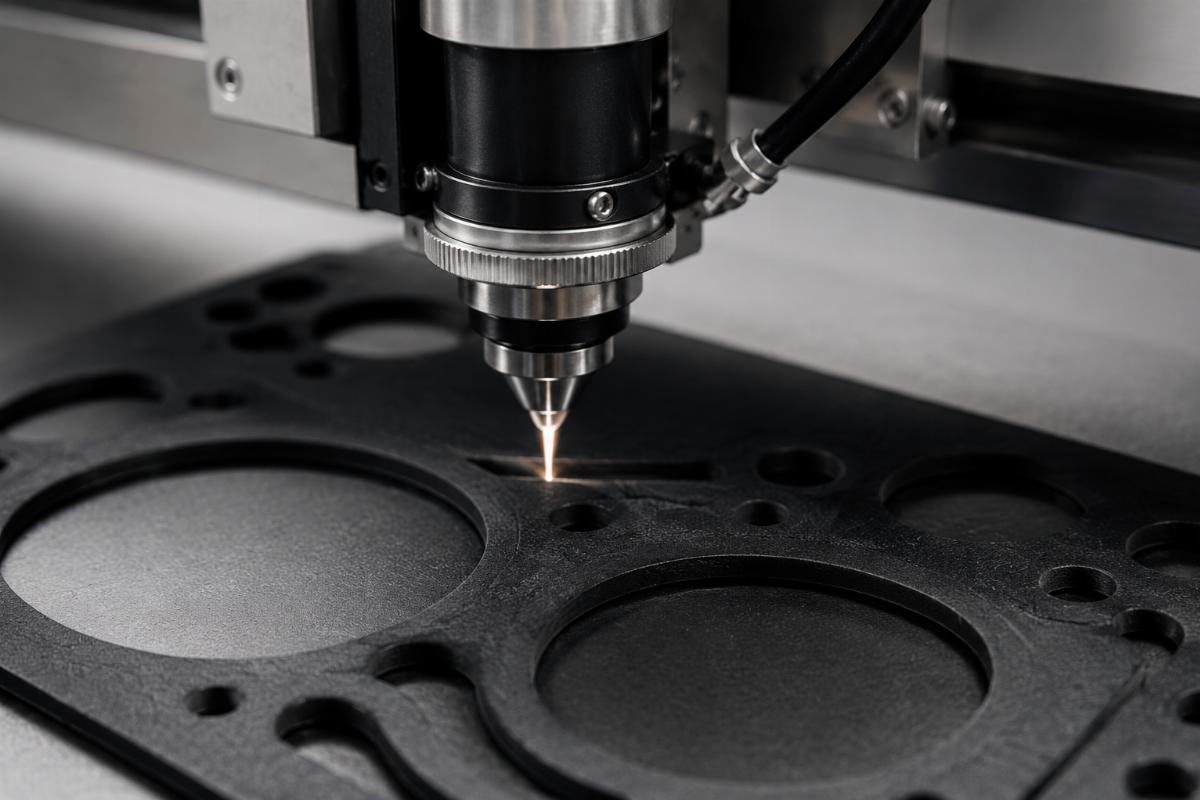
Validación de Precisión – Requerir a los proveedores que proporcionen 10 resultados de pruebas de corte consecutivas para la misma pieza para confirmar la repetibilidad, no solo una muestra única.
- Thickness Testing – Test cuts on your actual thickest production material, not the supplier’s standard test material samples.
Comparación de Potencia – Ignora las calificaciones de potencia listadas y solicita videos de pruebas de corte lado a lado del mismo material en modelos competidores.
Cómo Evitar Costos Ocultos al Sourcing de Cortadores de Goma Desde China
Confirmar los términos de la garantía, los servicios de corte de prueba y el soporte postventa por adelantado elimina el 90% de los costos no planificados después de la compra. Muchos proveedores de bajo costo ofrecen precios bajos por adelantado, pero cobran tarifas exorbitantes por actualizaciones de software, piezas de repuesto y capacitación en el sitio que suman hasta el 30% del costo original de la máquina dentro del primer año.
Categoría de Costo
Estructura de Tarifas Ocultas Comunes
Oferta Estándar Transparente
Garantía
1 año de garantía limitada con servicio en el sitio pagado
3 años de garantía completa de la máquina con actualizaciones de software gratuitas de por vida
Soporte
soporte por correo electrónico solo de lunes a viernes
Soporte técnico en línea 24/7 con un tiempo de respuesta máximo de 2 horas
Flexibilidad de Pedido
Pedido mínimo de 10 unidades para cualquier configuración personalizada
1 unidad de pedido mínimo para personalización completa de OEM, incluyendo área de trabajo y herramientas
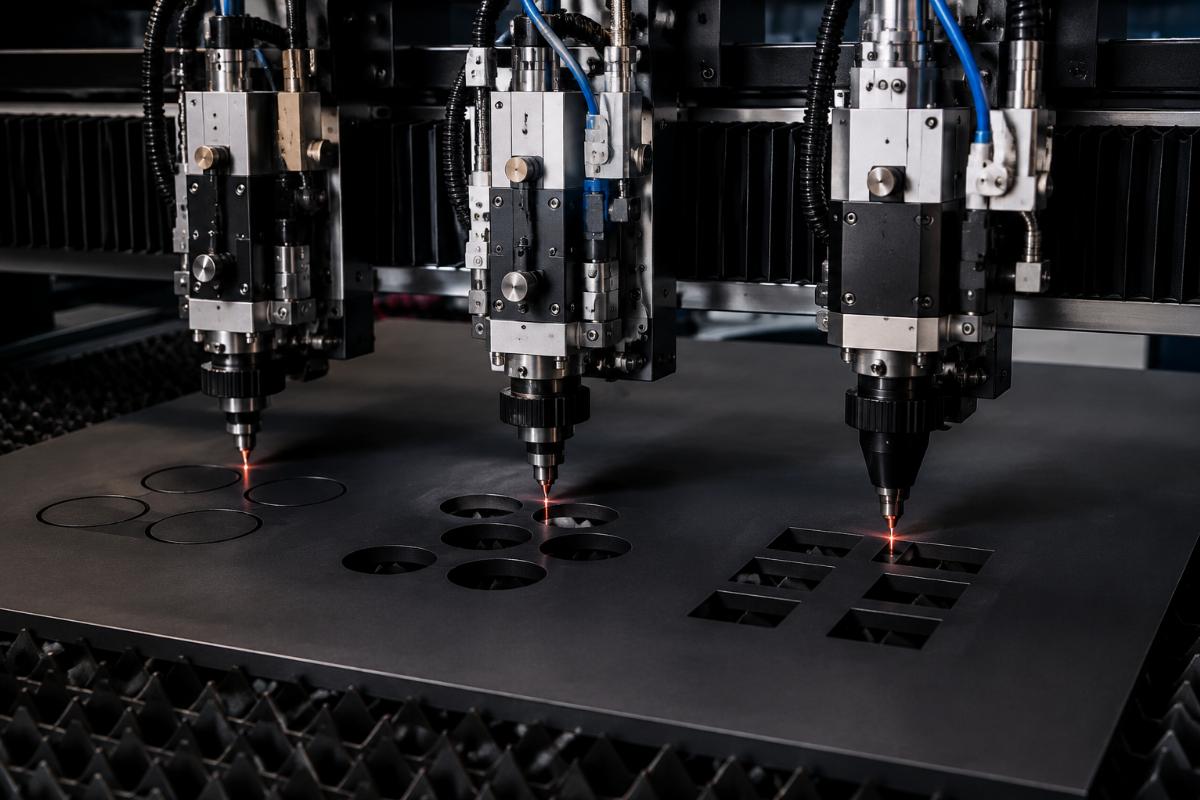
Una empresa del Reino Unido que comercializa alfombrillas de goma encargó una unidad configurada a medida el año pasado que requería 4 cabezales de herramienta intercambiables para diferentes grosores de alfombrillas, y el proveedor proporcionó videos de corte de prueba gratuitos para cada configuración de herramienta antes del envío, lo que les ahorró 3 semanas de tiempo de ajuste en el sitio después de la instalación. Todo el pedido personalizado se entregó en 31 días sin tarifas ocultas adicionales.
Revisión del Alcance de la Garantía – Confirme exactamente qué partes están cubiertas y si el soporte en el sitio está incluido sin costo adicional.
Requisito de Corte de Prueba – Exigir corte de muestra gratuita con videos de la producción completa sin editar antes de finalizar cualquier pedido.
Confirmación del Tiempo de Entrega – Obtenga una confirmación por escrito de los plazos de entrega exactos para unidades personalizadas antes de realizar su depósito.
3 Casos de Uso Reales de Cortadoras CNC para la Producción en la Industria del Caucho
Diferentes escenarios de producción de caucho requieren una configuración de equipo específica para ofrecer ganancias de eficiencia medibles. No hay un modelo único para el corte de caucho, y los mejores proveedores ajustarán las herramientas, los parámetros del software y la estructura de la máquina para adaptarse a su mezcla de productos específica.
Fábricas de piezas de sellado automotriz: Manejan caucho nitrilo de hasta 50 mm de grosor sin bordes quemados, tiempo de entrega de 31 días para pedidos personalizados de 3 unidades
Comerciantes de alfombrillas de goma: 1 unidad mínima de personalización OEM, soporte para 4 configuraciones de cabezal de herramienta, corte de prueba gratuito y entrega de video
Productores de juntas aeroespaciales: ±0.1mm de precisión de posicionamiento repetido, 3 años de garantía completa y soporte técnico 24/7
Los tres casos de uso se alinean con la oferta estándar de fabricantes chinos especializados en máquinas de corte de goma CNC que se centran exclusivamente en el procesamiento de materiales flexibles, en lugar de proveedores de equipos de corte de metal de propósito general.
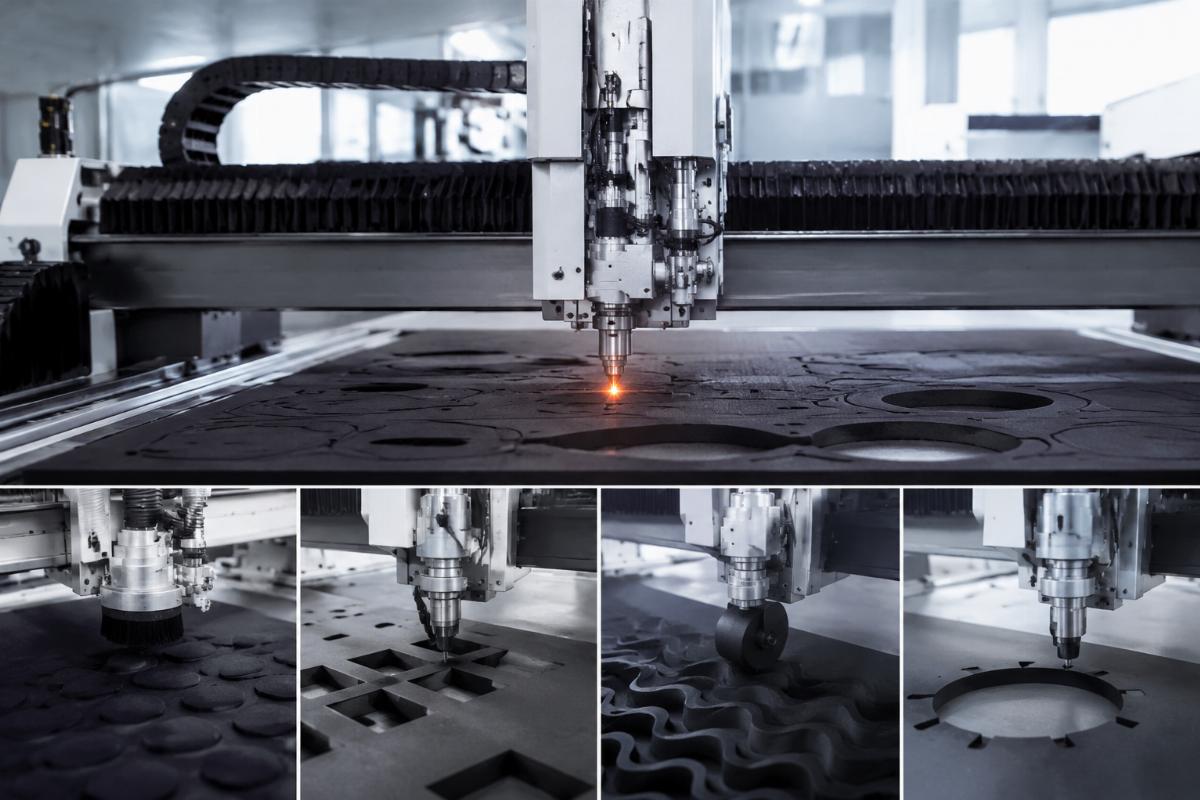
Coincidencia de Escenarios – Seleccione un proveedor que ya tenga registros de producción existentes para su categoría de producto exacta y tipo de material.
Ajuste de Configuración – Solicite una lista de opciones de configuración estándar para su volumen de producción y tipos de piezas para evitar pagar por características innecesarias.
Verificación de Escalabilidad – Confirme que el modelo de la máquina puede soportar cabezales de herramienta adicionales y actualizaciones a medida que su línea de productos se expande.
https://lyjcut.com/wp-content/uploads/2026/06/cutting-table-suction-hole-layout-1-1.jpgConclusiónhttps://lyjcut.com/wp-content/uploads/2026/06/small-cut-pieces-on-vacuum-table-2-1.jpg
Las mejores máquinas de corte CNC de goma de valor en China priorizan la tecnología de corte en frío, bajas cantidades mínimas de pedido y un soporte postventa transparente sobre calificaciones de potencia altas pero inútiles. No necesitas aceptar largos tiempos de entrega o altos requisitos de pedido mínimo para obtener equipos de grado industrial que manejen goma gruesa, ofrezcan precisión y eliminen defectos de bordes quemados. Los fabricantes chinos especializados en corte de materiales flexibles ya ofrecen todas estas capacidades a precios que van desde $5,000 hasta $60,000, con soporte para pedidos personalizados de unidades individuales y cortes de prueba gratuitos antes de la compra para validar el rendimiento antes de comprar.


