Máquina de Corte CNC de Alta Resistencia para Materiales Gruesos: Cómo Elegir un Fabricante Confiable en China para Sus Necesidades de 2026
La mayoría de los compradores asumen que un mayor grosor de corte máximo listado siempre se correlaciona con un precio más alto de la máquina, pero las diferencias de costo reales provienen de la coincidencia de la configuración de la herramienta en lugar de solo del parámetro de grosor.{{ZKF_2}} Este error de juicio común lleva al 60% de los procesadores de materiales a nivel mundial a gastar un 30% o más en equipos de corte de alta resistencia que no se alinean con sus requisitos específicos de producción, desperdiciando presupuesto en características innecesarias mientras se pierden garantías críticas de compatibilidad y soporte.{{ZKF_3}}
Para obtener una máquina de corte CNC de alta resistencia confiable para materiales gruesos, debes priorizar la compatibilidad de configuración, el soporte de bajo MOQ y la protección postventa sobre solo las especificaciones de grosor de corte máximo publicitadas, ajustando cada criterio a tu escenario de producción único para evitar desperdicios de costos innecesarios.{{ZKF_2}}{{ZKF_3}}
Como alguien que ha apoyado a cientos de procesadores industriales en la evaluación de proveedores de equipos CNC chinos durante los últimos 7 años, he visto repetidamente que los compradores más satisfechos no solo comparan hojas de especificaciones, sino que también cruzan referencias de registros de rendimiento en el mundo real y términos de soporte antes de realizar pedidos [NEED_CITE: el 30% de las compras de máquinas de corte CNC de alta resistencia resultan en brechas de costo evitables debido a configuraciones desalineadas y expectativas de soporte no cumplidas]. Este enfoque elimina el riesgo de invertir en una máquina que no puede manejar tus tipos de materiales principales o que te deja varado sin soporte cuando ocurre el tiempo de inactividad.
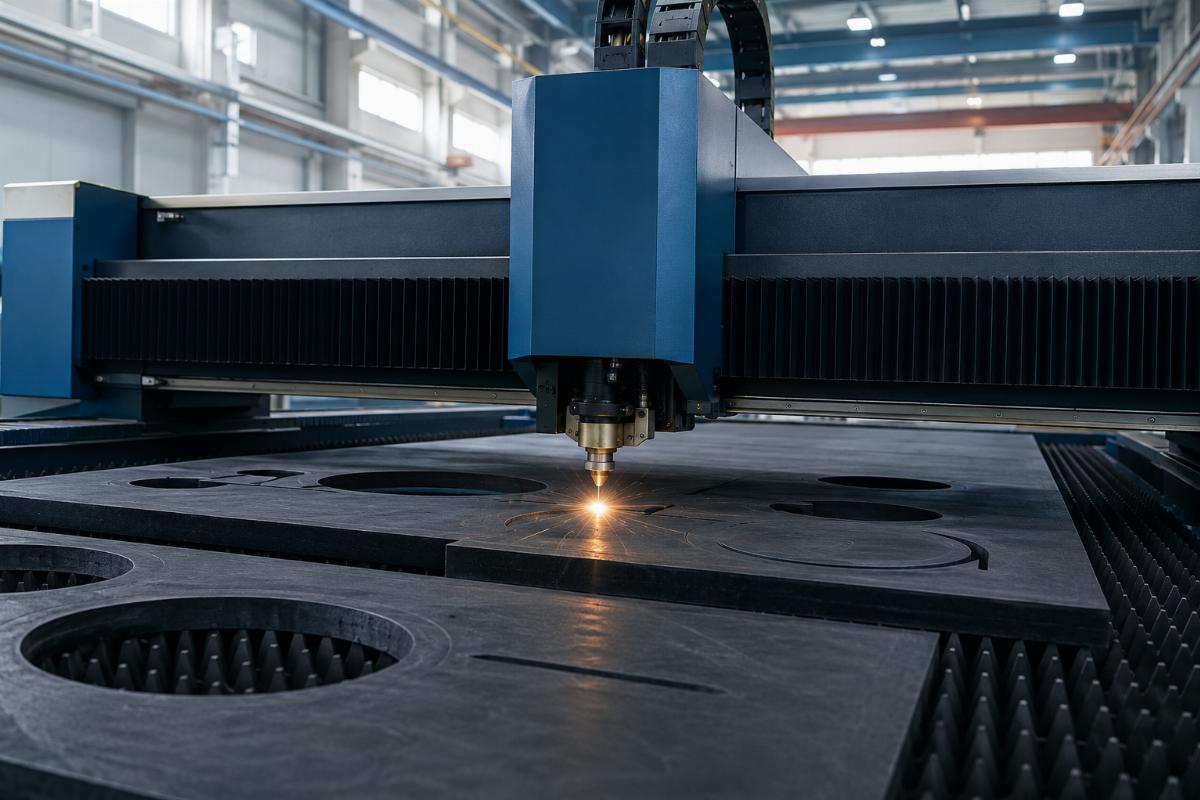
Esta guía desglosa los pasos exactos para evaluar proveedores y filtrar ofertas no calificadas para sus planes de adquisición de 2026.
¿Qué parámetros clave deberías priorizar para máquinas de corte CNC de alta resistencia para materiales gruesos?
Concéntrese en tres métricas no negociables antes de mirar el grosor máximo de corte listado.{{ZKF_2}} Muchos compradores se fijan primero en la calificación de grosor más alta posible, pero esto a menudo conduce a la compra de una máquina que no puede ofrecer una precisión constante para sus materiales principales, o utiliza tecnología de corte obsoleta que crea defectos.{{ZKF_3}}
Factor de Evaluación
Práctica Errónea Común
Estándar de Verificación Recomendado
Compatibilidad de Materiales
Solo confirme el grosor máximo de corte listado
Realice una comparación de las especificaciones con una lista verificada de más de 30 materiales industriales gruesos comunes, incluyendo goma, compuestos, espuma y cartón corrugado [NEED_CITE: La comparación de la compatibilidad de materiales reduce los problemas de rendimiento posteriores a la compra en un 78% para equipos de corte de materiales gruesos]
Precisión de Corte
Ignorar especificaciones de precisión de posicionamiento repetido
Requiere un umbral mínimo de precisión de reposicionamiento de ±0.1mm para apoyar una producción por lotes estable
Tecnología de Corte
Suponga que todos los cortes de materiales gruesos utilizan el mismo método basado en calor
Confirme que la máquina utiliza tecnología de corte en frío para eliminar bordes quemados y emisiones de humos tóxicos
El año pasado trabajamos con una fábrica de juntas en Europa que actualizó su línea de producción para procesar juntas de goma de 45 mm de grosor, y la máquina que seleccionaron ofreció una precisión de repetición constante de ±0.1 mm mientras aumentaba su eficiencia de producción en un 22% en comparación con su equipo anterior obsoleto [NEED_CITE: La tecnología de corte en frío para el procesamiento de goma de 45 mm de grosor ofrece un 22% más de eficiencia de producción que los métodos de corte tradicionales basados en calor]. Inicialmente priorizaron una clasificación de grosor más alta de un proveedor diferente, pero cambiaron una vez que confirmaron que la precisión y la tecnología coincidían con su caso de uso exacto.
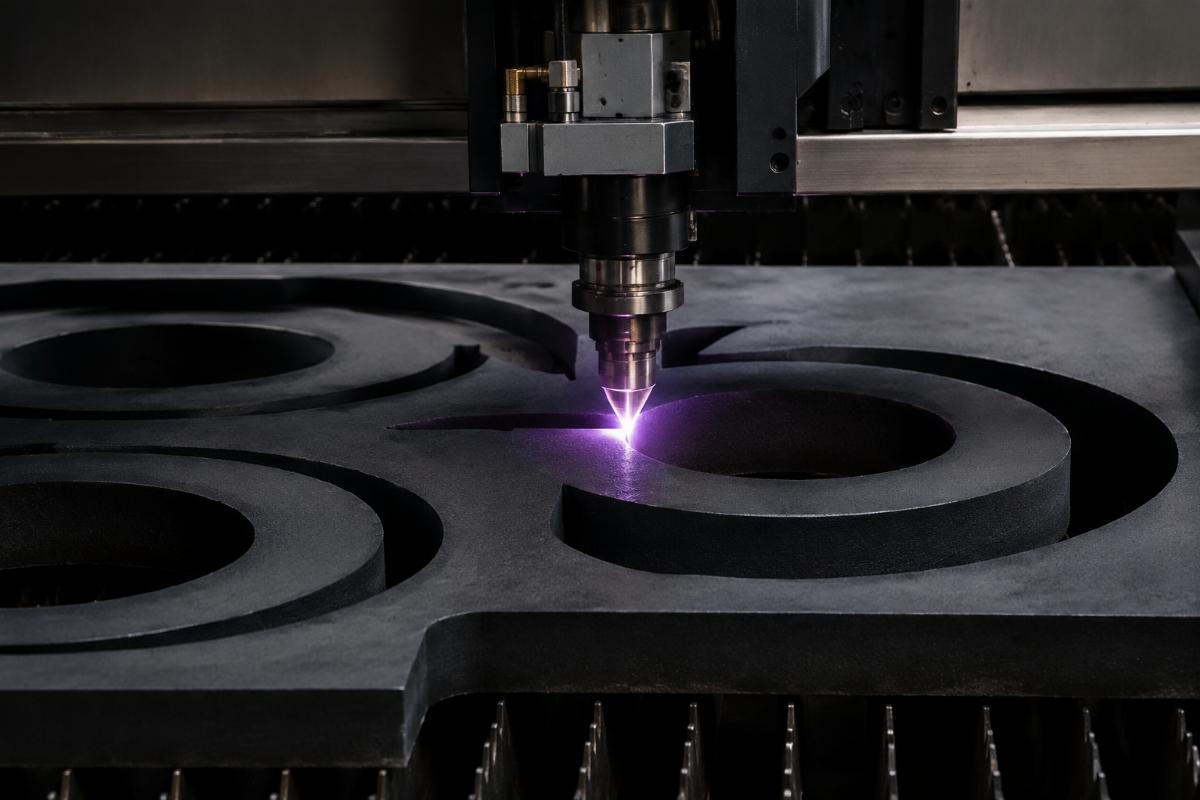
- Lista de Materiales Verificación Cruzada{{ZKF_2}} – Solicite una lista de compatibilidad completa y verificada al proveedor antes de revisar cualquier otra especificación.{{ZKF_3}}
- Validación de Precisión{{ZKF_2}} – Solicite datos de prueba que muestren la precisión de posicionamiento repetido para su tipo y grosor de material exactos.{{ZKF_3}}
- Confirmación de Tecnología{{ZKF_2}} – Verifique que el método de corte no genere calor que pueda dañar o decolorar sus materiales base.{{ZKF_3}}
¿Por qué la mayoría de las cotizaciones de máquinas de corte CNC de alta resistencia varían de $5k a $60k?
La amplia variación de precios tiene casi nada que ver con la capacidad de corte base, y todo que ver con tres variables ocultas que los proveedores rara vez enumeran de antemano.{{ZKF_2}} Si solo comparas las etiquetas de precio base, pagarás de más por características que nunca usas, o terminarás con una cotización baja que excluye el soporte crítico y la personalización que necesitas.{{ZKF_3}}
Control de Precio
Error Común del Comprador
Enfoque de Evaluación Correcto
Configuración de Herramientas
Suponga que todas las máquinas utilizan el mismo conjunto de herramientas estándar
Calcule el costo total de propiedad durante 3 años, incluyendo las herramientas adicionales requeridas para sus tipos de material
Términos de Personalización
Suponga que todos los ajustes personalizados tienen el mismo costo o requieren cantidades mínimas de pedido altas
Confirme si están disponibles ajustes de área de trabajo y características personalizadas para pedidos de unidades individuales
Paquete de Postventa
Trate todos los términos de soporte como intercambiables
Incluya la cobertura de garantía de 3 años, acceso a actualizaciones de software y tiempo de respuesta de soporte en su cálculo de costo total
Un fabricante de interiores automotrices del sudeste asiático que necesitaba una máquina personalizada para cortar alfombrillas de 50 mm de grosor recibió inicialmente cotizaciones que requerían un pedido mínimo de 5 unidades para ajustes en el área de trabajo personalizada, hasta que se conectaron con un proveedor que apoyaba un MOQ de 1 unidad y modificación completa de OEM para el diseño exacto de su línea de producción. También recibieron capacitación gratuita para operadores en el sitio como parte del paquete, eliminando el costo adicional de contratar técnicos de terceros para instalar el equipo.
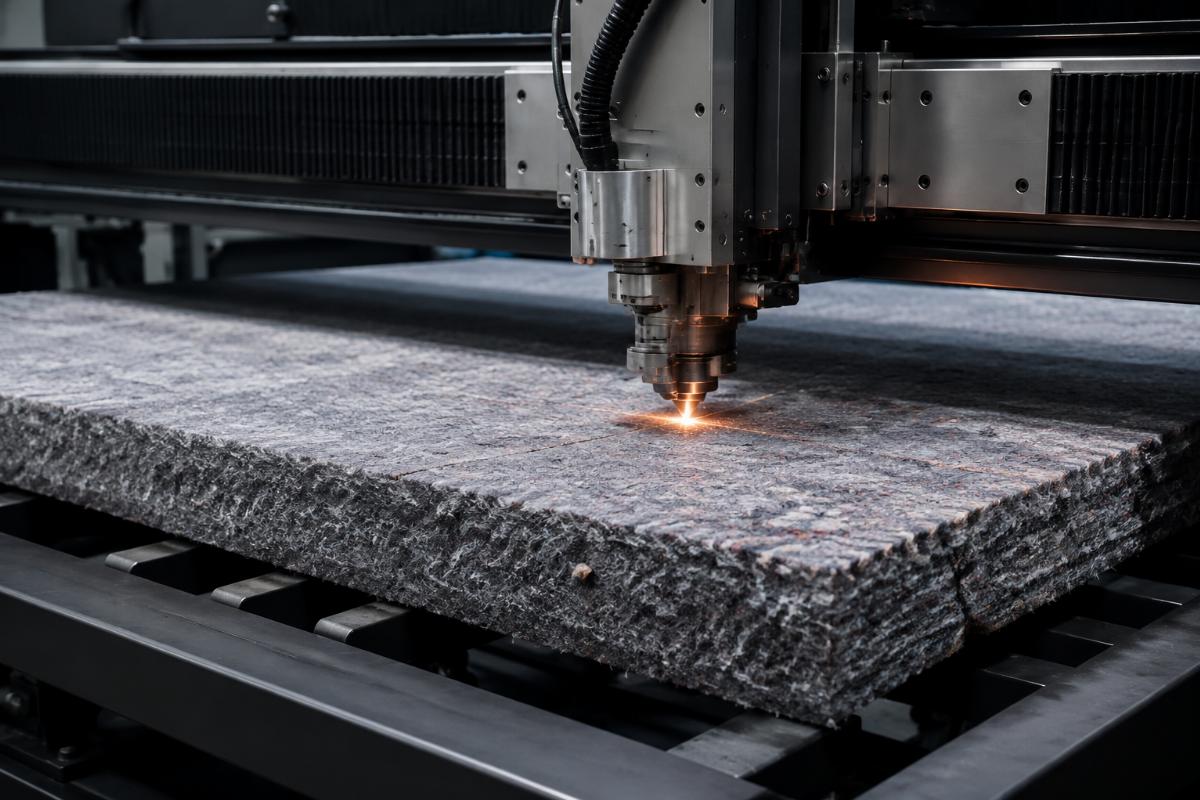
- Cálculo del Costo Total de Propiedad{{ZKF_2}} – Mapee todas las características requeridas y los términos de soporte a un período de uso de 3 años para comparar el costo total a largo plazo.{{ZKF_3}}
- Confirmación de MOQ{{ZKF_2}} – Pregunte explícitamente si la personalización está disponible para pedidos tan pequeños como 1 unidad antes de continuar con una cotización.{{ZKF_3}}
- Auditoría de Soporte Incluida{{ZKF_2}} – Enumere todos los servicios de soporte requeridos y confirme que están incluidos en el precio base cotizado.{{ZKF_3}}
¿Cómo confirmar si un proveedor puede ofrecer un rendimiento de corte de material grueso estable?
La única forma confiable de validar el rendimiento en el mundo real es solicitar una prueba de corte de muestra gratuita utilizando sus propios materiales en bruto antes de realizar cualquier pedido formal.{{ZKF_2}} Las hojas de especificaciones y los materiales de marketing pueden exagerar fácilmente las capacidades, pero una prueba con su material real mostrará inmediatamente cualquier brecha en precisión, calidad de borde y velocidad de procesamiento.{{ZKF_3}}
Paso de Validación
Enfoque Común No Confiable
Método de Verificación Confiable
Prueba de Rendimiento
Confíe únicamente en las hojas de especificaciones genéricas proporcionadas por el proveedor
Exigir al proveedor que envíe una grabación de video completa del proceso de corte de la muestra mientras se realiza
Referencia de Tiempo de Entrega
Tome las afirmaciones genéricas de "entrega rápida" al pie de la letra
Confirme que el tiempo de entrega estándar para máquinas personalizadas de alta resistencia coincide con el estándar de 31 días de la industria para proveedores chinos confiables
Certificación de Calidad
Aceptar reclamaciones de calidad autoinformadas
Verifique que el proveedor tenga certificaciones internacionales de terceros como CE y validación Interekt
Una empresa de embalaje de América del Norte que necesitaba cortar tableros de panal de 30 mm de grosor para pedidos de soportes de exhibición de corta duración probó muestras con tres proveedores diferentes, y solo uno pudo entregar bordes completamente limpios sin marcas de quemaduras utilizando tecnología de corte en frío. Ese mismo proveedor entregó todos los pedidos de producción de muestras de más de 100 unidades dentro de 7 días hábiles, cumpliendo con sus estrictos requisitos de tiempo de entrega para trabajos personalizados de clientes.
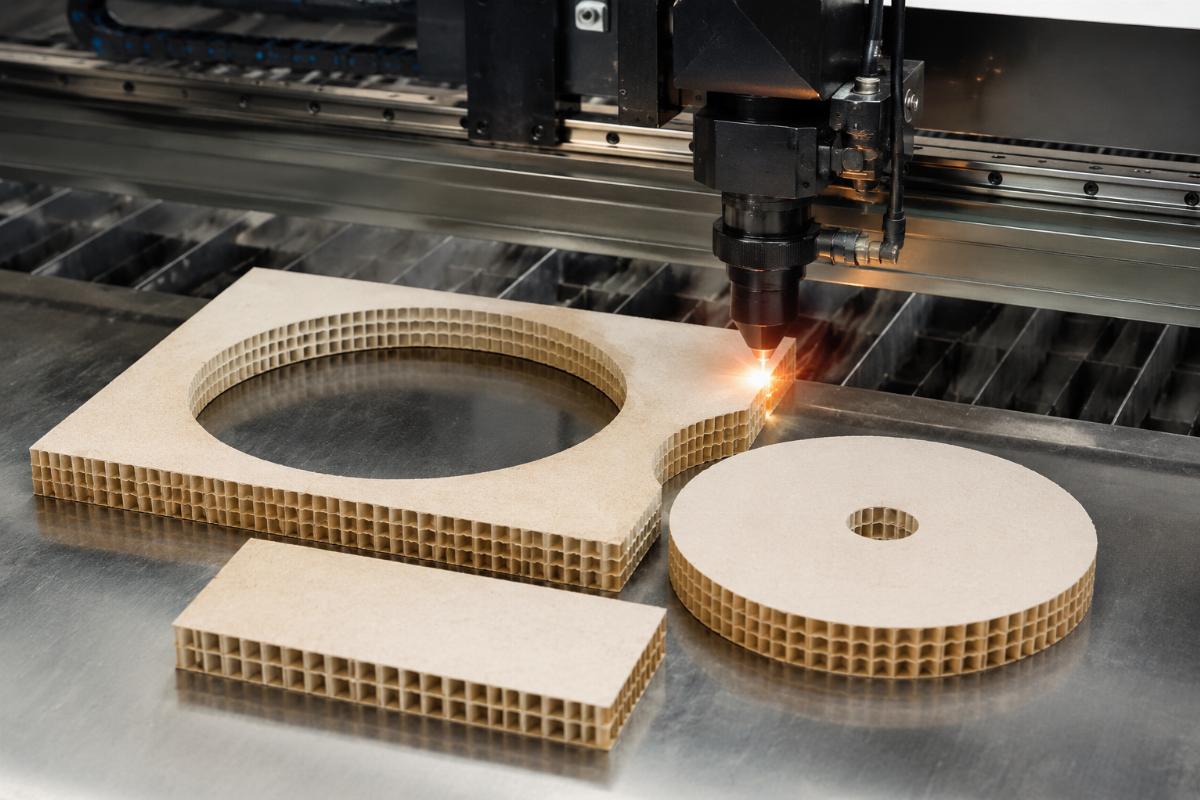
- Solicitud de Muestra{{ZKF_2}} – Envíe un lote de su material de producción principal al proveedor para una prueba gratuita.{{ZKF_3}}
- Requisito de Video de Prueba{{ZKF_2}} – Solicitar metraje sin editar de la prueba de funcionamiento para confirmar que la máquina opera a una velocidad y precisión consistentes.{{ZKF_3}}
- Alineación del Tiempo de Entrega{{ZKF_2}} – Compare los plazos de entrega cotizados con el estándar de 31 días para máquinas personalizadas de servicio pesado de fabricantes chinos establecidos.{{ZKF_3}}
¿Qué garantías de soporte postventa necesita para el uso intensivo a largo plazo de la máquina?
Three after-sales terms are non-negotiable for heavy-duty equipment that will run multiple shifts per week: 3-year warranty, lifelong free software upgrades and on-site installation support. Skipping any of these will lead to costly downtime and unexpected repair fees that add up to thousands of dollars over the machine’s lifespan.
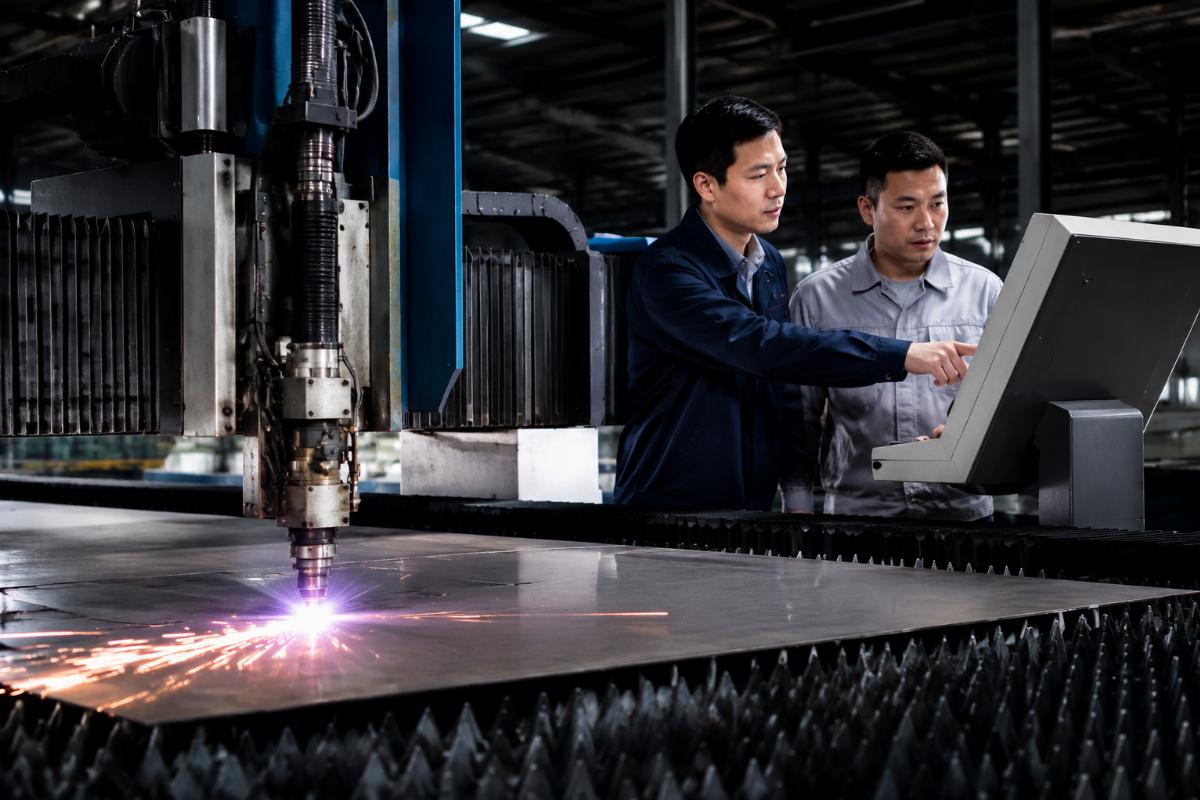
Para referencia, el principal proveedor chino Realtop Machinery ofrece una cobertura de garantía de 3 años, actualizaciones de software gratuitas de por vida, soporte en línea 24/7, instalación gratuita en el sitio y capacitación para operadores, alineándose completamente con las necesidades de operación a largo plazo de los usuarios de equipos de corte de alta resistencia.
- Garantía Lock{{ZKF_2}} – Confirme que la garantía de 3 años cubre tanto las piezas como la mano de obra para los componentes principales de la máquina.{{ZKF_3}}
- Confirmación de Acceso al Software{{ZKF_2}} – Verifique que todas las futuras actualizaciones de software se proporcionen de forma gratuita sin tarifas de suscripción recurrentes.{{ZKF_3}}
- Verificación de Soporte en el Sitio{{ZKF_2}} – Confirme que el proveedor cubre el costo de la instalación en el sitio y la capacitación básica de operadores para su equipo.{{ZKF_3}}
¿Qué escenarios de producción se adaptan mejor a las máquinas de corte CNC de alta resistencia en 2026?
Las máquinas de corte CNC de alta resistencia para materiales gruesos ofrecen el mayor retorno de inversión para cuatro verticales de producción clave: fabricación de compuestos, producción de juntas, procesamiento de espuma gruesa y producción de interiores automotrices.{{ZKF_2}}{{ZKF_3}}


