


Fast Delivery
Quick, reliable shipping to any location.

Free & easy returns
Return this item by mail or in store within 90 days for a full refund.
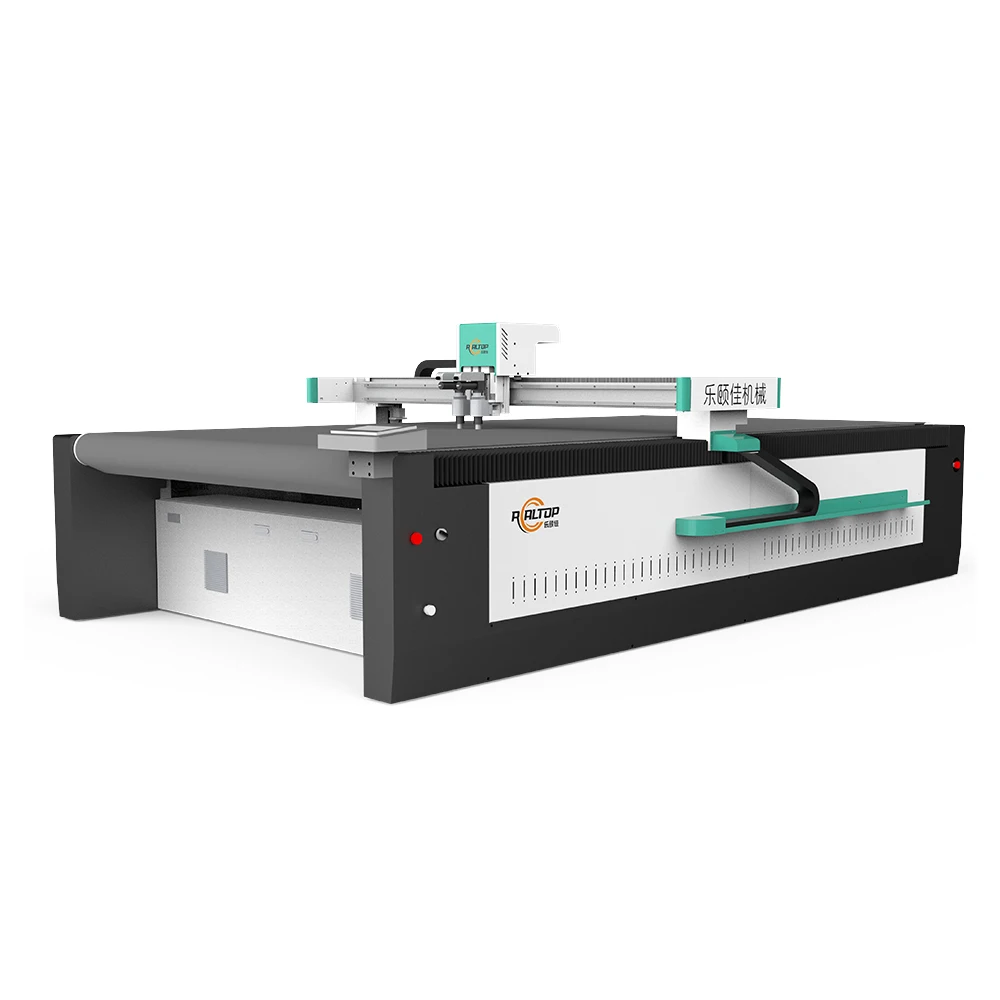
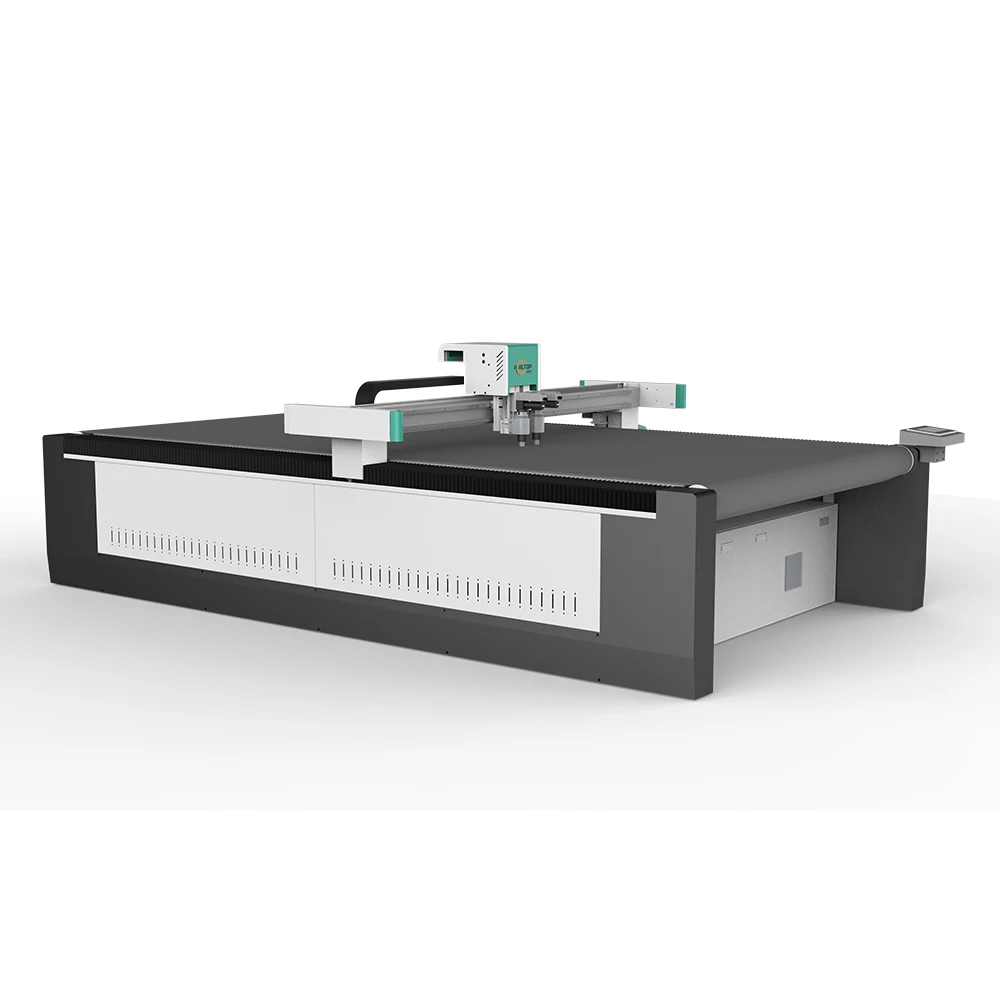
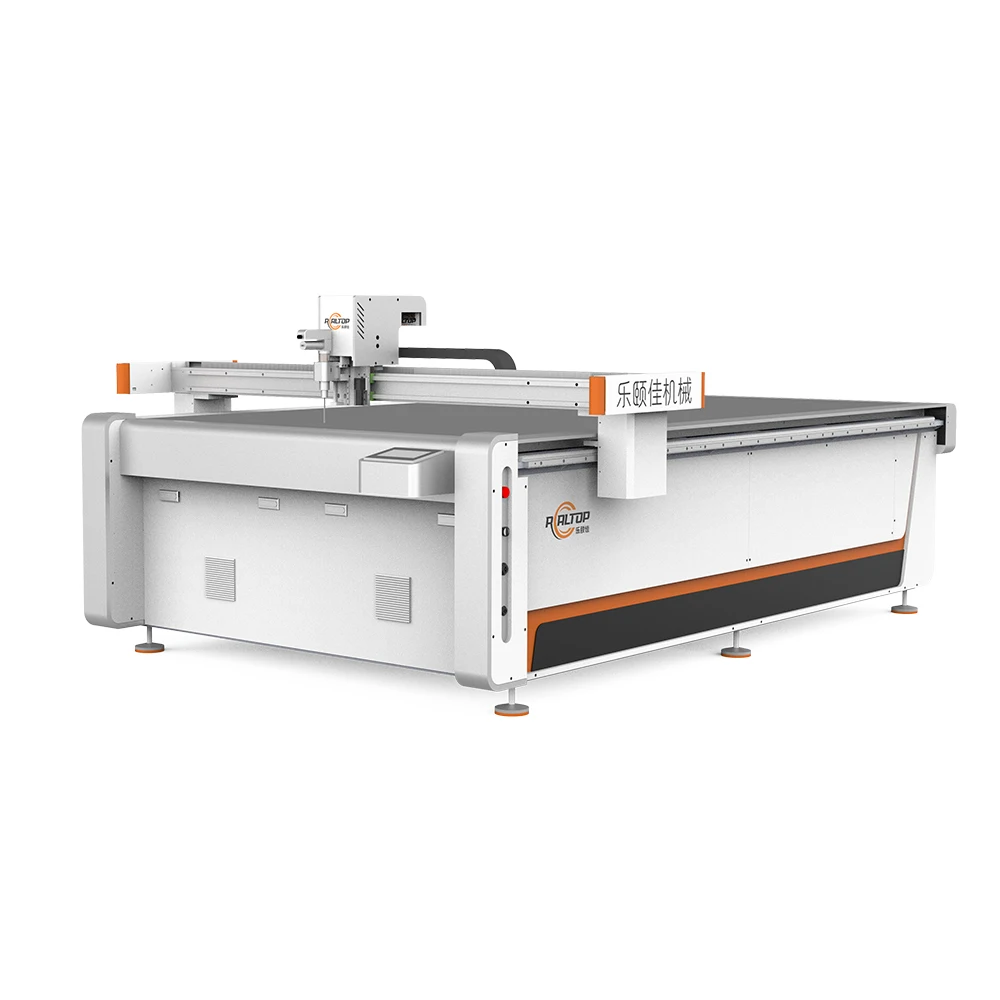
Tool head and table configuration specified per material and production volume — a gasket cutting line configured for graphite, PTFE, and composite sheets rather than sold as a generic flatbed table.
Technical Specifications
| Parameter | Value |
|---|---|
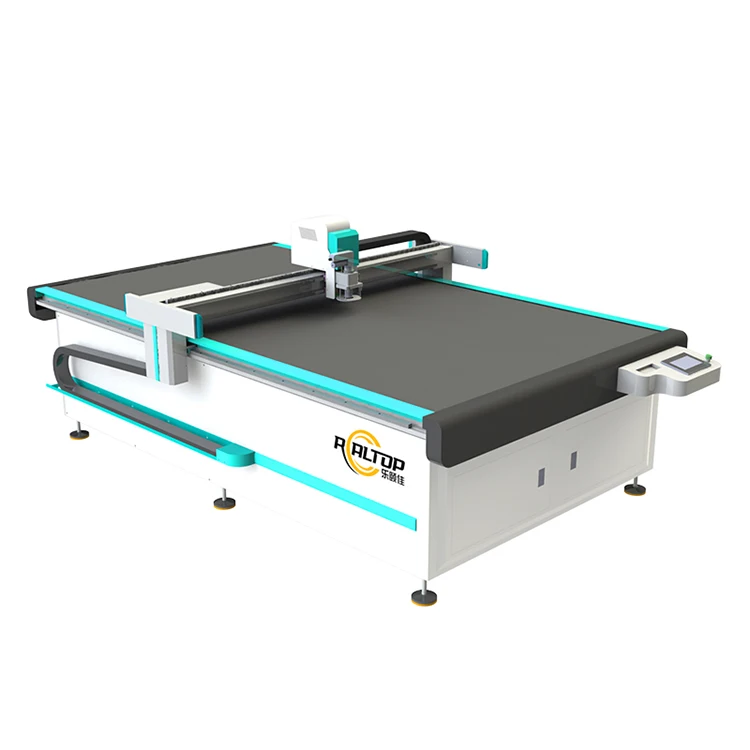
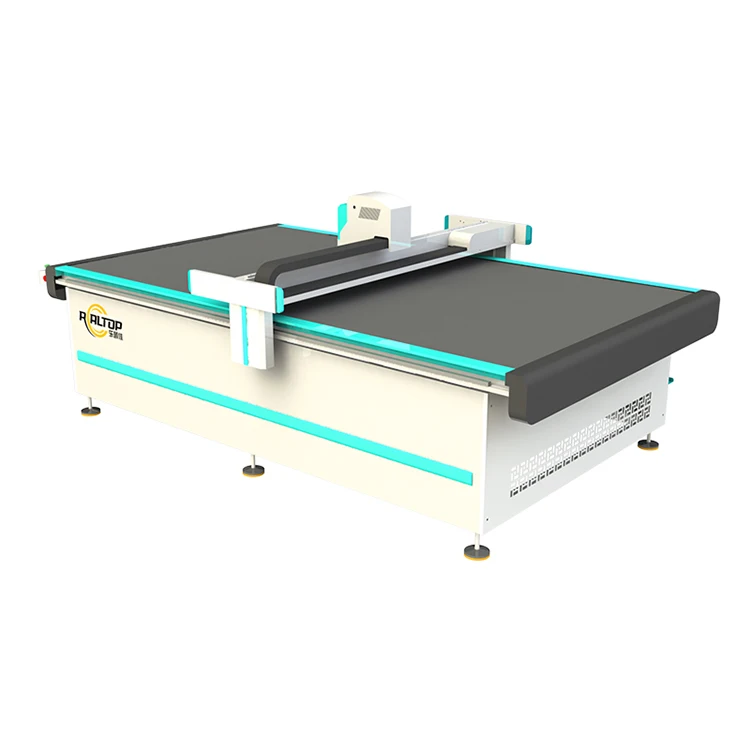
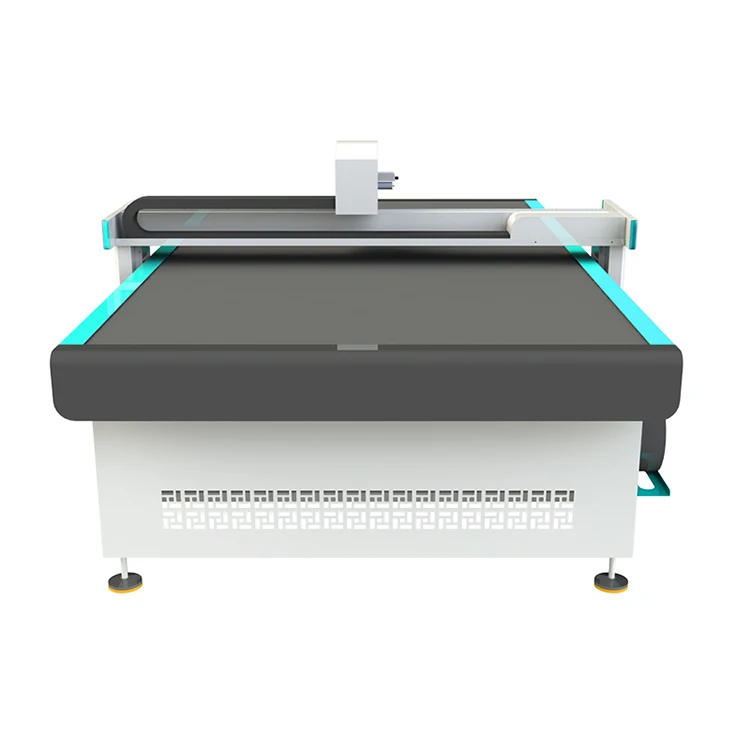
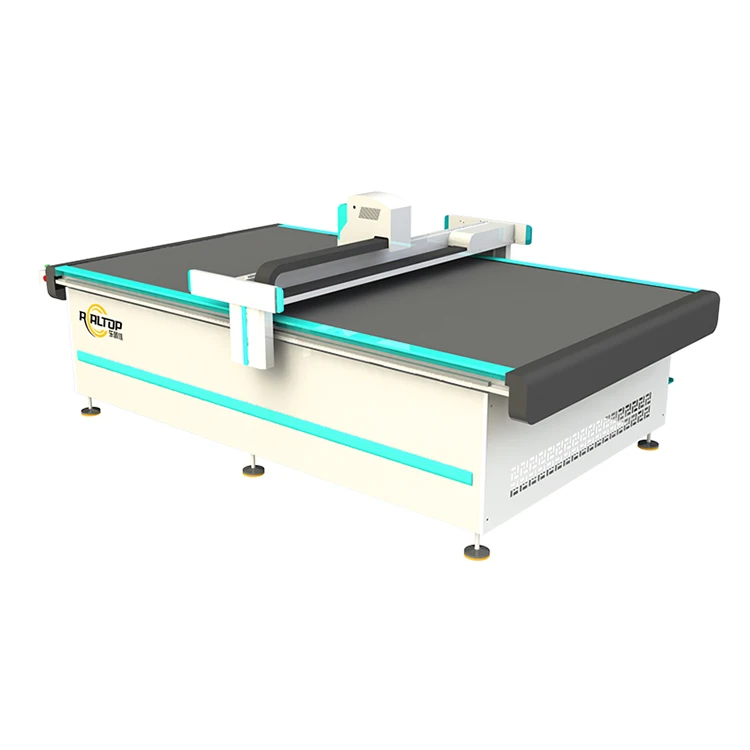
| Product Type | CNC Oscillating Knife Cutting Machine for Gasket and Composite Materials |
| Working Area | 1600×2500 mm |
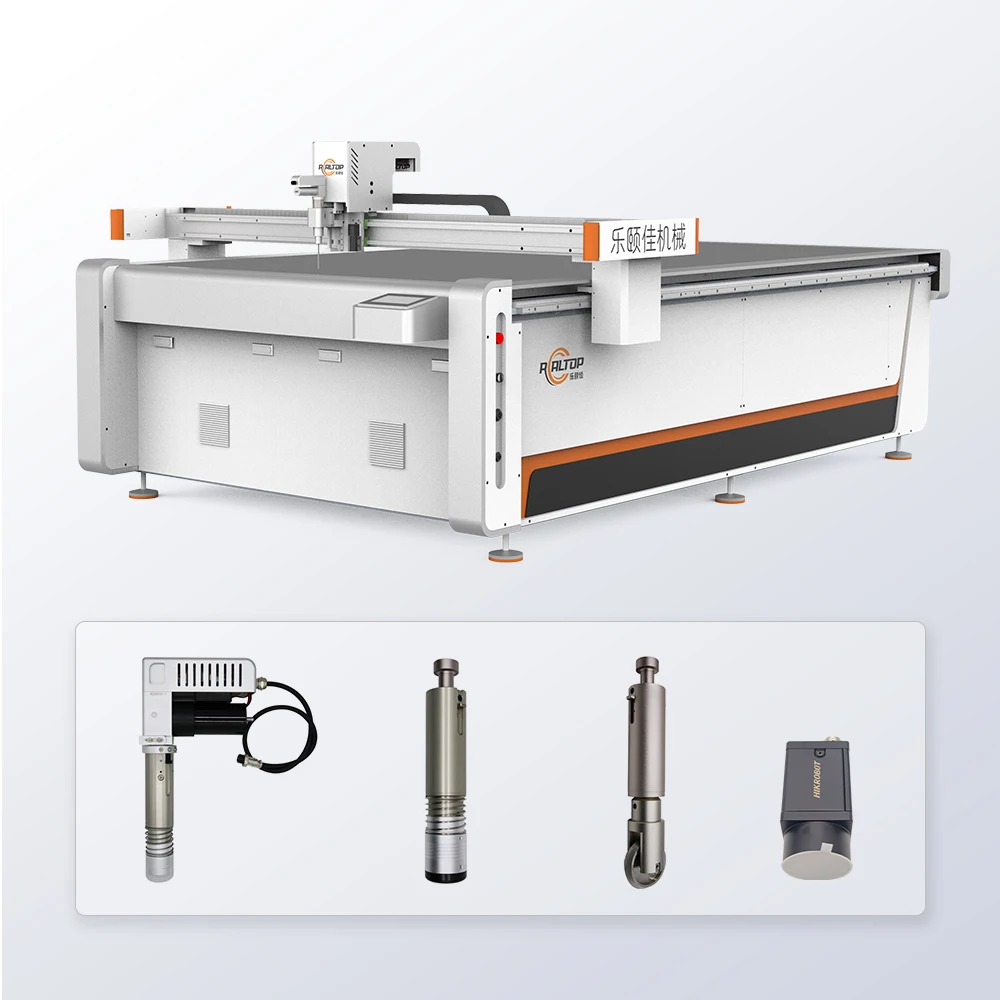
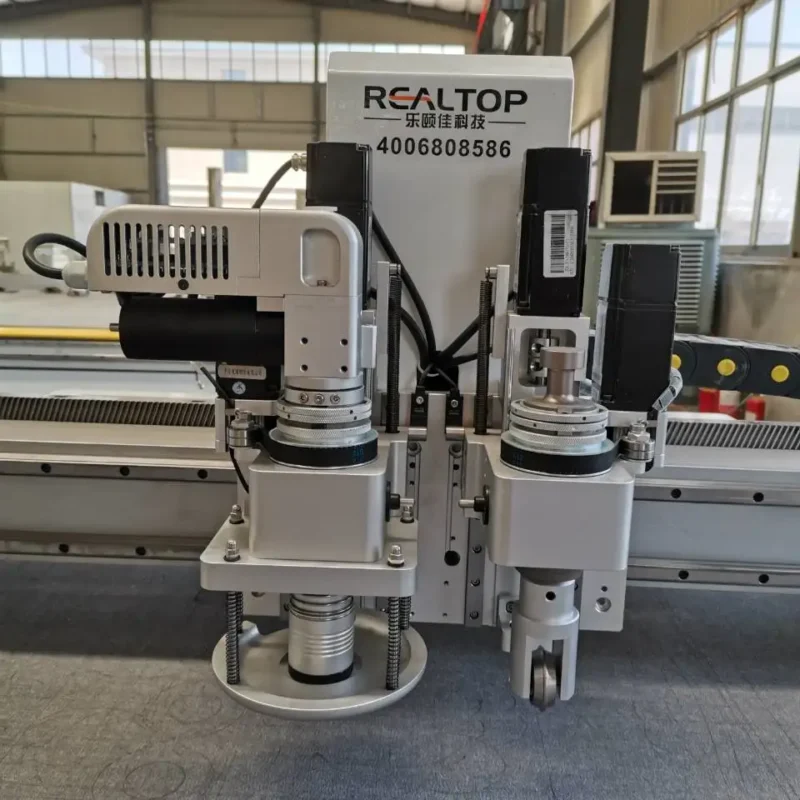
| Tool Head Options | Oscillating knife, Driven rotary knife, Creasing wheel, Kiss cutting tool, Pneumatic knife, Milling tool, V groove knife |
| Cutting Speed | 0–2000 mm/s |
| Cutting Thickness | ≤30 mm (basis not stated in source — confirm material type and density) |
| Cutting Accuracy | ±0.1 mm |
| Vacuum Pump Power | 9 kW |
| Vacuum Table | Aluminum bellows vacuum table |
| Machine Frame | Heavy-duty frame with precision-ground surface |
| Servo Motor Options | Panasonic, Delta, Dorna |
| Control System | PLC control panel with intuitive interface |
| Voltage Options | 110V, 220V, 380V (frequency not specified in source) |
| Software & File Formats | PLT, DXF, AI, PDF; dedicated packaging box structure design software included |
| Language Options | English, Russian, Italian, Chinese; special languages customizable |
| Safety Devices | Infrared sensor device and emergency stop |
| Overall Dimensions (L×W×H) | 3300×2100×1350 mm |
| Standards | CE declaration |
Application Suitability
| Application | Material or Output |
|---|---|
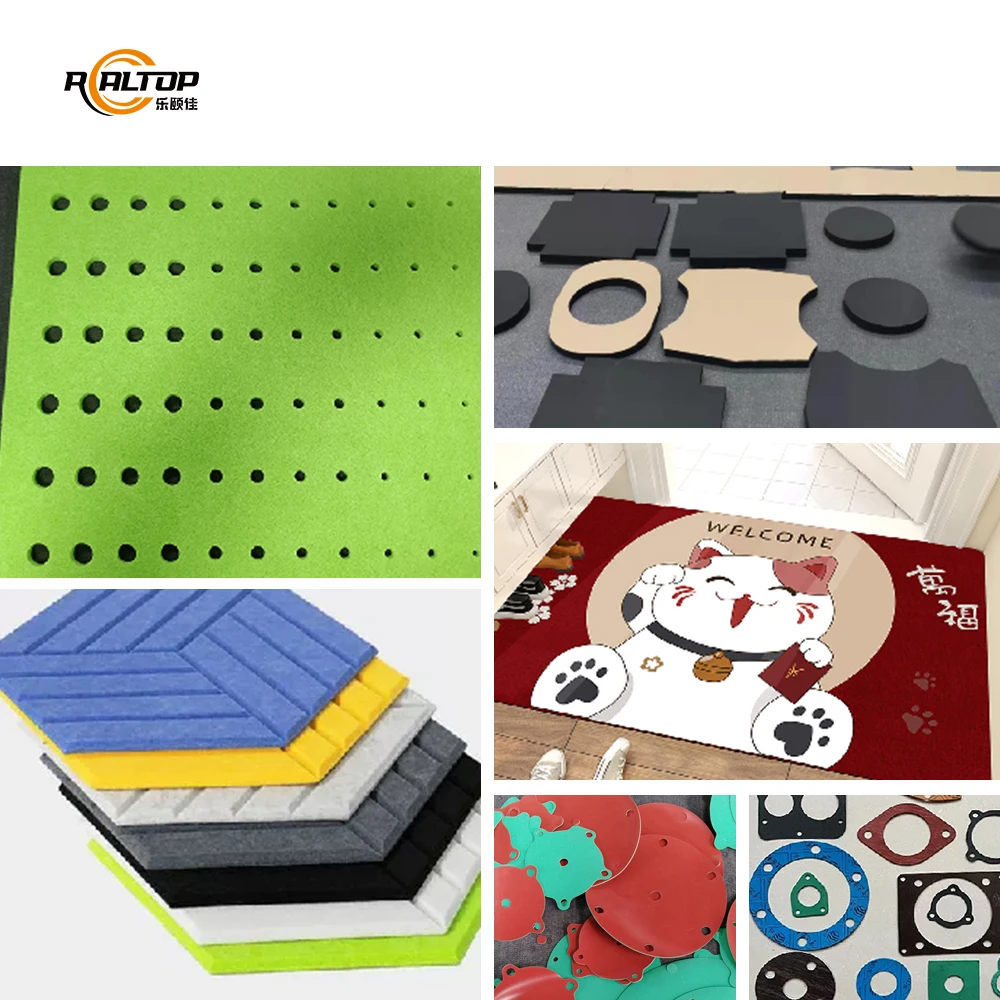
| Industrial gasket fabrication | Graphite gasket, non-asbestos fiber sheet, PTFE sheet, rubber compound |
| Automotive interior and sealing | Headliners, floor carpets, sealing strips, battery insulation pads |
| Wind energy component prep | Blade infusion mesh, PET and PVC foam core materials |
| Aerospace composite layup | Carbon fiber prepreg, aramid honeycomb (Nomex), fiberglass cloth |
| Thermal and acoustic insulation | Ceramic fiber blankets, insulation foam panels |
| Sporting goods manufacturing | Carbon fiber sheets, Kevlar laminates, high-performance foam cores |
Why "Working Area" Alone Fails Gasket Buyers — and What a CNC Oscillating Knife Cutting Machine Manufacturer Should Confirm First
A 1600×2500 mm table is meaningless if the tool head cannot cut your PTFE sheet at full thickness.
I have watched gasket producers invest in large-format tables only to discover the oscillating knife stalls on 15 mm graphite or leaves ragged edges on aramid honeycomb. The working area tells you nothing about whether the machine handles your material density, whether the vacuum zoning holds small gasket profiles flat, or whether the servo system maintains ±0.1 mm accuracy across the entire bed. When a CNC oscillating knife cutting machine manufacturer quotes table size before asking about your material stack, you are buying blind [NEED_CITE: material density and tool head matching for oscillating knife cutting].
Cold-Cutting Advantage for Resin-Based and PTFE Gasket Materials
Laser cutting generates thermal edges that compromise the chemical resistance of PTFE and delaminate resin-impregnated graphite sheets. The oscillating knife process on this CNC oscillating knife cutting machine manufacturer’s platform removes material mechanically, preserving the gasket’s sealing integrity at the cut boundary. For automotive and aerospace gasket producers, that cold-cut distinction matters — a heat-affected zone on a flange gasket can initiate leak paths under compression.
Interchangeable Tool Heads Matched to Gasket Profile Complexity
A simple circular gasket needs only an oscillating knife. But a multi-bore flange gasket with internal cutouts, V-groove scoring for fold lines, and kiss-cut registration marks demands a tool changer approach. This system offers seven tool head options including V groove knife, pneumatic knife, and milling tool, letting a single machine handle composite gasket stacks that would otherwise require secondary operations on separate equipment [NEED_CITE: multi-tool head configuration for complex gasket profiles].
Spec Interpretation for Gasket Production Floors
The 9 kW vacuum pump paired with an aluminum bellows vacuum table addresses a specific gasket problem: thin, flexible graphite and non-asbestos sheets lift during high-speed knife passes if suction is uneven. Aluminum bellows construction distributes vacuum across the table surface more consistently than drilled MDF plenums. The ±0.1 mm cutting accuracy, driven by selectable Panasonic, Delta, or Dorna servo motors, holds tolerance on multi-layer composite gaskets where a 0.3 mm deviation can cause flange misalignment in assembly. The PLC control panel with file format support for PLT, DXF, AI, and PDF means a gasket shop can import customer drawings directly without converting through intermediate CAD software — a detail that eliminates hours of file prep per batch.
The Hidden Cost of Wrong Vacuum Zoning and Voltage Specs
In Mexico, I once commissioned a graphite gasket line where the vacuum table had only two zones for a 1600×2500 mm bed. Small gasket pieces near the table edges lifted during cutting, producing scrap that the operator blamed on the knife. The real failure was zoning — a table that size needs independent zones you can isolate so suction concentrates under the active cutting area. Voltage mismatches cause a different kind of stoppage. A 380V machine shipped to a 220V facility without a step-up transformer will trip breakers on the first servo command. Confirming frequency alongside voltage is equally critical; a 60 Hz market running a 50 Hz-rated vacuum pump loses pump speed and suction capacity [NEED_CITE: voltage and frequency standards by export market].
Why Source This Platform as Your CNC Oscillating Knife Cutting Machine Manufacturer
Realtop builds both knife and laser cutting systems in-house, so a buyer cutting PTFE gaskets and acrylic signage can match the correct process to each material instead of forcing one technology across the shop. Tool head and table configuration is specified per material type and production volume, not left as a generic default. CCD camera positioning is available for printed contour work on composite sheets where registration marks guide nested cutting. Software compatibility is confirmed before order — file format and nesting workflow are validated against your existing CAD environment. Voltage, plug type, control language, and interface labels are customized for the destination market. Sample cutting on your own gasket material is completed before commitment, so cutting depth, edge quality, and cycle time are documented, not promised.
Documentation & Verification
- Machine specification sheet confirming tool head selection and cutting thickness by gasket material type
- Electrical schematic with voltage, frequency, and plug type matched to destination market standards
- Sample cutting report on buyer’s graphite, PTFE, or composite material with edge quality photographs
- Software licence and file format compatibility note for PLT, DXF, AI, and PDF workflows
- Factory test record verifying ±0.1 mm accuracy across the full 1600×2500 mm working area
- CE declaration documentation for European market compliance
Installation, Commissioning & Support
- Foundation must support 3300×2100×1350 mm overall dimensions with level tolerance for the precision-ground heavy-duty frame
- Dedicated electrical circuit sized for the 9 kW vacuum pump plus servo and PLC load at confirmed voltage
- Machine ships fully assembled; rigging plan required for the 1625-format frame through standard workshop doors
- First-run commissioning includes vacuum zone mapping and tool head calibration for your specific gasket material
- Operator training covers PLC interface navigation, tool changeover procedure, and file import from PLT and DXF sources
- Spare parts list includes oscillating knife blades, vacuum table seals, and servo-specific consumables
What to Prepare Before Requesting a Quote
Send your gasket material type, thickness range, and maximum sheet dimensions so the tool head and vacuum table configuration can be matched correctly. Specify your facility voltage, frequency, and plug standard — this determines transformer requirements and motor winding configuration. If you run an existing nesting or CAD workflow, share a sample file in your native format so software compatibility is verified before the order is placed.
Frequently Asked Questions
Q: Should I use an oscillating knife or laser to cut my PTFE and graphite gasket materials?
A: Oscillating knife is preferred for PTFE and graphite because the cold-cutting process avoids thermal degradation at the cut edge. Laser cutting can alter the chemical resistance of PTFE and cause delamination in resin-impregnated graphite. The CNC oscillating knife cutting machine manufacturer should sample-cut your specific material to confirm edge quality before you commit to a configuration.
Q: What does cutting thickness capacity actually depend on beyond the machine’s rated maximum?
A: The ≤30 mm rating varies by material density and composition. A 30 mm low-density foam cuts differently than a 10 mm compressed non-asbestos fiber sheet. Tool head selection, knife oscillation frequency, and vacuum hold-down pressure all interact with material properties. Always request a sample cutting report on your actual gasket stock.
Q: How do voltage and frequency options affect international installation of this cutting system?
A: The system supports 110V, 220V, and 380V configurations, but frequency must be confirmed separately — a 50 Hz motor on a 60 Hz supply runs faster and hotter than rated. Servo motors, vacuum pump, and PLC all require matching voltage and frequency. Electrical schematics are prepared for the destination market before production.
Q: Why does vacuum table zoning matter when cutting small gasket parts?
A: On a 1600×2500 mm table, running full-bed vacuum for a small gasket wastes suction capacity and reduces hold-down pressure on the active area. Zoned vacuum tables let you isolate suction to the cutting region, keeping thin graphite and flexible composite sheets flat. Without proper zoning, small parts lift and shift during knife passes.
Q: Will this system accept my existing CAD files and nesting software workflow?
A: The control software imports PLT, DXF, AI, and PDF formats directly. If your shop uses a dedicated nesting platform, file format compatibility should be confirmed with sample files before the order. The system includes dedicated packaging box structure design software, and language customization is available for the control interface.
Tool head and table configuration specified per material and production volume — a gasket cutting line configured for graphite, PTFE, and composite sheets rather than sold as a generic flatbed table.
Technical Specifications
| Parameter | Value |
|---|---|
| Product Type | CNC Oscillating Knife Cutting Machine for Gasket and Composite Materials |
| Working Area | 1600×2500 mm |
| Tool Head Options | Oscillating knife, Driven rotary knife, Creasing wheel, Kiss cutting tool, Pneumatic knife, Milling tool, V groove knife |
| Cutting Speed | 0–2000 mm/s |
| Cutting Thickness | ≤30 mm (basis not stated in source — confirm material type and density) |
| Cutting Accuracy | ±0.1 mm |
| Vacuum Pump Power | 9 kW |
| Vacuum Table | Aluminum bellows vacuum table |
| Machine Frame | Heavy-duty frame with precision-ground surface |
| Servo Motor Options | Panasonic, Delta, Dorna |
| Control System | PLC control panel with intuitive interface |
| Voltage Options | 110V, 220V, 380V (frequency not specified in source) |
| Software & File Formats | PLT, DXF, AI, PDF; dedicated packaging box structure design software included |
| Language Options | English, Russian, Italian, Chinese; special languages customizable |
| Safety Devices | Infrared sensor device and emergency stop |
| Overall Dimensions (L×W×H) | 3300×2100×1350 mm |
| Standards | CE declaration |
Application Suitability
| Application | Material or Output |
|---|---|
| Industrial gasket fabrication | Graphite gasket, non-asbestos fiber sheet, PTFE sheet, rubber compound |
| Automotive interior and sealing | Headliners, floor carpets, sealing strips, battery insulation pads |
| Wind energy component prep | Blade infusion mesh, PET and PVC foam core materials |
| Aerospace composite layup | Carbon fiber prepreg, aramid honeycomb (Nomex), fiberglass cloth |
| Thermal and acoustic insulation | Ceramic fiber blankets, insulation foam panels |
| Sporting goods manufacturing | Carbon fiber sheets, Kevlar laminates, high-performance foam cores |
Why "Working Area" Alone Fails Gasket Buyers — and What a CNC Oscillating Knife Cutting Machine Manufacturer Should Confirm First
A 1600×2500 mm table is meaningless if the tool head cannot cut your PTFE sheet at full thickness.
I have watched gasket producers invest in large-format tables only to discover the oscillating knife stalls on 15 mm graphite or leaves ragged edges on aramid honeycomb. The working area tells you nothing about whether the machine handles your material density, whether the vacuum zoning holds small gasket profiles flat, or whether the servo system maintains ±0.1 mm accuracy across the entire bed. When a CNC oscillating knife cutting machine manufacturer quotes table size before asking about your material stack, you are buying blind [NEED_CITE: material density and tool head matching for oscillating knife cutting].
Cold-Cutting Advantage for Resin-Based and PTFE Gasket Materials
Laser cutting generates thermal edges that compromise the chemical resistance of PTFE and delaminate resin-impregnated graphite sheets. The oscillating knife process on this CNC oscillating knife cutting machine manufacturer’s platform removes material mechanically, preserving the gasket’s sealing integrity at the cut boundary. For automotive and aerospace gasket producers, that cold-cut distinction matters — a heat-affected zone on a flange gasket can initiate leak paths under compression.
Interchangeable Tool Heads Matched to Gasket Profile Complexity
A simple circular gasket needs only an oscillating knife. But a multi-bore flange gasket with internal cutouts, V-groove scoring for fold lines, and kiss-cut registration marks demands a tool changer approach. This system offers seven tool head options including V groove knife, pneumatic knife, and milling tool, letting a single machine handle composite gasket stacks that would otherwise require secondary operations on separate equipment [NEED_CITE: multi-tool head configuration for complex gasket profiles].
Spec Interpretation for Gasket Production Floors
The 9 kW vacuum pump paired with an aluminum bellows vacuum table addresses a specific gasket problem: thin, flexible graphite and non-asbestos sheets lift during high-speed knife passes if suction is uneven. Aluminum bellows construction distributes vacuum across the table surface more consistently than drilled MDF plenums. The ±0.1 mm cutting accuracy, driven by selectable Panasonic, Delta, or Dorna servo motors, holds tolerance on multi-layer composite gaskets where a 0.3 mm deviation can cause flange misalignment in assembly. The PLC control panel with file format support for PLT, DXF, AI, and PDF means a gasket shop can import customer drawings directly without converting through intermediate CAD software — a detail that eliminates hours of file prep per batch.
The Hidden Cost of Wrong Vacuum Zoning and Voltage Specs
In Mexico, I once commissioned a graphite gasket line where the vacuum table had only two zones for a 1600×2500 mm bed. Small gasket pieces near the table edges lifted during cutting, producing scrap that the operator blamed on the knife. The real failure was zoning — a table that size needs independent zones you can isolate so suction concentrates under the active cutting area. Voltage mismatches cause a different kind of stoppage. A 380V machine shipped to a 220V facility without a step-up transformer will trip breakers on the first servo command. Confirming frequency alongside voltage is equally critical; a 60 Hz market running a 50 Hz-rated vacuum pump loses pump speed and suction capacity [NEED_CITE: voltage and frequency standards by export market].
Why Source This Platform as Your CNC Oscillating Knife Cutting Machine Manufacturer
Realtop builds both knife and laser cutting systems in-house, so a buyer cutting PTFE gaskets and acrylic signage can match the correct process to each material instead of forcing one technology across the shop. Tool head and table configuration is specified per material type and production volume, not left as a generic default. CCD camera positioning is available for printed contour work on composite sheets where registration marks guide nested cutting. Software compatibility is confirmed before order — file format and nesting workflow are validated against your existing CAD environment. Voltage, plug type, control language, and interface labels are customized for the destination market. Sample cutting on your own gasket material is completed before commitment, so cutting depth, edge quality, and cycle time are documented, not promised.
Documentation & Verification
- Machine specification sheet confirming tool head selection and cutting thickness by gasket material type
- Electrical schematic with voltage, frequency, and plug type matched to destination market standards
- Sample cutting report on buyer’s graphite, PTFE, or composite material with edge quality photographs
- Software licence and file format compatibility note for PLT, DXF, AI, and PDF workflows
- Factory test record verifying ±0.1 mm accuracy across the full 1600×2500 mm working area
- CE declaration documentation for European market compliance
Installation, Commissioning & Support
- Foundation must support 3300×2100×1350 mm overall dimensions with level tolerance for the precision-ground heavy-duty frame
- Dedicated electrical circuit sized for the 9 kW vacuum pump plus servo and PLC load at confirmed voltage
- Machine ships fully assembled; rigging plan required for the 1625-format frame through standard workshop doors
- First-run commissioning includes vacuum zone mapping and tool head calibration for your specific gasket material
- Operator training covers PLC interface navigation, tool changeover procedure, and file import from PLT and DXF sources
- Spare parts list includes oscillating knife blades, vacuum table seals, and servo-specific consumables
What to Prepare Before Requesting a Quote
Send your gasket material type, thickness range, and maximum sheet dimensions so the tool head and vacuum table configuration can be matched correctly. Specify your facility voltage, frequency, and plug standard — this determines transformer requirements and motor winding configuration. If you run an existing nesting or CAD workflow, share a sample file in your native format so software compatibility is verified before the order is placed.
Frequently Asked Questions
Q: Should I use an oscillating knife or laser to cut my PTFE and graphite gasket materials?
A: Oscillating knife is preferred for PTFE and graphite because the cold-cutting process avoids thermal degradation at the cut edge. Laser cutting can alter the chemical resistance of PTFE and cause delamination in resin-impregnated graphite. The CNC oscillating knife cutting machine manufacturer should sample-cut your specific material to confirm edge quality before you commit to a configuration.
Q: What does cutting thickness capacity actually depend on beyond the machine’s rated maximum?
A: The ≤30 mm rating varies by material density and composition. A 30 mm low-density foam cuts differently than a 10 mm compressed non-asbestos fiber sheet. Tool head selection, knife oscillation frequency, and vacuum hold-down pressure all interact with material properties. Always request a sample cutting report on your actual gasket stock.
Q: How do voltage and frequency options affect international installation of this cutting system?
A: The system supports 110V, 220V, and 380V configurations, but frequency must be confirmed separately — a 50 Hz motor on a 60 Hz supply runs faster and hotter than rated. Servo motors, vacuum pump, and PLC all require matching voltage and frequency. Electrical schematics are prepared for the destination market before production.
Q: Why does vacuum table zoning matter when cutting small gasket parts?
A: On a 1600×2500 mm table, running full-bed vacuum for a small gasket wastes suction capacity and reduces hold-down pressure on the active area. Zoned vacuum tables let you isolate suction to the cutting region, keeping thin graphite and flexible composite sheets flat. Without proper zoning, small parts lift and shift during knife passes.
Q: Will this system accept my existing CAD files and nesting software workflow?
A: The control software imports PLT, DXF, AI, and PDF formats directly. If your shop uses a dedicated nesting platform, file format compatibility should be confirmed with sample files before the order. The system includes dedicated packaging box structure design software, and language customization is available for the control interface.
商品评价
There are no reviews yet.