


Fast Delivery
Quick, reliable shipping to any location.

Free & easy returns
Return this item by mail or in store within 90 days for a full refund.
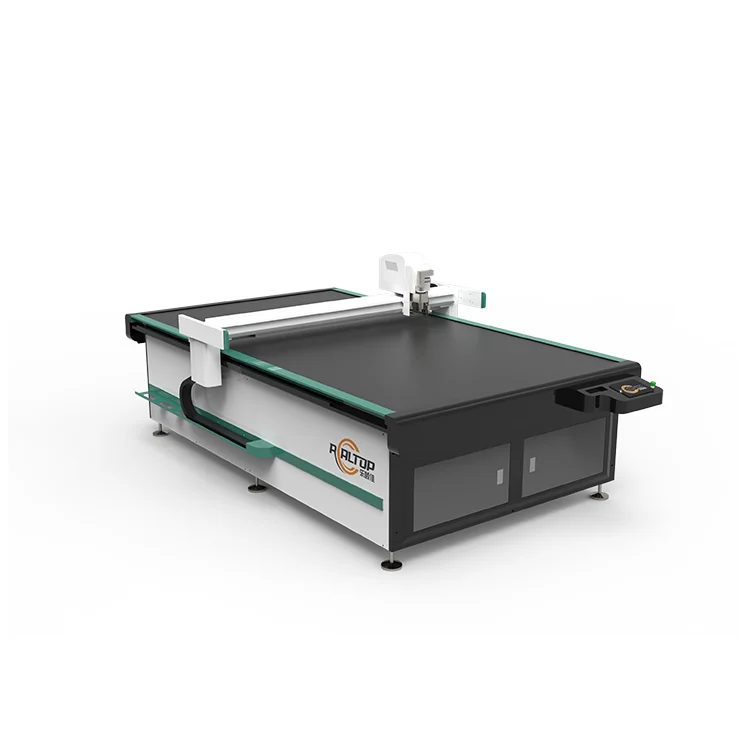
In-house dual-process capability — we build both knife and laser systems under one roof, so gasket fabricators can match the cold-cutting method to PTFE, rubber, and reinforced composites without forcing a thermal process onto heat-sensitive materials.
Technical Specifications
| Parameter | Value |
|---|---|
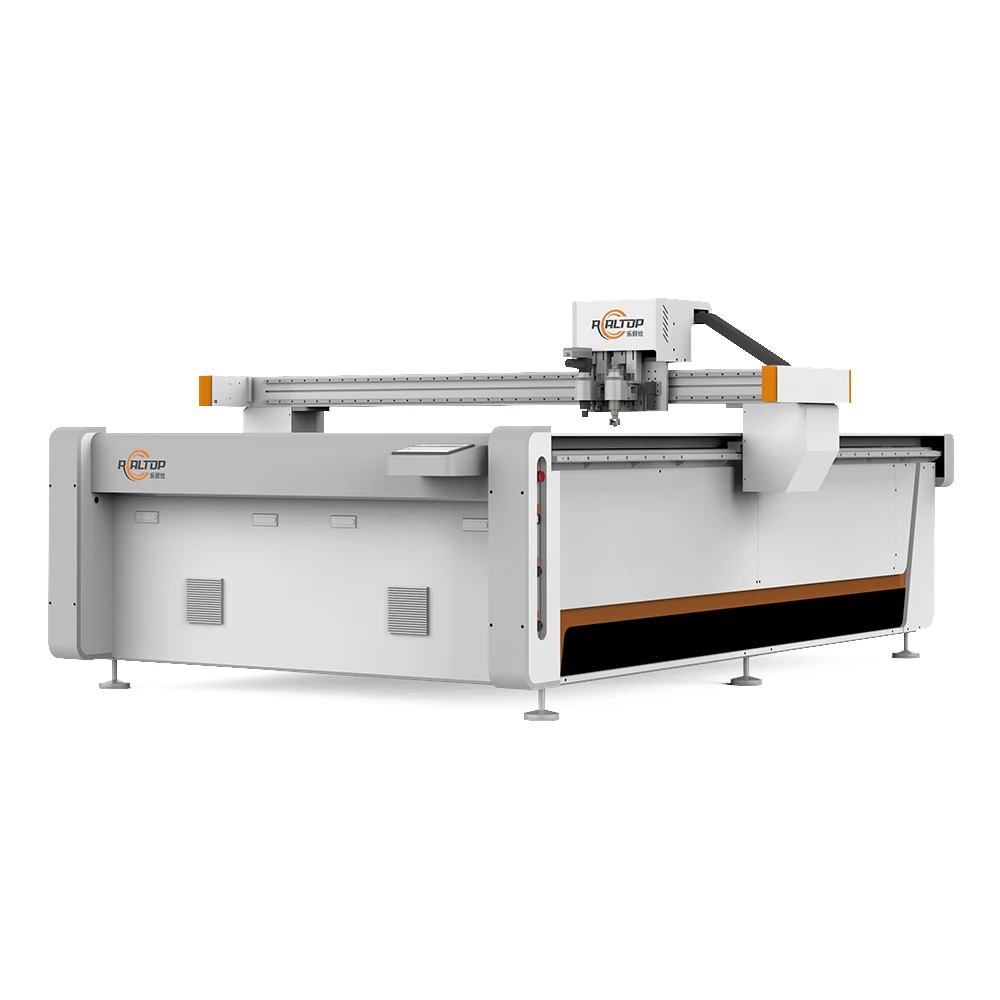
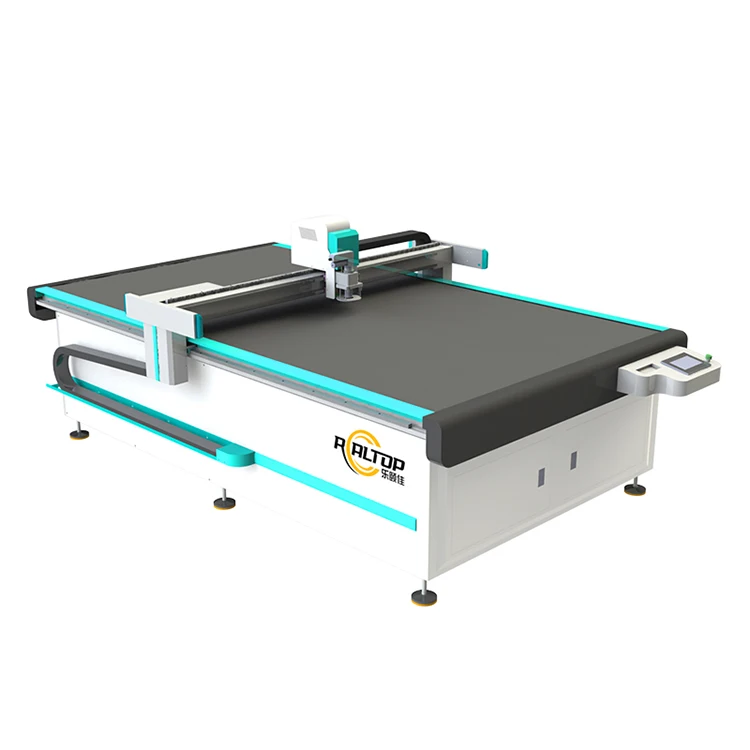
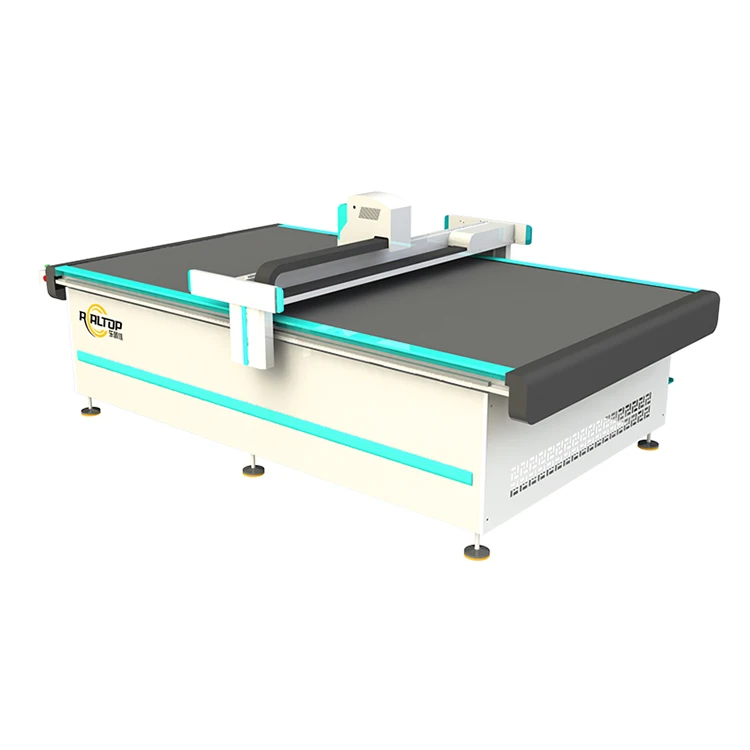
| Product Type | CNC Oscillating Knife Cutting Machine |
| Working Area | 1600×2500 mm |
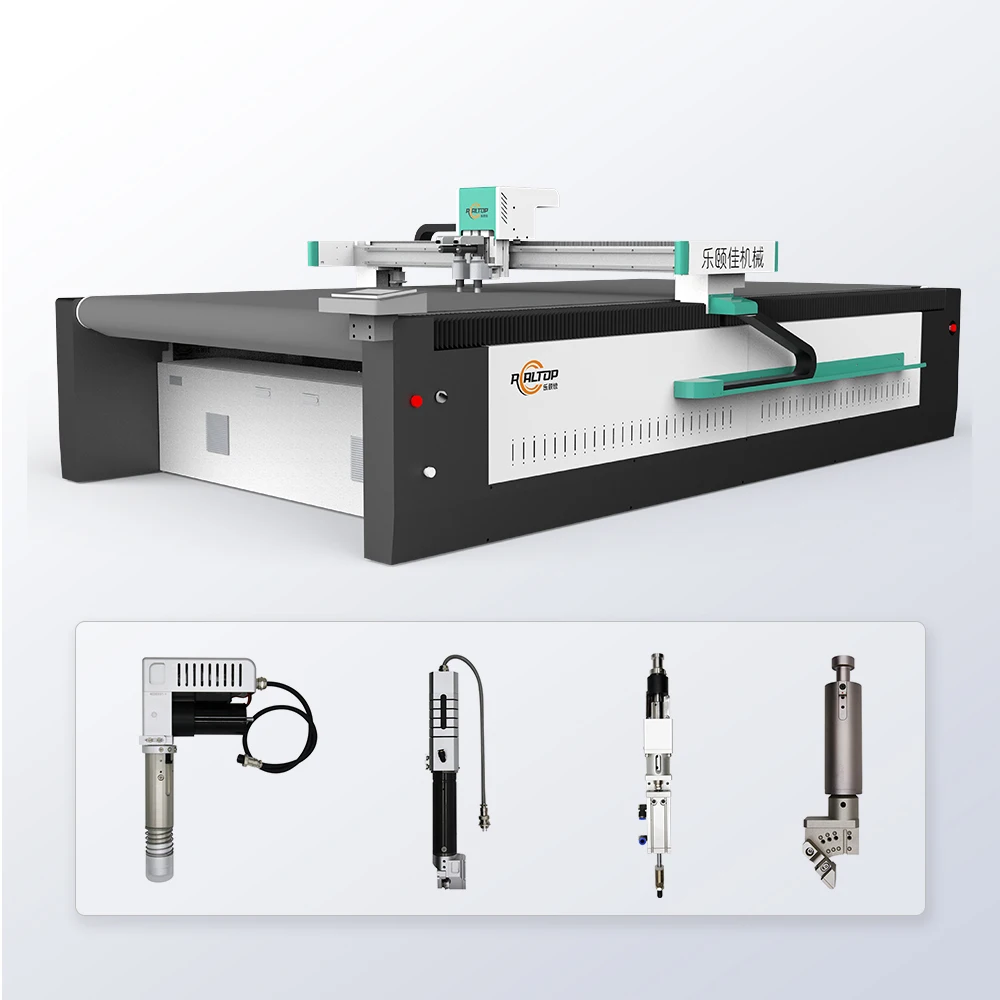
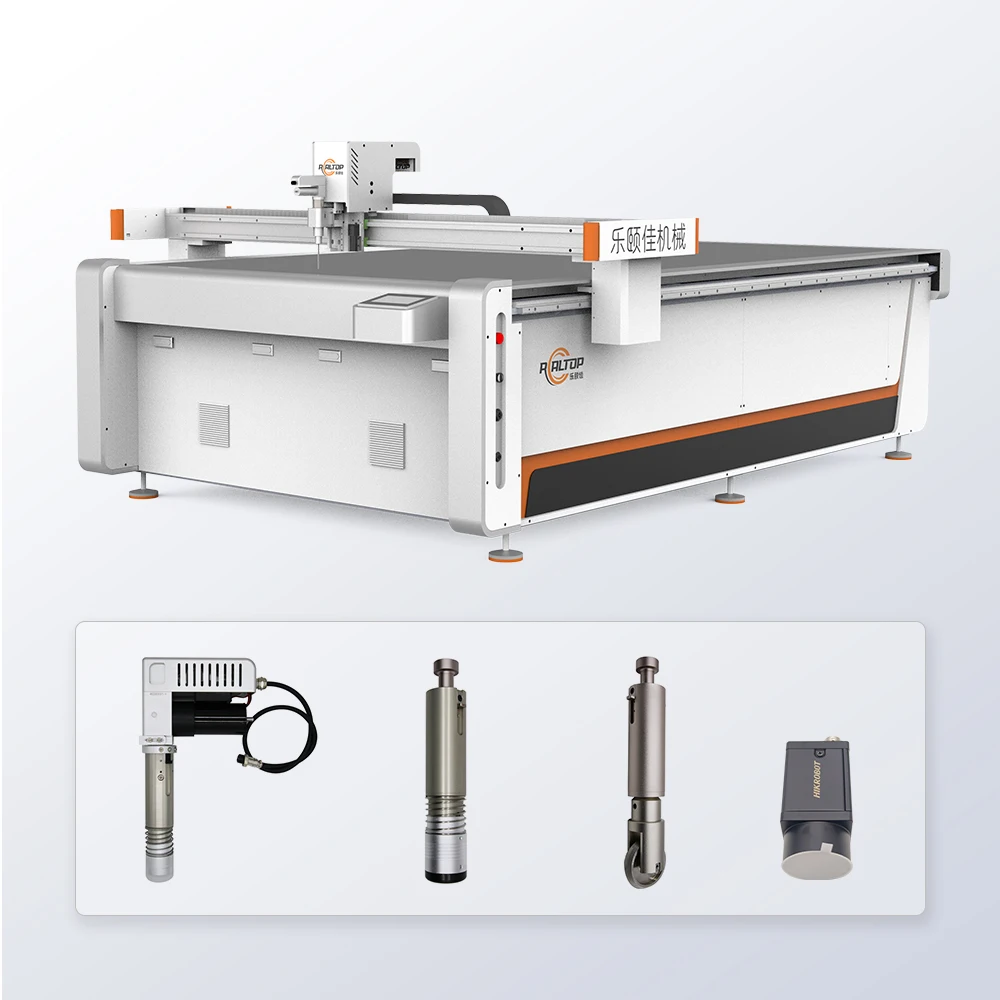
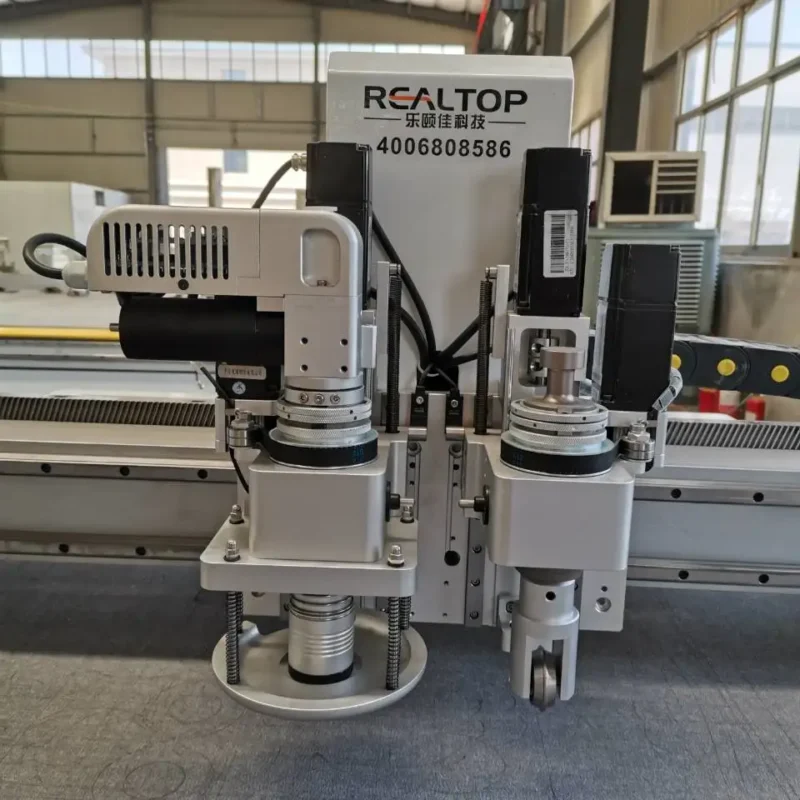
| Tool Head Options | Oscillating knife, Driven rotary knife, Pneumatic knife, Creasing wheel, Kiss cutting, Milling tool, V groove knife |
| Cutting Speed | 0-2000 mm/s |
| Positioning Accuracy | ±0.1 mm |
| Vacuum Pump Power | 9 kW |
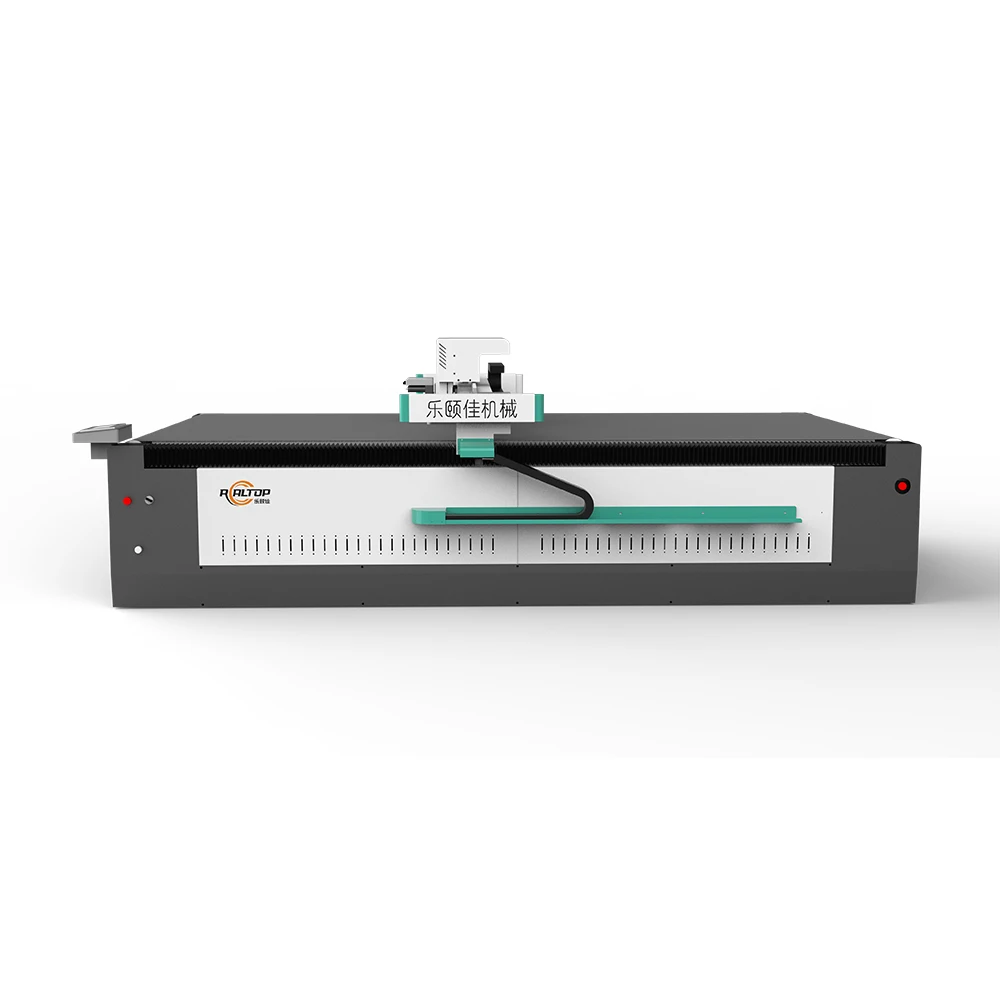
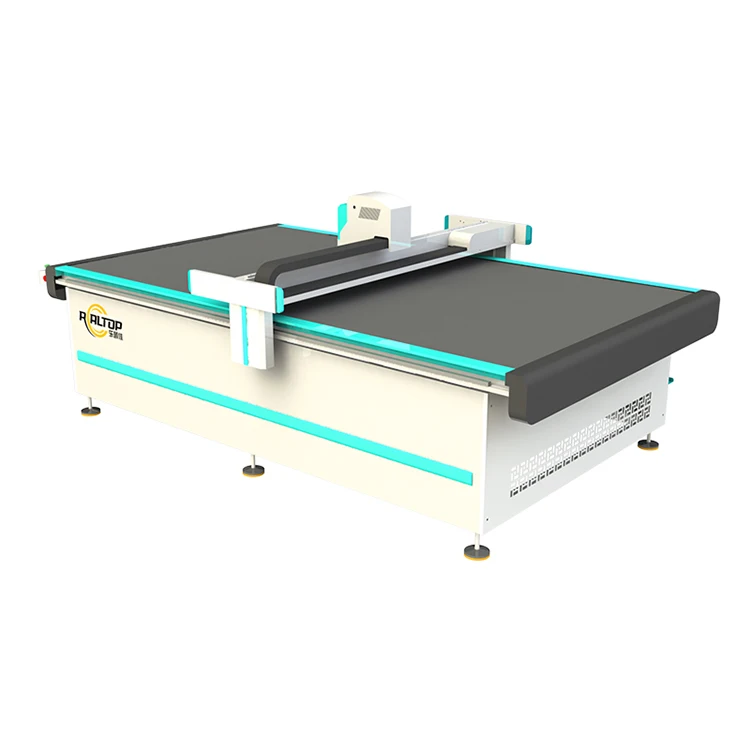
| Vacuum Table | Aluminum bellows with full-surface adsorption |
| Machine Frame | Heavy-duty frame with precision-ground surface |
| Servo Motor Options | Panasonic, Delta, Dorna |
| Voltage Options | 110V, 220V, 380V (frequency to be confirmed) |
| Control System | PLC control panel with multi-language display |
| Supported File Formats | PLT, DXF, AI, PDF |
| Safety Devices | Infrared sensor device, Emergency stop device |
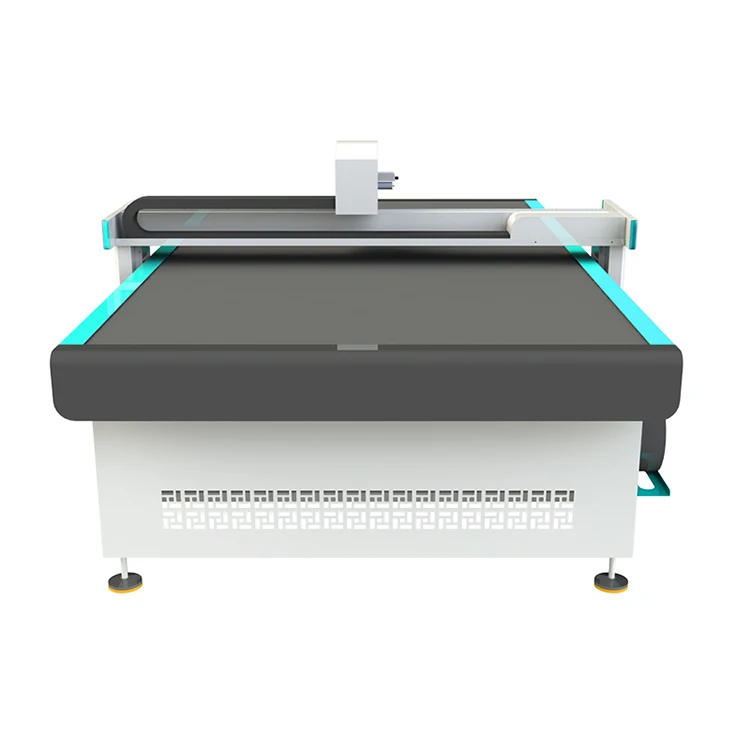
| Machine Dimensions (L×W×H) | 3300×2100×1350 mm |
| Certification | CE (declaration where applicable) |
Application Suitability
| Application | Material or Output |
|---|---|
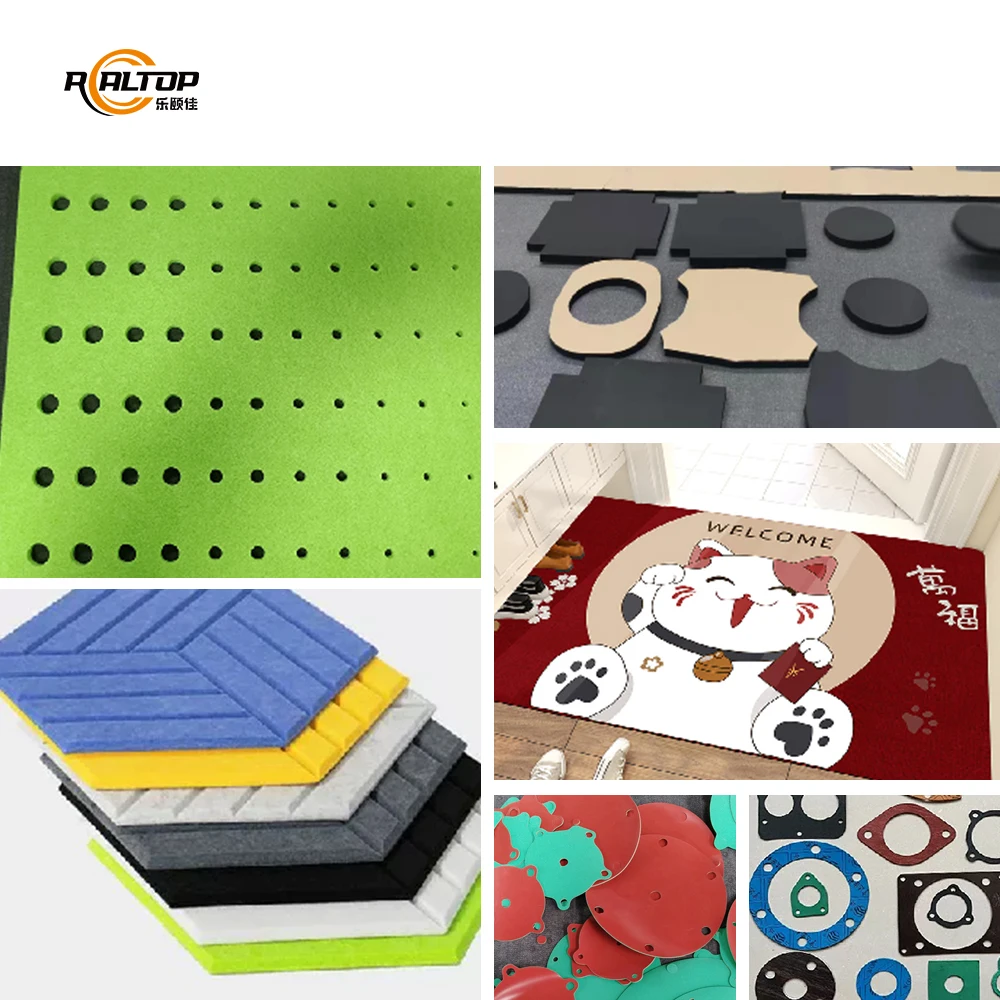
| Gasket & Seal Production | PTFE, rubber, compressed non-asbestos fiber, composite gasket sheets |
| Automotive Sealing | EPDM strips, silicone sponge, cork-rubber composites for engine and transmission seals |
| Aerospace Gaskets & Trim | Aramid honeycomb (Nomex), carbon fiber prepreg, ceramic fiber blankets, thermal insulation foam |
| Industrial Flange Seals | Ring gaskets, full-face gaskets, and custom flange profiles from compressed fiber sheets |
| Heavy Machinery Seals | High-temperature silicone, fiberglass-reinforced elastomers for hydraulic and pneumatic cylinders |
Why Material Thickness Claims Fail on the Shop Floor
The cutting depth number in a brochure means nothing without the material type attached to it.
I remember a gasket shop in Shandong that ordered a machine rated for 30 mm cutting depth (basis not stated in source). They tested it on soft rubber — no problem. Then production started on fiberglass-reinforced composite gasket material, and the blade stalled halfway through. Edges frayed, material delaminated, and the line stopped while they scrambled for a solution [NEED_CITE: gasket material tensile and shear resistance variations]. The problem was not the machine. It was the specification conversation that never happened before the order. A CNC Oscillating Knife Cutting Machine for sale on paper is not the same as one configured for your actual stock. That mismatch is what turns a capital investment into a bottleneck.
Matching the Tool Head to the Gasket Material
Gasket materials behave very differently under a blade. PTFE cuts cleanly with a high-frequency oscillating knife, but reinforced rubber needs the punching force of a pneumatic knife to penetrate without dragging. The platform supports interchangeable tool heads — oscillating, pneumatic, driven rotary, and milling — so the cutting action can follow the material rather than the other way around. Selecting the correct CNC Oscillating Knife Cutting Machine for sale depends on knowing your hardest, toughest stock before anything else.
Vacuum Holding Power on Thin and Small Parts
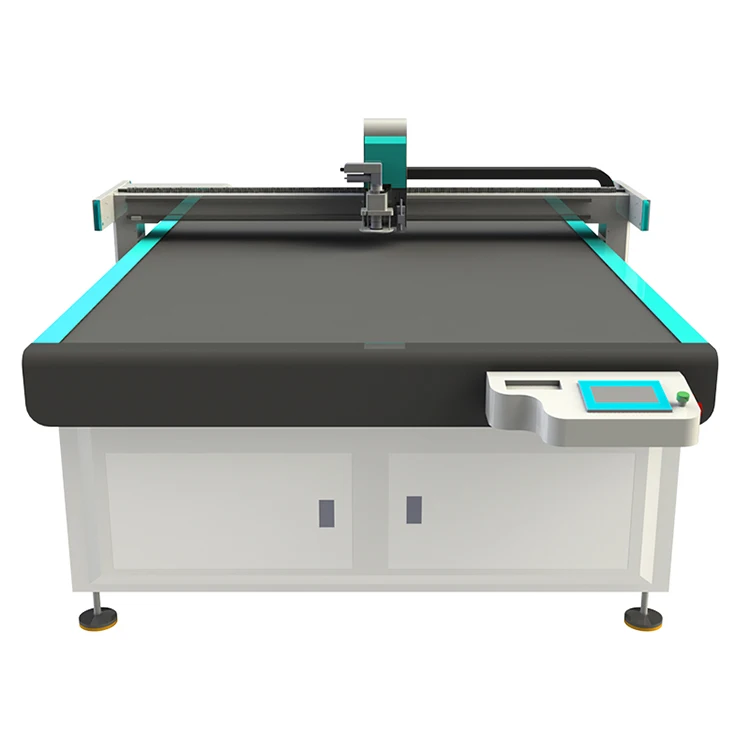
Gasket profiles often produce small, intricate shapes that sit loosely on a table. The aluminum bellows vacuum table here delivers full-surface adsorption rather than zoned suction, which keeps thin PTFE and compressed fiber sheets locked flat across the entire bed. Without that uniform hold, a vibrating blade can lift a corner and ruin the tolerance on a critical flange seal. For nested production runs of mixed gasket sizes, consistent vacuum distribution matters as much as the cutting head itself [NEED_CITE: vacuum table adsorption standards for flatbed cutting].
Reading the Numbers That Matter
The ±0.1 mm positioning accuracy is driven by servo motors from Panasonic, Delta, or Dorna, and it translates directly into gasket bolt-hole alignment — a flange seal that is off by half a millimeter on a high-pressure joint will leak under load. The 1600×2500 mm working area accommodates full standard sheets of compressed fiber and rubber, reducing remnant waste. A 9 kW vacuum pump provides the suction force needed for dense, non-porous gasket materials that resist initial adsorption. The PLC control panel accepts PLT, DXF, AI, and PDF files, which covers the formats most gasket shops already use in their nesting workflows. Cutting speed ranges from 0 to 2000 mm/s, though real throughput depends on material density and profile complexity.
The Cost of Skipping Material Trials
When a buyer specifies a machine on working area alone, the consequences show up weeks later on the production floor. A pneumatic knife that slices through soft cork will crush and delaminate a carbon-fiber-reinforced composite if the oscillation frequency and blade geometry are wrong. Ragged edges on a gasket mean rework or scrap, and on a just-in-time supply contract, that delay cascades into penalties [NEED_CITE: manufacturing rework cost impact in automotive supply chains]. The fix is not a software patch. It is a different tool head, or sometimes a different cutting method entirely — and discovering that after the machine arrives is the most expensive way to learn.
What This Manufacturer Brings to the Table
Realtop designs and builds both knife and laser cutting systems in-house, which means the recommendation for gasket work starts with whether cold cutting is correct for your material — not which machine happens to be in stock. Tool head and table configurations are specified per material and production volume, not sold as a single standard package. Sample cutting on your own gasket stock happens before commitment, so edge quality and throughput are verified, not promised. Voltage, plug type, and control language are confirmed before shipment to match your facility. Software compatibility is checked against your existing file formats so there are no surprises on day one.
Documentation & Verification
- Machine specification sheet listing the exact tool head and vacuum table configuration matched to your gasket material
- Electrical schematic and voltage confirmation document for your facility’s 110V, 220V, or 380V supply
- Sample cutting report on your own PTFE, rubber, or composite stock with edge quality and cycle time data
- Factory test record showing positioning accuracy verification across the full 1600×2500 mm bed before dispatch
- Software licence and file format compatibility note confirming PLT, DXF, AI, or PDF import from your nesting system
- Spare parts list with recommended consumable blades and maintenance intervals for the selected tool head
Installation, Commissioning & Support
- Floor space planning based on the 3300×2100×1350 mm machine footprint plus material loading clearance
- Dedicated electrical circuit matching confirmed voltage (110V / 220V / 380V) and the 9 kW vacuum pump load
- Table leveling and vacuum seal verification on the aluminum bellows surface before first production run
- PLC control panel language setup and file import test using your actual DXF or PLT gasket drawings
- Tool head calibration session covering blade offset, oscillation frequency, and cutting depth for your primary material
- Consumable blade inventory plan and replacement schedule based on your daily cutting volume
Before You Request a Quote
To size this system properly for your gasket line, we need to know the material types you cut most often — PTFE, reinforced rubber, compressed fiber — along with their thickness range and typical sheet dimensions. Share your daily volume and whether your nesting workflow uses DXF, PLT, AI, or PDF files. If your facility runs on a specific voltage or requires a non-English control interface, let us know upfront. We recommend sending a sample of your toughest material so we can run a cutting trial before the configuration is locked in.
Frequently Asked Questions
Q: How do I decide between oscillating knife and pneumatic knife for my gasket materials?
A: Oscillating knives handle softer, uniform materials like PTFE and plain rubber cleanly at high speed. Pneumatic knives deliver downward punching force suited to dense, reinforced composites with fiberglass or aramid layers. Many gasket shops run both materials, and the platform supports tool head changes so one machine covers the full range. We confirm the right tool by cutting samples of your actual stock before the order.
Q: What is the real maximum cutting thickness for reinforced gasket sheets?
A: The specification lists up to 30 mm cutting capacity, but that figure depends entirely on material density and reinforcement type. Soft rubber at 30 mm cuts differently from fiberglass-reinforced composite at 15 mm. We run your specific material at your required thickness to confirm edge quality and cycle time, and include the results in the sample cutting report before you commit.
Q: Will the vacuum table hold small gasket profiles securely during cutting?
A: The aluminum bellows table provides full-surface adsorption rather than segmented zones, which helps with small parts that might otherwise lift under blade vibration. For very intricate profiles cut from thin material, we verify holding performance during the sample trial and adjust vacuum level or cutting speed if needed. This is part of the pre-order configuration process.
Q: Can the machine import our existing gasket nesting files without conversion?
A: The control system accepts PLT, DXF, AI, and PDF formats directly. Before the order is finalized, we test your actual production files on the system and document the results in a software compatibility note. If your workflow uses a proprietary nesting output, we identify any required conversion steps so there are no delays at commissioning.
Q: How are voltage and control language handled for overseas delivery?
A: Voltage options include 110V, 220V, and 380V, and the correct plug type for your region is confirmed before shipment. The PLC control panel supports English, Russian, Italian, and Chinese, with custom languages available on request. We document the final electrical and language configuration in the specification sheet so your maintenance team has a reference from day one.
In-house dual-process capability — we build both knife and laser systems under one roof, so gasket fabricators can match the cold-cutting method to PTFE, rubber, and reinforced composites without forcing a thermal process onto heat-sensitive materials.
Technical Specifications
| Parameter | Value |
|---|---|
| Product Type | CNC Oscillating Knife Cutting Machine |
| Working Area | 1600×2500 mm |
| Tool Head Options | Oscillating knife, Driven rotary knife, Pneumatic knife, Creasing wheel, Kiss cutting, Milling tool, V groove knife |
| Cutting Speed | 0-2000 mm/s |
| Positioning Accuracy | ±0.1 mm |
| Vacuum Pump Power | 9 kW |
| Vacuum Table | Aluminum bellows with full-surface adsorption |
| Machine Frame | Heavy-duty frame with precision-ground surface |
| Servo Motor Options | Panasonic, Delta, Dorna |
| Voltage Options | 110V, 220V, 380V (frequency to be confirmed) |
| Control System | PLC control panel with multi-language display |
| Supported File Formats | PLT, DXF, AI, PDF |
| Safety Devices | Infrared sensor device, Emergency stop device |
| Machine Dimensions (L×W×H) | 3300×2100×1350 mm |
| Certification | CE (declaration where applicable) |
Application Suitability
| Application | Material or Output |
|---|---|
| Gasket & Seal Production | PTFE, rubber, compressed non-asbestos fiber, composite gasket sheets |
| Automotive Sealing | EPDM strips, silicone sponge, cork-rubber composites for engine and transmission seals |
| Aerospace Gaskets & Trim | Aramid honeycomb (Nomex), carbon fiber prepreg, ceramic fiber blankets, thermal insulation foam |
| Industrial Flange Seals | Ring gaskets, full-face gaskets, and custom flange profiles from compressed fiber sheets |
| Heavy Machinery Seals | High-temperature silicone, fiberglass-reinforced elastomers for hydraulic and pneumatic cylinders |
Why Material Thickness Claims Fail on the Shop Floor
The cutting depth number in a brochure means nothing without the material type attached to it.
I remember a gasket shop in Shandong that ordered a machine rated for 30 mm cutting depth (basis not stated in source). They tested it on soft rubber — no problem. Then production started on fiberglass-reinforced composite gasket material, and the blade stalled halfway through. Edges frayed, material delaminated, and the line stopped while they scrambled for a solution [NEED_CITE: gasket material tensile and shear resistance variations]. The problem was not the machine. It was the specification conversation that never happened before the order. A CNC Oscillating Knife Cutting Machine for sale on paper is not the same as one configured for your actual stock. That mismatch is what turns a capital investment into a bottleneck.
Matching the Tool Head to the Gasket Material
Gasket materials behave very differently under a blade. PTFE cuts cleanly with a high-frequency oscillating knife, but reinforced rubber needs the punching force of a pneumatic knife to penetrate without dragging. The platform supports interchangeable tool heads — oscillating, pneumatic, driven rotary, and milling — so the cutting action can follow the material rather than the other way around. Selecting the correct CNC Oscillating Knife Cutting Machine for sale depends on knowing your hardest, toughest stock before anything else.
Vacuum Holding Power on Thin and Small Parts
Gasket profiles often produce small, intricate shapes that sit loosely on a table. The aluminum bellows vacuum table here delivers full-surface adsorption rather than zoned suction, which keeps thin PTFE and compressed fiber sheets locked flat across the entire bed. Without that uniform hold, a vibrating blade can lift a corner and ruin the tolerance on a critical flange seal. For nested production runs of mixed gasket sizes, consistent vacuum distribution matters as much as the cutting head itself [NEED_CITE: vacuum table adsorption standards for flatbed cutting].
Reading the Numbers That Matter
The ±0.1 mm positioning accuracy is driven by servo motors from Panasonic, Delta, or Dorna, and it translates directly into gasket bolt-hole alignment — a flange seal that is off by half a millimeter on a high-pressure joint will leak under load. The 1600×2500 mm working area accommodates full standard sheets of compressed fiber and rubber, reducing remnant waste. A 9 kW vacuum pump provides the suction force needed for dense, non-porous gasket materials that resist initial adsorption. The PLC control panel accepts PLT, DXF, AI, and PDF files, which covers the formats most gasket shops already use in their nesting workflows. Cutting speed ranges from 0 to 2000 mm/s, though real throughput depends on material density and profile complexity.
The Cost of Skipping Material Trials
When a buyer specifies a machine on working area alone, the consequences show up weeks later on the production floor. A pneumatic knife that slices through soft cork will crush and delaminate a carbon-fiber-reinforced composite if the oscillation frequency and blade geometry are wrong. Ragged edges on a gasket mean rework or scrap, and on a just-in-time supply contract, that delay cascades into penalties [NEED_CITE: manufacturing rework cost impact in automotive supply chains]. The fix is not a software patch. It is a different tool head, or sometimes a different cutting method entirely — and discovering that after the machine arrives is the most expensive way to learn.
What This Manufacturer Brings to the Table
Realtop designs and builds both knife and laser cutting systems in-house, which means the recommendation for gasket work starts with whether cold cutting is correct for your material — not which machine happens to be in stock. Tool head and table configurations are specified per material and production volume, not sold as a single standard package. Sample cutting on your own gasket stock happens before commitment, so edge quality and throughput are verified, not promised. Voltage, plug type, and control language are confirmed before shipment to match your facility. Software compatibility is checked against your existing file formats so there are no surprises on day one.
Documentation & Verification
- Machine specification sheet listing the exact tool head and vacuum table configuration matched to your gasket material
- Electrical schematic and voltage confirmation document for your facility’s 110V, 220V, or 380V supply
- Sample cutting report on your own PTFE, rubber, or composite stock with edge quality and cycle time data
- Factory test record showing positioning accuracy verification across the full 1600×2500 mm bed before dispatch
- Software licence and file format compatibility note confirming PLT, DXF, AI, or PDF import from your nesting system
- Spare parts list with recommended consumable blades and maintenance intervals for the selected tool head
Installation, Commissioning & Support
- Floor space planning based on the 3300×2100×1350 mm machine footprint plus material loading clearance
- Dedicated electrical circuit matching confirmed voltage (110V / 220V / 380V) and the 9 kW vacuum pump load
- Table leveling and vacuum seal verification on the aluminum bellows surface before first production run
- PLC control panel language setup and file import test using your actual DXF or PLT gasket drawings
- Tool head calibration session covering blade offset, oscillation frequency, and cutting depth for your primary material
- Consumable blade inventory plan and replacement schedule based on your daily cutting volume
Before You Request a Quote
To size this system properly for your gasket line, we need to know the material types you cut most often — PTFE, reinforced rubber, compressed fiber — along with their thickness range and typical sheet dimensions. Share your daily volume and whether your nesting workflow uses DXF, PLT, AI, or PDF files. If your facility runs on a specific voltage or requires a non-English control interface, let us know upfront. We recommend sending a sample of your toughest material so we can run a cutting trial before the configuration is locked in.
Frequently Asked Questions
Q: How do I decide between oscillating knife and pneumatic knife for my gasket materials?
A: Oscillating knives handle softer, uniform materials like PTFE and plain rubber cleanly at high speed. Pneumatic knives deliver downward punching force suited to dense, reinforced composites with fiberglass or aramid layers. Many gasket shops run both materials, and the platform supports tool head changes so one machine covers the full range. We confirm the right tool by cutting samples of your actual stock before the order.
Q: What is the real maximum cutting thickness for reinforced gasket sheets?
A: The specification lists up to 30 mm cutting capacity, but that figure depends entirely on material density and reinforcement type. Soft rubber at 30 mm cuts differently from fiberglass-reinforced composite at 15 mm. We run your specific material at your required thickness to confirm edge quality and cycle time, and include the results in the sample cutting report before you commit.
Q: Will the vacuum table hold small gasket profiles securely during cutting?
A: The aluminum bellows table provides full-surface adsorption rather than segmented zones, which helps with small parts that might otherwise lift under blade vibration. For very intricate profiles cut from thin material, we verify holding performance during the sample trial and adjust vacuum level or cutting speed if needed. This is part of the pre-order configuration process.
Q: Can the machine import our existing gasket nesting files without conversion?
A: The control system accepts PLT, DXF, AI, and PDF formats directly. Before the order is finalized, we test your actual production files on the system and document the results in a software compatibility note. If your workflow uses a proprietary nesting output, we identify any required conversion steps so there are no delays at commissioning.
Q: How are voltage and control language handled for overseas delivery?
A: Voltage options include 110V, 220V, and 380V, and the correct plug type for your region is confirmed before shipment. The PLC control panel supports English, Russian, Italian, and Chinese, with custom languages available on request. We document the final electrical and language configuration in the specification sheet so your maintenance team has a reference from day one.
商品评价
There are no reviews yet.