

Fast Delivery
Quick, reliable shipping to any location.

Free & easy returns
Return this item by mail or in store within 90 days for a full refund.
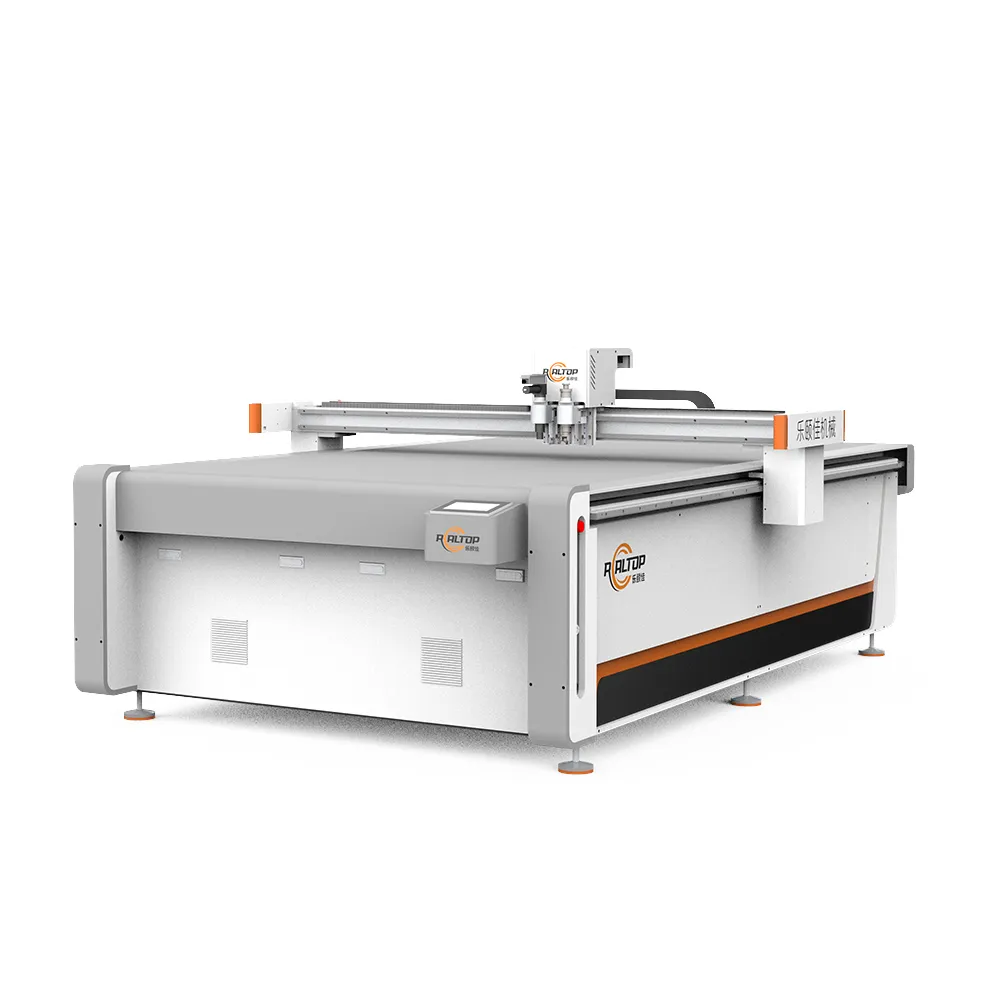
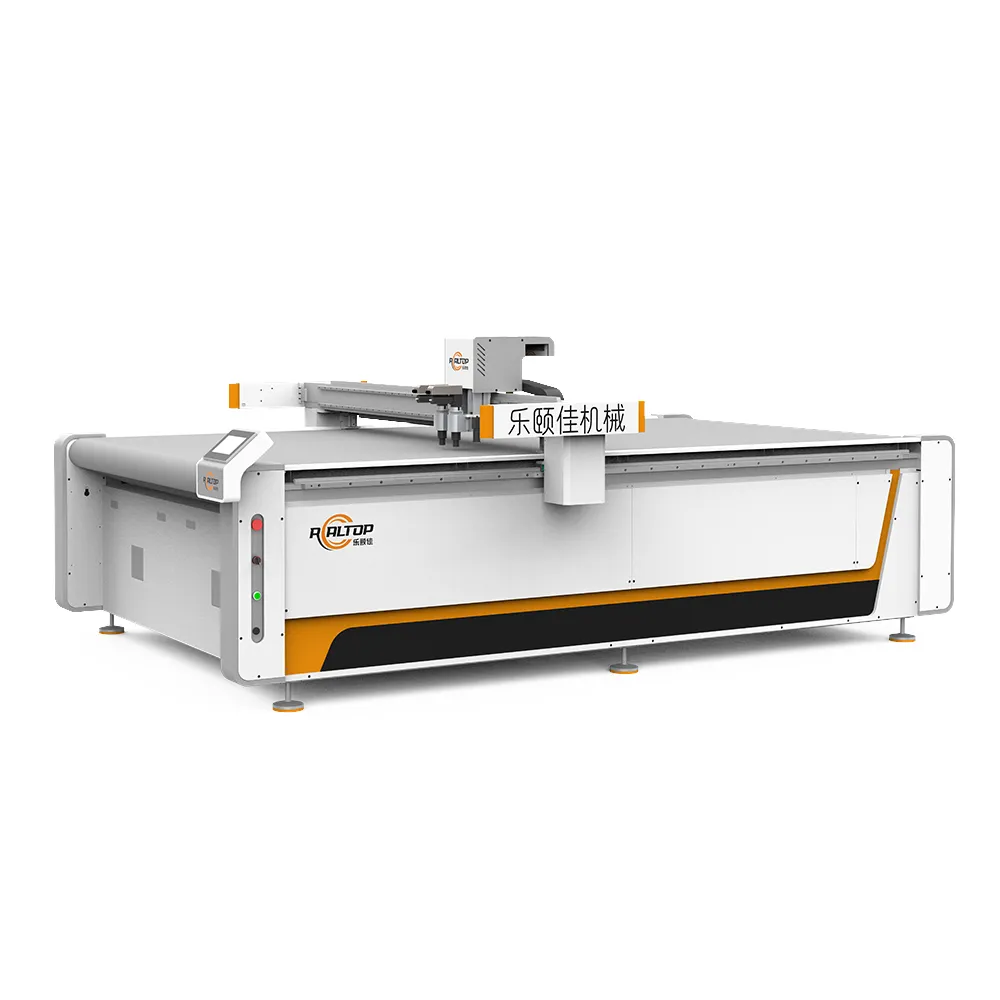
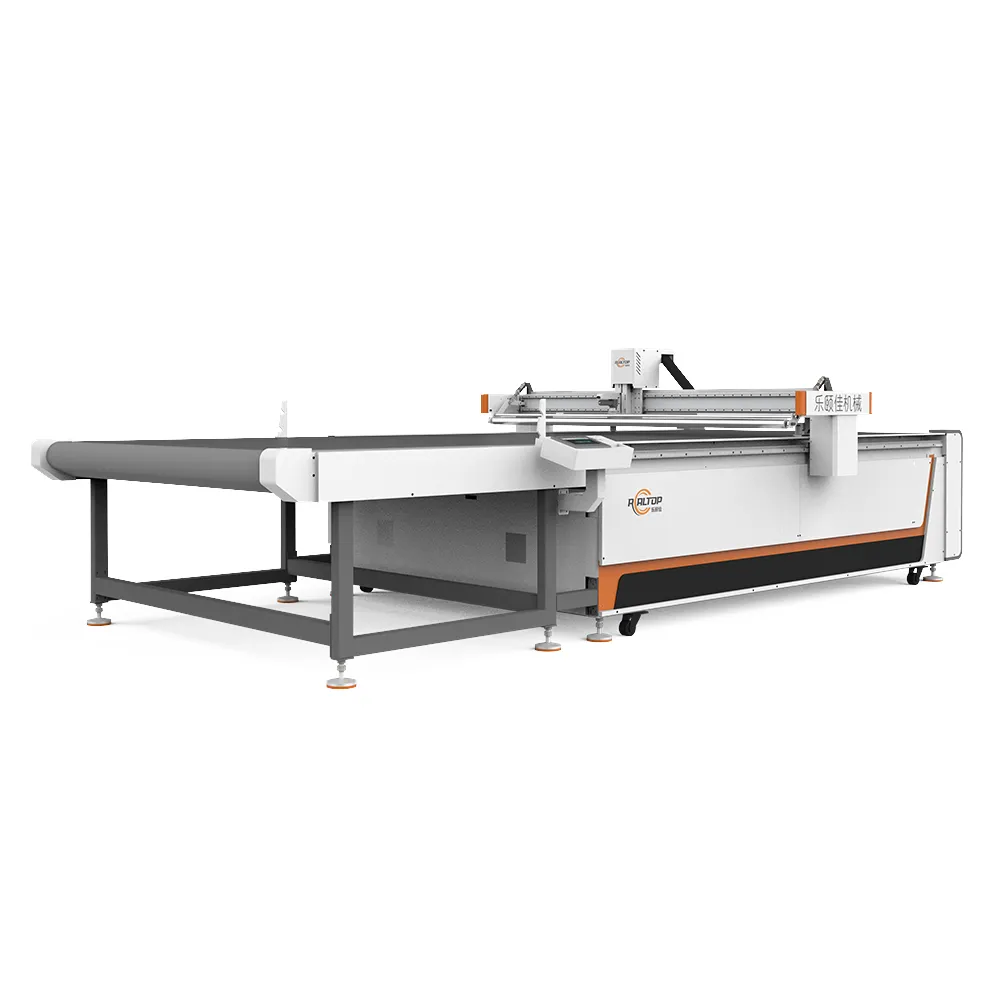
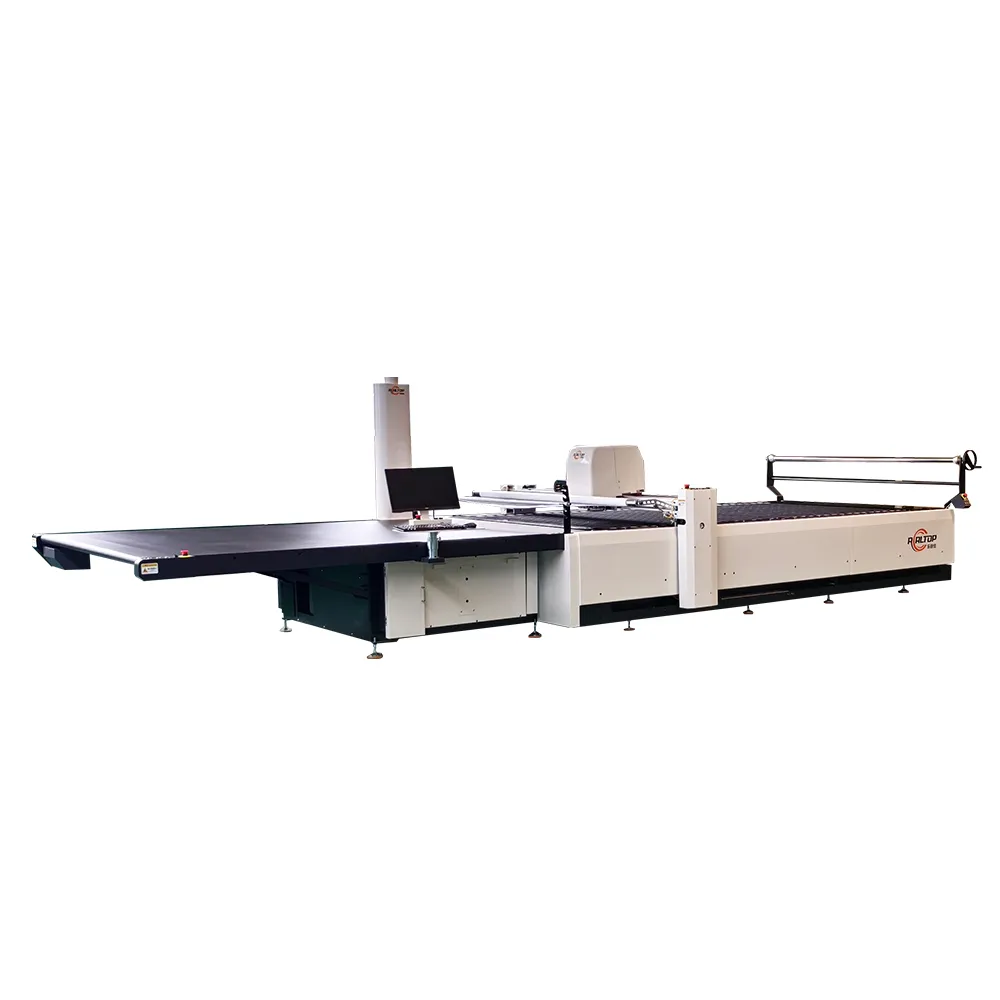
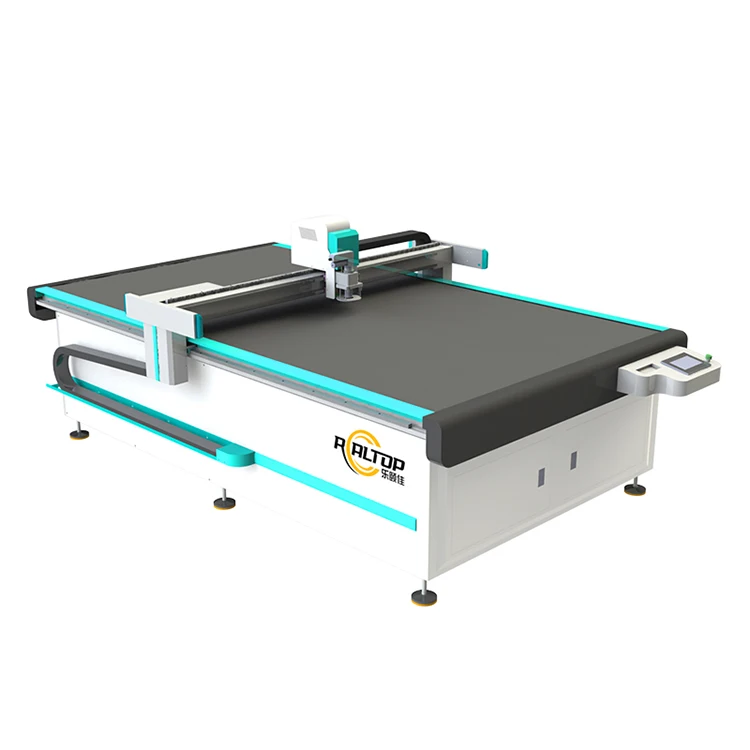
Precision-matched cutting technology — a single source for both oscillating knife and laser systems, letting composite fabricators select the method that fits the material rather than forcing one process across every job.
Technical Specifications
| Parameter | Value |
|---|---|
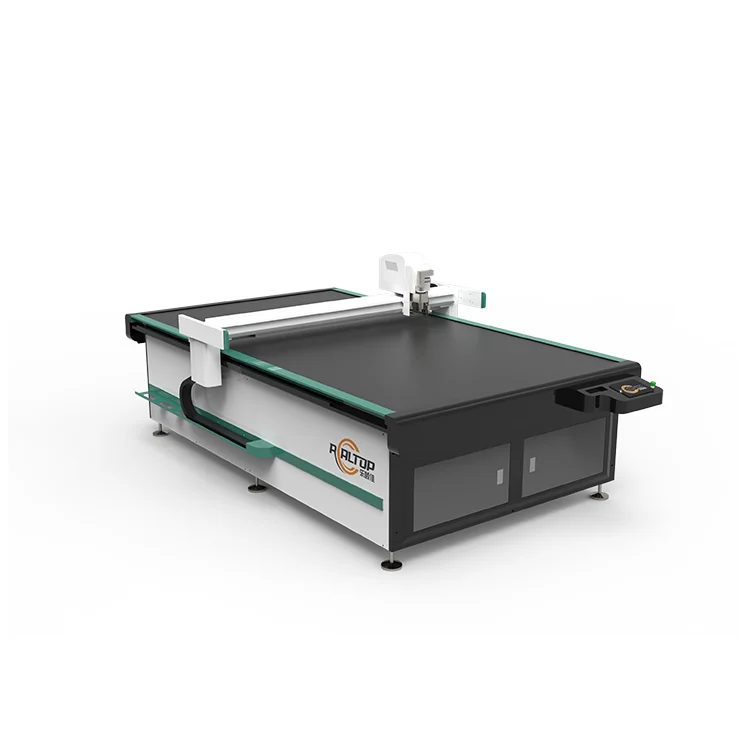
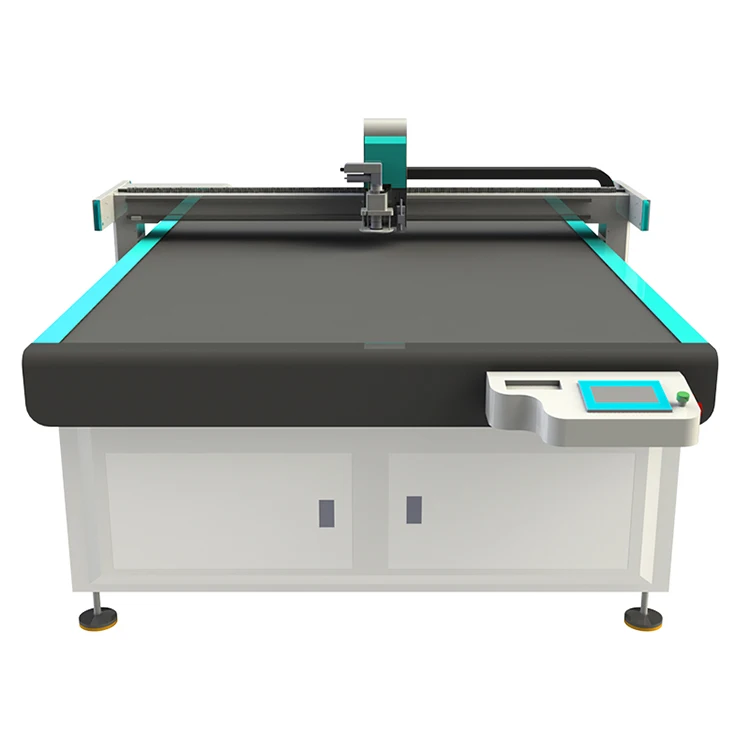
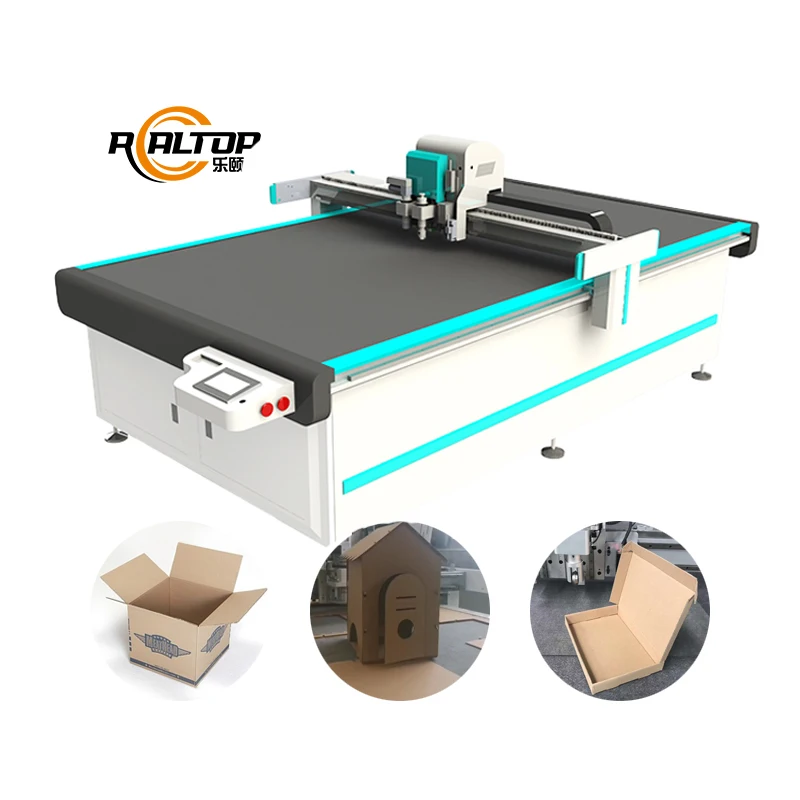
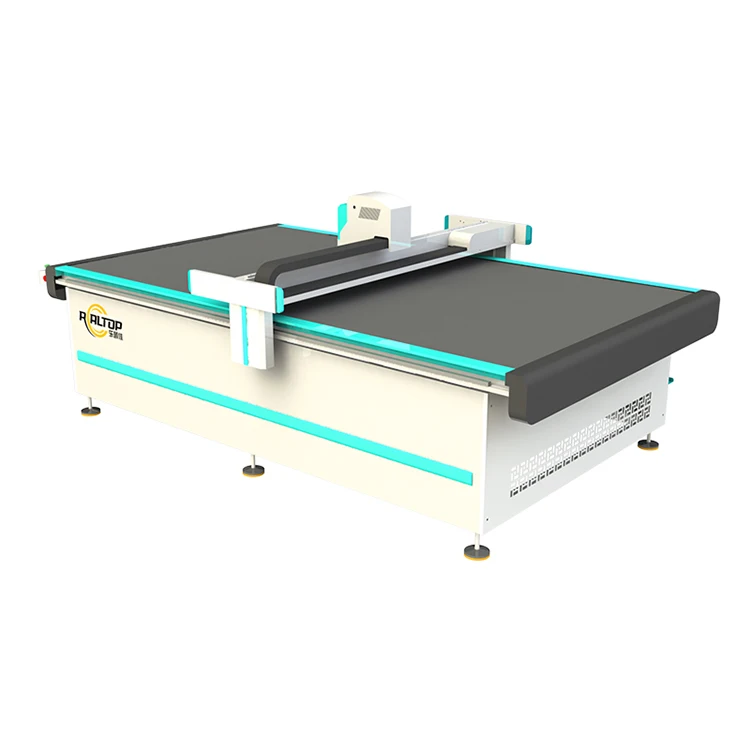
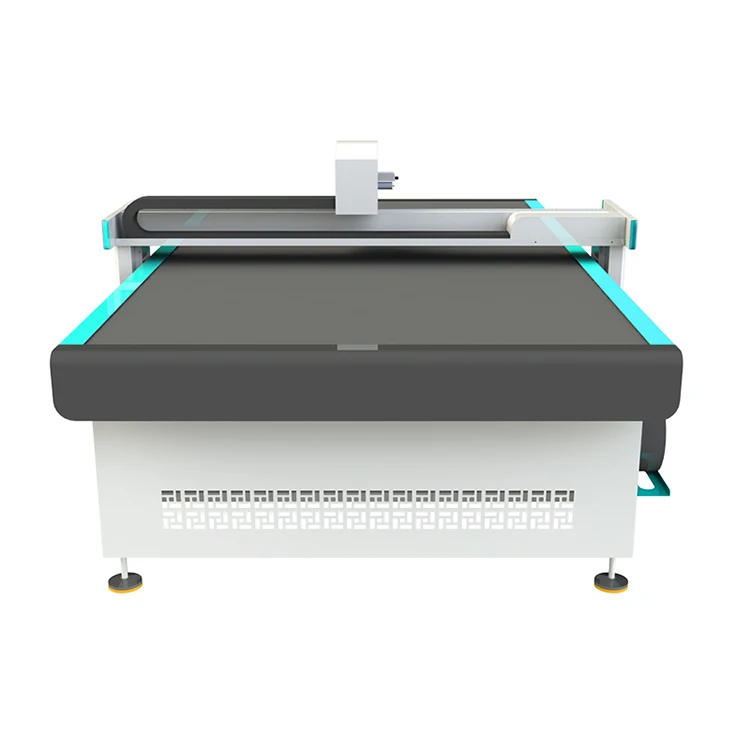
| Product Type | CNC Oscillating Knife Cutting Machine |
| Model Options | 2516 / 2522 / 3022 |
| Effective Cutting Area | 2500×1600mm / 2500×2200mm / 3000×2200mm |
| Maximum Traverse Speed | 2000 mm/s |
| Reset Accuracy | ±0.1 mm |
| Maximum Cutting Thickness | ≤40 mm (basis not stated in source — confirm block format / material / thickness) |
| Table Type | Automatic feeding conveyor |
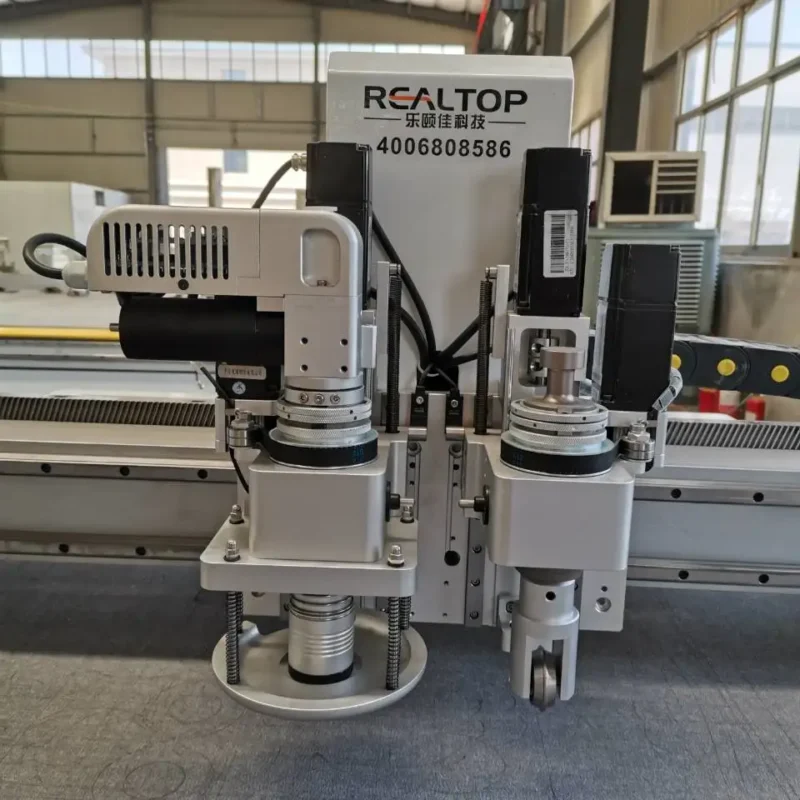
| Available Tool Options | Round knife, oscillating knife, marking pen |
| Positioning System | Panoramic visual positioning for edge and template cutting |
| Control System | REALTOP customized high-speed controller |
| Data Format Compatibility | dxf, plt, ai, pdf |
| Bed Treatment | Quenched to eliminate internal stress |
| Drive Belt | Industrial glass fiber tension belt |
| Safety Features | Infrared blocking stop, anti-collision protection |
| Voltage | 380V / 220V (confirm at order) |
| Noise Design | Exclusive silent design |
Application Suitability
| Application | Material or Output |
|---|---|
| Composite laminate trimming | Carbon fiber sheets, glass fiber laminates, resin-bonded panels |
| Advertising and signage production | PVC foam board, acrylic composites, printed vinyl, corrugated plastic |
| Packaging sample making | Corrugated board, honeycomb composite, folding carton stock |
| Automotive interior fabrication | Non-woven composites, fiberglass-reinforced trim panels, sound insulation mats |
| Textile and fabric cutting | Multi-layer technical fabric, woven and non-woven composite textiles |
| Gasket fabrication | Aramid fiber sheet, compressed non-asbestos composite, cork-rubber blends |
Why Working Area Alone Cannot Select Your CNC Oscillating Knife Cutting Machine Manufacturer
A table size that fits your sheet does not guarantee the machine will cut your material.
I have watched buyers specify a large-format bed and assume the rest would follow. Then the material arrives — a resin-heavy composite laminate or a dense foam core — and the knife chatters through the top layer while delaminating the bottom. The vacuum hold-down zones were sized for rigid board, so small composite parts lift at the edge. The panoramic camera locates the printed mark at low speed but loses tracking once the traverse rate climbs to production pace. These mismatches are not visible in a brochure table. [NEED_CITE: material-dependent cutting forces on composite laminates]
Matching the Cutting Method to the Composite Structure
A CNC oscillating knife cutting machine manufacturer that also builds laser systems gives the buyer an honest choice. Oscillating knife handles thick, fibrous composites where a laser would scorch the resin or leave a charred edge. Laser cuts thin laminates and printed films where a blade would drag and distort the surface. The decision starts with the material structure, not the machine catalogue.
Panoramic Vision and Automatic Contour Following
The visual positioning system reads printed registration marks across the full bed. For signage and packaging producers running pre-printed composite sheets, this means the machine trims to the graphic rather than to a fixed coordinate origin. Edge cutting and template cutting both run from the same camera data. [NEED_CITE: CCD vision accuracy limits at production traverse speed]
Bed Construction and Long-Term Dimensional Hold
The quenched bed eliminates residual stress from welding and machining. On a 3022-format table running continuous composite trimming shifts, this matters: a bed that warps under thermal cycling will push the reset accuracy outside the stated ±0.1 mm tolerance. The glass fiber tension belt resists stretch and temperature variation, keeping axis geometry stable across seasons.
Reading the Specification Sheet Against Your Material
The ≤40 mm cutting thickness figure is a starting point. A 40 mm soft foam block cuts differently from a 10 mm carbon fiber laminate with high resin content. The oscillating knife option suits fibrous and layered composites; the round knife handles continuous straight cuts on thinner sheets. Data format support for dxf, plt, ai, and pdf covers most upstream design workflows without file conversion. The automatic feeding conveyor table supports roll-fed or sheet-fed composite material loading.
The Hidden Cost of Skipping the Sample Cut
When a machine is ordered on specification alone, the first real test happens on the buyer’s floor. If the oscillating knife frequency and stroke do not match the composite density, the blade dulls prematurely and the edge frays. If the vacuum zoning leaves small gasket parts unsecured, the cutter pulls the piece out of position mid-path. These problems cost more to fix after installation than a sample cutting session before purchase. [NEED_CITE: typical rework costs when cutting parameters are not validated on actual material]
What This Manufacturer Brings to Composite Cutting
In-house design covers both knife and laser technologies, so the recommendation is based on the material, not on which machine needs moving. Tool head and table configuration are specified per composite type and production volume. Panoramic visual positioning is confirmed on the buyer’s printed stock before order. Software compatibility is checked against the buyer’s existing dxf, plt, ai, or pdf workflow. Voltage and control language are locked down before the machine leaves the factory. Sample cutting on the buyer’s actual composite material precedes any commitment.
Documentation & Verification
- Machine specification sheet matched to your composite material and selected tool head
- Electrical schematic with confirmed voltage and frequency for your facility
- Sample cutting report run on your actual composite stock before shipment
- Tool head and table configuration list for your material thickness and part geometry
- Software licence and file format compatibility note for dxf, plt, ai, pdf import
- Packing photographs showing securing method for your table size
Installation, Commissioning & Support
- Floor space planning for the selected model footprint with conveyor infeed clearance
- Dedicated circuit sizing for 380V or 220V supply with confirmed amperage draw
- Bed leveling and axis calibration on arrival after quenched-bed transit
- First-run parameter tuning: knife stroke, oscillation frequency, and vacuum zone mapping for your composite
- Operator training on panoramic vision setup and data file loading
- Spare oscillating knife blades and round knife consumables supplied at delivery
- Scheduled belt tension and silent-design fan inspection intervals
What to Send With Your Inquiry
Tell us the composite material type, layer structure, and sheet dimensions you run most often. Include your target daily volume and the file formats your design team currently uses. We will recommend a cutting method and table configuration, then cut your actual material on sample before any order is placed.
Frequently Asked Questions
Q: How do I decide between oscillating knife and laser for my composite material?
A: The choice depends on material structure and thickness. Fibrous, layered composites above a few millimeters generally suit oscillating knife, which shears without thermal damage. Thin laminates and printed films often cut cleaner with laser. A manufacturer offering both methods can test your specific material and recommend based on edge quality and throughput rather than pushing one technology.
Q: What cutting thickness can the machine actually handle on composites?
A: The stated maximum is up to 40 mm, but the practical limit depends on composite density, resin content, and layer structure. A soft foam block and a carbon fiber laminate behave very differently under the knife. The only reliable way to confirm capacity is a sample cut on your actual material at your required edge quality standard.
Q: Does the panoramic camera track printed marks at full production speed?
A: The visual positioning system locates registration marks for automatic edge and template cutting. Tracking reliability at high traverse speed depends on mark size, contrast, and print consistency. This must be verified on your specific printed composite stock during sample testing, not assumed from a specification sheet.
Q: How does vacuum table zoning affect small composite parts?
A: Insufficient zoning leaves small parts without adequate hold-down, causing lift and positional drift during cutting. The table should be configured with zones matched to your typical part size and geometry. Confirm the zoning layout against your nesting pattern before the machine is built.
Q: What electrical and interface details need confirming before shipment?
A: Voltage, frequency, plug type, and control system language must all match your facility before the machine leaves the factory. A 380V machine sent to a 220V-only workshop cannot run without a transformer. Specify these requirements at order stage and verify them on the electrical schematic before production begins.
Precision-matched cutting technology — a single source for both oscillating knife and laser systems, letting composite fabricators select the method that fits the material rather than forcing one process across every job.
Technical Specifications
| Parameter | Value |
|---|---|
| Product Type | CNC Oscillating Knife Cutting Machine |
| Model Options | 2516 / 2522 / 3022 |
| Effective Cutting Area | 2500×1600mm / 2500×2200mm / 3000×2200mm |
| Maximum Traverse Speed | 2000 mm/s |
| Reset Accuracy | ±0.1 mm |
| Maximum Cutting Thickness | ≤40 mm (basis not stated in source — confirm block format / material / thickness) |
| Table Type | Automatic feeding conveyor |
| Available Tool Options | Round knife, oscillating knife, marking pen |
| Positioning System | Panoramic visual positioning for edge and template cutting |
| Control System | REALTOP customized high-speed controller |
| Data Format Compatibility | dxf, plt, ai, pdf |
| Bed Treatment | Quenched to eliminate internal stress |
| Drive Belt | Industrial glass fiber tension belt |
| Safety Features | Infrared blocking stop, anti-collision protection |
| Voltage | 380V / 220V (confirm at order) |
| Noise Design | Exclusive silent design |
Application Suitability
| Application | Material or Output |
|---|---|
| Composite laminate trimming | Carbon fiber sheets, glass fiber laminates, resin-bonded panels |
| Advertising and signage production | PVC foam board, acrylic composites, printed vinyl, corrugated plastic |
| Packaging sample making | Corrugated board, honeycomb composite, folding carton stock |
| Automotive interior fabrication | Non-woven composites, fiberglass-reinforced trim panels, sound insulation mats |
| Textile and fabric cutting | Multi-layer technical fabric, woven and non-woven composite textiles |
| Gasket fabrication | Aramid fiber sheet, compressed non-asbestos composite, cork-rubber blends |
Why Working Area Alone Cannot Select Your CNC Oscillating Knife Cutting Machine Manufacturer
A table size that fits your sheet does not guarantee the machine will cut your material.
I have watched buyers specify a large-format bed and assume the rest would follow. Then the material arrives — a resin-heavy composite laminate or a dense foam core — and the knife chatters through the top layer while delaminating the bottom. The vacuum hold-down zones were sized for rigid board, so small composite parts lift at the edge. The panoramic camera locates the printed mark at low speed but loses tracking once the traverse rate climbs to production pace. These mismatches are not visible in a brochure table. [NEED_CITE: material-dependent cutting forces on composite laminates]
Matching the Cutting Method to the Composite Structure
A CNC oscillating knife cutting machine manufacturer that also builds laser systems gives the buyer an honest choice. Oscillating knife handles thick, fibrous composites where a laser would scorch the resin or leave a charred edge. Laser cuts thin laminates and printed films where a blade would drag and distort the surface. The decision starts with the material structure, not the machine catalogue.
Panoramic Vision and Automatic Contour Following
The visual positioning system reads printed registration marks across the full bed. For signage and packaging producers running pre-printed composite sheets, this means the machine trims to the graphic rather than to a fixed coordinate origin. Edge cutting and template cutting both run from the same camera data. [NEED_CITE: CCD vision accuracy limits at production traverse speed]
Bed Construction and Long-Term Dimensional Hold
The quenched bed eliminates residual stress from welding and machining. On a 3022-format table running continuous composite trimming shifts, this matters: a bed that warps under thermal cycling will push the reset accuracy outside the stated ±0.1 mm tolerance. The glass fiber tension belt resists stretch and temperature variation, keeping axis geometry stable across seasons.
Reading the Specification Sheet Against Your Material
The ≤40 mm cutting thickness figure is a starting point. A 40 mm soft foam block cuts differently from a 10 mm carbon fiber laminate with high resin content. The oscillating knife option suits fibrous and layered composites; the round knife handles continuous straight cuts on thinner sheets. Data format support for dxf, plt, ai, and pdf covers most upstream design workflows without file conversion. The automatic feeding conveyor table supports roll-fed or sheet-fed composite material loading.
The Hidden Cost of Skipping the Sample Cut
When a machine is ordered on specification alone, the first real test happens on the buyer’s floor. If the oscillating knife frequency and stroke do not match the composite density, the blade dulls prematurely and the edge frays. If the vacuum zoning leaves small gasket parts unsecured, the cutter pulls the piece out of position mid-path. These problems cost more to fix after installation than a sample cutting session before purchase. [NEED_CITE: typical rework costs when cutting parameters are not validated on actual material]
What This Manufacturer Brings to Composite Cutting
In-house design covers both knife and laser technologies, so the recommendation is based on the material, not on which machine needs moving. Tool head and table configuration are specified per composite type and production volume. Panoramic visual positioning is confirmed on the buyer’s printed stock before order. Software compatibility is checked against the buyer’s existing dxf, plt, ai, or pdf workflow. Voltage and control language are locked down before the machine leaves the factory. Sample cutting on the buyer’s actual composite material precedes any commitment.
Documentation & Verification
- Machine specification sheet matched to your composite material and selected tool head
- Electrical schematic with confirmed voltage and frequency for your facility
- Sample cutting report run on your actual composite stock before shipment
- Tool head and table configuration list for your material thickness and part geometry
- Software licence and file format compatibility note for dxf, plt, ai, pdf import
- Packing photographs showing securing method for your table size
Installation, Commissioning & Support
- Floor space planning for the selected model footprint with conveyor infeed clearance
- Dedicated circuit sizing for 380V or 220V supply with confirmed amperage draw
- Bed leveling and axis calibration on arrival after quenched-bed transit
- First-run parameter tuning: knife stroke, oscillation frequency, and vacuum zone mapping for your composite
- Operator training on panoramic vision setup and data file loading
- Spare oscillating knife blades and round knife consumables supplied at delivery
- Scheduled belt tension and silent-design fan inspection intervals
What to Send With Your Inquiry
Tell us the composite material type, layer structure, and sheet dimensions you run most often. Include your target daily volume and the file formats your design team currently uses. We will recommend a cutting method and table configuration, then cut your actual material on sample before any order is placed.
Frequently Asked Questions
Q: How do I decide between oscillating knife and laser for my composite material?
A: The choice depends on material structure and thickness. Fibrous, layered composites above a few millimeters generally suit oscillating knife, which shears without thermal damage. Thin laminates and printed films often cut cleaner with laser. A manufacturer offering both methods can test your specific material and recommend based on edge quality and throughput rather than pushing one technology.
Q: What cutting thickness can the machine actually handle on composites?
A: The stated maximum is up to 40 mm, but the practical limit depends on composite density, resin content, and layer structure. A soft foam block and a carbon fiber laminate behave very differently under the knife. The only reliable way to confirm capacity is a sample cut on your actual material at your required edge quality standard.
Q: Does the panoramic camera track printed marks at full production speed?
A: The visual positioning system locates registration marks for automatic edge and template cutting. Tracking reliability at high traverse speed depends on mark size, contrast, and print consistency. This must be verified on your specific printed composite stock during sample testing, not assumed from a specification sheet.
Q: How does vacuum table zoning affect small composite parts?
A: Insufficient zoning leaves small parts without adequate hold-down, causing lift and positional drift during cutting. The table should be configured with zones matched to your typical part size and geometry. Confirm the zoning layout against your nesting pattern before the machine is built.
Q: What electrical and interface details need confirming before shipment?
A: Voltage, frequency, plug type, and control system language must all match your facility before the machine leaves the factory. A 380V machine sent to a 220V-only workshop cannot run without a transformer. Specify these requirements at order stage and verify them on the electrical schematic before production begins.
商品评价
There are no reviews yet.