


Fast Delivery
Quick, reliable shipping to any location.

Free & easy returns
Return this item by mail or in store within 90 days for a full refund.
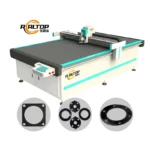
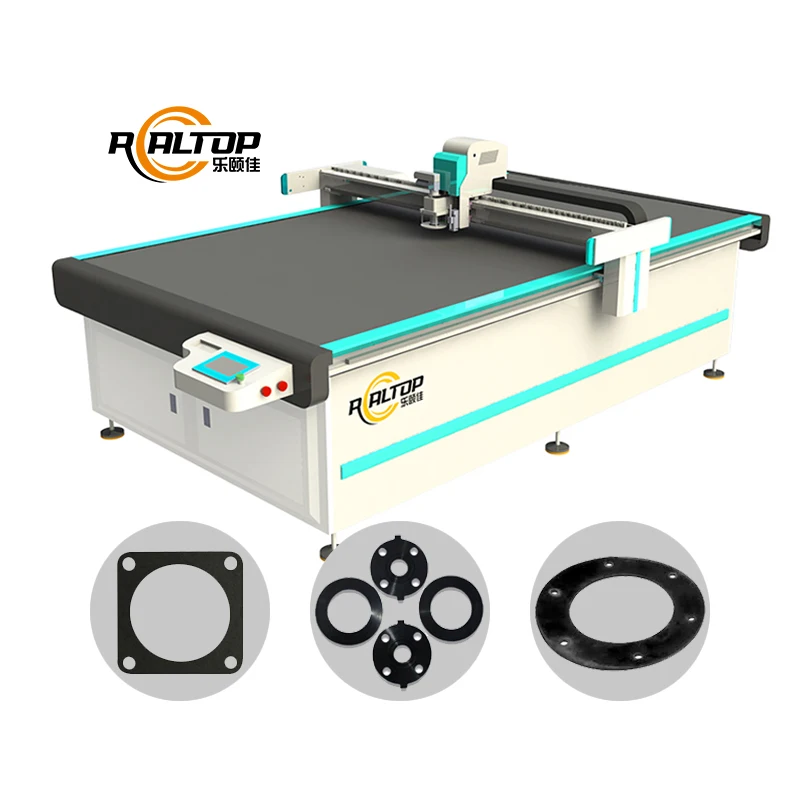
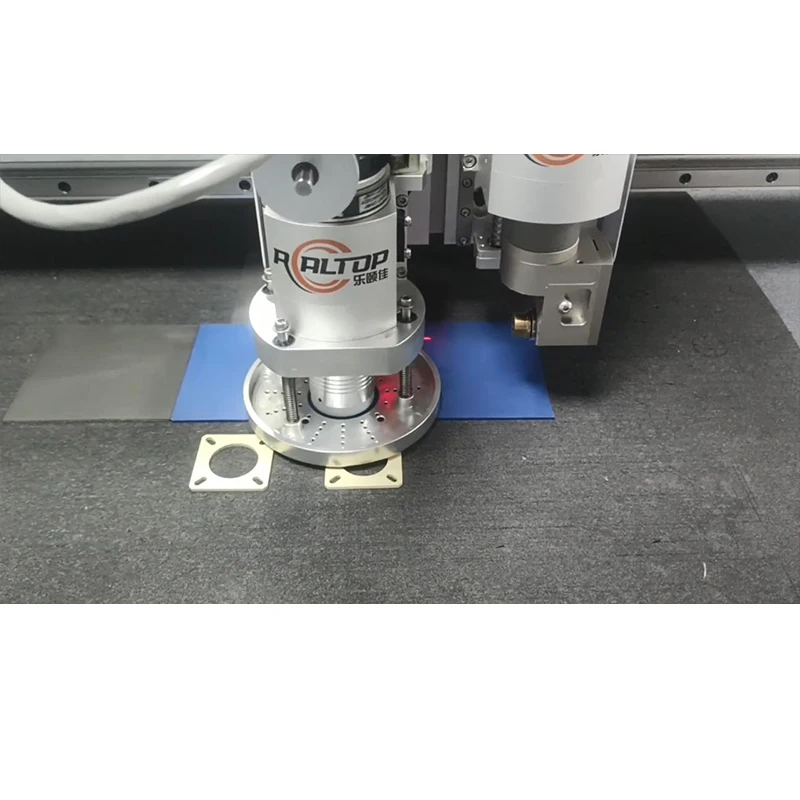
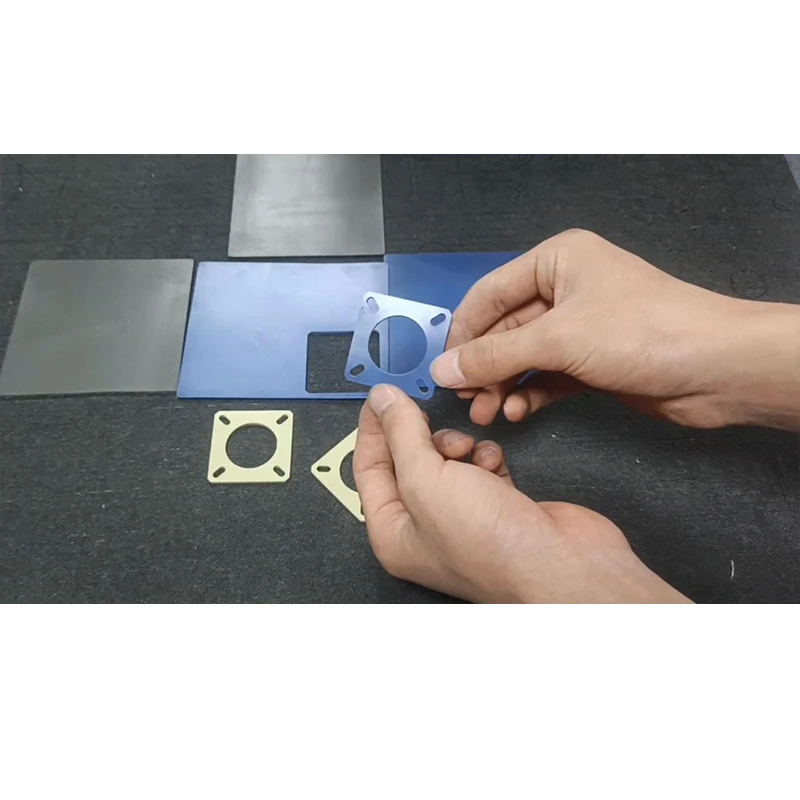
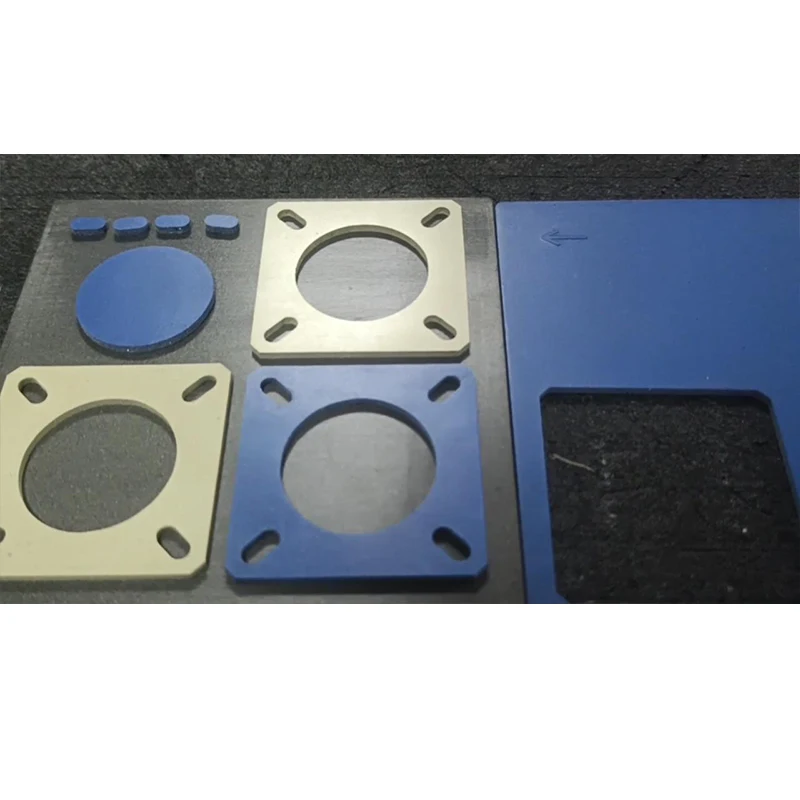
Full Cutting Range — Knife and laser systems built under one roof let gasket producers match the cutting method to rubber, PTFE or composite sheets instead of forcing one machine across incompatible materials.
Technical Specifications
| Parameter | Value |
|---|---|
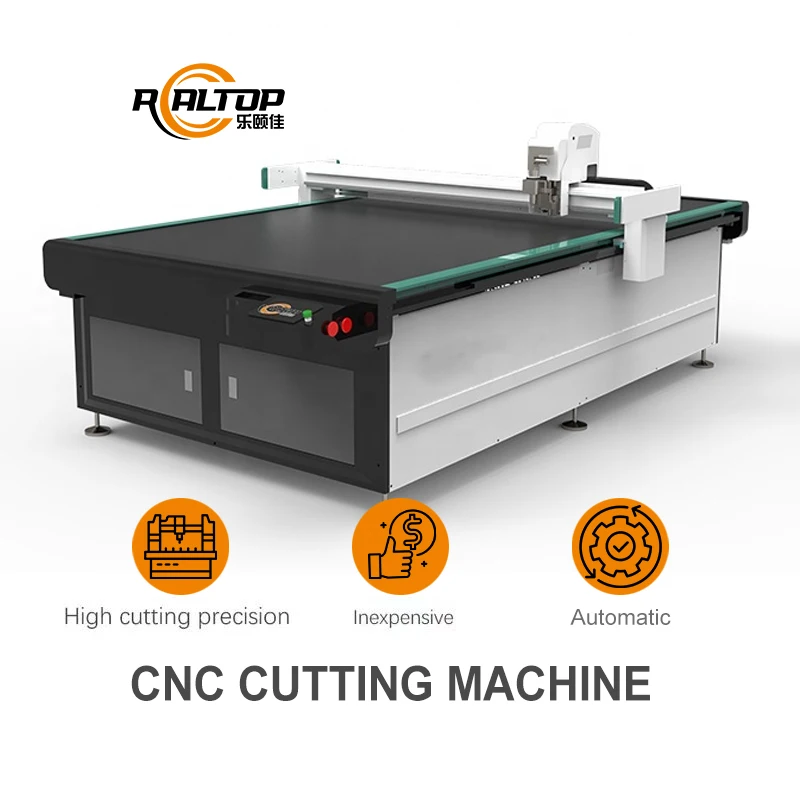
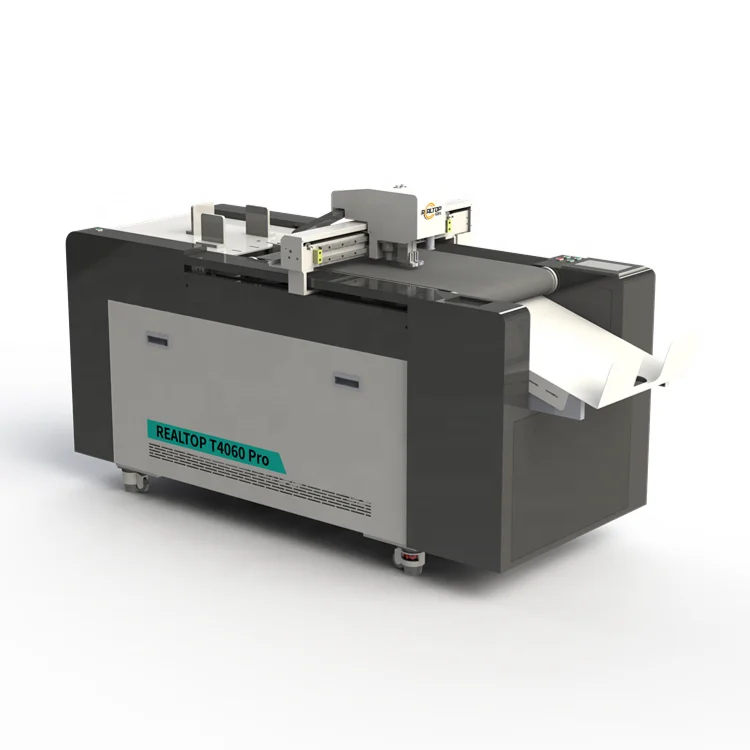
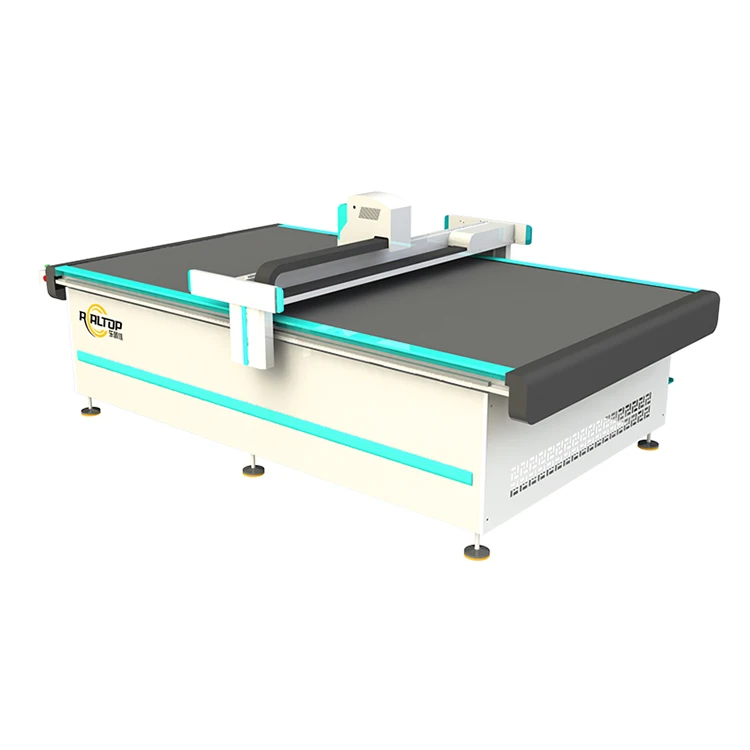
| Product Type | CNC Oscillating Knife Cutting Machine |
| Model | RT-D2516/RT-S2516 |
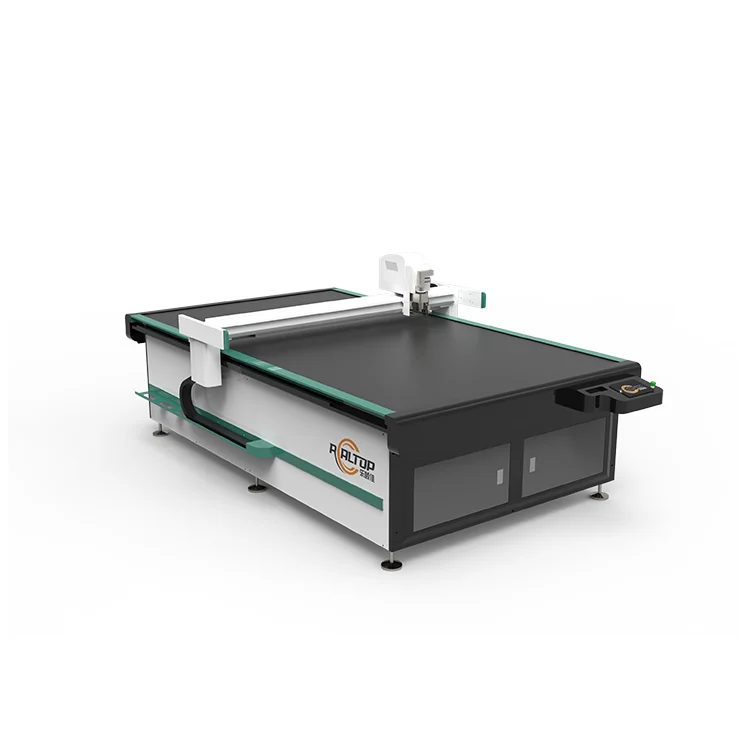
| Working Area | 1600 × 2500 mm |
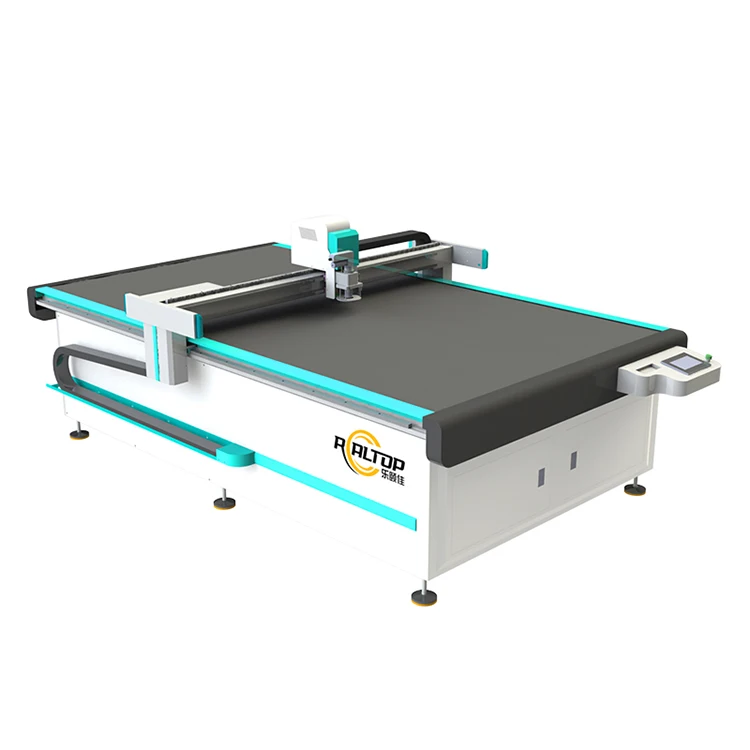
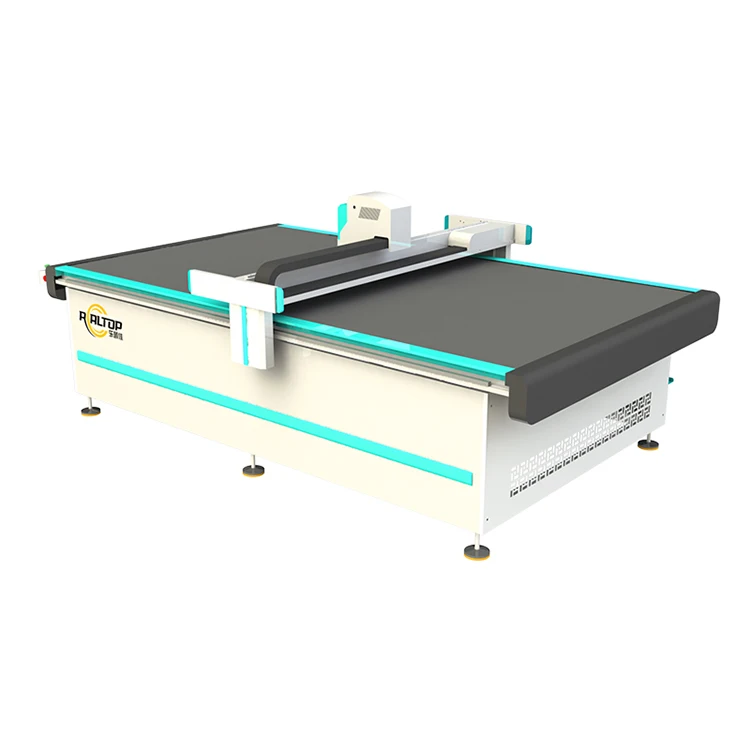
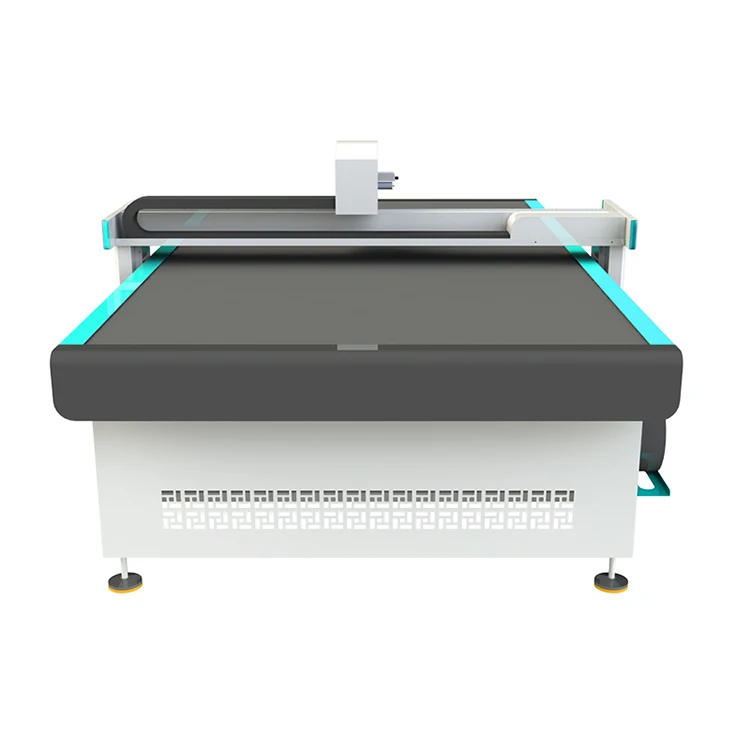
| Machine Dimensions | 3450 × 2300 × 1250 mm |
| Rated Power | 9 kW |
| Vacuum Pump | 7.5 kW |
| Table Type | Flat vacuum working table |
| Table Surface | Magnesium-aluminum alloy, PVDF powder coating, anodic and hard oxidation |
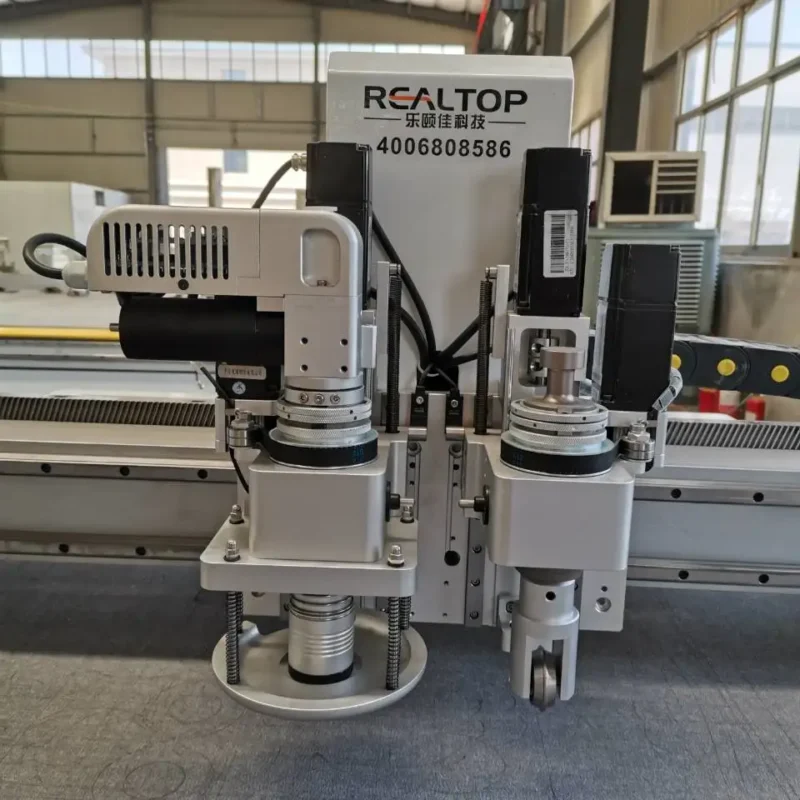
| Tool Head | Swiss imported knife (vibration full cut, half cut, cursor location) |
| Multifunctional Head Options | Oscillating knife, pneumatic knife, high-power vibrating knife, circular knife, V-cutting knife, drag knife, creasing wheel, dotted line knife, punching, brush |
| Cutting Thickness | 20–80 mm depending on material (basis not stated in source — confirm block format, material and thickness) |
| Translational Velocity | 800–1200 mm/s |
| Repeated Accuracy | ≤ 0.1 mm |
| Transmission System | Digital servo motor, linear guide, synchronous belt, imported ball screw |
| Servo Motor | Delta |
| Rail | Taiwan Hiwin |
| Conveyor Belt | Germany imported |
| Instruction System | HP-GL compatible format |
| Voltage | 380 V ± 10 % |
| Visual Positioning Options | Small CCD mark-point, panoramic camera recognition, projection positioning |
| Safety Device | Infrared sensors |
| Machine Frame | Thick-walled seamless steel, high-temperature tempering, CNC machining center finished |
| Vacuum Pump Housing | Integrated aviation aluminum, fire-proof, corrosion-resistant, built-in silencer sponge (noise reduction 35 %) |
| Language Options | English, Russian, Italian, Chinese (special languages customizable) |
| Warranty | One year |
| Certification | CE declaration where applicable |
Application Suitability
| Application | Material or Output |
|---|---|
| Gasket and sealing pad fabrication | Rubber, PTFE, silicone, ETFE, composite fiber sheets |
| Automotive interior trimming | PU foam, EVA, XPE, sponge composite leather |
| Packaging and carton sample making | Corrugated cardboard, sticker film, flexible plastics |
| Footwear and leather goods | Leather, non-woven fabric, PVC, soft glass |
| Graphic advertising and signage | Vinyl, film, foam board, PP, PE sheet |
| Sports and outdoor product manufacturing | Neoprene, composite textiles, carpet |
Why Material Thickness Changes Everything a Brochure Tells You
Always confirm actual stock thickness and composition before locking the tool head. A gasket producer once sent us a thin sample for evaluation, but the daily production stock turned out to be almost twice as dense. The oscillating knife stalled halfway through, edges frayed, and throughput dropped to a fraction of expectations. That mismatch nearly triggered a return. When sourcing a CNC Oscillating Knife Cutting Machine manufacturer, the conversation must start with the exact material specification, not the sample [NEED_CITE: common gasket material density variations in industrial sealing applications].
Matching Tool Heads to Gasket and Rubber Stocks
The RT-D2516/RT-S2516 platform supports a full spectrum of interchangeable heads — oscillating knife, pneumatic knife, drag knife, circular knife and punching tools. Dense rubber and PTFE gasket sheets respond differently to each: an oscillating knife handles thicker stock cleanly, while a drag knife suits thinner films and stickers. Selecting the wrong head produces ragged edges or crushes softer composites, so the tool choice must follow the material, not the brochure default.
Vacuum Zoning That Holds Small Gaskets Flat
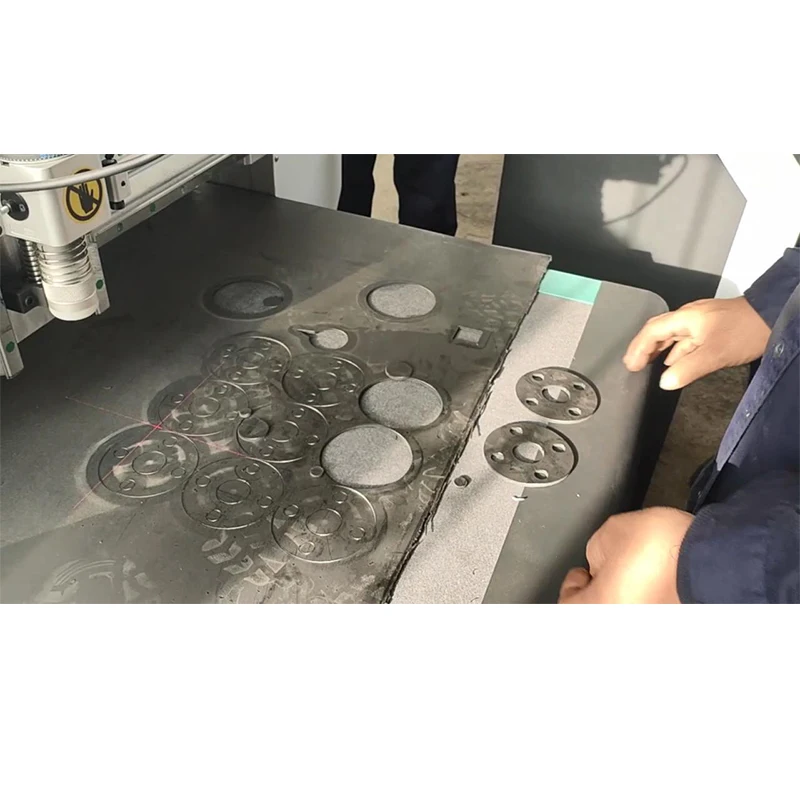
Gasket cutting often produces dozens of small O-rings and flange profiles nested across the table. The magnesium-aluminum alloy vacuum surface with PVDF coating maintains flatness under repeated loading, and the 7.5 kW pump delivers enough suction to prevent small parts from lifting mid-cut. Uniform hold-down matters especially when cutting layered composite sheets where a single lifted edge can ruin an entire nest [NEED_CITE: vacuum table zoning requirements for small-part nesting in gasket production].
Reading the Specs Beyond the Working Area Number
The 1600 × 2500 mm working area fits most standard gasket sheet sizes, but the frame construction determines long-term accuracy. Thick-walled seamless steel, tempered at high temperature and finished on a CNC machining center, resists deflection under continuous vibration cutting. Taiwan Hiwin rails and imported ball screws maintain the ≤ 0.1 mm repeated accuracy that tight-tolerance gasket profiles demand. The Delta digital servo system coordinates motion across both axes, keeping the cutting path true even at the upper end of the 800–1200 mm/s translational velocity range.
The Hidden Cost of Skipping the Voltage Conversation
Voltage mismatches surface only after the CNC Oscillating Knife Cutting Machine arrives on the factory floor. A 380 V ± 10 % system designed for one grid may trip breakers or damage the Delta servo drives when connected to a different supply standard. Confirming local voltage, frequency and plug type before production — not after — avoids rewiring costs and delayed commissioning [NEED_CITE: voltage and frequency standards by export market].
Why Buyers Source This Range Here
Realtop designs and builds both knife and laser cutting systems in-house, so a gasket producer can evaluate blade cutting against laser sealing on the same production floor rather than relying on a reseller’s guess. Tool head and table configurations are specified per material and production volume, not sold as a fixed package. CCD camera positioning is available for printed contour work when gaskets require alignment to pre-printed registration marks. Software compatibility and file format confirmation happens before the order is placed, preventing nesting workflow surprises after delivery. Sample cutting on the buyer’s own gasket material runs at production speed before any commitment is made.
Documentation & Verification
- Machine specification sheet confirming RT-D2516/RT-S2516 working area, tool head list and voltage
- Electrical schematic and voltage confirmation matched to destination grid before shipment
- Sample cutting report on buyer’s gasket material at specified thickness and speed
- Tool head and vacuum table configuration list tied to the confirmed material type
- Software licence and HP-GL file format compatibility note included with delivery
- Packing photographs documenting machine condition prior to crate closure
Installation, Commissioning & Support
- Dedicated 380 V circuit with capacity for combined 9 kW machine and 7.5 kW vacuum pump load
- Floor leveling required across the 3450 × 2300 mm footprint to preserve rail alignment
- Machine ships as a single-frame unit; vacuum table panels bolt on during site assembly
- First-run calibration of Delta servos and oscillating knife depth against actual gasket stock
- Operator training covers HP-GL file import, tool head changeover and nesting workflow setup
- Spare Swiss knife blades, conveyor belt segments and silencer sponge included in initial kit
Getting the Right Quote Starts With Your Material
Send the exact material type, thickness range and maximum sheet dimensions you run daily. Include your local voltage and frequency, preferred control language, and whether your gasket profiles require CCD contour recognition. If you have an existing nesting software workflow, share a sample file so format compatibility can be verified before the RT-D2516/RT-S2516 is configured.
Frequently Asked Questions
Q: How do I choose between oscillating knife and drag knife for gasket materials?
A: Oscillating knives handle thicker rubber and composite sheets by vibrating through the material, producing clean edges without crushing. Drag knives suit thinner films, stickers and soft gasket stock under a few millimeters. The correct choice depends on your specific material density and thickness, which is why sample cutting on your actual stock is the only reliable test.
Q: Can the CCD camera track printed marks on gasket sheets at full production speed?
A: CCD mark-point positioning and panoramic camera options are available for contour cutting workflows. Tracking reliability depends on print contrast, mark size and camera calibration relative to your sheet layout. Confirm these parameters with a test run on your printed gasket stock before committing to the vision system configuration.
Q: What voltage and language customization is available for export markets?
A: The standard configuration runs on 380 V ± 10 %, but voltage and frequency requirements differ by destination country. Control interface language options include English, Russian, Italian and Chinese, with special languages customizable on request. Confirm local electrical standards early so the correct transformer and plug specification can be built in.
Q: Which cutting method suits rubber gaskets better — knife or laser?
A: Knife cutting leaves a clean mechanical edge without heat-affected zones, which is important for PTFE, silicone and fiber-reinforced gasket materials that degrade under thermal stress. Laser cutting can seal edges on certain synthetics but may discolor or melt rubber composites. Testing both methods on your actual material at the factory removes the guesswork.
Q: How does vacuum table zoning affect small gasket part cutting?
A: Small O-rings and narrow flange profiles can lift off the table if vacuum zoning is too coarse for the part size. The magnesium-aluminum alloy table with PVDF coating provides a flat surface, but the zoning configuration must match your typical nest layout. Share your most common gasket profile dimensions so the table can be zoned accordingly before production.
Full Cutting Range — Knife and laser systems built under one roof let gasket producers match the cutting method to rubber, PTFE or composite sheets instead of forcing one machine across incompatible materials.
Technical Specifications
| Parameter | Value |
|---|---|
| Product Type | CNC Oscillating Knife Cutting Machine |
| Model | RT-D2516/RT-S2516 |
| Working Area | 1600 × 2500 mm |
| Machine Dimensions | 3450 × 2300 × 1250 mm |
| Rated Power | 9 kW |
| Vacuum Pump | 7.5 kW |
| Table Type | Flat vacuum working table |
| Table Surface | Magnesium-aluminum alloy, PVDF powder coating, anodic and hard oxidation |
| Tool Head | Swiss imported knife (vibration full cut, half cut, cursor location) |
| Multifunctional Head Options | Oscillating knife, pneumatic knife, high-power vibrating knife, circular knife, V-cutting knife, drag knife, creasing wheel, dotted line knife, punching, brush |
| Cutting Thickness | 20–80 mm depending on material (basis not stated in source — confirm block format, material and thickness) |
| Translational Velocity | 800–1200 mm/s |
| Repeated Accuracy | ≤ 0.1 mm |
| Transmission System | Digital servo motor, linear guide, synchronous belt, imported ball screw |
| Servo Motor | Delta |
| Rail | Taiwan Hiwin |
| Conveyor Belt | Germany imported |
| Instruction System | HP-GL compatible format |
| Voltage | 380 V ± 10 % |
| Visual Positioning Options | Small CCD mark-point, panoramic camera recognition, projection positioning |
| Safety Device | Infrared sensors |
| Machine Frame | Thick-walled seamless steel, high-temperature tempering, CNC machining center finished |
| Vacuum Pump Housing | Integrated aviation aluminum, fire-proof, corrosion-resistant, built-in silencer sponge (noise reduction 35 %) |
| Language Options | English, Russian, Italian, Chinese (special languages customizable) |
| Warranty | One year |
| Certification | CE declaration where applicable |
Application Suitability
| Application | Material or Output |
|---|---|
| Gasket and sealing pad fabrication | Rubber, PTFE, silicone, ETFE, composite fiber sheets |
| Automotive interior trimming | PU foam, EVA, XPE, sponge composite leather |
| Packaging and carton sample making | Corrugated cardboard, sticker film, flexible plastics |
| Footwear and leather goods | Leather, non-woven fabric, PVC, soft glass |
| Graphic advertising and signage | Vinyl, film, foam board, PP, PE sheet |
| Sports and outdoor product manufacturing | Neoprene, composite textiles, carpet |
Why Material Thickness Changes Everything a Brochure Tells You
Always confirm actual stock thickness and composition before locking the tool head. A gasket producer once sent us a thin sample for evaluation, but the daily production stock turned out to be almost twice as dense. The oscillating knife stalled halfway through, edges frayed, and throughput dropped to a fraction of expectations. That mismatch nearly triggered a return. When sourcing a CNC Oscillating Knife Cutting Machine manufacturer, the conversation must start with the exact material specification, not the sample [NEED_CITE: common gasket material density variations in industrial sealing applications].
Matching Tool Heads to Gasket and Rubber Stocks
The RT-D2516/RT-S2516 platform supports a full spectrum of interchangeable heads — oscillating knife, pneumatic knife, drag knife, circular knife and punching tools. Dense rubber and PTFE gasket sheets respond differently to each: an oscillating knife handles thicker stock cleanly, while a drag knife suits thinner films and stickers. Selecting the wrong head produces ragged edges or crushes softer composites, so the tool choice must follow the material, not the brochure default.
Vacuum Zoning That Holds Small Gaskets Flat
Gasket cutting often produces dozens of small O-rings and flange profiles nested across the table. The magnesium-aluminum alloy vacuum surface with PVDF coating maintains flatness under repeated loading, and the 7.5 kW pump delivers enough suction to prevent small parts from lifting mid-cut. Uniform hold-down matters especially when cutting layered composite sheets where a single lifted edge can ruin an entire nest [NEED_CITE: vacuum table zoning requirements for small-part nesting in gasket production].
Reading the Specs Beyond the Working Area Number
The 1600 × 2500 mm working area fits most standard gasket sheet sizes, but the frame construction determines long-term accuracy. Thick-walled seamless steel, tempered at high temperature and finished on a CNC machining center, resists deflection under continuous vibration cutting. Taiwan Hiwin rails and imported ball screws maintain the ≤ 0.1 mm repeated accuracy that tight-tolerance gasket profiles demand. The Delta digital servo system coordinates motion across both axes, keeping the cutting path true even at the upper end of the 800–1200 mm/s translational velocity range.
The Hidden Cost of Skipping the Voltage Conversation
Voltage mismatches surface only after the CNC Oscillating Knife Cutting Machine arrives on the factory floor. A 380 V ± 10 % system designed for one grid may trip breakers or damage the Delta servo drives when connected to a different supply standard. Confirming local voltage, frequency and plug type before production — not after — avoids rewiring costs and delayed commissioning [NEED_CITE: voltage and frequency standards by export market].
Why Buyers Source This Range Here
Realtop designs and builds both knife and laser cutting systems in-house, so a gasket producer can evaluate blade cutting against laser sealing on the same production floor rather than relying on a reseller’s guess. Tool head and table configurations are specified per material and production volume, not sold as a fixed package. CCD camera positioning is available for printed contour work when gaskets require alignment to pre-printed registration marks. Software compatibility and file format confirmation happens before the order is placed, preventing nesting workflow surprises after delivery. Sample cutting on the buyer’s own gasket material runs at production speed before any commitment is made.
Documentation & Verification
- Machine specification sheet confirming RT-D2516/RT-S2516 working area, tool head list and voltage
- Electrical schematic and voltage confirmation matched to destination grid before shipment
- Sample cutting report on buyer’s gasket material at specified thickness and speed
- Tool head and vacuum table configuration list tied to the confirmed material type
- Software licence and HP-GL file format compatibility note included with delivery
- Packing photographs documenting machine condition prior to crate closure
Installation, Commissioning & Support
- Dedicated 380 V circuit with capacity for combined 9 kW machine and 7.5 kW vacuum pump load
- Floor leveling required across the 3450 × 2300 mm footprint to preserve rail alignment
- Machine ships as a single-frame unit; vacuum table panels bolt on during site assembly
- First-run calibration of Delta servos and oscillating knife depth against actual gasket stock
- Operator training covers HP-GL file import, tool head changeover and nesting workflow setup
- Spare Swiss knife blades, conveyor belt segments and silencer sponge included in initial kit
Getting the Right Quote Starts With Your Material
Send the exact material type, thickness range and maximum sheet dimensions you run daily. Include your local voltage and frequency, preferred control language, and whether your gasket profiles require CCD contour recognition. If you have an existing nesting software workflow, share a sample file so format compatibility can be verified before the RT-D2516/RT-S2516 is configured.
Frequently Asked Questions
Q: How do I choose between oscillating knife and drag knife for gasket materials?
A: Oscillating knives handle thicker rubber and composite sheets by vibrating through the material, producing clean edges without crushing. Drag knives suit thinner films, stickers and soft gasket stock under a few millimeters. The correct choice depends on your specific material density and thickness, which is why sample cutting on your actual stock is the only reliable test.
Q: Can the CCD camera track printed marks on gasket sheets at full production speed?
A: CCD mark-point positioning and panoramic camera options are available for contour cutting workflows. Tracking reliability depends on print contrast, mark size and camera calibration relative to your sheet layout. Confirm these parameters with a test run on your printed gasket stock before committing to the vision system configuration.
Q: What voltage and language customization is available for export markets?
A: The standard configuration runs on 380 V ± 10 %, but voltage and frequency requirements differ by destination country. Control interface language options include English, Russian, Italian and Chinese, with special languages customizable on request. Confirm local electrical standards early so the correct transformer and plug specification can be built in.
Q: Which cutting method suits rubber gaskets better — knife or laser?
A: Knife cutting leaves a clean mechanical edge without heat-affected zones, which is important for PTFE, silicone and fiber-reinforced gasket materials that degrade under thermal stress. Laser cutting can seal edges on certain synthetics but may discolor or melt rubber composites. Testing both methods on your actual material at the factory removes the guesswork.
Q: How does vacuum table zoning affect small gasket part cutting?
A: Small O-rings and narrow flange profiles can lift off the table if vacuum zoning is too coarse for the part size. The magnesium-aluminum alloy table with PVDF coating provides a flat surface, but the zoning configuration must match your typical nest layout. Share your most common gasket profile dimensions so the table can be zoned accordingly before production.
商品评价
There are no reviews yet.