


Fast Delivery
Quick, reliable shipping to any location.

Free & easy returns
Return this item by mail or in store within 90 days for a full refund.
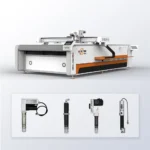
Full catalogue evaluation — the RT-D2516/RT-S2516 sits within a broader oscillating knife and digital cutting range, letting buyers compare working areas, tool heads and material compatibility before narrowing to a single configuration.
Technical Specifications
| Parameter | Value |
|---|---|
| Model | RT-D2516/RT-S2516 |
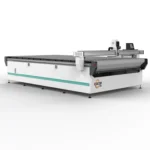
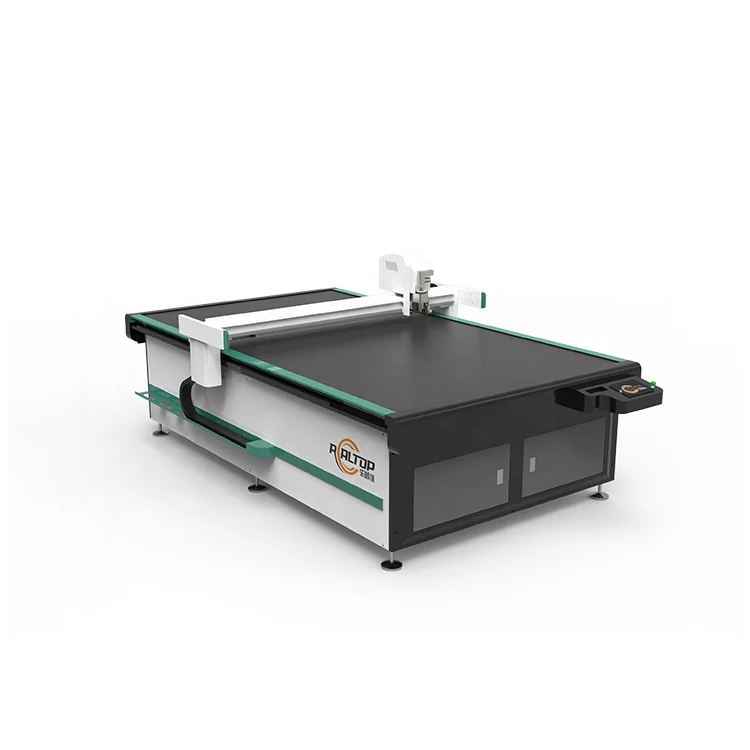
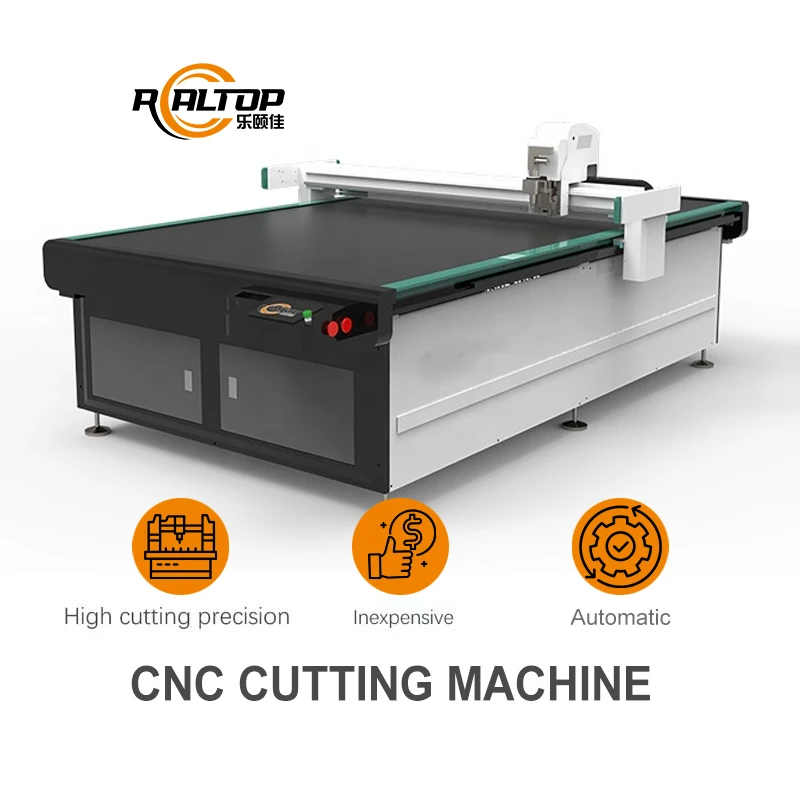
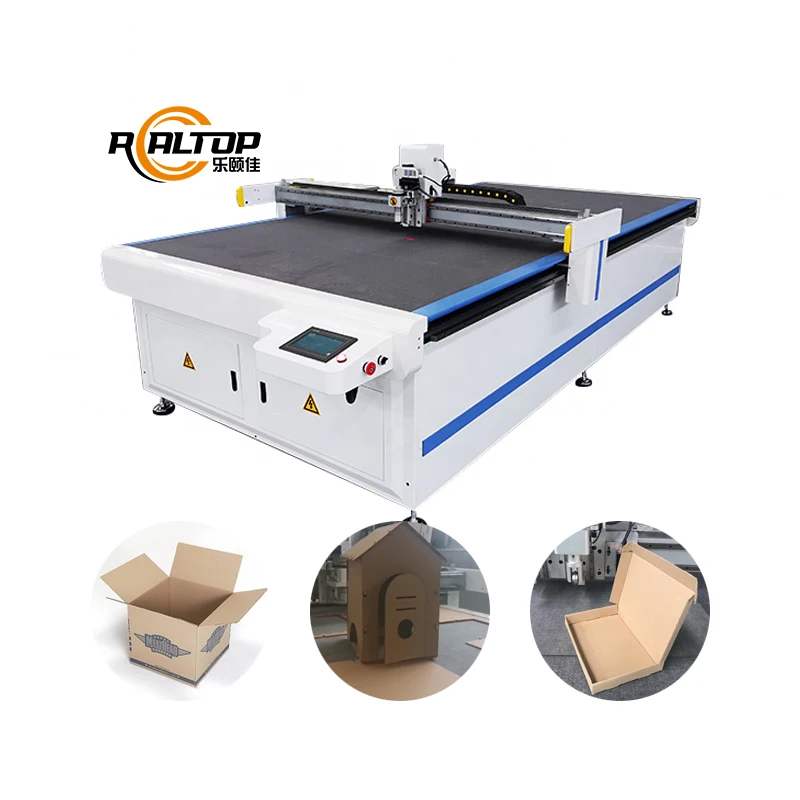
| Product Type | CNC Oscillating Knife Cutting Machine |
| Working Area | 1600×2500mm |
| Machine Size | 3450×2300×1250mm |
| Rated Power | 9kW |
| Voltage | 380V±10% |
| Table Type | Flat magnesium-aluminum alloy vacuum table with fluorocarbon PVDF powder spraying, anodic oxidation and hard oxidation |
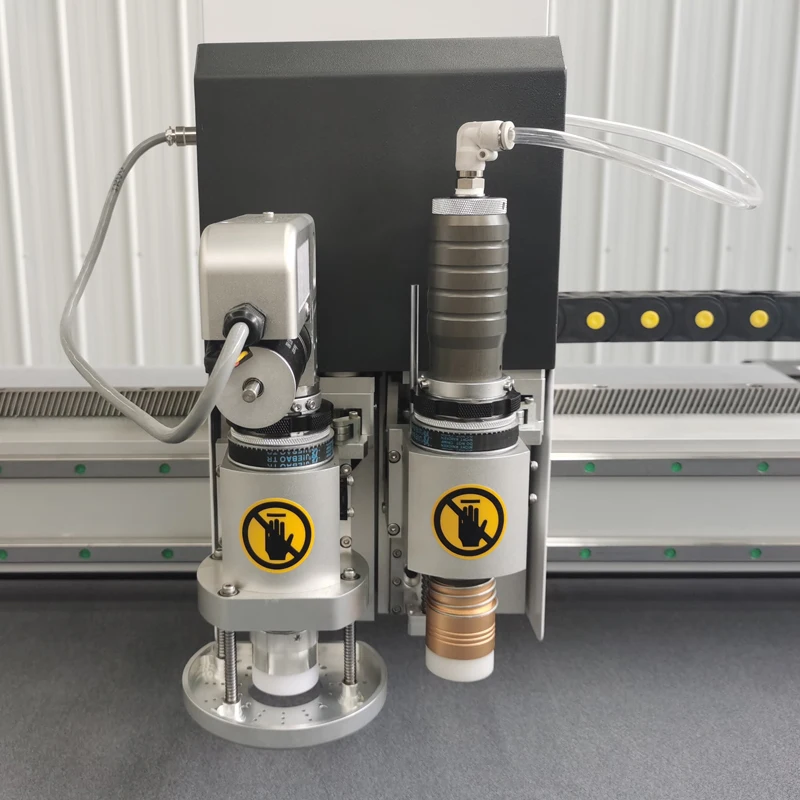
| Multifunctional Head | Swiss imported knife with vibration full cutting, vibration half cutting and cursor location function |
| Tool Head Options | Oscillating knife, pneumatic knife, high-power vibrating knife, circular knife, V cutting knife, drag knife, creasing wheel, dotted line knife, punching, brush |
| Visual Positioning | Small CCD camera mark point positioning, panoramic camera recognition positioning, projection positioning |
| Translational Velocity | 800-1200mm/s |
| Cutting Speed | 200-800mm/s (varies with material) |
| Cutting Thickness | ≤100mm (varies with material) |
| Repeated Accuracy | ≤0.1mm |
| Transmission System | Digital servo motor, linear guide, synchronous belt, ball screw |
| Servo Motor | Delta (optional Panasonic), IP67 waterproof protection |
| Instruction System | HP-GL compatible format |
| Vacuum Pump | 7.5kW, integrated aviation aluminum shell, built-in silencer sponge |
| Safety Device | Infrared induction blocking, anti-collision, emergency stop |
| Conveyor | Germany imported conveyor belt with auto feeding |
| Linear Rail | Taiwan Hiwin rail |
| Language Options | English, Russian, Italian, Chinese (custom languages available) |
| Assembly State | Fully assembled |
Application Suitability
| Application | Material or Output |
|---|---|
| Garment and footwear production | Clothing cloth, shoe material, non-woven fabric, PU, EVA |
| Automotive interior trimming | Leather, composite materials, sponge, XPE foam |
| Luggage and bag manufacturing | Luggage material, PVC, PP, PE, textile |
| Carpet and floor mat fabrication | Carpet, sponge, rubber, foam board |
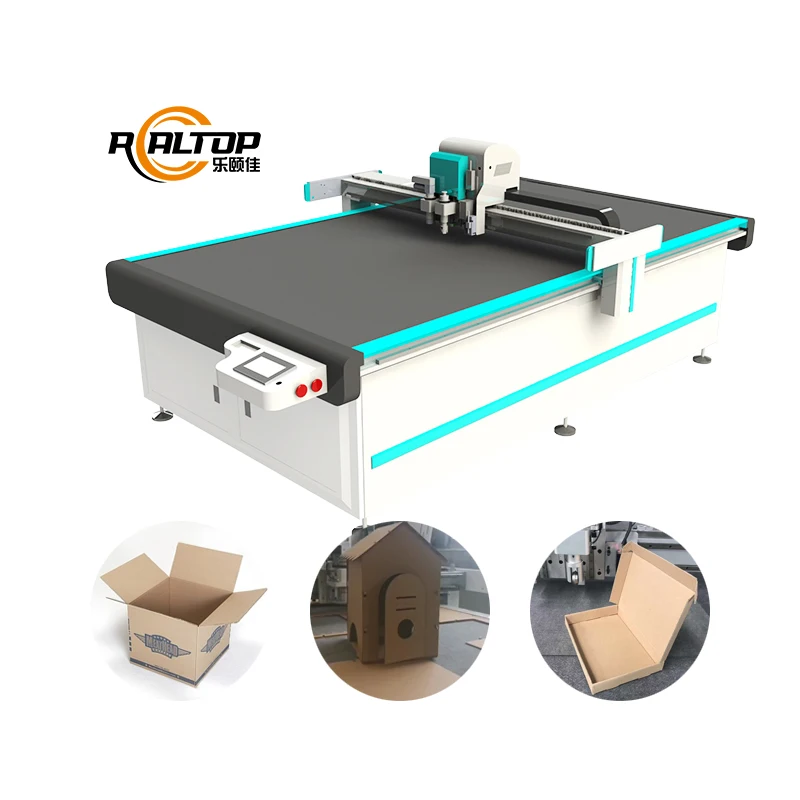
| Packaging and carton sample making | Corrugated cardboard, cardboard, plastic box, sticker, film |
| Gasket and sealing pad production | PTFE, ETFE, rubber, fiberglass, composite materials |
| Soft home furnishings | Fabric, textile, cloth, PU, EVA |
| Sports and outdoor products | XPE, EVA, composite materials, cloth |
Why "Working Area" Is Not the Only Spec That Matters When Choosing a CNC Oscillating Knife Cutting Machine Manufacturer
A cutting table specified by bed size alone will fail the moment material thickness or density falls outside the assumed range.
I have watched buyers commit to a machine because the working area matched their sheet dimensions, only to discover on the first production run that the standard oscillating knife head could not penetrate a coated composite at full depth. The vacuum zoning was designed for large panels, and small gasket parts lifted off the table mid-cut, ruining the nesting layout. A CNC oscillating knife cutting machine manufacturer that only asks for your sheet size is leaving out the questions that actually determine whether the configuration will work in your shop [NEED_CITE: material density and tool head compatibility in digital cutting]. The knife type, stroke frequency, vacuum zone count and table surface finish all need to match the specific material stack you run daily.
Matching the Knife Head to the Material Stack
The RT-D2516/RT-S2516 offers ten tool head options because no single blade geometry handles every flexible material cleanly. An oscillating knife cuts through layered knit fabric without fraying, while a pneumatic knife suits thicker sponge and foam where downward force matters more than vibration frequency. A drag knife traces tight contours on stickers and thin film, and a creasing wheel scores corrugated cardboard for folding without breaking the liner. Selecting the right head before the order is placed avoids the situation where a machine arrives and the operator spends weeks swapping blades and adjusting stroke depth just to get an acceptable edge on the production material.
Vacuum Table Design and Small-Part Stability
A 1600×2500mm table covers most standard fabric rolls and leather hides, but the real question is what happens when you nest small parts across that surface. The magnesium-aluminum alloy table on this unit uses fluorocarbon PVDF powder spraying and hard oxidation to maintain flatness under vacuum load. The 7.5kW vacuum pump with an integrated aviation aluminum shell and built-in silencer sponge delivers suction without excessive workshop noise. When cutting automotive gaskets or shoe uppers, zone isolation prevents air bleed from unoccupied table areas, keeping thin composite sheets pinned flat even at translational velocities reaching 1200mm/s [NEED_CITE: vacuum zoning requirements for small-part digital cutting].
Reading the Specs That Actually Affect Cut Quality
The repeated accuracy specification of ≤0.1mm matters most when you are cutting interlocking pattern pieces where a 0.3mm drift across a 2500mm travel distance produces mismatched seams in garment assembly. The Delta servo motors with IP67 protection maintain positioning in workshops where fabric dust and humidity degrade unprotected drives. Cutting speed ranges from 200 to 800mm/s depending on material, which is a realistic spread — a single-layer silk cannot be pushed at the same feed rate as a 20mm EVA foam sheet. The HP-GL compatible instruction system means existing DXF and PLT files from pattern-making software import without requiring a separate CAM conversion step. Taiwan Hiwin rails paired with ball screw and synchronous belt transmission keep the gantry square over years of two-shift operation.
The Hidden Cost of a Mismatched Configuration
When the tool head does not match the material, the consequences show up as ragged edges on leather, crushed foam cores in automotive headliners, or delamination of composite layers where the blade drags instead of shearing. A vacuum table without adequate zoning lets small gasket pieces drift, forcing the operator to reduce cutting speed and manually reposition parts between nests. CCD camera positioning that works on slow sample runs but loses mark tracking at full production speed means printed contour jobs get scrapped in batches. Voltage and plug mismatches discovered after shipment delay commissioning by weeks while transformers are sourced locally [NEED_CITE: electrical compatibility issues in imported industrial machinery].
Why Buyers Evaluate This Range Before Committing
In-house design covering both knife and laser technologies means the cutting method is matched to the material, not forced into whichever machine happens to be in stock. Tool head and table configurations are specified per material type and daily production volume rather than sold as a default package. CCD camera positioning options — small mark point, panoramic recognition and projection — are selected based on the buyer’s actual print registration workflow. Software and file format compatibility is confirmed before the order so existing nesting files open without conversion. Voltage, plug type and control language are locked in during the specification stage, not discovered as a surprise on the packing list.
Documentation & Verification
- Machine specification sheet listing all selected tool heads and vacuum zone layout
- Electrical schematic confirming 380V±10% wiring and servo motor IP67 ratings
- Sample cutting report produced on your actual fabric, leather or composite material
- Software licence and HP-GL file format compatibility note for your pattern workflow
- Tool head and table configuration list detailing the knife types included with your order
- Factory test record showing repeated accuracy measurement before crating
Installation, Commissioning & Support
- Flat concrete floor required to support 3450×2300×1250mm footprint at full machine weight
- Dedicated 380V±10% circuit with sufficient amperage for 9kW rated power plus 7.5kW vacuum pump
- Machine ships fully assembled — no gantry alignment or rail bedding required on site
- First-run parameter tuning for your specific material thickness and cutting speed range
- Operator training covering tool head changes, vacuum zone setup and CCD camera calibration
- Spare knife blades, vacuum table seals and Hiwin rail lubrication schedule included
What We Need to Recommend the Right Configuration
Before quoting, share the material type and maximum thickness you plan to cut, the typical sheet or roll dimensions, and your daily output volume. Let us know your workshop voltage and frequency, preferred control language, and whether your current workflow uses DXF, PLT or another file format. If you have printed materials requiring contour recognition, send a sample file so we can verify CCD camera tracking at production speed.
Frequently Asked Questions
Q: How do I decide between oscillating knife and laser cutting for my fabric and textile work?
A: Oscillating knife suits multi-layer fabric, leather and composite materials where a clean sheared edge without heat sealing is needed. Laser cutting seals synthetic edges automatically but can leave burn marks on natural fibres. The choice depends on your material composition and whether downstream processes like sewing require a non-fused edge. Sample cutting on your actual material clarifies which method produces the acceptable result.
Q: What working area should I select based on my sheet size and nesting requirements?
A: The 1600×2500mm table accommodates standard fabric rolls and leather hides with margin for clamping. If your material arrives in wider rolls or you need to nest multiple hides simultaneously, a larger format table may reduce material waste. Consider your largest single piece dimension plus the nesting software’s required gap between parts before finalizing the bed size.
Q: How does the CCD camera positioning handle printed contour recognition at production speed?
A: The small CCD camera locates printed mark points for contour alignment, while the panoramic camera option scans broader registration features across the full cutting area. Tracking reliability depends on mark contrast, print quality and camera resolution. Testing with your actual printed material at full cutting speed confirms whether mark detection holds before the machine is shipped.
Q: What voltage, plug and control language options are available for different export markets?
A: The standard configuration runs on 380V±10%, with control language available in English, Russian, Italian and Chinese. Custom languages and voltage configurations can be arranged during the specification stage. Confirming plug type, frequency and local electrical code requirements before production avoids transformer costs and commissioning delays at your facility.










商品评价
There are no reviews yet.