


Fast Delivery
Quick, reliable shipping to any location.

Free & easy returns
Return this item by mail or in store within 90 days for a full refund.
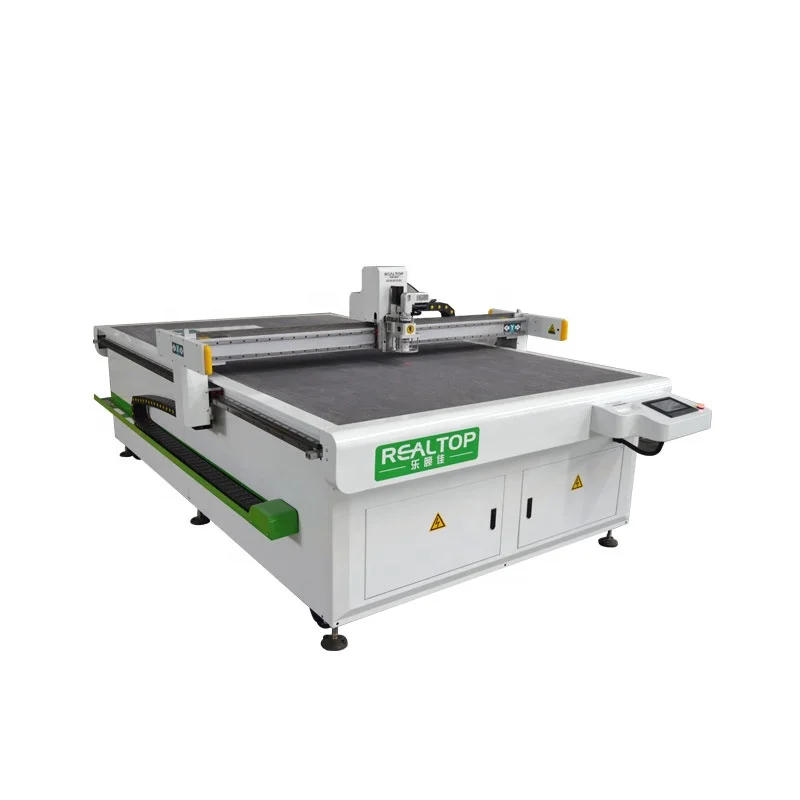
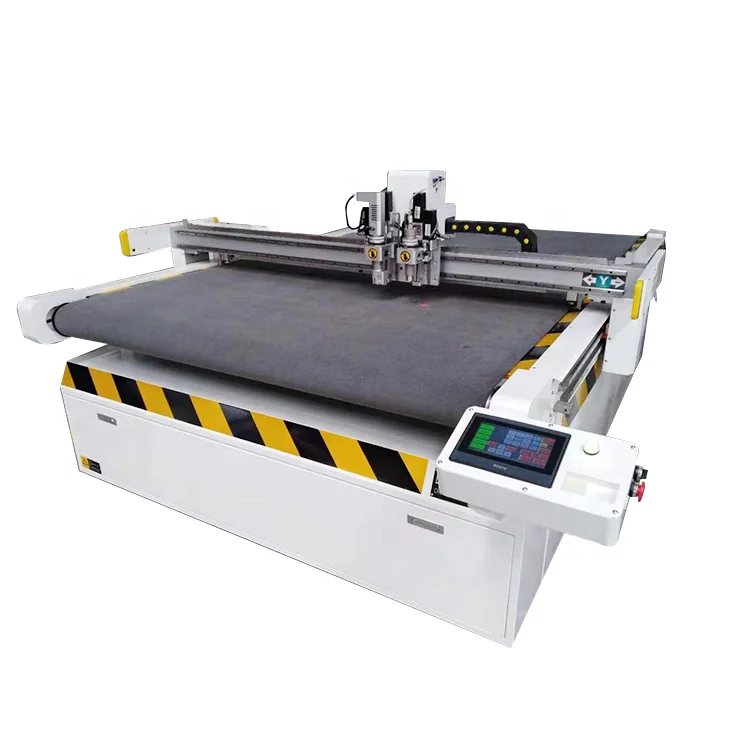
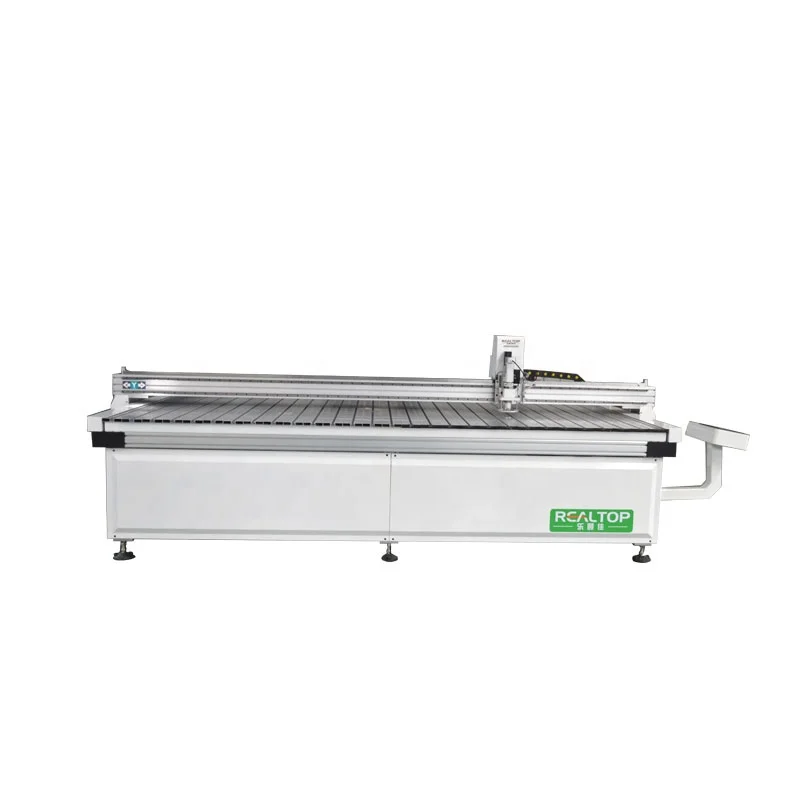
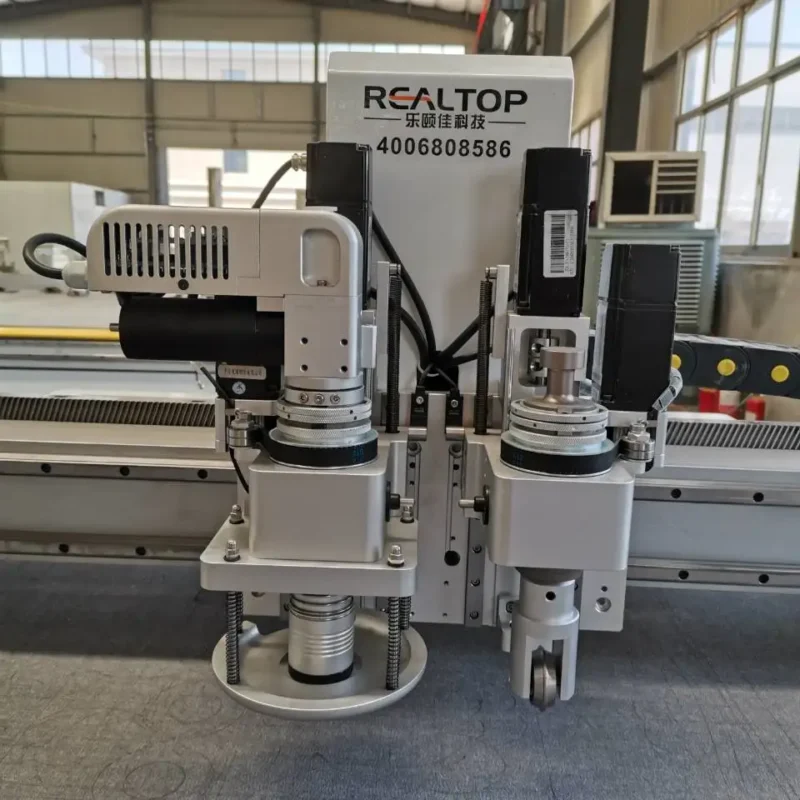
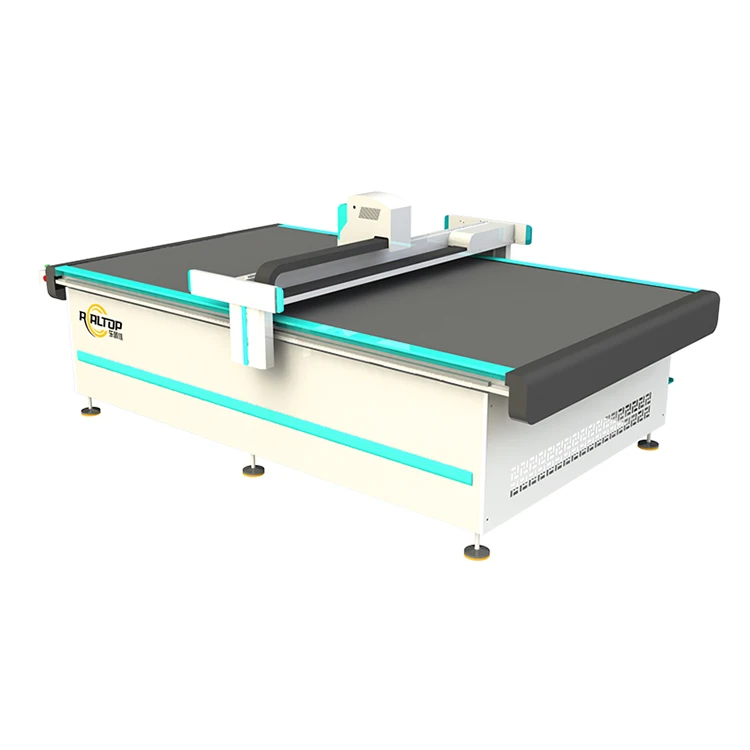
Vibration Tool Head Matched to Fabric Stack — sample cutting on the buyer’s actual bridal satin, tulle and composite layers confirms knife penetration and edge quality before the machine configuration is locked.
Technical Specifications
| Parameter | Value |
|---|---|
| Model | RT-D2516/RT-S2516 |
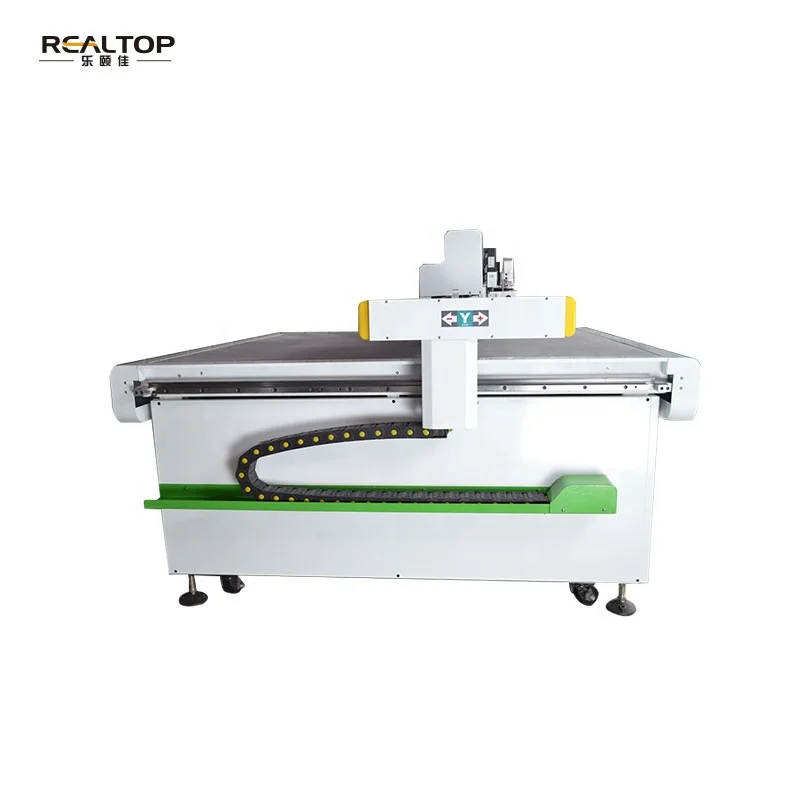
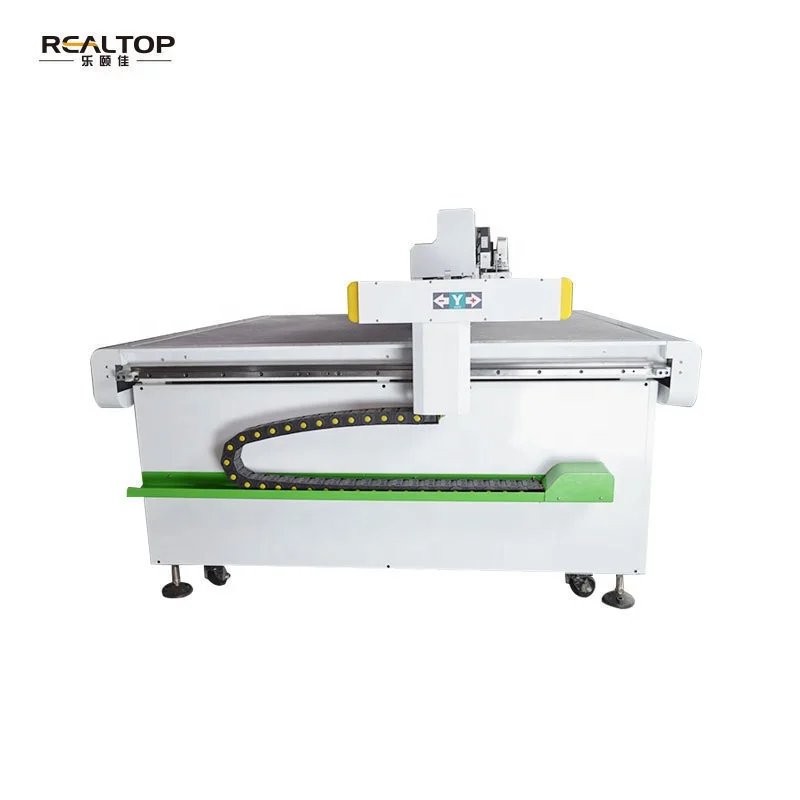
| Product Type | CNC Oscillating Knife Cutting Machine |
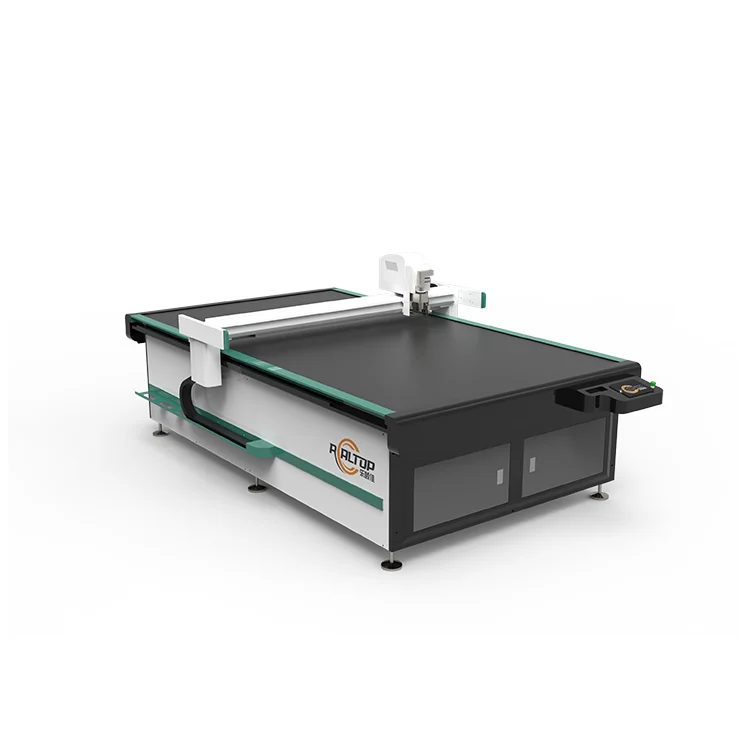
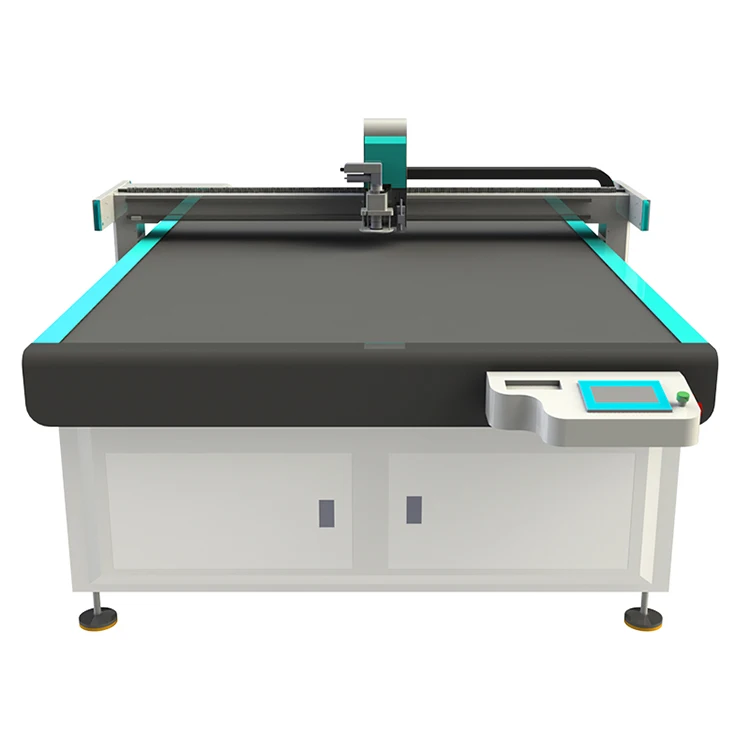
| Working Area | 1600×2500 mm |
| Overall Dimensions | 3450×2300×1250 mm |
| Rated Power | 9 kW |
| Table Type | Flatbed working table with auto-feeding conveyor and vacuum hold-down |
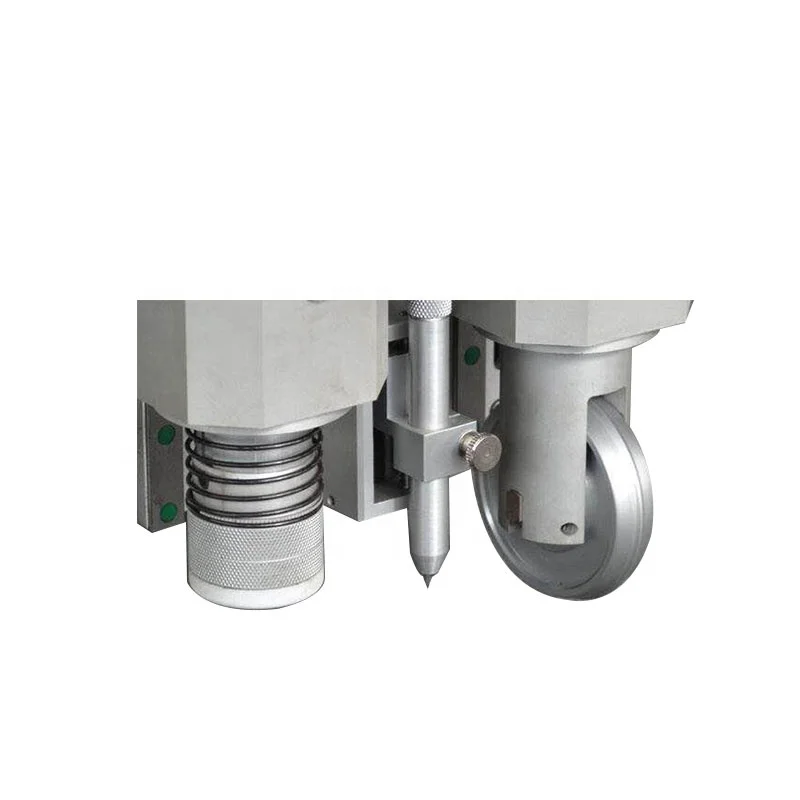
| Tool Head | Swiss imported oscillating knife: vibration full cutting, vibration half cutting, cursor location |
| Safety Device | Infrared sensors |
| Translational Velocity | 800–1200 mm/s |
| Cutting Speed | 200–800 mm/s (according to different cutting materials) |
| Repeatability | ≤0.1 mm |
| Transmission System | Digital servo motor, linear guide, synchronous belt, ball screw |
| Servo Motor | Japanese Yaskawa |
| Linear Rail | Taiwan Hiwin |
| Conveyor Belt | Germany imported |
| Vacuum Pump | 7.5 kW |
| File Format Compatibility | HP-GL compatible format |
| Voltage | 380V±10% |
| Certification | CE |
Application Suitability
| Application | Material or Output |
|---|---|
| Bridal gown and wedding dress production | Multi-layer satin, organza, tulle, lace, composite stiffening mesh |
| Garment and formal wear manufacturing | Silk, chiffon, crepe, lining fabrics, fusible interlining |
| Leather goods and footwear uppers | Natural leather, PU synthetic, sponge composite leather |
| Soft signage and advertising | PVC banner, soft glass sheet, silicone, rubber gasket stock |
| Flexible industrial materials | Foam laminate, technical textile, non-woven filter media |
What "Working Area Alone" Leaves Out When Specifying a CNC Oscillating Knife Cutting Machine for Fabric and Garment
A 1600×2500 mm table tells you nothing about whether the knife head will penetrate your specific fabric stack.
Buyers routinely select a flatbed digital cutting table based on bed size and motor rating, then discover on commissioning day that the oscillating knife cannot push through six layers of composite satin backed with stiffening net. The machine runs, but the cutting speed drops well below the range stated on the spec sheet because the material resistance was never part of the conversation. [NEED_CITE: material thickness and density effects on oscillating knife cutting speed]
I saw this happen when a Middle East buyer ordered a machine based on a silk sample cutting report. Their actual production used multi-layer composite bridal satin with embedded hard mesh. The knife head could not penetrate the full stack in a single pass, and throughput fell to roughly half of what the silk trial had shown. The working area was correct; the tool head configuration was not. That is why, regardless of order urgency, I now insist on receiving the buyer’s actual production material before finalising any configuration.
Where This CNC Flatbed Digital Cutting Table Sits in the Knife Versus Laser Decision
Within the full catalogue of cutting equipment, oscillating knife and laser serve different material families. For bridal gowns, the priority is a clean edge without thermal sealing, because synthetic overlays and delicate linings must remain soft and drape naturally after cutting. A CNC oscillating knife cutting machine for fabric and garment production avoids the heat-affected zone that a CO2 laser would leave on silk or chiffon, keeping the hand of the fabric intact through the sewing stages.
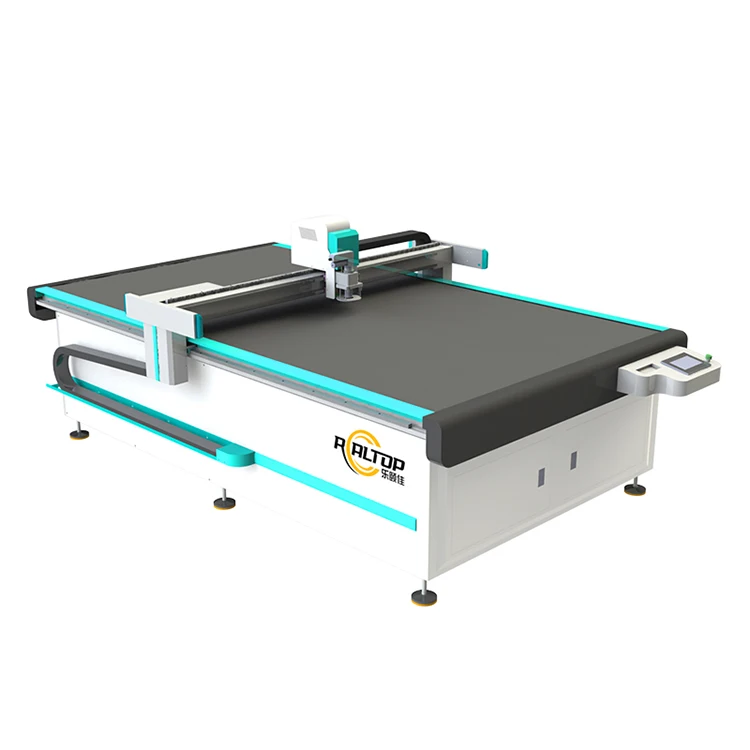
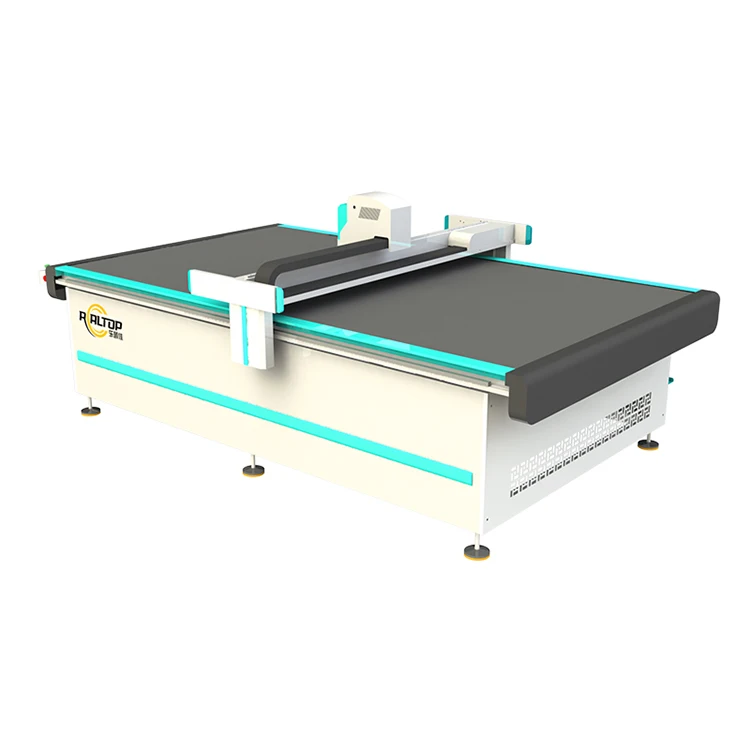
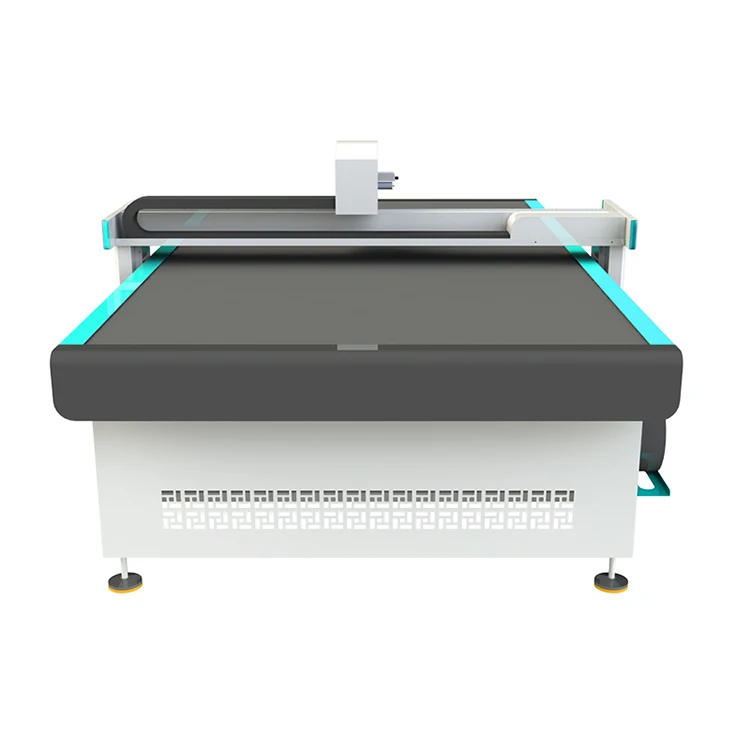
The RT-D2516/RT-S2516 is positioned for garment producers who need to cut multi-layer stacks at production volume rather than single plies. The auto-feeding conveyor paired with the 7.5 kW vacuum pump holds flexible material flat across the 1600×2500 mm bed, which matters when cutting slippery fabrics like satin where even slight movement produces contour errors that compound across dozens of pattern pieces.
Configuring the Tool Head for Multi-Layer Bridal Fabrics
The Swiss imported oscillating knife head on this platform supports three working modes: vibration full cutting for through-penetrating the entire fabric stack, vibration half cutting for kiss-cutting appliqués or leaving carrier material intact, and cursor location for manual alignment on pre-printed markers. Switching between these modes lets a bridal workshop cut lace appliqués in one job and structural bodice panels in the next without changing the physical tool head. [NEED_CITE: oscillating knife tool head modes and garment cutting applications]
For garment factories running mixed materials across a single shift — say, chiffon sleeves followed by composite leather belt panels — the ability to adjust vibration amplitude and cutting speed within the 200–800 mm/s range means the operator can dial in the right combination rather than forcing one setting across incompatible materials.
What the Specification Sheet Actually Means for Fabric Cutting
The Yaskawa digital servo motors and Taiwan Hiwin linear rails combine to deliver ≤0.1 mm repeatability, which in garment cutting translates to pattern pieces that align during assembly without manual trimming. When a bodice panel is cut on Monday and its matching lining on Wednesday, the registration must hold because bridal construction leaves no margin for re-cutting expensive silk.
The 7.5 kW vacuum pump working through the flatbed table is sized to hold lightweight, porous fabrics that tend to lift under knife drag. Vacuum zoning matters here: on a 1600×2500 mm bed, small pattern pieces like collar stays or cuff inserts need localised suction to prevent movement during the final cuts when surrounding material has already been removed. The HP-GL compatible instruction system accepts output from standard garment nesting software, so existing pattern workflows do not need to be rebuilt around a proprietary format.
The 9 kW rated power covers the servo drives, vacuum pump and oscillating knife motor simultaneously, which is relevant when planning the dedicated electrical circuit — undersizing the supply breaker causes intermittent faults that are difficult to trace.
The Cost of Skipping the Sample Cutting Step
When a buyer commits to a configuration without testing their actual material, the consequences surface during commissioning. Ragged edges on tulle mean the knife frequency was set too low for the net structure, and each affected panel must be discarded. [NEED_CITE: oscillating knife edge quality issues on open-weave and composite fabrics] Crushed foam interlining indicates the wrong blade profile was selected, leaving visible compression marks on the finished garment. A vacuum table that holds large panels perfectly may still let small appliqué pieces drift during the final cuts if the zoning does not match the nesting layout. These are not machine defects — they are configuration mismatches that a pre-shipment sample cutting on the buyer’s own fabric stack would have revealed.
Why Source This CNC Oscillating Knife Cutting Machine for Fabric and Garment From This Range
The design team covers both knife and laser cutting technologies in-house, so the recommendation starts with the buyer’s material rather than steering every enquiry toward one process. A bridal satin producer will be directed to oscillating knife, while a signage shop cutting acrylic will be pointed to CO2 laser — the machine is matched to the job, not the other way around.
Every RT-D2516/RT-S2516 ships with tool head and table configuration specified to the buyer’s material and daily volume, confirmed by a sample cutting report. The software licence, file format compatibility, voltage, plug type and control language are verified before production begins, reducing the risk of discovering a mismatch after the crate arrives. The core factory handles frame fabrication and motion assembly internally, maintaining control over the build quality of the linear guide installation and servo tuning.
Documentation & Verification
- Machine specification sheet confirming working area, tool head and vacuum table zoning matched to your fabric type
- Sample cutting report on your actual bridal satin, tulle or composite material with edge quality photographs
- Electrical schematic and voltage confirmation for 380V±10% supply at your facility
- Software licence and HP-GL file format compatibility note for your existing nesting workflow
- Operation and maintenance manual with tool head adjustment procedures for different fabric stacks
- Spare parts list covering knife blades, conveyor belt segments and vacuum table seals
Installation, Commissioning & Support
- Foundation must be level within tolerance across the 3450×2300 mm footprint to prevent frame twist affecting rail alignment
- Dedicated 380V±10% circuit rated for 9 kW with correct breaker sizing for simultaneous servo and vacuum pump start-up
- Machine ships with conveyor belt and vacuum table pre-assembled; final rail and servo calibration performed on site
- First-run commissioning includes cutting speed and knife frequency adjustment on your production fabric stack
- Operator training covers tool head mode switching between full cut, half cut and cursor location functions
- Consumable blade replacement schedule based on your material abrasiveness, with initial spare blade set included
Before You Request a Quotation
Provide your fabric type, typical layer count and maximum stack thickness so the tool head and vacuum configuration can be specified correctly. Include your daily cutting volume and the nesting software you currently use to confirm file format compatibility and throughput expectations. Share your facility voltage and frequency, along with the preferred control interface language, so the electrical and software package matches your local requirements before the machine enters production.
Frequently Asked Questions
Q: How do I decide between oscillating knife and laser for bridal gown fabrics?
A: Oscillating knife cuts without heat, preserving the natural drape of silk, chiffon and tulle, and handles multi-layer stacks in a single pass. Laser cuts single plies with a sealed edge that can stiffen delicate fabrics. For bridal gowns where soft hand-feel matters and production runs involve stacked layers, the CNC oscillating knife cutting machine for fabric and garment is the typical choice within this catalogue.
Q: Where does the 1600×2500 mm format fit among available flatbed sizes?
A: This working area sits in the large-format range, suitable for garment producers cutting full-width fabric rolls. Smaller beds in the catalogue serve sample rooms and prototype shops, while larger formats address wide-width technical textiles. The RT-D2516/RT-S2516 covers most bridal and formal wear pattern layouts with margin for auto-feeding conveyor integration.
Q: What is the difference between vibration full cutting and half cutting on this tool head?
A: Full cutting penetrates the entire fabric stack for complete part separation. Half cutting scores through the top layer while leaving the carrier or backing material intact, useful for appliqué and kiss-cut work. Cursor location provides manual alignment for pre-printed registration marks, supporting mixed-mode jobs on a single CNC flatbed digital cutting table.
Q: Why must voltage and control language be confirmed before production?
A: The machine operates at 380V±10%, and the electrical cabinet is wired to match the destination supply. If voltage or frequency differs from the confirmed specification, servo motors and the vacuum pump may fail prematurely. Control language set during assembly avoids costly panel reprogramming after delivery, ensuring operators can navigate menus from day one.
Q: Can I send my own material for sample cutting before committing?
A: Yes. Providing your actual production fabric — including any composite layers, stiffening mesh or fusible interlining — allows the cutting speed, knife frequency and vacuum hold-down to be tested on the RT-D2516/RT-S2516. A sample cutting report with edge quality documentation is issued before the final configuration is approved and the order enters production.
Vibration Tool Head Matched to Fabric Stack — sample cutting on the buyer’s actual bridal satin, tulle and composite layers confirms knife penetration and edge quality before the machine configuration is locked.
Technical Specifications
| Parameter | Value |
|---|---|
| Model | RT-D2516/RT-S2516 |
| Product Type | CNC Oscillating Knife Cutting Machine |
| Working Area | 1600×2500 mm |
| Overall Dimensions | 3450×2300×1250 mm |
| Rated Power | 9 kW |
| Table Type | Flatbed working table with auto-feeding conveyor and vacuum hold-down |
| Tool Head | Swiss imported oscillating knife: vibration full cutting, vibration half cutting, cursor location |
| Safety Device | Infrared sensors |
| Translational Velocity | 800–1200 mm/s |
| Cutting Speed | 200–800 mm/s (according to different cutting materials) |
| Repeatability | ≤0.1 mm |
| Transmission System | Digital servo motor, linear guide, synchronous belt, ball screw |
| Servo Motor | Japanese Yaskawa |
| Linear Rail | Taiwan Hiwin |
| Conveyor Belt | Germany imported |
| Vacuum Pump | 7.5 kW |
| File Format Compatibility | HP-GL compatible format |
| Voltage | 380V±10% |
| Certification | CE |
Application Suitability
| Application | Material or Output |
|---|---|
| Bridal gown and wedding dress production | Multi-layer satin, organza, tulle, lace, composite stiffening mesh |
| Garment and formal wear manufacturing | Silk, chiffon, crepe, lining fabrics, fusible interlining |
| Leather goods and footwear uppers | Natural leather, PU synthetic, sponge composite leather |
| Soft signage and advertising | PVC banner, soft glass sheet, silicone, rubber gasket stock |
| Flexible industrial materials | Foam laminate, technical textile, non-woven filter media |
What "Working Area Alone" Leaves Out When Specifying a CNC Oscillating Knife Cutting Machine for Fabric and Garment
A 1600×2500 mm table tells you nothing about whether the knife head will penetrate your specific fabric stack.
Buyers routinely select a flatbed digital cutting table based on bed size and motor rating, then discover on commissioning day that the oscillating knife cannot push through six layers of composite satin backed with stiffening net. The machine runs, but the cutting speed drops well below the range stated on the spec sheet because the material resistance was never part of the conversation. [NEED_CITE: material thickness and density effects on oscillating knife cutting speed]
I saw this happen when a Middle East buyer ordered a machine based on a silk sample cutting report. Their actual production used multi-layer composite bridal satin with embedded hard mesh. The knife head could not penetrate the full stack in a single pass, and throughput fell to roughly half of what the silk trial had shown. The working area was correct; the tool head configuration was not. That is why, regardless of order urgency, I now insist on receiving the buyer’s actual production material before finalising any configuration.
Where This CNC Flatbed Digital Cutting Table Sits in the Knife Versus Laser Decision
Within the full catalogue of cutting equipment, oscillating knife and laser serve different material families. For bridal gowns, the priority is a clean edge without thermal sealing, because synthetic overlays and delicate linings must remain soft and drape naturally after cutting. A CNC oscillating knife cutting machine for fabric and garment production avoids the heat-affected zone that a CO2 laser would leave on silk or chiffon, keeping the hand of the fabric intact through the sewing stages.
The RT-D2516/RT-S2516 is positioned for garment producers who need to cut multi-layer stacks at production volume rather than single plies. The auto-feeding conveyor paired with the 7.5 kW vacuum pump holds flexible material flat across the 1600×2500 mm bed, which matters when cutting slippery fabrics like satin where even slight movement produces contour errors that compound across dozens of pattern pieces.
Configuring the Tool Head for Multi-Layer Bridal Fabrics
The Swiss imported oscillating knife head on this platform supports three working modes: vibration full cutting for through-penetrating the entire fabric stack, vibration half cutting for kiss-cutting appliqués or leaving carrier material intact, and cursor location for manual alignment on pre-printed markers. Switching between these modes lets a bridal workshop cut lace appliqués in one job and structural bodice panels in the next without changing the physical tool head. [NEED_CITE: oscillating knife tool head modes and garment cutting applications]
For garment factories running mixed materials across a single shift — say, chiffon sleeves followed by composite leather belt panels — the ability to adjust vibration amplitude and cutting speed within the 200–800 mm/s range means the operator can dial in the right combination rather than forcing one setting across incompatible materials.
What the Specification Sheet Actually Means for Fabric Cutting
The Yaskawa digital servo motors and Taiwan Hiwin linear rails combine to deliver ≤0.1 mm repeatability, which in garment cutting translates to pattern pieces that align during assembly without manual trimming. When a bodice panel is cut on Monday and its matching lining on Wednesday, the registration must hold because bridal construction leaves no margin for re-cutting expensive silk.
The 7.5 kW vacuum pump working through the flatbed table is sized to hold lightweight, porous fabrics that tend to lift under knife drag. Vacuum zoning matters here: on a 1600×2500 mm bed, small pattern pieces like collar stays or cuff inserts need localised suction to prevent movement during the final cuts when surrounding material has already been removed. The HP-GL compatible instruction system accepts output from standard garment nesting software, so existing pattern workflows do not need to be rebuilt around a proprietary format.
The 9 kW rated power covers the servo drives, vacuum pump and oscillating knife motor simultaneously, which is relevant when planning the dedicated electrical circuit — undersizing the supply breaker causes intermittent faults that are difficult to trace.
The Cost of Skipping the Sample Cutting Step
When a buyer commits to a configuration without testing their actual material, the consequences surface during commissioning. Ragged edges on tulle mean the knife frequency was set too low for the net structure, and each affected panel must be discarded. [NEED_CITE: oscillating knife edge quality issues on open-weave and composite fabrics] Crushed foam interlining indicates the wrong blade profile was selected, leaving visible compression marks on the finished garment. A vacuum table that holds large panels perfectly may still let small appliqué pieces drift during the final cuts if the zoning does not match the nesting layout. These are not machine defects — they are configuration mismatches that a pre-shipment sample cutting on the buyer’s own fabric stack would have revealed.
Why Source This CNC Oscillating Knife Cutting Machine for Fabric and Garment From This Range
The design team covers both knife and laser cutting technologies in-house, so the recommendation starts with the buyer’s material rather than steering every enquiry toward one process. A bridal satin producer will be directed to oscillating knife, while a signage shop cutting acrylic will be pointed to CO2 laser — the machine is matched to the job, not the other way around.
Every RT-D2516/RT-S2516 ships with tool head and table configuration specified to the buyer’s material and daily volume, confirmed by a sample cutting report. The software licence, file format compatibility, voltage, plug type and control language are verified before production begins, reducing the risk of discovering a mismatch after the crate arrives. The core factory handles frame fabrication and motion assembly internally, maintaining control over the build quality of the linear guide installation and servo tuning.
Documentation & Verification
- Machine specification sheet confirming working area, tool head and vacuum table zoning matched to your fabric type
- Sample cutting report on your actual bridal satin, tulle or composite material with edge quality photographs
- Electrical schematic and voltage confirmation for 380V±10% supply at your facility
- Software licence and HP-GL file format compatibility note for your existing nesting workflow
- Operation and maintenance manual with tool head adjustment procedures for different fabric stacks
- Spare parts list covering knife blades, conveyor belt segments and vacuum table seals
Installation, Commissioning & Support
- Foundation must be level within tolerance across the 3450×2300 mm footprint to prevent frame twist affecting rail alignment
- Dedicated 380V±10% circuit rated for 9 kW with correct breaker sizing for simultaneous servo and vacuum pump start-up
- Machine ships with conveyor belt and vacuum table pre-assembled; final rail and servo calibration performed on site
- First-run commissioning includes cutting speed and knife frequency adjustment on your production fabric stack
- Operator training covers tool head mode switching between full cut, half cut and cursor location functions
- Consumable blade replacement schedule based on your material abrasiveness, with initial spare blade set included
Before You Request a Quotation
Provide your fabric type, typical layer count and maximum stack thickness so the tool head and vacuum configuration can be specified correctly. Include your daily cutting volume and the nesting software you currently use to confirm file format compatibility and throughput expectations. Share your facility voltage and frequency, along with the preferred control interface language, so the electrical and software package matches your local requirements before the machine enters production.
Frequently Asked Questions
Q: How do I decide between oscillating knife and laser for bridal gown fabrics?
A: Oscillating knife cuts without heat, preserving the natural drape of silk, chiffon and tulle, and handles multi-layer stacks in a single pass. Laser cuts single plies with a sealed edge that can stiffen delicate fabrics. For bridal gowns where soft hand-feel matters and production runs involve stacked layers, the CNC oscillating knife cutting machine for fabric and garment is the typical choice within this catalogue.
Q: Where does the 1600×2500 mm format fit among available flatbed sizes?
A: This working area sits in the large-format range, suitable for garment producers cutting full-width fabric rolls. Smaller beds in the catalogue serve sample rooms and prototype shops, while larger formats address wide-width technical textiles. The RT-D2516/RT-S2516 covers most bridal and formal wear pattern layouts with margin for auto-feeding conveyor integration.
Q: What is the difference between vibration full cutting and half cutting on this tool head?
A: Full cutting penetrates the entire fabric stack for complete part separation. Half cutting scores through the top layer while leaving the carrier or backing material intact, useful for appliqué and kiss-cut work. Cursor location provides manual alignment for pre-printed registration marks, supporting mixed-mode jobs on a single CNC flatbed digital cutting table.
Q: Why must voltage and control language be confirmed before production?
A: The machine operates at 380V±10%, and the electrical cabinet is wired to match the destination supply. If voltage or frequency differs from the confirmed specification, servo motors and the vacuum pump may fail prematurely. Control language set during assembly avoids costly panel reprogramming after delivery, ensuring operators can navigate menus from day one.
Q: Can I send my own material for sample cutting before committing?
A: Yes. Providing your actual production fabric — including any composite layers, stiffening mesh or fusible interlining — allows the cutting speed, knife frequency and vacuum hold-down to be tested on the RT-D2516/RT-S2516. A sample cutting report with edge quality documentation is issued before the final configuration is approved and the order enters production.
商品评价
There are no reviews yet.