

Fast Delivery
Quick, reliable shipping to any location.

Free & easy returns
Return this item by mail or in store within 90 days for a full refund.
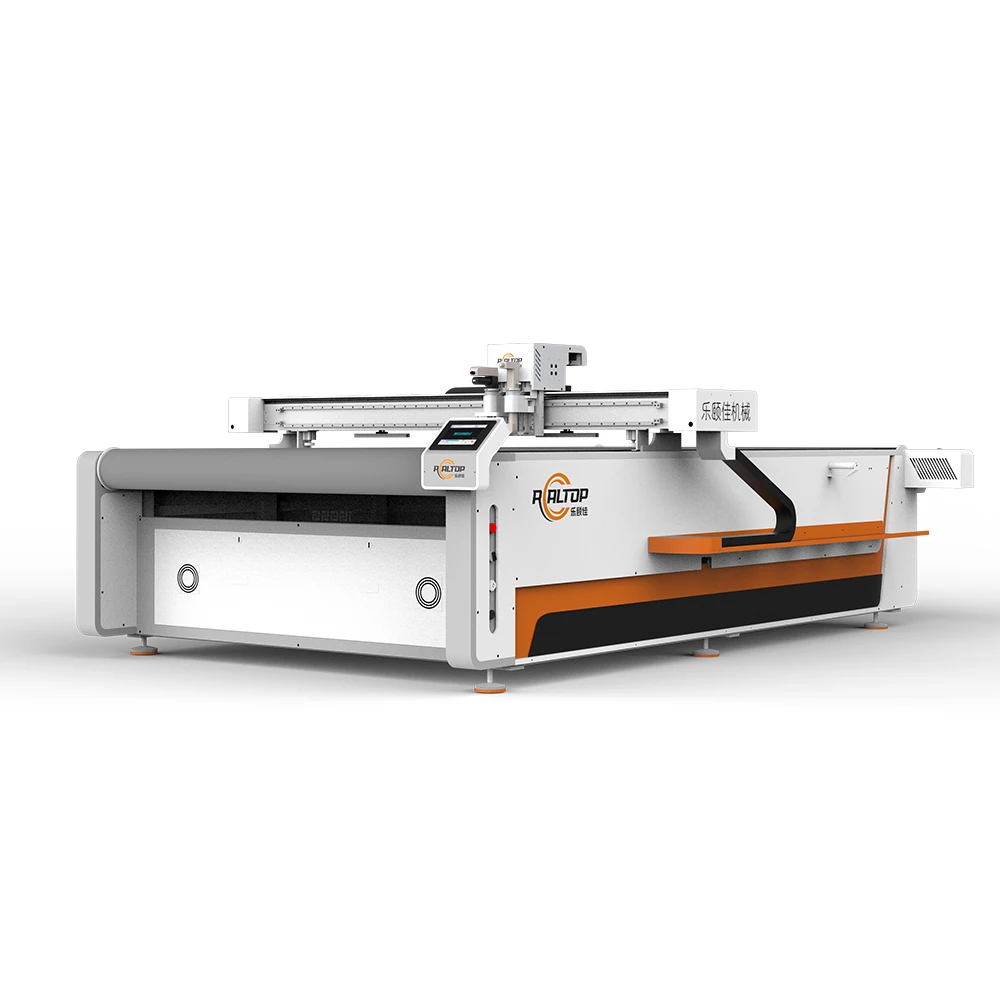
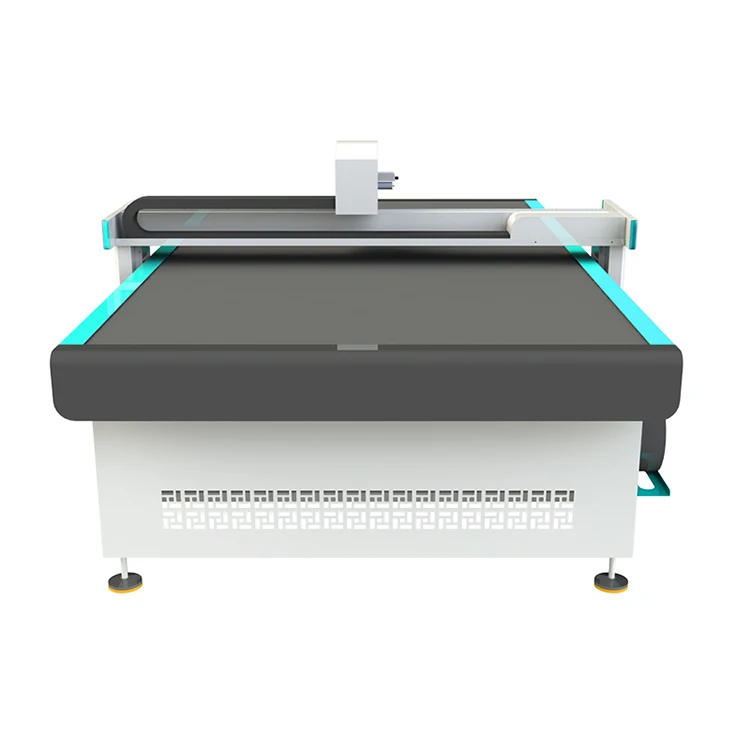
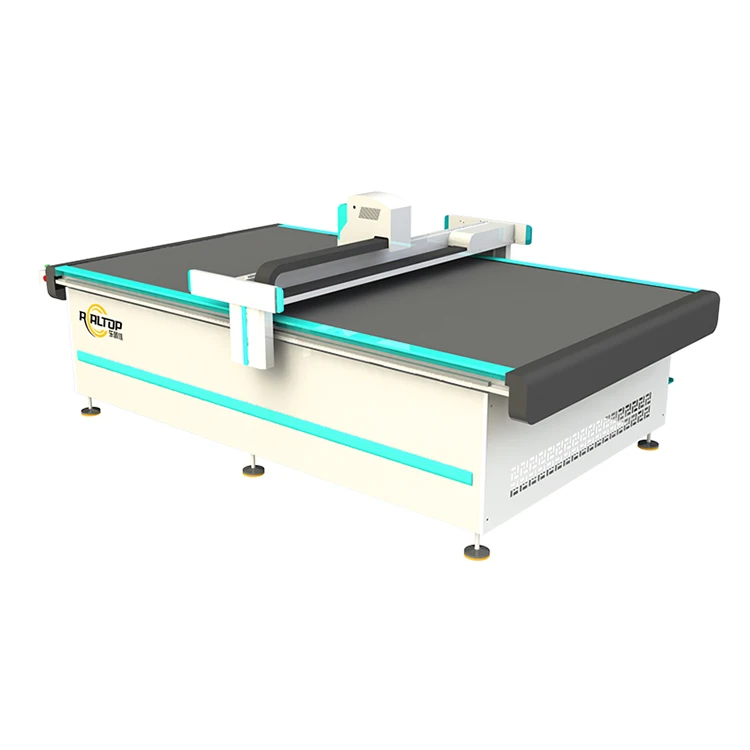
Model range configured per material — Each RT-D2516/RT-S2516 cutting tool head and vacuum zone is matched to the buyer’s fabric type and daily volume before shipment.
Technical Specifications
| Parameter | Value |
|---|---|
| Model | RT-D2516/RT-S2516 |
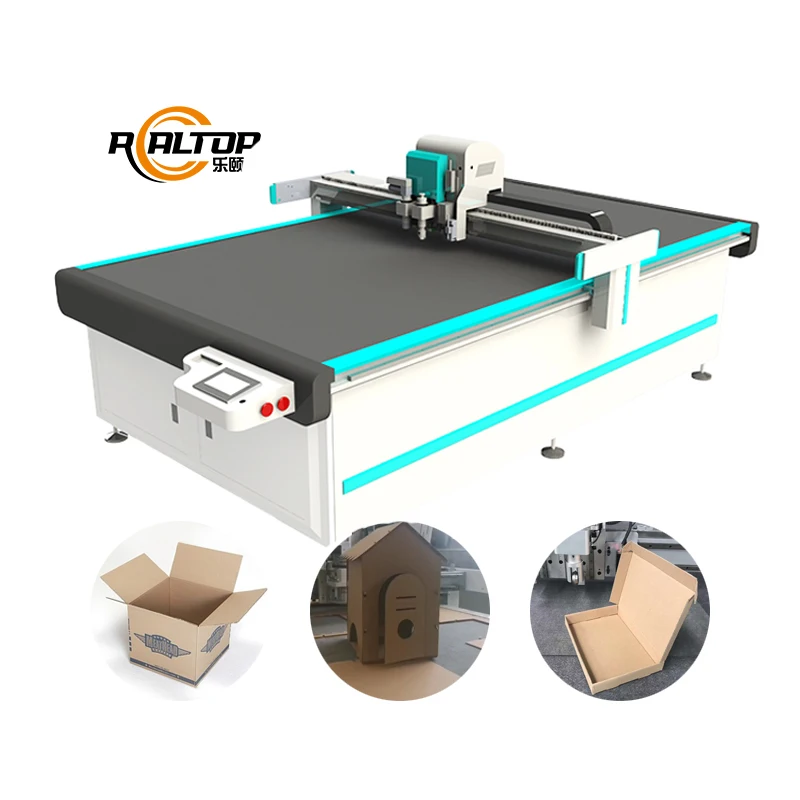
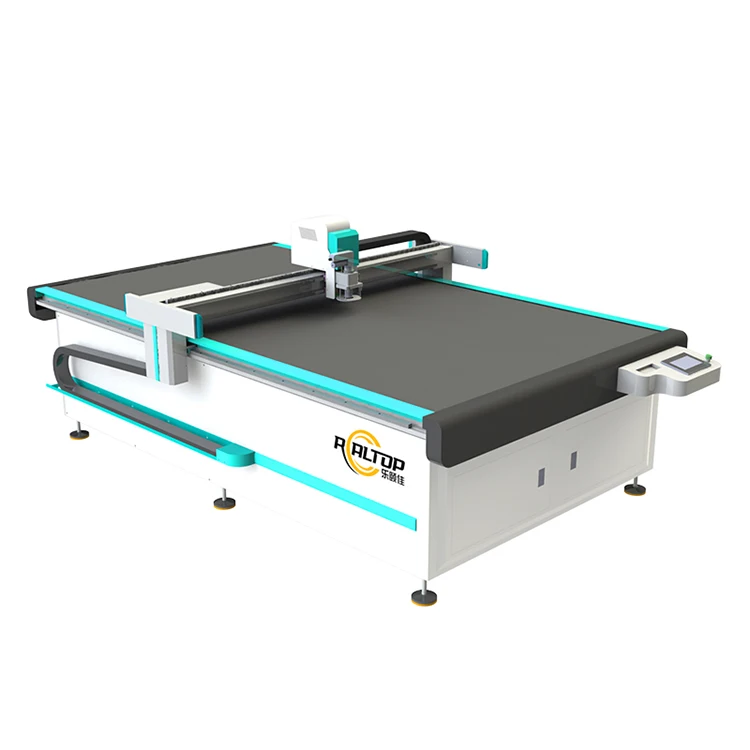
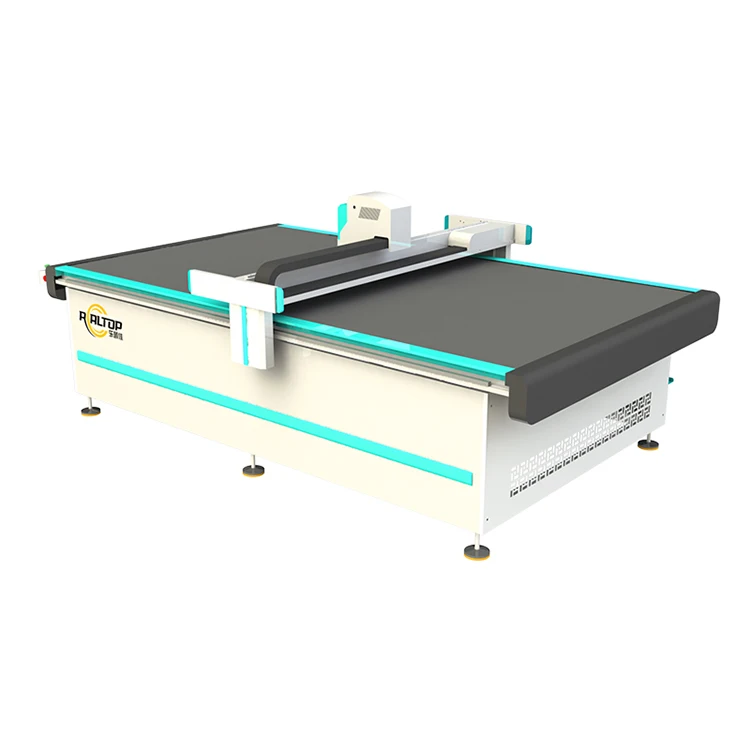
| Product Type | CNC Oscillating Knife Cutting Machine |
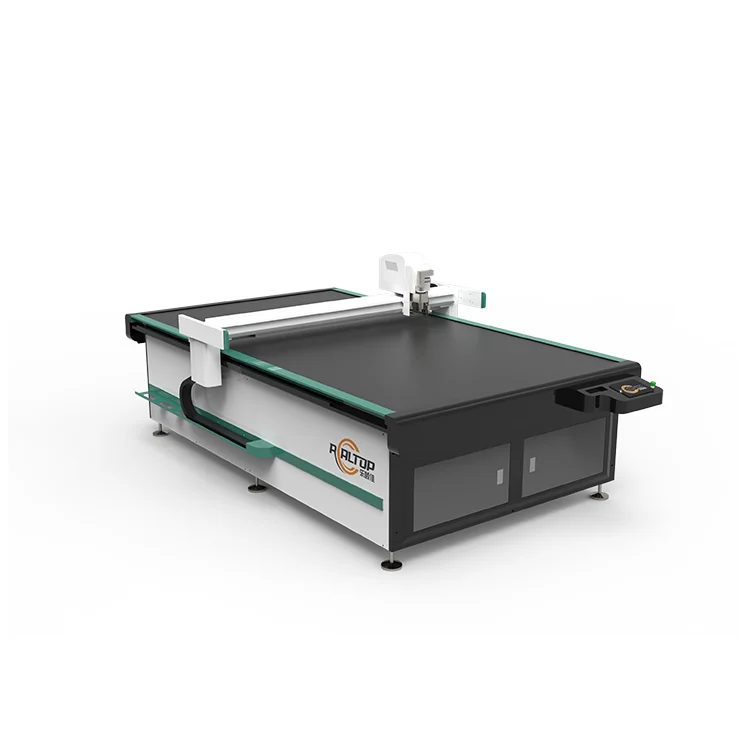
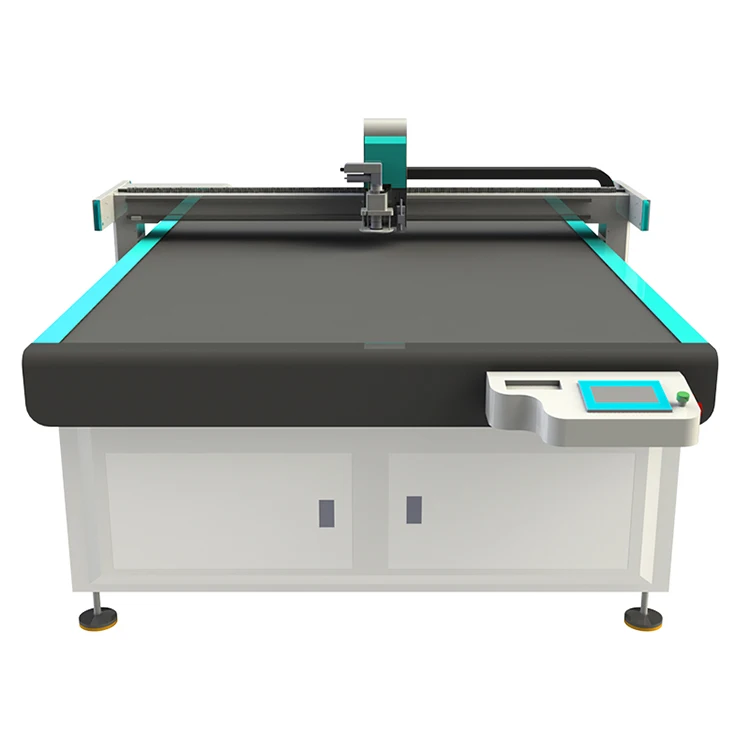
| Working Area | 1600 × 2500 mm |
| Machine Size (L × W × H) | 3450 × 2300 × 1250 mm |
| Rated Power | 9 kW |
| Voltage | 380V ±10% (50/60 Hz to be confirmed) |
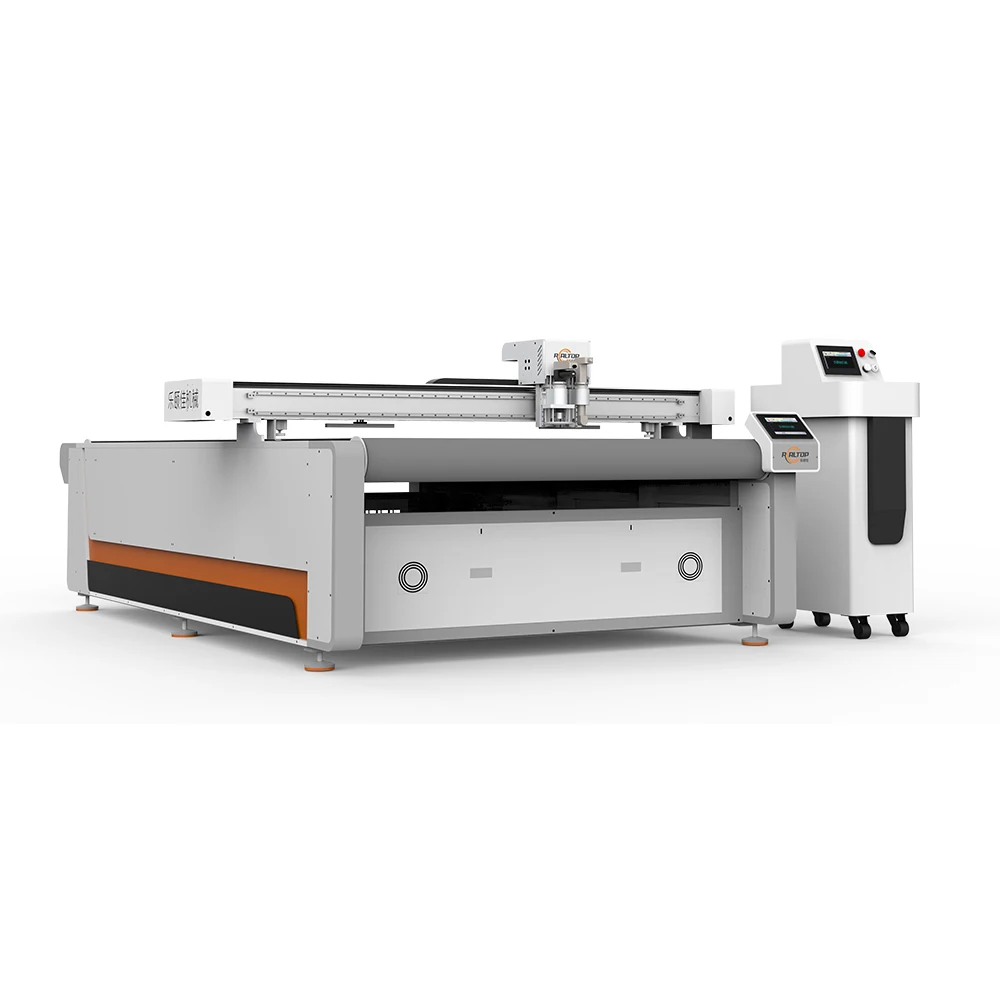
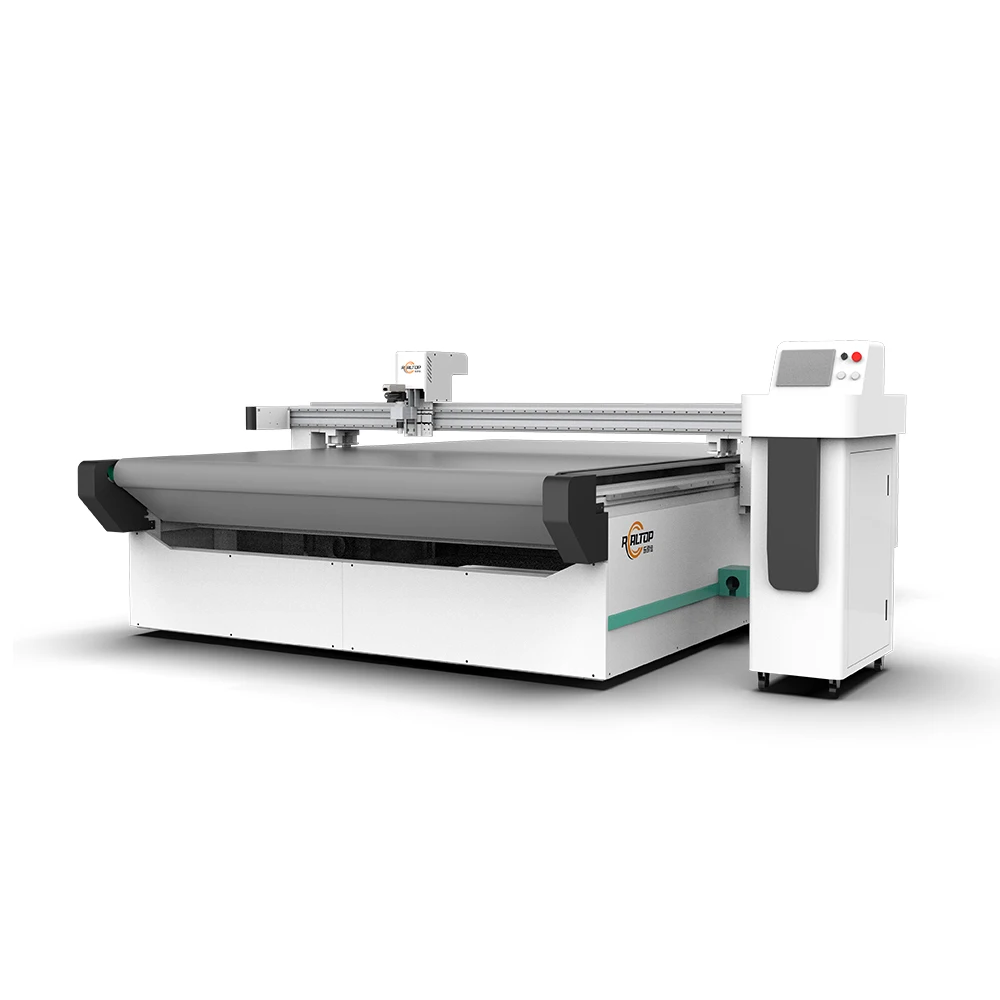
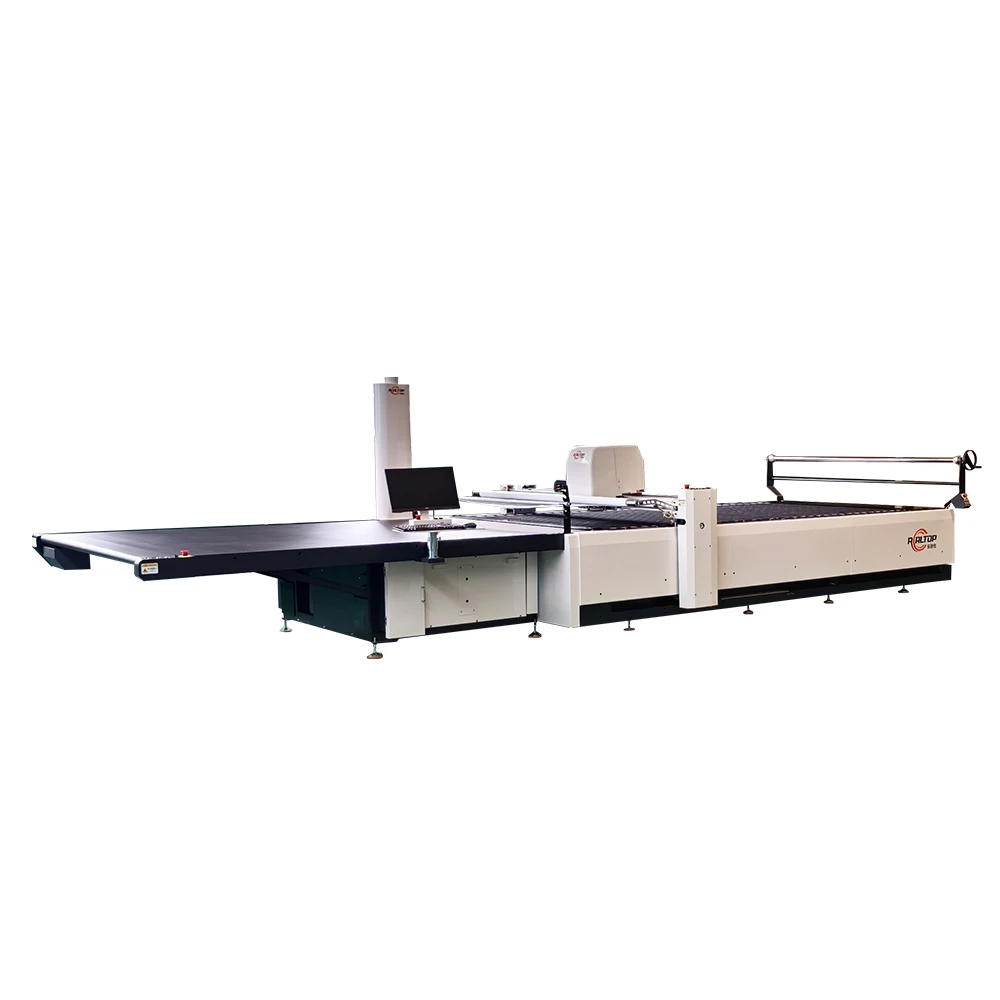
| Table Type | Flat working table or Auto feeding table |
| Translational Velocity | 800–2000 mm/s |
| Repeated Accuracy | ≤0.1 mm |
| Vacuum Pump | 7.5 kW |
| Vacuum Table Surface | Magnesium-aluminum alloy, PVDF powder sprayed, anodic and hard oxidation treated |
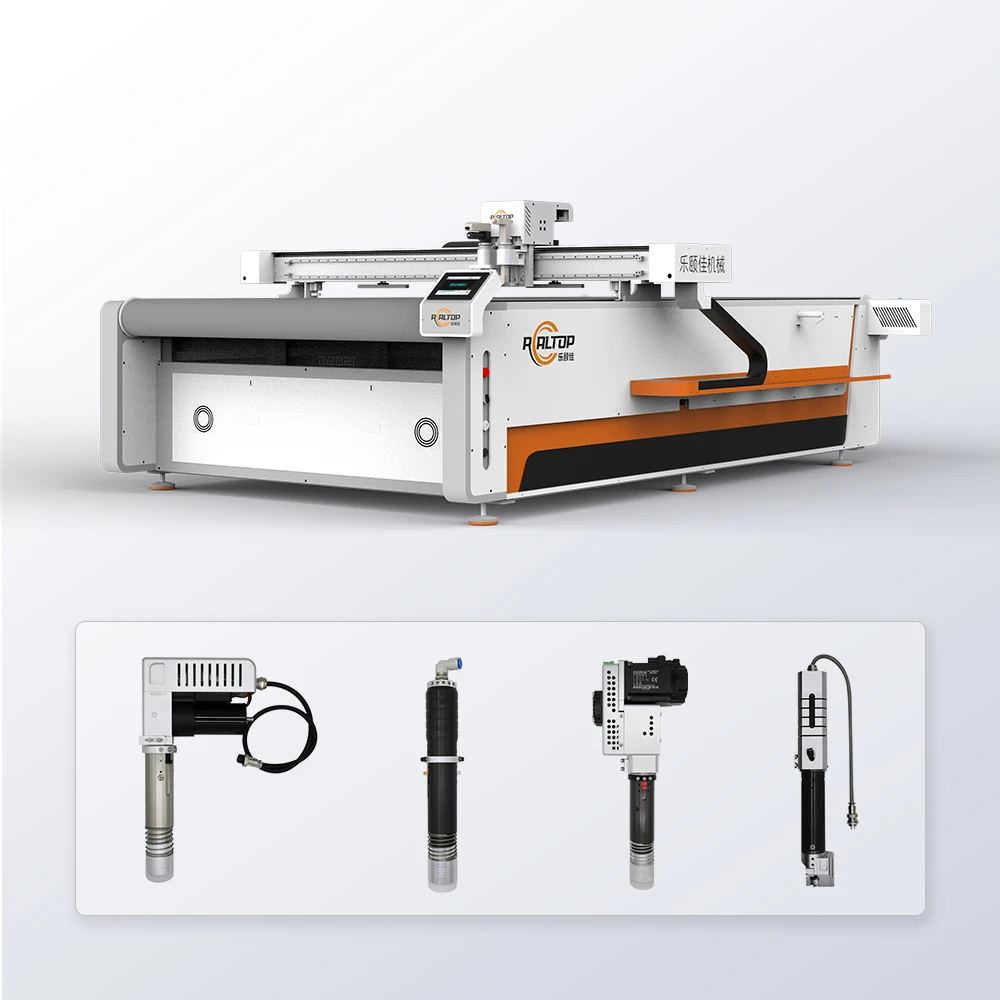
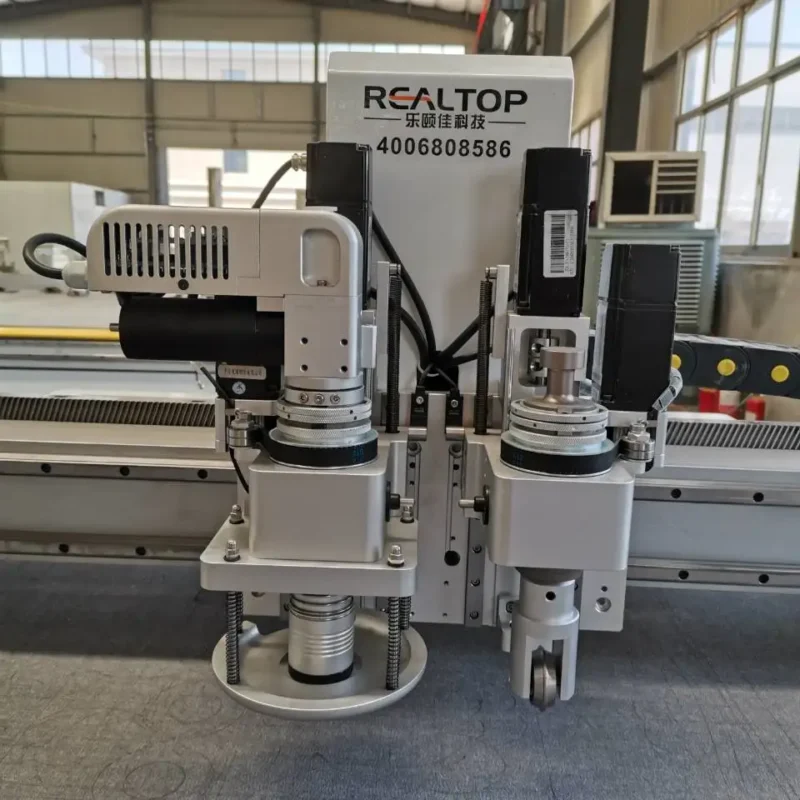
| Multifunctional Head | Swiss imported knife (vibration full/half cutting, cursor location); oscillating, pneumatic, high-power vibrating, circular, V cutting, drag, creasing wheel, dotted line, punching, brush options |
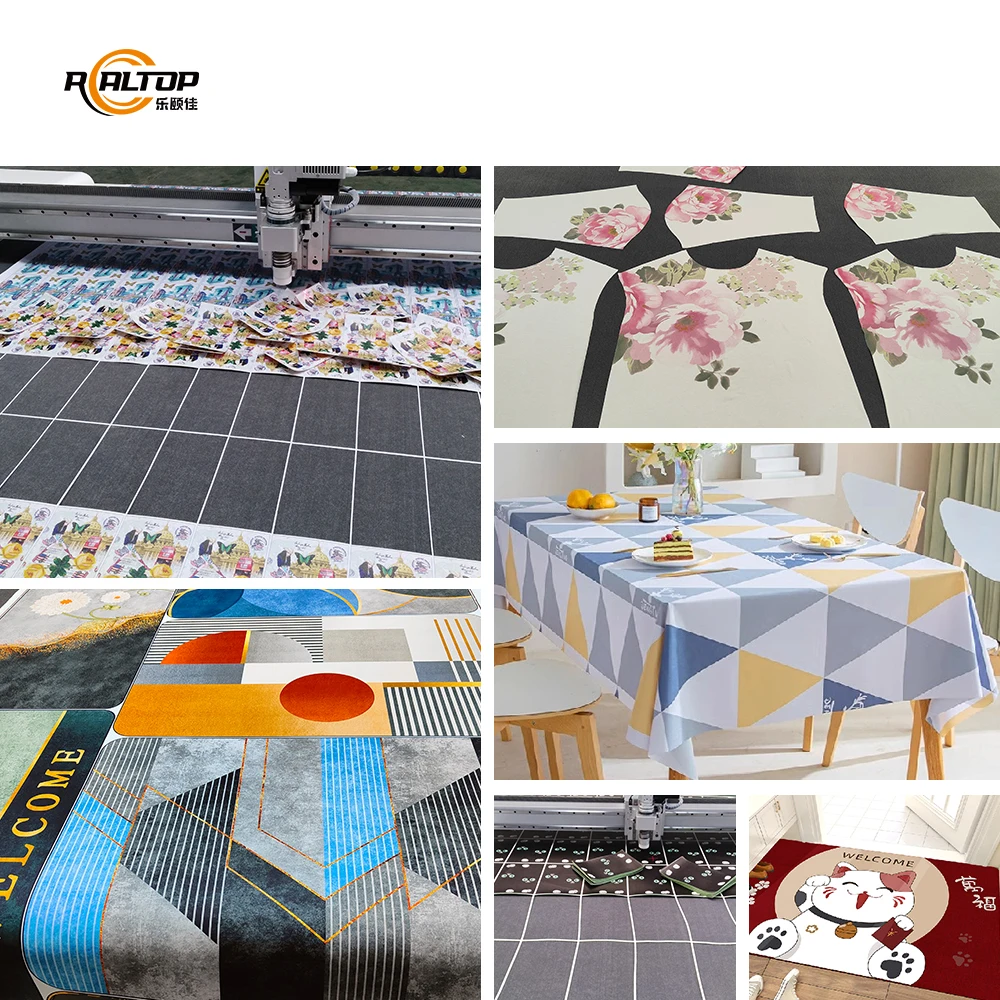
| Visual Positioning | Small CCD mark point, panoramic camera recognition, projection positioning |
| Transmission | Digital servo motor, linear guide, synchronous belt, ball screw |
| Linear Rail | Taiwan Hiwin |
| Servo Motor Options | Delta or Panasonic (IP67, vibration suppression) |
| Conveyor Belt | Germany imported |
| Control Panel | Touch screen, multi-language (English, Russian, Italian, Chinese; custom available) |
| Software File Formats | PLT, DXF, AI |
| Auto Typesetting | Automatic nesting and layout |
| Instruction System | HP-GL compatible |
| Safety Devices | Infrared induction blocking, anti-collision sensors, emergency stop, resume-in-situ |
Application Suitability
| Application | Material or Output |
|---|---|
| Garment and footwear cutting | Single-layer or multi-layer woven fabric, denim, cotton, lining cloth |
| Automotive interior trimming | Synthetic leather, PU, EVA foam, non-woven fabric, carpet |
| Luggage and bag manufacturing | Nylon, canvas, Oxford cloth, composite textile panels |
| Sports and outdoor gear | Technical fabrics, waterproof laminates, mesh |
| Soft home furnishings | Upholstery fabric, curtain material, bedding textiles |
| Packaging sample making | Corrugated cardboard, sticker film, plastic box sheet |
| Sealing gasket fabrication | Rubber, PTFE, ETFE, composite gasket material |
Why "Working Area" Alone Never Tells the Whole Story
Choosing a CNC oscillating knife cutting machine manufacturer by bed size without checking tool head compatibility is the most common misstep I see. The cutting method must follow the material, not the other way around.
A buyer sourcing a flatbed machine for multi-layer composite fabric once specified only on table dimensions. The machine arrived with a standard oscillating head that struggled through the adhesive interlayers, and blade life dropped to a fraction of what the manual projected. The production floor went quiet while waiting for replacement tooling [NEED_CITE: tool head selection criteria for composite textile cutting]. That silence is expensive. A full model range survey before narrowing to a configuration prevents this.
Surveying the Complete Knife Cutting Range
This CNC flatbed cutting table for sale sits within a broader equipment family that spans oscillating knife, drag knife, and multi-tool configurations. The distinction matters because a garment shop cutting single-layer silk faces different edge-quality requirements than an automotive supplier cutting 30-layer foam stacks. The RT-D2516/RT-S2516 platform accepts the full tool head roster — from Swiss imported vibrating blades to pneumatic knives and creasing wheels — so a buyer can survey what each tool does before committing to a single setup.
Matching Table Configuration to Production Flow
Flat table and auto-feeding conveyor options serve different workflows. A sample-making department cutting short runs of carton prototypes benefits from the flat magnesium-aluminum table with zoned vacuum suction. A high-volume garment factory running continuous rolls of woven textile needs the auto-feeding conveyor with the Germany-imported belt for uninterrupted material advance. Selecting between these is not a minor detail — it determines whether the machine fits into a batch workflow or a continuous one [NEED_CITE: conveyor versus flatbed workflow selection in textile cutting].
Reading the Specs That Actually Matter on the Floor
The 9 kW rated power drives both the cutting head and the 7.5 kW vacuum pump simultaneously, which means the vacuum table must be efficient enough to hold fabric flat without consuming all available power. The magnesium-aluminum PVDF-treated surface with zoned suction addresses this directly — the zoning allows suction to concentrate where the cutting head is working rather than pulling air across the entire 1600 × 2500 mm bed. Repeated accuracy of ≤0.1 mm ensures that pattern pieces for garment assembly match across multiple cutting runs, which matters when downstream sewing operations depend on consistent edge-to-edge alignment. The Taiwan Hiwin linear rail and digital servo motor combination provides the rigidity needed to maintain that tolerance during high-speed translation at up to 2000 mm/s.
What Happens When Configuration Is Skipped
I have seen cutting tables arrive at workshops where the voltage and plug type were never confirmed before shipment, and the machine sat idle until an electrician rewired the panel. A 380V ±10% supply assumes a specific frequency that varies by market, and ignoring this leads to servo motor overheating or vacuum pump failure within the first weeks [NEED_CITE: voltage and frequency standards by export market]. Software incompatibility is another hidden cost — if the buyer’s existing PLT or DXF nesting files cannot be imported into the machine’s typesetting software, the operator is forced to re-draw every pattern manually, which negates the efficiency the CNC table was supposed to deliver.
Why Sourcing Through This Range Reduces Risk
The in-house design team covers both knife and laser cutting technologies, so a buyer can compare methods rather than being pushed toward one. Tool head and table configurations are specified per material sample submitted by the buyer, not from a default catalog page. CCD camera positioning — available in mark point, panoramic, and projection modes — is tested against the buyer’s actual printed fabric before the order is finalized. Voltage, language, and control panel customization are confirmed during the specification stage, not discovered at uncrating. Sample cutting on the buyer’s own material happens before commitment, producing a cutting report that documents edge quality, tool wear rate, and cycle time on the exact fabric that will run in production.
Documentation & Verification
- Machine specification sheet listing selected tool heads and vacuum zone layout
- Electrical schematic with voltage and frequency confirmed for destination market
- Sample cutting report on buyer’s submitted textile material before order
- Software license and file format compatibility note for PLT, DXF, AI workflows
- Factory test record showing cutting accuracy and vacuum hold-down performance
- Spare parts list matched to selected tool head configuration
Installation, Commissioning & Support
- Floor space of approximately 3450 × 2300 mm with clearance for material loading
- Dedicated 380V circuit with confirmed frequency for the 9 kW total load
- Machine ships in sections requiring on-site assembly of beam and table frame
- First-run parameter tuning of servo speed and vacuum zone mapping per material
- Touch screen control configured in operator’s language during commissioning
- Oscillating and drag knife blade replacement training with stocked spare inventory
What to Share When Requesting a Quote
A useful inquiry includes the textile type being cut, the number of layers per lay, and the daily volume of pattern pieces. Mention the local voltage and frequency, the preferred control language, and whether the workflow is batch-based or continuous-roll. If printed contour cutting is required, share a sample of the printed mark style so the CCD recognition mode can be matched before the machine is built.
Frequently Asked Questions
Q: Oscillating knife or drag knife — which fits my textile application?
A: Oscillating knives handle multi-layer stacks of woven fabric, foam, and composite materials by vibrating through the thickness without dragging. Drag knives suit single-layer vinyl, sticker film, and thin gasket sheets where a clean pull-cut is sufficient. The RT-D2516/RT-S2516 accepts both on the same multifunctional head, so the decision can be made per job.
Q: Flat table or auto-feeding conveyor — how do I choose?
A: Flat tables suit short runs, sample making, and rigid sheets like cardboard. Auto-feeding conveyors advance continuous textile rolls for high-volume garment or automotive interior production. The platform offers both, and the choice depends on whether the daily workflow is batch-oriented or roll-to-roll.
Q: Which visual positioning mode handles printed contour cutting?
A: Small CCD mark point positioning tracks discrete reference marks on printed fabric. Panoramic camera recognition captures the full contour at once for irregular printed shapes. Projection positioning overlays the cut path visually onto the material. Selection depends on the print pattern complexity and production speed required.
Q: What voltage and language options are available for my market?
A: The standard supply is 380V ±10%, but frequency must be confirmed as 50 Hz or 60 Hz depending on the destination country. Control panel languages include English, Russian, Italian, and Chinese, with additional languages configurable before shipment.
Q: How does each model in the range differ by material and volume?
A: Models are differentiated by working area size, tool head configuration, and table type. Smaller-format flat tables serve sample makers and low-volume producers. Large-format conveyor-fed systems handle multi-layer textile stacks for garment and automotive production. The full range allows matching the exact combination to the buyer’s material and daily output.
Model range configured per material — Each RT-D2516/RT-S2516 cutting tool head and vacuum zone is matched to the buyer’s fabric type and daily volume before shipment.
Technical Specifications
| Parameter | Value |
|---|---|
| Model | RT-D2516/RT-S2516 |
| Product Type | CNC Oscillating Knife Cutting Machine |
| Working Area | 1600 × 2500 mm |
| Machine Size (L × W × H) | 3450 × 2300 × 1250 mm |
| Rated Power | 9 kW |
| Voltage | 380V ±10% (50/60 Hz to be confirmed) |
| Table Type | Flat working table or Auto feeding table |
| Translational Velocity | 800–2000 mm/s |
| Repeated Accuracy | ≤0.1 mm |
| Vacuum Pump | 7.5 kW |
| Vacuum Table Surface | Magnesium-aluminum alloy, PVDF powder sprayed, anodic and hard oxidation treated |
| Multifunctional Head | Swiss imported knife (vibration full/half cutting, cursor location); oscillating, pneumatic, high-power vibrating, circular, V cutting, drag, creasing wheel, dotted line, punching, brush options |
| Visual Positioning | Small CCD mark point, panoramic camera recognition, projection positioning |
| Transmission | Digital servo motor, linear guide, synchronous belt, ball screw |
| Linear Rail | Taiwan Hiwin |
| Servo Motor Options | Delta or Panasonic (IP67, vibration suppression) |
| Conveyor Belt | Germany imported |
| Control Panel | Touch screen, multi-language (English, Russian, Italian, Chinese; custom available) |
| Software File Formats | PLT, DXF, AI |
| Auto Typesetting | Automatic nesting and layout |
| Instruction System | HP-GL compatible |
| Safety Devices | Infrared induction blocking, anti-collision sensors, emergency stop, resume-in-situ |
Application Suitability
| Application | Material or Output |
|---|---|
| Garment and footwear cutting | Single-layer or multi-layer woven fabric, denim, cotton, lining cloth |
| Automotive interior trimming | Synthetic leather, PU, EVA foam, non-woven fabric, carpet |
| Luggage and bag manufacturing | Nylon, canvas, Oxford cloth, composite textile panels |
| Sports and outdoor gear | Technical fabrics, waterproof laminates, mesh |
| Soft home furnishings | Upholstery fabric, curtain material, bedding textiles |
| Packaging sample making | Corrugated cardboard, sticker film, plastic box sheet |
| Sealing gasket fabrication | Rubber, PTFE, ETFE, composite gasket material |
Why "Working Area" Alone Never Tells the Whole Story
Choosing a CNC oscillating knife cutting machine manufacturer by bed size without checking tool head compatibility is the most common misstep I see. The cutting method must follow the material, not the other way around.
A buyer sourcing a flatbed machine for multi-layer composite fabric once specified only on table dimensions. The machine arrived with a standard oscillating head that struggled through the adhesive interlayers, and blade life dropped to a fraction of what the manual projected. The production floor went quiet while waiting for replacement tooling [NEED_CITE: tool head selection criteria for composite textile cutting]. That silence is expensive. A full model range survey before narrowing to a configuration prevents this.
Surveying the Complete Knife Cutting Range
This CNC flatbed cutting table for sale sits within a broader equipment family that spans oscillating knife, drag knife, and multi-tool configurations. The distinction matters because a garment shop cutting single-layer silk faces different edge-quality requirements than an automotive supplier cutting 30-layer foam stacks. The RT-D2516/RT-S2516 platform accepts the full tool head roster — from Swiss imported vibrating blades to pneumatic knives and creasing wheels — so a buyer can survey what each tool does before committing to a single setup.
Matching Table Configuration to Production Flow
Flat table and auto-feeding conveyor options serve different workflows. A sample-making department cutting short runs of carton prototypes benefits from the flat magnesium-aluminum table with zoned vacuum suction. A high-volume garment factory running continuous rolls of woven textile needs the auto-feeding conveyor with the Germany-imported belt for uninterrupted material advance. Selecting between these is not a minor detail — it determines whether the machine fits into a batch workflow or a continuous one [NEED_CITE: conveyor versus flatbed workflow selection in textile cutting].
Reading the Specs That Actually Matter on the Floor
The 9 kW rated power drives both the cutting head and the 7.5 kW vacuum pump simultaneously, which means the vacuum table must be efficient enough to hold fabric flat without consuming all available power. The magnesium-aluminum PVDF-treated surface with zoned suction addresses this directly — the zoning allows suction to concentrate where the cutting head is working rather than pulling air across the entire 1600 × 2500 mm bed. Repeated accuracy of ≤0.1 mm ensures that pattern pieces for garment assembly match across multiple cutting runs, which matters when downstream sewing operations depend on consistent edge-to-edge alignment. The Taiwan Hiwin linear rail and digital servo motor combination provides the rigidity needed to maintain that tolerance during high-speed translation at up to 2000 mm/s.
What Happens When Configuration Is Skipped
I have seen cutting tables arrive at workshops where the voltage and plug type were never confirmed before shipment, and the machine sat idle until an electrician rewired the panel. A 380V ±10% supply assumes a specific frequency that varies by market, and ignoring this leads to servo motor overheating or vacuum pump failure within the first weeks [NEED_CITE: voltage and frequency standards by export market]. Software incompatibility is another hidden cost — if the buyer’s existing PLT or DXF nesting files cannot be imported into the machine’s typesetting software, the operator is forced to re-draw every pattern manually, which negates the efficiency the CNC table was supposed to deliver.
Why Sourcing Through This Range Reduces Risk
The in-house design team covers both knife and laser cutting technologies, so a buyer can compare methods rather than being pushed toward one. Tool head and table configurations are specified per material sample submitted by the buyer, not from a default catalog page. CCD camera positioning — available in mark point, panoramic, and projection modes — is tested against the buyer’s actual printed fabric before the order is finalized. Voltage, language, and control panel customization are confirmed during the specification stage, not discovered at uncrating. Sample cutting on the buyer’s own material happens before commitment, producing a cutting report that documents edge quality, tool wear rate, and cycle time on the exact fabric that will run in production.
Documentation & Verification
- Machine specification sheet listing selected tool heads and vacuum zone layout
- Electrical schematic with voltage and frequency confirmed for destination market
- Sample cutting report on buyer’s submitted textile material before order
- Software license and file format compatibility note for PLT, DXF, AI workflows
- Factory test record showing cutting accuracy and vacuum hold-down performance
- Spare parts list matched to selected tool head configuration
Installation, Commissioning & Support
- Floor space of approximately 3450 × 2300 mm with clearance for material loading
- Dedicated 380V circuit with confirmed frequency for the 9 kW total load
- Machine ships in sections requiring on-site assembly of beam and table frame
- First-run parameter tuning of servo speed and vacuum zone mapping per material
- Touch screen control configured in operator’s language during commissioning
- Oscillating and drag knife blade replacement training with stocked spare inventory
What to Share When Requesting a Quote
A useful inquiry includes the textile type being cut, the number of layers per lay, and the daily volume of pattern pieces. Mention the local voltage and frequency, the preferred control language, and whether the workflow is batch-based or continuous-roll. If printed contour cutting is required, share a sample of the printed mark style so the CCD recognition mode can be matched before the machine is built.
Frequently Asked Questions
Q: Oscillating knife or drag knife — which fits my textile application?
A: Oscillating knives handle multi-layer stacks of woven fabric, foam, and composite materials by vibrating through the thickness without dragging. Drag knives suit single-layer vinyl, sticker film, and thin gasket sheets where a clean pull-cut is sufficient. The RT-D2516/RT-S2516 accepts both on the same multifunctional head, so the decision can be made per job.
Q: Flat table or auto-feeding conveyor — how do I choose?
A: Flat tables suit short runs, sample making, and rigid sheets like cardboard. Auto-feeding conveyors advance continuous textile rolls for high-volume garment or automotive interior production. The platform offers both, and the choice depends on whether the daily workflow is batch-oriented or roll-to-roll.
Q: Which visual positioning mode handles printed contour cutting?
A: Small CCD mark point positioning tracks discrete reference marks on printed fabric. Panoramic camera recognition captures the full contour at once for irregular printed shapes. Projection positioning overlays the cut path visually onto the material. Selection depends on the print pattern complexity and production speed required.
Q: What voltage and language options are available for my market?
A: The standard supply is 380V ±10%, but frequency must be confirmed as 50 Hz or 60 Hz depending on the destination country. Control panel languages include English, Russian, Italian, and Chinese, with additional languages configurable before shipment.
Q: How does each model in the range differ by material and volume?
A: Models are differentiated by working area size, tool head configuration, and table type. Smaller-format flat tables serve sample makers and low-volume producers. Large-format conveyor-fed systems handle multi-layer textile stacks for garment and automotive production. The full range allows matching the exact combination to the buyer’s material and daily output.
商品评价
There are no reviews yet.