

Fast Delivery
Quick, reliable shipping to any location.

Free & easy returns
Return this item by mail or in store within 90 days for a full refund.
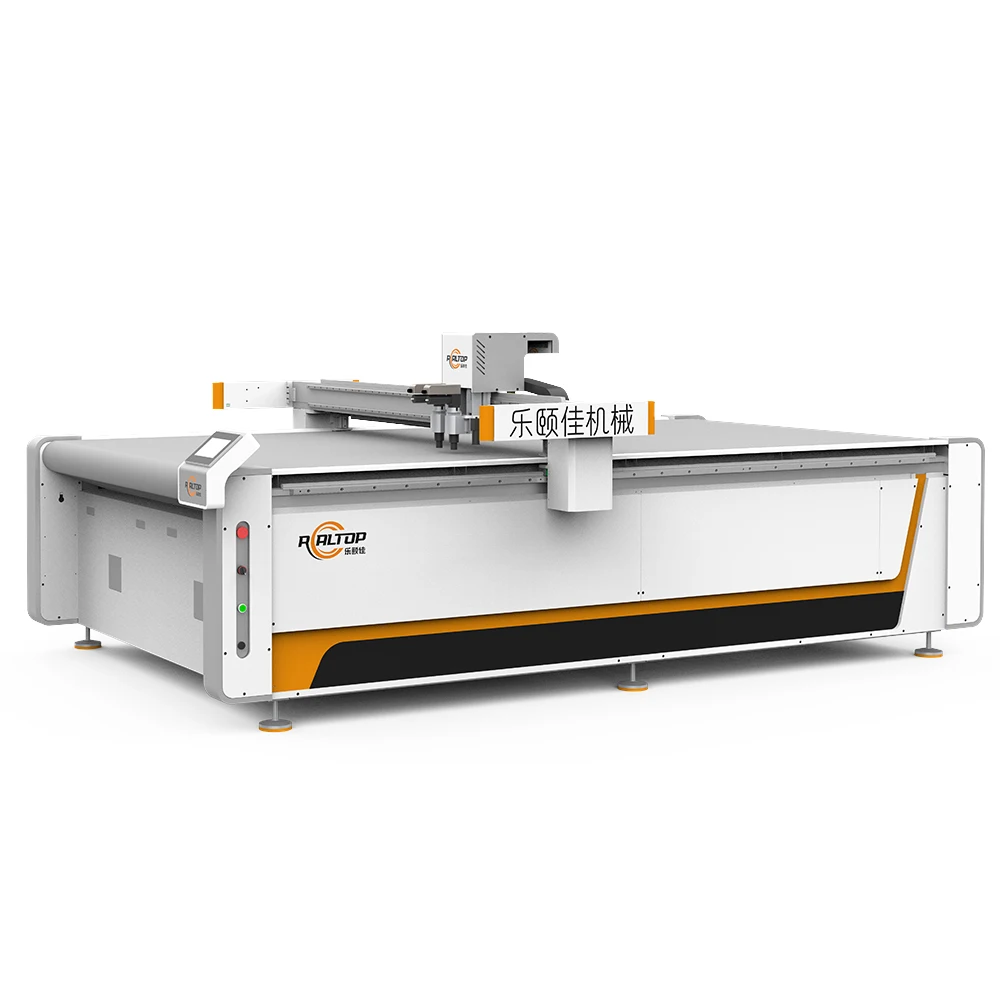
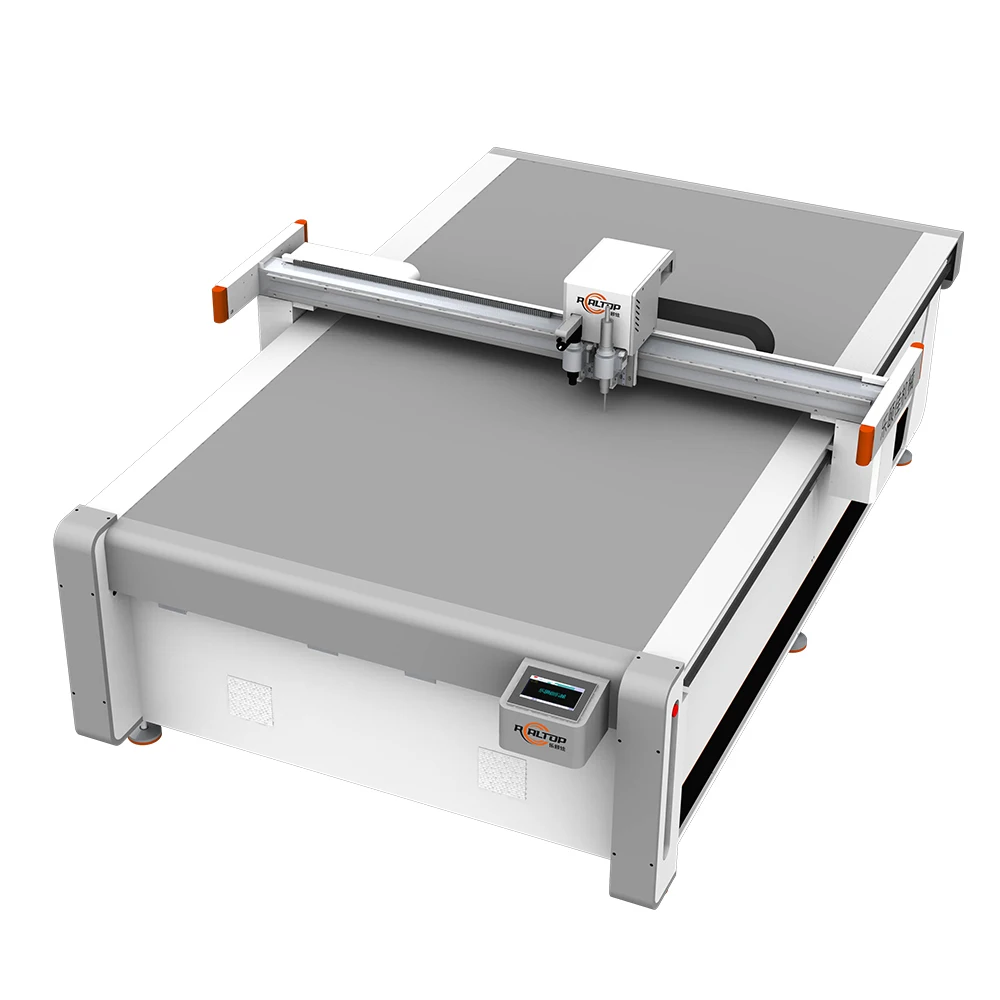
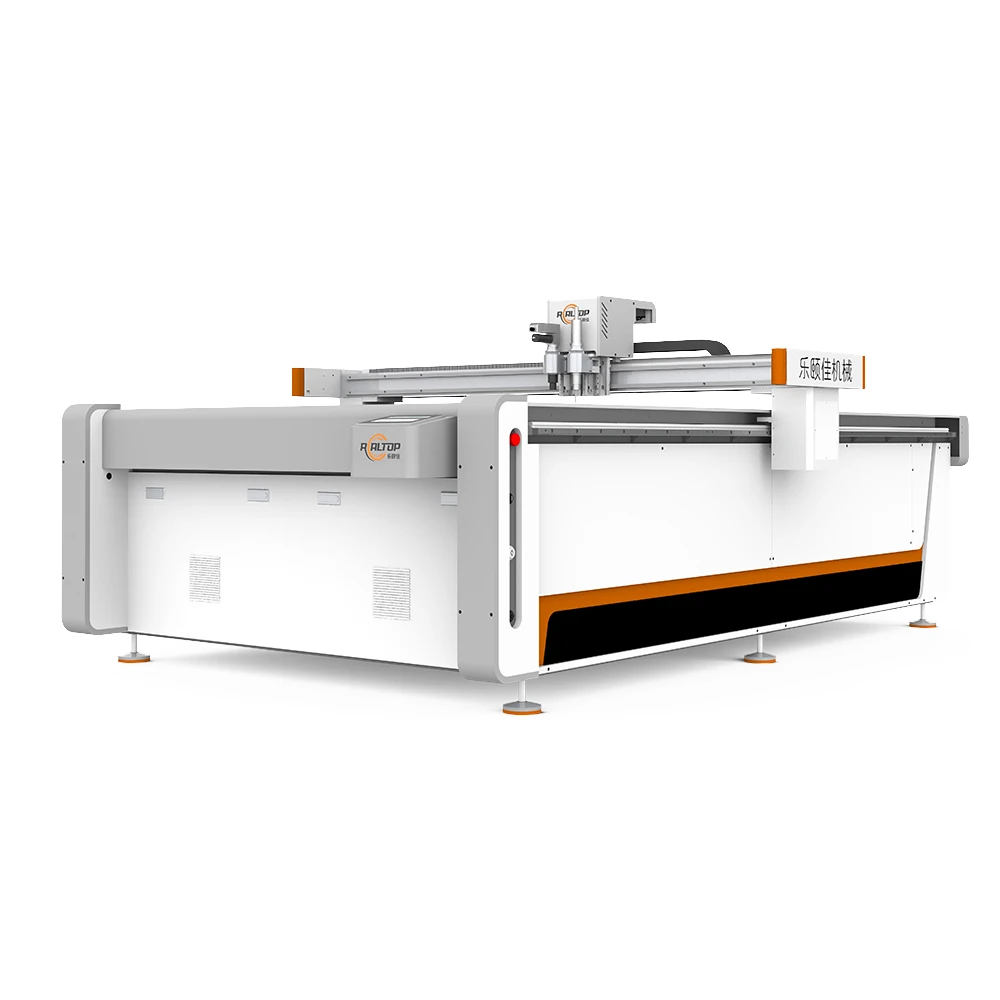
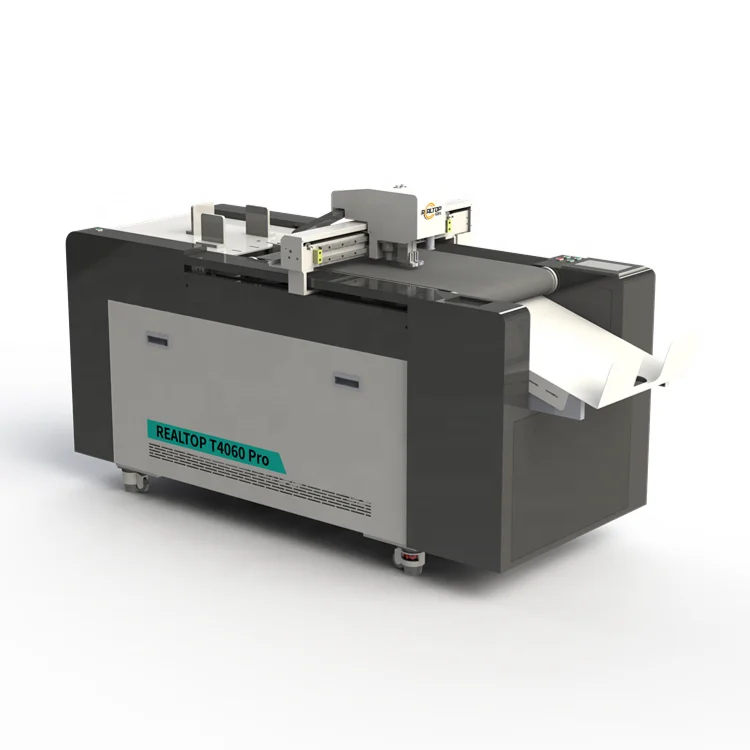
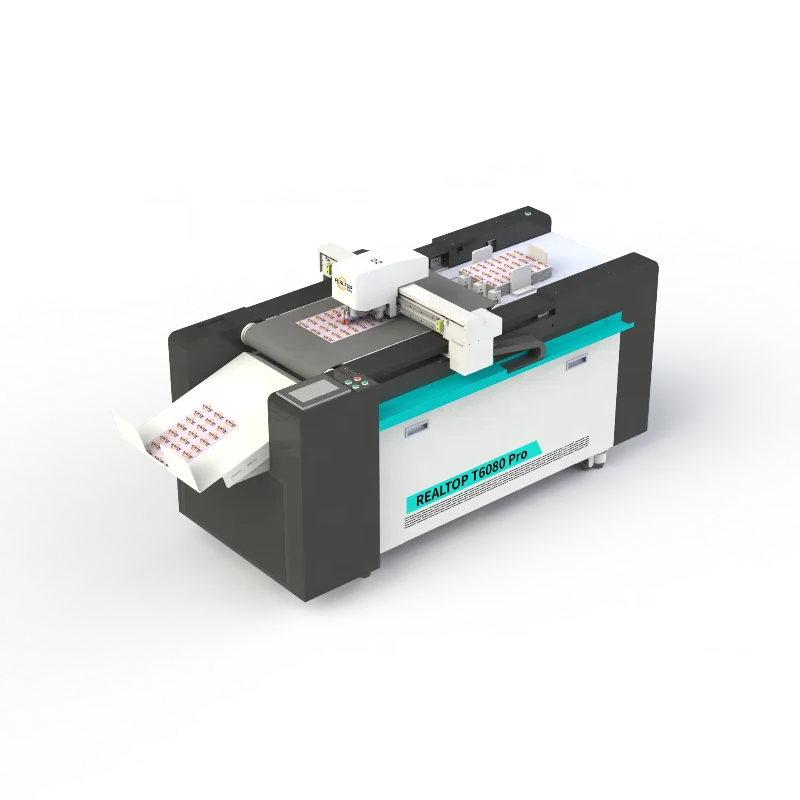
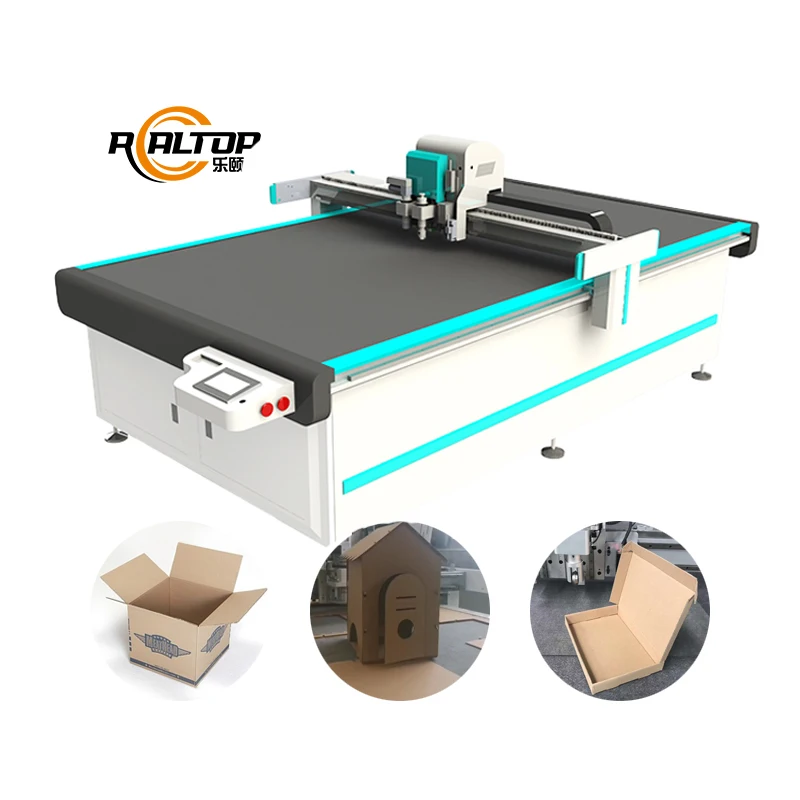
Complete Equipment Range for Packaging Producers — In-house design covering both oscillating knife and V-groove technologies enables buyers to match the cutting method to board weight, flute type and box structure instead of forcing one approach on every job.
Technical Specifications
| Parameter | Value |
|---|---|
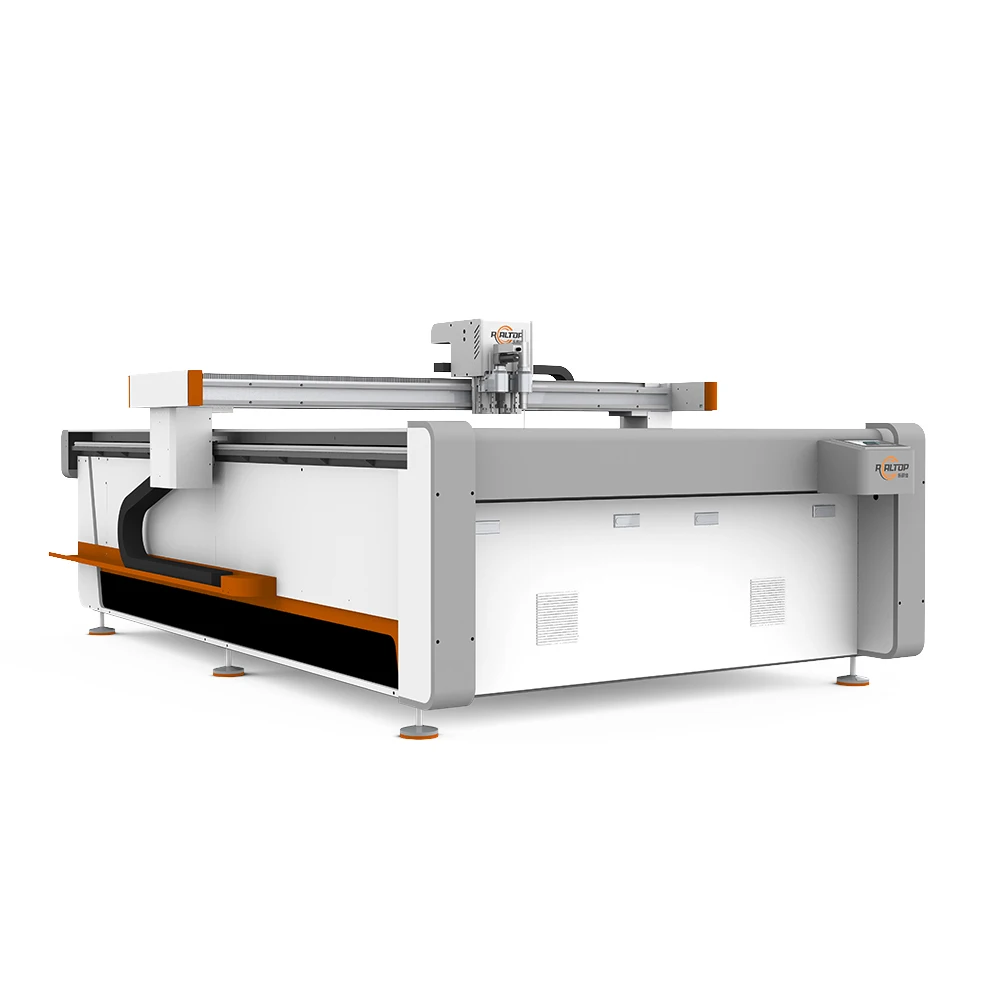
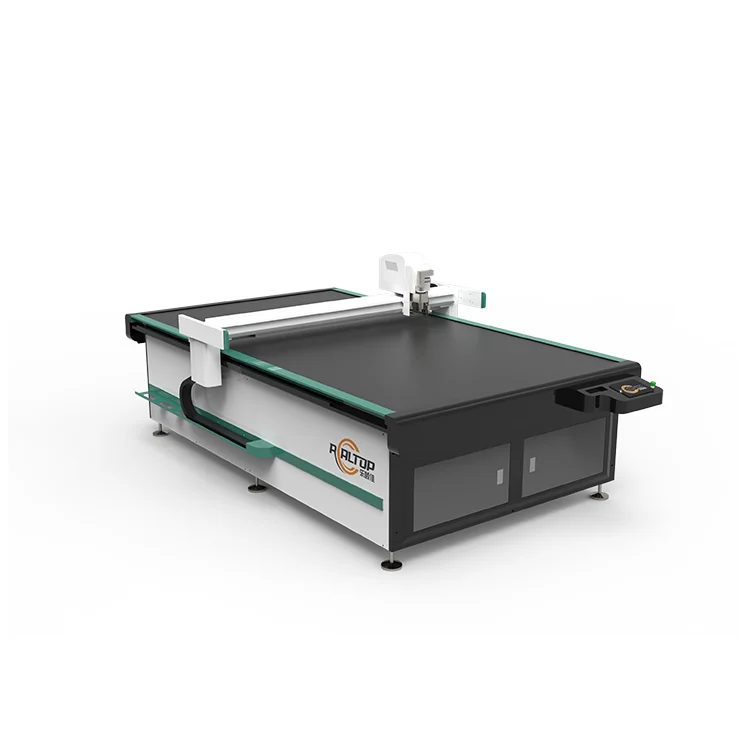
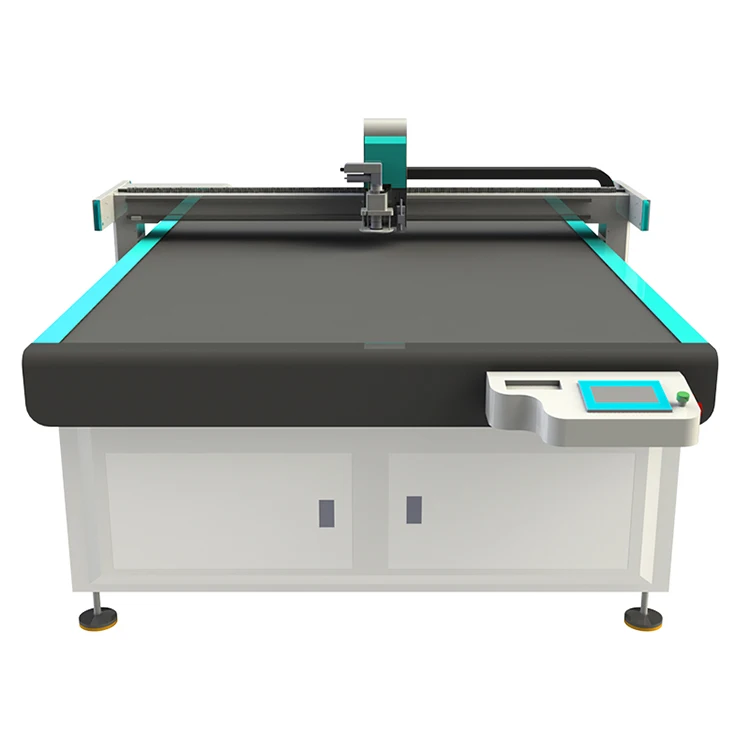
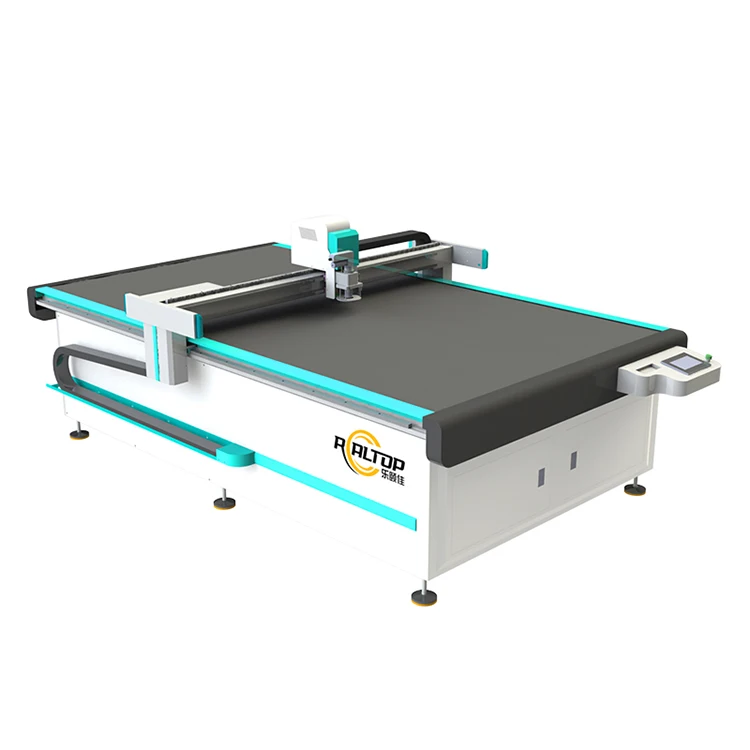
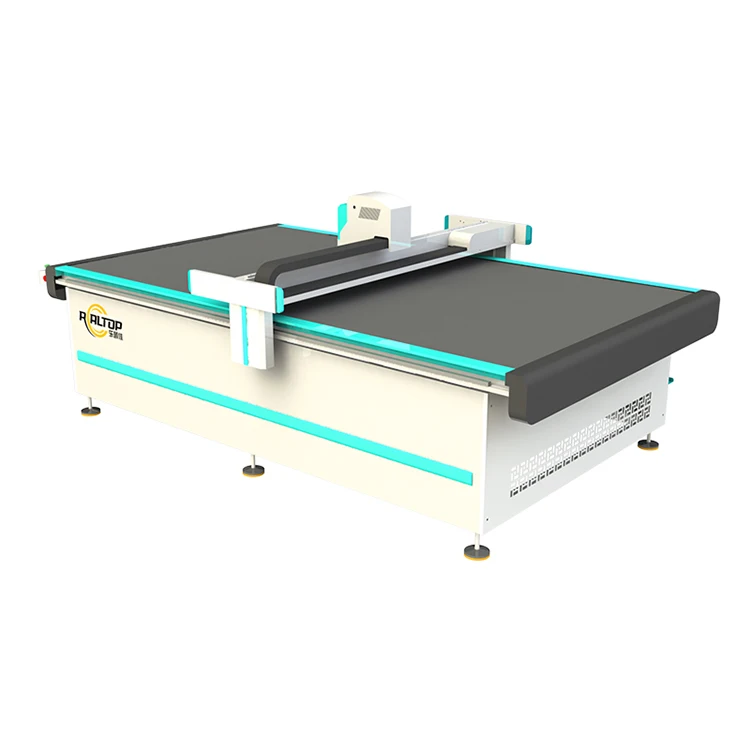
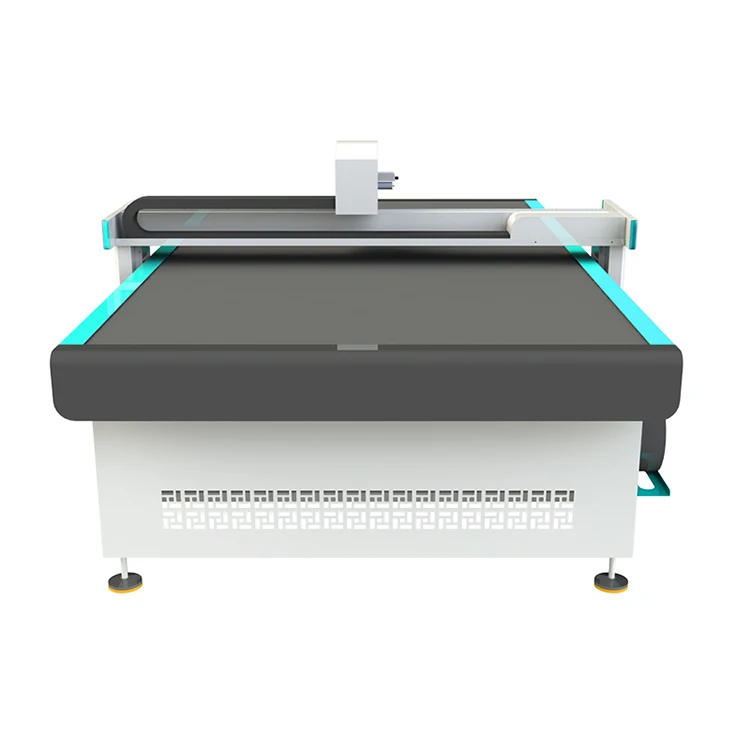
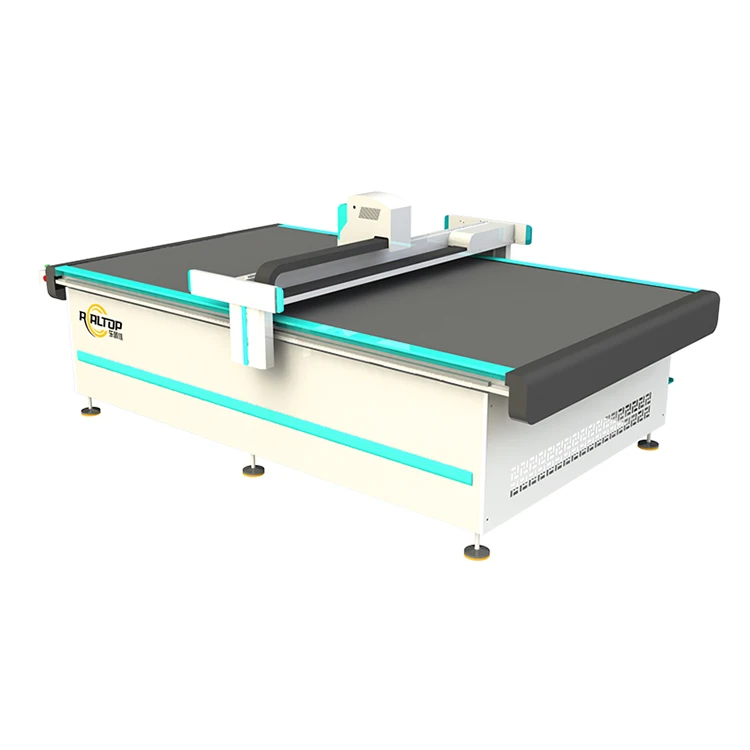
| Product Type | CNC Oscillating Knife Cutting Machine for Packaging |
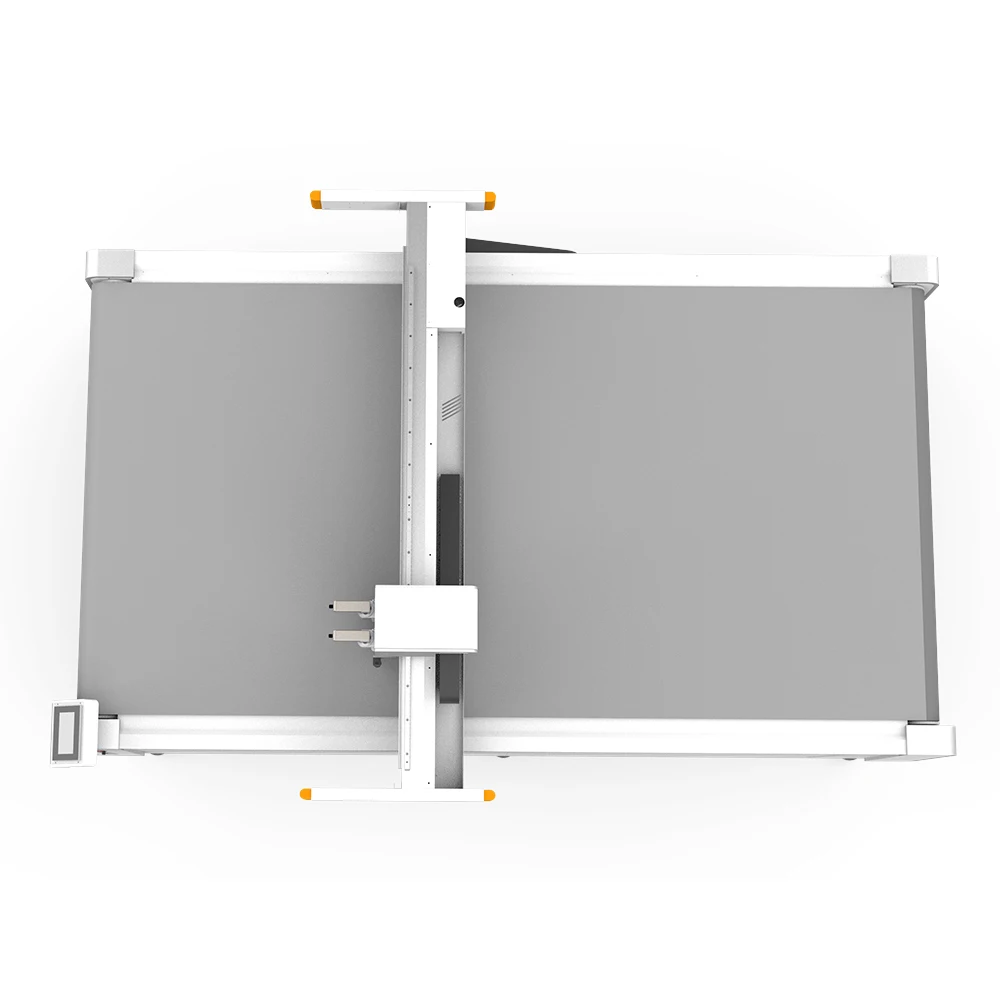
| Working Area | 1600*2500mm |
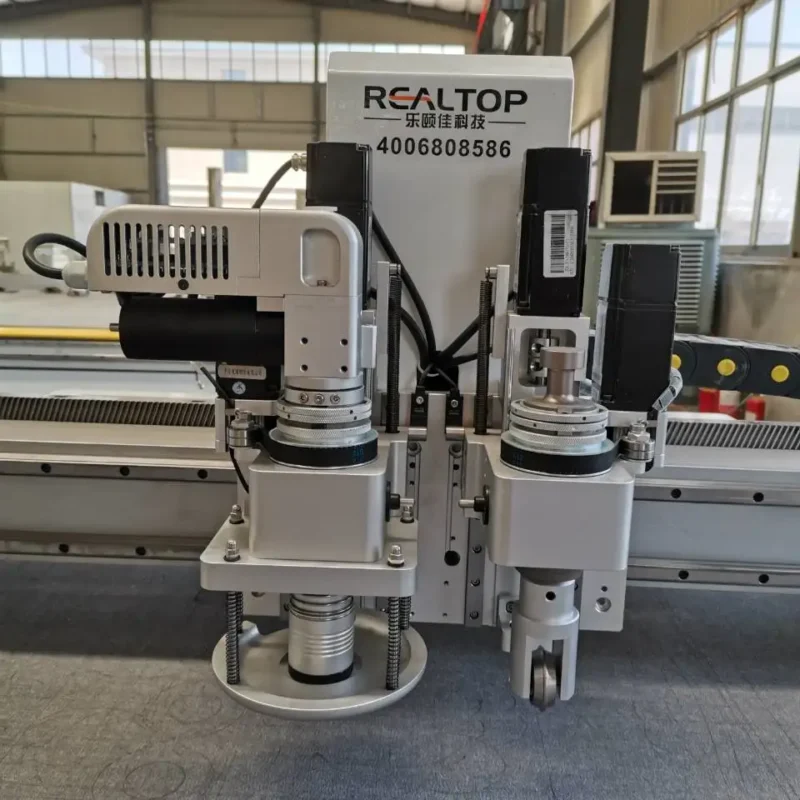
| Tools Available | Oscillating knife, Driven rotary knife, Creasing wheel, Kiss cutting tool, Pneumatic knife, Milling tool, V groove knife |
| Applicable Materials | Fabric, Cardboard, Carton, Mats, PVC, EVA, Leather, Acrylic, Foam, PTFE, Rubber |
| Cutting Speed | 0-1500 mm/s |
| Cutting Thickness | ≤ 40mm |
| Cutting Accuracy | ±0.1 mm |
| Vacuum Pump | 9KW |
| Voltage | 110V, 220V, 380V (configurable) |
| Profile Format | PLT, DXF, AI, PDF |
| Safety Device | Infrared sensor device and emergency stop device |
| Machine Size | 330021001350 mm |
| Control System | PLC control panel with intuitive interface |
| Software | Dedicated packaging box structure design software |
| Servo Motors | Panasonic, Delta, Dorna options |
| Vacuum Table | Aluminum bellows vacuum table |
| Machine Frame | Heavy-duty frame with precision-ground surface |
| Language Options | English, Russian, Italian, Chinese, customizable |
| Certification | CE |
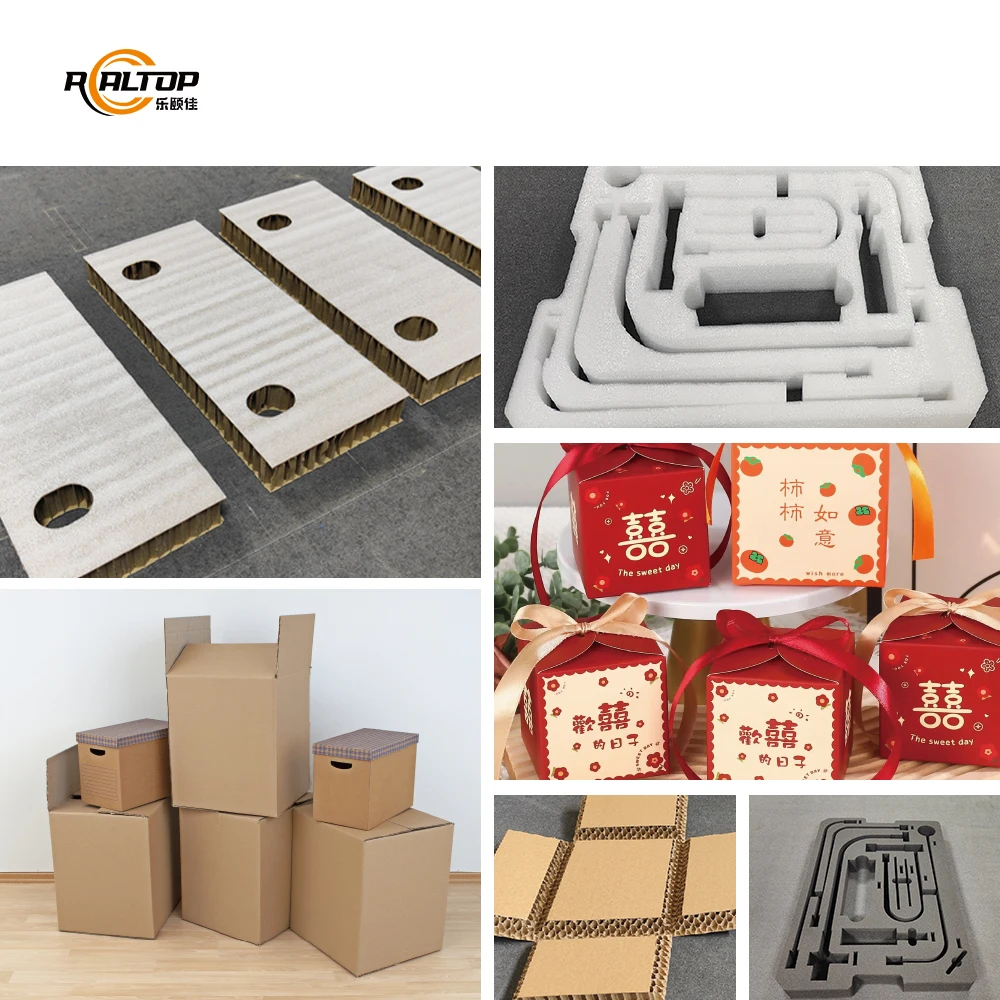
Application Suitability
| Application | Material or Output |
|---|---|
| Corrugated packaging | E-flute, B-flute, BC-flute board cutting and creasing |
| Rigid box and luxury packaging | Greyboard, art paper, specialty paper V-grooving and kiss cutting |
| Protective inserts and dividers | EVA foam, EPE foam, PU foam contour cutting |
| Display and POP materials | Thin plastic sheets (PVC, PET), velvet, non-woven fabric |
| Sample making and prototyping | Cardstock, carton, composite materials, adhesive-backed media |
Why Material Thickness Decides the Tool Head Before the Quote
Confirming board density and actual thickness on the buyer’s own sample prevents the most common configuration mistake in packaging machine procurement.
A machine specified on working area alone often fails when the actual greyboard or corrugated flute exceeds the assumed cutting depth. A V groove knife that works cleanly on 1.5mm greyboard will crush or chip a 3mm high-density board if the oscillation frequency and blade geometry are not matched. When I helped configure machines for packaging sample rooms, the difference between a successful rigid box run and a batch of scrapped blanks came down to whether the tool head was selected for the specific board weight on the table, not the one in the brochure. [NEED_CITE: board density variations in greyboard and chipboard for rigid box making]
Matching Knife and Groove Methods to Board Weights
The complete cutting equipment range on this platform covers both oscillating knife and V-groove technologies because packaging producers rarely work with a single board type. A CNC oscillating knife cutting machine manufacturer offering both methods allows a buyer processing E-flute corrugated sheets to use the oscillating knife for clean through-cuts, while a rigid box producer working with 2-3mm greyboard can switch to the V groove knife for precise folding channels. This flexibility means the cutting method follows the material rather than the other way around.
Vacuum Zoning for Small Rigid Box Components
The aluminum bellows vacuum table paired with the 9KW vacuum pump provides the flatness and adsorption required for precision packaging work. When cutting small rigid box components like lid inserts or partition dividers, full-table vacuum often leaves the edges of small parts lifting during the final passes. Proper zoning channels vacuum to the active cutting area, holding thin cardstock and specialty paper flat against the table surface throughout the cut cycle. [NEED_CITE: vacuum table zoning requirements for small-format digital cutting]
Reading the Specs for Production Reality
The 1600*2500mm working area accommodates standard full-size corrugated and greyboard sheets, but the more telling specification for daily packaging output is the combination of servo motor selection and cutting speed range. Panasonic, Delta and Dorna servo options allow configuration based on the precision requirements of the job — high-speed corrugated runs benefit from different servo tuning than slow, precise V-groove passes on dense board. The ±0.1mm cutting accuracy ensures that crease lines and fold channels align consistently across a batch, which is critical when rigid box components must register to within a fraction of a millimetre during assembly. Profile format support for PLT, DXF, AI and PDF files means the dedicated packaging box structure design software integrates directly with most existing design workflows without file conversion steps that introduce errors.
The Cost of Wrong Configuration Choices
Selecting a tool head based on material category rather than actual board density leads to ragged edges on corrugated flutes or crushed V-grooves on rigid board. Insufficient vacuum zoning causes small carton components to shift during the final cut pass, producing out-of-tolerance pieces that fail during folding and gluing. When voltage, plug type and control language are not confirmed before shipment, the machine arrives requiring an electrician and a software reload before it can run its first sample. [NEED_CITE: electrical standards and plug configurations for industrial machinery by export destination]
Why Source This Equipment Here
The in-house design team covers both knife and V-groove cutting technologies within one production facility, so a packaging buyer evaluating the full catalogue can compare methods side by side rather than receive conflicting advice from separate vendors. Tool head and table configurations are specified per material and production volume, with sample cutting on the buyer’s own greyboard, corrugated sheet or foam before the order is confirmed. Software compatibility with the buyer’s existing file formats is verified during the quotation stage. Voltage, control language and interface customization are completed before the machine leaves the factory, avoiding on-site commissioning delays.
Documentation & Verification
- Machine specification sheet with tool head and table configuration matched to your board types
- Sample cutting report on your actual greyboard and corrugated material before order confirmation
- Electrical schematic and voltage confirmation document for your local supply standard
- Software licence and file format compatibility note for PLT, DXF, AI and PDF integration
- Factory test record showing cut accuracy and V-groove quality on your specified materials
Installation, Commissioning & Support
- Heavy-duty frame on precision-ground surface requires level concrete floor for 330021001350mm footprint
- 9KW vacuum pump and servo motors require dedicated circuit matching confirmed voltage (110V/220V/380V)
- PLC control panel commissioning includes language setup and packaging software parameter loading
- Tool head calibration covers oscillating knife, V groove knife and creasing wheel for your board range
- Spare parts list includes blades, creasing wheels and vacuum table consumables for first-year operation
Before Requesting a Quotation
Packaging buyers get the most accurate configuration when the inquiry includes the specific board types and thicknesses in current production, along with typical sheet sizes and daily cutting volume. Confirm your local voltage and frequency standard, preferred control language, and whether your design files originate in PLT, DXF, AI or PDF format. If you work with both corrugated and rigid board, note the flute types and board densities so the tool head recommendation covers your full range.
Frequently Asked Questions
Q: How do I choose between oscillating knife and V-groove cutting for my packaging materials?
A: Oscillating knife suits through-cutting on corrugated flutes, foam inserts and thin cardstock where a clean severed edge is required. V-groove cutting is used on greyboard and dense board for rigid box folding channels where the board must fold at a precise angle without cracking. Some packaging producers run both tool heads on the same machine, switching between methods depending on the box structure being produced that day.
Q: What working area and vacuum zoning do I need for rigid box components versus full corrugated sheets?
A: Full-size corrugated sheets require the complete 1600*2500mm table area with broad vacuum coverage. Small rigid box components like lid trays and dividers need concentrated vacuum zoning in the active cutting area to prevent small parts from lifting during the final cut passes. The aluminum bellows vacuum table supports both configurations through adjustable zoning.
Q: Which tool heads handle different flute types and board thicknesses up to 40mm?
A: The oscillating knife handles E-flute through BC-flute corrugated board as well as foam and rubber up to the 40mm thickness limit. The V groove knife addresses greyboard and dense chipboard for rigid box grooving. The creasing wheel scores fold lines on cardstock and carton. The driven rotary knife suits continuous cutting on thinner materials and fabric-based packaging media.
Q: How does the software integrate with my existing packaging design workflow?
A: The dedicated packaging box structure design software accepts PLT, DXF, AI and PDF file formats directly, avoiding conversion steps that introduce dimensional errors. File format compatibility is confirmed during the quotation stage against your specific design software output, ensuring the machine reads your nesting layouts and structural designs without manual re-drawing.
Q: What voltage, language and control options are available for different export markets?
A: The machine is configurable for 110V, 220V or 380V supply to match local industrial standards. The PLC control panel supports English, Russian, Italian and Chinese interfaces with additional language customization available. Voltage, plug type and control language are confirmed and set before shipment to avoid on-site electrical modifications or software reloading during commissioning.
Complete Equipment Range for Packaging Producers — In-house design covering both oscillating knife and V-groove technologies enables buyers to match the cutting method to board weight, flute type and box structure instead of forcing one approach on every job.
Technical Specifications
| Parameter | Value |
|---|---|
| Product Type | CNC Oscillating Knife Cutting Machine for Packaging |
| Working Area | 1600*2500mm |
| Tools Available | Oscillating knife, Driven rotary knife, Creasing wheel, Kiss cutting tool, Pneumatic knife, Milling tool, V groove knife |
| Applicable Materials | Fabric, Cardboard, Carton, Mats, PVC, EVA, Leather, Acrylic, Foam, PTFE, Rubber |
| Cutting Speed | 0-1500 mm/s |
| Cutting Thickness | ≤ 40mm |
| Cutting Accuracy | ±0.1 mm |
| Vacuum Pump | 9KW |
| Voltage | 110V, 220V, 380V (configurable) |
| Profile Format | PLT, DXF, AI, PDF |
| Safety Device | Infrared sensor device and emergency stop device |
| Machine Size | 330021001350 mm |
| Control System | PLC control panel with intuitive interface |
| Software | Dedicated packaging box structure design software |
| Servo Motors | Panasonic, Delta, Dorna options |
| Vacuum Table | Aluminum bellows vacuum table |
| Machine Frame | Heavy-duty frame with precision-ground surface |
| Language Options | English, Russian, Italian, Chinese, customizable |
| Certification | CE |
Application Suitability
| Application | Material or Output |
|---|---|
| Corrugated packaging | E-flute, B-flute, BC-flute board cutting and creasing |
| Rigid box and luxury packaging | Greyboard, art paper, specialty paper V-grooving and kiss cutting |
| Protective inserts and dividers | EVA foam, EPE foam, PU foam contour cutting |
| Display and POP materials | Thin plastic sheets (PVC, PET), velvet, non-woven fabric |
| Sample making and prototyping | Cardstock, carton, composite materials, adhesive-backed media |
Why Material Thickness Decides the Tool Head Before the Quote
Confirming board density and actual thickness on the buyer’s own sample prevents the most common configuration mistake in packaging machine procurement.
A machine specified on working area alone often fails when the actual greyboard or corrugated flute exceeds the assumed cutting depth. A V groove knife that works cleanly on 1.5mm greyboard will crush or chip a 3mm high-density board if the oscillation frequency and blade geometry are not matched. When I helped configure machines for packaging sample rooms, the difference between a successful rigid box run and a batch of scrapped blanks came down to whether the tool head was selected for the specific board weight on the table, not the one in the brochure. [NEED_CITE: board density variations in greyboard and chipboard for rigid box making]
Matching Knife and Groove Methods to Board Weights
The complete cutting equipment range on this platform covers both oscillating knife and V-groove technologies because packaging producers rarely work with a single board type. A CNC oscillating knife cutting machine manufacturer offering both methods allows a buyer processing E-flute corrugated sheets to use the oscillating knife for clean through-cuts, while a rigid box producer working with 2-3mm greyboard can switch to the V groove knife for precise folding channels. This flexibility means the cutting method follows the material rather than the other way around.
Vacuum Zoning for Small Rigid Box Components
The aluminum bellows vacuum table paired with the 9KW vacuum pump provides the flatness and adsorption required for precision packaging work. When cutting small rigid box components like lid inserts or partition dividers, full-table vacuum often leaves the edges of small parts lifting during the final passes. Proper zoning channels vacuum to the active cutting area, holding thin cardstock and specialty paper flat against the table surface throughout the cut cycle. [NEED_CITE: vacuum table zoning requirements for small-format digital cutting]
Reading the Specs for Production Reality
The 1600*2500mm working area accommodates standard full-size corrugated and greyboard sheets, but the more telling specification for daily packaging output is the combination of servo motor selection and cutting speed range. Panasonic, Delta and Dorna servo options allow configuration based on the precision requirements of the job — high-speed corrugated runs benefit from different servo tuning than slow, precise V-groove passes on dense board. The ±0.1mm cutting accuracy ensures that crease lines and fold channels align consistently across a batch, which is critical when rigid box components must register to within a fraction of a millimetre during assembly. Profile format support for PLT, DXF, AI and PDF files means the dedicated packaging box structure design software integrates directly with most existing design workflows without file conversion steps that introduce errors.
The Cost of Wrong Configuration Choices
Selecting a tool head based on material category rather than actual board density leads to ragged edges on corrugated flutes or crushed V-grooves on rigid board. Insufficient vacuum zoning causes small carton components to shift during the final cut pass, producing out-of-tolerance pieces that fail during folding and gluing. When voltage, plug type and control language are not confirmed before shipment, the machine arrives requiring an electrician and a software reload before it can run its first sample. [NEED_CITE: electrical standards and plug configurations for industrial machinery by export destination]
Why Source This Equipment Here
The in-house design team covers both knife and V-groove cutting technologies within one production facility, so a packaging buyer evaluating the full catalogue can compare methods side by side rather than receive conflicting advice from separate vendors. Tool head and table configurations are specified per material and production volume, with sample cutting on the buyer’s own greyboard, corrugated sheet or foam before the order is confirmed. Software compatibility with the buyer’s existing file formats is verified during the quotation stage. Voltage, control language and interface customization are completed before the machine leaves the factory, avoiding on-site commissioning delays.
Documentation & Verification
- Machine specification sheet with tool head and table configuration matched to your board types
- Sample cutting report on your actual greyboard and corrugated material before order confirmation
- Electrical schematic and voltage confirmation document for your local supply standard
- Software licence and file format compatibility note for PLT, DXF, AI and PDF integration
- Factory test record showing cut accuracy and V-groove quality on your specified materials
Installation, Commissioning & Support
- Heavy-duty frame on precision-ground surface requires level concrete floor for 330021001350mm footprint
- 9KW vacuum pump and servo motors require dedicated circuit matching confirmed voltage (110V/220V/380V)
- PLC control panel commissioning includes language setup and packaging software parameter loading
- Tool head calibration covers oscillating knife, V groove knife and creasing wheel for your board range
- Spare parts list includes blades, creasing wheels and vacuum table consumables for first-year operation
Before Requesting a Quotation
Packaging buyers get the most accurate configuration when the inquiry includes the specific board types and thicknesses in current production, along with typical sheet sizes and daily cutting volume. Confirm your local voltage and frequency standard, preferred control language, and whether your design files originate in PLT, DXF, AI or PDF format. If you work with both corrugated and rigid board, note the flute types and board densities so the tool head recommendation covers your full range.
Frequently Asked Questions
Q: How do I choose between oscillating knife and V-groove cutting for my packaging materials?
A: Oscillating knife suits through-cutting on corrugated flutes, foam inserts and thin cardstock where a clean severed edge is required. V-groove cutting is used on greyboard and dense board for rigid box folding channels where the board must fold at a precise angle without cracking. Some packaging producers run both tool heads on the same machine, switching between methods depending on the box structure being produced that day.
Q: What working area and vacuum zoning do I need for rigid box components versus full corrugated sheets?
A: Full-size corrugated sheets require the complete 1600*2500mm table area with broad vacuum coverage. Small rigid box components like lid trays and dividers need concentrated vacuum zoning in the active cutting area to prevent small parts from lifting during the final cut passes. The aluminum bellows vacuum table supports both configurations through adjustable zoning.
Q: Which tool heads handle different flute types and board thicknesses up to 40mm?
A: The oscillating knife handles E-flute through BC-flute corrugated board as well as foam and rubber up to the 40mm thickness limit. The V groove knife addresses greyboard and dense chipboard for rigid box grooving. The creasing wheel scores fold lines on cardstock and carton. The driven rotary knife suits continuous cutting on thinner materials and fabric-based packaging media.
Q: How does the software integrate with my existing packaging design workflow?
A: The dedicated packaging box structure design software accepts PLT, DXF, AI and PDF file formats directly, avoiding conversion steps that introduce dimensional errors. File format compatibility is confirmed during the quotation stage against your specific design software output, ensuring the machine reads your nesting layouts and structural designs without manual re-drawing.
Q: What voltage, language and control options are available for different export markets?
A: The machine is configurable for 110V, 220V or 380V supply to match local industrial standards. The PLC control panel supports English, Russian, Italian and Chinese interfaces with additional language customization available. Voltage, plug type and control language are confirmed and set before shipment to avoid on-site electrical modifications or software reloading during commissioning.
商品评价
There are no reviews yet.