

Fast Delivery
Quick, reliable shipping to any location.

Free & easy returns
Return this item by mail or in store within 90 days for a full refund.
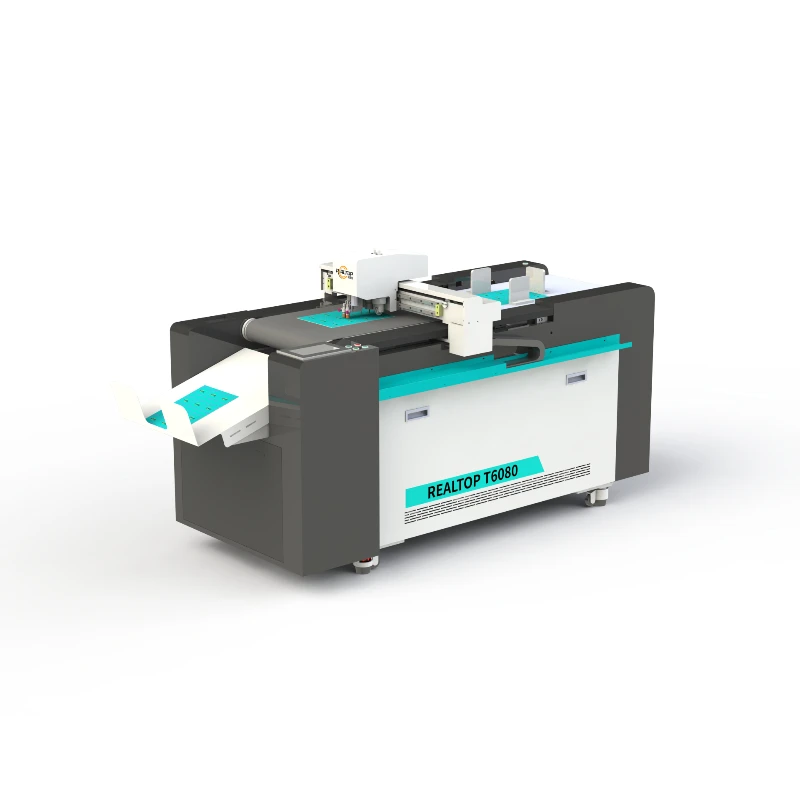
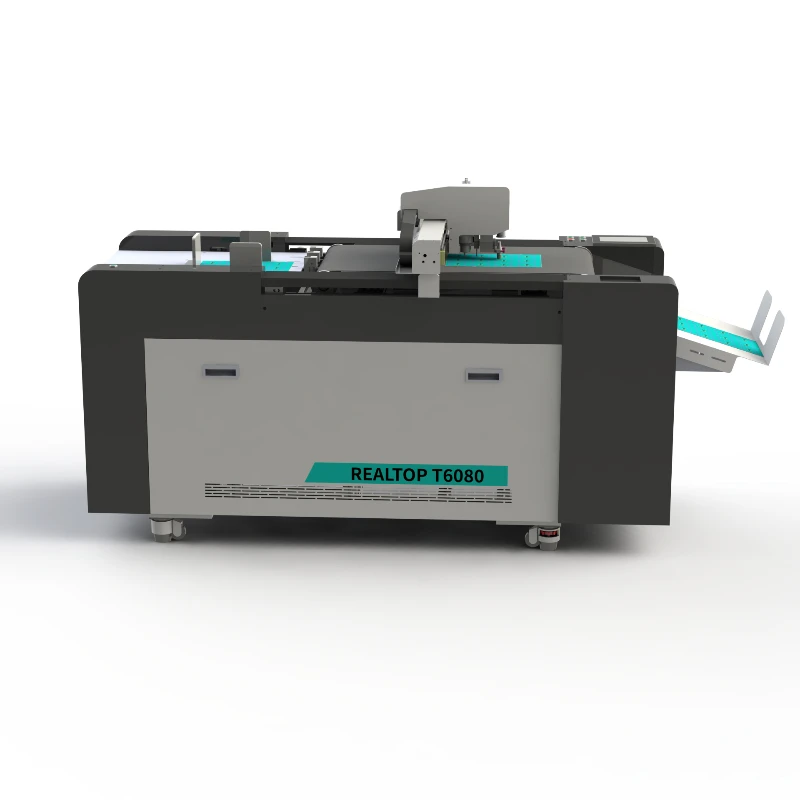
Cutting method matched to material — In-house engineering across both knife and laser families ensures the RTT6080 or an alternative from the full catalogue is specified for your actual substrate, not just the working area.
Technical Specifications
| Parameter | Value |
|---|---|
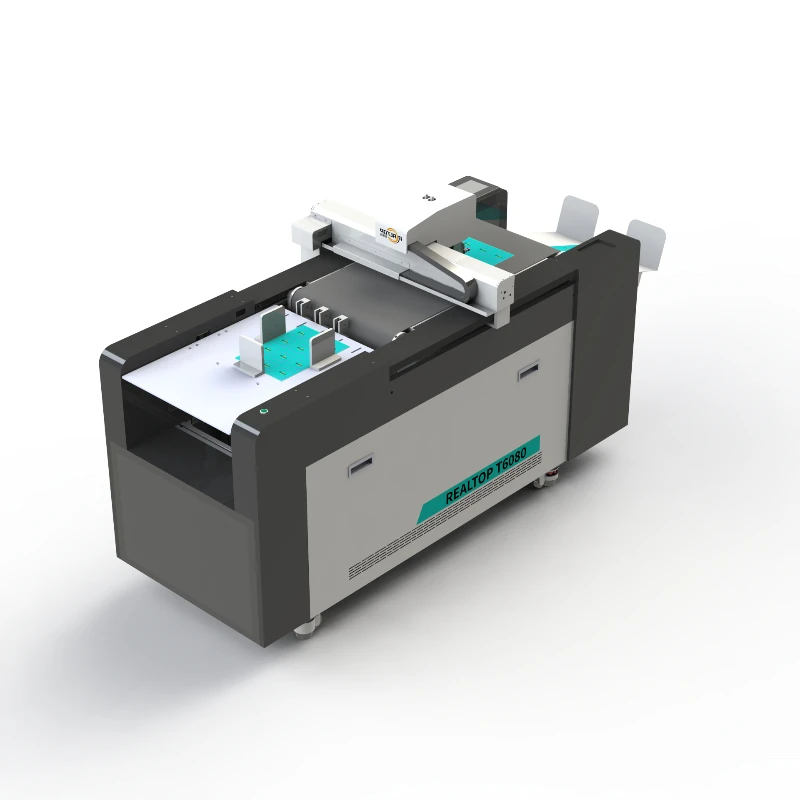
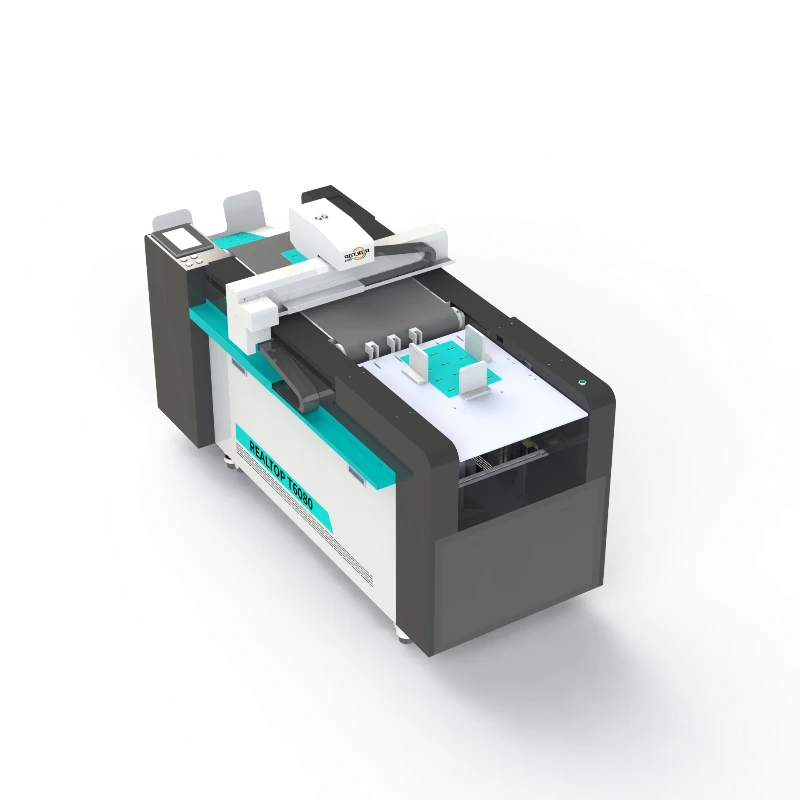
| Model | RTT6080 / RTT6080 Pro |
| Product Type | Digital Die Cutting Machine |
| Max Working Area | 600mm × 800mm |
| Tool Head Options | Cutting tool, kiss cutting tool, creasing tool, CCD camera, high speed oscillating knife (Pro model) |
| Max Cutting Speed | 1500mm/s (basis not stated in source — confirm material type / thickness / tool head used) |
| Cutting Thickness | ≤2mm (RTT6080); ≤5mm (RTT6080 Pro) |
| Positioning Accuracy | 0.05mm |
| Supported File Formats | DXF, PLT, PDF, AI |
| Data Transfer | Ethernet port |
| Rated Power | 3.2kW |
| Voltage | 220V/380V, 50Hz |
Application Suitability
| Application | Material or Output |
|---|---|
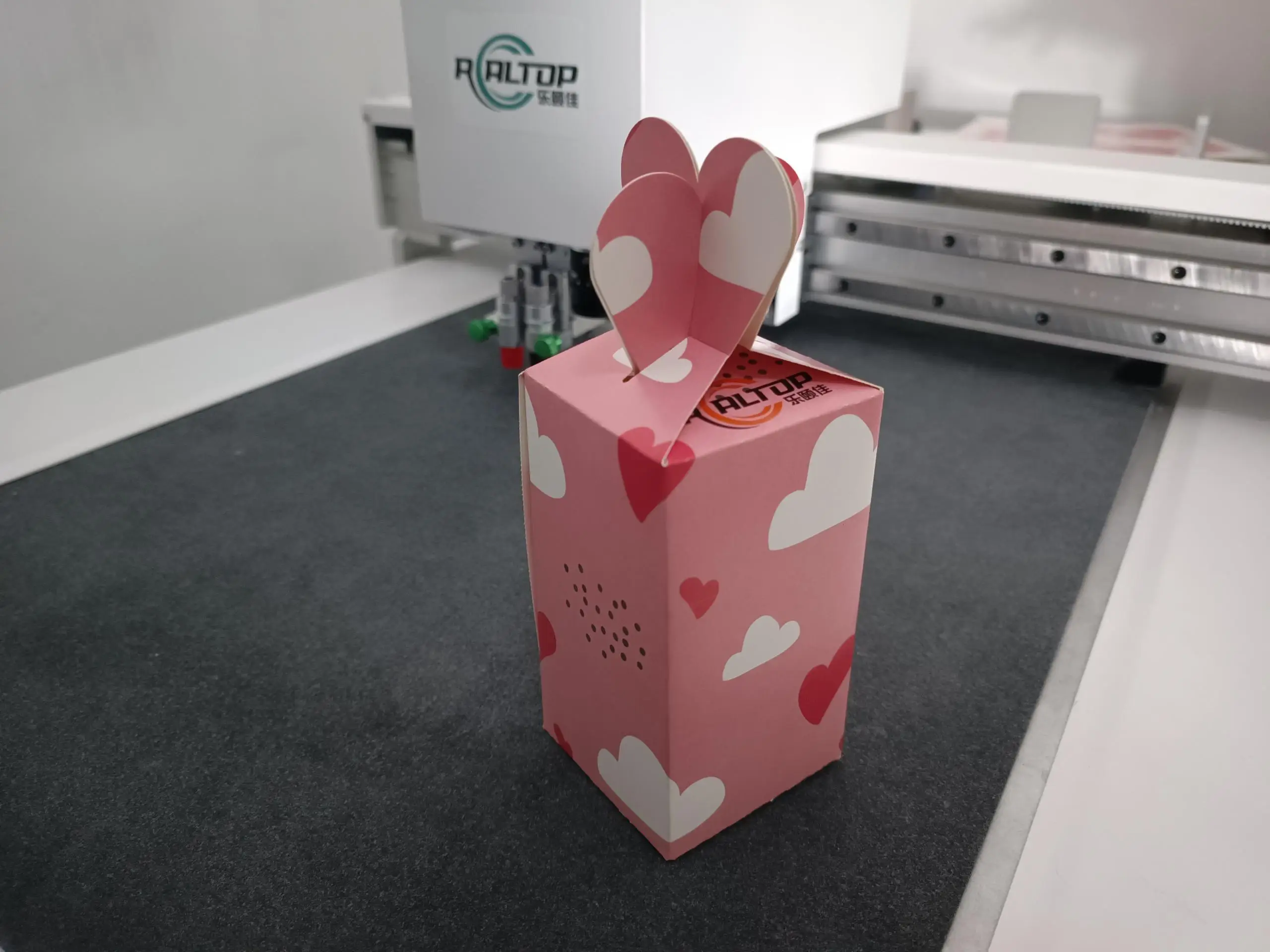
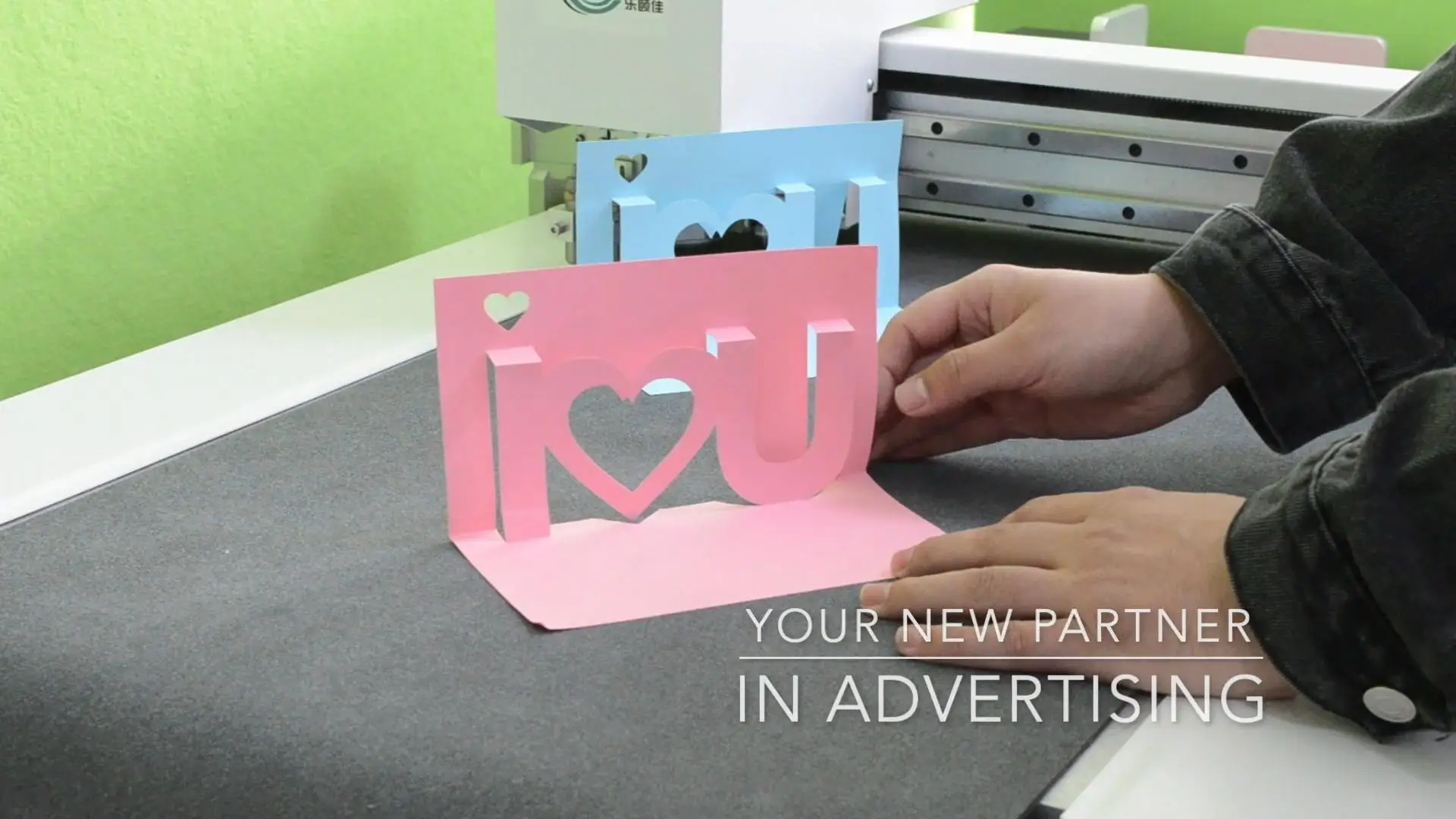
| Packaging and Carton Sample Making | Thin board, corrugated cardboard, paper |
| Label and Sticker Production | Vinyl, self-adhesive film, label stock |
| Flexible Packaging Prototyping | Thin film, flexible packaging laminates |
| Small-Format Gasket and Seal | Thin foam, gasket material, textile |
What "Max Cutting Speed" Leaves Out When Sourcing a Digital Die Cutting Machine for Sale
The headline speed figure means nothing without the material and tool head it was measured on.
I have watched buyers sign off on a digital die cutting machine for sale based on a top speed number, only to see their actual throughput halve when they loaded dense corrugated or adhesive-backed vinyl. The 1500mm/s figure for the RTT6080 series is material-dependent, and a kiss cutting tool on thin sticker stock behaves very differently from an oscillating knife plunging into 5mm foam. Before you compare machines on speed alone, you need to know which tool, which material, and which cut path complexity produced that number [NEED_CITE: industrial cutting speed measurement standards].
Matching the Knife to the Substrate in the Full Catalogue
The RTT6080 standard handles materials up to 2mm with cutting, kiss cutting, and creasing tools, making it a fit for label contouring and carton sample work on thinner stocks. The RTT6080 Pro adds a high speed oscillating knife and extends capacity to 5mm, opening up thin foam gaskets and denser packaging boards. This dual-model structure within the catalogue lets you match the cutting method to the job rather than forcing one tool across every material on your shop floor.
CCD Contour Recognition Across the Range
Printed vinyl and sticker work depends on the camera reading registration marks at production speed, not just in a static demo. The CCD camera option on the RTT6080 series is specified for contour tracking on printed substrates, but mark size, contrast, and laminate gloss all affect reliability [NEED_CITE: CCD registration mark readability factors]. Confirming camera performance on your actual printed material before shipment removes the guesswork from the purchase.
Reading the Specs That Actually Govern Output
Positioning accuracy at 0.05mm matters most on tight-tolerance label and gasket work where a fraction of a millimetre drift scrapes an entire batch. Ethernet transfer keeps the machine off the USB stick workflow that introduces file corruption and version errors in busy design offices. The 3.2kW rated power and 220V/380V dual voltage specification mean the RTT6080 can be configured for different regional grids, but the exact voltage and plug type must be locked down before the machine enters production [NEED_CITE: voltage and frequency standards by export market]. File format support across DXF, PLT, PDF, and AI covers most design workflows, yet the nesting software licence and compatibility with your existing RIP or nesting platform still need written confirmation.
The Cost of Specifying on Working Area Alone
A 600mm × 800mm bed is the right footprint for sample making and short-run label work, but buyers who stop at the bed size often discover the vacuum table zoning cannot hold small, intricate parts flat during high-speed cuts. Lifting edges produce ragged contours and force the operator to tape or pin material, killing any throughput advantage the machine offered on paper. Specifying vacuum zone layout alongside the working area prevents this mismatch after the machine is already on the water.
Why the Full Catalogue Comparison Matters Here
Realtop Machinery designs and produces both knife and laser cutting systems in-house, so the RTT6080 can be evaluated against CO2 laser options for the same material if edge sealing on synthetics matters to your output. Tool head and table configuration are written per material and production volume, not quoted as a generic package. Sample cutting runs on your own substrate are completed before you commit, and software compatibility with your file format and nesting workflow is documented in writing. Voltage, control language, and plug type are confirmed at the order stage so the machine arrives ready to run in your market.
Documentation & Verification
- Machine specification sheet listing exact tool heads and vacuum table zones for the RTT6080
- Electrical schematic confirming voltage, plug type, and circuit requirements
- Sample cutting report on your material with measured edge quality and tolerance
- Software licence document and file format compatibility note for your workflow
- Factory test record showing positioning accuracy verification before dispatch
Installation, Commissioning & Support
- 3.2kW rated power requires a dedicated circuit matching the confirmed 220V or 380V supply
- Ethernet port setup for direct file transfer from your design station to the machine
- CCD camera calibration on your printed material during on-site commissioning
- Tool head changeover training across cutting, kiss cutting, and creasing tools
- Spare parts list covering oscillating knife blades and creasing wheels for the RTT6080 Pro
What to Send with Your Inquiry
Provide the material type, maximum thickness, and typical sheet size you will run on the RTT6080 so the correct tool head and model variant can be specified. Include your local voltage, frequency, and preferred control language so the electrical build matches your workshop from day one.
Frequently Asked Questions
Q: How do I choose between the RTT6080 standard and the RTT6080 Pro for my material?
A: The standard model cuts up to 2mm with cutting, kiss cutting, and creasing tools, suiting labels, vinyl, and thin board. The Pro adds a high speed oscillating knife and handles up to 5mm, which is necessary for thin foam, denser gaskets, and thicker corrugated. Sample cutting on your actual material confirms which model delivers the edge quality your product requires.
Q: What other models are available if the RTT6080 bed size does not fit my production?
A: The full catalogue covers CNC flatbed knife cutters in larger formats, multi-layer cutting systems for high-volume fabric, and CO2 and fiber laser machines for non-metal and sheet metal work. Comparing across the range ensures you match the cutting method and throughput to your material rather than settling for a bed size that limits your daily output.
Q: Will the CCD camera track printed marks on my specific laminate or vinyl?
A: CCD contour recognition depends on mark size, ink contrast, and surface gloss. The camera is specified for printed contour work, but performance must be verified on your actual printed substrate at production speed. A sample cutting run before shipment confirms reliable tracking and identifies any laminate or finish that causes read failures.
Q: Is my existing design and nesting software compatible with the RTT6080?
A: The machine accepts DXF, PLT, PDF, and AI files via Ethernet, covering most design platforms. Compatibility with your specific nesting workflow and RIP software is confirmed in writing before the order is placed, and a software licence document is included with the machine to ensure your file path from design to cut remains uninterrupted.
Cutting method matched to material — In-house engineering across both knife and laser families ensures the RTT6080 or an alternative from the full catalogue is specified for your actual substrate, not just the working area.
Technical Specifications
| Parameter | Value |
|---|---|
| Model | RTT6080 / RTT6080 Pro |
| Product Type | Digital Die Cutting Machine |
| Max Working Area | 600mm × 800mm |
| Tool Head Options | Cutting tool, kiss cutting tool, creasing tool, CCD camera, high speed oscillating knife (Pro model) |
| Max Cutting Speed | 1500mm/s (basis not stated in source — confirm material type / thickness / tool head used) |
| Cutting Thickness | ≤2mm (RTT6080); ≤5mm (RTT6080 Pro) |
| Positioning Accuracy | 0.05mm |
| Supported File Formats | DXF, PLT, PDF, AI |
| Data Transfer | Ethernet port |
| Rated Power | 3.2kW |
| Voltage | 220V/380V, 50Hz |
Application Suitability
| Application | Material or Output |
|---|---|
| Packaging and Carton Sample Making | Thin board, corrugated cardboard, paper |
| Label and Sticker Production | Vinyl, self-adhesive film, label stock |
| Flexible Packaging Prototyping | Thin film, flexible packaging laminates |
| Small-Format Gasket and Seal | Thin foam, gasket material, textile |
What "Max Cutting Speed" Leaves Out When Sourcing a Digital Die Cutting Machine for Sale
The headline speed figure means nothing without the material and tool head it was measured on.
I have watched buyers sign off on a digital die cutting machine for sale based on a top speed number, only to see their actual throughput halve when they loaded dense corrugated or adhesive-backed vinyl. The 1500mm/s figure for the RTT6080 series is material-dependent, and a kiss cutting tool on thin sticker stock behaves very differently from an oscillating knife plunging into 5mm foam. Before you compare machines on speed alone, you need to know which tool, which material, and which cut path complexity produced that number [NEED_CITE: industrial cutting speed measurement standards].
Matching the Knife to the Substrate in the Full Catalogue
The RTT6080 standard handles materials up to 2mm with cutting, kiss cutting, and creasing tools, making it a fit for label contouring and carton sample work on thinner stocks. The RTT6080 Pro adds a high speed oscillating knife and extends capacity to 5mm, opening up thin foam gaskets and denser packaging boards. This dual-model structure within the catalogue lets you match the cutting method to the job rather than forcing one tool across every material on your shop floor.
CCD Contour Recognition Across the Range
Printed vinyl and sticker work depends on the camera reading registration marks at production speed, not just in a static demo. The CCD camera option on the RTT6080 series is specified for contour tracking on printed substrates, but mark size, contrast, and laminate gloss all affect reliability [NEED_CITE: CCD registration mark readability factors]. Confirming camera performance on your actual printed material before shipment removes the guesswork from the purchase.
Reading the Specs That Actually Govern Output
Positioning accuracy at 0.05mm matters most on tight-tolerance label and gasket work where a fraction of a millimetre drift scrapes an entire batch. Ethernet transfer keeps the machine off the USB stick workflow that introduces file corruption and version errors in busy design offices. The 3.2kW rated power and 220V/380V dual voltage specification mean the RTT6080 can be configured for different regional grids, but the exact voltage and plug type must be locked down before the machine enters production [NEED_CITE: voltage and frequency standards by export market]. File format support across DXF, PLT, PDF, and AI covers most design workflows, yet the nesting software licence and compatibility with your existing RIP or nesting platform still need written confirmation.
The Cost of Specifying on Working Area Alone
A 600mm × 800mm bed is the right footprint for sample making and short-run label work, but buyers who stop at the bed size often discover the vacuum table zoning cannot hold small, intricate parts flat during high-speed cuts. Lifting edges produce ragged contours and force the operator to tape or pin material, killing any throughput advantage the machine offered on paper. Specifying vacuum zone layout alongside the working area prevents this mismatch after the machine is already on the water.
Why the Full Catalogue Comparison Matters Here
Realtop Machinery designs and produces both knife and laser cutting systems in-house, so the RTT6080 can be evaluated against CO2 laser options for the same material if edge sealing on synthetics matters to your output. Tool head and table configuration are written per material and production volume, not quoted as a generic package. Sample cutting runs on your own substrate are completed before you commit, and software compatibility with your file format and nesting workflow is documented in writing. Voltage, control language, and plug type are confirmed at the order stage so the machine arrives ready to run in your market.
Documentation & Verification
- Machine specification sheet listing exact tool heads and vacuum table zones for the RTT6080
- Electrical schematic confirming voltage, plug type, and circuit requirements
- Sample cutting report on your material with measured edge quality and tolerance
- Software licence document and file format compatibility note for your workflow
- Factory test record showing positioning accuracy verification before dispatch
Installation, Commissioning & Support
- 3.2kW rated power requires a dedicated circuit matching the confirmed 220V or 380V supply
- Ethernet port setup for direct file transfer from your design station to the machine
- CCD camera calibration on your printed material during on-site commissioning
- Tool head changeover training across cutting, kiss cutting, and creasing tools
- Spare parts list covering oscillating knife blades and creasing wheels for the RTT6080 Pro
What to Send with Your Inquiry
Provide the material type, maximum thickness, and typical sheet size you will run on the RTT6080 so the correct tool head and model variant can be specified. Include your local voltage, frequency, and preferred control language so the electrical build matches your workshop from day one.
Frequently Asked Questions
Q: How do I choose between the RTT6080 standard and the RTT6080 Pro for my material?
A: The standard model cuts up to 2mm with cutting, kiss cutting, and creasing tools, suiting labels, vinyl, and thin board. The Pro adds a high speed oscillating knife and handles up to 5mm, which is necessary for thin foam, denser gaskets, and thicker corrugated. Sample cutting on your actual material confirms which model delivers the edge quality your product requires.
Q: What other models are available if the RTT6080 bed size does not fit my production?
A: The full catalogue covers CNC flatbed knife cutters in larger formats, multi-layer cutting systems for high-volume fabric, and CO2 and fiber laser machines for non-metal and sheet metal work. Comparing across the range ensures you match the cutting method and throughput to your material rather than settling for a bed size that limits your daily output.
Q: Will the CCD camera track printed marks on my specific laminate or vinyl?
A: CCD contour recognition depends on mark size, ink contrast, and surface gloss. The camera is specified for printed contour work, but performance must be verified on your actual printed substrate at production speed. A sample cutting run before shipment confirms reliable tracking and identifies any laminate or finish that causes read failures.
Q: Is my existing design and nesting software compatible with the RTT6080?
A: The machine accepts DXF, PLT, PDF, and AI files via Ethernet, covering most design platforms. Compatibility with your specific nesting workflow and RIP software is confirmed in writing before the order is placed, and a software licence document is included with the machine to ensure your file path from design to cut remains uninterrupted.










商品评价
There are no reviews yet.