

Fast Delivery
Quick, reliable shipping to any location.

Free & easy returns
Return this item by mail or in store within 90 days for a full refund.
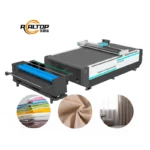
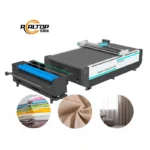
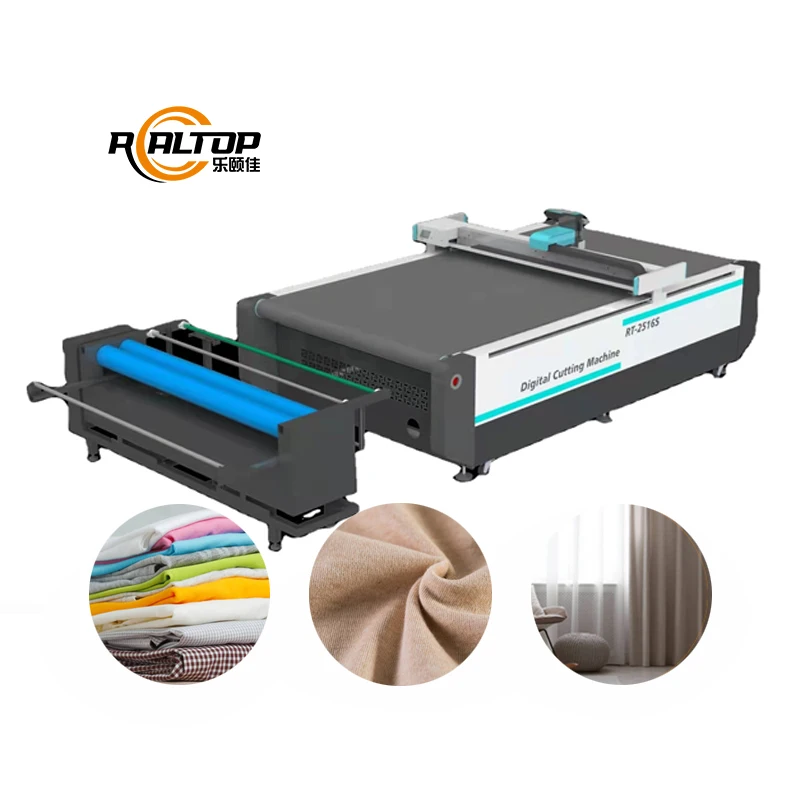
Tool head and table configuration specified per material — Each RT-D2516/RT-S2516 cutting system is matched to the buyer’s actual fabric density and layer count before production begins.
Technical Specifications
| Parameter | Value |
|---|---|
| Model | RT-D2516 / RT-S2516 |
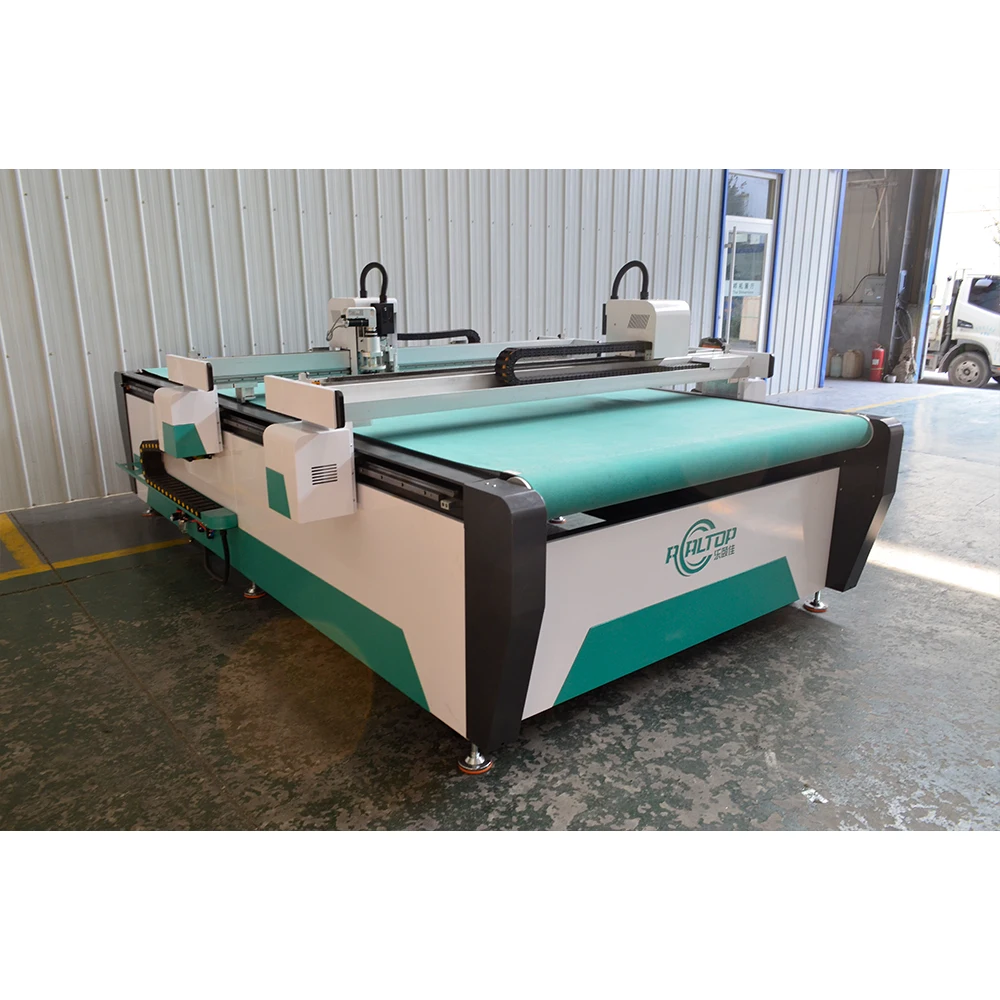
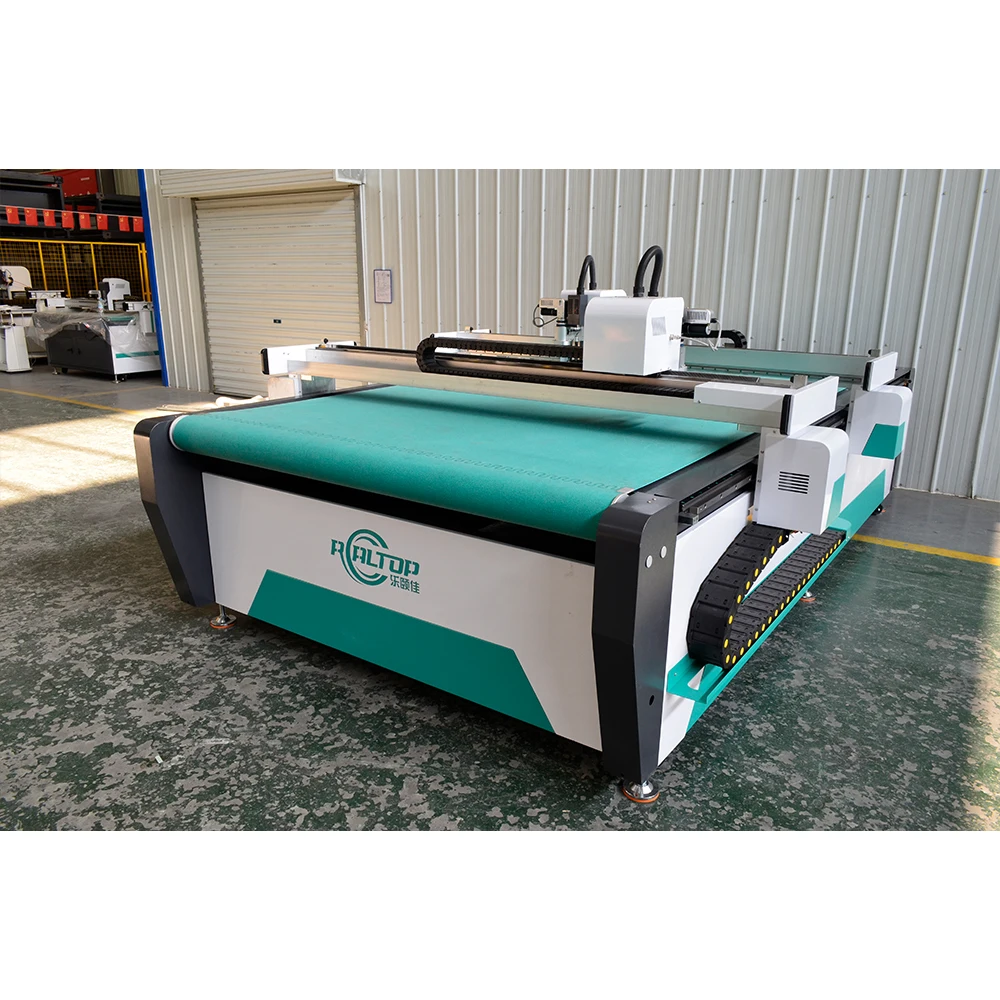
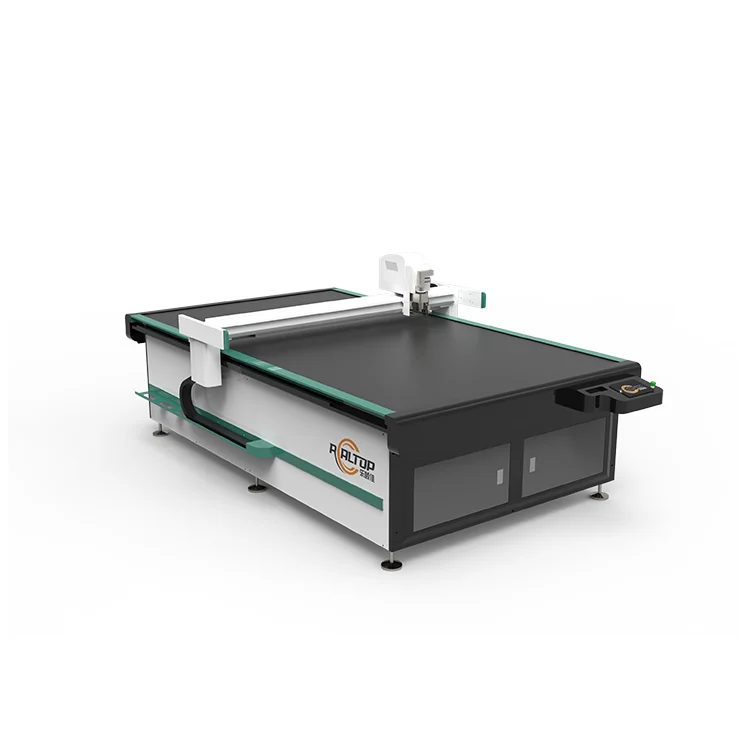
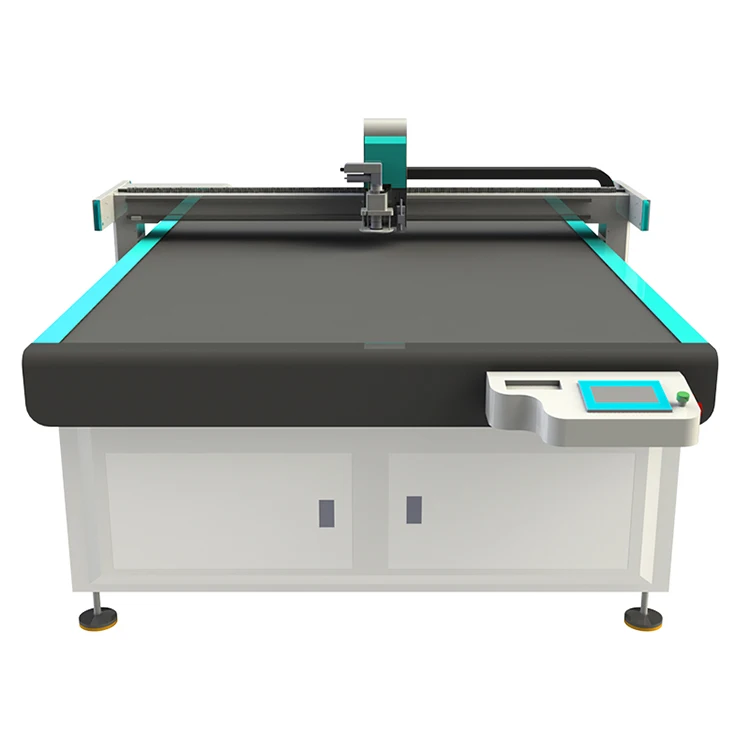
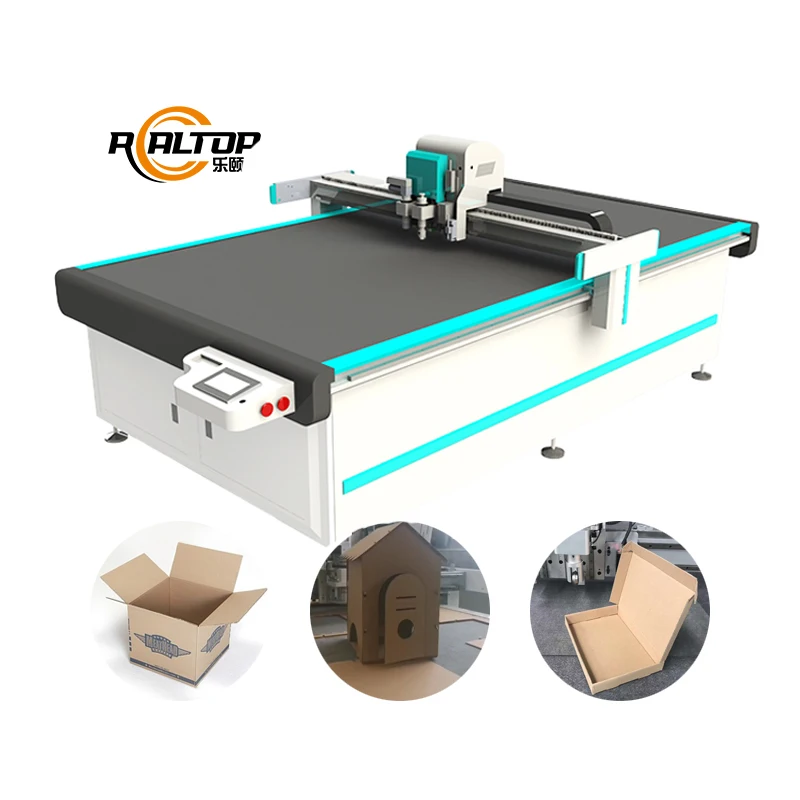
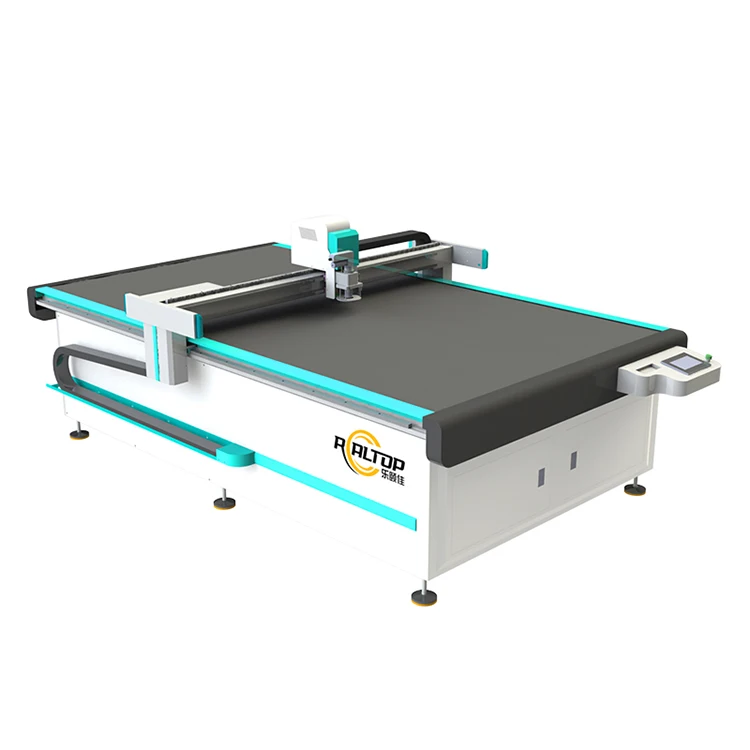
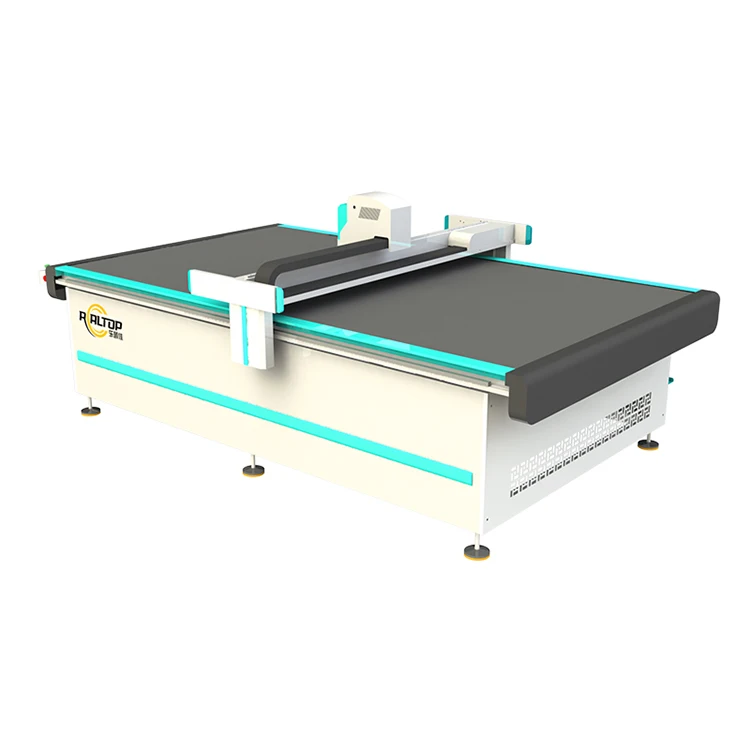
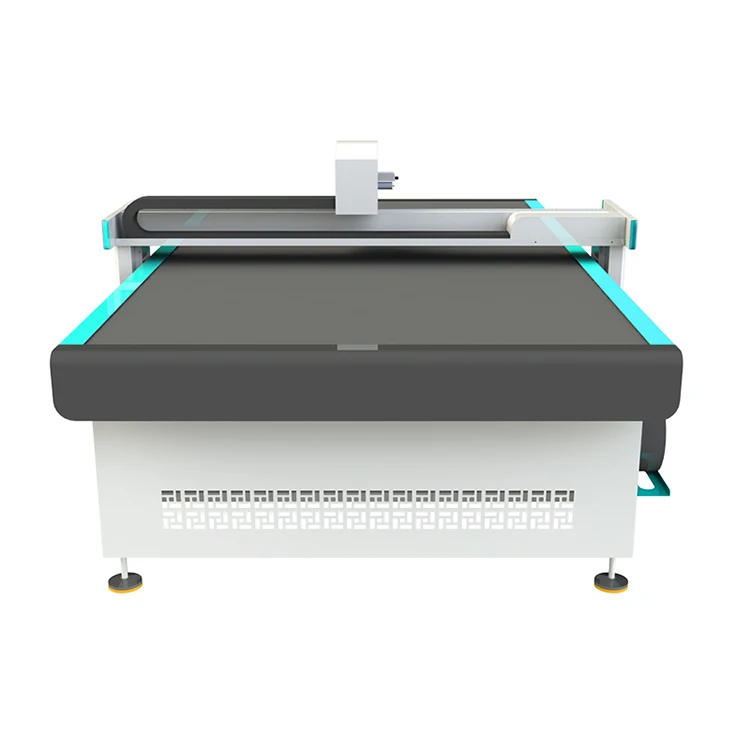
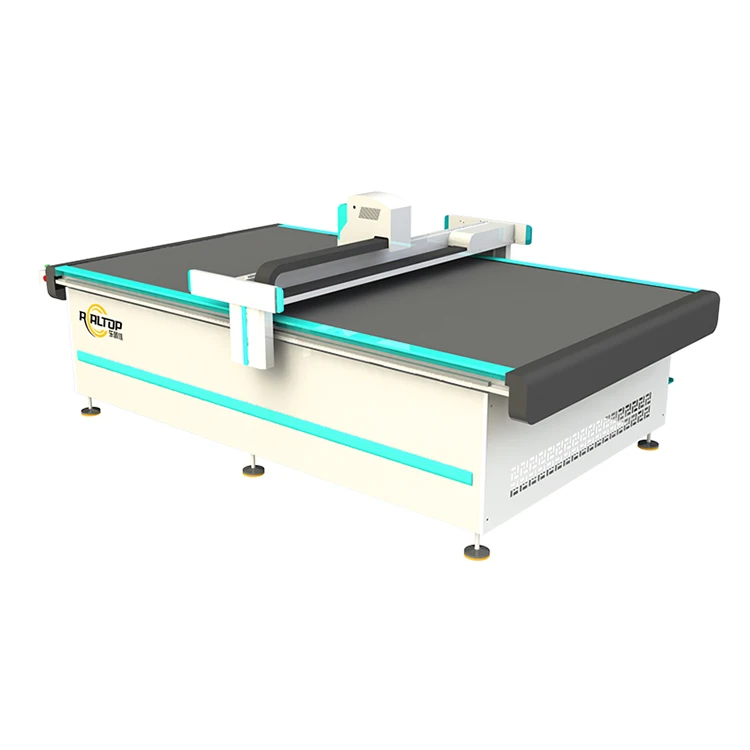
| Product Type | CNC Oscillating Knife Fabric Cutting Machine |
| Working Area | 1600 × 2500 mm |
| Overall Dimensions (L×W×H) | 3450 × 2300 × 1250 mm |
| Rated Power | 9 kW |
| Voltage | 380V ±10% (frequency 50/60 Hz to be confirmed) |
| Working Table | Flatbed with vacuum suction, aviation aluminum countertop with internal wind-channel structure |
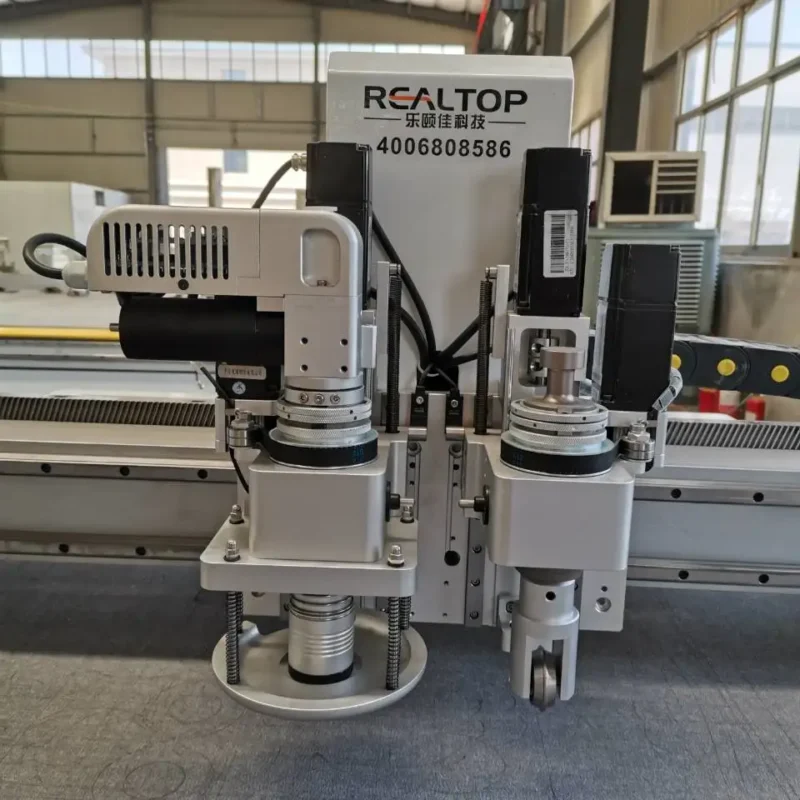
| Tool Head | Multifunctional head with Swiss imported oscillating knife; modular holder compatible with Round Knife, Marking Pen, Auto Feeder |
| Cutting Thickness | ≤50 mm (basis not stated in source — confirm material type and density) |
| Translational Velocity | 800–1200 mm/s |
| Repeated Accuracy | ≤0.1 mm |
| Transmission System | Digital servo motor, linear guide, synchronous belt, ball screw; rack and pinion drive |
| Servo Motor | Panasonic (Delta servo available as alternative configuration) |
| Guide Rail | Taiwan Hiwin rail |
| Vacuum Pump | 7.5 kW |
| Auto Feeding | Yes, Germany imported conveyor belt |
| Safety Device | Infrared sensors |
| File Format | HP-GL compatible |
| Software Language | English, Russian, Italian, Chinese (other languages customizable) |
| Certification | CE |
Application Suitability
| Application | Material or Output |
|---|---|
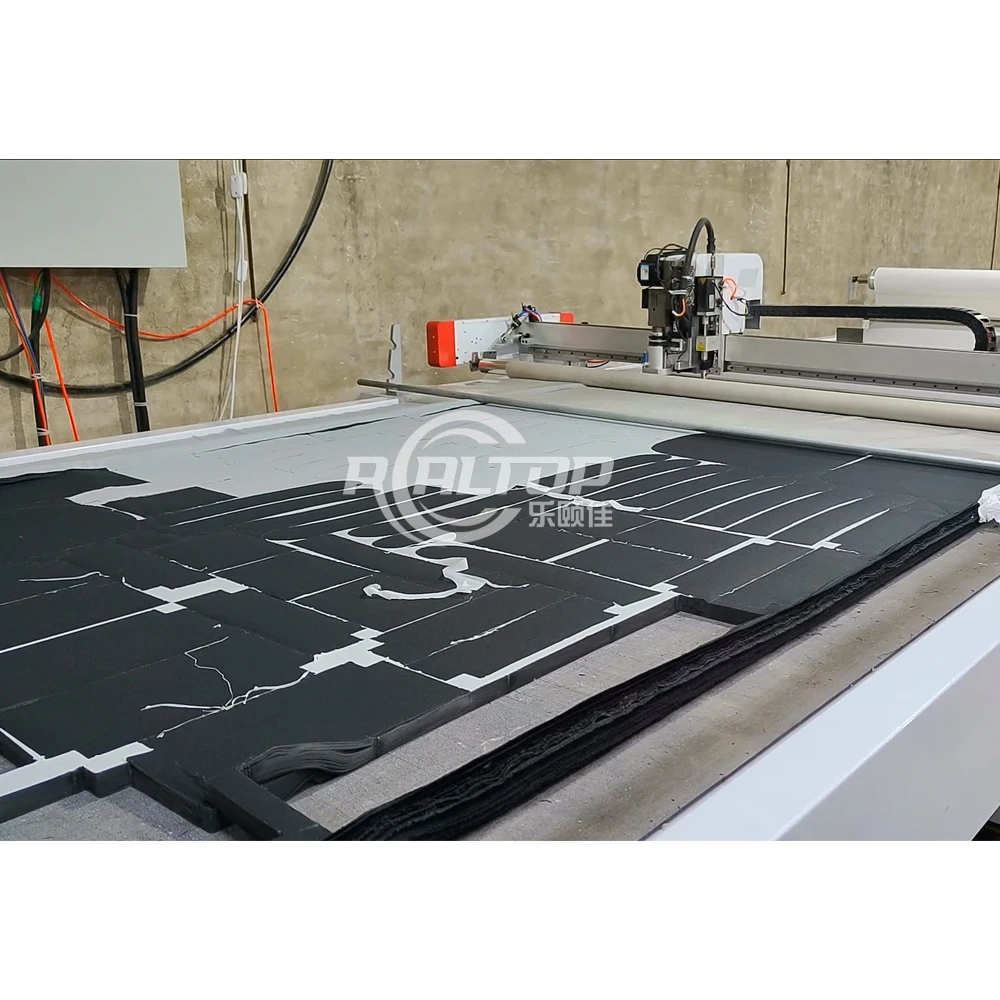
| Garment and footwear production | Single- and multi-layer woven, knitted and technical fabrics |
| Automotive interior trimming | Leather, sponge composite leather, PVC and soft-touch substrates |
| Gasket and seal fabrication | Silicone, rubber and soft glass sheets |
| Signage and soft-material processing | Flexible vinyl, banner material and composite sheets |
| Composite and foam fabrication | Layered foam, sponge and bonded textile panels |
Why the Material Test Must Come Before the Working Area Decision
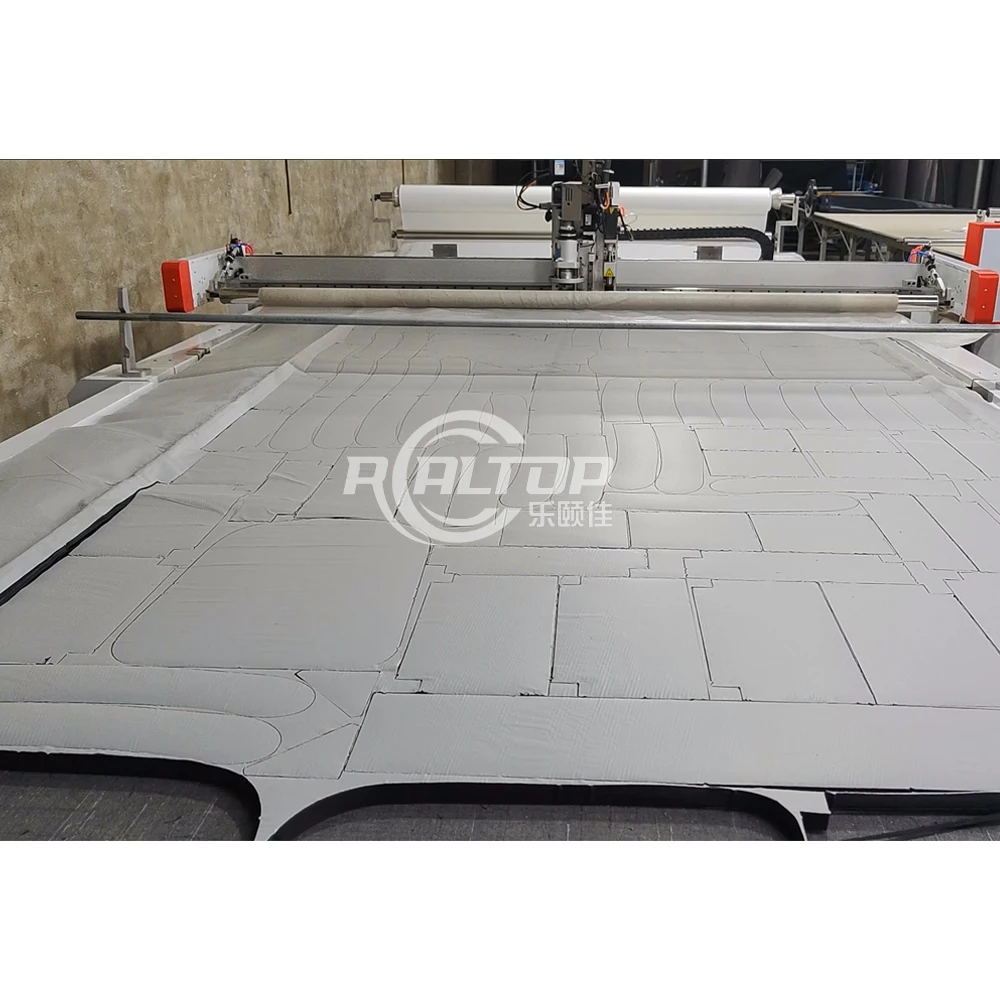
A CNC fabric cutting machine full catalogue often leads with bed size, but a 1600 × 2500 mm working area means little if the knife head cannot handle the actual stock on your cutting table. The correct configuration starts with the heaviest and most abrasive material in your production mix, not the average one.
I spent years watching lines stall because the sample ran on standard polyester while the real order included coated or laminated fabric. Tool wear doubled, edges frayed, and entire batches of cut panels went back for rework. Those failures trace directly to a specification gap at the inquiry stage, not a machine defect. [NEED_CITE: oscillating knife wear rates on coated versus uncoated textiles]
Matching the Knife Method to the Fabric
The RT-D2516/RT-S2516 platform supports a Swiss imported oscillating knife as the primary tool, which suits multi-layer fabric stacks where clean vertical edges matter. For single-ply technical textiles or materials prone to fraying, the round knife option produces a shearing cut that seals the edge. The modular tool holder means a buyer can start with one method and add others as the product mix evolves, without replacing the entire CNC fabric cutting machine full catalogue system.
Vacuum Suction That Holds Small Panels Flat
The aviation aluminum countertop uses an internal wind-channel structure paired with a 7.5 kW vacuum pump to distribute suction evenly across the 1600 × 2500 mm bed. This matters when cutting small garment panels or intricate gasket profiles where edge lift causes the knife to drag material instead of cutting it. Uniform holding force prevents the shift that degrades repeated positioning accuracy, keeping the machine within its ≤0.1 mm tolerance across long production runs. [NEED_CITE: vacuum table holding force requirements for multi-layer fabric cutting]
Reading the Specs That Actually Affect Output
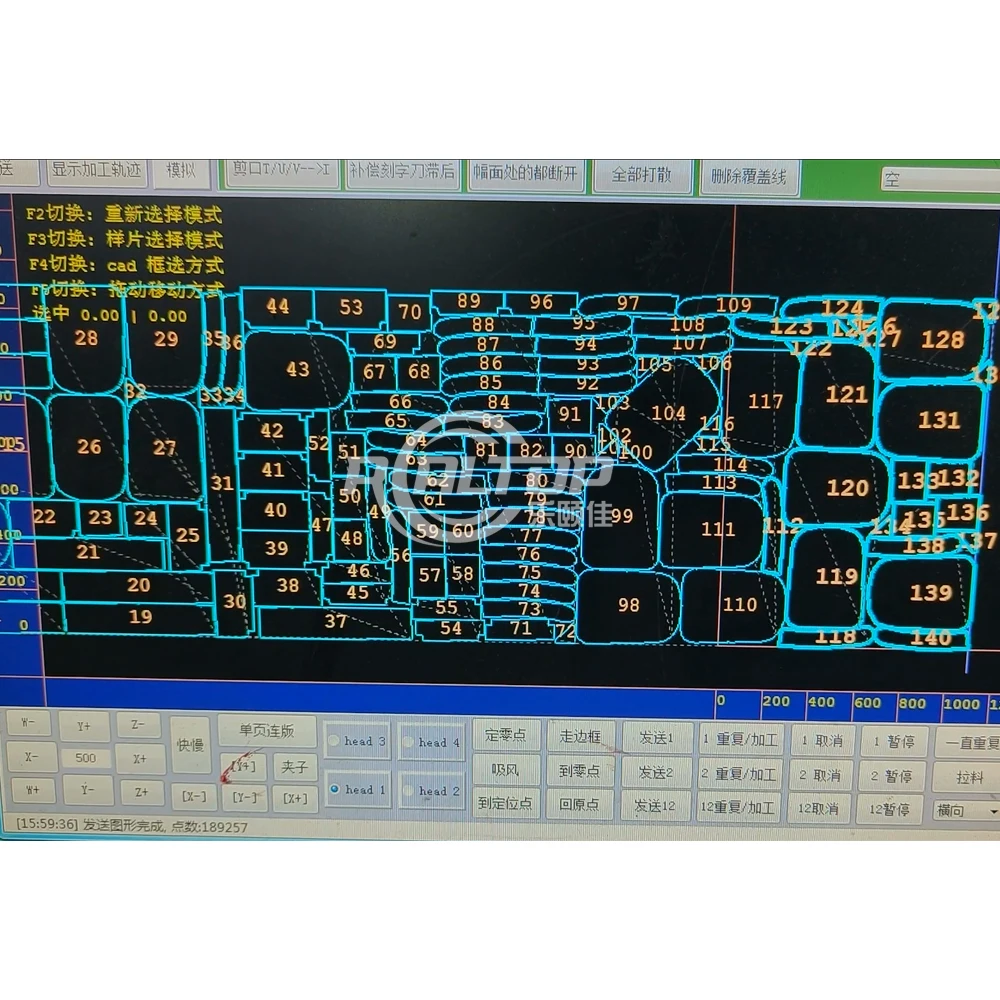
The rack-and-pinion drive with Panasonic servo motors and Taiwan Hiwin linear guides gives the carriage the rigidity to maintain 800–1200 mm/s translational velocity without chatter. In fabric cutting, chatter shows up as micro-serrations on the cut edge, especially visible on coated materials and light-colored textiles. The HP-GL compatible instruction system imports files from most mainstream nesting software, so existing pattern libraries carry over without re-digitizing. A 9 kW total rated power draw including the vacuum pump means the machine fits a standard industrial circuit, though confirming voltage and frequency for the destination market remains essential before shipment.
The Hidden Cost of a Mismatched Configuration
When a buyer specifies the machine on bed size alone and the vacuum zoning proves insufficient for small parts, panels lift during cutting and the oscillating knife tears rather than slices. Ragged edges on foam or composite leather then force secondary trimming, adding a manual step the machine was supposed to eliminate. Software that cannot import the buyer’s nesting files creates a second bottleneck, as operators re-draw patterns by hand. [NEED_CITE: cost of secondary trimming operations in garment cutting workflows]
What Separates This Source from a Reseller
REALTOP designs and builds both oscillating knife and laser cutting systems in-house, so the recommendation for a given fabric is based on which method actually suits the material, not on which machine happens to be in stock. Sample cutting on the buyer’s own stock is standard before any order is confirmed, documenting edge quality, cutting depth and cycle time against the real material. Voltage, plug type, control language and software format are locked down during the specification phase, reducing the chance of an incompatible machine arriving on the dock. The factory test record travels with the shipment, giving the buyer a baseline to reference during commissioning.
Documentation & Verification
- Machine specification sheet matching the confirmed tool head and table zoning layout
- Electrical schematic with voltage and frequency confirmed for the destination market
- Sample cutting report on buyer-supplied fabric with edge quality photographs
- Factory test record documenting repeated accuracy across the full 1600 × 2500 mm bed
- Software licence and HP-GL file format compatibility note before dispatch
- Spare parts list covering oscillating knife blades, vacuum felt and conveyor belt segments
Installation, Commissioning & Support
- Floor space of approximately 3450 × 2300 mm with clearance for the auto feeder conveyor
- Dedicated 380V ±10% circuit rated for the 9 kW total draw including the vacuum pump
- Machine ships fully assembled; on-site placement requires forklift access to the 1250 mm height
- First-run parameter tuning on the buyer’s fabric to confirm ≤0.1 mm repeated accuracy
- Operator training covering tool head changes, vacuum zoning and HP-GL file import
- One-year parts warranty with engineer dispatch available, buyer covering travel and accommodation
Starting the Specification Conversation
To size the right configuration from this CNC fabric cutting machine full catalogue, share the fabric types you cut most often, including the heaviest and most abrasive materials in your mix. Note the typical layer count, the largest panel dimension, and the daily volume your line must sustain. Confirm your workshop voltage, frequency and preferred control language so the electrical and software packages align before production starts.
Frequently Asked Questions
Q: How do I choose between oscillating knife, round knife and drag knife for my fabrics?
A: Oscillating knife suits multi-layer stacks where vertical edge quality matters. Round knife works well on single-ply or fray-prone textiles by shearing the edge. Drag knife is limited to thin vinyl and sticker materials. Send your heaviest and lightest materials for sample cutting so the correct tool head is confirmed before the order.
Q: What working area and configuration fit my daily volume?
A: The 1600 × 2500 mm bed handles most garment and automotive interior panels. For high-volume multi-layer fabric runs, the auto feeder with Germany imported conveyor belt keeps material flowing. Daily volume depends on pattern complexity and layer count, so share your nesting files for a cycle-time estimate based on your actual layout.
Q: Can I send my own material for sample cutting before ordering?
A: Yes, sample cutting on the buyer’s own fabric is a standard step. The report documents cutting thickness achieved, edge quality under magnification, knife wear after a set run length, and cycle time. This ensures the ≤50 mm cutting thickness claim is validated against your specific material density and composition.
Q: What voltage and software language options are available?
A: The standard supply is 380V ±10%, with frequency confirmed as 50 or 60 Hz depending on the destination market. Software language options include English, Russian, Italian and Chinese, with other languages customizable. Confirming these details before production avoids costly rewiring or reprogramming after the machine arrives.
Q: Does the full catalogue include laser cutting options as well?
A: REALTOP produces both oscillating knife and laser cutting systems. Knife cutting handles fabrics, leather, foam and composites where edge compression must be avoided. Laser cutting suits acrylic, wood and certain textiles where edge sealing is beneficial. The correct method depends on the material, and the recommendation is made after reviewing your specific cutting requirements.
Tool head and table configuration specified per material — Each RT-D2516/RT-S2516 cutting system is matched to the buyer’s actual fabric density and layer count before production begins.
Technical Specifications
| Parameter | Value |
|---|---|
| Model | RT-D2516 / RT-S2516 |
| Product Type | CNC Oscillating Knife Fabric Cutting Machine |
| Working Area | 1600 × 2500 mm |
| Overall Dimensions (L×W×H) | 3450 × 2300 × 1250 mm |
| Rated Power | 9 kW |
| Voltage | 380V ±10% (frequency 50/60 Hz to be confirmed) |
| Working Table | Flatbed with vacuum suction, aviation aluminum countertop with internal wind-channel structure |
| Tool Head | Multifunctional head with Swiss imported oscillating knife; modular holder compatible with Round Knife, Marking Pen, Auto Feeder |
| Cutting Thickness | ≤50 mm (basis not stated in source — confirm material type and density) |
| Translational Velocity | 800–1200 mm/s |
| Repeated Accuracy | ≤0.1 mm |
| Transmission System | Digital servo motor, linear guide, synchronous belt, ball screw; rack and pinion drive |
| Servo Motor | Panasonic (Delta servo available as alternative configuration) |
| Guide Rail | Taiwan Hiwin rail |
| Vacuum Pump | 7.5 kW |
| Auto Feeding | Yes, Germany imported conveyor belt |
| Safety Device | Infrared sensors |
| File Format | HP-GL compatible |
| Software Language | English, Russian, Italian, Chinese (other languages customizable) |
| Certification | CE |
Application Suitability
| Application | Material or Output |
|---|---|
| Garment and footwear production | Single- and multi-layer woven, knitted and technical fabrics |
| Automotive interior trimming | Leather, sponge composite leather, PVC and soft-touch substrates |
| Gasket and seal fabrication | Silicone, rubber and soft glass sheets |
| Signage and soft-material processing | Flexible vinyl, banner material and composite sheets |
| Composite and foam fabrication | Layered foam, sponge and bonded textile panels |
Why the Material Test Must Come Before the Working Area Decision
A CNC fabric cutting machine full catalogue often leads with bed size, but a 1600 × 2500 mm working area means little if the knife head cannot handle the actual stock on your cutting table. The correct configuration starts with the heaviest and most abrasive material in your production mix, not the average one.
I spent years watching lines stall because the sample ran on standard polyester while the real order included coated or laminated fabric. Tool wear doubled, edges frayed, and entire batches of cut panels went back for rework. Those failures trace directly to a specification gap at the inquiry stage, not a machine defect. [NEED_CITE: oscillating knife wear rates on coated versus uncoated textiles]
Matching the Knife Method to the Fabric
The RT-D2516/RT-S2516 platform supports a Swiss imported oscillating knife as the primary tool, which suits multi-layer fabric stacks where clean vertical edges matter. For single-ply technical textiles or materials prone to fraying, the round knife option produces a shearing cut that seals the edge. The modular tool holder means a buyer can start with one method and add others as the product mix evolves, without replacing the entire CNC fabric cutting machine full catalogue system.
Vacuum Suction That Holds Small Panels Flat
The aviation aluminum countertop uses an internal wind-channel structure paired with a 7.5 kW vacuum pump to distribute suction evenly across the 1600 × 2500 mm bed. This matters when cutting small garment panels or intricate gasket profiles where edge lift causes the knife to drag material instead of cutting it. Uniform holding force prevents the shift that degrades repeated positioning accuracy, keeping the machine within its ≤0.1 mm tolerance across long production runs. [NEED_CITE: vacuum table holding force requirements for multi-layer fabric cutting]
Reading the Specs That Actually Affect Output
The rack-and-pinion drive with Panasonic servo motors and Taiwan Hiwin linear guides gives the carriage the rigidity to maintain 800–1200 mm/s translational velocity without chatter. In fabric cutting, chatter shows up as micro-serrations on the cut edge, especially visible on coated materials and light-colored textiles. The HP-GL compatible instruction system imports files from most mainstream nesting software, so existing pattern libraries carry over without re-digitizing. A 9 kW total rated power draw including the vacuum pump means the machine fits a standard industrial circuit, though confirming voltage and frequency for the destination market remains essential before shipment.
The Hidden Cost of a Mismatched Configuration
When a buyer specifies the machine on bed size alone and the vacuum zoning proves insufficient for small parts, panels lift during cutting and the oscillating knife tears rather than slices. Ragged edges on foam or composite leather then force secondary trimming, adding a manual step the machine was supposed to eliminate. Software that cannot import the buyer’s nesting files creates a second bottleneck, as operators re-draw patterns by hand. [NEED_CITE: cost of secondary trimming operations in garment cutting workflows]
What Separates This Source from a Reseller
REALTOP designs and builds both oscillating knife and laser cutting systems in-house, so the recommendation for a given fabric is based on which method actually suits the material, not on which machine happens to be in stock. Sample cutting on the buyer’s own stock is standard before any order is confirmed, documenting edge quality, cutting depth and cycle time against the real material. Voltage, plug type, control language and software format are locked down during the specification phase, reducing the chance of an incompatible machine arriving on the dock. The factory test record travels with the shipment, giving the buyer a baseline to reference during commissioning.
Documentation & Verification
- Machine specification sheet matching the confirmed tool head and table zoning layout
- Electrical schematic with voltage and frequency confirmed for the destination market
- Sample cutting report on buyer-supplied fabric with edge quality photographs
- Factory test record documenting repeated accuracy across the full 1600 × 2500 mm bed
- Software licence and HP-GL file format compatibility note before dispatch
- Spare parts list covering oscillating knife blades, vacuum felt and conveyor belt segments
Installation, Commissioning & Support
- Floor space of approximately 3450 × 2300 mm with clearance for the auto feeder conveyor
- Dedicated 380V ±10% circuit rated for the 9 kW total draw including the vacuum pump
- Machine ships fully assembled; on-site placement requires forklift access to the 1250 mm height
- First-run parameter tuning on the buyer’s fabric to confirm ≤0.1 mm repeated accuracy
- Operator training covering tool head changes, vacuum zoning and HP-GL file import
- One-year parts warranty with engineer dispatch available, buyer covering travel and accommodation
Starting the Specification Conversation
To size the right configuration from this CNC fabric cutting machine full catalogue, share the fabric types you cut most often, including the heaviest and most abrasive materials in your mix. Note the typical layer count, the largest panel dimension, and the daily volume your line must sustain. Confirm your workshop voltage, frequency and preferred control language so the electrical and software packages align before production starts.
Frequently Asked Questions
Q: How do I choose between oscillating knife, round knife and drag knife for my fabrics?
A: Oscillating knife suits multi-layer stacks where vertical edge quality matters. Round knife works well on single-ply or fray-prone textiles by shearing the edge. Drag knife is limited to thin vinyl and sticker materials. Send your heaviest and lightest materials for sample cutting so the correct tool head is confirmed before the order.
Q: What working area and configuration fit my daily volume?
A: The 1600 × 2500 mm bed handles most garment and automotive interior panels. For high-volume multi-layer fabric runs, the auto feeder with Germany imported conveyor belt keeps material flowing. Daily volume depends on pattern complexity and layer count, so share your nesting files for a cycle-time estimate based on your actual layout.
Q: Can I send my own material for sample cutting before ordering?
A: Yes, sample cutting on the buyer’s own fabric is a standard step. The report documents cutting thickness achieved, edge quality under magnification, knife wear after a set run length, and cycle time. This ensures the ≤50 mm cutting thickness claim is validated against your specific material density and composition.
Q: What voltage and software language options are available?
A: The standard supply is 380V ±10%, with frequency confirmed as 50 or 60 Hz depending on the destination market. Software language options include English, Russian, Italian and Chinese, with other languages customizable. Confirming these details before production avoids costly rewiring or reprogramming after the machine arrives.
Q: Does the full catalogue include laser cutting options as well?
A: REALTOP produces both oscillating knife and laser cutting systems. Knife cutting handles fabrics, leather, foam and composites where edge compression must be avoided. Laser cutting suits acrylic, wood and certain textiles where edge sealing is beneficial. The correct method depends on the material, and the recommendation is made after reviewing your specific cutting requirements.
商品评价
There are no reviews yet.