

Fast Delivery
Quick, reliable shipping to any location.

Free & easy returns
Return this item by mail or in store within 90 days for a full refund.
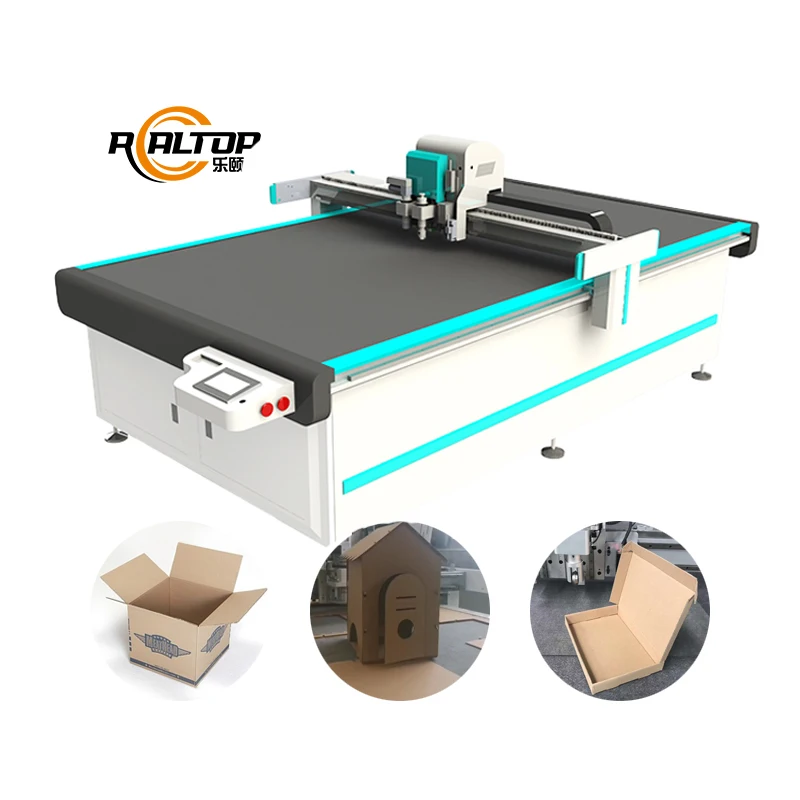
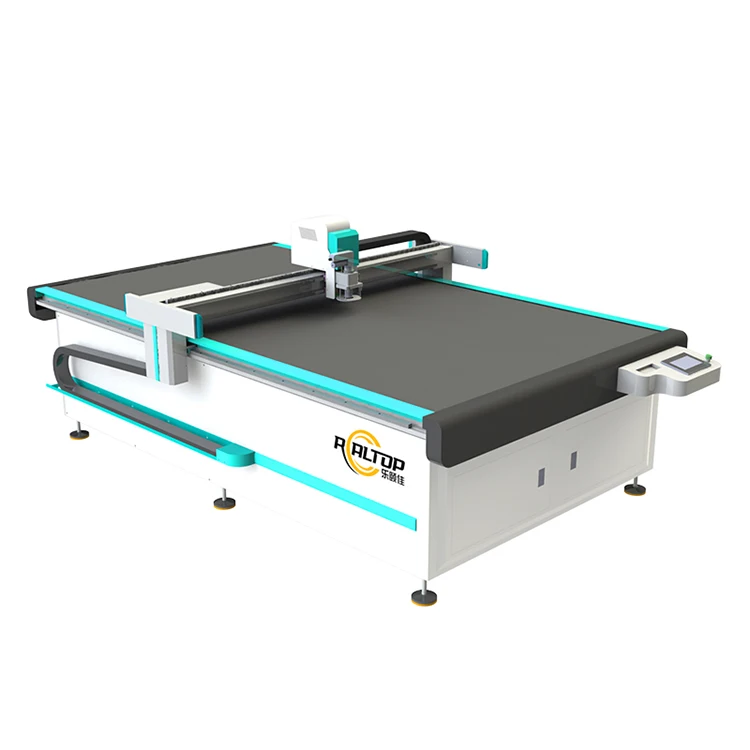
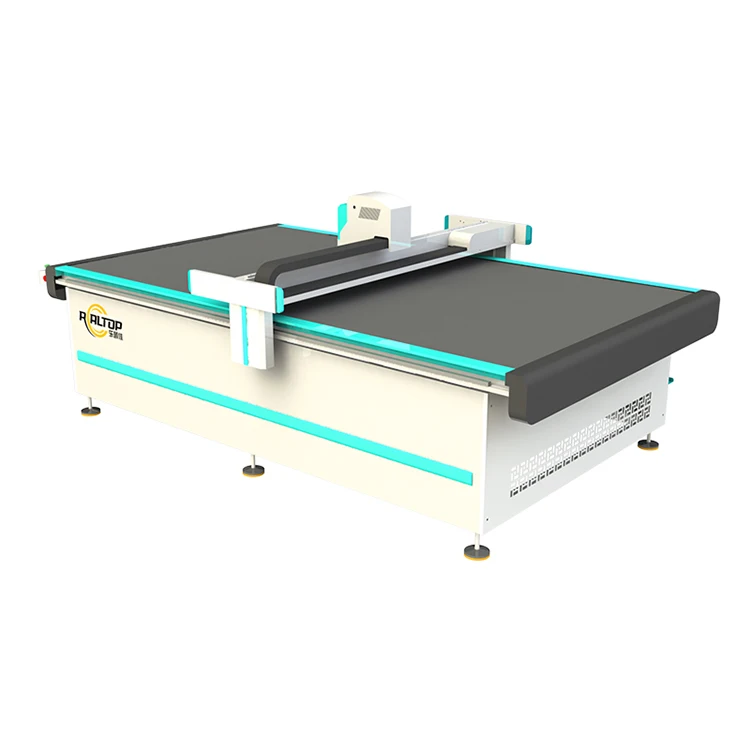
Complete Range Coverage — our flatbed digital cutting systems span oscillating knife, drag knife and laser methods, letting you match the process to your substrate rather than forcing one approach across every material.
Technical Specifications
| Parameter | Value |
|---|---|
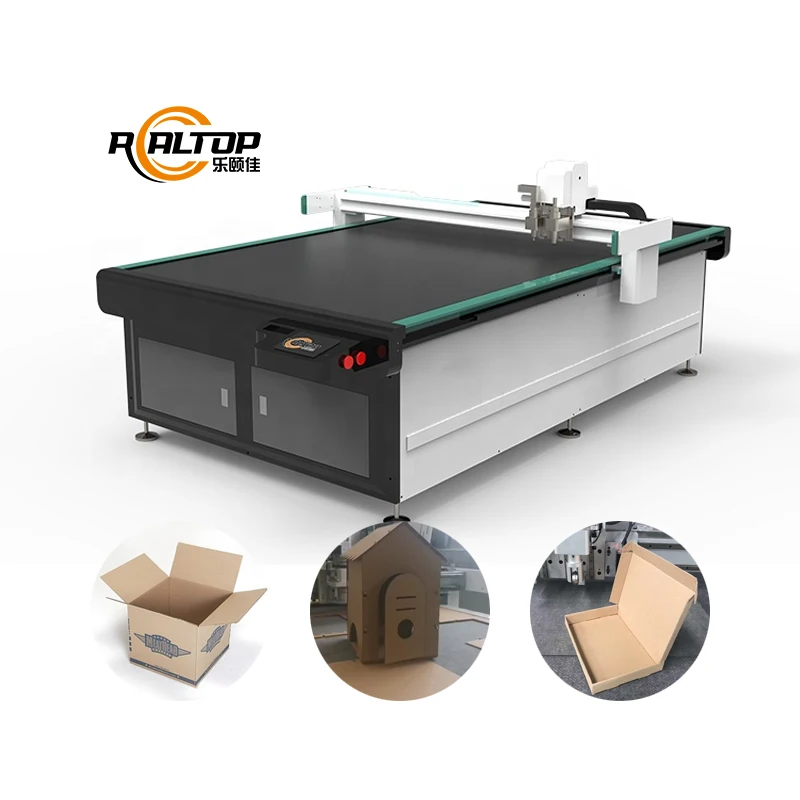
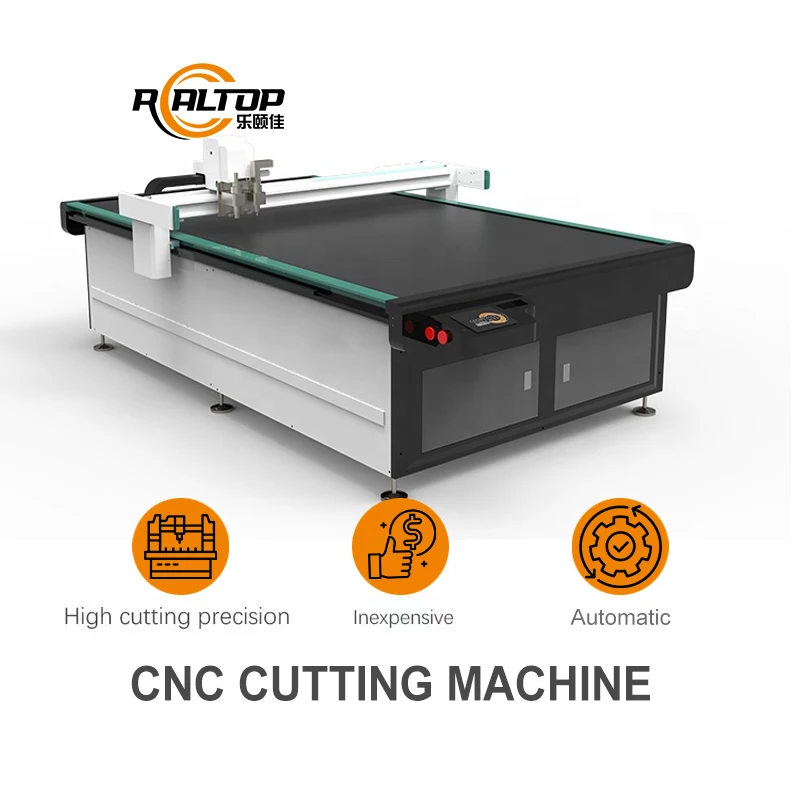
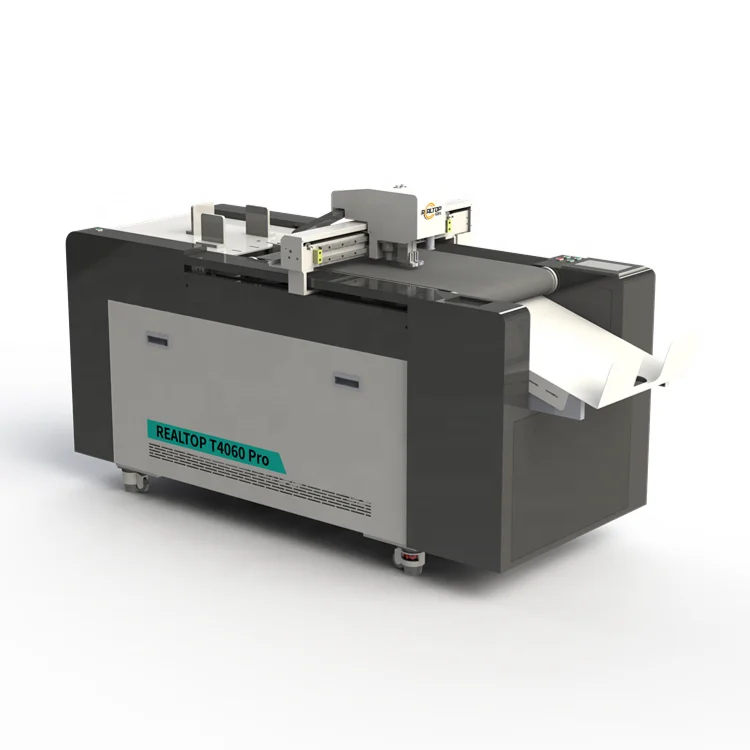
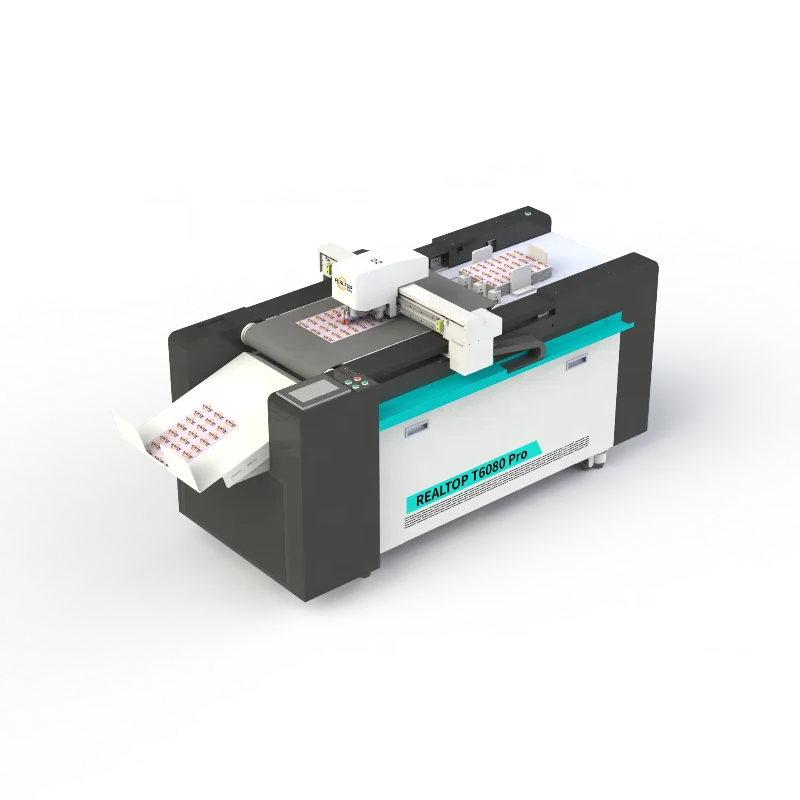
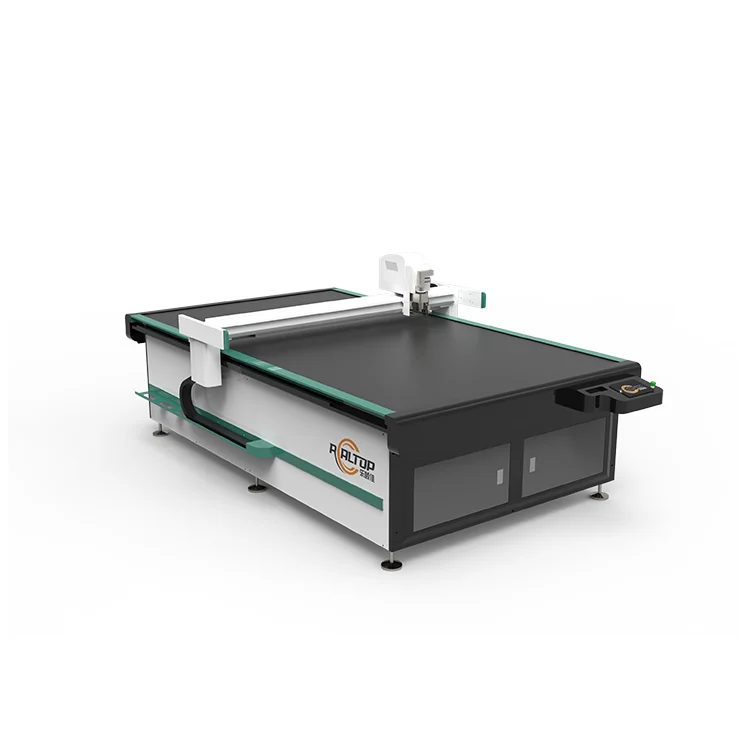
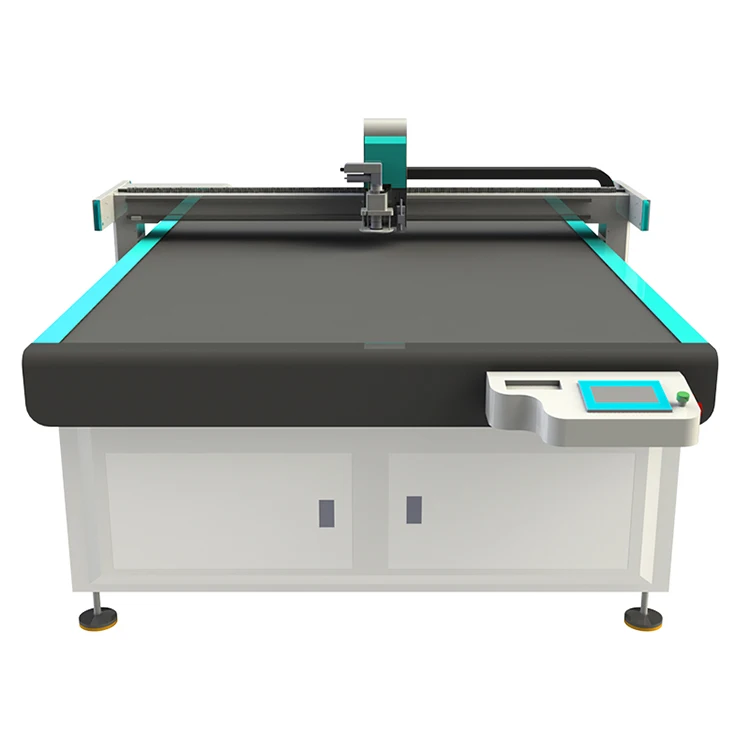
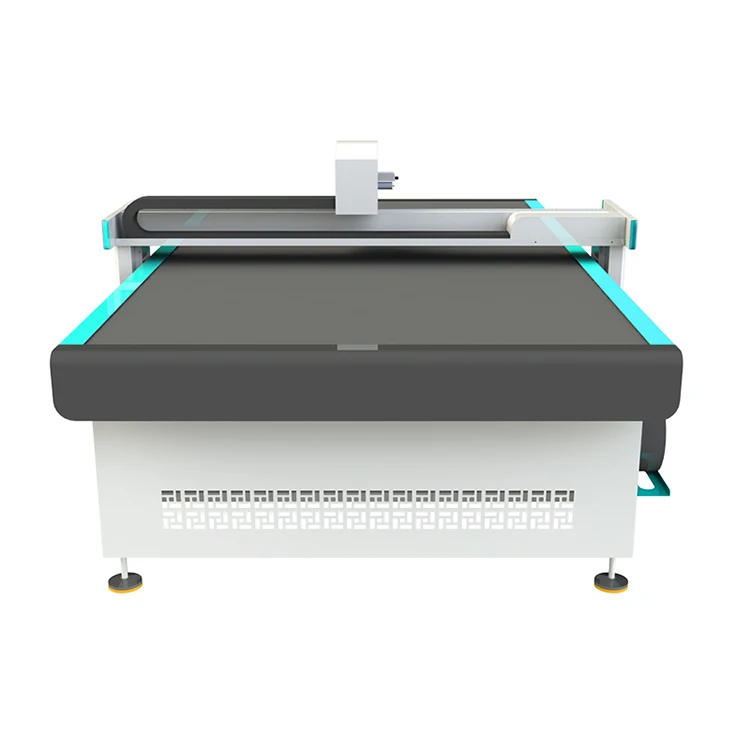
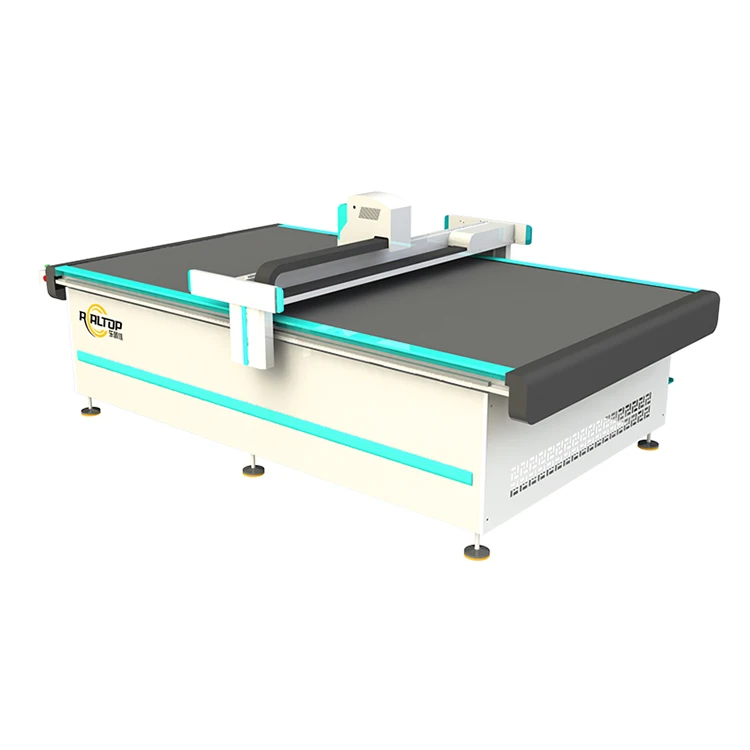
| Product Type | CNC Flatbed Digital Cutting Plotter |
| Model | RT-D2516 / RT-S2516 |
| Working Area | 1600 × 2500 mm |
| Machine Overall Dimensions | 3450 × 2300 × 1250 mm |
| Rated Power | 9 kW |
| Voltage | 380V ±10% (50/60 Hz to be confirmed) |
| Control System | CNC with HP-GL compatible instruction format |
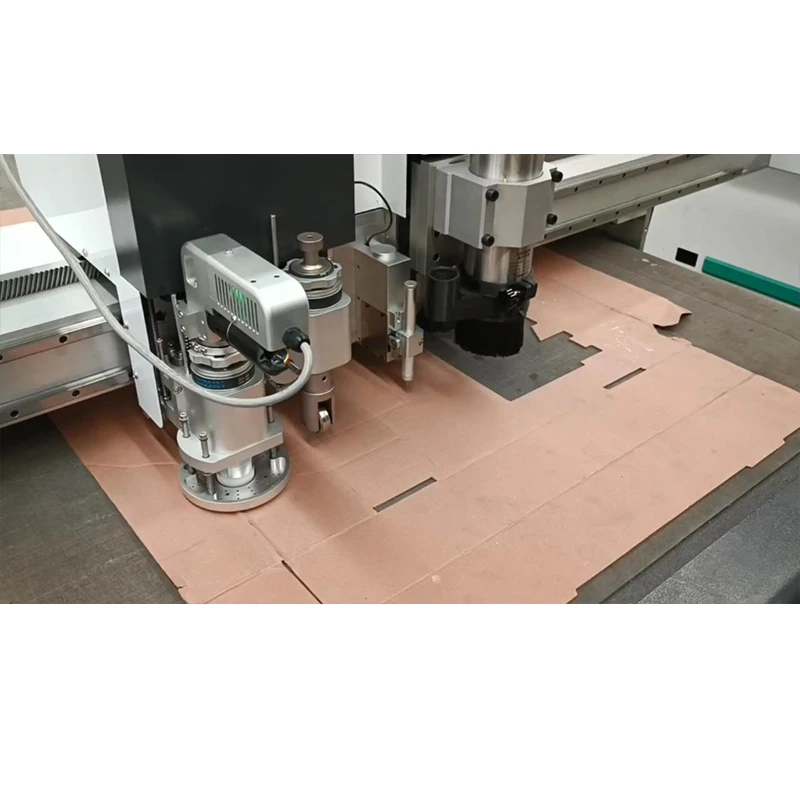
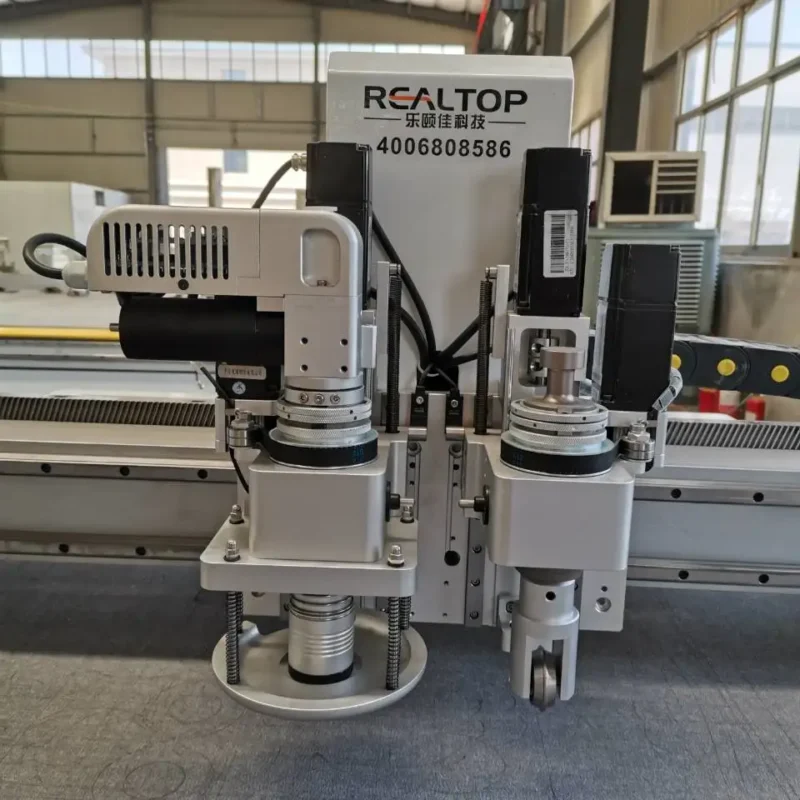
| Tool Head | Swiss imported vibrating knife (full-cut, half-cut, cursor location) |
| Translational Velocity | 800–1200 mm/s |
| Cutting Speed | 200–800 mm/s (varies by material) |
| Repeated Positioning Accuracy | ≤0.1 mm |
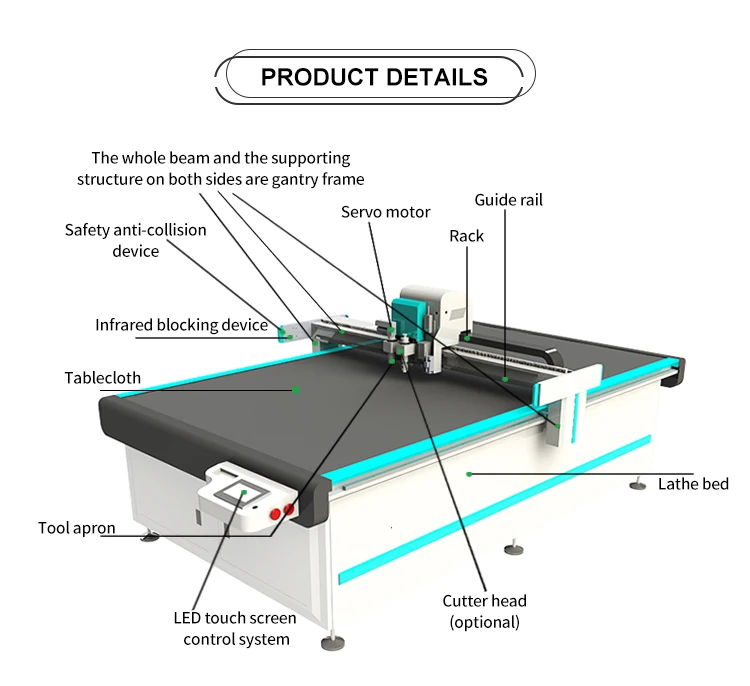
| Servo Motor & Driver | Taiwan Delta |
| Linear Guide | Taiwan Hiwin rail |
| Transmission | Digital servo, linear guide, synchronous belt, ball screw, rack |
| Vacuum Table | Aluminum alloy honeycomb, zoned adsorption, 7.5 kW pump |
| Conveyor Belt | Germany imported belt (auto-feeding equipped) |
| Safety Device | Infrared sensors, emergency stop |
| Machine Frame | Welded thick square seamless steel, heat-treated |
| Max Cutting Thickness | ≤100 mm (varies with material) |
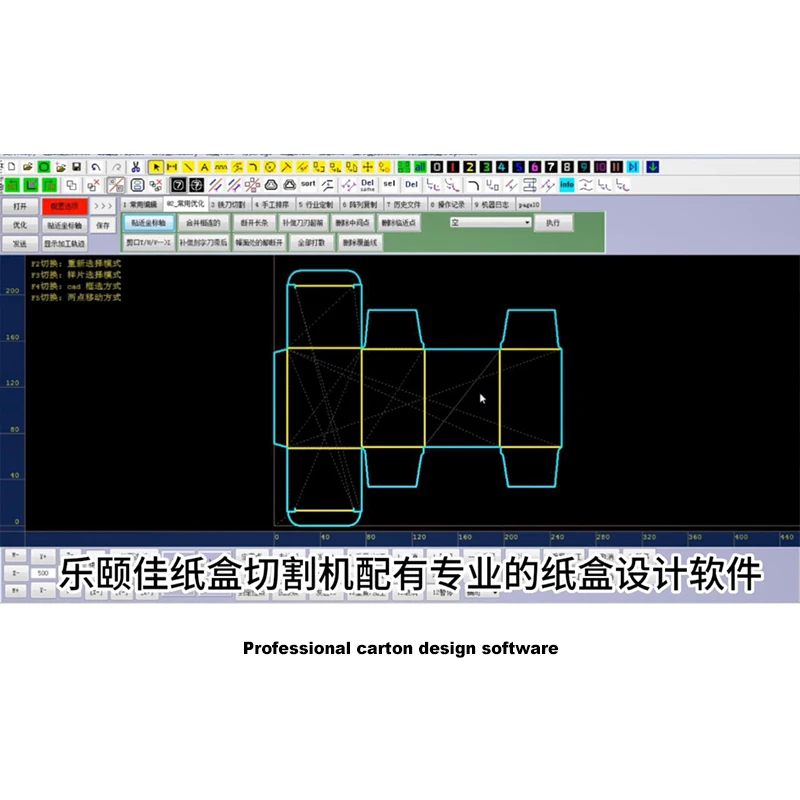
| Software | Professional carton nesting software, HP-GL compatible, multi-format |
| Language Options | English, Russian, Italian, Chinese; others customizable |
| Assembly State | Fully assembled (flat working table configuration) |
| Standards | CE declaration where applicable |
Application Suitability
| Application | Material or Output |
|---|---|
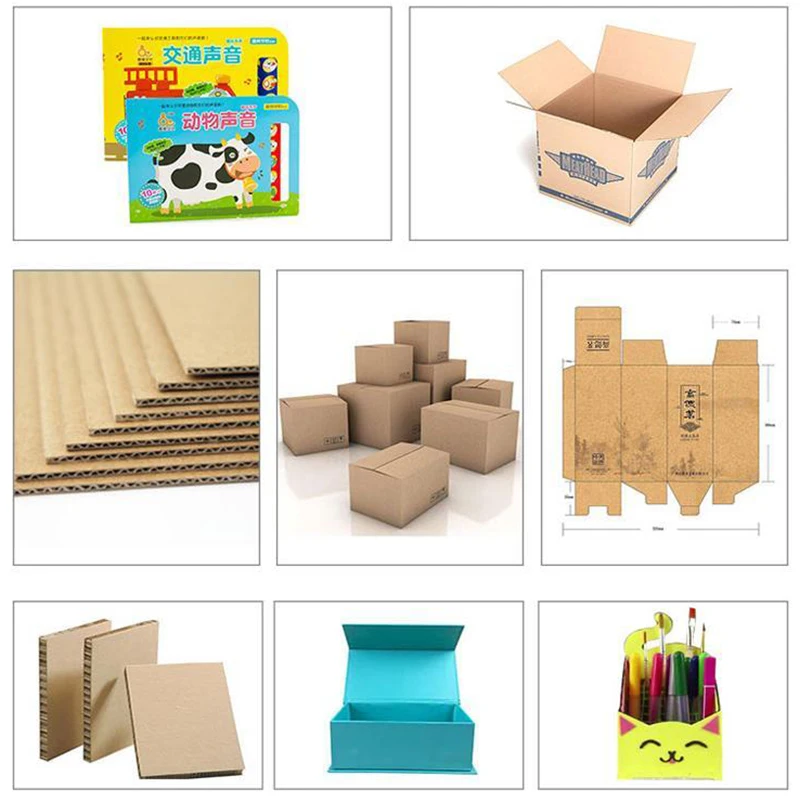
| Carton box sample making | Corrugated cardboard, honeycomb board, greyboard |
| Sticker and label contour cutting | Self-adhesive vinyl, printed film with registration marks |
| Signage and billboard production | PVC foam board, acrylic sheet, corrugated plastic |
| Flexible material conversion | Leather, PU, PVC, foam, sponge composite, silicon rubber |
| Packaging prototyping | Folding carton stock, card stock, kraft paper |
| Textile and soft goods cutting | Clothing textiles, woven and non-woven fabrics |
Why Specifying Working Area Without Material Data Costs You Later
A cutting plotter chosen only on bed size often fails once real production material hits the table.
I remember a carton converter who sent us samples cut on his existing flatbed — every edge on the double-wall corrugated was crushed. His machine had the right footprint but the wrong tool head pressure for 6 mm flute. We ran his actual stock on our test floor, switched to an oscillating knife with higher downforce, and the crease lines came out clean. Without that material-first conversation before the order, he would have received a CNC knife cutting machine for sale that looked right on paper and failed on day one [NEED_CITE: flatbed cutting tool head selection by material density].
Matching Knife Method to Substrate Across the Range
This catalogue covers both knife and laser systems, so the first question is always which process suits the material. Oscillating knife handles corrugated, foam and composite sheets where a drag knife would crush the flute structure, while laser seals edges on synthetics and textiles. The RT-D2516 and RT-S2516 sit in the knife family, built for substrates up to 100 mm thick where mechanical cutting produces a cleaner edge than thermal methods.
Vacuum Zoning and the Small-Part Problem
A 1600 × 2500 mm bed is generous, but large format creates a specific problem: small nested parts lift off the table when the vacuum zone is too broad. The aluminum honeycomb table on these models is divided into independently controlled zones, and the 7.5 kW pump generates enough differential pressure to hold lightweight card stock and sticker film flat even at 800 mm/s translational speed. Correct zone selection during nesting is what separates a smooth production run from parts drifting into the knife path [NEED_CITE: vacuum table zoning principles for flatbed digital cutting].
Reading the Spec Sheet Against Your Actual Production Job
Translational velocity of 800–1200 mm/s and cutting speed of 200–800 mm/s describe two different motions — the first is rapid travel between cuts, the second is actual knife engagement with material. Thicker substrates like double-wall corrugated or high-density foam push cutting speed toward the lower end of that range. The Taiwan Delta servo motors and Hiwin linear rails maintain the ≤0.1 mm repeated positioning accuracy across the full working area, which matters when you are nesting dozens of carton blanks on one sheet and every millimetre of drift compounds across the run.
The Hidden Cost of Skipping the Sample Cut
Buyers sometimes treat sample cutting as a delay rather than a safeguard. A sticker producer once specified a CNC knife cutting machine for sale based on catalogue speed figures, but his printed registration marks were low contrast. The CCD camera could not track them reliably at production speed, so every contour cut drifted. Had he sent a roll of his actual printed stock for a sample test before order confirmation, the camera sensitivity and lighting angle would have been tuned in the factory, not debugged during installation on his floor [NEED_CITE: CCD contour recognition print mark quality requirements].
Why Buyers Source This Range From the Same Factory
Our in-house design team covers both knife and laser cutting technologies, so we recommend the method that fits the material rather than pushing one platform. Tool head and table configuration is specified per substrate and daily volume before the quotation is issued. Every unit ships with a factory test record on the buyer’s own material, voltage and plug type confirmed against the destination country, and control language set to the operator’s preference. Software compatibility with your existing nesting workflow — whether HP-GL, DXF or AI — is verified before production begins, not discovered after delivery.
Documentation & Verification
- Machine specification sheet listing tool head options, vacuum zone count and working area confirmed against your sheet format
- Electrical schematic with voltage and frequency matched to your facility before dispatch
- Sample cutting report run on your corrugated, sticker or foam material with edge quality photographs
- Software licence and file format compatibility note covering HP-GL, DXF, AI and your nesting workflow
- Packing photographs showing flatbed table, conveyor belt and vacuum pump secured for transit
- Spare parts list with felt, knife blades and vacuum seals itemised for reorder
Installation, Commissioning & Support
- 3450 × 2300 mm footprint requires level concrete floor with clearance for 1600 × 2500 mm sheet loading on both sides
- 9 kW rated power demands dedicated 380V circuit with confirmed 50 or 60 Hz frequency before wiring
- Machine ships fully assembled; vacuum pump and conveyor belt connected on site to reduce commissioning time
- First-run parameter setting includes vacuum zone mapping, knife depth calibration and servo tuning for your material
- Operator training covers tool head changeover, nesting software workflow and HP-GL file import procedures
- Wear-resistant composite fiber felt and Swiss vibrating knife blades supplied as initial spare parts kit
Before You Request a Quote
Send us your material type, maximum thickness, sheet dimensions and daily volume so we can recommend the correct knife configuration. Confirm your local voltage and frequency, preferred control language, and whether your existing design files use HP-GL, DXF or another format. If your work involves printed contour cutting, share a sample of your printed stock so we can verify CCD tracking performance before building your CNC knife cutting machine for sale.
Frequently Asked Questions
Q: How do I choose between oscillating knife and drag knife for my material?
A: Oscillating knife suits thick, compressible substrates like corrugated cardboard, foam and sponge composite where a drag knife would crush the material. Drag knife works on thin, flexible films and vinyl where a clean shear cut is sufficient. We run a sample cut on your actual stock to confirm the correct tool head before finalising the order.
Q: My sticker labels have printed registration marks — will the CCD camera track them?
A: CCD contour recognition depends on mark contrast, size and spacing relative to the camera field. Low-contrast prints or marks placed too close to the cut line can cause tracking drift at production speed. Send us a printed sample so we can test camera sensitivity and confirm reliable contour following before shipment.
Q: Will the vacuum table hold small nested parts without them lifting?
A: The aluminum honeycomb table is divided into independently controlled vacuum zones. For small parts, only the zones under active cutting are opened, concentrating suction where it is needed. We configure zone count and pump capacity based on your smallest nested part size during the specification stage.
Q: Can the nesting software import my existing DXF and AI design files?
A: The included professional carton nesting software supports HP-GL, DXF, AI and several other common formats. We verify compatibility with your specific file types and nesting workflow before order confirmation to avoid post-delivery software friction.
Complete Range Coverage — our flatbed digital cutting systems span oscillating knife, drag knife and laser methods, letting you match the process to your substrate rather than forcing one approach across every material.
Technical Specifications
| Parameter | Value |
|---|---|
| Product Type | CNC Flatbed Digital Cutting Plotter |
| Model | RT-D2516 / RT-S2516 |
| Working Area | 1600 × 2500 mm |
| Machine Overall Dimensions | 3450 × 2300 × 1250 mm |
| Rated Power | 9 kW |
| Voltage | 380V ±10% (50/60 Hz to be confirmed) |
| Control System | CNC with HP-GL compatible instruction format |
| Tool Head | Swiss imported vibrating knife (full-cut, half-cut, cursor location) |
| Translational Velocity | 800–1200 mm/s |
| Cutting Speed | 200–800 mm/s (varies by material) |
| Repeated Positioning Accuracy | ≤0.1 mm |
| Servo Motor & Driver | Taiwan Delta |
| Linear Guide | Taiwan Hiwin rail |
| Transmission | Digital servo, linear guide, synchronous belt, ball screw, rack |
| Vacuum Table | Aluminum alloy honeycomb, zoned adsorption, 7.5 kW pump |
| Conveyor Belt | Germany imported belt (auto-feeding equipped) |
| Safety Device | Infrared sensors, emergency stop |
| Machine Frame | Welded thick square seamless steel, heat-treated |
| Max Cutting Thickness | ≤100 mm (varies with material) |
| Software | Professional carton nesting software, HP-GL compatible, multi-format |
| Language Options | English, Russian, Italian, Chinese; others customizable |
| Assembly State | Fully assembled (flat working table configuration) |
| Standards | CE declaration where applicable |
Application Suitability
| Application | Material or Output |
|---|---|
| Carton box sample making | Corrugated cardboard, honeycomb board, greyboard |
| Sticker and label contour cutting | Self-adhesive vinyl, printed film with registration marks |
| Signage and billboard production | PVC foam board, acrylic sheet, corrugated plastic |
| Flexible material conversion | Leather, PU, PVC, foam, sponge composite, silicon rubber |
| Packaging prototyping | Folding carton stock, card stock, kraft paper |
| Textile and soft goods cutting | Clothing textiles, woven and non-woven fabrics |
Why Specifying Working Area Without Material Data Costs You Later
A cutting plotter chosen only on bed size often fails once real production material hits the table.
I remember a carton converter who sent us samples cut on his existing flatbed — every edge on the double-wall corrugated was crushed. His machine had the right footprint but the wrong tool head pressure for 6 mm flute. We ran his actual stock on our test floor, switched to an oscillating knife with higher downforce, and the crease lines came out clean. Without that material-first conversation before the order, he would have received a CNC knife cutting machine for sale that looked right on paper and failed on day one [NEED_CITE: flatbed cutting tool head selection by material density].
Matching Knife Method to Substrate Across the Range
This catalogue covers both knife and laser systems, so the first question is always which process suits the material. Oscillating knife handles corrugated, foam and composite sheets where a drag knife would crush the flute structure, while laser seals edges on synthetics and textiles. The RT-D2516 and RT-S2516 sit in the knife family, built for substrates up to 100 mm thick where mechanical cutting produces a cleaner edge than thermal methods.
Vacuum Zoning and the Small-Part Problem
A 1600 × 2500 mm bed is generous, but large format creates a specific problem: small nested parts lift off the table when the vacuum zone is too broad. The aluminum honeycomb table on these models is divided into independently controlled zones, and the 7.5 kW pump generates enough differential pressure to hold lightweight card stock and sticker film flat even at 800 mm/s translational speed. Correct zone selection during nesting is what separates a smooth production run from parts drifting into the knife path [NEED_CITE: vacuum table zoning principles for flatbed digital cutting].
Reading the Spec Sheet Against Your Actual Production Job
Translational velocity of 800–1200 mm/s and cutting speed of 200–800 mm/s describe two different motions — the first is rapid travel between cuts, the second is actual knife engagement with material. Thicker substrates like double-wall corrugated or high-density foam push cutting speed toward the lower end of that range. The Taiwan Delta servo motors and Hiwin linear rails maintain the ≤0.1 mm repeated positioning accuracy across the full working area, which matters when you are nesting dozens of carton blanks on one sheet and every millimetre of drift compounds across the run.
The Hidden Cost of Skipping the Sample Cut
Buyers sometimes treat sample cutting as a delay rather than a safeguard. A sticker producer once specified a CNC knife cutting machine for sale based on catalogue speed figures, but his printed registration marks were low contrast. The CCD camera could not track them reliably at production speed, so every contour cut drifted. Had he sent a roll of his actual printed stock for a sample test before order confirmation, the camera sensitivity and lighting angle would have been tuned in the factory, not debugged during installation on his floor [NEED_CITE: CCD contour recognition print mark quality requirements].
Why Buyers Source This Range From the Same Factory
Our in-house design team covers both knife and laser cutting technologies, so we recommend the method that fits the material rather than pushing one platform. Tool head and table configuration is specified per substrate and daily volume before the quotation is issued. Every unit ships with a factory test record on the buyer’s own material, voltage and plug type confirmed against the destination country, and control language set to the operator’s preference. Software compatibility with your existing nesting workflow — whether HP-GL, DXF or AI — is verified before production begins, not discovered after delivery.
Documentation & Verification
- Machine specification sheet listing tool head options, vacuum zone count and working area confirmed against your sheet format
- Electrical schematic with voltage and frequency matched to your facility before dispatch
- Sample cutting report run on your corrugated, sticker or foam material with edge quality photographs
- Software licence and file format compatibility note covering HP-GL, DXF, AI and your nesting workflow
- Packing photographs showing flatbed table, conveyor belt and vacuum pump secured for transit
- Spare parts list with felt, knife blades and vacuum seals itemised for reorder
Installation, Commissioning & Support
- 3450 × 2300 mm footprint requires level concrete floor with clearance for 1600 × 2500 mm sheet loading on both sides
- 9 kW rated power demands dedicated 380V circuit with confirmed 50 or 60 Hz frequency before wiring
- Machine ships fully assembled; vacuum pump and conveyor belt connected on site to reduce commissioning time
- First-run parameter setting includes vacuum zone mapping, knife depth calibration and servo tuning for your material
- Operator training covers tool head changeover, nesting software workflow and HP-GL file import procedures
- Wear-resistant composite fiber felt and Swiss vibrating knife blades supplied as initial spare parts kit
Before You Request a Quote
Send us your material type, maximum thickness, sheet dimensions and daily volume so we can recommend the correct knife configuration. Confirm your local voltage and frequency, preferred control language, and whether your existing design files use HP-GL, DXF or another format. If your work involves printed contour cutting, share a sample of your printed stock so we can verify CCD tracking performance before building your CNC knife cutting machine for sale.
Frequently Asked Questions
Q: How do I choose between oscillating knife and drag knife for my material?
A: Oscillating knife suits thick, compressible substrates like corrugated cardboard, foam and sponge composite where a drag knife would crush the material. Drag knife works on thin, flexible films and vinyl where a clean shear cut is sufficient. We run a sample cut on your actual stock to confirm the correct tool head before finalising the order.
Q: My sticker labels have printed registration marks — will the CCD camera track them?
A: CCD contour recognition depends on mark contrast, size and spacing relative to the camera field. Low-contrast prints or marks placed too close to the cut line can cause tracking drift at production speed. Send us a printed sample so we can test camera sensitivity and confirm reliable contour following before shipment.
Q: Will the vacuum table hold small nested parts without them lifting?
A: The aluminum honeycomb table is divided into independently controlled vacuum zones. For small parts, only the zones under active cutting are opened, concentrating suction where it is needed. We configure zone count and pump capacity based on your smallest nested part size during the specification stage.
Q: Can the nesting software import my existing DXF and AI design files?
A: The included professional carton nesting software supports HP-GL, DXF, AI and several other common formats. We verify compatibility with your specific file types and nesting workflow before order confirmation to avoid post-delivery software friction.
商品评价
There are no reviews yet.