

Fast Delivery
Quick, reliable shipping to any location.

Free & easy returns
Return this item by mail or in store within 90 days for a full refund.
Interchangeable Cutting Technologies — Our design team engineers both oscillating knife and laser systems in the same facility, allowing buyers to match the cutting method to their specific textile or composite material rather than forcing one approach across all applications.
Technical Specifications
| Parameter | Value |
|---|---|
| Model | 1625 |
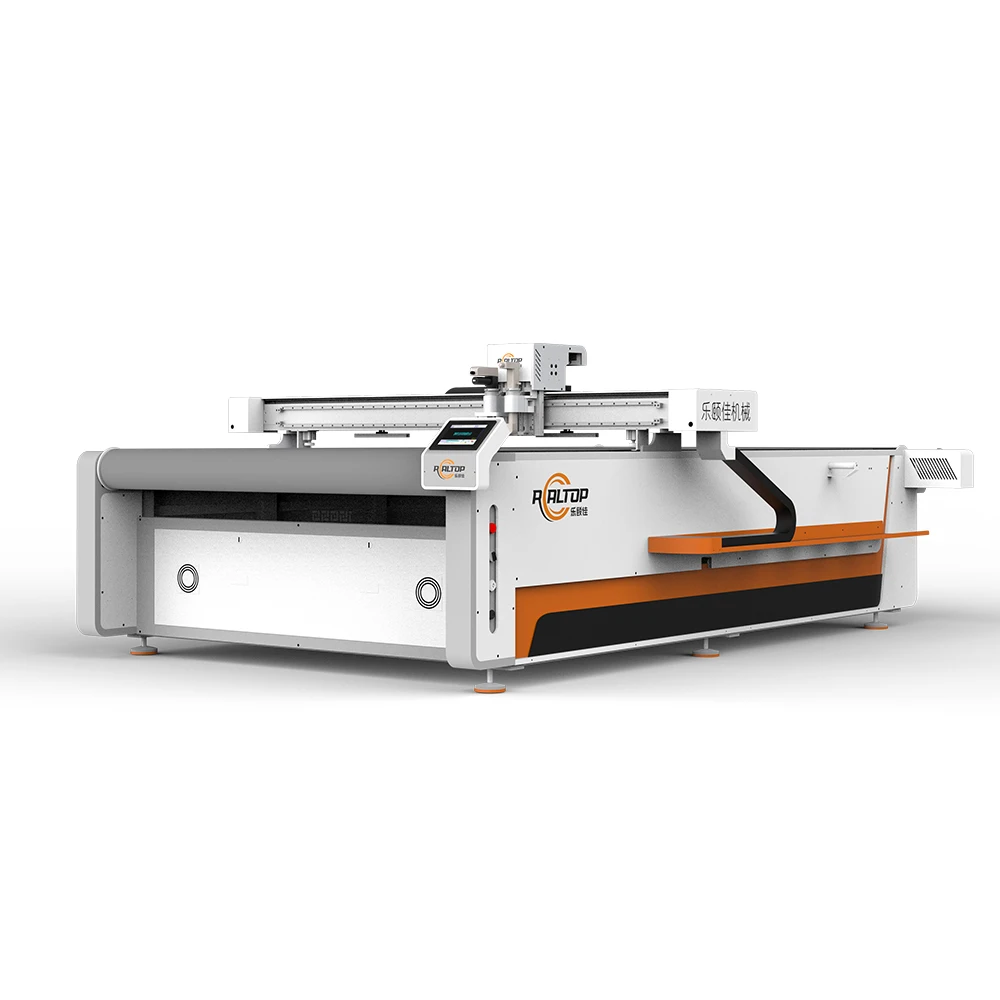
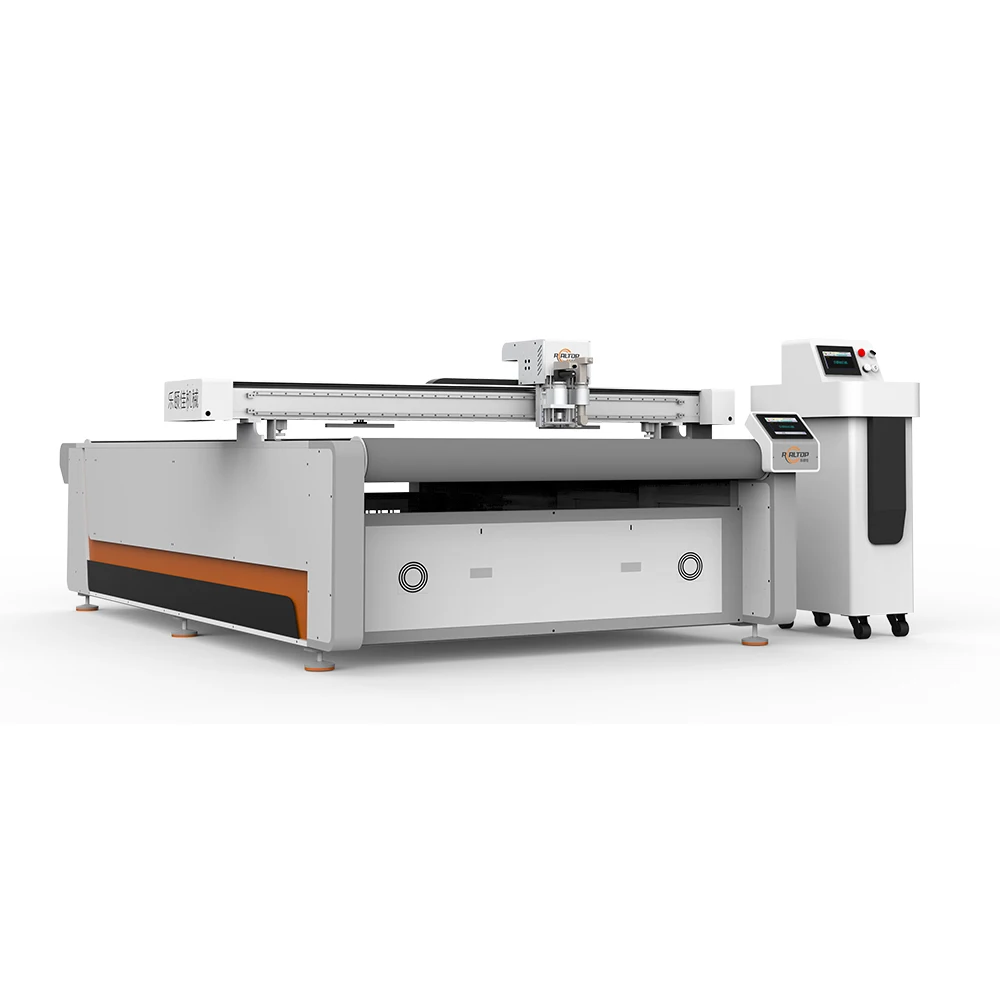
| Product Type | CNC Oscillating Knife Cutting Machine |
| Working Area | 1600×2500 mm |
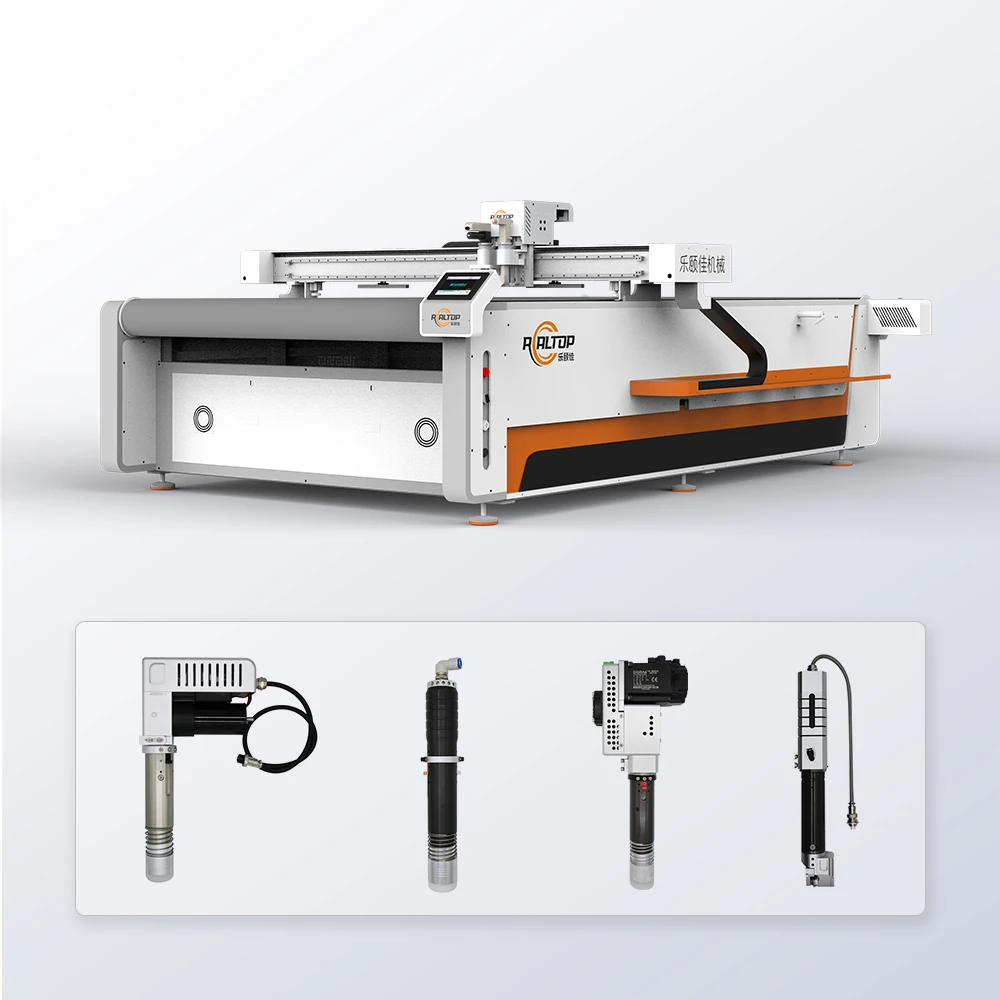
| Tool Head Options | Oscillating knife, Driven rotary knife, Creasing wheel, Kiss cutting tool, Pneumatic knife, Milling tool, V-groove knife |
| Cutting Speed | 0–2000 mm/s |
| Cutting Thickness | ≤30 mm (basis not stated in source) |
| Cutting Accuracy | ±0.1 mm |
| Vacuum Table | Aluminum bellows vacuum table |
| Vacuum Pump | 9 kW |
| Control System | PLC control panel |
| Servo Motor Options | Panasonic, Delta, Dorna (source value — verify against manufacturer catalog) |
| Voltage Options | 110V, 220V, 380V (frequency not specified in source) |
| File Format Compatibility | PLT, DXF, AI, PDF |
| Safety Features | Infrared sensor device, Emergency stop device |
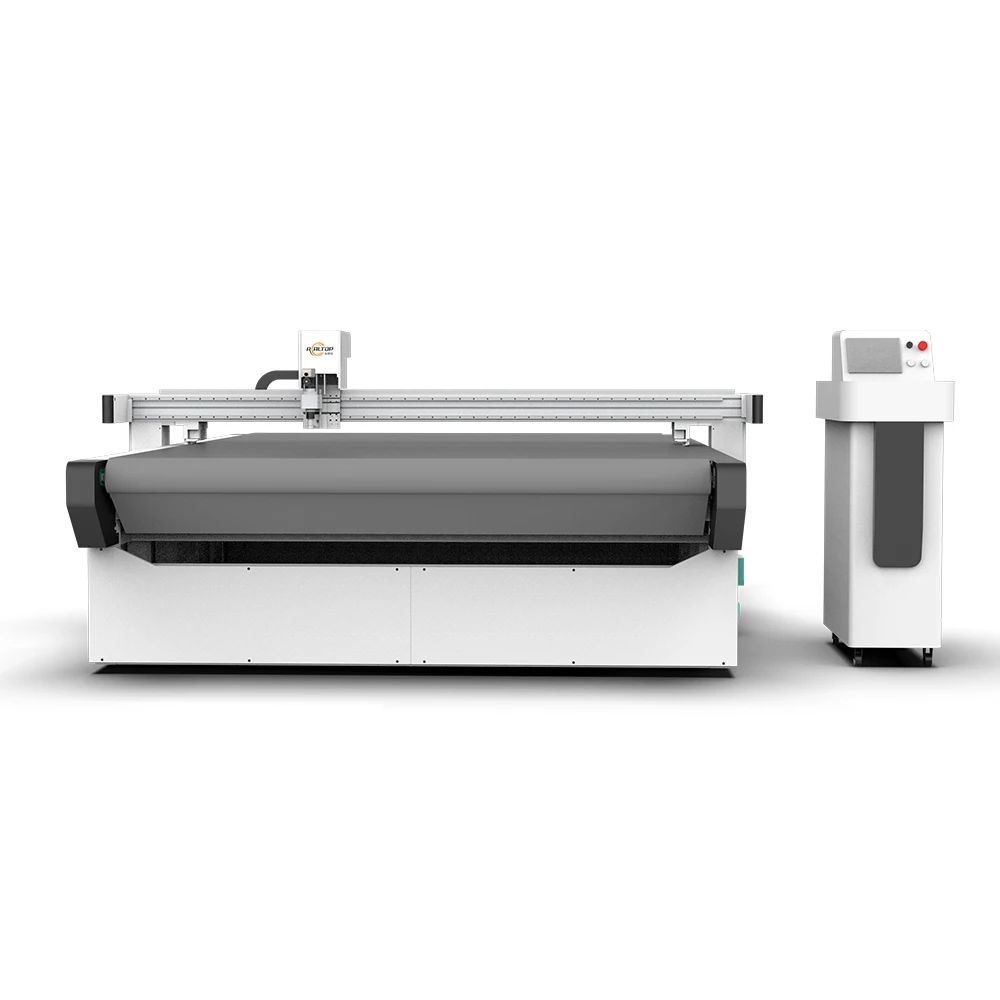
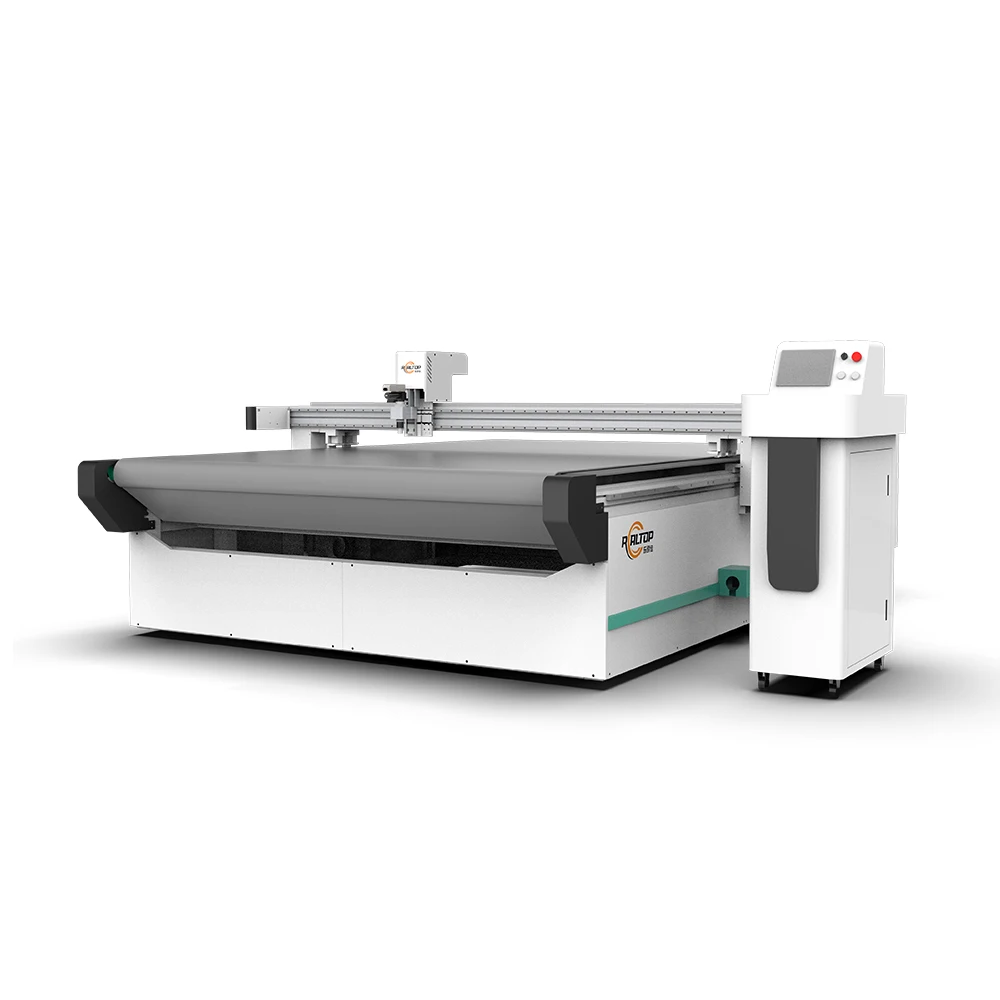
| Machine Dimensions | 3300×2100×1350 mm |
| Software | Dedicated packaging box structure design software; optional display languages |
| Language Options | English, Russian, Italian, Chinese; special languages customizable |
Application Suitability
| Application | Material or Output |
|---|---|
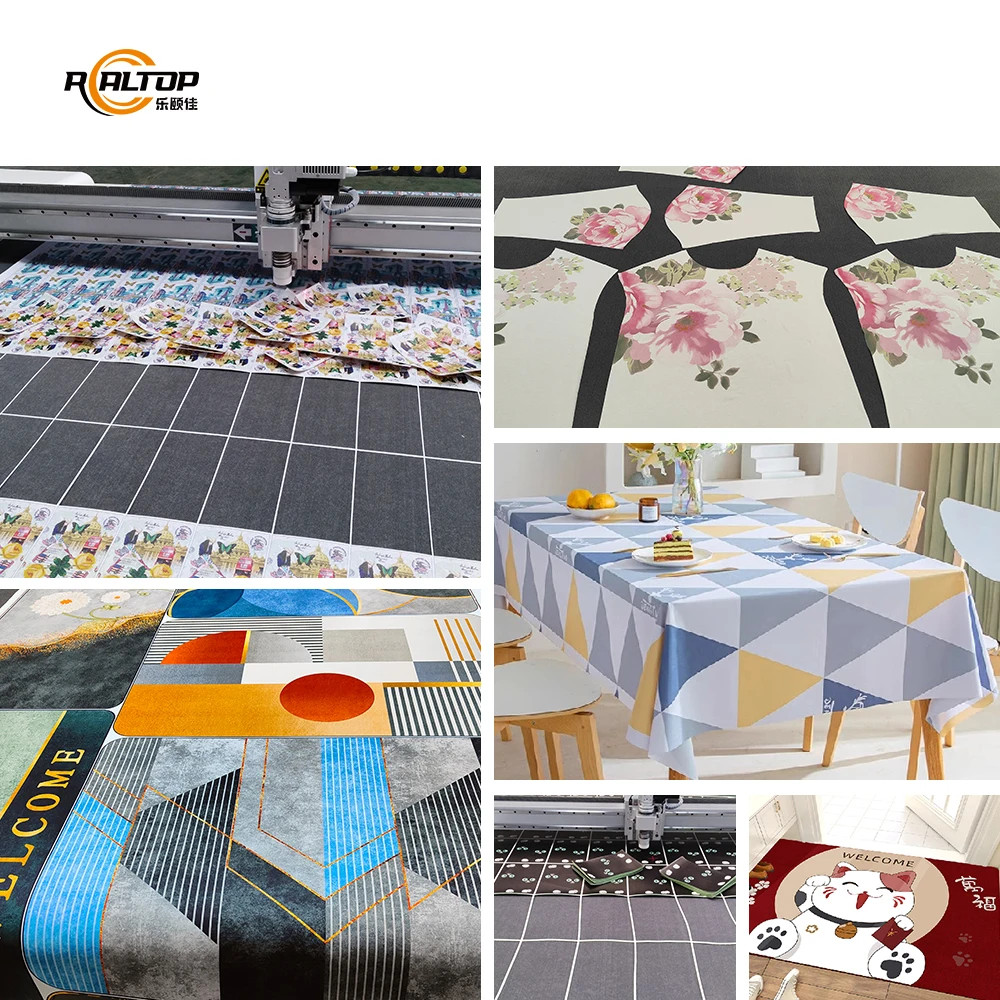
| Apparel Manufacturing | Suits, knitwear, lace, complex pattern-matching fabrics |
| Automotive Interiors | Seat fabrics, carpets, PVC floor mats |
| Home Textiles | Sofa fabrics, curtains, rugs, multi-layer fabric cutting |
| Composite Processing | Carbon fiber prepreg, aramid, specialty technical textiles |
| PP Nonwoven Conversion | Filter media, medical disposables, agricultural covers, geotextiles |
| Signage and Packaging | Corrugated board, carton samples, PVC display boards |
Why Material Composition Matters More Than Working Area for CNC Cutting Equipment for Sale
Fiber blend, coating chemistry, and filler content dictate blade wear and edge quality far more than sheet dimensions ever will.
Early in my career on the service bench in the Pearl River Delta, a client ordered an oscillating knife cutter specified purely by its 1600×2500 mm bed size. The sample cuts looked clean on standard PP nonwoven. But once the machine hit their floor running recycled-blend stock with calcium carbonate filler, the blade dulled within days and the entire roll edge began to fuzz. That single oversight nearly triggered a full machine return. When evaluating any CNC oscillating knife cutting machine manufacturer, confirm the exact material formulation before locking in the tool head [NEED_CITE: material abrasiveness testing protocols for nonwoven composites].
Matching the Tool Head to PP Nonwoven Density
The 1625 platform offers seven interchangeable tool heads, but PP nonwoven cutting demands a specific pairing. Oscillating knife heads handle single-ply to mid-weight multi-layer stacks cleanly, while a driven rotary knife suits continuous high-speed slitting of lighter gram-weight rolls. Selecting the wrong head produces either crushed fiber edges or excessive blade drag that shifts the web off-track. Our configuration process starts with your actual roll spec, not a catalog generalization, which is what separates a reliable CNC cutting equipment for sale offering from a costly mismatch.
Vacuum Table Zoning and Small-Part Hold-Down
The aluminum bellows vacuum table on this unit provides a flat, sealed surface, but hold-down effectiveness depends on how the zones map to your nesting layout. When cutting small gasket or filter components from nonwoven sheets, insufficient zoning allows parts to lift mid-cut, ruining both the piece and the blade path [NEED_CITE: vacuum zoning strategies for small-part CNC cutting]. We confirm zone configuration against your typical nest file before the order is finalized.
Reading the Specs That Actually Affect Your Output
Cutting speed listed at 0–2000 mm/s represents the maximum travel rate of the gantry, not the effective cutting speed through your specific material. For dense needle-punched PP nonwoven, the practical feed rate will be considerably lower to maintain the ±0.1 mm accuracy spec. The 9 kW vacuum pump rating must be evaluated against the table’s active zone area — a fully open table pulling through all zones demands more suction than a zoned setup cutting small parts. Voltage configurability across 110V, 220V, and 380V means the electrical infrastructure at your facility must be confirmed before production begins, not after the crate arrives. The PLC control panel supports multiple display languages, reducing operator error in multilingual shop floors.
The Hidden Cost of Skipping a Sample Cut
I have watched clients commit to a full production order based on a data sheet alone, only to discover their coated nonwoven delaminates under oscillating knife pressure but cuts cleanly with a pneumatic tool. The reconfiguration delay, blade inventory mismatch, and lost production days compound quickly. Requesting a sample cut on your actual PP nonwoven roll — with your specified gram weight and coating — eliminates this class of failure entirely before the CNC cutting equipment for sale leaves the factory [NEED_CITE: sample material testing best practices in industrial procurement].
Why This Platform Suits Diverse Buyer Profiles
The in-house design team covers both knife and laser cutting technologies under one roof, so if your product mix shifts from PP nonwoven to acrylic signage, the conversation stays within one engineering group rather than bouncing between unrelated suppliers. Tool head and table configurations are specified per your material sample, not pulled from a standard menu. CCD camera positioning is available for printed contour work, and software compatibility with DXF, PLT, AI, and PDF formats is verified against your existing nesting workflow before order confirmation. Voltage, plug type, and control language are locked down during the specification phase, removing the most common export-market complaints.
Documentation & Verification
- Machine specification sheet listing confirmed tool head and vacuum table zone layout for your PP nonwoven grade
- Electrical schematic with voltage and frequency matched to your facility’s supply standard
- Sample cutting report performed on your supplied material roll before order confirmation
- Software licence documentation with file format compatibility confirmed for DXF, PLT, AI, and PDF
- Factory test record documenting cutting accuracy and edge quality on your specified material
- Spare parts list identifying consumable blades, blade holders, and vacuum seals by part number
Installation, Commissioning & Support
- Floor space allocation based on 3300×2100 mm machine footprint plus operator access clearance on all sides
- Dedicated electrical circuit matching confirmed voltage option (110V, 220V, or 380V) with proper breaker rating for the 9 kW vacuum pump
- Machine arrives partially assembled; gantry and control panel require on-site mounting and alignment
- First-run commissioning includes vacuum seal verification across all aluminum bellows table zones and blade depth calibration
- Operator training covers PLC panel navigation, tool head changeover procedure, and nesting software workflow in your chosen language
- Consumable blade stock and vacuum seal spares recommended based on your material’s abrasiveness profile
Preparing Your Inquiry
To move from a general inquiry to a firm configuration, share your PP nonwoven specifications including gram weight, fiber composition, and any coating or filler content. Provide your typical sheet or roll width, daily cutting volume, and the nesting file format your design team currently uses. Confirming your facility’s voltage and frequency upfront, along with your preferred control language, lets us finalize the electrical and software build without late-stage revisions.
Frequently Asked Questions
Q: How do I decide between an oscillating knife and a rotary knife for my PP nonwoven application?
A: Oscillating knives handle thicker multi-layer stacks and produce clean edges on dense needle-punched fabrics. Rotary knives suit continuous high-speed slitting of lighter single-ply rolls. The choice depends on your material gram weight, layer count, and whether your workflow involves sheet cutting or continuous web processing. We run sample cuts on both heads using your actual material to confirm the right pairing.
Q: What is the real cutting thickness this machine can handle on nonwoven materials?
A: The spec sheet lists up to 30 mm, but that figure depends entirely on material density and compression behavior. A loosely bonded batting compresses differently from a dense needle-punched geotextile. We verify achievable thickness on your specific PP nonwoven during the sample cutting stage and document the result before you commit to the order.
Q: Can the software import my existing nesting files without format conversion?
A: The system accepts PLT, DXF, AI, and PDF files directly. Before order confirmation, we test your actual production files through the software to verify layer recognition, cut path interpretation, and kerf compensation settings. Any incompatibility is resolved at this stage, not after the machine reaches your floor.
Q: What voltage and language options are available for export markets?
A: The machine is configurable for 110V, 220V, or 380V supplies, with frequency to be confirmed against your local grid standard. The PLC control panel supports English, Russian, Italian, and Chinese as standard, with additional languages available on request. We lock both parameters during the specification phase to avoid field modifications.
Q: Can I send my own material for a sample cut before placing an order?
A: Yes. Send a representative sample of your PP nonwoven roll, including any coating or recycled-blend content. We run it on the configured tool head and vacuum table setup, then provide a sample cutting report documenting edge quality, achievable speed, and blade wear observations so you can evaluate the result before committing.
Interchangeable Cutting Technologies — Our design team engineers both oscillating knife and laser systems in the same facility, allowing buyers to match the cutting method to their specific textile or composite material rather than forcing one approach across all applications.
Technical Specifications
| Parameter | Value |
|---|---|
| Model | 1625 |
| Product Type | CNC Oscillating Knife Cutting Machine |
| Working Area | 1600×2500 mm |
| Tool Head Options | Oscillating knife, Driven rotary knife, Creasing wheel, Kiss cutting tool, Pneumatic knife, Milling tool, V-groove knife |
| Cutting Speed | 0–2000 mm/s |
| Cutting Thickness | ≤30 mm (basis not stated in source) |
| Cutting Accuracy | ±0.1 mm |
| Vacuum Table | Aluminum bellows vacuum table |
| Vacuum Pump | 9 kW |
| Control System | PLC control panel |
| Servo Motor Options | Panasonic, Delta, Dorna (source value — verify against manufacturer catalog) |
| Voltage Options | 110V, 220V, 380V (frequency not specified in source) |
| File Format Compatibility | PLT, DXF, AI, PDF |
| Safety Features | Infrared sensor device, Emergency stop device |
| Machine Dimensions | 3300×2100×1350 mm |
| Software | Dedicated packaging box structure design software; optional display languages |
| Language Options | English, Russian, Italian, Chinese; special languages customizable |
Application Suitability
| Application | Material or Output |
|---|---|
| Apparel Manufacturing | Suits, knitwear, lace, complex pattern-matching fabrics |
| Automotive Interiors | Seat fabrics, carpets, PVC floor mats |
| Home Textiles | Sofa fabrics, curtains, rugs, multi-layer fabric cutting |
| Composite Processing | Carbon fiber prepreg, aramid, specialty technical textiles |
| PP Nonwoven Conversion | Filter media, medical disposables, agricultural covers, geotextiles |
| Signage and Packaging | Corrugated board, carton samples, PVC display boards |
Why Material Composition Matters More Than Working Area for CNC Cutting Equipment for Sale
Fiber blend, coating chemistry, and filler content dictate blade wear and edge quality far more than sheet dimensions ever will.
Early in my career on the service bench in the Pearl River Delta, a client ordered an oscillating knife cutter specified purely by its 1600×2500 mm bed size. The sample cuts looked clean on standard PP nonwoven. But once the machine hit their floor running recycled-blend stock with calcium carbonate filler, the blade dulled within days and the entire roll edge began to fuzz. That single oversight nearly triggered a full machine return. When evaluating any CNC oscillating knife cutting machine manufacturer, confirm the exact material formulation before locking in the tool head [NEED_CITE: material abrasiveness testing protocols for nonwoven composites].
Matching the Tool Head to PP Nonwoven Density
The 1625 platform offers seven interchangeable tool heads, but PP nonwoven cutting demands a specific pairing. Oscillating knife heads handle single-ply to mid-weight multi-layer stacks cleanly, while a driven rotary knife suits continuous high-speed slitting of lighter gram-weight rolls. Selecting the wrong head produces either crushed fiber edges or excessive blade drag that shifts the web off-track. Our configuration process starts with your actual roll spec, not a catalog generalization, which is what separates a reliable CNC cutting equipment for sale offering from a costly mismatch.
Vacuum Table Zoning and Small-Part Hold-Down
The aluminum bellows vacuum table on this unit provides a flat, sealed surface, but hold-down effectiveness depends on how the zones map to your nesting layout. When cutting small gasket or filter components from nonwoven sheets, insufficient zoning allows parts to lift mid-cut, ruining both the piece and the blade path [NEED_CITE: vacuum zoning strategies for small-part CNC cutting]. We confirm zone configuration against your typical nest file before the order is finalized.
Reading the Specs That Actually Affect Your Output
Cutting speed listed at 0–2000 mm/s represents the maximum travel rate of the gantry, not the effective cutting speed through your specific material. For dense needle-punched PP nonwoven, the practical feed rate will be considerably lower to maintain the ±0.1 mm accuracy spec. The 9 kW vacuum pump rating must be evaluated against the table’s active zone area — a fully open table pulling through all zones demands more suction than a zoned setup cutting small parts. Voltage configurability across 110V, 220V, and 380V means the electrical infrastructure at your facility must be confirmed before production begins, not after the crate arrives. The PLC control panel supports multiple display languages, reducing operator error in multilingual shop floors.
The Hidden Cost of Skipping a Sample Cut
I have watched clients commit to a full production order based on a data sheet alone, only to discover their coated nonwoven delaminates under oscillating knife pressure but cuts cleanly with a pneumatic tool. The reconfiguration delay, blade inventory mismatch, and lost production days compound quickly. Requesting a sample cut on your actual PP nonwoven roll — with your specified gram weight and coating — eliminates this class of failure entirely before the CNC cutting equipment for sale leaves the factory [NEED_CITE: sample material testing best practices in industrial procurement].
Why This Platform Suits Diverse Buyer Profiles
The in-house design team covers both knife and laser cutting technologies under one roof, so if your product mix shifts from PP nonwoven to acrylic signage, the conversation stays within one engineering group rather than bouncing between unrelated suppliers. Tool head and table configurations are specified per your material sample, not pulled from a standard menu. CCD camera positioning is available for printed contour work, and software compatibility with DXF, PLT, AI, and PDF formats is verified against your existing nesting workflow before order confirmation. Voltage, plug type, and control language are locked down during the specification phase, removing the most common export-market complaints.
Documentation & Verification
- Machine specification sheet listing confirmed tool head and vacuum table zone layout for your PP nonwoven grade
- Electrical schematic with voltage and frequency matched to your facility’s supply standard
- Sample cutting report performed on your supplied material roll before order confirmation
- Software licence documentation with file format compatibility confirmed for DXF, PLT, AI, and PDF
- Factory test record documenting cutting accuracy and edge quality on your specified material
- Spare parts list identifying consumable blades, blade holders, and vacuum seals by part number
Installation, Commissioning & Support
- Floor space allocation based on 3300×2100 mm machine footprint plus operator access clearance on all sides
- Dedicated electrical circuit matching confirmed voltage option (110V, 220V, or 380V) with proper breaker rating for the 9 kW vacuum pump
- Machine arrives partially assembled; gantry and control panel require on-site mounting and alignment
- First-run commissioning includes vacuum seal verification across all aluminum bellows table zones and blade depth calibration
- Operator training covers PLC panel navigation, tool head changeover procedure, and nesting software workflow in your chosen language
- Consumable blade stock and vacuum seal spares recommended based on your material’s abrasiveness profile
Preparing Your Inquiry
To move from a general inquiry to a firm configuration, share your PP nonwoven specifications including gram weight, fiber composition, and any coating or filler content. Provide your typical sheet or roll width, daily cutting volume, and the nesting file format your design team currently uses. Confirming your facility’s voltage and frequency upfront, along with your preferred control language, lets us finalize the electrical and software build without late-stage revisions.
Frequently Asked Questions
Q: How do I decide between an oscillating knife and a rotary knife for my PP nonwoven application?
A: Oscillating knives handle thicker multi-layer stacks and produce clean edges on dense needle-punched fabrics. Rotary knives suit continuous high-speed slitting of lighter single-ply rolls. The choice depends on your material gram weight, layer count, and whether your workflow involves sheet cutting or continuous web processing. We run sample cuts on both heads using your actual material to confirm the right pairing.
Q: What is the real cutting thickness this machine can handle on nonwoven materials?
A: The spec sheet lists up to 30 mm, but that figure depends entirely on material density and compression behavior. A loosely bonded batting compresses differently from a dense needle-punched geotextile. We verify achievable thickness on your specific PP nonwoven during the sample cutting stage and document the result before you commit to the order.
Q: Can the software import my existing nesting files without format conversion?
A: The system accepts PLT, DXF, AI, and PDF files directly. Before order confirmation, we test your actual production files through the software to verify layer recognition, cut path interpretation, and kerf compensation settings. Any incompatibility is resolved at this stage, not after the machine reaches your floor.
Q: What voltage and language options are available for export markets?
A: The machine is configurable for 110V, 220V, or 380V supplies, with frequency to be confirmed against your local grid standard. The PLC control panel supports English, Russian, Italian, and Chinese as standard, with additional languages available on request. We lock both parameters during the specification phase to avoid field modifications.
Q: Can I send my own material for a sample cut before placing an order?
A: Yes. Send a representative sample of your PP nonwoven roll, including any coating or recycled-blend content. We run it on the configured tool head and vacuum table setup, then provide a sample cutting report documenting edge quality, achievable speed, and blade wear observations so you can evaluate the result before committing.










商品评价
There are no reviews yet.