



Fast Delivery
Quick, reliable shipping to any location.

Free & easy returns
Return this item by mail or in store within 90 days for a full refund.
Material-Matched Configuration — Every tool head, vacuum zone and CCD option is tested on your actual gasket stock before the configuration sheet is finalized, not guessed from a brochure table.
Technical Specifications
| Parameter | Value |
|---|---|
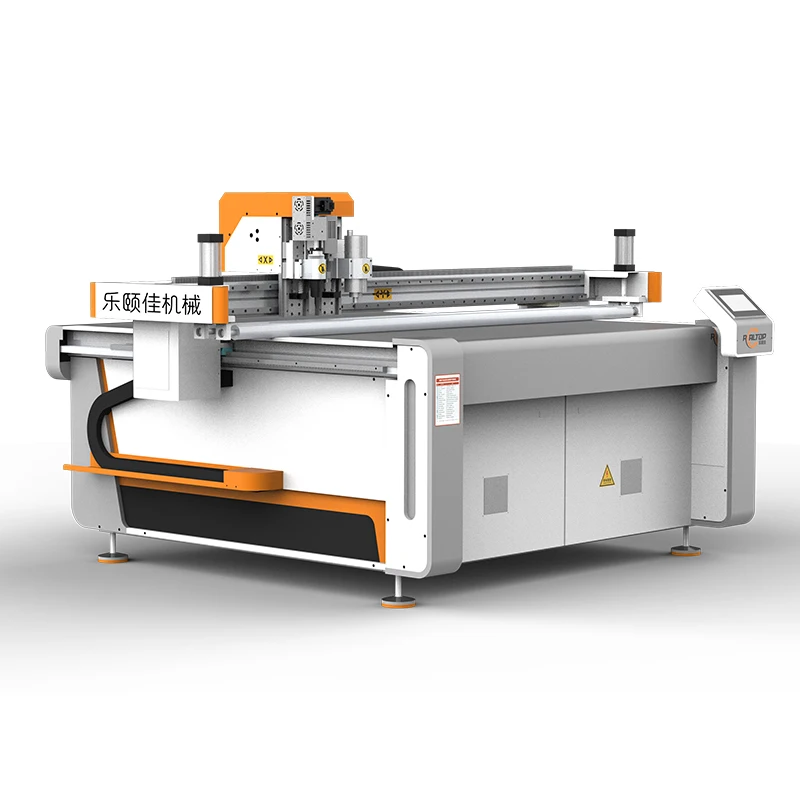
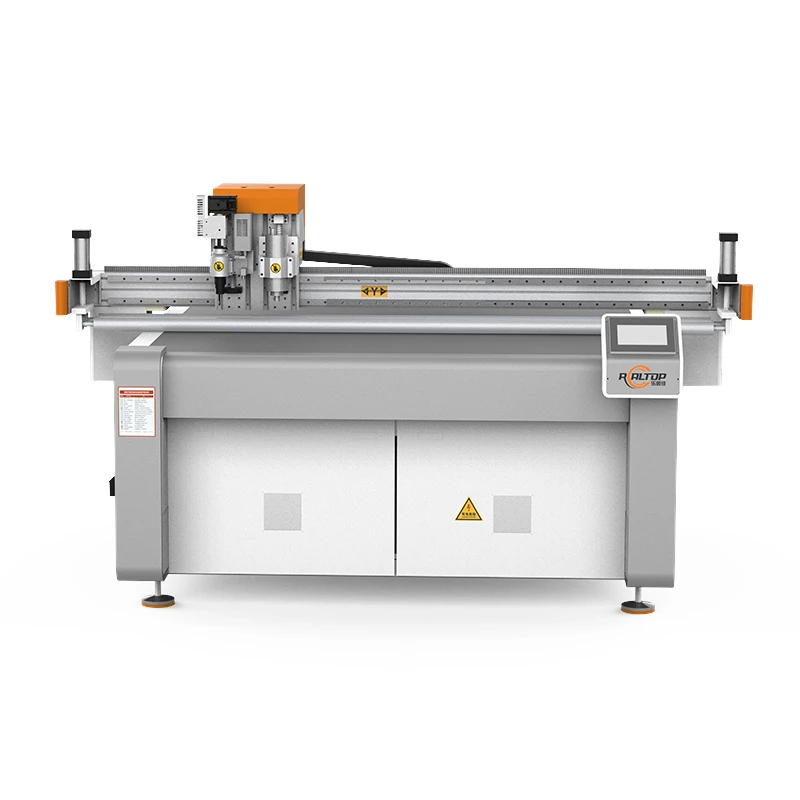
| Model | RT-D2516/RT-S2516 |
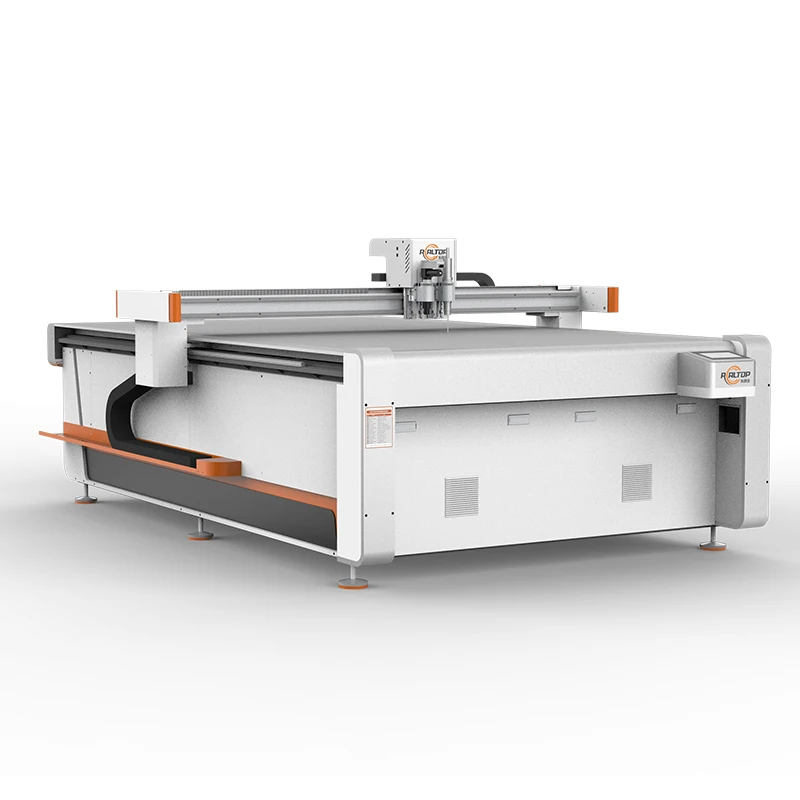
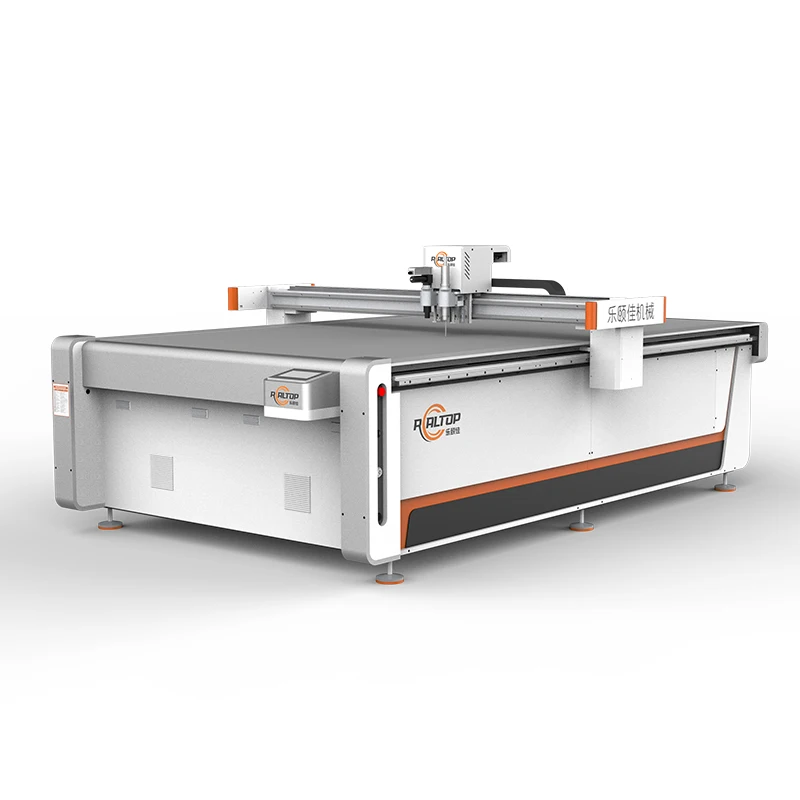
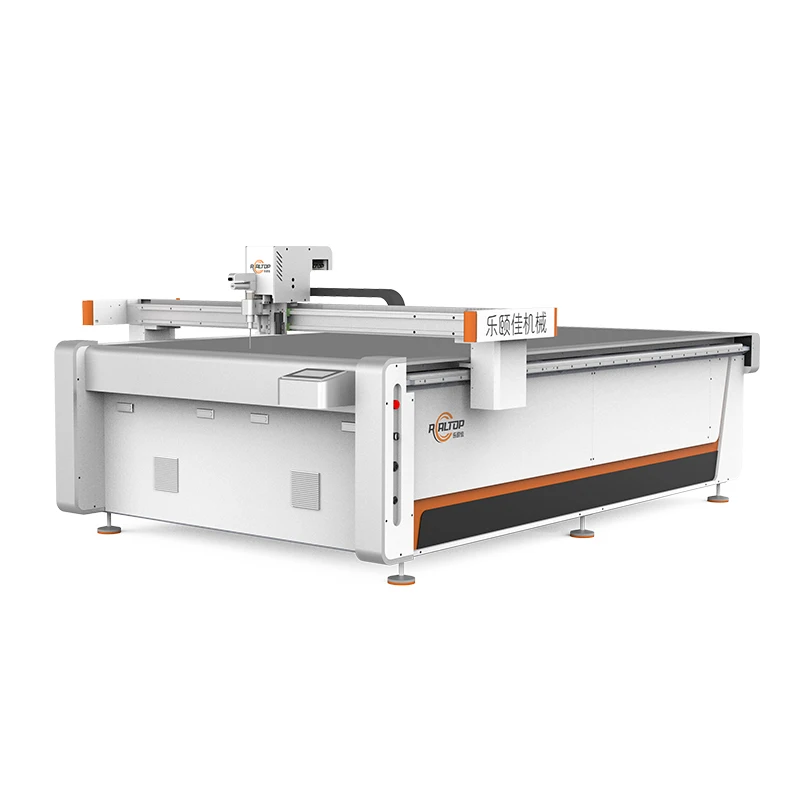
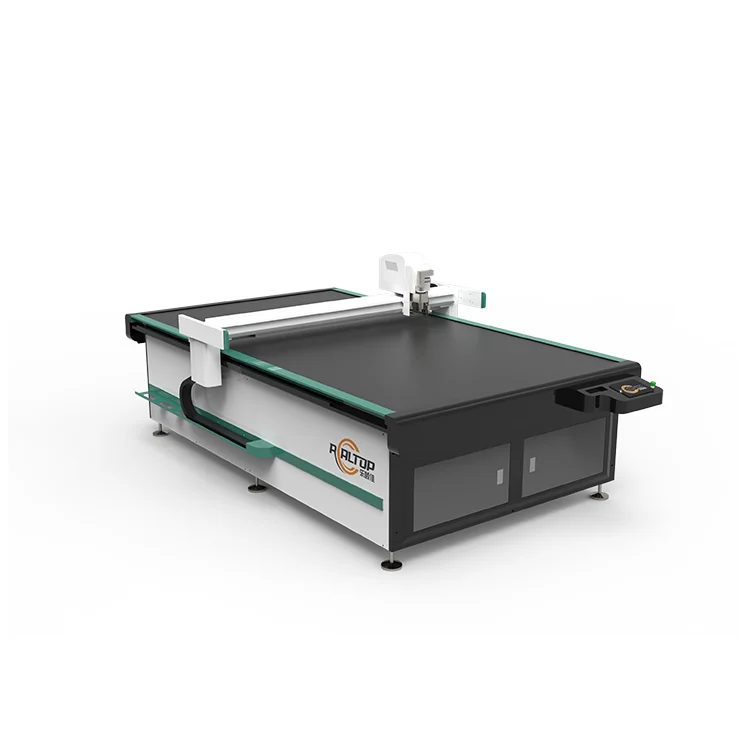
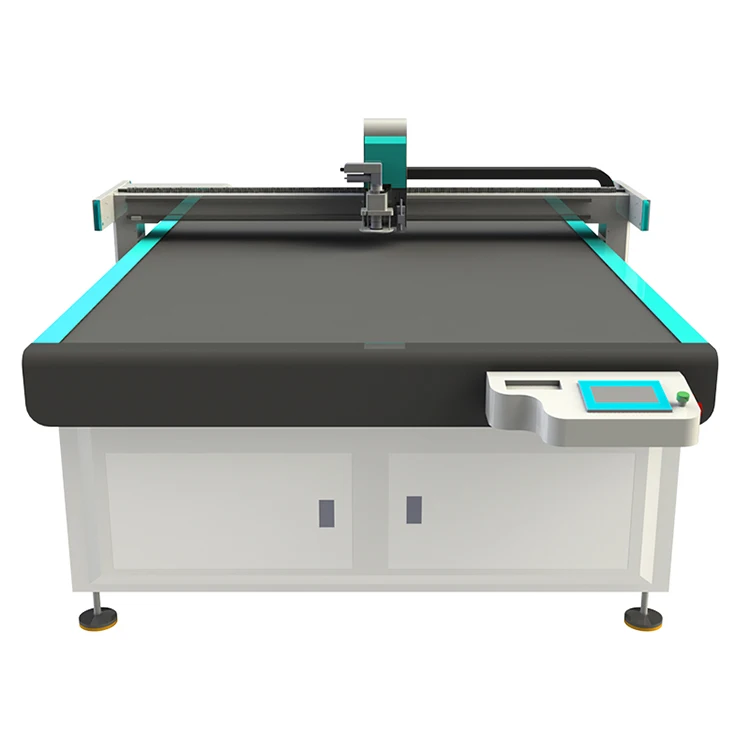
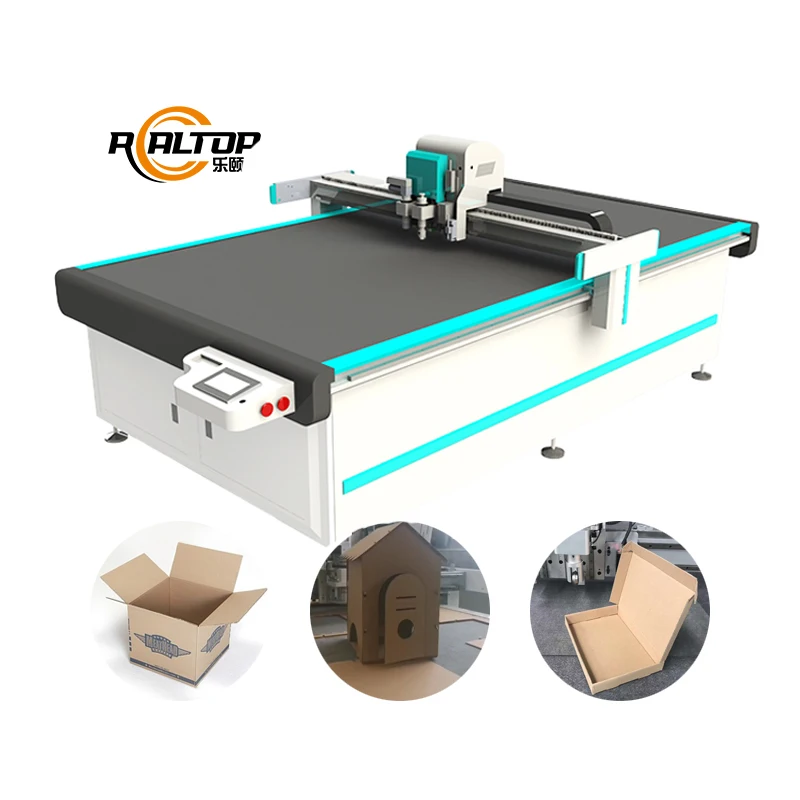
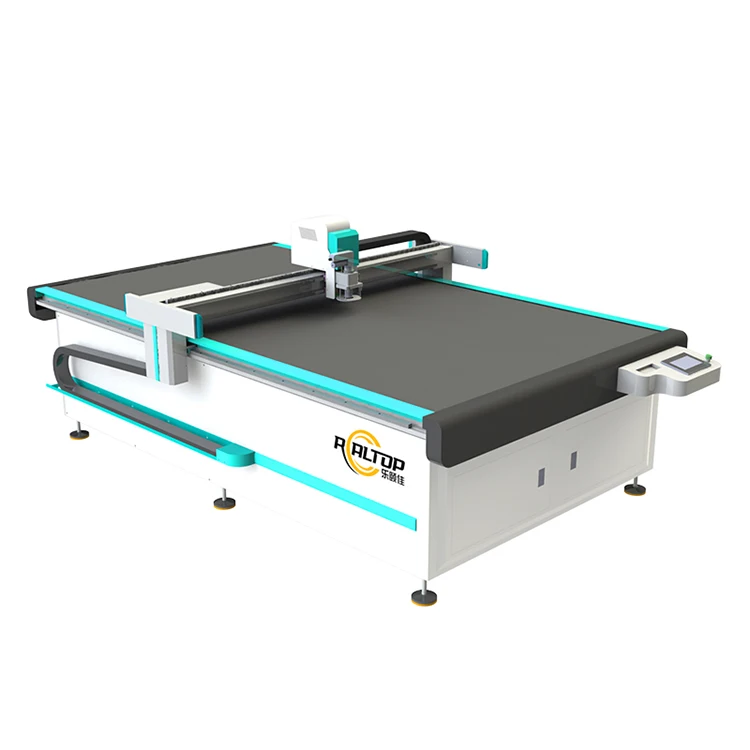
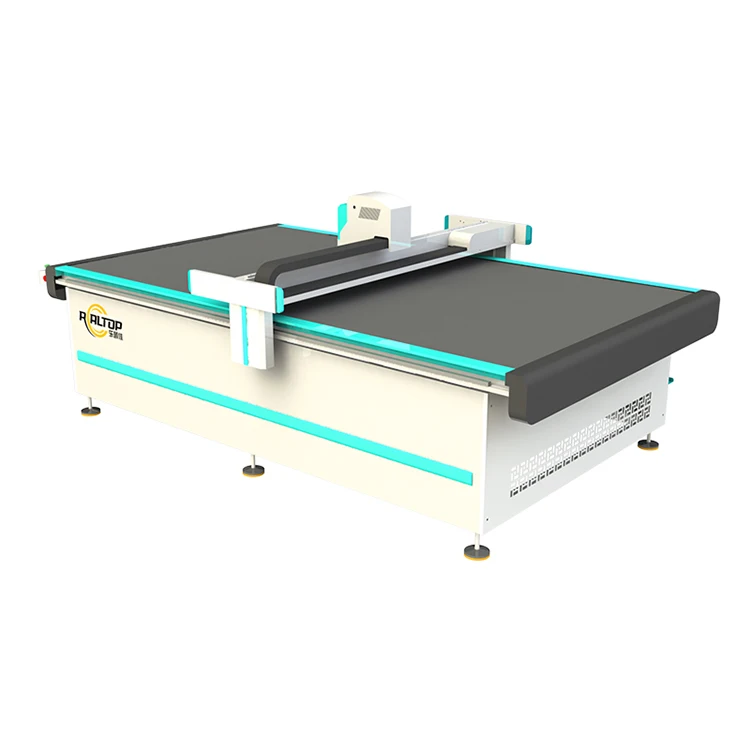
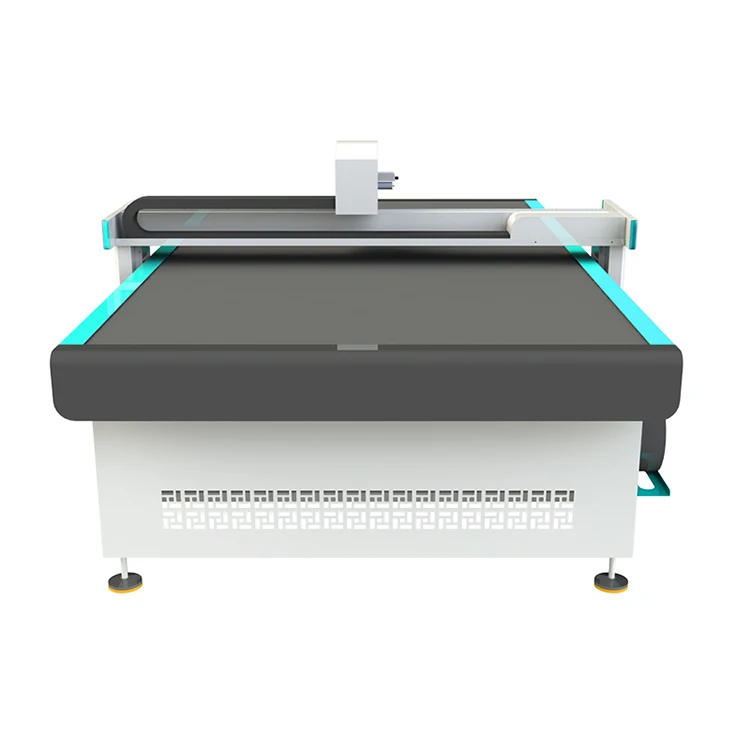
| Product Type | CNC Oscillating Knife Gasket Cutting Machine |
| Working Area | 1600 × 2500 mm |
| Machine Size | 3450 × 2300 × 1250 mm |
| Rated Power | 9 kW |
| Working Table | Flat vacuum adsorption table, magnesium-aluminum alloy |
| Vacuum Pump | 7.5 kW, integrated aviation aluminum shell with built-in silencer |
| Translational Velocity | 800–1200 mm/s |
| Max Cutting Thickness | ≤100 mm (varies with material) |
| Repeated Accuracy | ≤0.1 mm |
| Transmission System | Digital servo motor, linear guide, synchronous belt, ball screw |
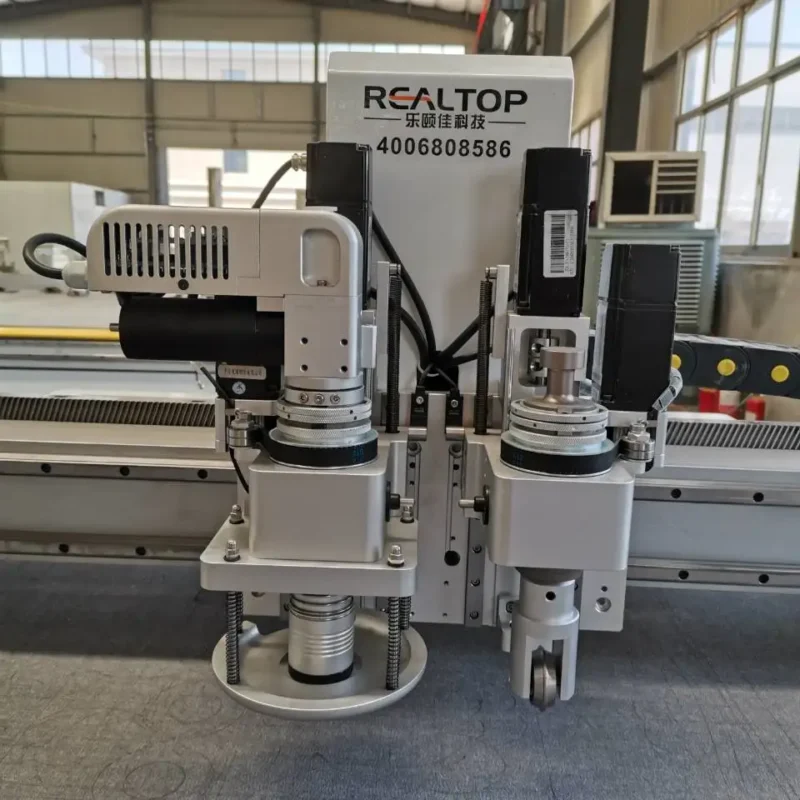
| Tool Head Options | Oscillating knife, pneumatic knife, high-power vibrating knife, circular knife, V-cutting knife, drag knife, creasing wheel, dotted line knife, punching, brush |
| Visual Positioning | Small CCD camera mark point, panoramic camera recognition, projection positioning |
| Instruction System | HP-GL compatible format |
| Voltage | 380V ± 10% |
| Frame | Thick-walled seamless steel, high-temperature tempered, CNC machined |
| Software Language | English, Russian, Italian, Chinese (custom languages available) |
Application Suitability
| Application | Material or Output |
|---|---|
| Automotive gasket production | Rubber, PTFE, graphite composite, cork-rubber sheets |
| Cylinder head sealing pads | High-temperature composite fiber, aramid-reinforced material |
| Industrial flange gaskets | Non-asbestos fiber, compressed graphite, PTFE-filled compounds |
| Automotive interior trimming | EVA foam, XPE, PU sponge, non-woven carpet |
| Footwear and leather goods | Natural leather, PU synthetic, EVA midsole stock |
| Packaging sample making | Corrugated cardboard, plastic box, foam board |
Why the "Just Tell Me the Working Area" Shortcut Wrecks Gasket Runs
A 1600×2500 mm bed means nothing if the tool head cannot push through your reinforced graphite at full stroke.
I have watched buyers spec a CNC oscillating knife cutting machine manufacturer order by table size alone, then discover the standard oscillating knife stalls on 6 mm PTFE-reinforced gasket sheet. The material flexes under the blade, edges delaminate, and the entire batch gets scrapped. Gasket stock ranges from soft cork-rubber under 2 mm to dense aramid-fiber composites pushing 10 mm or more, and each demands a different tool head geometry, stroke frequency and down-pressure setting. [NEED_CITE: tool head selection criteria for non-metallic gasket materials] When the configuration conversation starts and ends with working area, the real variables — material hardness, abrasive filler content, layer adhesion strength — never get checked against the cutting head that will actually meet them on the table.
Knife, Laser or Both — Matching the Cut to the Gasket Stock
Rubber and PTFE gaskets typically cut clean with an oscillating knife, where the vertical stroke shears through fibrous layers without melting the edges. Laser enters the picture when the job calls for fused-edge sealing on synthetic composites or micro-perforation patterns that a blade cannot hold to tolerance. The full catalogue at this manufacturer spans both technologies, so a buyer running mixed gasket orders can evaluate which method fits each material stream rather than forcing one process across every sheet that hits the table. A CNC digital cutting table for sale in the oscillating knife configuration handles the majority of automotive and industrial sealing work, while the laser range picks up acrylic template boards and engraved identification tags that often travel in the same shipment.
Visual Positioning for Printed Gasket Contours
When gasket sheets arrive pre-printed with registration marks or die-line graphics, the cutting path must follow the printed contour rather than an assumed sheet edge. The system offers three positioning layers: a small CCD camera for discrete mark-point alignment, a panoramic camera for full-sheet pattern recognition, and projection positioning for manual loading verification. [NEED_CITE: CCD contour recognition accuracy standards in digital cutting] Each layer serves a different production scenario — high-mix short runs benefit from the quick mark-point scan, while long runs of identical automotive gasket profiles gain from the panoramic sweep that compensates for sheet skew across the 1600×2500 mm bed.
Reading the Spec Sheet Against Real Gasket Conditions
The 9 kW rated power covers the combined draw of the 7.5 kW vacuum pump, servo drives and oscillating head motor, which matters when sizing the dedicated circuit in a workshop already running compressors and extraction fans. Translational velocity of 800–1200 mm/s governs travel between cuts, but actual cutting speed depends on material density and thickness; a 3 mm cork-rubber sheet clears at near-maximum travel speed, while a 10 mm aramid composite forces the head down to a fraction of that pace. The ≤0.1 mm repeated accuracy holds across the table because the Taiwan Hiwin linear rails and ball screw drive eliminate the belt-stretch drift that accumulates on lighter-framed machines over a full shift. Magnesium-aluminum alloy vacuum table stock with fluorocarbon PVDF powder coating resists the cutting fluid and graphite dust that accumulate during gasket work, and the multi-zone adsorption layout keeps small flange gaskets flat even when surrounding zones release for part removal.
The Cost of Skipping the Sample Cut
A buyer once ordered a vibrating knife setup based on standard PTFE parameters, then loaded reinforced graphite composite that was substantially harder than the reference material. The blade edge chipped within the first shift, the machine stopped, and the production line sat idle while replacement tooling shipped internationally. [NEED_CITE: material hardness variation in composite gasket sheets] That downtime cost more than the machine’s entire tooling package. Running a sample cut on the buyer’s actual material before the configuration is locked catches these mismatches early — blade geometry, stroke depth, vacuum zone mapping and feed rate all get adjusted to the real stock, not a catalogue average.
Why Source This Range Here
In-house design covers both oscillating knife and laser platforms, so the cutting method is chosen to fit the material, not the other way around. Tool head and table configuration are specified per material type and production volume, not pulled from a one-size-fits-all list. CCD camera positioning options are validated on the buyer’s printed gasket sheet before the order is confirmed. Software file format compatibility is checked against the buyer’s existing nesting workflow. Voltage, plug type and control panel language are locked in before the machine enters assembly. Sample cutting on the buyer’s own gasket material runs before the machine ships, so the configuration is proven on real stock.
Documentation & Verification
- Machine specification sheet listing every tool head and vacuum zone configuration matched to your gasket material
- Electrical schematic with voltage and frequency confirmation for your local supply standard
- Sample cutting report on your actual gasket stock showing edge quality and dimensional accuracy
- Software licence and HP-GL file format compatibility note for your nesting workflow
- Spare parts list identifying consumable blades, belts and vacuum seals by part number
- Packing photographs of the crated machine before the container door closes
Installation, Commissioning & Support
- Dedicated 380V ± 10% circuit with independent breaker sized for the 9 kW total draw
- Level concrete floor pad to support the 3450 × 2300 mm footprint plus operator clearance
- Machine arrives as a single skid; vacuum pump and table are pre-assembled at factory
- First-run parameter tuning on your gasket material conducted during on-site commissioning
- Operator training covers tool head changeover, vacuum zone selection and CCD calibration
- Consumable blade and vacuum seal kit ships with the machine for initial production months
Before You Request a Quote
Send a sample of the gasket material you run most often — type, thickness and whether it is single-layer or laminated — along with your typical daily sheet count. Let us know the voltage and frequency at your facility and which control language your operators prefer. If your nesting software exports in a specific format, share a sample file so compatibility is verified before the configuration is finalized.
Frequently Asked Questions
Q: Oscillating knife or laser — which suits rubber and PTFE gaskets better?
A: Oscillating knife generally wins on rubber and PTFE because the vertical blade stroke shears through fibrous layers cleanly without melting edges. Laser suits applications needing fused-edge sealing or micro-perforation. Both options are available in this range, so the choice follows the material and edge requirement rather than machine availability.
Q: Where do the machine families sit by working area and volume?
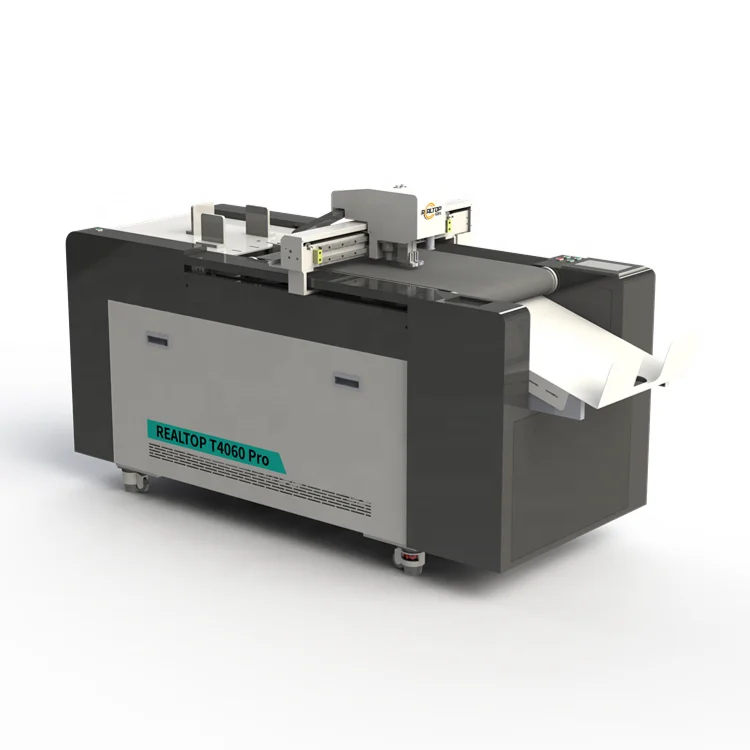
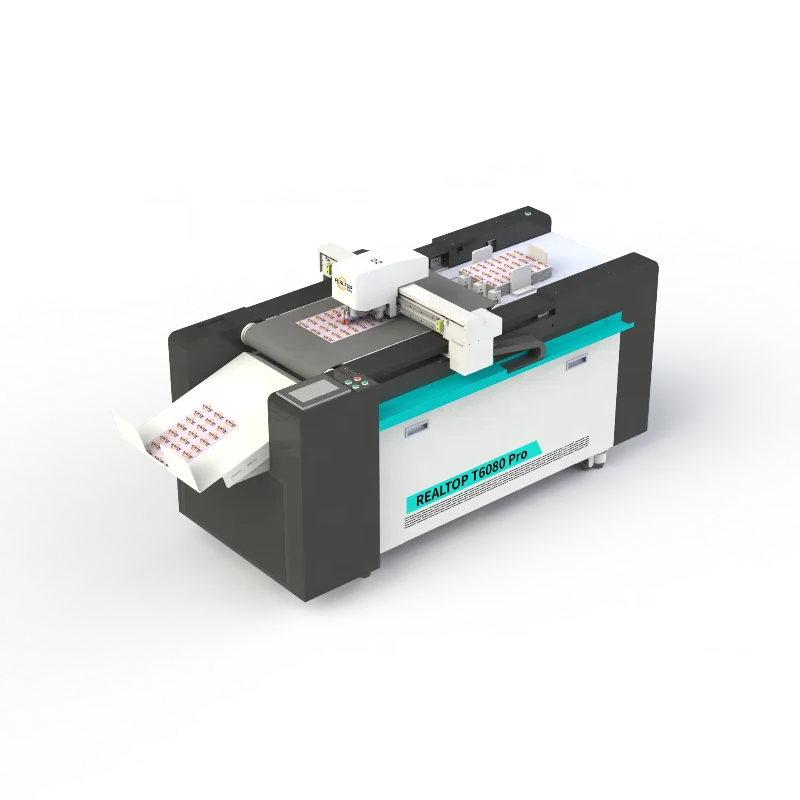
A: The 1600 × 2500 mm bed covers the majority of standard automotive and industrial gasket sheets. Compact models handle prototype and sample-room output, while larger-format tables serve high-volume fabric and composite nesting. Selecting the right size depends on your largest sheet dimension and daily throughput target.
Q: How does CCD contour recognition handle printed gasket registration marks?
A: The small CCD camera picks up discrete mark points for quick alignment on short runs, while the panoramic camera scans the full sheet for pattern recognition on longer production batches. Both systems compensate for sheet skew across the vacuum table, keeping cut paths aligned with printed die lines.
Q: Will small flange gaskets lift off the table during cutting?
A: The magnesium-aluminum alloy vacuum table is divided into multiple adsorption zones. Operators activate only the zones directly under the cutting path, concentrating suction on small parts that would otherwise drift on a single-zone table. The 7.5 kW pump provides sufficient static pressure to hold thin gasket stock flat at full cutting speed.
Q: How are voltage and control language confirmed before shipment?
A: The buyer supplies the local supply standard and preferred panel language during the quotation stage. The electrical schematic is then drawn to match, and a voltage confirmation document is signed off before assembly begins. Software language is set and tested during the factory run-off.
Material-Matched Configuration — Every tool head, vacuum zone and CCD option is tested on your actual gasket stock before the configuration sheet is finalized, not guessed from a brochure table.
Technical Specifications
| Parameter | Value |
|---|---|
| Model | RT-D2516/RT-S2516 |
| Product Type | CNC Oscillating Knife Gasket Cutting Machine |
| Working Area | 1600 × 2500 mm |
| Machine Size | 3450 × 2300 × 1250 mm |
| Rated Power | 9 kW |
| Working Table | Flat vacuum adsorption table, magnesium-aluminum alloy |
| Vacuum Pump | 7.5 kW, integrated aviation aluminum shell with built-in silencer |
| Translational Velocity | 800–1200 mm/s |
| Max Cutting Thickness | ≤100 mm (varies with material) |
| Repeated Accuracy | ≤0.1 mm |
| Transmission System | Digital servo motor, linear guide, synchronous belt, ball screw |
| Tool Head Options | Oscillating knife, pneumatic knife, high-power vibrating knife, circular knife, V-cutting knife, drag knife, creasing wheel, dotted line knife, punching, brush |
| Visual Positioning | Small CCD camera mark point, panoramic camera recognition, projection positioning |
| Instruction System | HP-GL compatible format |
| Voltage | 380V ± 10% |
| Frame | Thick-walled seamless steel, high-temperature tempered, CNC machined |
| Software Language | English, Russian, Italian, Chinese (custom languages available) |
Application Suitability
| Application | Material or Output |
|---|---|
| Automotive gasket production | Rubber, PTFE, graphite composite, cork-rubber sheets |
| Cylinder head sealing pads | High-temperature composite fiber, aramid-reinforced material |
| Industrial flange gaskets | Non-asbestos fiber, compressed graphite, PTFE-filled compounds |
| Automotive interior trimming | EVA foam, XPE, PU sponge, non-woven carpet |
| Footwear and leather goods | Natural leather, PU synthetic, EVA midsole stock |
| Packaging sample making | Corrugated cardboard, plastic box, foam board |
Why the "Just Tell Me the Working Area" Shortcut Wrecks Gasket Runs
A 1600×2500 mm bed means nothing if the tool head cannot push through your reinforced graphite at full stroke.
I have watched buyers spec a CNC oscillating knife cutting machine manufacturer order by table size alone, then discover the standard oscillating knife stalls on 6 mm PTFE-reinforced gasket sheet. The material flexes under the blade, edges delaminate, and the entire batch gets scrapped. Gasket stock ranges from soft cork-rubber under 2 mm to dense aramid-fiber composites pushing 10 mm or more, and each demands a different tool head geometry, stroke frequency and down-pressure setting. [NEED_CITE: tool head selection criteria for non-metallic gasket materials] When the configuration conversation starts and ends with working area, the real variables — material hardness, abrasive filler content, layer adhesion strength — never get checked against the cutting head that will actually meet them on the table.
Knife, Laser or Both — Matching the Cut to the Gasket Stock
Rubber and PTFE gaskets typically cut clean with an oscillating knife, where the vertical stroke shears through fibrous layers without melting the edges. Laser enters the picture when the job calls for fused-edge sealing on synthetic composites or micro-perforation patterns that a blade cannot hold to tolerance. The full catalogue at this manufacturer spans both technologies, so a buyer running mixed gasket orders can evaluate which method fits each material stream rather than forcing one process across every sheet that hits the table. A CNC digital cutting table for sale in the oscillating knife configuration handles the majority of automotive and industrial sealing work, while the laser range picks up acrylic template boards and engraved identification tags that often travel in the same shipment.
Visual Positioning for Printed Gasket Contours
When gasket sheets arrive pre-printed with registration marks or die-line graphics, the cutting path must follow the printed contour rather than an assumed sheet edge. The system offers three positioning layers: a small CCD camera for discrete mark-point alignment, a panoramic camera for full-sheet pattern recognition, and projection positioning for manual loading verification. [NEED_CITE: CCD contour recognition accuracy standards in digital cutting] Each layer serves a different production scenario — high-mix short runs benefit from the quick mark-point scan, while long runs of identical automotive gasket profiles gain from the panoramic sweep that compensates for sheet skew across the 1600×2500 mm bed.
Reading the Spec Sheet Against Real Gasket Conditions
The 9 kW rated power covers the combined draw of the 7.5 kW vacuum pump, servo drives and oscillating head motor, which matters when sizing the dedicated circuit in a workshop already running compressors and extraction fans. Translational velocity of 800–1200 mm/s governs travel between cuts, but actual cutting speed depends on material density and thickness; a 3 mm cork-rubber sheet clears at near-maximum travel speed, while a 10 mm aramid composite forces the head down to a fraction of that pace. The ≤0.1 mm repeated accuracy holds across the table because the Taiwan Hiwin linear rails and ball screw drive eliminate the belt-stretch drift that accumulates on lighter-framed machines over a full shift. Magnesium-aluminum alloy vacuum table stock with fluorocarbon PVDF powder coating resists the cutting fluid and graphite dust that accumulate during gasket work, and the multi-zone adsorption layout keeps small flange gaskets flat even when surrounding zones release for part removal.
The Cost of Skipping the Sample Cut
A buyer once ordered a vibrating knife setup based on standard PTFE parameters, then loaded reinforced graphite composite that was substantially harder than the reference material. The blade edge chipped within the first shift, the machine stopped, and the production line sat idle while replacement tooling shipped internationally. [NEED_CITE: material hardness variation in composite gasket sheets] That downtime cost more than the machine’s entire tooling package. Running a sample cut on the buyer’s actual material before the configuration is locked catches these mismatches early — blade geometry, stroke depth, vacuum zone mapping and feed rate all get adjusted to the real stock, not a catalogue average.
Why Source This Range Here
In-house design covers both oscillating knife and laser platforms, so the cutting method is chosen to fit the material, not the other way around. Tool head and table configuration are specified per material type and production volume, not pulled from a one-size-fits-all list. CCD camera positioning options are validated on the buyer’s printed gasket sheet before the order is confirmed. Software file format compatibility is checked against the buyer’s existing nesting workflow. Voltage, plug type and control panel language are locked in before the machine enters assembly. Sample cutting on the buyer’s own gasket material runs before the machine ships, so the configuration is proven on real stock.
Documentation & Verification
- Machine specification sheet listing every tool head and vacuum zone configuration matched to your gasket material
- Electrical schematic with voltage and frequency confirmation for your local supply standard
- Sample cutting report on your actual gasket stock showing edge quality and dimensional accuracy
- Software licence and HP-GL file format compatibility note for your nesting workflow
- Spare parts list identifying consumable blades, belts and vacuum seals by part number
- Packing photographs of the crated machine before the container door closes
Installation, Commissioning & Support
- Dedicated 380V ± 10% circuit with independent breaker sized for the 9 kW total draw
- Level concrete floor pad to support the 3450 × 2300 mm footprint plus operator clearance
- Machine arrives as a single skid; vacuum pump and table are pre-assembled at factory
- First-run parameter tuning on your gasket material conducted during on-site commissioning
- Operator training covers tool head changeover, vacuum zone selection and CCD calibration
- Consumable blade and vacuum seal kit ships with the machine for initial production months
Before You Request a Quote
Send a sample of the gasket material you run most often — type, thickness and whether it is single-layer or laminated — along with your typical daily sheet count. Let us know the voltage and frequency at your facility and which control language your operators prefer. If your nesting software exports in a specific format, share a sample file so compatibility is verified before the configuration is finalized.
Frequently Asked Questions
Q: Oscillating knife or laser — which suits rubber and PTFE gaskets better?
A: Oscillating knife generally wins on rubber and PTFE because the vertical blade stroke shears through fibrous layers cleanly without melting edges. Laser suits applications needing fused-edge sealing or micro-perforation. Both options are available in this range, so the choice follows the material and edge requirement rather than machine availability.
Q: Where do the machine families sit by working area and volume?
A: The 1600 × 2500 mm bed covers the majority of standard automotive and industrial gasket sheets. Compact models handle prototype and sample-room output, while larger-format tables serve high-volume fabric and composite nesting. Selecting the right size depends on your largest sheet dimension and daily throughput target.
Q: How does CCD contour recognition handle printed gasket registration marks?
A: The small CCD camera picks up discrete mark points for quick alignment on short runs, while the panoramic camera scans the full sheet for pattern recognition on longer production batches. Both systems compensate for sheet skew across the vacuum table, keeping cut paths aligned with printed die lines.
Q: Will small flange gaskets lift off the table during cutting?
A: The magnesium-aluminum alloy vacuum table is divided into multiple adsorption zones. Operators activate only the zones directly under the cutting path, concentrating suction on small parts that would otherwise drift on a single-zone table. The 7.5 kW pump provides sufficient static pressure to hold thin gasket stock flat at full cutting speed.
Q: How are voltage and control language confirmed before shipment?
A: The buyer supplies the local supply standard and preferred panel language during the quotation stage. The electrical schematic is then drawn to match, and a voltage confirmation document is signed off before assembly begins. Software language is set and tested during the factory run-off.
商品评价
There are no reviews yet.