

Fast Delivery
Quick, reliable shipping to any location.

Free & easy returns
Return this item by mail or in store within 90 days for a full refund.
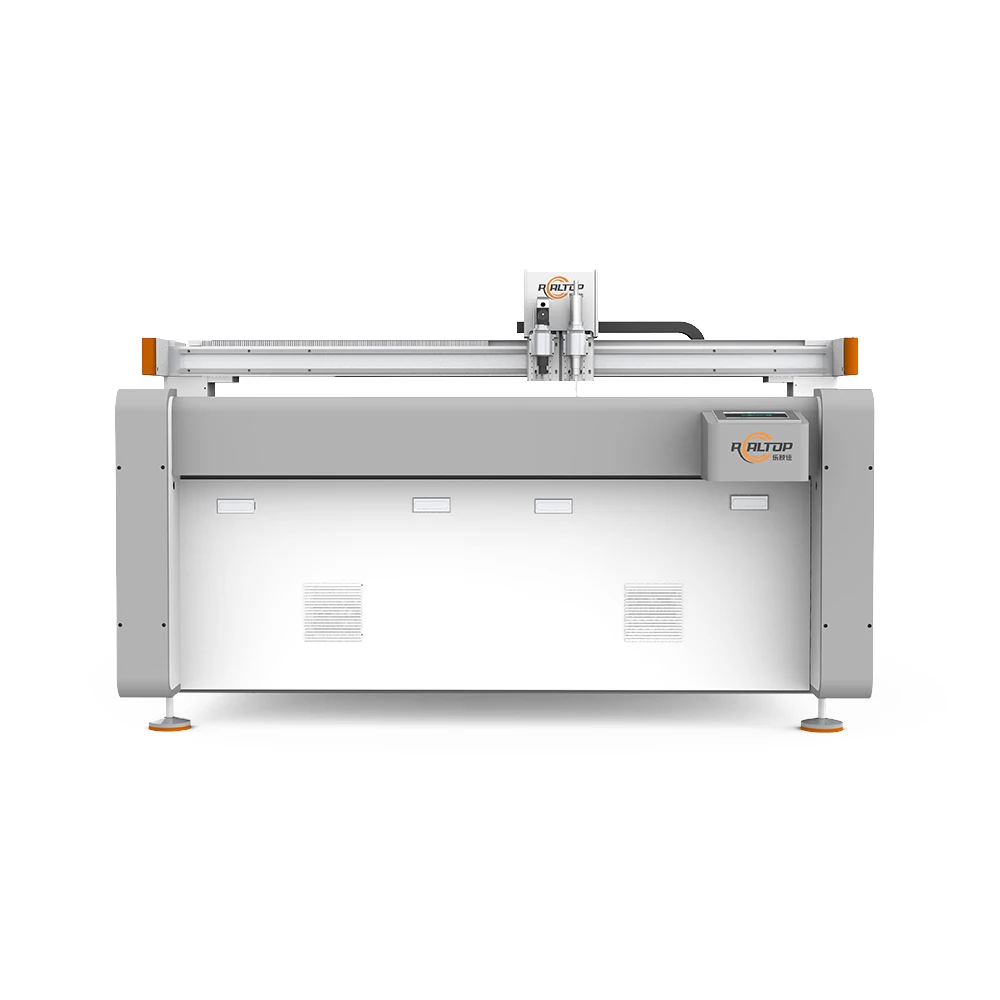
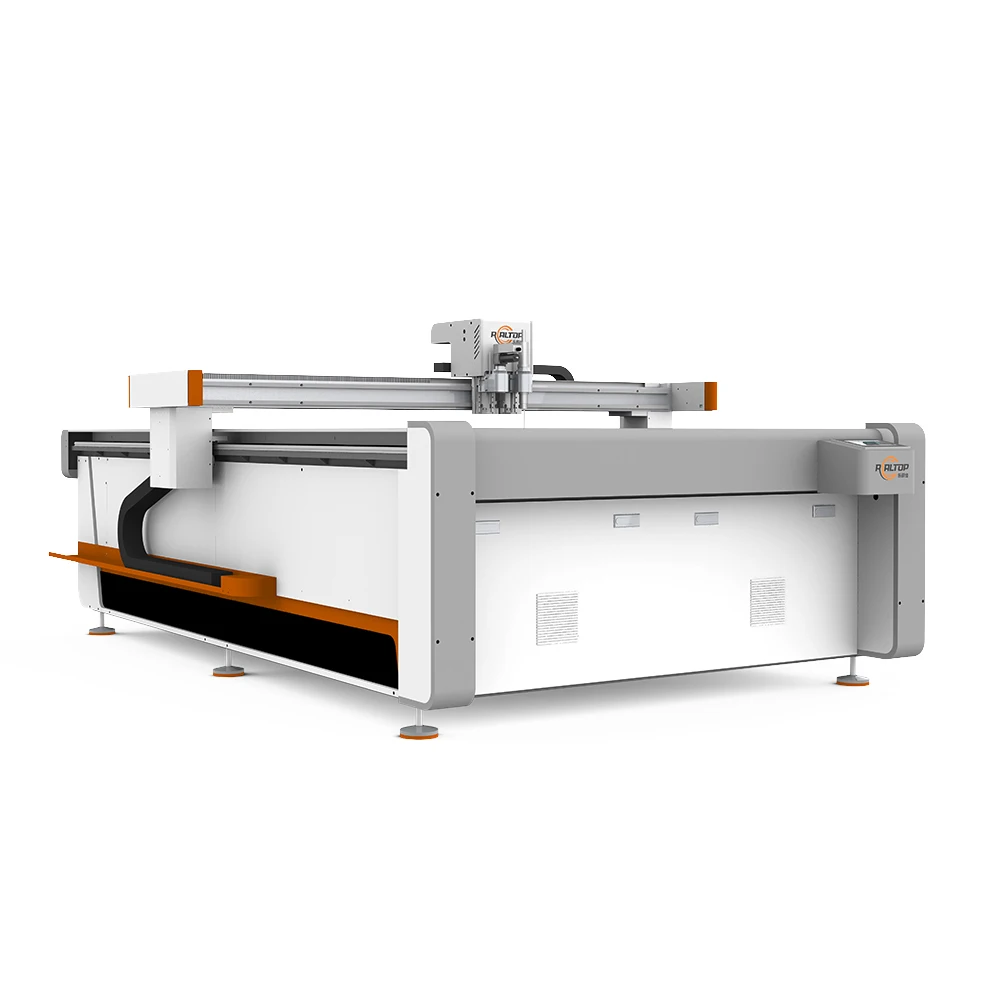
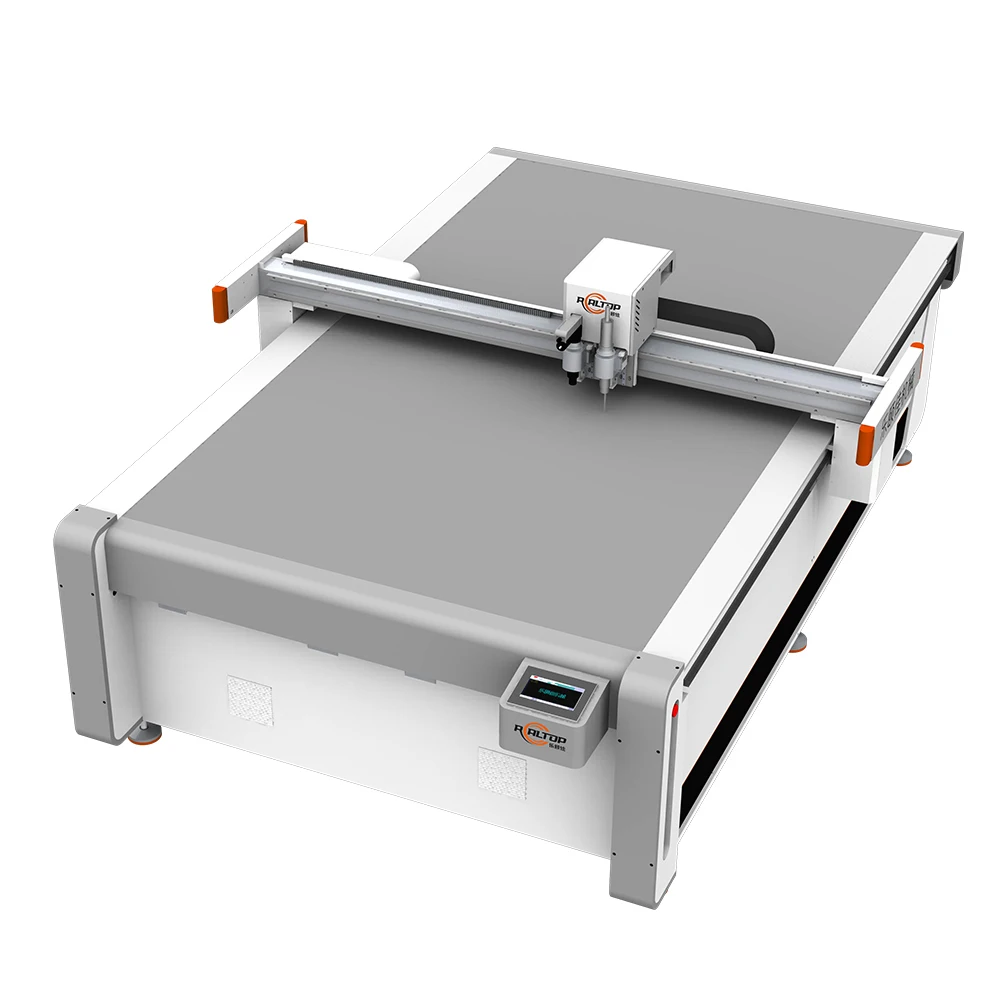
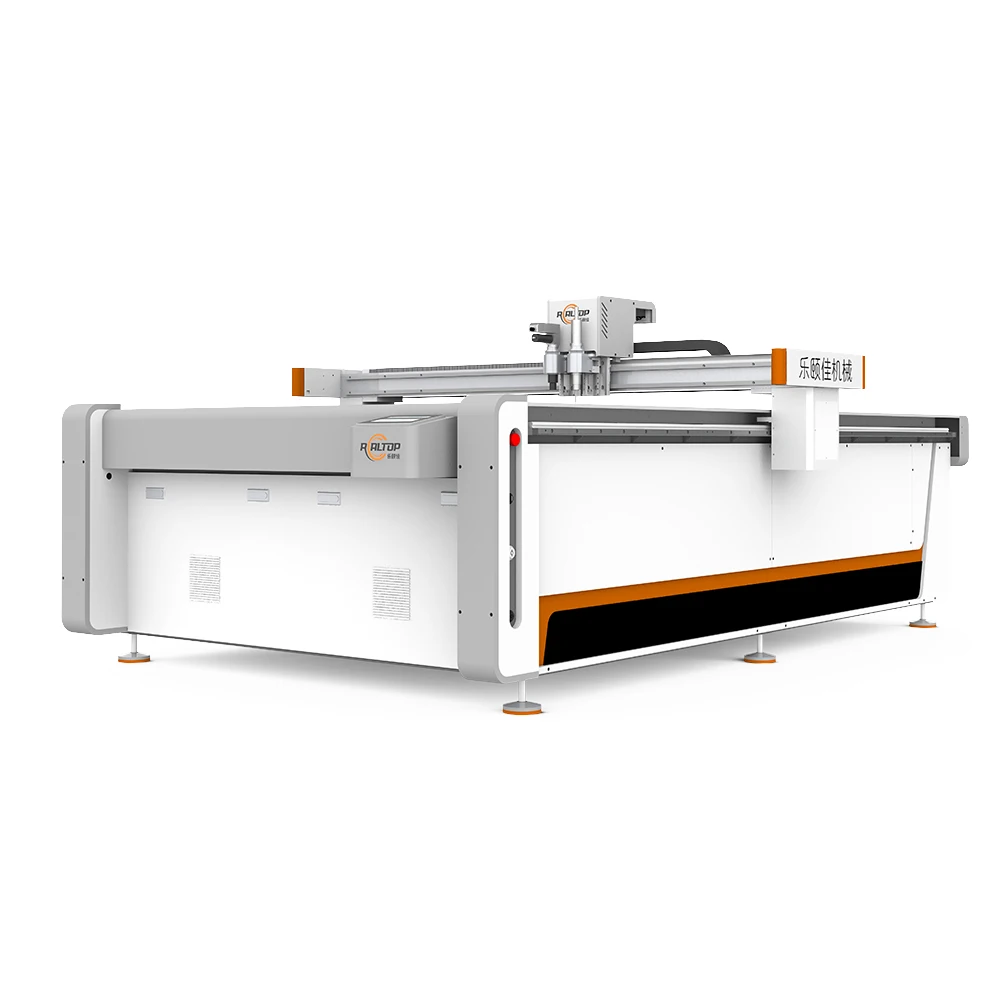
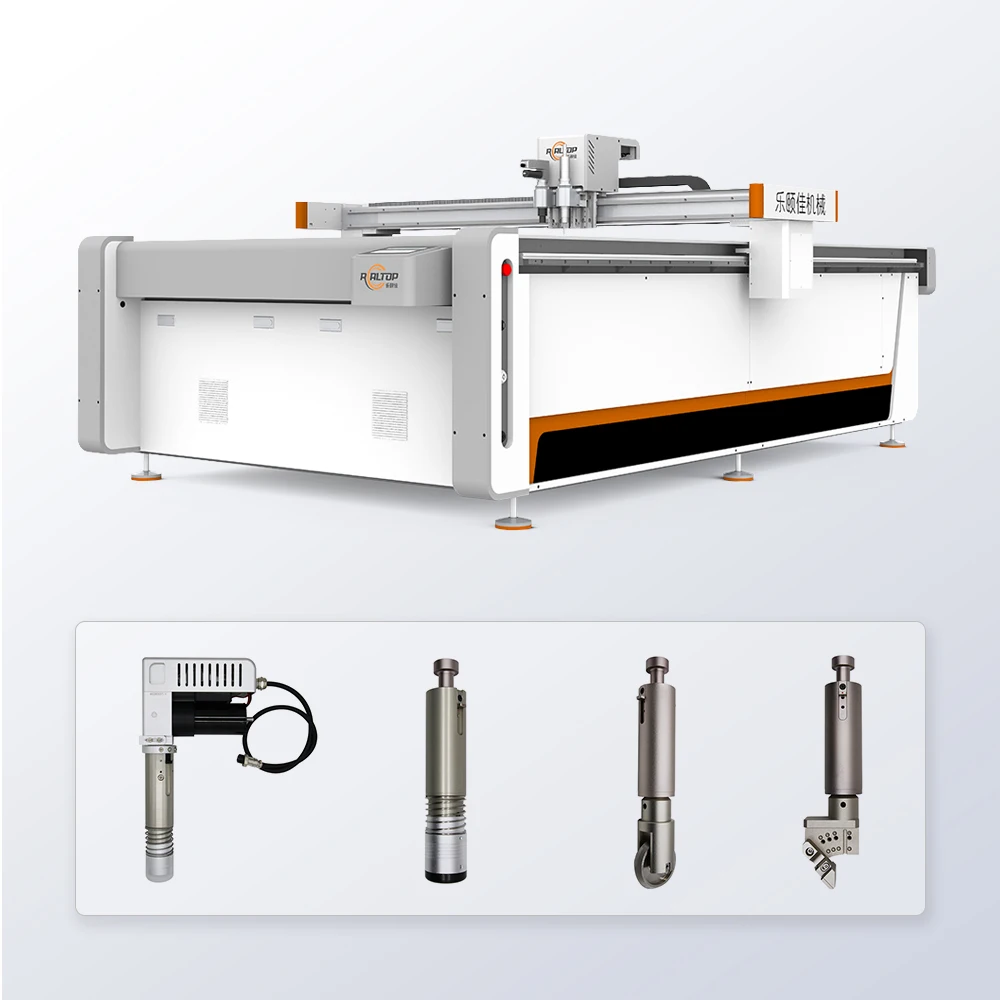
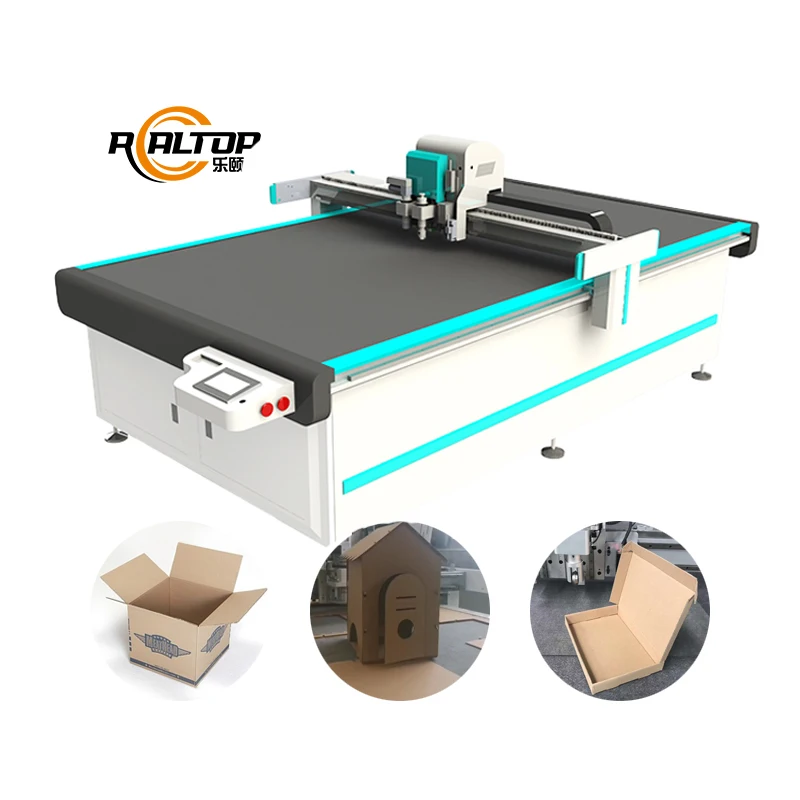
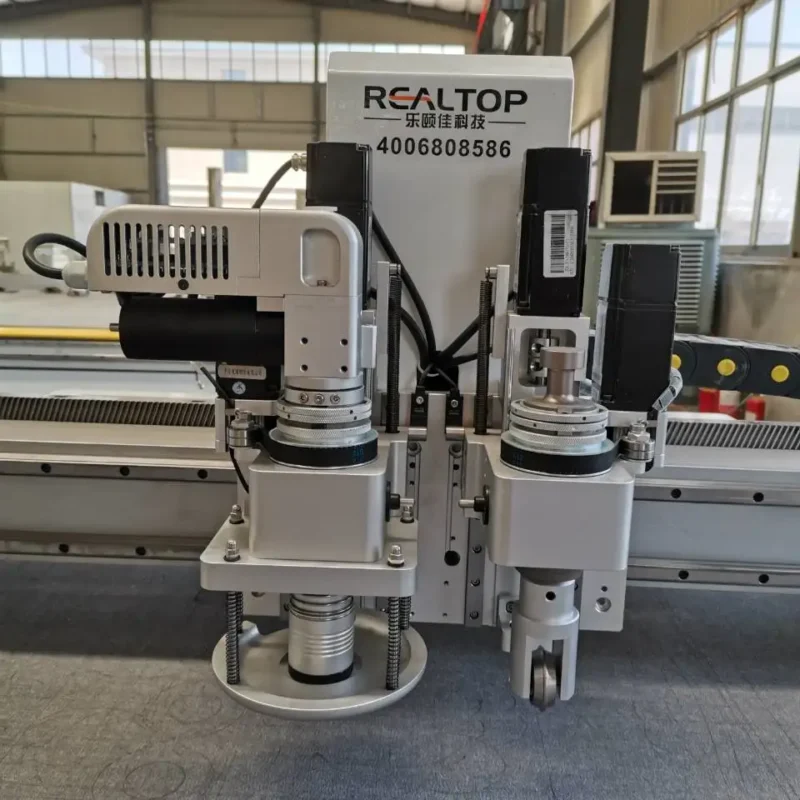
Swiss Knife and Delta Servo Integration — the multifunctional cutting head and motion system are assembled in-house to hold ≤0.1 mm repeatability across the full working envelope.
Technical Specifications
| Parameter | Value |
|---|---|
| Model | RT-D2516 / RT-S2516 |
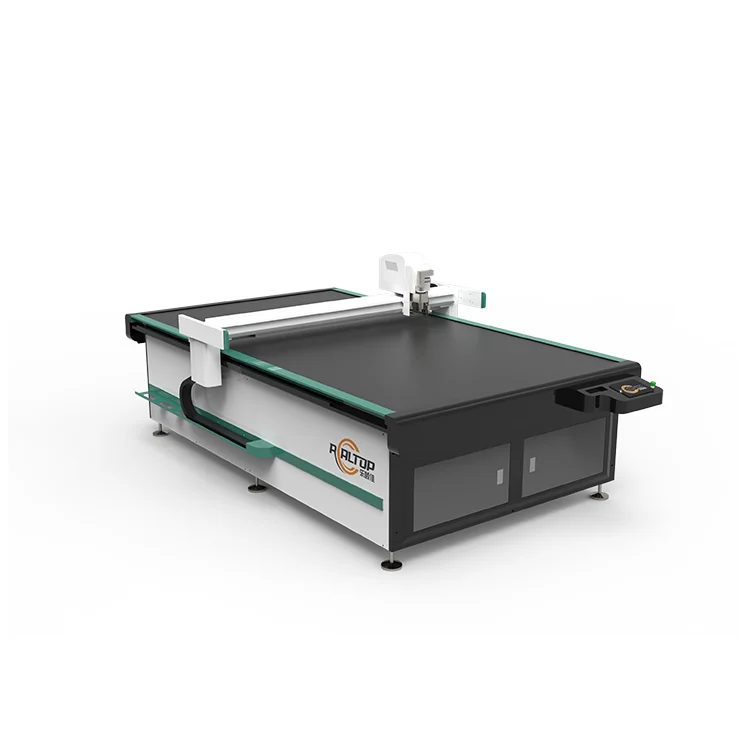
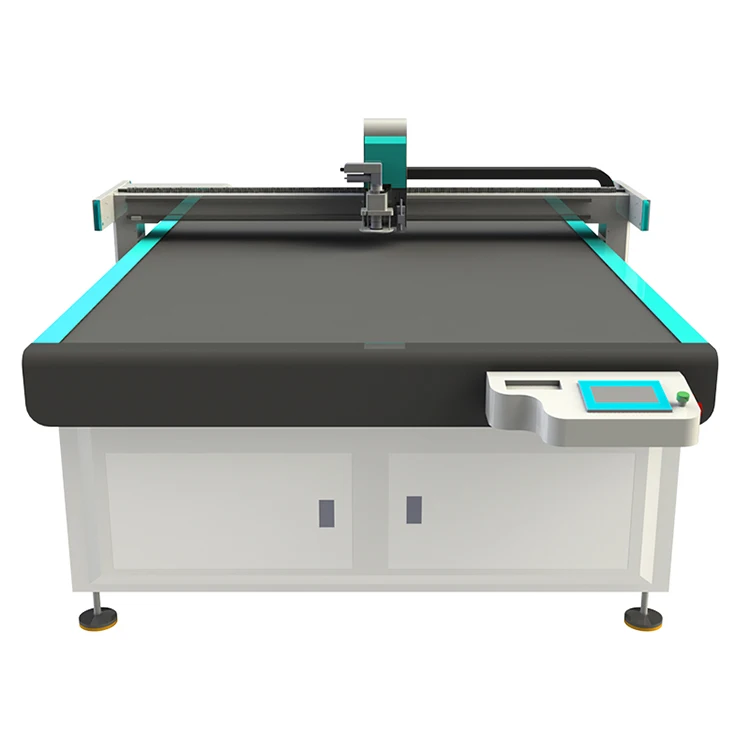
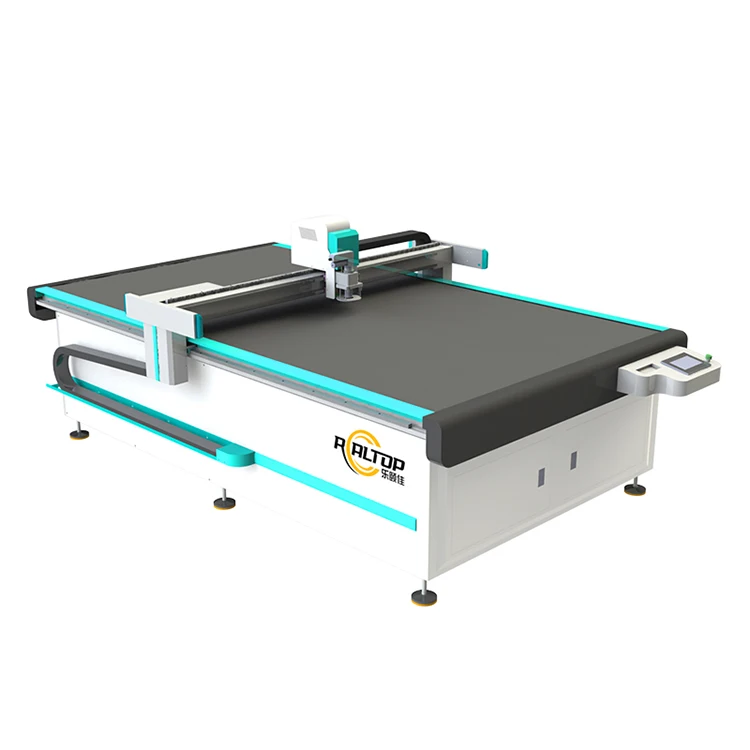
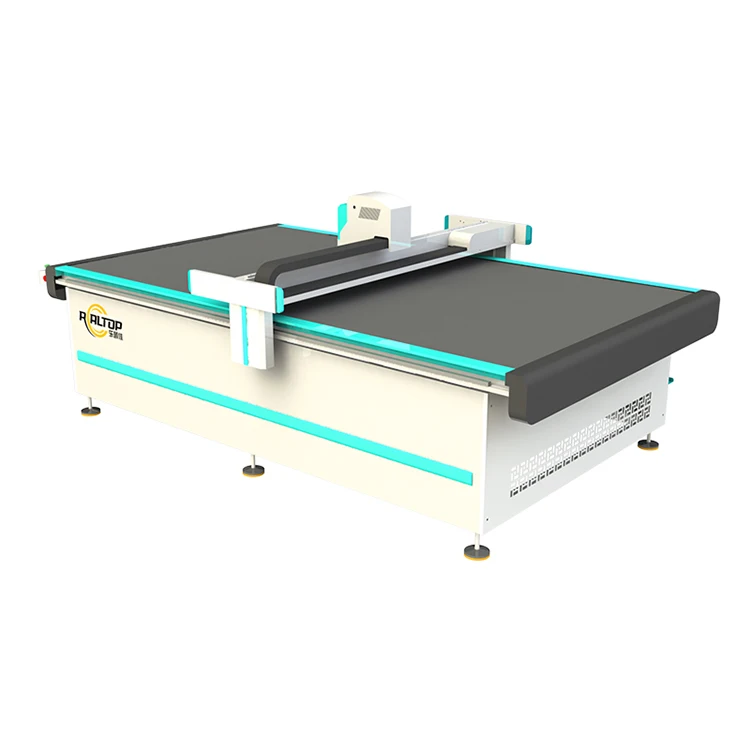
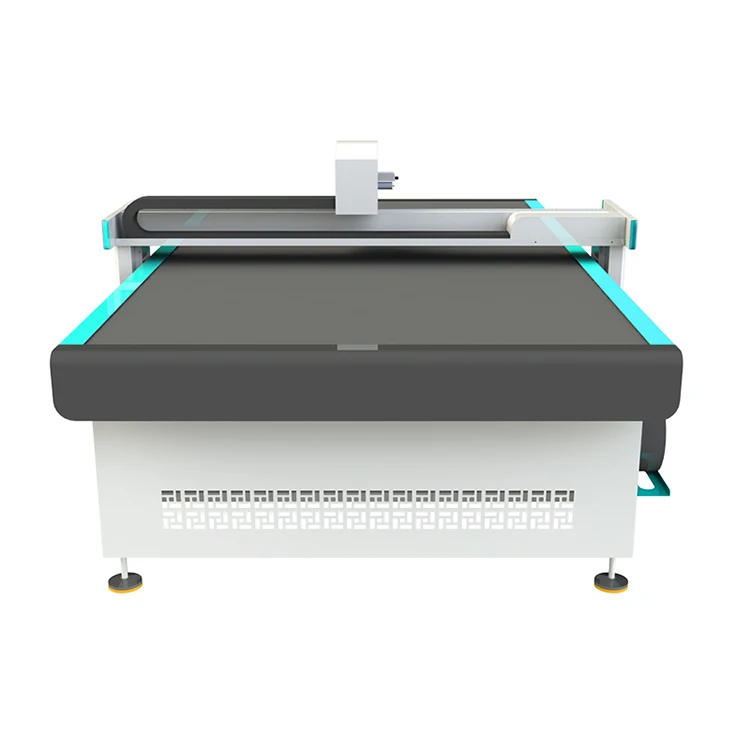
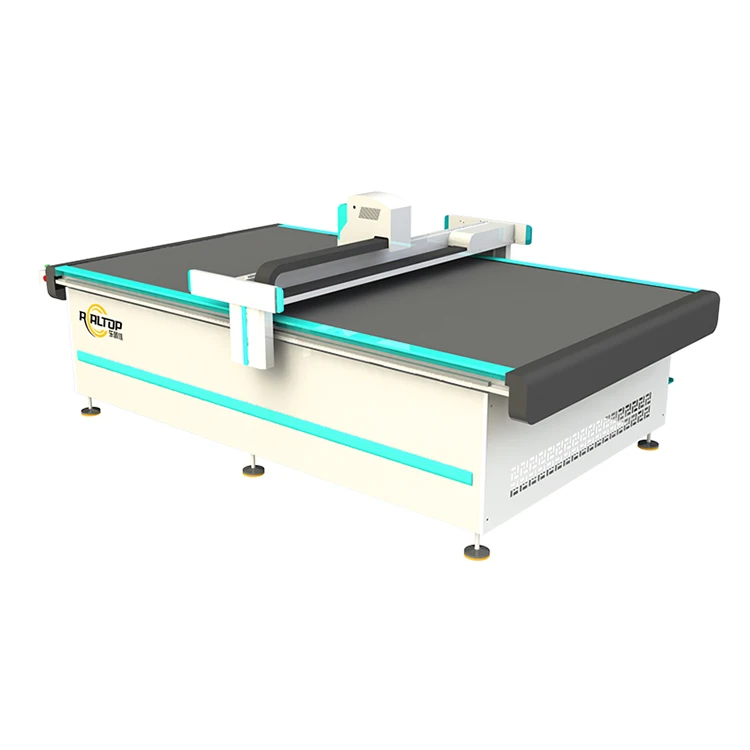
| Product Type | CNC Oscillating Knife Digital Cutting Machine |
| Working Area | 1600 × 2500 mm |
| Overall Dimensions (L×W×H) | 3450 × 2300 × 1250 mm |
| Rated Power | 9 kW |
| Voltage | 380V ±10% |
| Control System | CNC with HP-GL compatible format |
| Multifunctional Head | Swiss imported knife — vibration full cut, half cut, cursor location |
| Translational Velocity | 800–2000 mm/s |
| Cutting Speed | 200–800 mm/s (varies by material) |
| Repeatability | ≤0.1 mm |
| Transmission System | Digital servo motor, linear guide, synchronous belt, ball screw |
| Servo Motor Brand | Taiwan Delta |
| Linear Guide Brand | Taiwan Hiwin |
| Conveyor Belt | Germany imported |
| Vacuum Pump | 7.5 kW |
| Table Type | Aluminum alloy honeycomb vacuum adsorption, flat working table |
| Safety Device | Infrared sensors and emergency stop |
| Cutting Thickness | ≤100 mm (material dependent) |
| Software | Professional carton nesting software, multi-format import |
| Language Options | English, Russian, Italian, Chinese; customisable |
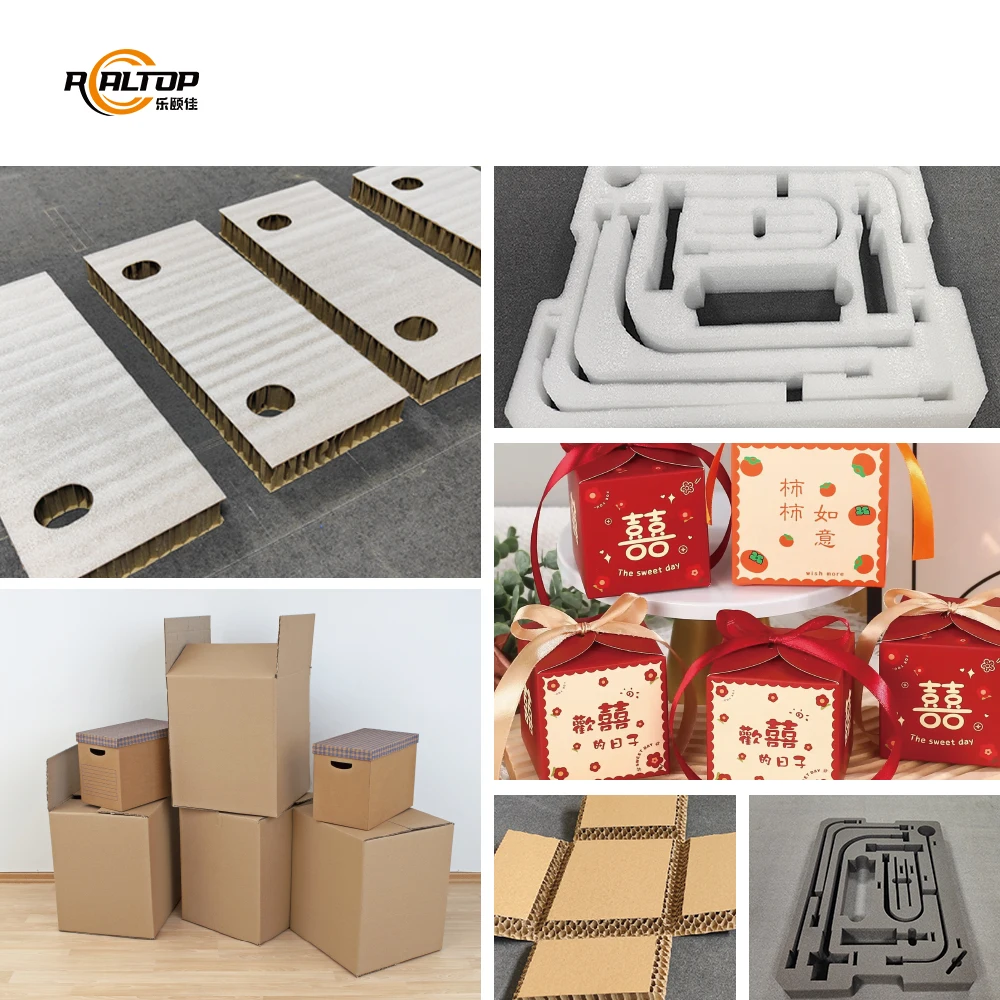
Application Suitability
| Application | Material or Output |
|---|---|
| Packaging carton and box sample making | Corrugated board, greyboard, folding carton stock |
| Sticker and label contour cutting | Adhesive vinyl, printed sticker sheets, label rolls |
| Cardboard display and signage production | Honeycomb cardboard, foam board, fluted PP |
| Corrugated and folding carton prototyping | Single and double-wall corrugated, kraft liner |
| Leather and flexible material cutting | Garment leather, synthetic leather, textile composites |
Why Table Size Alone Will Not Tell You If the Machine Fits Your Carton Stock
A 1600 × 2500 mm bed handles most packaging formats, but the real question is whether the oscillating knife and vacuum zoning can hold your thickest board flat at production speed.
I once quoted a flatbed cutter to a packaging converter based purely on the working area they asked for. They were running triple-wall corrugated with a printed contour overlay. The table was big enough, but the vacuum adsorption could not keep the outer flutes from lifting at the edges during high-speed passes, and the knife could not push through cleanly without a second pass. We swapped the vacuum zoning and adjusted the tool head configuration before shipping, but it cost everyone time [NEED_CITE: vacuum hold-down requirements for corrugated board by flute profile]. When sourcing a CNC oscillating knife cutting machine manufacturer, confirm the material behaviour, not just the table dimensions.
What the Swiss Knife Head Actually Does on Carton and Sticker Work
The multifunctional head on this unit carries a Swiss imported oscillating knife that performs full cuts, half cuts and cursor location within a single setup. For packaging sample makers, that means you can score a crease line, cut through the board, and register a printed mark without changing tools mid-job. The vibration action drives the blade through dense corrugated and foam board without tearing the flute edges, which is where drag knives tend to fail on thicker stock.
Motion Components and What They Mean for Repeatability
Taiwan Delta servo motors paired with Hiwin linear guides give this platform a stated repeatability of ≤0.1 mm across the full 1600 × 2500 mm travel. In carton sample making, that tolerance matters when you are cutting interlocking tab-and-slot structures that must fold and lock without manual adjustment. The synchronous belt and ball screw transmission keeps the head stable at translational velocities up to 2000 mm/s [NEED_CITE: linear guide deflection under high-speed cutting loads]. If you are running short-run packaging prototypes where every sample must match the CAD file exactly, the motion system is where you either gain or lose credibility with your client.
Reading the Specs That Matter for Packaging Converters
The 7.5 kW vacuum pump feeding the aluminum alloy honeycomb table is sized to hold large-format carton sheets flat without mechanical clamps. Honeycomb aluminum provides a rigid, flat surface that does not sag under vacuum load the way MDF-backed tables can over time. The 9 kW rated power covers the servo drives, vacuum pump and control system together, so confirm your workshop supply can deliver 380V ±10% on a dedicated circuit. The included carton nesting software handles multi-format file imports, which matters if your design team works in DXF, PLT or HP-GL and you need to avoid a software translation step before every run. Cutting speed ranges from 200 to 800 mm/s depending on material density and thickness — triple-wall corrugated will sit at the lower end, while thin sticker stock allows the upper range.
The Cost of Specifying the Wrong Tool Head for Your Material Mix
Choosing a drag knife for corrugated board because it was the default on the quotation is one of the most common errors I see in packaging shops. The drag knife crushes flutes instead of slicing them, leaving ragged edges that fail visual inspection on client presentations. On adhesive sticker sheets, a dull or incorrect blade angle pulls the vinyl away from the backing rather than cutting through cleanly, creating waste that adds up quickly across a production shift [NEED_CITE: blade angle selection for pressure-sensitive adhesive materials]. The half-cut function exists specifically for kiss-cutting sticker contours without damaging the release liner, but it only works if the tool head was configured for that task at the factory.
Why Buyers Source This Range from One Production Floor
In-house design covers both oscillating knife and laser platforms, so a packaging converter can evaluate which cutting method suits each material in their product mix rather than being forced into one process. Tool head and table configurations are specified per material type and daily volume before the order is locked. Sample cutting runs on the buyer’s own corrugated, sticker or leather stock before commitment, so edge quality and vacuum hold-down are verified on real production material. Voltage, control language and system interface are confirmed in writing against the buyer’s workshop electrical standard. The carton nesting software licence and file format compatibility are documented before shipment, not discovered during installation.
Documentation & Verification
- Machine specification sheet confirming working area, tool head and voltage for your market
- Sample cutting report on your corrugated or sticker stock before dispatch
- Electrical schematic with 380V ±10% confirmation and circuit requirements
- Software licence and file format compatibility note matching your nesting workflow
- Operation manual in your selected control language with spare parts list
- Packing photographs showing table, head assembly and accessories before crating
Installation, Commissioning & Support
- Dedicated 380V ±10% circuit required for the 9 kW total rated power draw
- Floor space of at least 3450 × 2300 mm plus operator clearance on three sides
- Machine ships fully assembled; position and level on your workshop floor
- Vacuum pump commissioning includes zone testing on your thickest board stock
- Operator training covers knife change, nesting software import and CCD cursor workflow
- Spare knife blades, vacuum seals and conveyor belt section included at delivery
What to Prepare Before Requesting a Quotation
Send the material types you run most often — corrugated flute profile, board thickness, sticker face stock and backing weight. Confirm your workshop voltage and frequency, the control language your operators need, and whether your existing nesting software exports in DXF, PLT or HP-GL. If you have printed contour work, share a sample file so CCD recognition capability can be verified before the configuration is finalised.
Frequently Asked Questions
Q: How do I decide between oscillating knife and laser for my packaging materials?
A: Oscillating knife cuts corrugated, greyboard and foam board without burning the edges or producing fumes, which matters for food-contact packaging. Laser seals synthetic edges and handles intricate sticker contours faster but chars organic fibres. A CNC oscillating knife cutting machine manufacturer covering both technologies can run your material on each method before you commit.
Q: Why does working area alone not guarantee the machine will handle my board thickness?
A: Table size determines the maximum sheet you can load, but cutting depth depends on knife stroke, vacuum hold-down pressure and servo torque at the cutting head. Triple-wall corrugated needs stronger vacuum zoning and a longer knife stroke than single-wall. Always verify cutting thickness against your actual material, not just the table dimensions.
Q: What should I check about CCD contour recognition before ordering for printed sticker work?
A: Confirm the system can track your specific print mark size, colour contrast and registration distance at your target cutting speed. Some camera systems struggle with low-contrast marks or lose registration on reflective vinyl. Request a sample cut on your printed sticker stock to verify the CCD tracks accurately through the full sheet.
Q: Can the voltage and control language be confirmed before the machine ships?
A: Voltage must match your workshop supply — 380V ±10% is standard for this platform, but other configurations are available. Control language options include English, Russian, Italian and Chinese, with custom languages possible. Both must be documented in the electrical schematic and specification sheet before production starts, not adjusted after arrival.
Q: Where do oscillating knife, drag knife and laser machines each fit in a packaging operation?
A: Oscillating knife handles thick corrugated and foam board with clean flute edges. Drag knife suits thin carton, card stock and simple sticker shapes where cost matters more than edge finish. Laser excels at intricate contour cutting on thin synthetics and engraved signage. Each method serves different materials and volumes within the same packaging shop.
Swiss Knife and Delta Servo Integration — the multifunctional cutting head and motion system are assembled in-house to hold ≤0.1 mm repeatability across the full working envelope.
Technical Specifications
| Parameter | Value |
|---|---|
| Model | RT-D2516 / RT-S2516 |
| Product Type | CNC Oscillating Knife Digital Cutting Machine |
| Working Area | 1600 × 2500 mm |
| Overall Dimensions (L×W×H) | 3450 × 2300 × 1250 mm |
| Rated Power | 9 kW |
| Voltage | 380V ±10% |
| Control System | CNC with HP-GL compatible format |
| Multifunctional Head | Swiss imported knife — vibration full cut, half cut, cursor location |
| Translational Velocity | 800–2000 mm/s |
| Cutting Speed | 200–800 mm/s (varies by material) |
| Repeatability | ≤0.1 mm |
| Transmission System | Digital servo motor, linear guide, synchronous belt, ball screw |
| Servo Motor Brand | Taiwan Delta |
| Linear Guide Brand | Taiwan Hiwin |
| Conveyor Belt | Germany imported |
| Vacuum Pump | 7.5 kW |
| Table Type | Aluminum alloy honeycomb vacuum adsorption, flat working table |
| Safety Device | Infrared sensors and emergency stop |
| Cutting Thickness | ≤100 mm (material dependent) |
| Software | Professional carton nesting software, multi-format import |
| Language Options | English, Russian, Italian, Chinese; customisable |
Application Suitability
| Application | Material or Output |
|---|---|
| Packaging carton and box sample making | Corrugated board, greyboard, folding carton stock |
| Sticker and label contour cutting | Adhesive vinyl, printed sticker sheets, label rolls |
| Cardboard display and signage production | Honeycomb cardboard, foam board, fluted PP |
| Corrugated and folding carton prototyping | Single and double-wall corrugated, kraft liner |
| Leather and flexible material cutting | Garment leather, synthetic leather, textile composites |
Why Table Size Alone Will Not Tell You If the Machine Fits Your Carton Stock
A 1600 × 2500 mm bed handles most packaging formats, but the real question is whether the oscillating knife and vacuum zoning can hold your thickest board flat at production speed.
I once quoted a flatbed cutter to a packaging converter based purely on the working area they asked for. They were running triple-wall corrugated with a printed contour overlay. The table was big enough, but the vacuum adsorption could not keep the outer flutes from lifting at the edges during high-speed passes, and the knife could not push through cleanly without a second pass. We swapped the vacuum zoning and adjusted the tool head configuration before shipping, but it cost everyone time [NEED_CITE: vacuum hold-down requirements for corrugated board by flute profile]. When sourcing a CNC oscillating knife cutting machine manufacturer, confirm the material behaviour, not just the table dimensions.
What the Swiss Knife Head Actually Does on Carton and Sticker Work
The multifunctional head on this unit carries a Swiss imported oscillating knife that performs full cuts, half cuts and cursor location within a single setup. For packaging sample makers, that means you can score a crease line, cut through the board, and register a printed mark without changing tools mid-job. The vibration action drives the blade through dense corrugated and foam board without tearing the flute edges, which is where drag knives tend to fail on thicker stock.
Motion Components and What They Mean for Repeatability
Taiwan Delta servo motors paired with Hiwin linear guides give this platform a stated repeatability of ≤0.1 mm across the full 1600 × 2500 mm travel. In carton sample making, that tolerance matters when you are cutting interlocking tab-and-slot structures that must fold and lock without manual adjustment. The synchronous belt and ball screw transmission keeps the head stable at translational velocities up to 2000 mm/s [NEED_CITE: linear guide deflection under high-speed cutting loads]. If you are running short-run packaging prototypes where every sample must match the CAD file exactly, the motion system is where you either gain or lose credibility with your client.
Reading the Specs That Matter for Packaging Converters
The 7.5 kW vacuum pump feeding the aluminum alloy honeycomb table is sized to hold large-format carton sheets flat without mechanical clamps. Honeycomb aluminum provides a rigid, flat surface that does not sag under vacuum load the way MDF-backed tables can over time. The 9 kW rated power covers the servo drives, vacuum pump and control system together, so confirm your workshop supply can deliver 380V ±10% on a dedicated circuit. The included carton nesting software handles multi-format file imports, which matters if your design team works in DXF, PLT or HP-GL and you need to avoid a software translation step before every run. Cutting speed ranges from 200 to 800 mm/s depending on material density and thickness — triple-wall corrugated will sit at the lower end, while thin sticker stock allows the upper range.
The Cost of Specifying the Wrong Tool Head for Your Material Mix
Choosing a drag knife for corrugated board because it was the default on the quotation is one of the most common errors I see in packaging shops. The drag knife crushes flutes instead of slicing them, leaving ragged edges that fail visual inspection on client presentations. On adhesive sticker sheets, a dull or incorrect blade angle pulls the vinyl away from the backing rather than cutting through cleanly, creating waste that adds up quickly across a production shift [NEED_CITE: blade angle selection for pressure-sensitive adhesive materials]. The half-cut function exists specifically for kiss-cutting sticker contours without damaging the release liner, but it only works if the tool head was configured for that task at the factory.
Why Buyers Source This Range from One Production Floor
In-house design covers both oscillating knife and laser platforms, so a packaging converter can evaluate which cutting method suits each material in their product mix rather than being forced into one process. Tool head and table configurations are specified per material type and daily volume before the order is locked. Sample cutting runs on the buyer’s own corrugated, sticker or leather stock before commitment, so edge quality and vacuum hold-down are verified on real production material. Voltage, control language and system interface are confirmed in writing against the buyer’s workshop electrical standard. The carton nesting software licence and file format compatibility are documented before shipment, not discovered during installation.
Documentation & Verification
- Machine specification sheet confirming working area, tool head and voltage for your market
- Sample cutting report on your corrugated or sticker stock before dispatch
- Electrical schematic with 380V ±10% confirmation and circuit requirements
- Software licence and file format compatibility note matching your nesting workflow
- Operation manual in your selected control language with spare parts list
- Packing photographs showing table, head assembly and accessories before crating
Installation, Commissioning & Support
- Dedicated 380V ±10% circuit required for the 9 kW total rated power draw
- Floor space of at least 3450 × 2300 mm plus operator clearance on three sides
- Machine ships fully assembled; position and level on your workshop floor
- Vacuum pump commissioning includes zone testing on your thickest board stock
- Operator training covers knife change, nesting software import and CCD cursor workflow
- Spare knife blades, vacuum seals and conveyor belt section included at delivery
What to Prepare Before Requesting a Quotation
Send the material types you run most often — corrugated flute profile, board thickness, sticker face stock and backing weight. Confirm your workshop voltage and frequency, the control language your operators need, and whether your existing nesting software exports in DXF, PLT or HP-GL. If you have printed contour work, share a sample file so CCD recognition capability can be verified before the configuration is finalised.
Frequently Asked Questions
Q: How do I decide between oscillating knife and laser for my packaging materials?
A: Oscillating knife cuts corrugated, greyboard and foam board without burning the edges or producing fumes, which matters for food-contact packaging. Laser seals synthetic edges and handles intricate sticker contours faster but chars organic fibres. A CNC oscillating knife cutting machine manufacturer covering both technologies can run your material on each method before you commit.
Q: Why does working area alone not guarantee the machine will handle my board thickness?
A: Table size determines the maximum sheet you can load, but cutting depth depends on knife stroke, vacuum hold-down pressure and servo torque at the cutting head. Triple-wall corrugated needs stronger vacuum zoning and a longer knife stroke than single-wall. Always verify cutting thickness against your actual material, not just the table dimensions.
Q: What should I check about CCD contour recognition before ordering for printed sticker work?
A: Confirm the system can track your specific print mark size, colour contrast and registration distance at your target cutting speed. Some camera systems struggle with low-contrast marks or lose registration on reflective vinyl. Request a sample cut on your printed sticker stock to verify the CCD tracks accurately through the full sheet.
Q: Can the voltage and control language be confirmed before the machine ships?
A: Voltage must match your workshop supply — 380V ±10% is standard for this platform, but other configurations are available. Control language options include English, Russian, Italian and Chinese, with custom languages possible. Both must be documented in the electrical schematic and specification sheet before production starts, not adjusted after arrival.
Q: Where do oscillating knife, drag knife and laser machines each fit in a packaging operation?
A: Oscillating knife handles thick corrugated and foam board with clean flute edges. Drag knife suits thin carton, card stock and simple sticker shapes where cost matters more than edge finish. Laser excels at intricate contour cutting on thin synthetics and engraved signage. Each method serves different materials and volumes within the same packaging shop.
商品评价
There are no reviews yet.