
![Automatic Oscillating Knife CNC Corrugated Cardboard Cutter – Full Range 记录ID数字之和: 2+3+2 = 7 7 mod 6 = 1 → 句式结构: [站点修饰词] [品类词] for [应用或物料] 7 mod 3 (Manufacturer/Factory Supply/Full Range) = 1 → Factory Supply Factory Supply Oscillating Knife CNC Cutter for Corrugated Cardboard](https://lyjcut.com/wp-content/uploads/2026/03/H8c0988e621a94d97b660f5ad2e0b147fp-150x150.webp)

Fast Delivery
Quick, reliable shipping to any location.

Free & easy returns
Return this item by mail or in store within 90 days for a full refund.
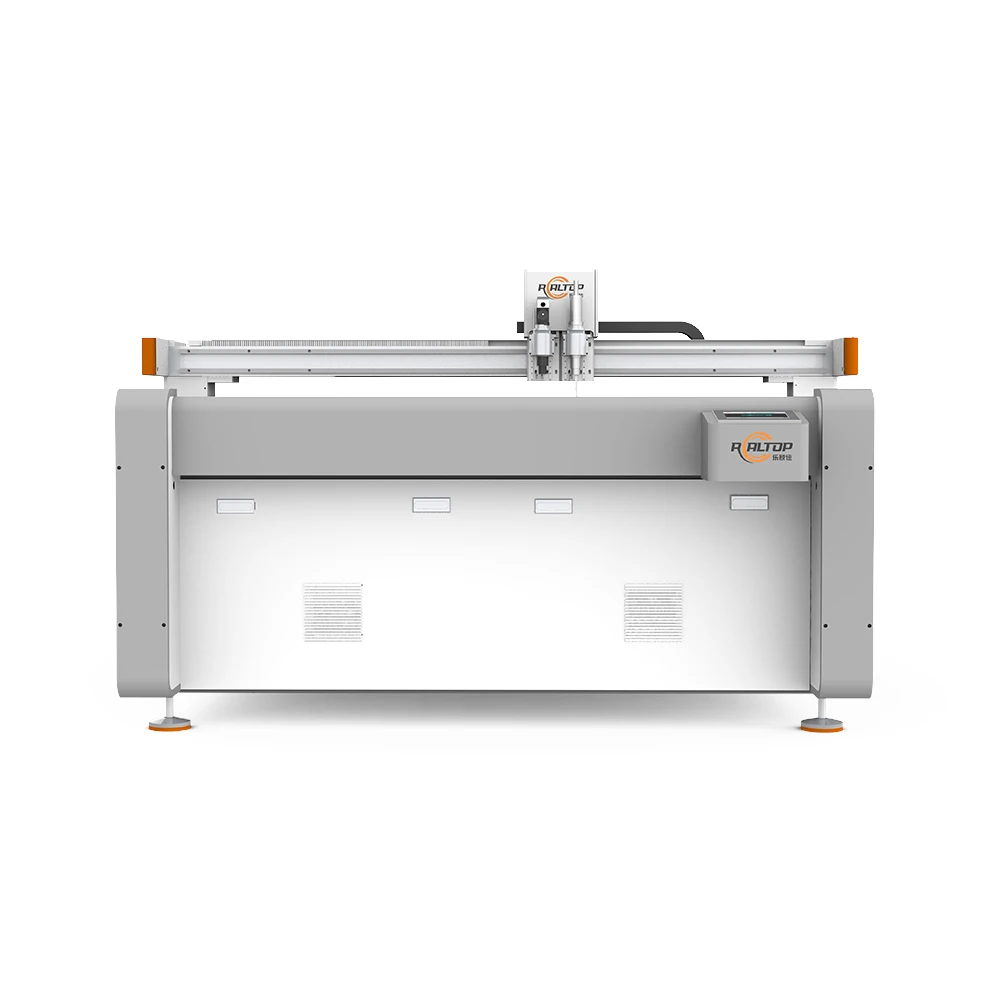
Complete cutting method matching — Every tool head, table surface, and software package is configured to the buyer’s specific corrugated flute profile and packaging workflow before the machine leaves the factory.
Technical Specifications
| Parameter | Value |
|---|---|
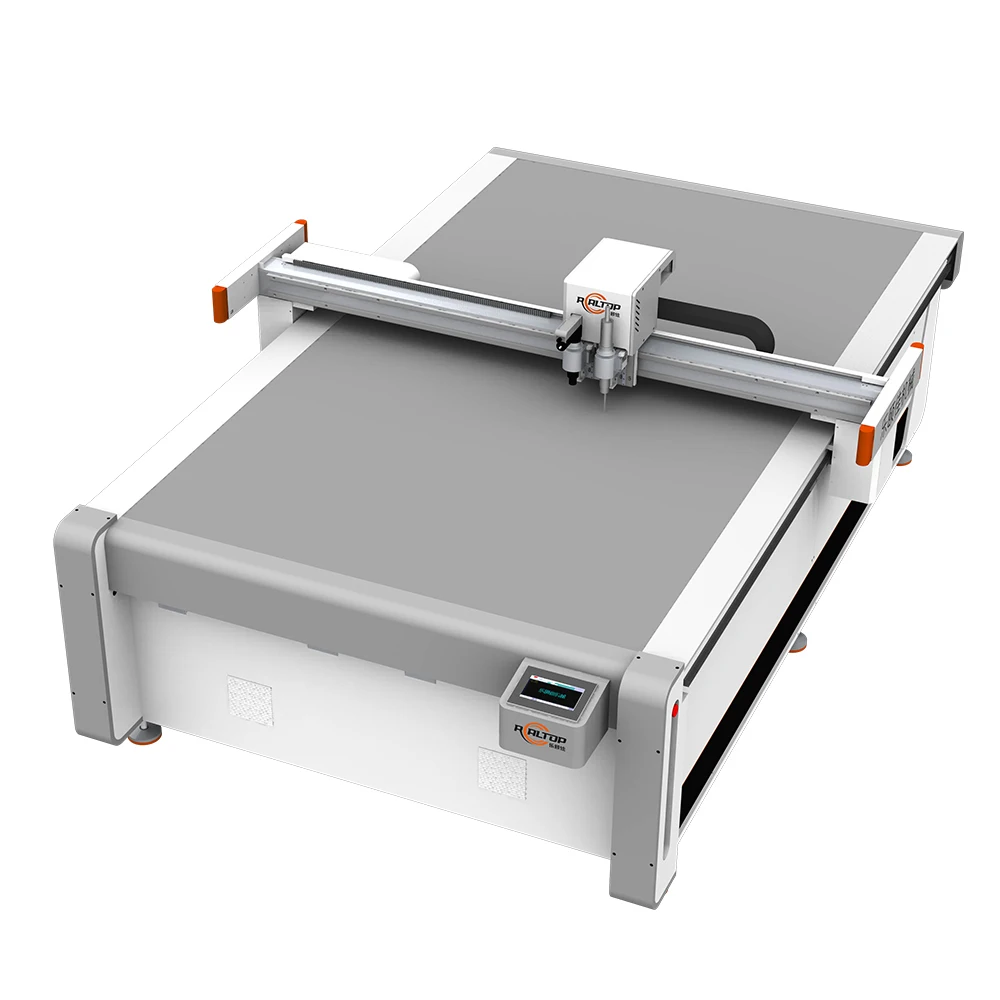
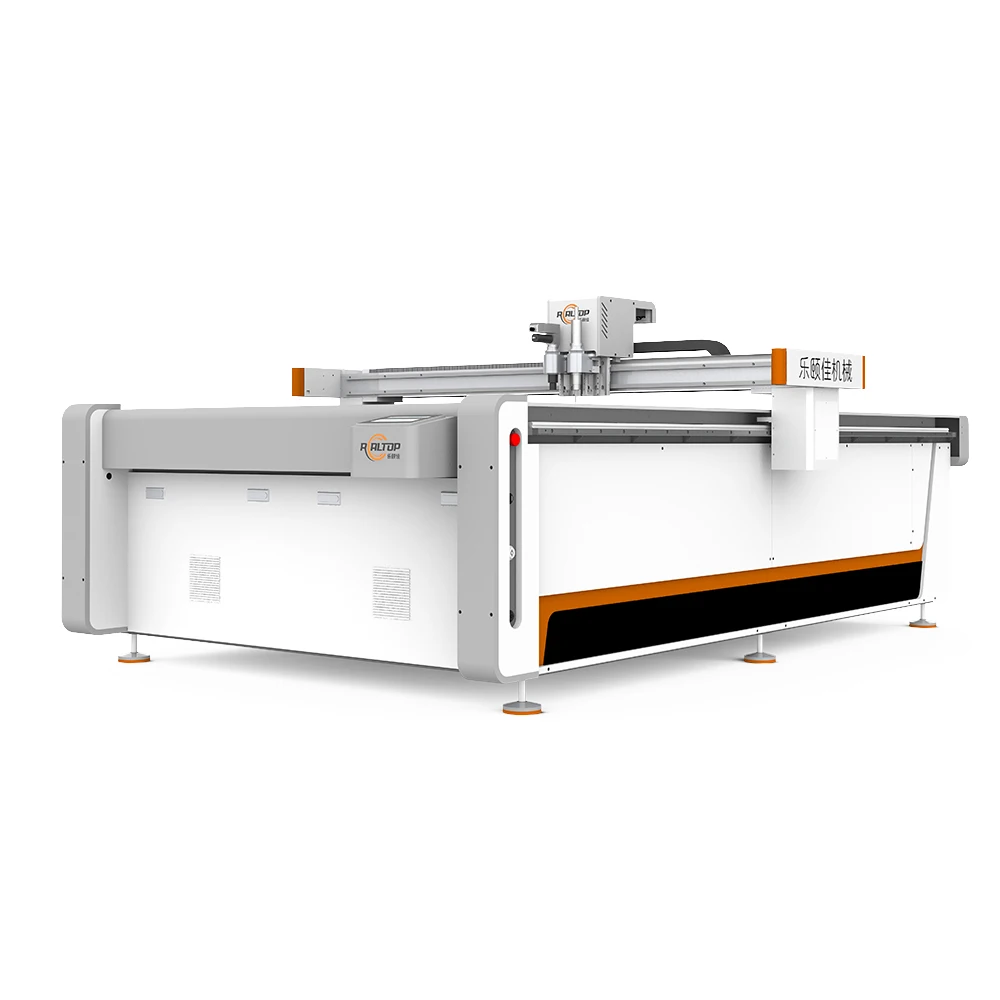
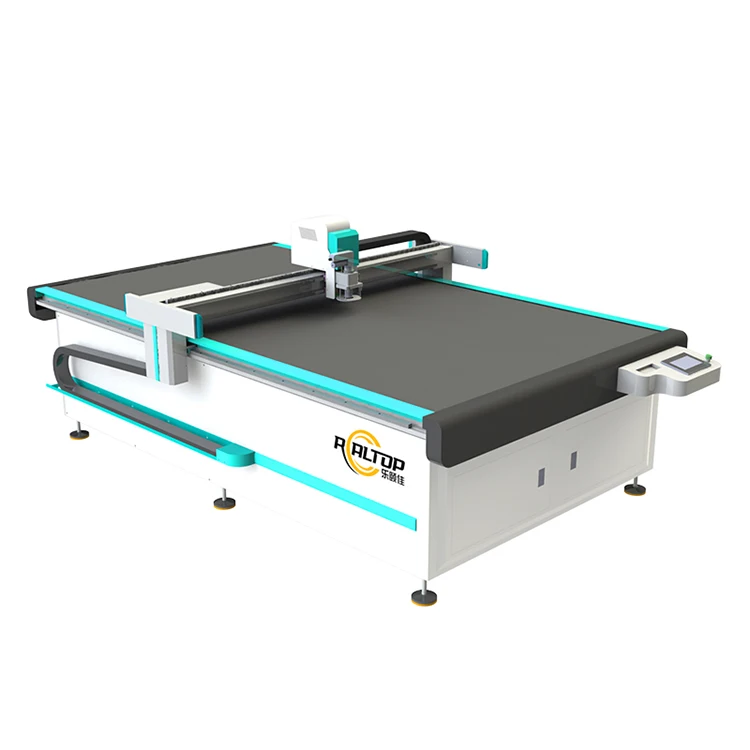
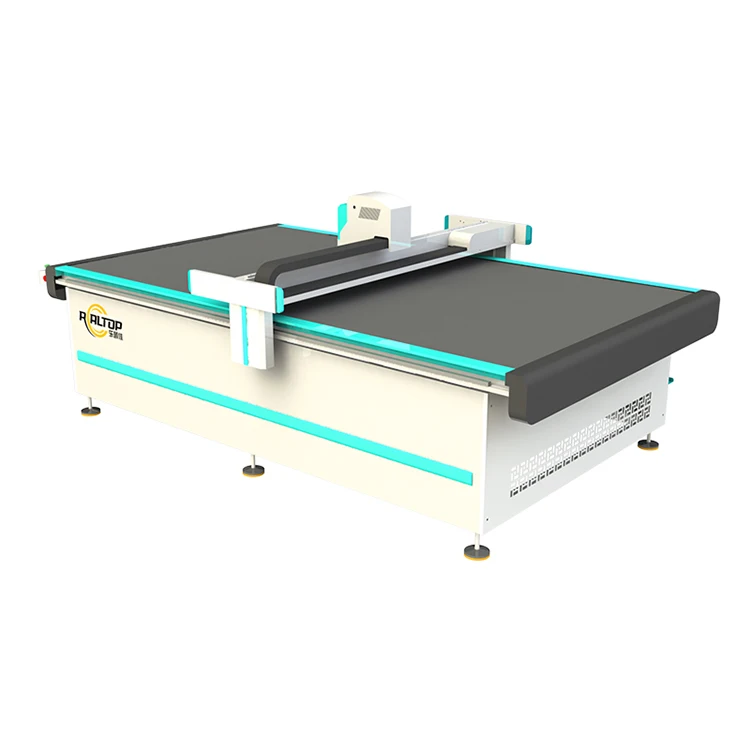
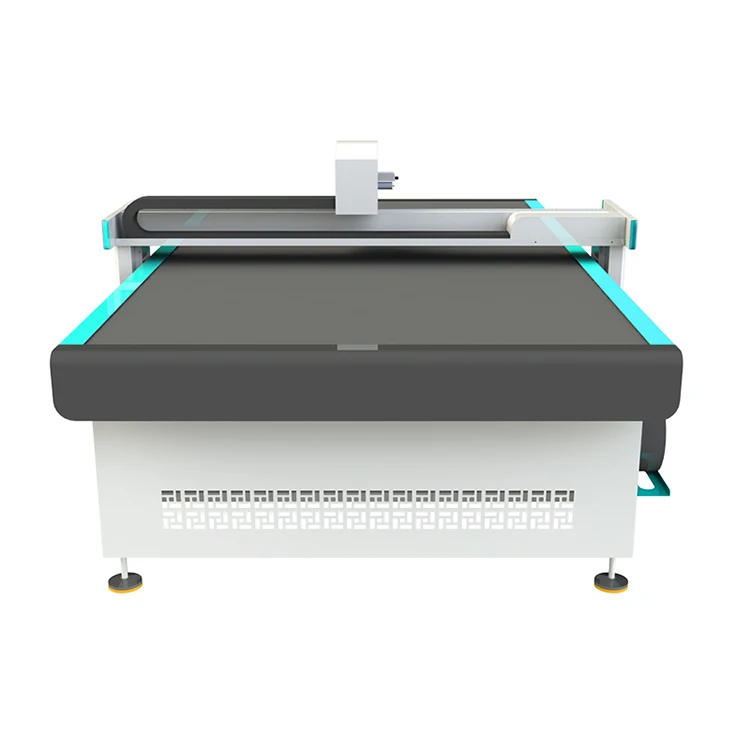
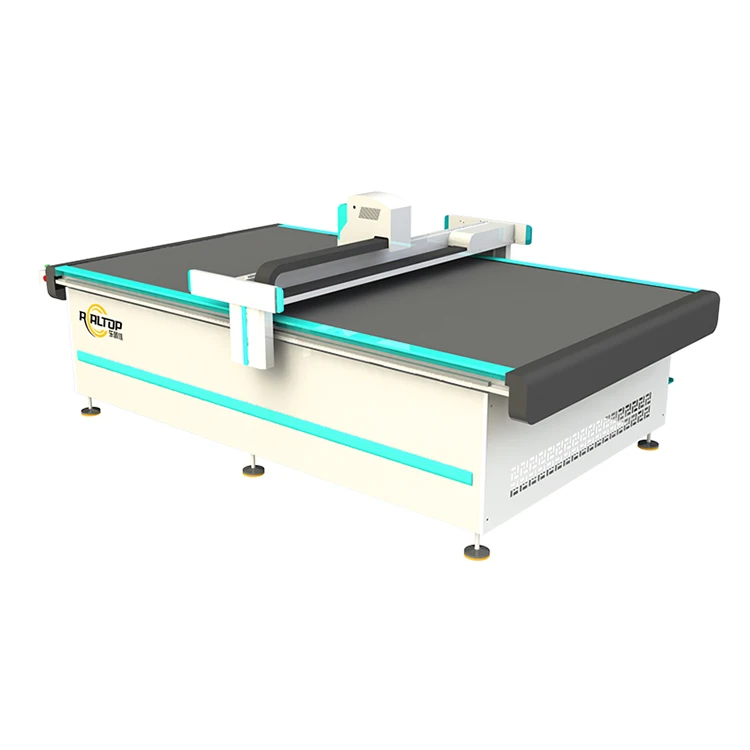
| Product Type | CNC Oscillating Knife Cutting Machine for Packaging |
| Working Area | 1600 × 2500 mm |
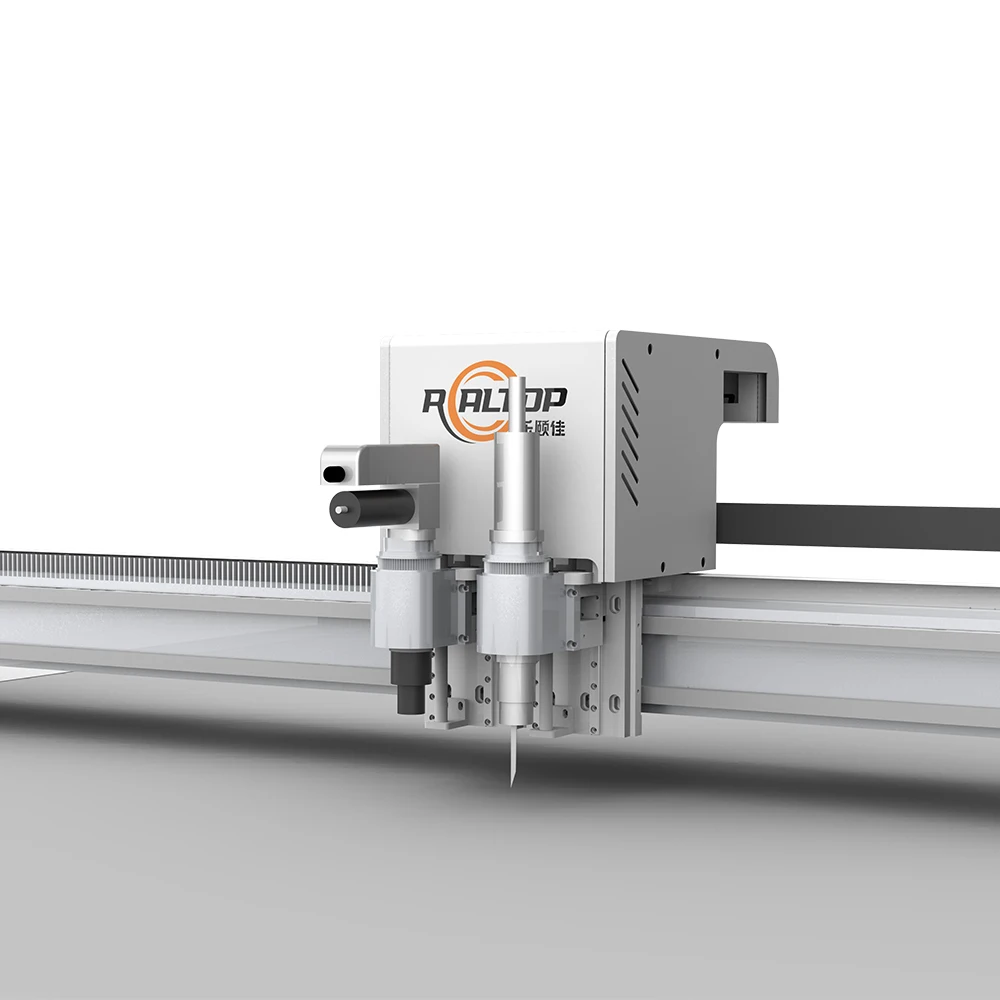
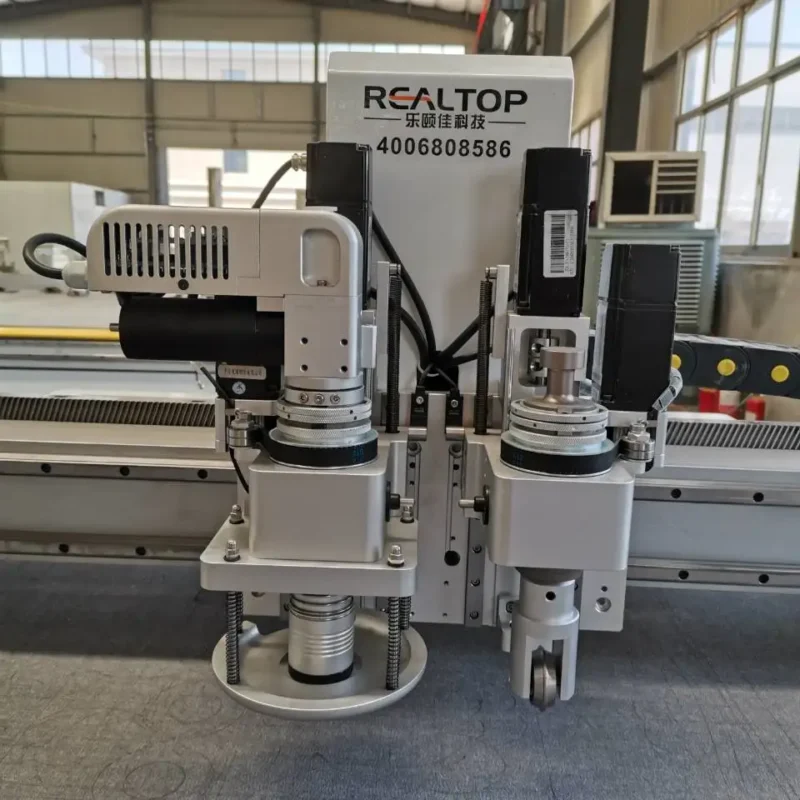
| Cutting Tools | Oscillating knife, Driven rotary knife, Creasing wheel, Kiss cutting tool, Pneumatic knife, Milling tool, V groove knife |
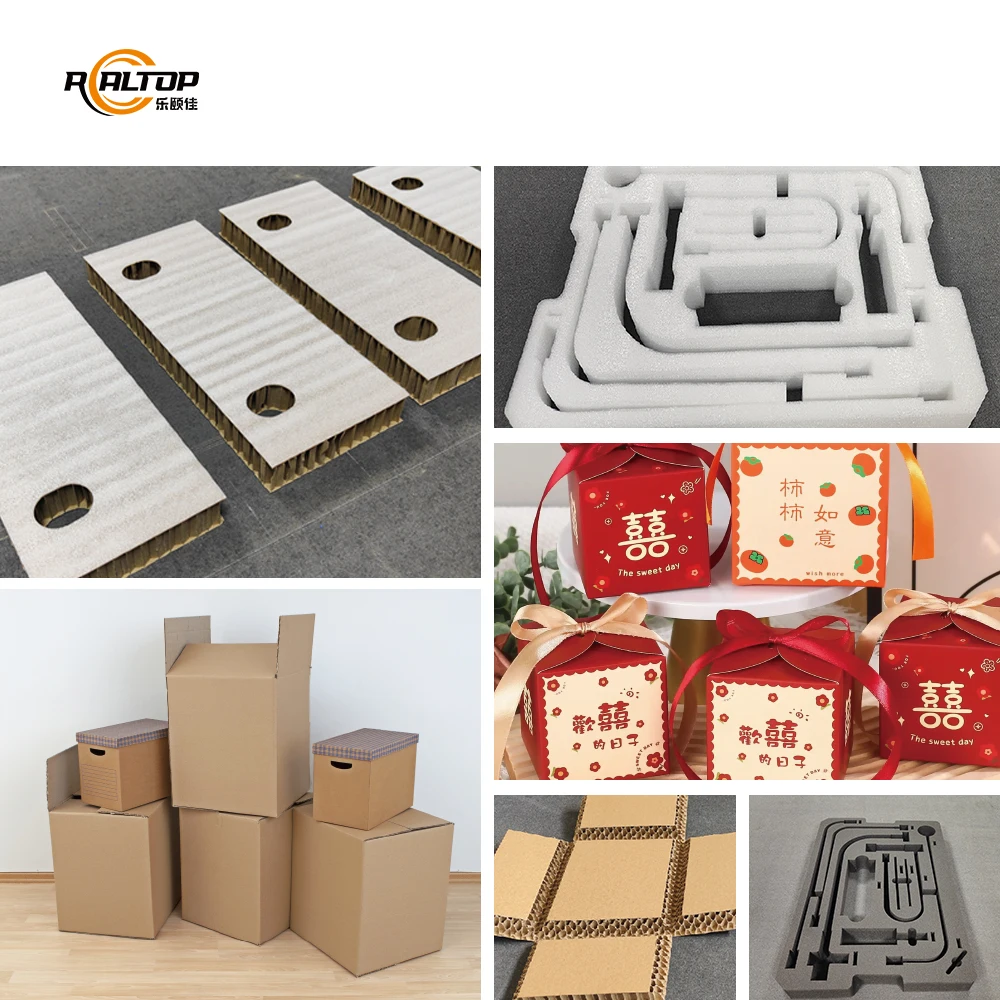
| Applicable Materials | Fabric, Cardboard, Carton, Mats, PVC, EVA, Leather, Acrylic, Foam, PTFE, Rubber |
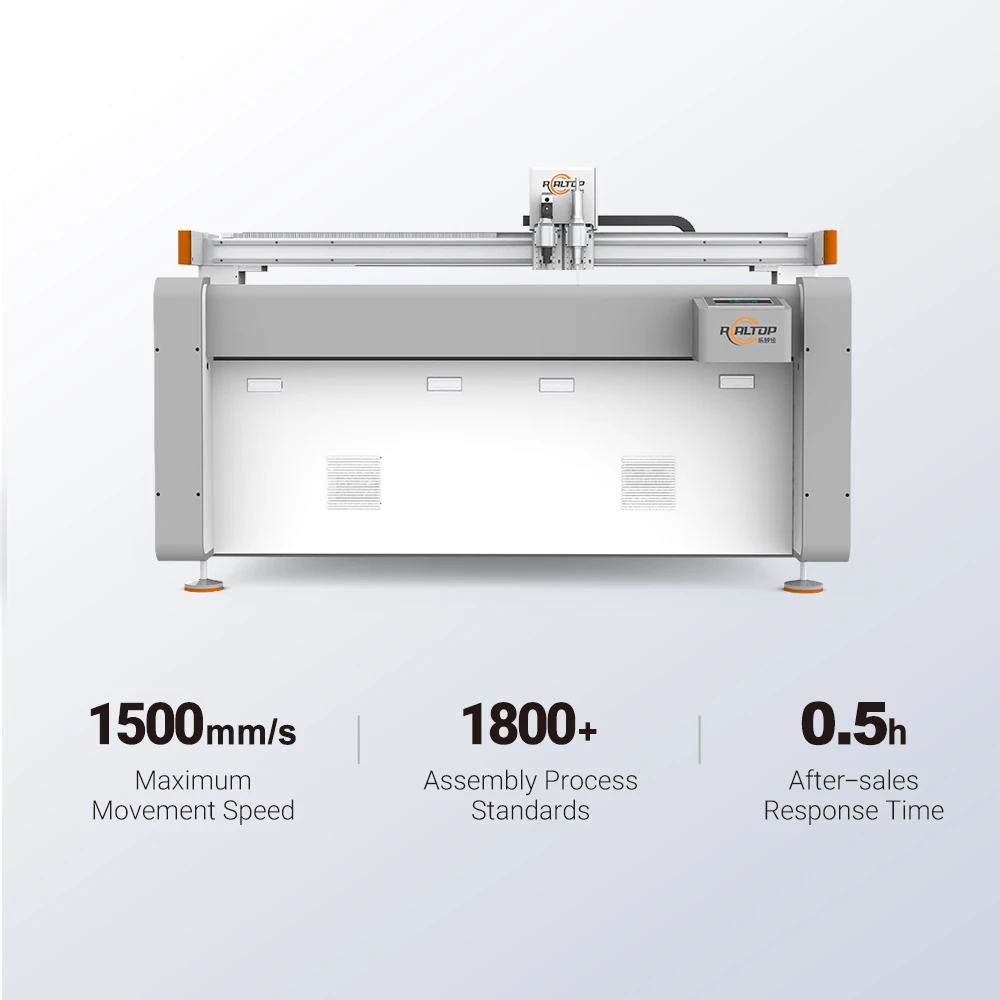
| Cutting Speed | 0 – 1500 mm/s |
| Maximum Cutting Thickness | ≤ 40 mm |
| Cutting Accuracy | ± 0.1 mm |
| Vacuum Pump | 9 kW |
| Voltage Options | 110 V, 220 V, 380 V |
| File Format Compatibility | PLT, DXF, AI, PDF |
| Safety Devices | Infrared sensor, Emergency stop |
| Machine Dimensions | 3300 × 2100 × 1350 mm |
| Control System | PLC control panel with intuitive interface |
| Included Software | Dedicated packaging box structure design software |
| Language Options | English, Russian, Italian, Chinese (customizable) |
| Servo Motor Options | Panasonic, Delta, Dorna |
| Vacuum Table Type | Aluminum bellows vacuum table |
| Certification | CE |
Application Suitability
| Application | Material or Output |
|---|---|
| Corrugated packaging prototyping | E-flute, B-flute, BC-flute corrugated board up to 40 mm |
| Greyboard and specialty carton sample making | Greyboard, cardstock, art paper, specialty paper |
| Foam insert and cushion production | EVA foam, EPE foam, PU foam materials |
| Gasket and protective pad cutting | Rubber mats, composite sheets, adhesive-backed materials |
| Textile and leather packaging components | Velvet, fleece fabric, non-woven fabric, leather, synthetic leather |
| Thin plastic sheet packaging | PVC, PET sheets for blister and clamshell components |
Why the Voltage Question Should Come Before the Price
Confirm your facility’s three-phase voltage and plug standard before evaluating any CNC Oscillating Knife Cutting Machine manufacturer.
I have watched a digital cutting table sit idle on a workshop floor in Dubai for over three weeks because the local electrician could not match the machine’s terminal block to the building’s supply panel. The distributor had specified working area and cutting speed in detail but never asked about the facility’s voltage configuration or frequency standard. [NEED_CITE: voltage and frequency standards by export market] That delay cost more in missed sample deadlines than the machine’s shipping fees. When procurement teams focus entirely on cutting specifications and skip the electrical infrastructure conversation, the most precise oscillating knife system becomes a heavy paperweight until an expensive on-site rewiring job is completed.
Matching Tool Heads to Corrugated Flute Profiles
Different corrugated materials demand different cutting approaches, and a single oscillating knife cannot handle every flute type cleanly. This CNC Oscillating Knife Cutting Machine manufacturer offers seven interchangeable tool options, from the standard oscillating knife for single-layer E-flute to the V groove knife for creating fold lines in heavier BC-flute boards. The creasing wheel scores precise fold lines without crushing the internal fluting structure, which is essential when the finished box must pass a compression test. Selecting the wrong tool head produces ragged edges on thin art paper or incomplete cuts through double-wall corrugated stock, so the tool configuration must be locked in based on the buyer’s actual material stack before production begins.
Software Compatibility and Packaging Design Workflow
The dedicated packaging box structure design software included with this system accepts PLT, DXF, AI, and PDF files, which covers the export formats generated by most mainstream CAD platforms used in packaging development. [NEED_CITE: common CAD file export formats in packaging industry] A sample maker transitioning from physical die-cut molds to digital cutting needs to confirm that their existing design library imports without geometry distortion or lost crease lines. The PLC control panel interface is available in English, Russian, Italian, and Chinese, with additional languages configurable for specific markets. This matters on the shop floor where the operator running daily production jobs needs to read error messages and adjust parameters in a language they understand, not decode translated abbreviations under time pressure.
Reading the Specification Sheet for Real Production Conditions
The 1600 × 2500 mm working area accommodates standard packaging sheet sizes, but the aluminum bellows vacuum table is what actually holds thin cardstock and lightweight art paper flat during cutting. Without adequate hold-down force across the entire bed, small packaging components lift off the surface at the 1500 mm/s maximum cutting speed, producing dimensional errors that exceed the ±0.1 mm accuracy rating. The 9 kW vacuum pump generates the suction needed for porous corrugated board, where air leaks through the fluting channels and reduces effective holding pressure. [NEED_CITE: vacuum hold-down requirements for porous corrugated materials] The cutting thickness limit of 40 mm applies to compressible materials like foam and single-wall corrugated; denser materials such as thick greyboard may require a reduced depth per pass to maintain edge quality and protect the knife blade from premature wear.
The Cost of Skipping Material Testing Before Shipment
When a buyer specifies a machine based solely on working area and price, the first production run often reveals problems that a simple sample test would have caught. Foam materials cut cleanly with an oscillating knife but melt and seal with a laser; adhesive-backed composites leave residue on certain knife surfaces that degrades cut quality over successive shifts. A vacuum table with insufficient zoning allows small die-cut shapes to shift during the final cut pass, turning a nested sheet of packaging components into scrap. [NEED_CITE: material-specific cutting failures in digital finishing] These issues surface after the machine is installed, when returning it or waiting for replacement parts means weeks of idle capacity and unfulfilled sample orders to prospective clients.
Why Source This Equipment Here
The in-house design and production capability covers both knife and laser technologies, so a buyer working with corrugated board today and acrylic displays tomorrow can match each material to the correct cutting method rather than forcing one machine to do everything. Tool head and table configurations are specified per material type and daily production volume, not selected from a fixed catalog page. Sample cutting on the buyer’s own corrugated stock is completed and documented before the order is finalized, providing a physical reference for edge quality and dimensional accuracy. Voltage, plug type, control language, and software licensing are confirmed in writing before production starts, eliminating the electrical mismatch scenarios that strand equipment on foreign workshop floors. The factory test record verifies cutting performance across the buyer’s specified flute profiles and thicknesses, not just a generic demonstration material.
Documentation & Verification
- Machine specification sheet detailing tool head configuration matched to your corrugated flute types
- Electrical schematic confirming voltage, frequency, and plug standard for your facility
- Sample cutting report on your own cardboard and foam materials with measured accuracy data
- Software licence and file format compatibility note for PLT, DXF, AI, and PDF workflows
- Factory test record covering cutting speed and edge quality on your specified material range
- Operation and maintenance manual in your selected control language
Installation, Commissioning & Support
- Verify floor space for the 3300 × 2100 mm footprint plus operator clearance on all sides
- Confirm dedicated circuit capacity for the 9 kW vacuum pump and servo motor startup current
- Machine ships partially assembled; plan for table leveling and vacuum hose connection on arrival
- First-run parameter tuning covers knife oscillation frequency and vacuum zoning for your materials
- Operator training addresses tool change procedure across all seven cutting tool positions
- Spare parts list includes oscillating knife blades, creasing wheels, and vacuum table seals
What to Include With Your Inquiry
Provide the specific corrugated flute types and board thicknesses your facility processes, along with typical sheet dimensions and daily cutting volume. State your workshop’s available voltage, phase configuration, and frequency standard so the electrical system is built to match before assembly begins. Indicate which CAD platform your design team uses and whether you need the packaging structure software configured in a specific language for your production floor operators.
Frequently Asked Questions
Q: How do I decide between knife cutting and laser cutting for my packaging materials?
A: Knife cutting handles corrugated board, foam inserts, and adhesive-backed materials without thermal damage or sealed edges, which is critical when boxes must remain breathable or foam must stay flexible. Laser cutting suits acrylic display components and thin polyester films where a sealed edge prevents fraying. If your product range spans both categories, the manufacturer covers both technologies so each material is matched to its appropriate method rather than compromised on a single system.
Q: Which tool head works best for corrugated cardboard versus foam?
A: Corrugated board typically uses the oscillating knife for through-cuts and the creasing wheel for fold lines, preserving the internal flute structure needed for box compression strength. Foam materials cut cleanly with the oscillating knife at adjusted frequency settings, while the driven rotary knife handles thicker EVA and EPE foam without compressing the material during the cut pass. The correct tool head is confirmed during sample testing on your actual materials.
Q: Are my existing design files compatible with this system?
A: The included packaging structure design software imports PLT, DXF, AI, and PDF formats, covering exports from most standard packaging CAD platforms. Before committing to an order, the software compatibility is verified against sample files from your existing design library to confirm that crease lines, cut paths, and nested layouts transfer without geometry errors or missing layers.
Q: Can I test the machine on my specific materials before ordering?
A: Yes. Sample cutting is performed on the buyer’s own corrugated board, foam, or composite materials before the order is finalized. The sample cutting report documents edge quality, dimensional accuracy, and cutting speed achieved on your specific material stack, providing a physical and measured reference rather than a generic demonstration on standard test stock.
Q: What cutting method works if I process multiple material types?
A: This system supports seven interchangeable cutting tools on a single platform, allowing the same machine to handle corrugated board, greyboard, foam, rubber, and thin plastics by switching tool heads. For buyers whose product range also includes acrylic or sheet metal, the manufacturer produces both knife and laser equipment, so each material category is assigned to the correct cutting technology.
Complete cutting method matching — Every tool head, table surface, and software package is configured to the buyer’s specific corrugated flute profile and packaging workflow before the machine leaves the factory.
Technical Specifications
| Parameter | Value |
|---|---|
| Product Type | CNC Oscillating Knife Cutting Machine for Packaging |
| Working Area | 1600 × 2500 mm |
| Cutting Tools | Oscillating knife, Driven rotary knife, Creasing wheel, Kiss cutting tool, Pneumatic knife, Milling tool, V groove knife |
| Applicable Materials | Fabric, Cardboard, Carton, Mats, PVC, EVA, Leather, Acrylic, Foam, PTFE, Rubber |
| Cutting Speed | 0 – 1500 mm/s |
| Maximum Cutting Thickness | ≤ 40 mm |
| Cutting Accuracy | ± 0.1 mm |
| Vacuum Pump | 9 kW |
| Voltage Options | 110 V, 220 V, 380 V |
| File Format Compatibility | PLT, DXF, AI, PDF |
| Safety Devices | Infrared sensor, Emergency stop |
| Machine Dimensions | 3300 × 2100 × 1350 mm |
| Control System | PLC control panel with intuitive interface |
| Included Software | Dedicated packaging box structure design software |
| Language Options | English, Russian, Italian, Chinese (customizable) |
| Servo Motor Options | Panasonic, Delta, Dorna |
| Vacuum Table Type | Aluminum bellows vacuum table |
| Certification | CE |
Application Suitability
| Application | Material or Output |
|---|---|
| Corrugated packaging prototyping | E-flute, B-flute, BC-flute corrugated board up to 40 mm |
| Greyboard and specialty carton sample making | Greyboard, cardstock, art paper, specialty paper |
| Foam insert and cushion production | EVA foam, EPE foam, PU foam materials |
| Gasket and protective pad cutting | Rubber mats, composite sheets, adhesive-backed materials |
| Textile and leather packaging components | Velvet, fleece fabric, non-woven fabric, leather, synthetic leather |
| Thin plastic sheet packaging | PVC, PET sheets for blister and clamshell components |
Why the Voltage Question Should Come Before the Price
Confirm your facility’s three-phase voltage and plug standard before evaluating any CNC Oscillating Knife Cutting Machine manufacturer.
I have watched a digital cutting table sit idle on a workshop floor in Dubai for over three weeks because the local electrician could not match the machine’s terminal block to the building’s supply panel. The distributor had specified working area and cutting speed in detail but never asked about the facility’s voltage configuration or frequency standard. [NEED_CITE: voltage and frequency standards by export market] That delay cost more in missed sample deadlines than the machine’s shipping fees. When procurement teams focus entirely on cutting specifications and skip the electrical infrastructure conversation, the most precise oscillating knife system becomes a heavy paperweight until an expensive on-site rewiring job is completed.
Matching Tool Heads to Corrugated Flute Profiles
Different corrugated materials demand different cutting approaches, and a single oscillating knife cannot handle every flute type cleanly. This CNC Oscillating Knife Cutting Machine manufacturer offers seven interchangeable tool options, from the standard oscillating knife for single-layer E-flute to the V groove knife for creating fold lines in heavier BC-flute boards. The creasing wheel scores precise fold lines without crushing the internal fluting structure, which is essential when the finished box must pass a compression test. Selecting the wrong tool head produces ragged edges on thin art paper or incomplete cuts through double-wall corrugated stock, so the tool configuration must be locked in based on the buyer’s actual material stack before production begins.
Software Compatibility and Packaging Design Workflow
The dedicated packaging box structure design software included with this system accepts PLT, DXF, AI, and PDF files, which covers the export formats generated by most mainstream CAD platforms used in packaging development. [NEED_CITE: common CAD file export formats in packaging industry] A sample maker transitioning from physical die-cut molds to digital cutting needs to confirm that their existing design library imports without geometry distortion or lost crease lines. The PLC control panel interface is available in English, Russian, Italian, and Chinese, with additional languages configurable for specific markets. This matters on the shop floor where the operator running daily production jobs needs to read error messages and adjust parameters in a language they understand, not decode translated abbreviations under time pressure.
Reading the Specification Sheet for Real Production Conditions
The 1600 × 2500 mm working area accommodates standard packaging sheet sizes, but the aluminum bellows vacuum table is what actually holds thin cardstock and lightweight art paper flat during cutting. Without adequate hold-down force across the entire bed, small packaging components lift off the surface at the 1500 mm/s maximum cutting speed, producing dimensional errors that exceed the ±0.1 mm accuracy rating. The 9 kW vacuum pump generates the suction needed for porous corrugated board, where air leaks through the fluting channels and reduces effective holding pressure. [NEED_CITE: vacuum hold-down requirements for porous corrugated materials] The cutting thickness limit of 40 mm applies to compressible materials like foam and single-wall corrugated; denser materials such as thick greyboard may require a reduced depth per pass to maintain edge quality and protect the knife blade from premature wear.
The Cost of Skipping Material Testing Before Shipment
When a buyer specifies a machine based solely on working area and price, the first production run often reveals problems that a simple sample test would have caught. Foam materials cut cleanly with an oscillating knife but melt and seal with a laser; adhesive-backed composites leave residue on certain knife surfaces that degrades cut quality over successive shifts. A vacuum table with insufficient zoning allows small die-cut shapes to shift during the final cut pass, turning a nested sheet of packaging components into scrap. [NEED_CITE: material-specific cutting failures in digital finishing] These issues surface after the machine is installed, when returning it or waiting for replacement parts means weeks of idle capacity and unfulfilled sample orders to prospective clients.
Why Source This Equipment Here
The in-house design and production capability covers both knife and laser technologies, so a buyer working with corrugated board today and acrylic displays tomorrow can match each material to the correct cutting method rather than forcing one machine to do everything. Tool head and table configurations are specified per material type and daily production volume, not selected from a fixed catalog page. Sample cutting on the buyer’s own corrugated stock is completed and documented before the order is finalized, providing a physical reference for edge quality and dimensional accuracy. Voltage, plug type, control language, and software licensing are confirmed in writing before production starts, eliminating the electrical mismatch scenarios that strand equipment on foreign workshop floors. The factory test record verifies cutting performance across the buyer’s specified flute profiles and thicknesses, not just a generic demonstration material.
Documentation & Verification
- Machine specification sheet detailing tool head configuration matched to your corrugated flute types
- Electrical schematic confirming voltage, frequency, and plug standard for your facility
- Sample cutting report on your own cardboard and foam materials with measured accuracy data
- Software licence and file format compatibility note for PLT, DXF, AI, and PDF workflows
- Factory test record covering cutting speed and edge quality on your specified material range
- Operation and maintenance manual in your selected control language
Installation, Commissioning & Support
- Verify floor space for the 3300 × 2100 mm footprint plus operator clearance on all sides
- Confirm dedicated circuit capacity for the 9 kW vacuum pump and servo motor startup current
- Machine ships partially assembled; plan for table leveling and vacuum hose connection on arrival
- First-run parameter tuning covers knife oscillation frequency and vacuum zoning for your materials
- Operator training addresses tool change procedure across all seven cutting tool positions
- Spare parts list includes oscillating knife blades, creasing wheels, and vacuum table seals
What to Include With Your Inquiry
Provide the specific corrugated flute types and board thicknesses your facility processes, along with typical sheet dimensions and daily cutting volume. State your workshop’s available voltage, phase configuration, and frequency standard so the electrical system is built to match before assembly begins. Indicate which CAD platform your design team uses and whether you need the packaging structure software configured in a specific language for your production floor operators.
Frequently Asked Questions
Q: How do I decide between knife cutting and laser cutting for my packaging materials?
A: Knife cutting handles corrugated board, foam inserts, and adhesive-backed materials without thermal damage or sealed edges, which is critical when boxes must remain breathable or foam must stay flexible. Laser cutting suits acrylic display components and thin polyester films where a sealed edge prevents fraying. If your product range spans both categories, the manufacturer covers both technologies so each material is matched to its appropriate method rather than compromised on a single system.
Q: Which tool head works best for corrugated cardboard versus foam?
A: Corrugated board typically uses the oscillating knife for through-cuts and the creasing wheel for fold lines, preserving the internal flute structure needed for box compression strength. Foam materials cut cleanly with the oscillating knife at adjusted frequency settings, while the driven rotary knife handles thicker EVA and EPE foam without compressing the material during the cut pass. The correct tool head is confirmed during sample testing on your actual materials.
Q: Are my existing design files compatible with this system?
A: The included packaging structure design software imports PLT, DXF, AI, and PDF formats, covering exports from most standard packaging CAD platforms. Before committing to an order, the software compatibility is verified against sample files from your existing design library to confirm that crease lines, cut paths, and nested layouts transfer without geometry errors or missing layers.
Q: Can I test the machine on my specific materials before ordering?
A: Yes. Sample cutting is performed on the buyer’s own corrugated board, foam, or composite materials before the order is finalized. The sample cutting report documents edge quality, dimensional accuracy, and cutting speed achieved on your specific material stack, providing a physical and measured reference rather than a generic demonstration on standard test stock.
Q: What cutting method works if I process multiple material types?
A: This system supports seven interchangeable cutting tools on a single platform, allowing the same machine to handle corrugated board, greyboard, foam, rubber, and thin plastics by switching tool heads. For buyers whose product range also includes acrylic or sheet metal, the manufacturer produces both knife and laser equipment, so each material category is assigned to the correct cutting technology.
商品评价
There are no reviews yet.