

Fast Delivery
Quick, reliable shipping to any location.

Free & easy returns
Return this item by mail or in store within 90 days for a full refund.
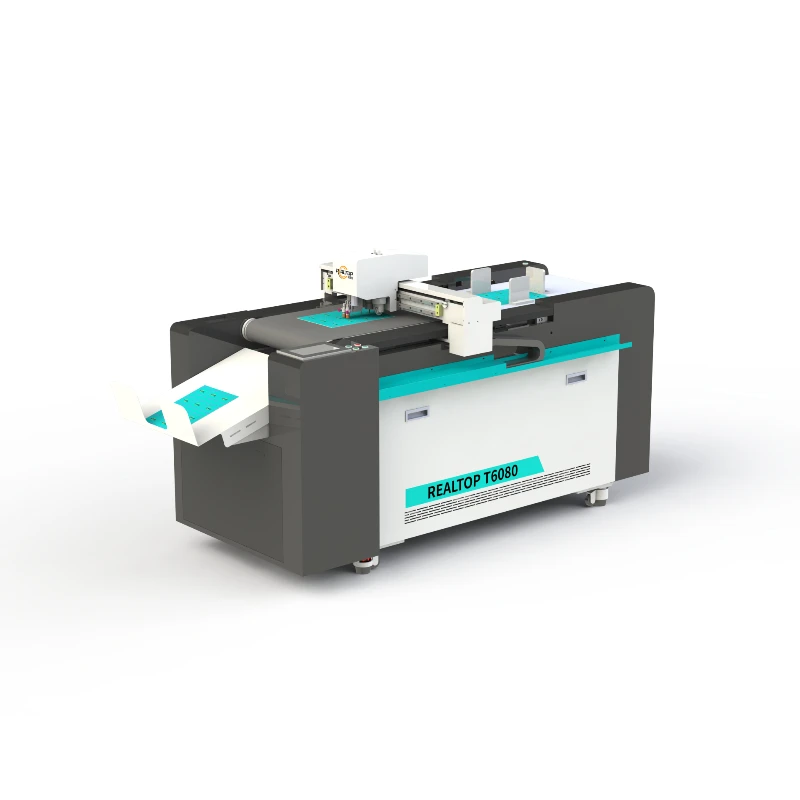
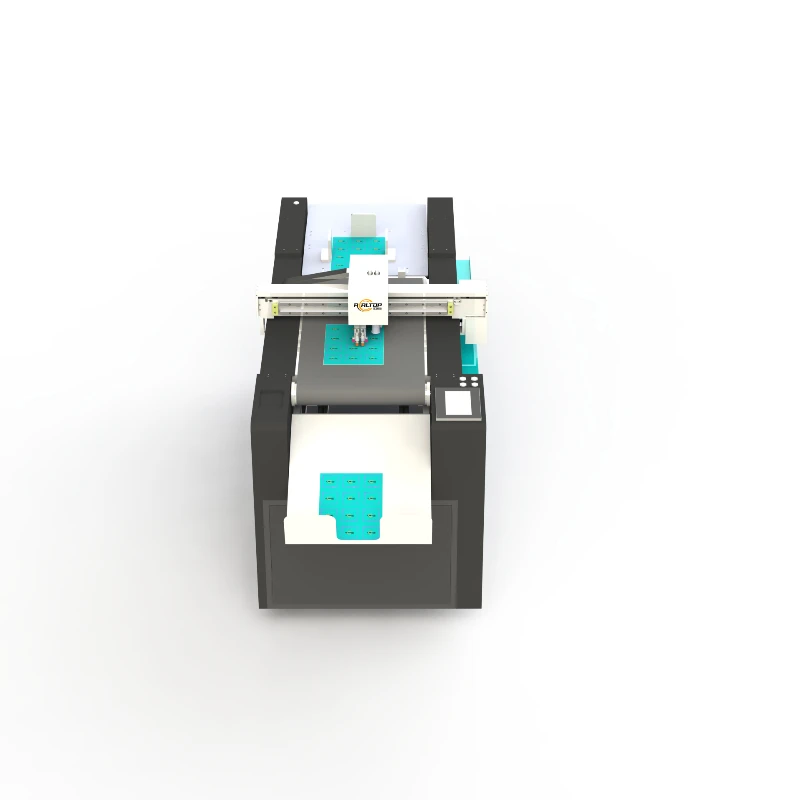
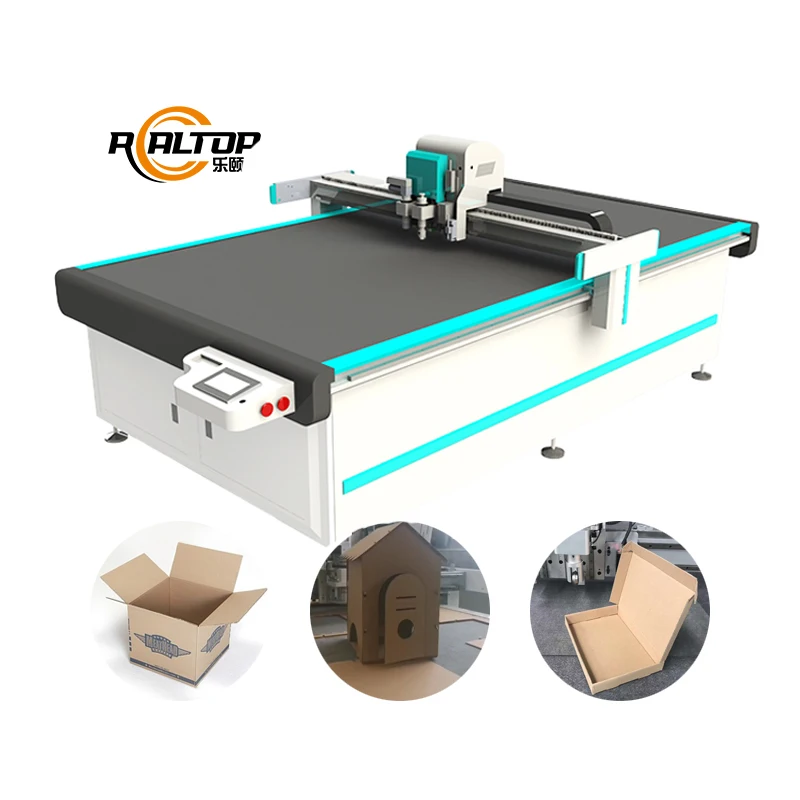
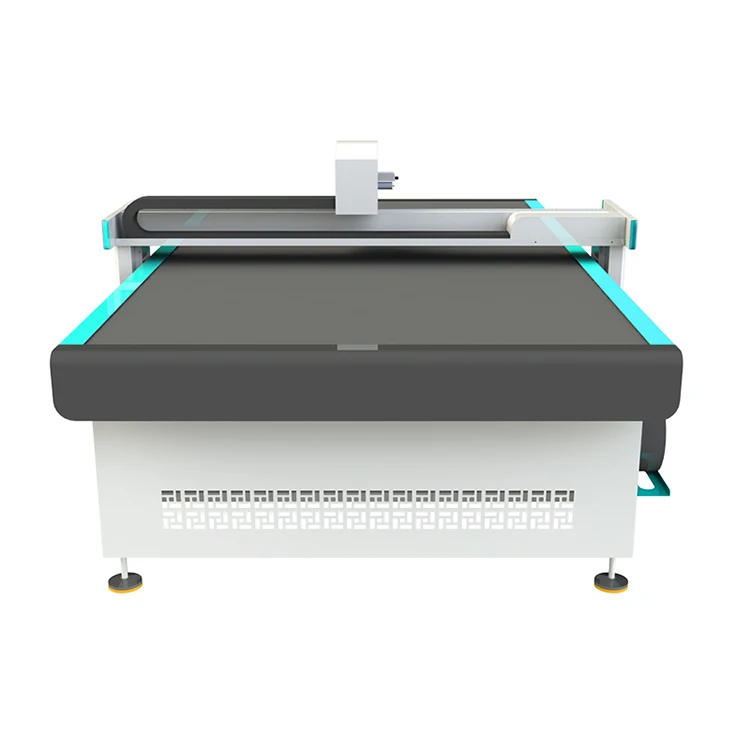
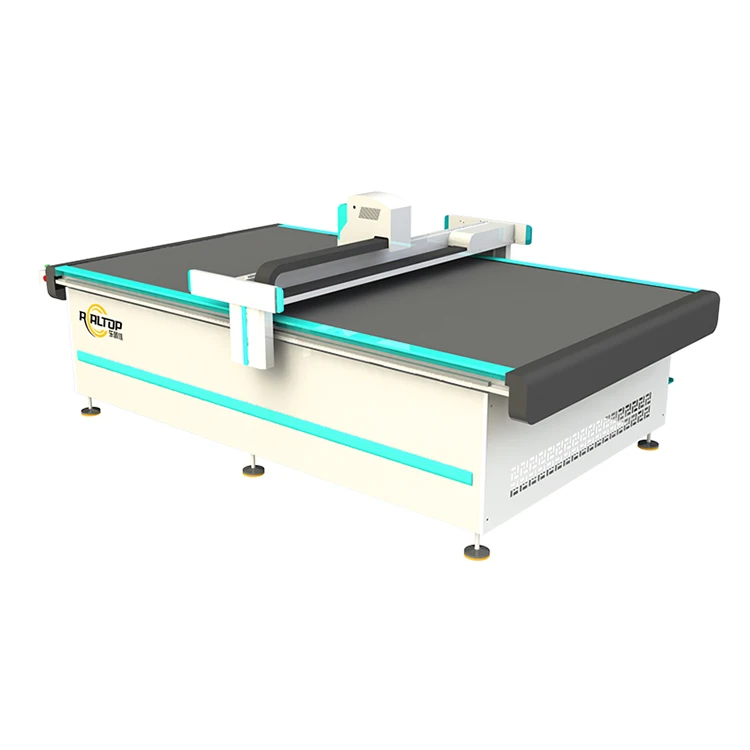
Precision Configuration — Tool head and table configuration specified per material and production volume, from kiss-cutting thin vinyl to oscillating knife work on 5mm substrates.
Technical Specifications
| Parameter | Value |
|---|---|
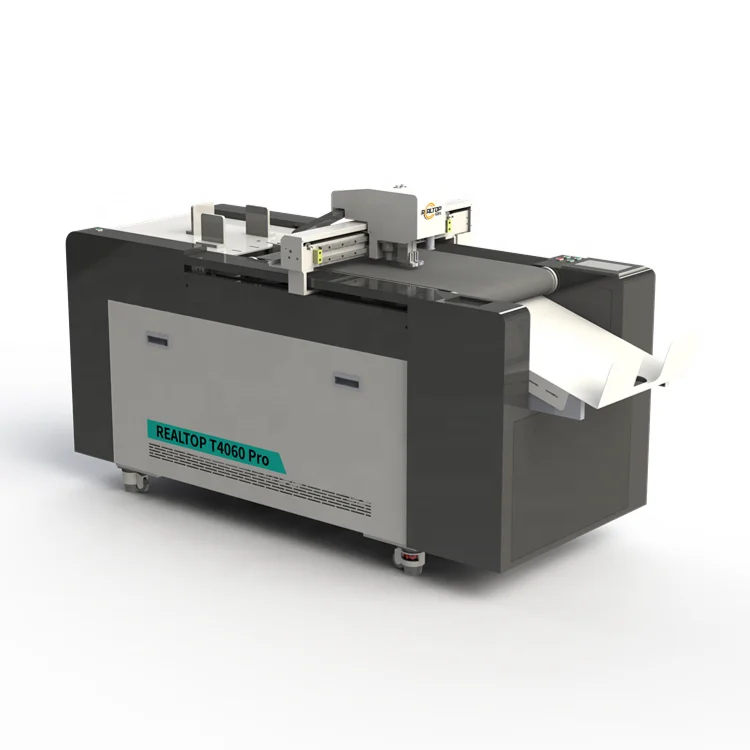
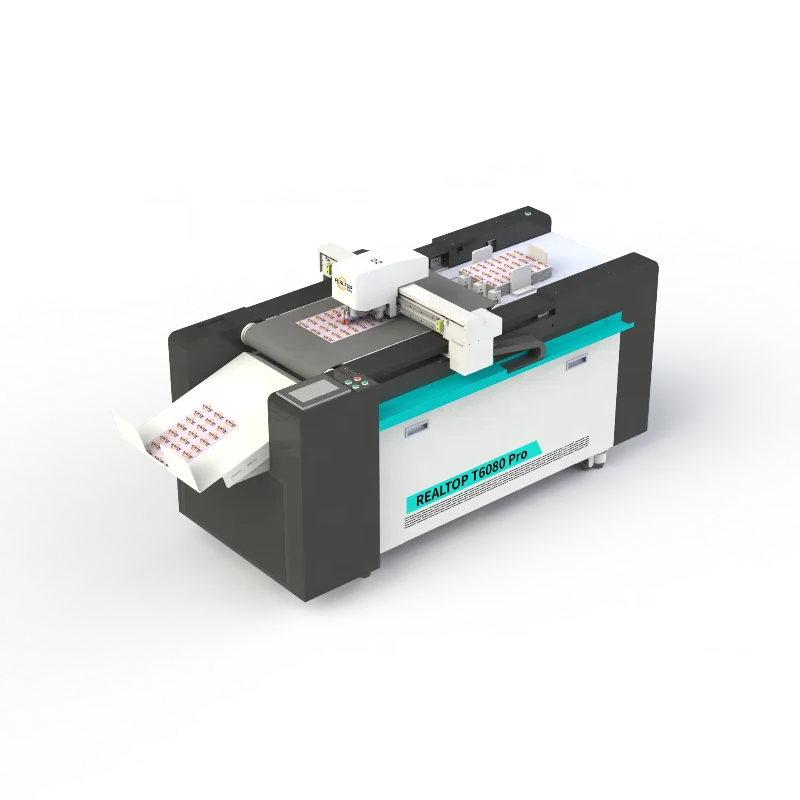
| Model | RTT6080 / RTT6080 Pro |
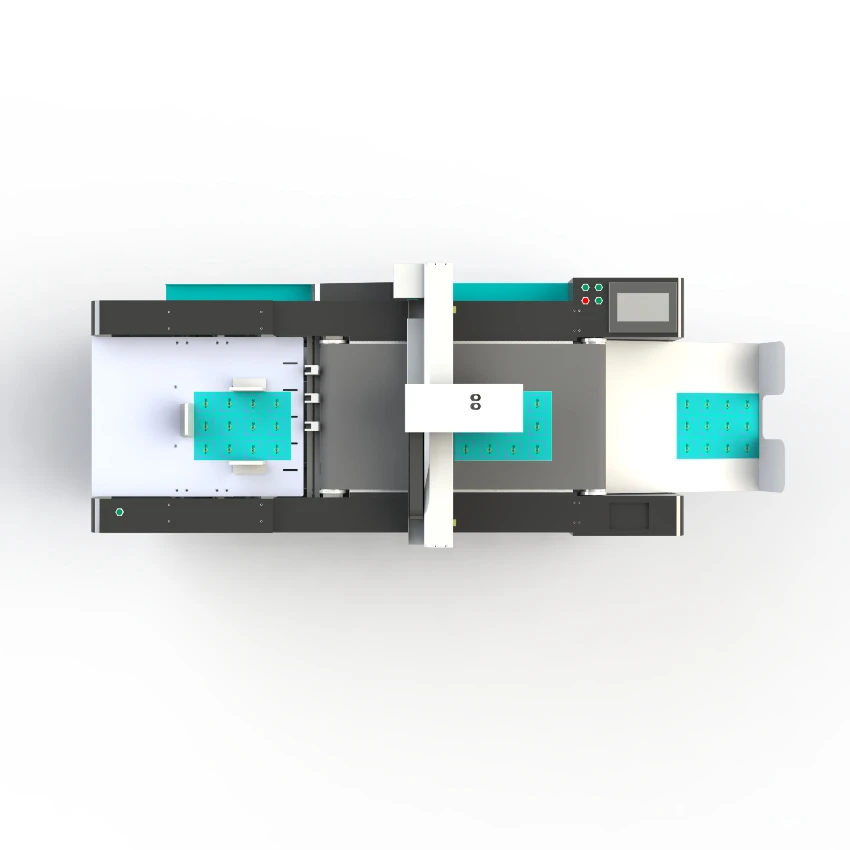
| Max Working Area | 600mm × 800mm |
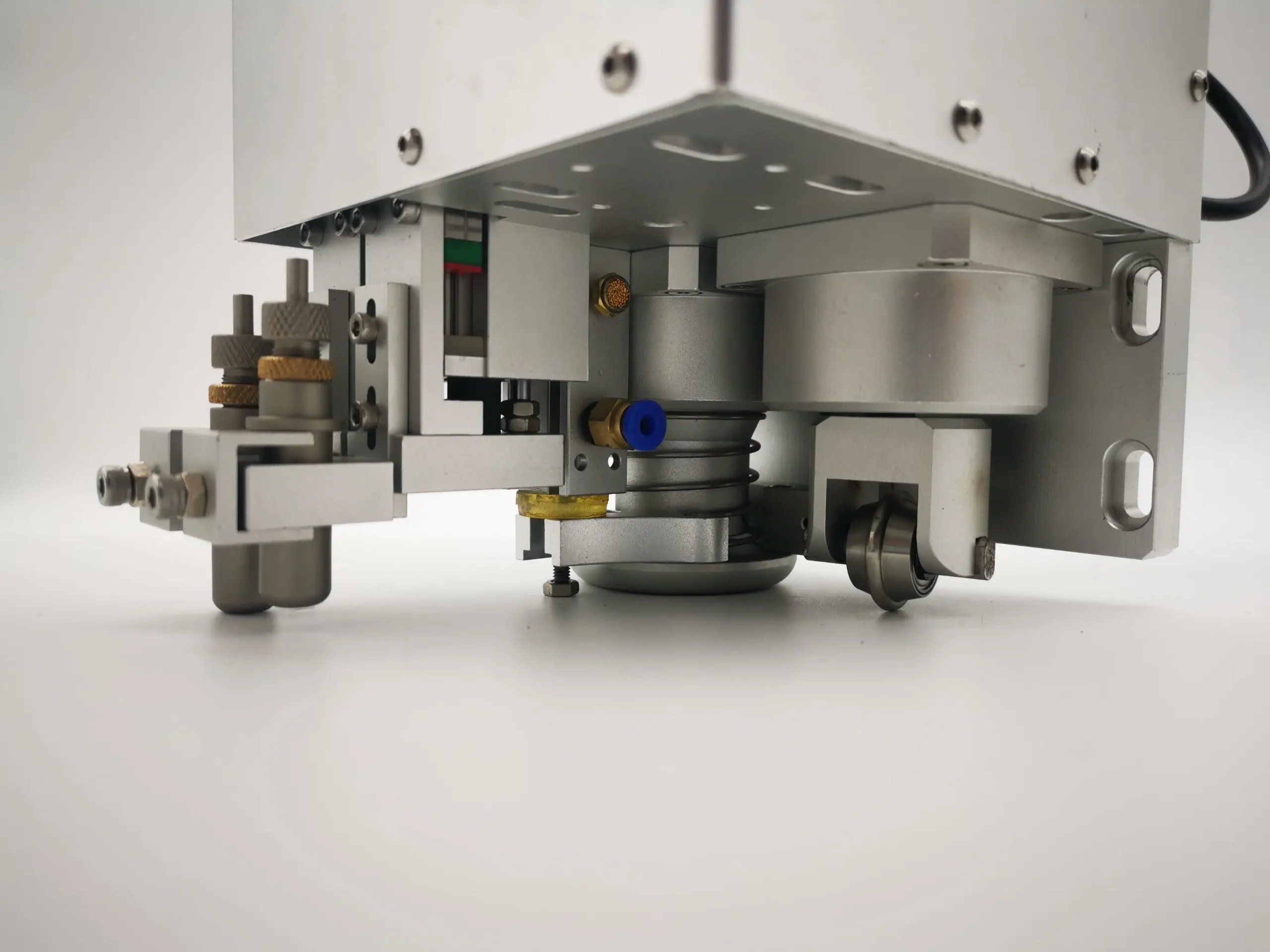
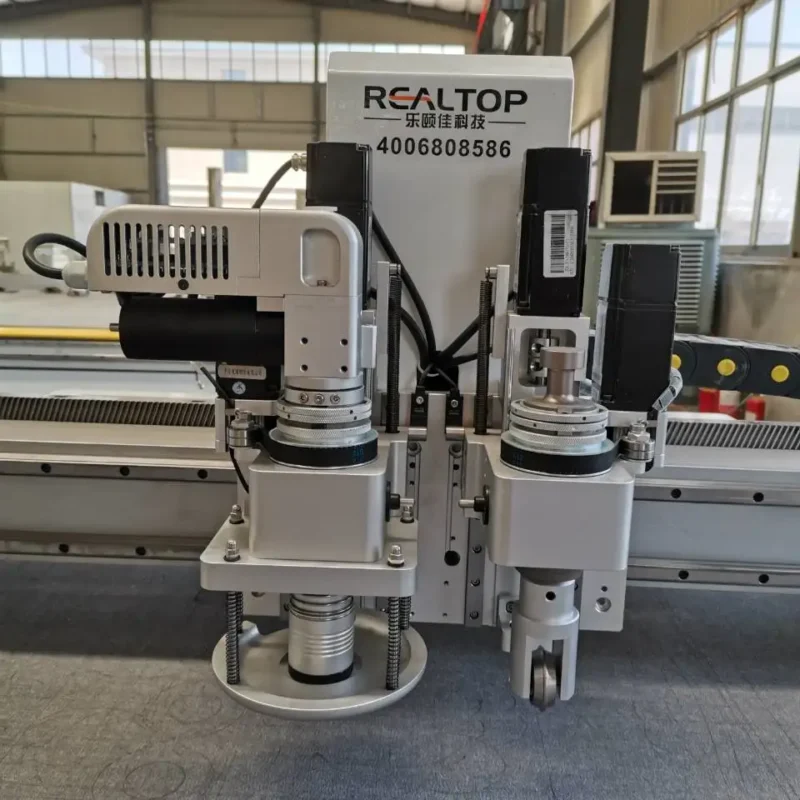
| Tools Group | Cutting tool, kiss cutting tool, creasing tool, CCD camera, high speed oscillating knife (Pro model) |
| Max Cutting Speed | 1500mm/s (according to the material) |
| Cutting Thickness | ≤2mm (RTT6080); ≤5mm (RTT6080 Pro) |
| Positioning Accuracy | 0.05mm |
| File Format | DXF, PLT, PDF, AI |
| Transfer Method | Ethernet port |
| Rated Power | 3.2kW (RTT6080); 3.2kW (RTT6080 Pro) |
| Voltage | 220V/380V, 50Hz |
| CCD Camera | Included |
| Assembly State | (basis not stated in source) |
| Control System | (basis not stated in source) |
| Overall Dimensions | (basis not stated in source) |
| Net Weight | (basis not stated in source) |
| Vacuum Table / Zoning | (basis not stated in source) |
| Auto Feeding System | (basis not stated in source) |
| Standards | CE (where applicable) |
Application Suitability
| Application | Material or Output |
|---|---|
| Signage and decal production | Vinyl, self-adhesive films, reflective sheeting |
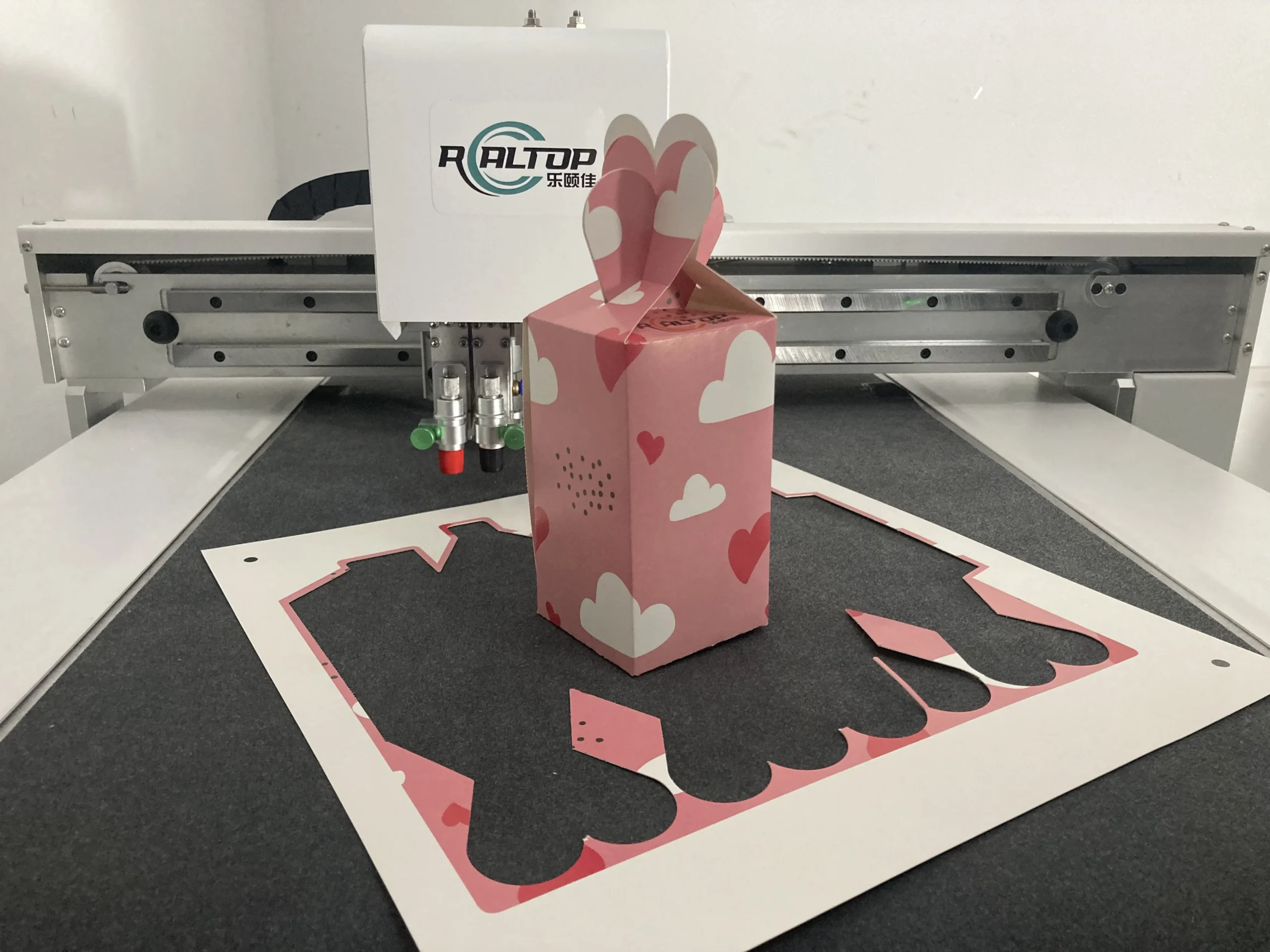
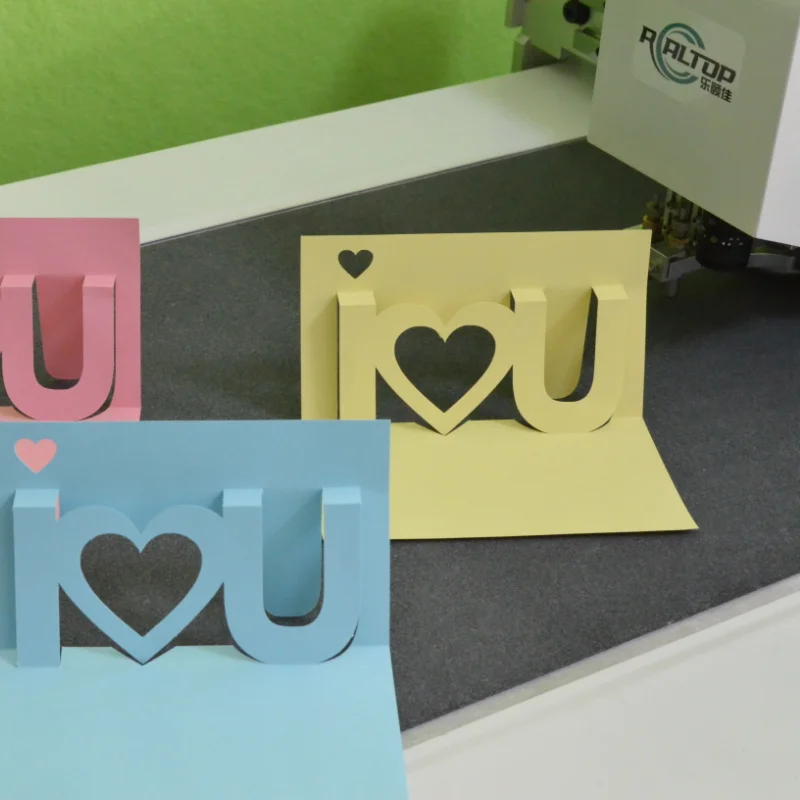
| Packaging sample making | Thin board, corrugated media, carton stock |
| Contour cutting of printed graphics | Digitally printed decals, labels, stickers via CCD positioning |
| Flexible material cutting | Thin foams, gaskets, textiles up to 5mm on RTT6080 Pro |
Why a Flatbed Vinyl Plotter Cutter Fails When the Material Is Thicker Than Expected
Most flatbed vinyl plotter cutter returns happen because the buyer matched the working area but ignored the tool head and thickness rating.
A sign shop cutting 3mm self-adhesive foam with a machine rated for 2mm will get crushed edges and uneven kiss-cuts within the first hour of production. The problem is not the machine — it is the specification mismatch. I have watched entire roll runs go to scrap because a cutter was chosen on bed size alone, with no attention to whether the tool group could handle the substrate stiffness. The RTT6080 and RTT6080 Pro exist as two distinct tiers precisely to prevent this: one covers thin vinyl and film up to 2mm, the other extends to 5mm with a high-speed oscillating knife for denser flexible materials. [NEED_CITE: material thickness versus tool head selection in digital cutting]
Dual-Model Strategy for Two Thickness Bands
Choosing between the RTT6080 and the RTT6080 Pro starts with the thickest material in your daily run, not the thinnest. A shop running predominantly self-adhesive vinyl at 1mm or below will find the RTT6080 sufficient, with its drag knife and kiss cutting tool handling standard signage films cleanly. The RTT6080 Pro adds the high speed oscillating knife, which changes the game for shops that also cut thin foam, gasket sheets, or multi-layer textile stacks. This flatbed vinyl plotter cutter series lets buyers right-size without paying for capability they will never use.
CCD Camera Contour Recognition at Production Speed
The integrated CCD camera enables contour cutting on pre-printed graphics — a workflow where registration marks must be read and matched before each cut path executes. At 1500mm/s maximum speed, the camera must track marks reliably without slowing the head between jobs. I always ask buyers to send a sheet of their actual printed output so we can test recognition under their ink density and lamination conditions. Printed vinyl that reads perfectly on one machine can fail on another if the camera resolution or software threshold is not matched to the mark contrast. [NEED_CITE: CCD contour recognition validation on printed media]
What the Specs Actually Mean on the Shop Floor
The 0.05mm positioning accuracy matters most when cutting small-format decals or intricate lettering where even slight drift produces visible misalignment. The 600mm × 800mm working area suits short-run and sample work rather than wide-format banner production, so buyers running 1.2m-wide rolls should consider whether an auto feeding system with registration correction is available. Ethernet file transfer eliminates the unreliability of USB drives in dusty workshop environments, and DXF, PLT, PDF, AI support means the flatbed vinyl plotter cutter integrates directly with most vector design workflows without file conversion. The 3.2kW rated power across both models indicates the servo and vacuum systems are matched to the bed size rather than oversized for a machine this class.
The Hidden Cost of a Wrong Vacuum Zone Layout
Small vinyl parts and intricate lettering require strong hold-down force across the entire bed, but a vacuum table with only one or two large zones will leave edges lifting near the perimeter. When a thin film lifts during a kiss cut, the blade skips or tears through the backing paper. I have seen buyers blame the blade when the real issue was insufficient vacuum zoning for their part size. Always confirm the zone layout and whether the pump capacity matches the smallest piece in your typical nesting layout. [NEED_CITE: vacuum table zoning requirements for small-part digital cutting]
Why Sourcing This Flatbed Vinyl Plotter Cutter Here Makes Sense
Both knife and laser cutting technologies are designed and built in-house, so the cutting method is matched to the material rather than forced into one system. Tool head and table configuration are specified per material type and daily volume before the order is placed. CCD camera positioning is validated on the buyer’s own printed media, not on generic test sheets. Software compatibility — file formats, nesting workflow, licence terms — is confirmed in writing before production begins. Voltage, plug type, and control language are locked to the destination market, and sample cutting on the buyer’s actual vinyl or film is completed before shipment commitment.
Documentation & Verification
- Machine specification sheet listing tool head options and cutting thickness per model
- Electrical schematic with confirmed voltage, frequency, and plug type for your market
- Tool head and table configuration list matched to your material and part size
- Sample cutting report on your own vinyl or film showing edge quality and CCD accuracy
- CE declaration included where applicable to the destination market
- Software licence document with supported file format and nesting compatibility confirmed
Installation, Commissioning & Support
- Verify workshop power supply matches 220V or 380V at 50Hz with a dedicated circuit for the 3.2kW rated load
- Confirm whether the RTT6080 / RTT6080 Pro ships fully assembled or requires on-site frame and gantry setup
- First-run calibration includes CCD camera threshold tuning on your printed media
- Tool head changeover training covers switching between drag knife, kiss cutting, creasing, and oscillating knife
- Spare parts list covers blades, cutting mats, CCD camera components, and wear items
- Ethernet port setup includes network configuration for file transfer from your design workstation
What to Share Before Requesting a Quotation
Send the exact vinyl or film type you cut most often, along with thickness and whether it arrives on rolls or sheets. Specify your local voltage, frequency, and plug standard so the flatbed vinyl plotter cutter is wired correctly at the factory. If you run printed contour work, provide a sample sheet with your standard registration marks so the CCD camera can be tested against your actual print output. Mention your design software and preferred file format so we can confirm nesting and transfer compatibility before the order.
Frequently Asked Questions
Q: How do I choose between the RTT6080 and RTT6080 Pro for my material?
A: Start with the thickest substrate in your regular production. If you only cut vinyl and thin film up to 2mm, the RTT6080 with its drag knife and kiss cutting tool is sufficient. The RTT6080 Pro adds a high speed oscillating knife for materials up to 5mm, such as thin foam, gasket, or multi-layer textiles. Matching the model to your actual thickness range prevents edge quality issues and tool wear.
Q: What file formats and nesting workflows does this cutter support?
A: The system accepts DXF, PLT, PDF, and AI files transferred via Ethernet. Before ordering, share a sample file from your design software so we can confirm that line weights, layers, and cut path order translate correctly. Nesting workflow compatibility is verified in writing during the pre-order stage to avoid surprises after delivery.
Q: How is CCD contour recognition validated before shipment?
A: We request a sheet of your actual printed media with your standard registration marks. The CCD camera is then tested at production speed against your specific ink density, lamination, and mark size. A sample cutting report documents contour accuracy on your material so you can verify the flatbed vinyl plotter cutter handles your print output before it ships.
Q: What voltage and language options are available for my market?
A: The machine is configurable for 220V or 380V at 50Hz. Plug type and control system language are confirmed during the specification stage based on your destination country. Providing your local electrical standard early ensures the electrical schematic and wiring match your workshop supply without requiring on-site modification.
Q: What documentation ships with the machine?
A: Each unit includes a machine specification sheet, electrical schematic with voltage confirmation, tool head and table configuration list, sample cutting report, CE declaration where applicable, operation and maintenance manual, software licence with file format notes, and a spare parts list. Packing photographs are provided before dispatch for your records.
Precision Configuration — Tool head and table configuration specified per material and production volume, from kiss-cutting thin vinyl to oscillating knife work on 5mm substrates.
Technical Specifications
| Parameter | Value |
|---|---|
| Model | RTT6080 / RTT6080 Pro |
| Max Working Area | 600mm × 800mm |
| Tools Group | Cutting tool, kiss cutting tool, creasing tool, CCD camera, high speed oscillating knife (Pro model) |
| Max Cutting Speed | 1500mm/s (according to the material) |
| Cutting Thickness | ≤2mm (RTT6080); ≤5mm (RTT6080 Pro) |
| Positioning Accuracy | 0.05mm |
| File Format | DXF, PLT, PDF, AI |
| Transfer Method | Ethernet port |
| Rated Power | 3.2kW (RTT6080); 3.2kW (RTT6080 Pro) |
| Voltage | 220V/380V, 50Hz |
| CCD Camera | Included |
| Assembly State | (basis not stated in source) |
| Control System | (basis not stated in source) |
| Overall Dimensions | (basis not stated in source) |
| Net Weight | (basis not stated in source) |
| Vacuum Table / Zoning | (basis not stated in source) |
| Auto Feeding System | (basis not stated in source) |
| Standards | CE (where applicable) |
Application Suitability
| Application | Material or Output |
|---|---|
| Signage and decal production | Vinyl, self-adhesive films, reflective sheeting |
| Packaging sample making | Thin board, corrugated media, carton stock |
| Contour cutting of printed graphics | Digitally printed decals, labels, stickers via CCD positioning |
| Flexible material cutting | Thin foams, gaskets, textiles up to 5mm on RTT6080 Pro |
Why a Flatbed Vinyl Plotter Cutter Fails When the Material Is Thicker Than Expected
Most flatbed vinyl plotter cutter returns happen because the buyer matched the working area but ignored the tool head and thickness rating.
A sign shop cutting 3mm self-adhesive foam with a machine rated for 2mm will get crushed edges and uneven kiss-cuts within the first hour of production. The problem is not the machine — it is the specification mismatch. I have watched entire roll runs go to scrap because a cutter was chosen on bed size alone, with no attention to whether the tool group could handle the substrate stiffness. The RTT6080 and RTT6080 Pro exist as two distinct tiers precisely to prevent this: one covers thin vinyl and film up to 2mm, the other extends to 5mm with a high-speed oscillating knife for denser flexible materials. [NEED_CITE: material thickness versus tool head selection in digital cutting]
Dual-Model Strategy for Two Thickness Bands
Choosing between the RTT6080 and the RTT6080 Pro starts with the thickest material in your daily run, not the thinnest. A shop running predominantly self-adhesive vinyl at 1mm or below will find the RTT6080 sufficient, with its drag knife and kiss cutting tool handling standard signage films cleanly. The RTT6080 Pro adds the high speed oscillating knife, which changes the game for shops that also cut thin foam, gasket sheets, or multi-layer textile stacks. This flatbed vinyl plotter cutter series lets buyers right-size without paying for capability they will never use.
CCD Camera Contour Recognition at Production Speed
The integrated CCD camera enables contour cutting on pre-printed graphics — a workflow where registration marks must be read and matched before each cut path executes. At 1500mm/s maximum speed, the camera must track marks reliably without slowing the head between jobs. I always ask buyers to send a sheet of their actual printed output so we can test recognition under their ink density and lamination conditions. Printed vinyl that reads perfectly on one machine can fail on another if the camera resolution or software threshold is not matched to the mark contrast. [NEED_CITE: CCD contour recognition validation on printed media]
What the Specs Actually Mean on the Shop Floor
The 0.05mm positioning accuracy matters most when cutting small-format decals or intricate lettering where even slight drift produces visible misalignment. The 600mm × 800mm working area suits short-run and sample work rather than wide-format banner production, so buyers running 1.2m-wide rolls should consider whether an auto feeding system with registration correction is available. Ethernet file transfer eliminates the unreliability of USB drives in dusty workshop environments, and DXF, PLT, PDF, AI support means the flatbed vinyl plotter cutter integrates directly with most vector design workflows without file conversion. The 3.2kW rated power across both models indicates the servo and vacuum systems are matched to the bed size rather than oversized for a machine this class.
The Hidden Cost of a Wrong Vacuum Zone Layout
Small vinyl parts and intricate lettering require strong hold-down force across the entire bed, but a vacuum table with only one or two large zones will leave edges lifting near the perimeter. When a thin film lifts during a kiss cut, the blade skips or tears through the backing paper. I have seen buyers blame the blade when the real issue was insufficient vacuum zoning for their part size. Always confirm the zone layout and whether the pump capacity matches the smallest piece in your typical nesting layout. [NEED_CITE: vacuum table zoning requirements for small-part digital cutting]
Why Sourcing This Flatbed Vinyl Plotter Cutter Here Makes Sense
Both knife and laser cutting technologies are designed and built in-house, so the cutting method is matched to the material rather than forced into one system. Tool head and table configuration are specified per material type and daily volume before the order is placed. CCD camera positioning is validated on the buyer’s own printed media, not on generic test sheets. Software compatibility — file formats, nesting workflow, licence terms — is confirmed in writing before production begins. Voltage, plug type, and control language are locked to the destination market, and sample cutting on the buyer’s actual vinyl or film is completed before shipment commitment.
Documentation & Verification
- Machine specification sheet listing tool head options and cutting thickness per model
- Electrical schematic with confirmed voltage, frequency, and plug type for your market
- Tool head and table configuration list matched to your material and part size
- Sample cutting report on your own vinyl or film showing edge quality and CCD accuracy
- CE declaration included where applicable to the destination market
- Software licence document with supported file format and nesting compatibility confirmed
Installation, Commissioning & Support
- Verify workshop power supply matches 220V or 380V at 50Hz with a dedicated circuit for the 3.2kW rated load
- Confirm whether the RTT6080 / RTT6080 Pro ships fully assembled or requires on-site frame and gantry setup
- First-run calibration includes CCD camera threshold tuning on your printed media
- Tool head changeover training covers switching between drag knife, kiss cutting, creasing, and oscillating knife
- Spare parts list covers blades, cutting mats, CCD camera components, and wear items
- Ethernet port setup includes network configuration for file transfer from your design workstation
What to Share Before Requesting a Quotation
Send the exact vinyl or film type you cut most often, along with thickness and whether it arrives on rolls or sheets. Specify your local voltage, frequency, and plug standard so the flatbed vinyl plotter cutter is wired correctly at the factory. If you run printed contour work, provide a sample sheet with your standard registration marks so the CCD camera can be tested against your actual print output. Mention your design software and preferred file format so we can confirm nesting and transfer compatibility before the order.
Frequently Asked Questions
Q: How do I choose between the RTT6080 and RTT6080 Pro for my material?
A: Start with the thickest substrate in your regular production. If you only cut vinyl and thin film up to 2mm, the RTT6080 with its drag knife and kiss cutting tool is sufficient. The RTT6080 Pro adds a high speed oscillating knife for materials up to 5mm, such as thin foam, gasket, or multi-layer textiles. Matching the model to your actual thickness range prevents edge quality issues and tool wear.
Q: What file formats and nesting workflows does this cutter support?
A: The system accepts DXF, PLT, PDF, and AI files transferred via Ethernet. Before ordering, share a sample file from your design software so we can confirm that line weights, layers, and cut path order translate correctly. Nesting workflow compatibility is verified in writing during the pre-order stage to avoid surprises after delivery.
Q: How is CCD contour recognition validated before shipment?
A: We request a sheet of your actual printed media with your standard registration marks. The CCD camera is then tested at production speed against your specific ink density, lamination, and mark size. A sample cutting report documents contour accuracy on your material so you can verify the flatbed vinyl plotter cutter handles your print output before it ships.
Q: What voltage and language options are available for my market?
A: The machine is configurable for 220V or 380V at 50Hz. Plug type and control system language are confirmed during the specification stage based on your destination country. Providing your local electrical standard early ensures the electrical schematic and wiring match your workshop supply without requiring on-site modification.
Q: What documentation ships with the machine?
A: Each unit includes a machine specification sheet, electrical schematic with voltage confirmation, tool head and table configuration list, sample cutting report, CE declaration where applicable, operation and maintenance manual, software licence with file format notes, and a spare parts list. Packing photographs are provided before dispatch for your records.
商品评价
There are no reviews yet.