



Fast Delivery
Quick, reliable shipping to any location.

Free & easy returns
Return this item by mail or in store within 90 days for a full refund.
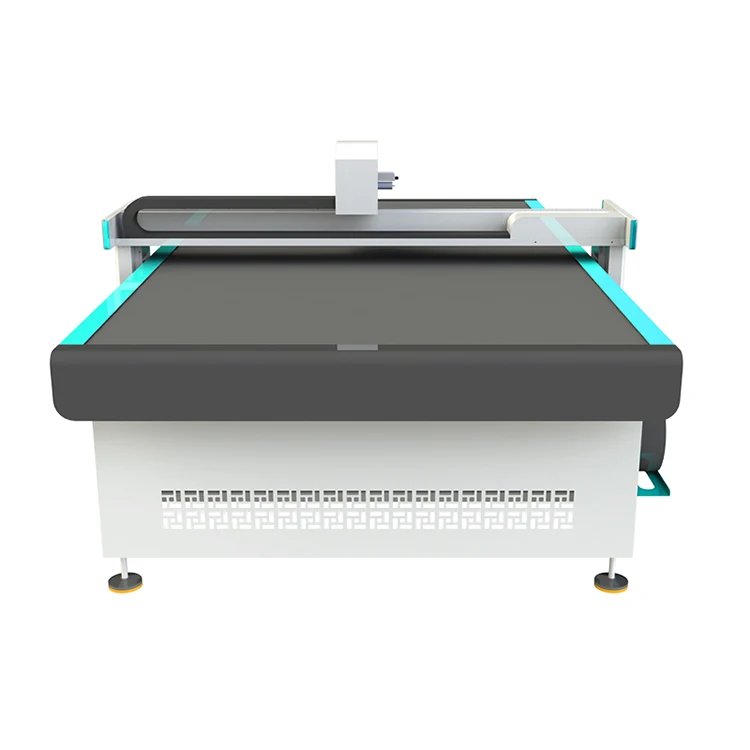
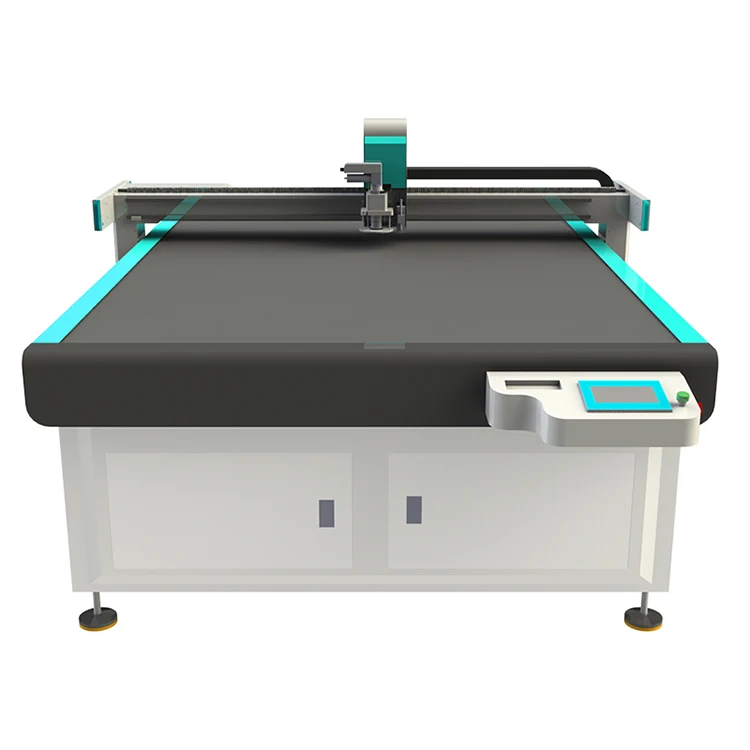
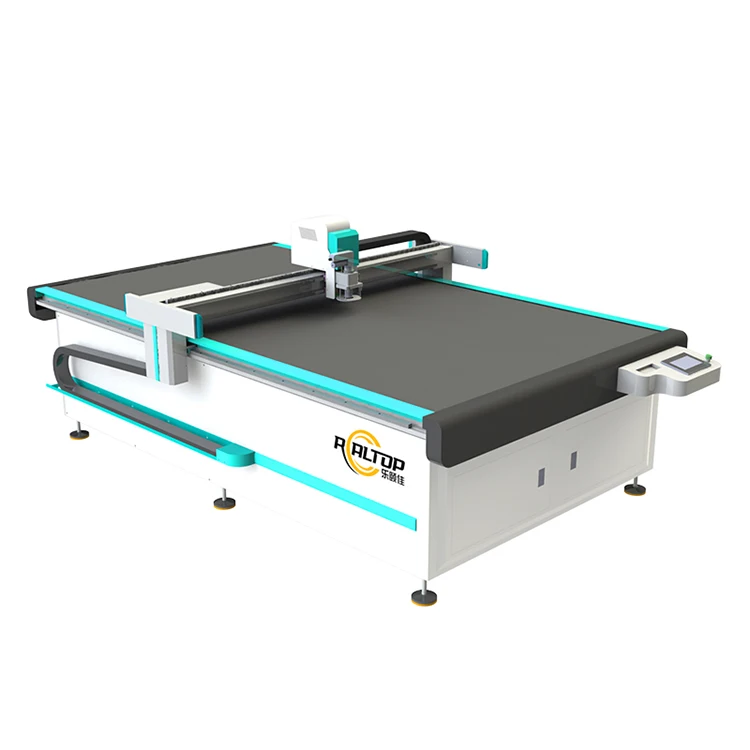
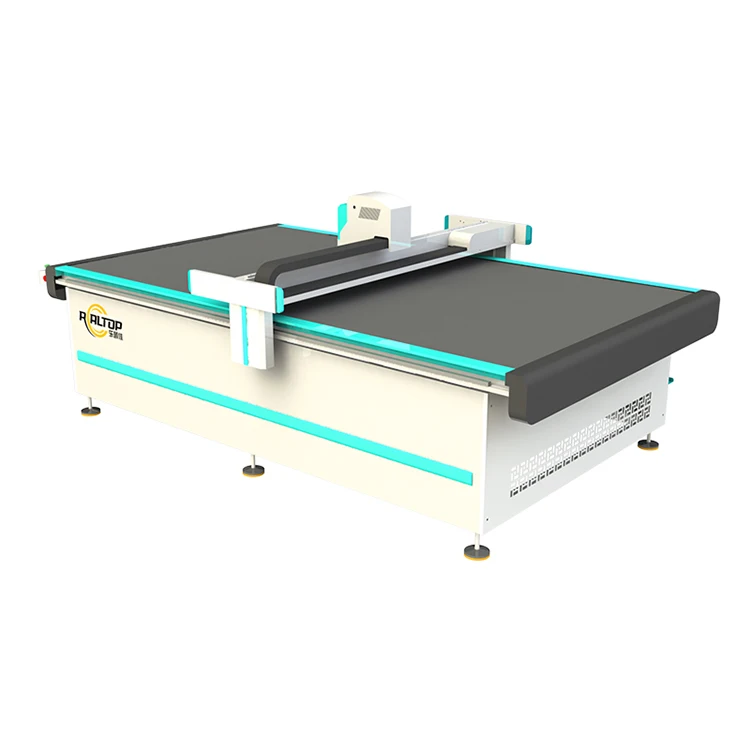
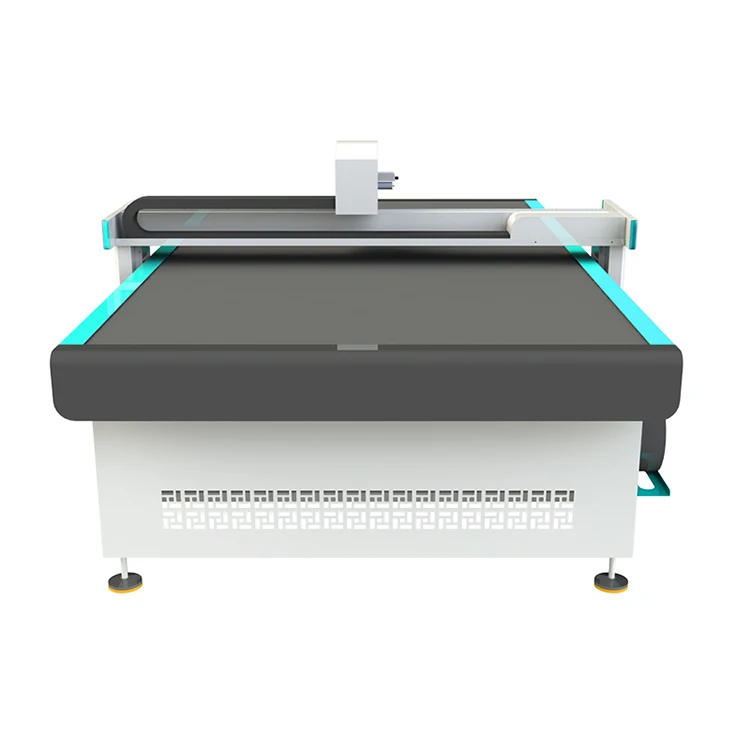
Versatile Cutting Method Match — The RT-D2516/RT-S2516 sits within a complete catalogue of knife and laser systems, letting you compare cutting technologies against your actual material before committing to one method.
Technical Specifications
| Parameter | Value |
|---|---|
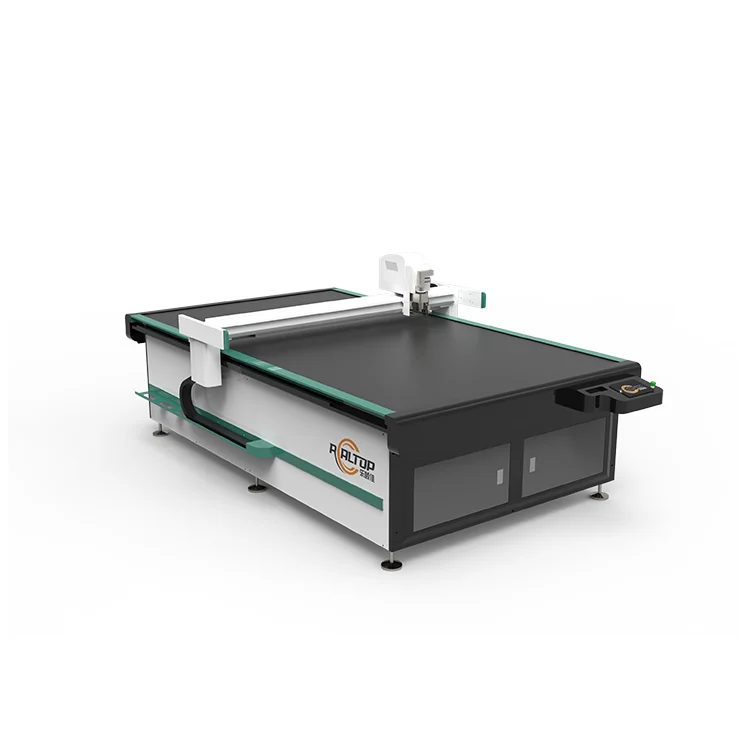
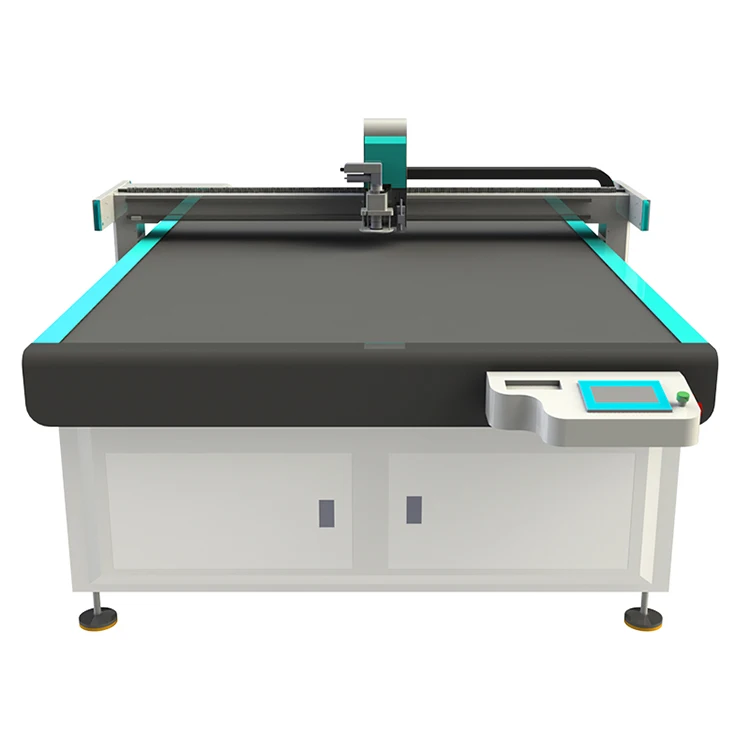
| Product Type | CNC Oscillating Knife Cutting Machine |
| Model | RT-D2516/RT-S2516 |
| Working Area | 1600 × 2500 mm |
| Overall Dimensions | 3450 × 2300 × 1250 mm |
| Rated Power | 9 kW |
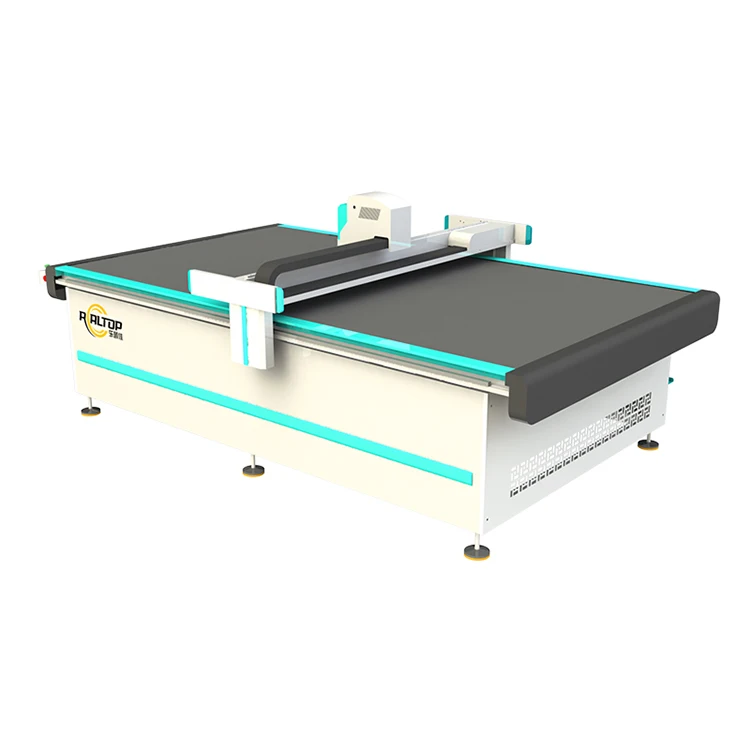
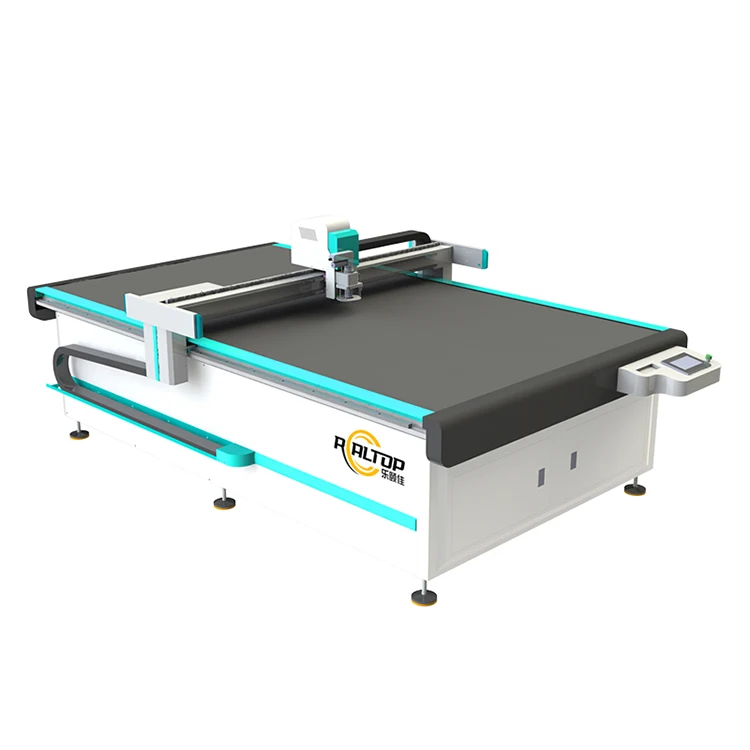
| Working Table | Flat vacuum table with conveyor belt |
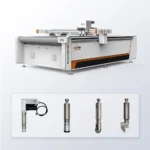
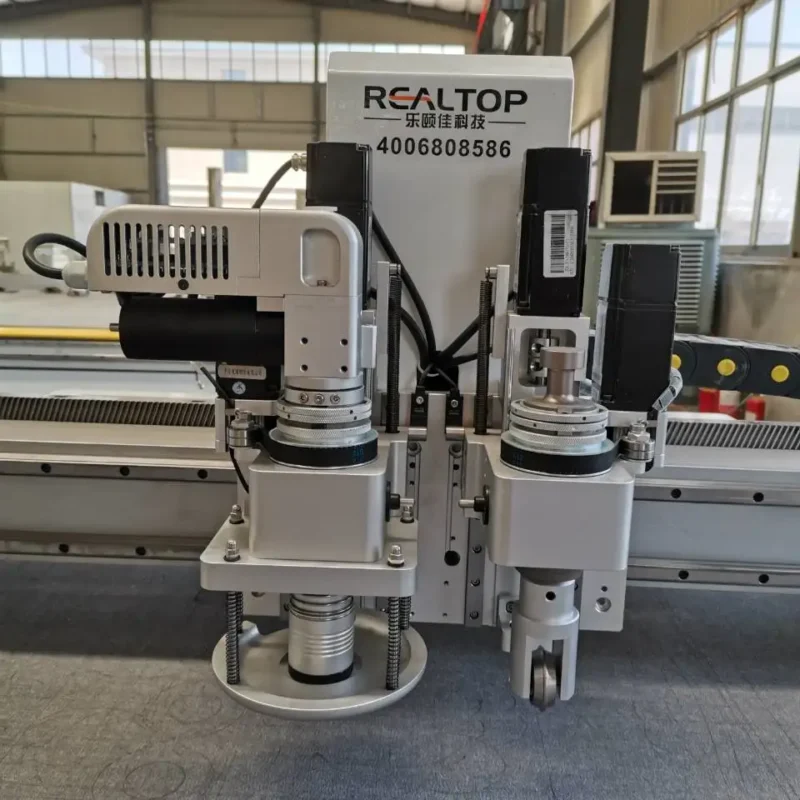
| Tool Head | Swiss imported oscillating knife with vibration full cutting, half cutting and cursor location |
| Translational Velocity | 800 – 1200 mm/s |
| Cutting Speed | 200 – 800 mm/s (varies by material) |
| Repeated Accuracy | ≤ 0.1 mm |
| Transmission System | Digital servo motor, linear guide, synchronous belt, ball screw |
| Servo Motor | Japanese Yaskawa |
| Linear Guide | Taiwan Hiwin rail |
| Vacuum Pump | 7.5 kW |
| Instruction System | HP-GL compatible format |
| Voltage | 380 V ±10% |
| Safety Device | Infrared sensors |
Application Suitability
| Application | Material or Output |
|---|---|
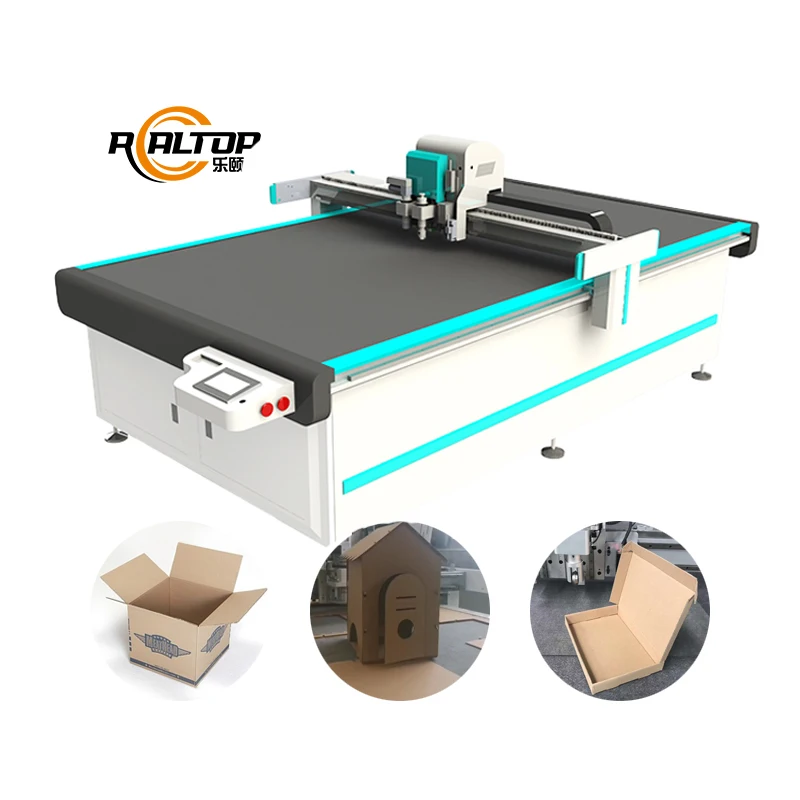
| Packaging and carton sample making | Corrugated board, greyboard, folding carton stock, honeycomb paper |
| Advertising and signage production | PVC foam board, vinyl, soft glass, acrylic sheets |
| Garment and footwear prototyping | Leather, synthetic leather, textile, sponge composite materials |
| Gasket and seal fabrication | Rubber, silicon, non-metallic composite sheets |
| Flexible material converting | Clothing fabrics, flexible foams, multi-layer textile composites |
What the Working Area Number Does Not Tell You About a CNC Oscillating Knife Cutting Machine
A 1600 × 2500 mm table is only useful if the vacuum zoning and tool head can hold and cut your specific material at full sheet size.
I have watched buyers shortlist machines by working area alone, then discover during commissioning that the vacuum table cannot hold small nesting parts flat, or the oscillating knife struggles with the density of their daily stock. One packaging shop ran dense greyboard for short-run luxury boxes — the machine they chose was rated for standard corrugated and choked on the denser fibre. Throughput fell and edge quality suffered. Specifying a flatbed digital cutting table manufacturer requires matching tool head, vacuum zoning, and cutting speed to what you actually feed the machine, not just to the largest sheet you plan to place on it [NEED_CITE: flatbed vacuum zoning and material hold-down principles].
Comparing Knife Versus Laser Across the Full Catalogue
The RT-D2516/RT-S2516 is positioned within a broader range that includes both oscillating knife and laser cutting platforms. For packaging sample makers, knife cutting generally produces clean mechanical edges on corrugated and greyboard without the thermal discolouration that laser leaves on cellulose-based stock. For buyers cutting acrylic display stands or textile with sealed edges, a CO2 laser from the same catalogue may be the better fit. This full-range approach means you evaluate the cutting method against your material first, then choose the machine — rather than forcing your material onto whichever technology a single supplier happens to build.
Conveyor Feed and Continuous Sheet Handling
When daily volume requires cutting multiple sheets back-to-back, the Germany-imported conveyor belt paired with the auto-feeding system on the RT-D2516/RT-S2516 allows one sheet to move onto the table while the previous sheet is being cut. This reduces manual loading intervals and supports a more consistent workflow. The 7.5 kW vacuum pump maintains hold-down across the flat table surface, though zoning effectiveness depends on part size — a detail worth confirming during sample testing [NEED_CITE: vacuum conveyor flatbed cutting table workflow].
Reading the Specifications Against Your Production Reality
The translational velocity of 800–1200 mm/s describes how fast the head moves between cuts, while the cutting speed of 200–800 mm/s reflects the actual blade contact rate through material, and the two numbers should never be confused when estimating throughput. The Swiss imported oscillating knife supports both full-cut and half-cut modes, which matters for packaging creasing and perforation lines where the blade must score without severing the board. Repeated accuracy of ≤ 0.1 mm, driven by the Yaskawa servo and Hiwin linear rail combination, keeps registration tight across long nesting runs — a requirement for carton sample makers who need fold lines to land precisely. The HP-GL compatible instruction system integrates with common packaging and sign-making design software, but file format compatibility should still be confirmed with your specific nesting workflow before order.
The Cost of Choosing the Wrong Tool Head for Your Stock
Selecting an oscillating knife head specified for thin flexible film, then running it daily on 3 mm greyboard, produces ragged edges and accelerates blade wear. Conversely, a heavy-duty knife on thin vinyl can crush rather than cut, leaving burrs that require secondary trimming. The wrong tool head also forces operators to reduce cutting speed manually, cutting throughput without solving the edge quality problem. These mismatches are usually caught only after the machine is on the factory floor, when changeover costs are highest [NEED_CITE: oscillating knife material compatibility and edge quality].
Why Source This Flatbed Digital Cutting Table Manufacturer
In-house design covers both knife and laser cutting technologies, so a recommendation is based on your material rather than limited to one method. Tool head and table configurations are specified per material type and daily production volume, not quoted as a default package. CCD camera positioning is available for printed contour work, with recognition performance verified during sample cutting. Software and file format compatibility is confirmed before order placement, avoiding post-delivery integration issues. Voltage, plug type, and control language are customised to the destination market before shipment. Sample cutting on your own material is conducted before commitment, producing a report that documents edge quality, achievable speed, and cut depth.
Documentation & Verification
- Machine specification sheet listing the RT-D2516/RT-S2516 tool head and vacuum table configuration
- Electrical schematic with confirmed 380 V ±10% supply and circuit requirements
- Sample cutting report produced on your packaging board or flexible material
- Software licence documentation with HP-GL format compatibility statement
- Factory test record with video showing cutting speed and edge quality
- Packing photographs of the complete unit before crate closure
Installation, Commissioning & Support
- Flat floor with level tolerance suitable for the 3450 × 2300 × 1250 mm overall footprint
- Dedicated 380 V ±10% circuit with sufficient capacity for the 9 kW rated load plus 7.5 kW vacuum pump
- Machine shipped with table and gantry separated, requiring on-site mechanical assembly and belt tensioning
- First-run parameter setting for cutting speed, oscillation frequency and vacuum zone mapping to your material
- Operator training covering HP-GL file import, tool head changeover and half-cut creasing calibration
- Consumable spare parts list including Swiss knife blades and conveyor belt wear items
Requesting a Configuration That Fits Your Line
To narrow down the right setup within the catalogue, please share your primary material type, thickness range, and maximum sheet size, along with your typical daily cut volume. Let us know your local voltage and frequency, the control language your operators need, and whether you require sample cutting on your own stock before finalising the specification.
Frequently Asked Questions
Q: How do I decide between knife cutting and laser cutting across the catalogue for my packaging material?
A: Knife cutting suits corrugated, greyboard and carton stock where thermal discolouration is unacceptable and mechanical creasing is required. Laser cutting suits acrylic, wood and textile where sealed edges are needed. Share your material samples so both methods can be tested and compared before selection.
Q: Which tool head is recommended for my material thickness and daily production volume?
A: The Swiss imported oscillating knife on the RT-D2516/RT-S2516 handles full-cut and half-cut modes across leather, PVC, foam and board. Tool head selection depends on your specific thickness and fibre density, confirmed through a sample cutting report before order.
Q: Is the working area the only factor, or should I also check vacuum zoning and cutting depth?
A: Working area determines maximum sheet size, but vacuum zoning determines whether small nested parts stay flat during cutting, and cutting depth determines whether the knife penetrates your densest stock cleanly. All three must be validated together on your material.
Q: How is software and file format compatibility confirmed before the order is placed?
A: The instruction system supports HP-GL compatible format. Before order, we confirm that your existing nesting or design software exports files the machine can import directly, avoiding workflow interruptions after delivery.
Q: What voltage, plug and control language options are available before shipment?
A: The standard configuration is 380 V ±10%, but voltage and plug type are confirmed against your facility supply before production. Control panel language is set to your operator preference and documented in the operation manual shipped with the machine.
Versatile Cutting Method Match — The RT-D2516/RT-S2516 sits within a complete catalogue of knife and laser systems, letting you compare cutting technologies against your actual material before committing to one method.
Technical Specifications
| Parameter | Value |
|---|---|
| Product Type | CNC Oscillating Knife Cutting Machine |
| Model | RT-D2516/RT-S2516 |
| Working Area | 1600 × 2500 mm |
| Overall Dimensions | 3450 × 2300 × 1250 mm |
| Rated Power | 9 kW |
| Working Table | Flat vacuum table with conveyor belt |
| Tool Head | Swiss imported oscillating knife with vibration full cutting, half cutting and cursor location |
| Translational Velocity | 800 – 1200 mm/s |
| Cutting Speed | 200 – 800 mm/s (varies by material) |
| Repeated Accuracy | ≤ 0.1 mm |
| Transmission System | Digital servo motor, linear guide, synchronous belt, ball screw |
| Servo Motor | Japanese Yaskawa |
| Linear Guide | Taiwan Hiwin rail |
| Vacuum Pump | 7.5 kW |
| Instruction System | HP-GL compatible format |
| Voltage | 380 V ±10% |
| Safety Device | Infrared sensors |
Application Suitability
| Application | Material or Output |
|---|---|
| Packaging and carton sample making | Corrugated board, greyboard, folding carton stock, honeycomb paper |
| Advertising and signage production | PVC foam board, vinyl, soft glass, acrylic sheets |
| Garment and footwear prototyping | Leather, synthetic leather, textile, sponge composite materials |
| Gasket and seal fabrication | Rubber, silicon, non-metallic composite sheets |
| Flexible material converting | Clothing fabrics, flexible foams, multi-layer textile composites |
What the Working Area Number Does Not Tell You About a CNC Oscillating Knife Cutting Machine
A 1600 × 2500 mm table is only useful if the vacuum zoning and tool head can hold and cut your specific material at full sheet size.
I have watched buyers shortlist machines by working area alone, then discover during commissioning that the vacuum table cannot hold small nesting parts flat, or the oscillating knife struggles with the density of their daily stock. One packaging shop ran dense greyboard for short-run luxury boxes — the machine they chose was rated for standard corrugated and choked on the denser fibre. Throughput fell and edge quality suffered. Specifying a flatbed digital cutting table manufacturer requires matching tool head, vacuum zoning, and cutting speed to what you actually feed the machine, not just to the largest sheet you plan to place on it [NEED_CITE: flatbed vacuum zoning and material hold-down principles].
Comparing Knife Versus Laser Across the Full Catalogue
The RT-D2516/RT-S2516 is positioned within a broader range that includes both oscillating knife and laser cutting platforms. For packaging sample makers, knife cutting generally produces clean mechanical edges on corrugated and greyboard without the thermal discolouration that laser leaves on cellulose-based stock. For buyers cutting acrylic display stands or textile with sealed edges, a CO2 laser from the same catalogue may be the better fit. This full-range approach means you evaluate the cutting method against your material first, then choose the machine — rather than forcing your material onto whichever technology a single supplier happens to build.
Conveyor Feed and Continuous Sheet Handling
When daily volume requires cutting multiple sheets back-to-back, the Germany-imported conveyor belt paired with the auto-feeding system on the RT-D2516/RT-S2516 allows one sheet to move onto the table while the previous sheet is being cut. This reduces manual loading intervals and supports a more consistent workflow. The 7.5 kW vacuum pump maintains hold-down across the flat table surface, though zoning effectiveness depends on part size — a detail worth confirming during sample testing [NEED_CITE: vacuum conveyor flatbed cutting table workflow].
Reading the Specifications Against Your Production Reality
The translational velocity of 800–1200 mm/s describes how fast the head moves between cuts, while the cutting speed of 200–800 mm/s reflects the actual blade contact rate through material, and the two numbers should never be confused when estimating throughput. The Swiss imported oscillating knife supports both full-cut and half-cut modes, which matters for packaging creasing and perforation lines where the blade must score without severing the board. Repeated accuracy of ≤ 0.1 mm, driven by the Yaskawa servo and Hiwin linear rail combination, keeps registration tight across long nesting runs — a requirement for carton sample makers who need fold lines to land precisely. The HP-GL compatible instruction system integrates with common packaging and sign-making design software, but file format compatibility should still be confirmed with your specific nesting workflow before order.
The Cost of Choosing the Wrong Tool Head for Your Stock
Selecting an oscillating knife head specified for thin flexible film, then running it daily on 3 mm greyboard, produces ragged edges and accelerates blade wear. Conversely, a heavy-duty knife on thin vinyl can crush rather than cut, leaving burrs that require secondary trimming. The wrong tool head also forces operators to reduce cutting speed manually, cutting throughput without solving the edge quality problem. These mismatches are usually caught only after the machine is on the factory floor, when changeover costs are highest [NEED_CITE: oscillating knife material compatibility and edge quality].
Why Source This Flatbed Digital Cutting Table Manufacturer
In-house design covers both knife and laser cutting technologies, so a recommendation is based on your material rather than limited to one method. Tool head and table configurations are specified per material type and daily production volume, not quoted as a default package. CCD camera positioning is available for printed contour work, with recognition performance verified during sample cutting. Software and file format compatibility is confirmed before order placement, avoiding post-delivery integration issues. Voltage, plug type, and control language are customised to the destination market before shipment. Sample cutting on your own material is conducted before commitment, producing a report that documents edge quality, achievable speed, and cut depth.
Documentation & Verification
- Machine specification sheet listing the RT-D2516/RT-S2516 tool head and vacuum table configuration
- Electrical schematic with confirmed 380 V ±10% supply and circuit requirements
- Sample cutting report produced on your packaging board or flexible material
- Software licence documentation with HP-GL format compatibility statement
- Factory test record with video showing cutting speed and edge quality
- Packing photographs of the complete unit before crate closure
Installation, Commissioning & Support
- Flat floor with level tolerance suitable for the 3450 × 2300 × 1250 mm overall footprint
- Dedicated 380 V ±10% circuit with sufficient capacity for the 9 kW rated load plus 7.5 kW vacuum pump
- Machine shipped with table and gantry separated, requiring on-site mechanical assembly and belt tensioning
- First-run parameter setting for cutting speed, oscillation frequency and vacuum zone mapping to your material
- Operator training covering HP-GL file import, tool head changeover and half-cut creasing calibration
- Consumable spare parts list including Swiss knife blades and conveyor belt wear items
Requesting a Configuration That Fits Your Line
To narrow down the right setup within the catalogue, please share your primary material type, thickness range, and maximum sheet size, along with your typical daily cut volume. Let us know your local voltage and frequency, the control language your operators need, and whether you require sample cutting on your own stock before finalising the specification.
Frequently Asked Questions
Q: How do I decide between knife cutting and laser cutting across the catalogue for my packaging material?
A: Knife cutting suits corrugated, greyboard and carton stock where thermal discolouration is unacceptable and mechanical creasing is required. Laser cutting suits acrylic, wood and textile where sealed edges are needed. Share your material samples so both methods can be tested and compared before selection.
Q: Which tool head is recommended for my material thickness and daily production volume?
A: The Swiss imported oscillating knife on the RT-D2516/RT-S2516 handles full-cut and half-cut modes across leather, PVC, foam and board. Tool head selection depends on your specific thickness and fibre density, confirmed through a sample cutting report before order.
Q: Is the working area the only factor, or should I also check vacuum zoning and cutting depth?
A: Working area determines maximum sheet size, but vacuum zoning determines whether small nested parts stay flat during cutting, and cutting depth determines whether the knife penetrates your densest stock cleanly. All three must be validated together on your material.
Q: How is software and file format compatibility confirmed before the order is placed?
A: The instruction system supports HP-GL compatible format. Before order, we confirm that your existing nesting or design software exports files the machine can import directly, avoiding workflow interruptions after delivery.
Q: What voltage, plug and control language options are available before shipment?
A: The standard configuration is 380 V ±10%, but voltage and plug type are confirmed against your facility supply before production. Control panel language is set to your operator preference and documented in the operation manual shipped with the machine.
商品评价
There are no reviews yet.