

Fast Delivery
Quick, reliable shipping to any location.

Free & easy returns
Return this item by mail or in store within 90 days for a full refund.
Swiss-Imported Oscillating Knife Systems — tool head configurations matched to your actual corrugated, grey board, or flexible material density, verified by sample cutting before order.
Technical Specifications
| Parameter | Value |
|---|---|
| Model | RT-D2516 / RT-S2516 |
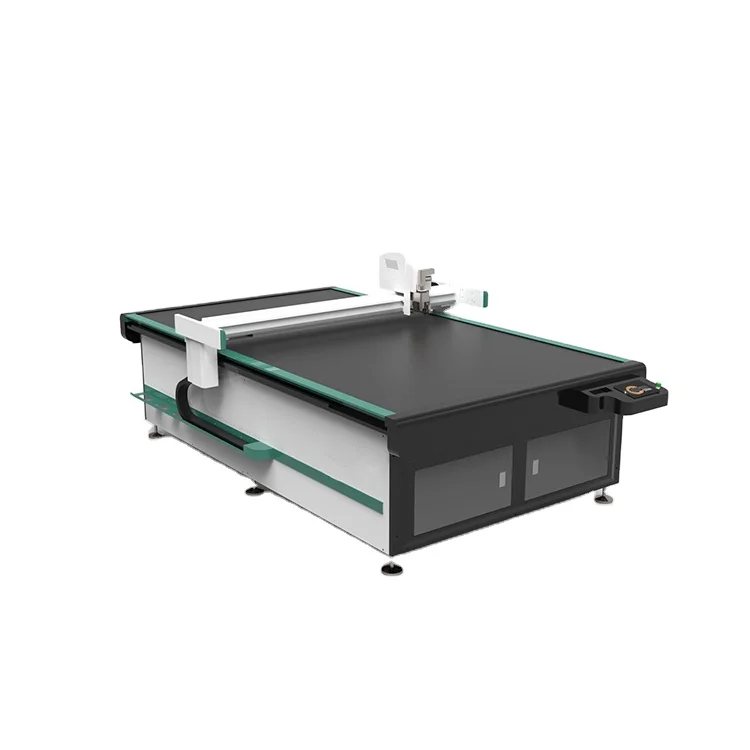
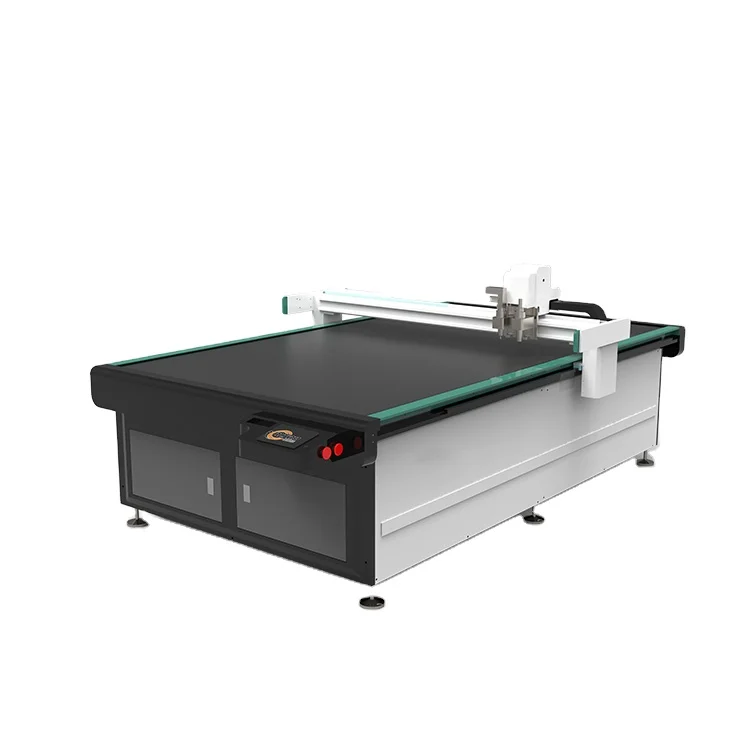
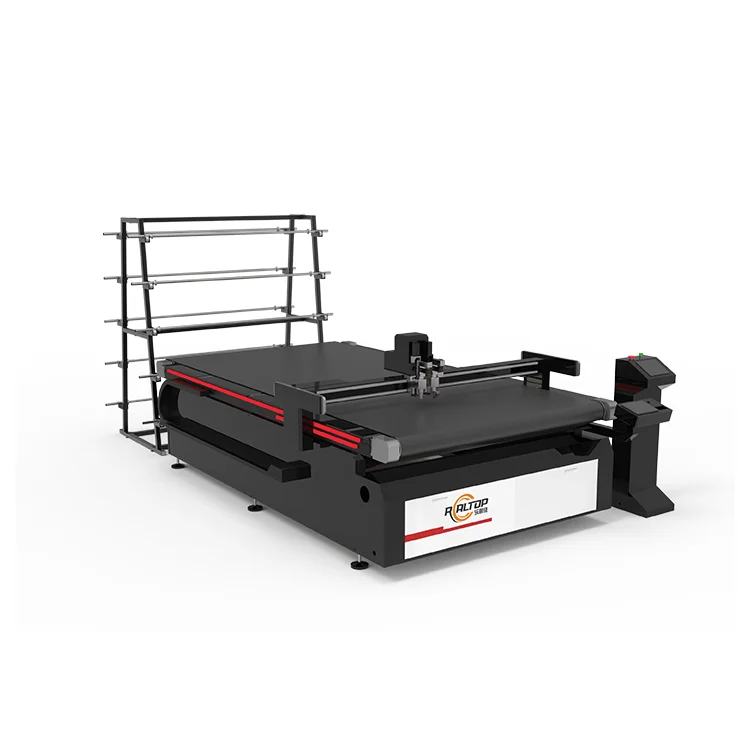
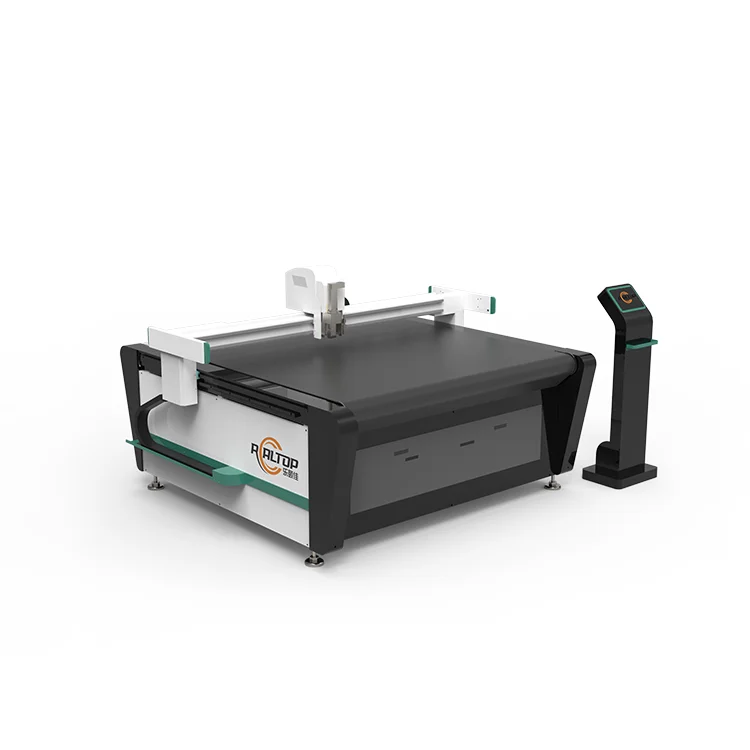
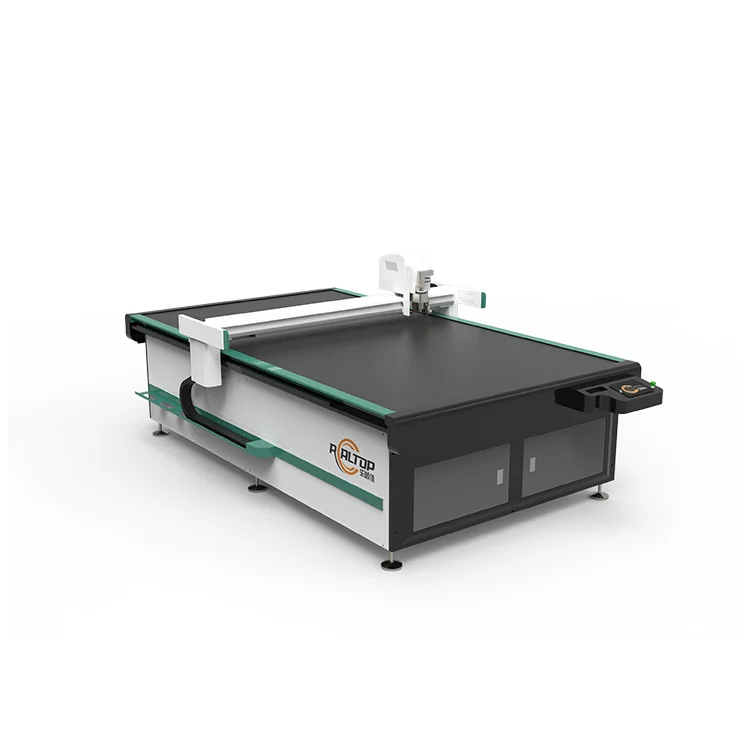
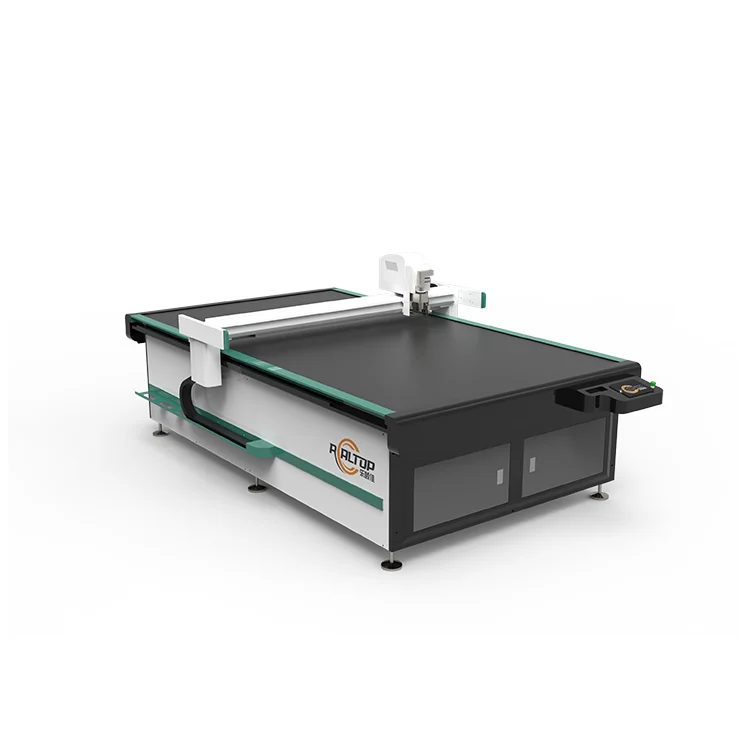
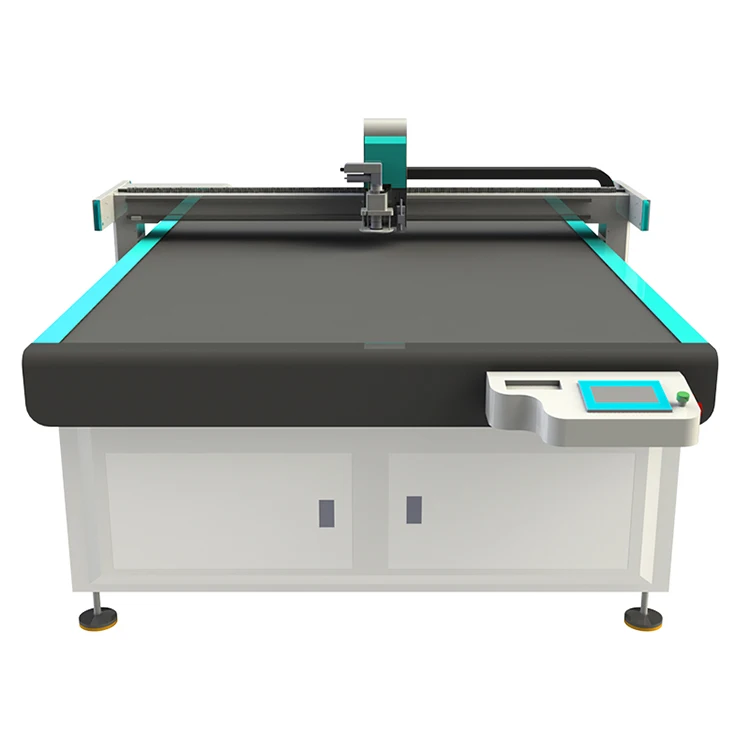
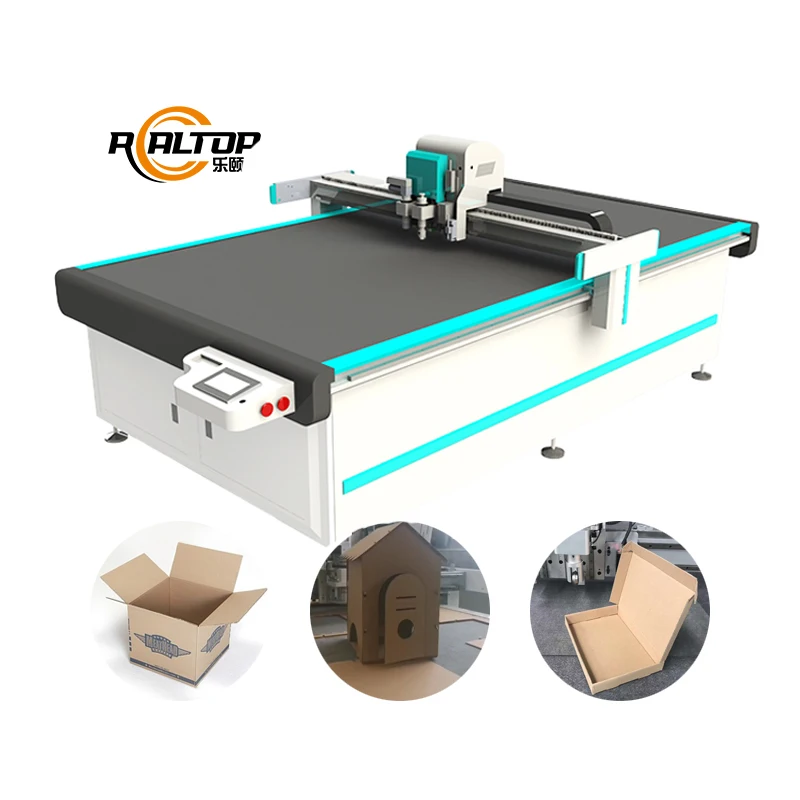
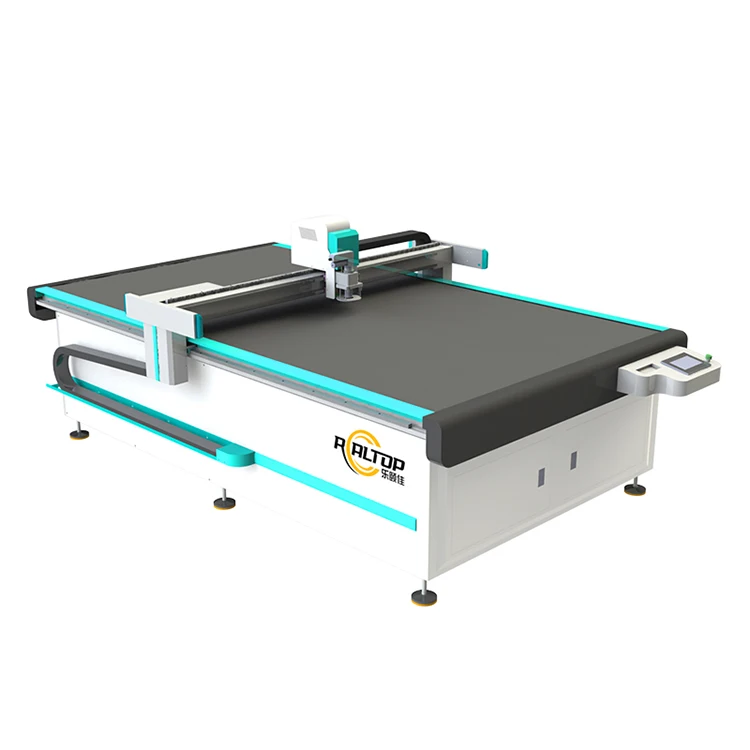
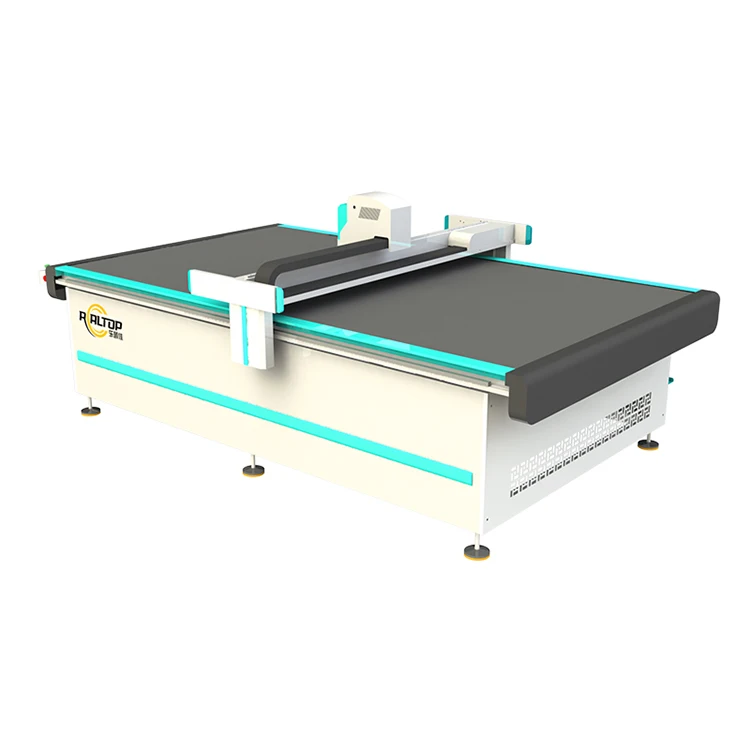
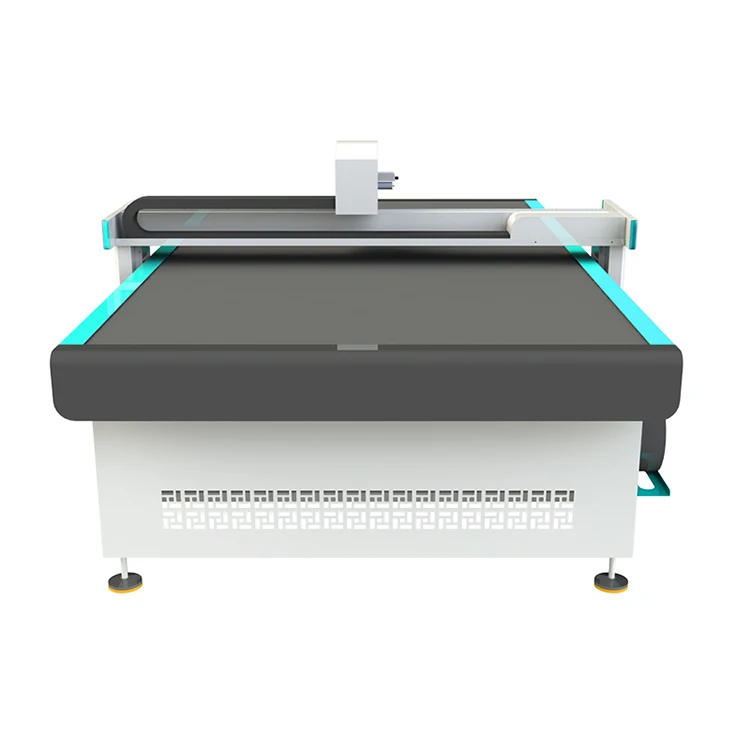
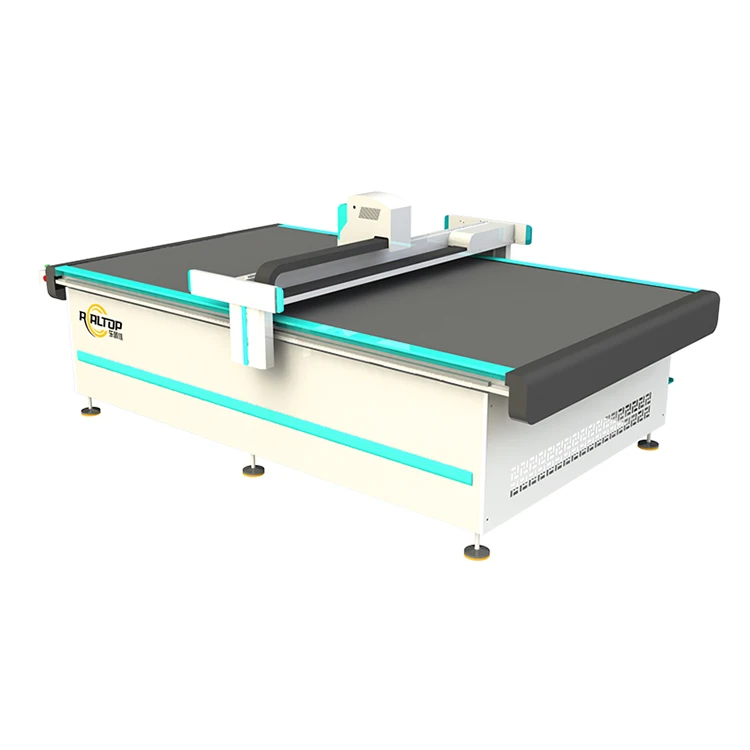
| Product Type | CNC Flatbed Digital Cutting Machine (Oscillating Knife) |
| Working Area | 1600 × 2500 mm |
| Machine Dimensions (L×W×H) | 3450 × 2300 × 1250 mm |
| Rated Power | 9 kW |
| Voltage Requirement | 380V ±10% (frequency to be confirmed per market) |
| Table Configuration | Flat working table with 7.5 kW vacuum pump |
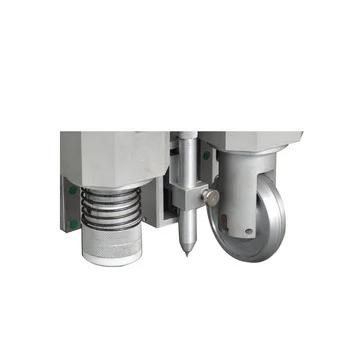
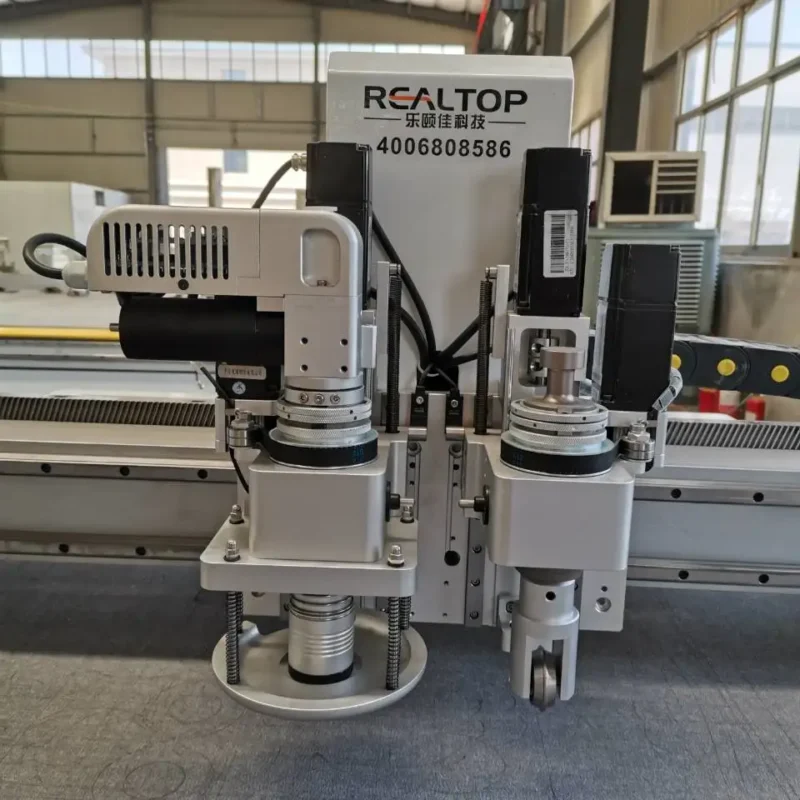
| Tool Head | Multifunctional head with Swiss imported knife (vibration full/half cutting, cursor location) |
| Translational Velocity | 800–1200 mm/s |
| Cutting Speed | 200–800 mm/s (basis to be confirmed by material type and thickness) |
| Repeated Positioning Accuracy | ≤0.1 mm |
| Transmission System | Japanese Yaskawa digital servo motor, Taiwan Hiwin linear guide, synchronous belt, ball screw |
| Instruction System | HP-GL compatible format |
| Safety Device | Infrared sensors |
| Additional Configuration | Germany imported conveyor belt, auto feeding system |
| Pneumatic Tool Option | Available, up to 70 mm cutting thickness (basis to be confirmed by material density) |
| Standard Compliance | CE (where applicable) |
Application Suitability
| Application | Material or Output |
|---|---|
| Carton and Packaging Sample Making | Corrugated board, grey board, cardboard |
| Commercial Box Production | Gift boxes, carton boxes, folding cartons |
| Signage and Label Processing | Adhesive stickers, vinyl labels, printed decals |
| Leather Goods and Footwear | Natural leather, synthetic PU/PVC, pattern nesting |
| Garment and Textile Manufacturing | Flexible fabrics, woven materials, technical textiles |
| Gasket and Seal Fabrication | PVC, soft glass, silicon, rubber compounds |
| Automotive Interior Trimming | Floor mats, carpets, acoustic insulation materials |
| Composite Material Processing | Sponge, laminated flexible composites |
Why Working Area Alone Fails Packaging Producers
Specifying a flat bed cutter plotter by table size ignores the Z-axis pressure and oscillation frequency required for your specific board flute.
Many buyers select a machine based purely on the 1600 × 2500 mm footprint, only to discover on the production floor that the standard drag knife cannot penetrate high-density honeycomb structures without crushing the top layer. The corrugated die cutting machine must be calibrated for the exact material thickness and density, otherwise edge quality degrades immediately and nesting yield drops [NEED_CITE: CNC knife cutting parameters for varying corrugated flute profiles].
Matching the Knife Profile to the Substrate
Selecting the correct oscillating knife cutting table for sale depends entirely on the flute profile and material composition you run daily. Standard drag knives work for single-wall corrugated, but double-wall or high-density honeycomb board requires a high-frequency oscillating tool head to slice cleanly through the medium without collapsing the structural arches. Our multifunctional head utilizes a Swiss imported knife designed to maintain edge sharpness across extended production runs on abrasive composite materials.
Vacuum Table Zoning and Small Part Retention
A 7.5 kW vacuum pump provides substantial hold-down force across the 1600 × 2500 mm working area, but the zoning strategy dictates actual performance. When cutting intricate packaging samples or small gasket components, the vacuum zones must be configured to prevent material lift at high translational velocities of up to 1200 mm/s. Improper zoning leads to material shift, rendering the ≤0.1 mm repeated accuracy irrelevant [NEED_CITE: vacuum table zoning strategies for small format digital cutting].
The HP-GL Workflow Integration
Your existing CAD and nesting software must communicate directly with the machine controller. This CNC flatbed digital cutting machine manufacturer ensures HP-GL compatible format instruction systems integrate with standard packaging design workflows. We verify file format compatibility and nesting logic before the machine leaves the factory, preventing the bottleneck of manual toolpath generation on the shop floor.
Transmission Components and Long-Term Precision
The repeated accuracy of ≤0.1 mm is sustained by the specific combination of Japanese Yaskawa digital servo motors and Taiwan Hiwin linear guides. In high-volume packaging sample making, where thousands of identical creasing and cutting cycles occur daily, synchronous belts and ball screws prevent the mechanical backlash that degrades registration over time. This hardware foundation ensures that the CCD camera positioning (when configured) maintains contour recognition accuracy throughout the shift.
The Hidden Cost of Misconfigured Pneumatic Tools
Choosing the pneumatic tool option for materials up to 70 mm thick requires validating the actual density of your foam or composite stock. A configuration set for low-density sponge will stall or tear when it encounters high-density acoustic insulation, causing unscheduled downtime and tool damage. We validate the pneumatic pressure and stroke rate against your specific material stack before finalizing the machine configuration [NEED_CITE: pneumatic oscillating knife limitations on high-density foams].
Why Source From This Manufacturer
Our in-house design and production cover both knife and laser cutting technologies, so you select the method that fits your material rather than forcing a single solution. We build the CNC flatbed digital cutting machine with tool head and table configurations specified strictly per your material type and daily production volume. Every unit undergoes a factory test record on your actual material before shipment, ensuring the Z-axis pressure and oscillation frequency are dialed in. We confirm voltage, plug type, and control language before production begins. The machine arrives with a complete software licence and file format compatibility note.
Documentation & Verification
- Machine specification sheet confirming 1600 × 2500 mm working area and 7.5 kW vacuum pump configuration.
- Electrical schematic and voltage confirmation for 380V ±10% input and local frequency requirements.
- Tool head and table configuration list detailing the Swiss imported knife and HP-GL instruction system setup.
- Sample cutting report on your specific corrugated or flexible material verifying edge quality and speed.
- Software licence and file format compatibility note for your existing CAD nesting workflow.
Installation, Commissioning & Support
- Foundation requires a level concrete floor to support the 3450 × 2300 × 1250 mm machine footprint and dynamic cutting forces.
- Dedicated 380V ±10% circuit required to support the 9 kW rated power and 7.5 kW vacuum pump startup surge.
- Machine ships partially assembled; final alignment of Taiwan Hiwin linear guides and Yaskawa servos completed on-site.
- First-run commissioning includes calibrating the oscillating knife Z-axis pressure and vacuum table zoning for your material.
- Operator training covers HP-GL file import, nesting optimization, and tool change procedures for the multifunctional head.
- Spare parts list includes replacement Swiss imported knife blades and synchronous belt tensioning specifications.
Preparing Your Project Inquiry
To accurately specify your flatbed digital cutting system, provide the exact material type, maximum thickness, and daily production volume you intend to process. Include your current CAD file formats and whether you require creasing, half-cutting, or full-contour cutting capabilities. Specify your facility’s voltage and frequency standards to ensure the electrical cabinet is configured correctly before dispatch.
Frequently Asked Questions
Q: How do I choose between an oscillating knife and a laser for packaging materials?
A: Oscillating knives are generally preferred for corrugated board, grey board, and thick composites because they do not burn or discolor the edges, which is critical for packaging aesthetics and structural integrity. Laser systems are typically reserved for acrylics, textiles, or materials requiring edge sealing. We test your specific material to recommend the appropriate cutting method.
Q: Can the machine handle both small sticker contours and large carton formats?
A: Yes, the 1600 × 2500 mm working area accommodates large carton formats, while the high-frequency oscillating head and precise Yaskawa servo transmission handle intricate sticker contours. The critical factor is configuring the vacuum table zoning correctly to hold small parts flat during high-speed cutting without material lift.
Q: What software file formats does the controller accept?
A: The instruction system is HP-GL compatible, which integrates with most standard packaging CAD and nesting software. We verify your specific file format and nesting workflow compatibility during the pre-order specification phase to ensure seamless data transfer from your design station to the machine controller.
Q: How is the machine calibrated for different material thicknesses?
A: The Z-axis pressure, oscillation frequency, and cutting speed are calibrated based on the material density and thickness. For materials up to 70 mm thick using the pneumatic tool option, we adjust the stroke rate and downforce. This calibration is verified using your actual production material during the factory acceptance test.
Q: What voltage and frequency options are available for export markets?
A: The standard configuration is 380V ±10%, but the electrical cabinet and motor specifications must be confirmed against your local frequency (50Hz or 60Hz) and voltage stability. We require a formal voltage and frequency confirmation document before manufacturing the electrical schematics to prevent motor burnout or control system failure.
Swiss-Imported Oscillating Knife Systems — tool head configurations matched to your actual corrugated, grey board, or flexible material density, verified by sample cutting before order.
Technical Specifications
| Parameter | Value |
|---|---|
| Model | RT-D2516 / RT-S2516 |
| Product Type | CNC Flatbed Digital Cutting Machine (Oscillating Knife) |
| Working Area | 1600 × 2500 mm |
| Machine Dimensions (L×W×H) | 3450 × 2300 × 1250 mm |
| Rated Power | 9 kW |
| Voltage Requirement | 380V ±10% (frequency to be confirmed per market) |
| Table Configuration | Flat working table with 7.5 kW vacuum pump |
| Tool Head | Multifunctional head with Swiss imported knife (vibration full/half cutting, cursor location) |
| Translational Velocity | 800–1200 mm/s |
| Cutting Speed | 200–800 mm/s (basis to be confirmed by material type and thickness) |
| Repeated Positioning Accuracy | ≤0.1 mm |
| Transmission System | Japanese Yaskawa digital servo motor, Taiwan Hiwin linear guide, synchronous belt, ball screw |
| Instruction System | HP-GL compatible format |
| Safety Device | Infrared sensors |
| Additional Configuration | Germany imported conveyor belt, auto feeding system |
| Pneumatic Tool Option | Available, up to 70 mm cutting thickness (basis to be confirmed by material density) |
| Standard Compliance | CE (where applicable) |
Application Suitability
| Application | Material or Output |
|---|---|
| Carton and Packaging Sample Making | Corrugated board, grey board, cardboard |
| Commercial Box Production | Gift boxes, carton boxes, folding cartons |
| Signage and Label Processing | Adhesive stickers, vinyl labels, printed decals |
| Leather Goods and Footwear | Natural leather, synthetic PU/PVC, pattern nesting |
| Garment and Textile Manufacturing | Flexible fabrics, woven materials, technical textiles |
| Gasket and Seal Fabrication | PVC, soft glass, silicon, rubber compounds |
| Automotive Interior Trimming | Floor mats, carpets, acoustic insulation materials |
| Composite Material Processing | Sponge, laminated flexible composites |
Why Working Area Alone Fails Packaging Producers
Specifying a flat bed cutter plotter by table size ignores the Z-axis pressure and oscillation frequency required for your specific board flute.
Many buyers select a machine based purely on the 1600 × 2500 mm footprint, only to discover on the production floor that the standard drag knife cannot penetrate high-density honeycomb structures without crushing the top layer. The corrugated die cutting machine must be calibrated for the exact material thickness and density, otherwise edge quality degrades immediately and nesting yield drops [NEED_CITE: CNC knife cutting parameters for varying corrugated flute profiles].
Matching the Knife Profile to the Substrate
Selecting the correct oscillating knife cutting table for sale depends entirely on the flute profile and material composition you run daily. Standard drag knives work for single-wall corrugated, but double-wall or high-density honeycomb board requires a high-frequency oscillating tool head to slice cleanly through the medium without collapsing the structural arches. Our multifunctional head utilizes a Swiss imported knife designed to maintain edge sharpness across extended production runs on abrasive composite materials.
Vacuum Table Zoning and Small Part Retention
A 7.5 kW vacuum pump provides substantial hold-down force across the 1600 × 2500 mm working area, but the zoning strategy dictates actual performance. When cutting intricate packaging samples or small gasket components, the vacuum zones must be configured to prevent material lift at high translational velocities of up to 1200 mm/s. Improper zoning leads to material shift, rendering the ≤0.1 mm repeated accuracy irrelevant [NEED_CITE: vacuum table zoning strategies for small format digital cutting].
The HP-GL Workflow Integration
Your existing CAD and nesting software must communicate directly with the machine controller. This CNC flatbed digital cutting machine manufacturer ensures HP-GL compatible format instruction systems integrate with standard packaging design workflows. We verify file format compatibility and nesting logic before the machine leaves the factory, preventing the bottleneck of manual toolpath generation on the shop floor.
Transmission Components and Long-Term Precision
The repeated accuracy of ≤0.1 mm is sustained by the specific combination of Japanese Yaskawa digital servo motors and Taiwan Hiwin linear guides. In high-volume packaging sample making, where thousands of identical creasing and cutting cycles occur daily, synchronous belts and ball screws prevent the mechanical backlash that degrades registration over time. This hardware foundation ensures that the CCD camera positioning (when configured) maintains contour recognition accuracy throughout the shift.
The Hidden Cost of Misconfigured Pneumatic Tools
Choosing the pneumatic tool option for materials up to 70 mm thick requires validating the actual density of your foam or composite stock. A configuration set for low-density sponge will stall or tear when it encounters high-density acoustic insulation, causing unscheduled downtime and tool damage. We validate the pneumatic pressure and stroke rate against your specific material stack before finalizing the machine configuration [NEED_CITE: pneumatic oscillating knife limitations on high-density foams].
Why Source From This Manufacturer
Our in-house design and production cover both knife and laser cutting technologies, so you select the method that fits your material rather than forcing a single solution. We build the CNC flatbed digital cutting machine with tool head and table configurations specified strictly per your material type and daily production volume. Every unit undergoes a factory test record on your actual material before shipment, ensuring the Z-axis pressure and oscillation frequency are dialed in. We confirm voltage, plug type, and control language before production begins. The machine arrives with a complete software licence and file format compatibility note.
Documentation & Verification
- Machine specification sheet confirming 1600 × 2500 mm working area and 7.5 kW vacuum pump configuration.
- Electrical schematic and voltage confirmation for 380V ±10% input and local frequency requirements.
- Tool head and table configuration list detailing the Swiss imported knife and HP-GL instruction system setup.
- Sample cutting report on your specific corrugated or flexible material verifying edge quality and speed.
- Software licence and file format compatibility note for your existing CAD nesting workflow.
Installation, Commissioning & Support
- Foundation requires a level concrete floor to support the 3450 × 2300 × 1250 mm machine footprint and dynamic cutting forces.
- Dedicated 380V ±10% circuit required to support the 9 kW rated power and 7.5 kW vacuum pump startup surge.
- Machine ships partially assembled; final alignment of Taiwan Hiwin linear guides and Yaskawa servos completed on-site.
- First-run commissioning includes calibrating the oscillating knife Z-axis pressure and vacuum table zoning for your material.
- Operator training covers HP-GL file import, nesting optimization, and tool change procedures for the multifunctional head.
- Spare parts list includes replacement Swiss imported knife blades and synchronous belt tensioning specifications.
Preparing Your Project Inquiry
To accurately specify your flatbed digital cutting system, provide the exact material type, maximum thickness, and daily production volume you intend to process. Include your current CAD file formats and whether you require creasing, half-cutting, or full-contour cutting capabilities. Specify your facility’s voltage and frequency standards to ensure the electrical cabinet is configured correctly before dispatch.
Frequently Asked Questions
Q: How do I choose between an oscillating knife and a laser for packaging materials?
A: Oscillating knives are generally preferred for corrugated board, grey board, and thick composites because they do not burn or discolor the edges, which is critical for packaging aesthetics and structural integrity. Laser systems are typically reserved for acrylics, textiles, or materials requiring edge sealing. We test your specific material to recommend the appropriate cutting method.
Q: Can the machine handle both small sticker contours and large carton formats?
A: Yes, the 1600 × 2500 mm working area accommodates large carton formats, while the high-frequency oscillating head and precise Yaskawa servo transmission handle intricate sticker contours. The critical factor is configuring the vacuum table zoning correctly to hold small parts flat during high-speed cutting without material lift.
Q: What software file formats does the controller accept?
A: The instruction system is HP-GL compatible, which integrates with most standard packaging CAD and nesting software. We verify your specific file format and nesting workflow compatibility during the pre-order specification phase to ensure seamless data transfer from your design station to the machine controller.
Q: How is the machine calibrated for different material thicknesses?
A: The Z-axis pressure, oscillation frequency, and cutting speed are calibrated based on the material density and thickness. For materials up to 70 mm thick using the pneumatic tool option, we adjust the stroke rate and downforce. This calibration is verified using your actual production material during the factory acceptance test.
Q: What voltage and frequency options are available for export markets?
A: The standard configuration is 380V ±10%, but the electrical cabinet and motor specifications must be confirmed against your local frequency (50Hz or 60Hz) and voltage stability. We require a formal voltage and frequency confirmation document before manufacturing the electrical schematics to prevent motor burnout or control system failure.
商品评价
There are no reviews yet.